
Every generation of experts has stood on a stage and declared, with total confidence, that they finally understood how the world worked. Then the ground shifted under their feet – sometimes literally – and everything they’d built their careers on turned out to be wrong.
This isn’t a story about slow, tidy scientific progress. It’s a story about walls that weren’t supposed to exist, continents that weren’t supposed to move, and a universe that wasn’t supposed to have a beginning. Fifteen times, the smartest people in the room got blindsided by evidence they never saw coming – and by the end of this list, you’ll understand why “the experts agree” has always been a temporary state of affairs.
#15 – The Walls of Troy Were Real After All
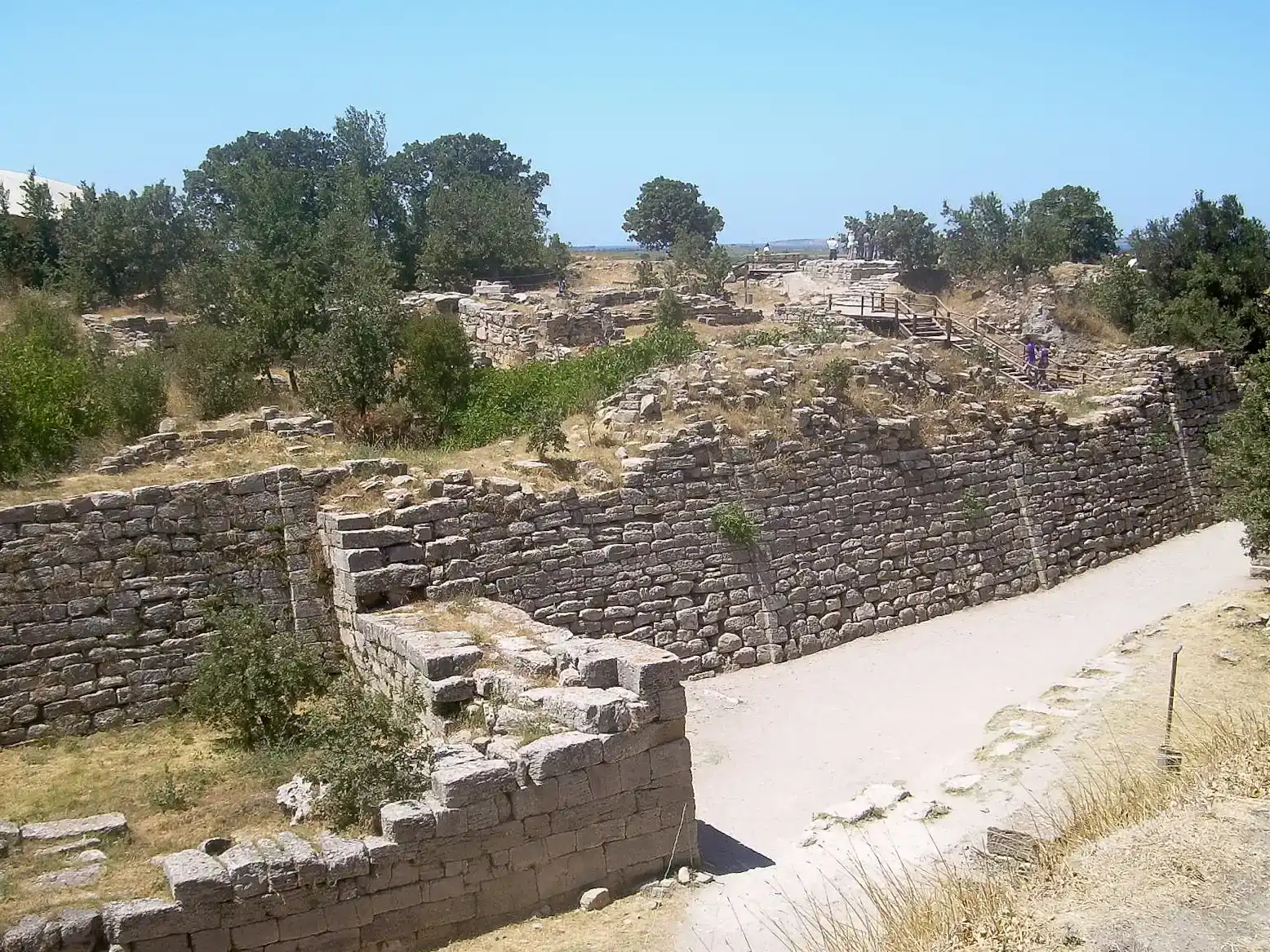
For most of the 19th century, serious scholars treated Homer’s Iliad the way you’d treat a bedtime story – entertaining, maybe even beautiful, but definitely not history. No respected historian believed a real city had ever burned on that stretch of Turkish coastline. Then Heinrich Schliemann showed up with a shovel and a stubborn hunch that the poem was pointing to an actual place.
His 1871 excavations at Hisarlik tore that assumption apart. Diggers uncovered layer after layer of a fortified settlement, complete with massive defensive walls and a treasure hoard that lined up with Bronze Age timelines experts had already thrown out. Later digs found destruction debris consistent with a violent end around 1180 BCE – close enough to the epic’s own timeline to make jaws drop. Suddenly, oral tradition wasn’t campfire fiction anymore; it was a lead worth digging on.
Fast Facts
- Schliemann’s dig began in 1871 at the mound of Hisarlik, Turkey.
- The site holds at least nine major settlement layers spanning roughly 3600 BCE to 500 CE.
- Destruction debris in the layer linked to the Trojan War dates to around 1180 BCE.
- A gold hoard nicknamed “Priam’s Treasure” surfaced during the 1873 digging season.
#14 – Continents Actually Drift Across the Planet
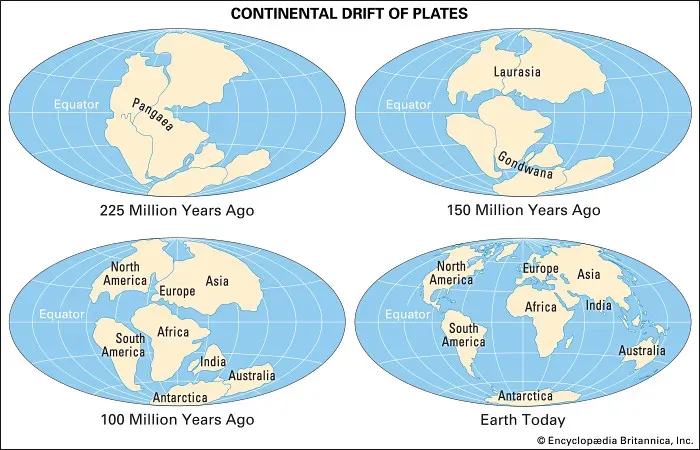
When Alfred Wegener suggested in 1912 that the continents had once been fused together and slowly pulled apart, the geological establishment didn’t just disagree – they laughed him out of the room. Without a mechanism to explain how solid rock could migrate across an ocean floor, his idea sounded like something out of pulp fiction. Fossil evidence didn’t help his case much at first, even though it was staring everyone in the face.
Identical Permian-era plant fossils kept turning up on continents separated by thousands of miles of open water, and matching rock formations lined up like puzzle pieces across the Atlantic. Critics clung to their fixed-land models for decades anyway. It took seafloor mapping in the 1950s – revealing sprawling underwater mountain ranges and spreading ridges – to finally kill the old picture for good. An entire generation of textbooks had to be quietly rewritten.
#13 – Invisible Germs, Not Bad Air, Cause Disease
Before Louis Pasteur and Robert Koch came along, doctors genuinely believed that disease drifted through the air like fog, or that it came from an imbalance of bodily fluids. That belief led to treatments like bloodletting – procedures that frequently made sick patients sicker. It’s a strange thing to sit with: for centuries, medicine’s best guess was actively working against its patients.
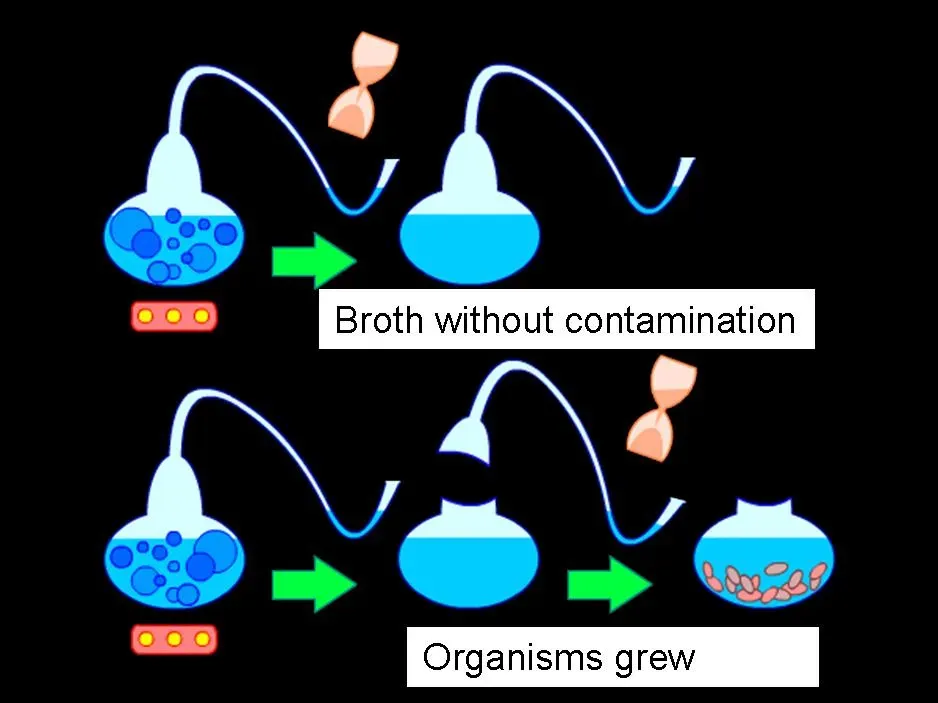
Pasteur’s swan-neck flask experiments in the 1860s exposed the truth by showing that microbes, not “bad air,” were driving fermentation and decay. His sterilization techniques cut hospital infection rates almost overnight once adopted. Koch then nailed the coffin shut by linking specific bacteria to specific diseases like anthrax and tuberculosis. Plenty of physicians resisted the shift anyway, unwilling to abandon explanations they’d trusted their whole careers.
#12 – Time and Space Bend Around Massive Objects
Newtonian physics had ruled unchallenged for two centuries, treating space and time as fixed, absolute stages on which the universe played out. But a stubborn little anomaly kept nagging at astronomers: Mercury’s orbit wobbled in a way Newton’s equations couldn’t fully explain. Then Einstein handed the world general relativity in 1915, and the wobble suddenly made perfect sense.
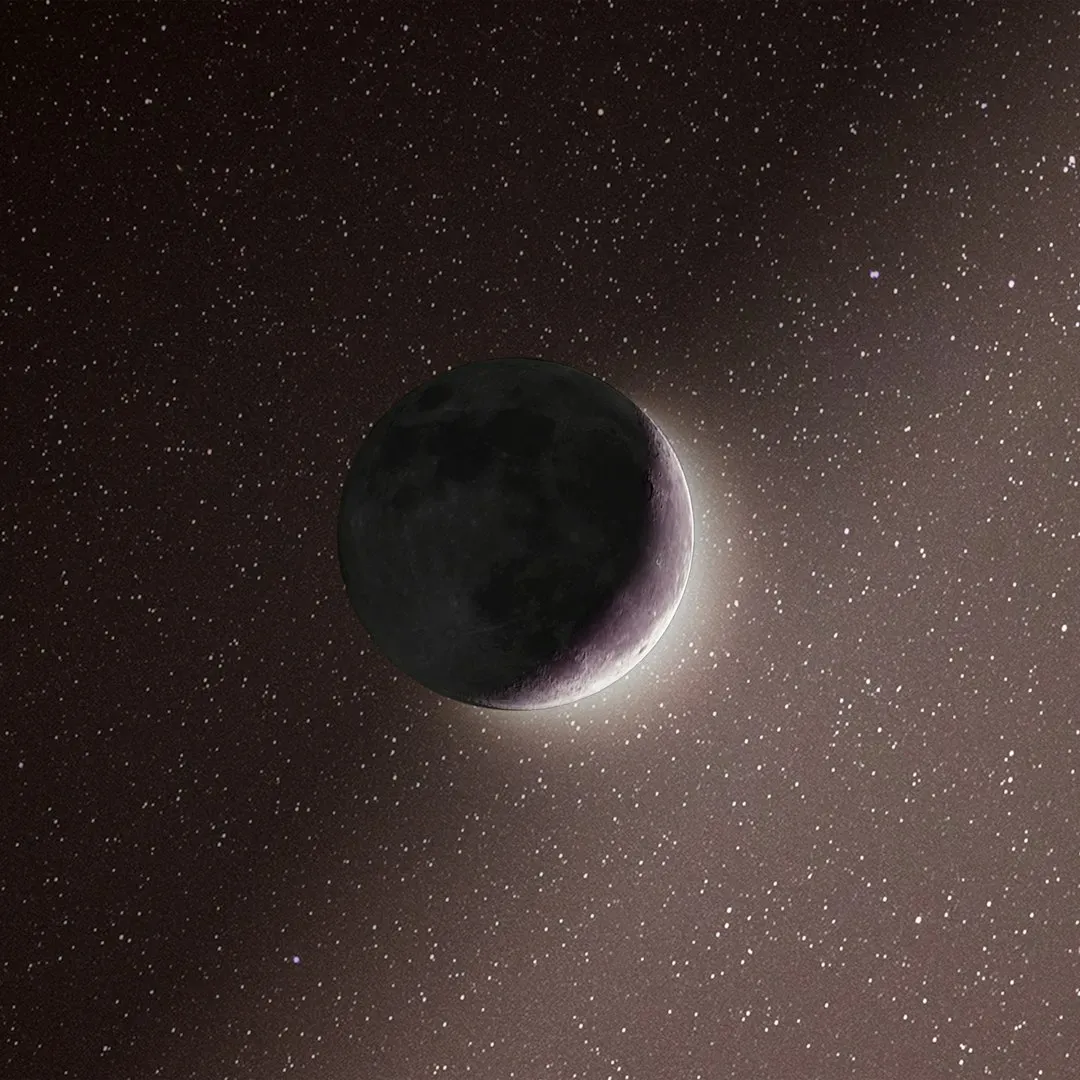
The real proof came in 1919, during a solar eclipse. Arthur Eddington’s expedition measured starlight bending around the sun exactly as Einstein’s math predicted – not Newton’s. Physicists who’d called the new theory “elegant but unphysical” had to eat their words in public. That single eclipse reading eventually reshaped everything from satellite navigation to how we picture the cosmos itself.
#11 – The Universe Is Expanding, Not Static
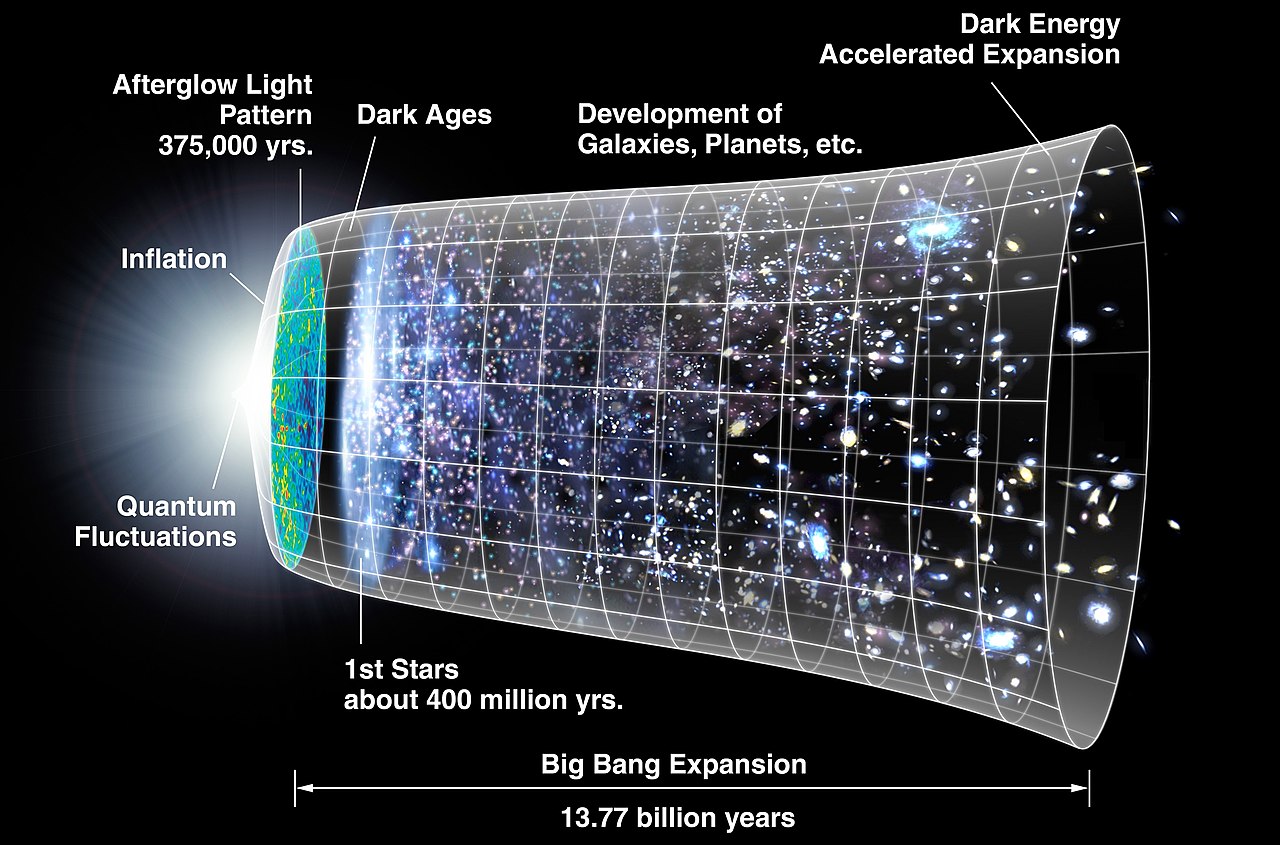
Early 20th-century astronomers pictured a cosmos that had simply always existed – eternal, unchanging, stable. It was a comforting idea, and even Einstein preferred it enough to bend his own equations to make it work. Then Edwin Hubble pointed a telescope at distant galaxies in 1929 and found something nobody wanted to see.
The light from those galaxies was redshifted, and the farther away a galaxy sat, the faster it appeared to be racing away. That pattern only made sense if the universe itself was expanding – which meant it had to have started somewhere. Einstein later called his fudge to preserve a static universe the biggest blunder of his life. Cosmic microwave background detections decades later confirmed just how right Hubble had been.
#10 – DNA Carries the Blueprint of Life
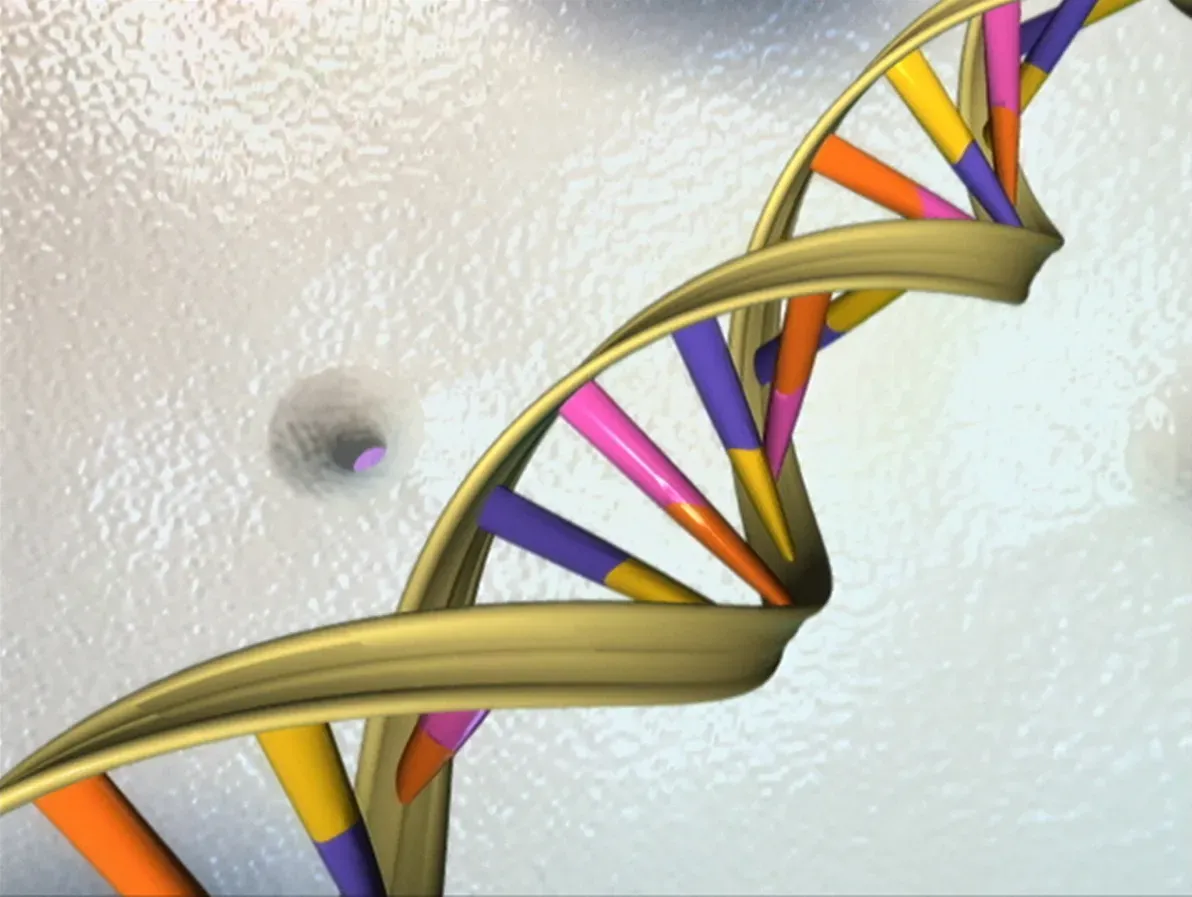
Right up until 1953, most biochemists assumed proteins carried the instructions for heredity, simply because DNA looked too chemically boring to do something so important. It was made of just four repeating units – how could that encode the complexity of a living organism? The assumption felt airtight until someone actually looked closely at the molecule’s shape.
Watson and Crick’s double-helix model, built on Rosalind Franklin’s X-ray diffraction images, revealed base pairing that explained replication in one elegant stroke. It instantly clarified how traits get passed down with such precision generation after generation. The Hershey-Chase experiment confirmed it soon after, and protein-centric inheritance theories quietly disappeared from the field. Modern genetics was born almost overnight.
#9 – Earth’s Crust Moves in Rigid Plates
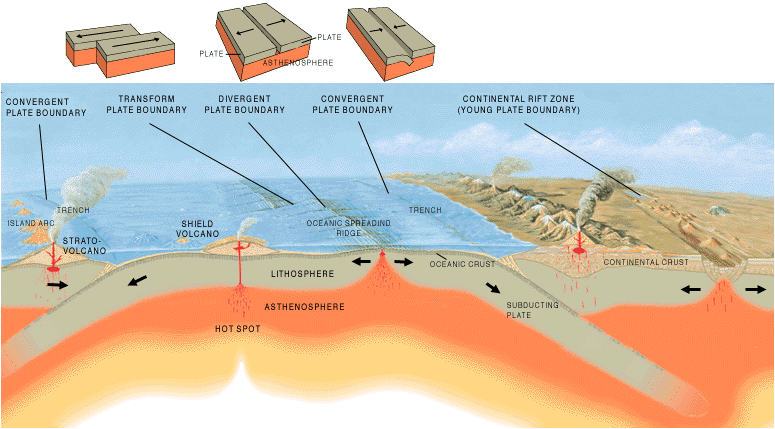
Wegener’s drift theory had been left for dead for decades, dismissed as an interesting idea with no engine behind it. That changed once sonar technology matured after World War II and researchers started mapping the ocean floor in real detail. What they found were sprawling mid-ocean ridges and strange magnetic stripe patterns that shouldn’t have existed under a static-Earth model.
By the 1960s, those clues had fused into the theory of plate tectonics, which finally connected earthquakes, volcanoes, and mountain ranges into a single coherent system. Subduction zones and transform faults matched observed seismic belts with uncanny precision. Holdouts in the scientific community stuck around until the 1970s, but the data eventually left them no room to argue. It remains one of geology’s biggest vindications of a once-mocked idea.
At a Glance
- 1912: Wegener proposes continental drift and is largely ridiculed.
- 1950s: Postwar sonar surveys reveal the mid-ocean ridge system.
- 1960s: Seafloor spreading and magnetic striping data crystallize into full plate tectonic theory.
- 1970s: The last academic holdouts finally abandon fixed-Earth models.
#8 – Human Ancestors Walked Upright Millions of Years Earlier
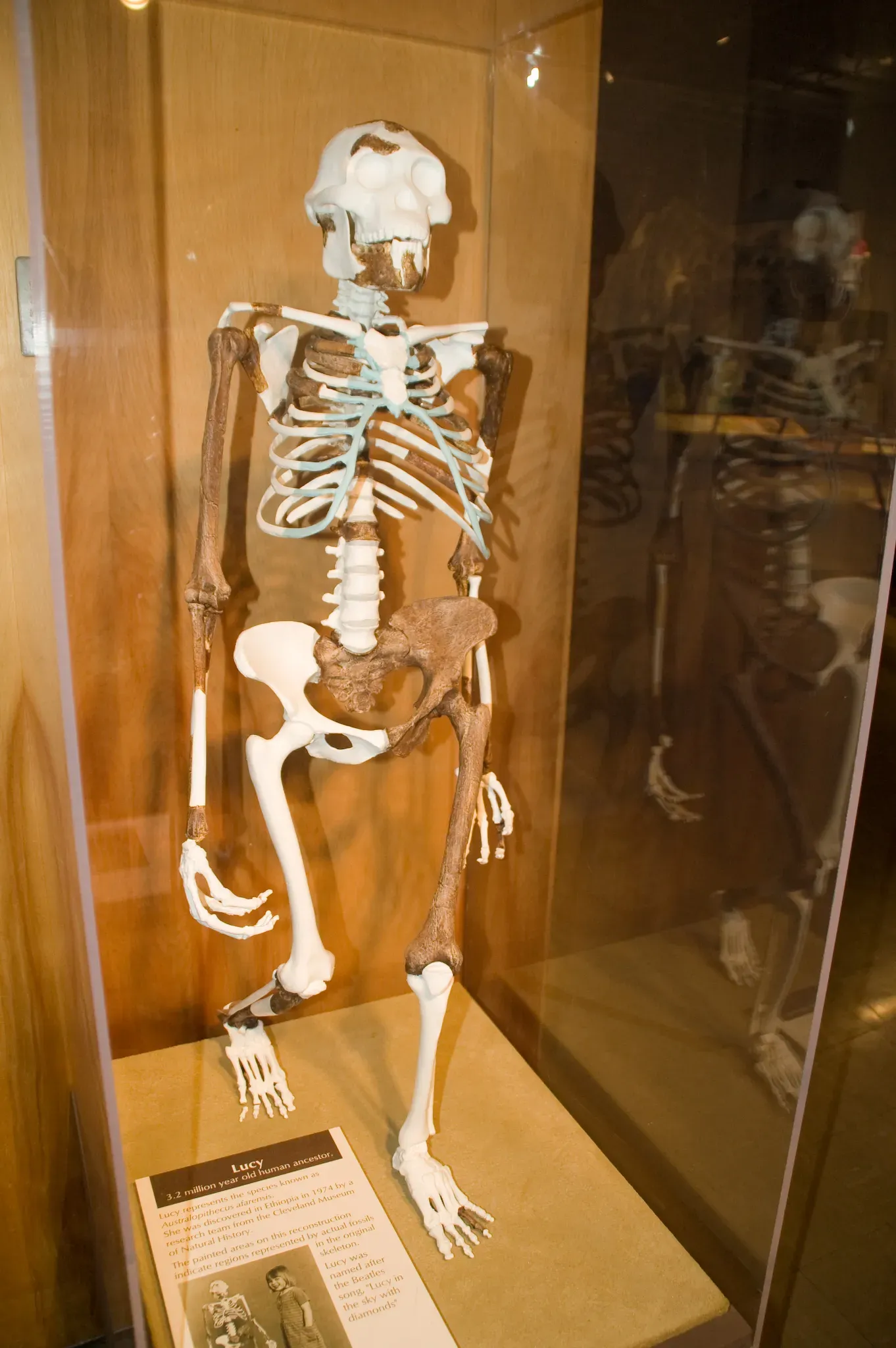
For a long time, the accepted story of human evolution went something like this: big brains came first, and walking upright followed as an afterthought. Then in 1974, researchers in Ethiopia uncovered “Lucy” – a 3.2-million-year-old hominin skeleton with a brain no bigger than a chimpanzee’s, but with a pelvis and knee joints built for walking on two legs.
That combination shouldn’t have existed under the old model, yet there it was, fossilized proof that bipedalism came long before any leap in brainpower. Later discoveries pushed the origins of upright walking even further back in time. The find quietly dismantled a tidy, linear story of human progress that experts had repeated for generations. Evolution, it turned out, didn’t care about the order textbooks preferred.
#7 – Monumental Architecture Predates Agriculture
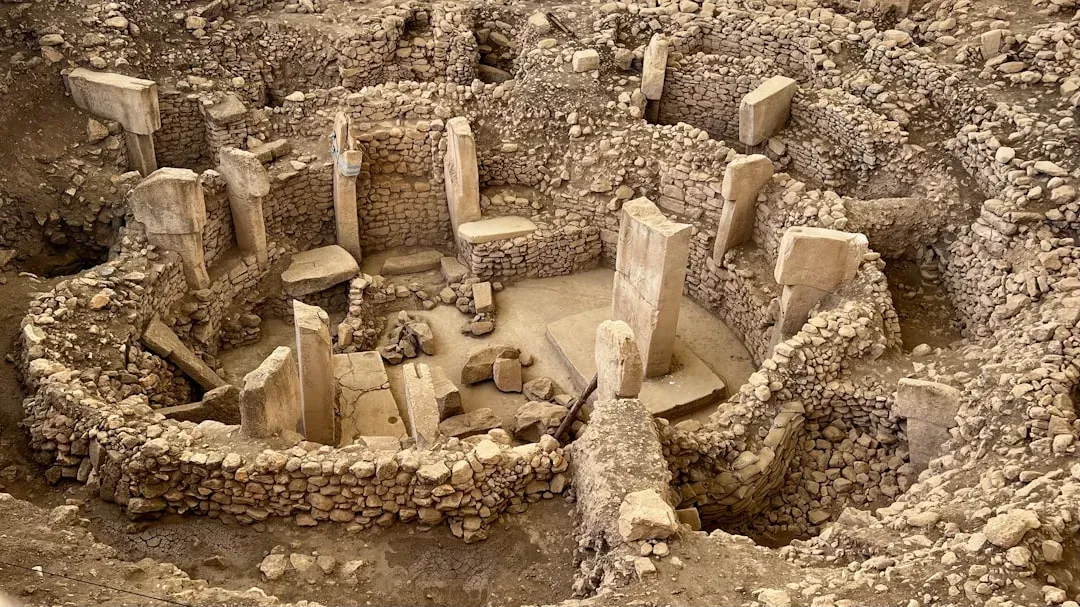
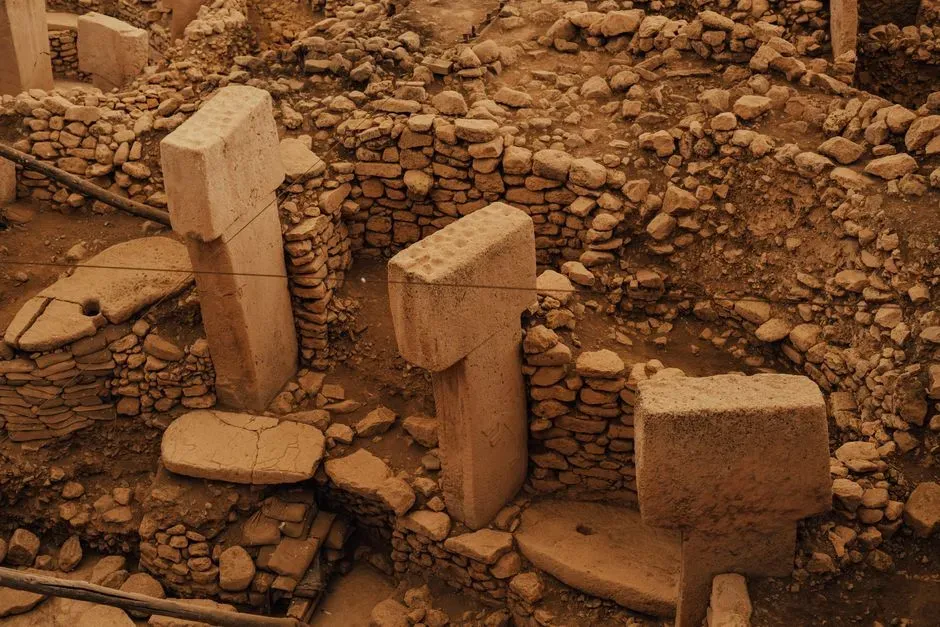
Archaeologists had one rule they considered nearly unbreakable: farming came first, and only once people settled down and grew surplus food could they build anything monumental. Göbekli Tepe, excavated in Turkey starting in the 1990s, blew that rule apart. The site’s carved stone pillars and massive enclosures were built by hunter-gatherers – people who hadn’t domesticated a single crop yet.
Radiocarbon dating placed the structures at roughly 12,000 years old, centuries before any sign of agriculture in the region. That timeline implied something unsettling for the old model: organizing enough labor to build something that massive didn’t require farms or permanent villages at all. Many archaeologists initially doubted the dates, unwilling to accept what they meant. Multiple independent tests later confirmed them, forcing a full rethink of how complex societies actually began.
Worth Knowing
- Excavations began in the 1990s, led by German archaeologist Klaus Schmidt.
- Radiocarbon dating places the oldest structures at roughly 12,000 years old.
- That makes it older than Stonehenge by about 6,000 years.
- Built entirely by hunter-gatherers, with no evidence of domesticated crops on-site.
#6 – Modern Humans Carry Neanderthal DNA
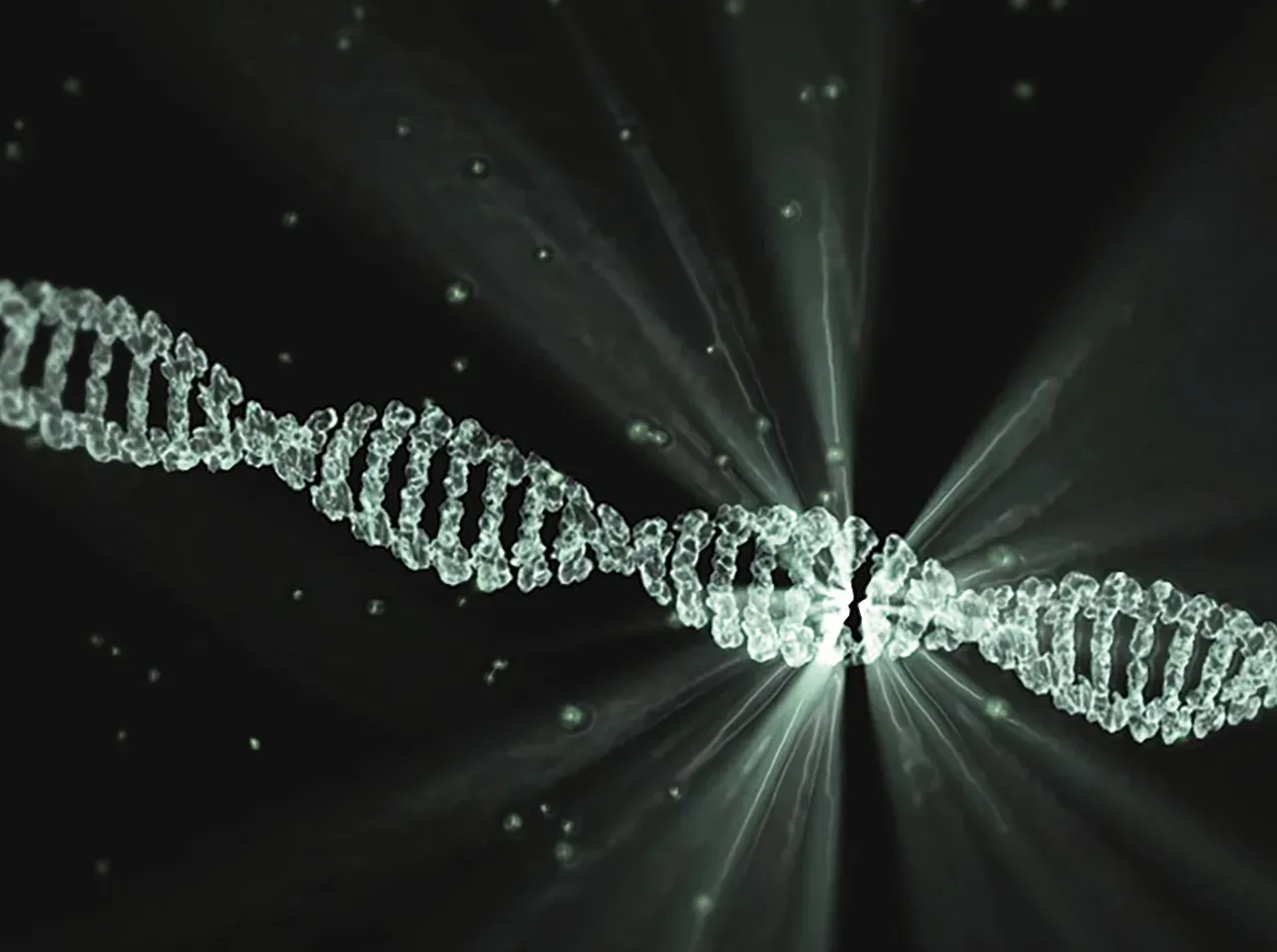
For decades, the dominant theory held that modern humans simply replaced Neanderthals – out-competing them, pushing them into extinction, with little to no interbreeding along the way. It was a clean, simple story of separation. Genome sequencing in the 2010s complicated that story in a way few researchers saw coming.
It turns out non-African populations today carry roughly 1-2% Neanderthal DNA, direct evidence of ancient interbreeding rather than pure competition. Some of those inherited genetic markers still show up in immune function and skin traits that are active in people right now. Earlier fossil-based theories had leaned entirely on rivalry and separation, missing the messier reality entirely. It’s a strange thing to realize you might be carrying a piece of a species we once assumed simply vanished.
#5 – Mold Secretions Could Kill Bacteria

In 1928, Alexander Fleming noticed something odd on a contaminated petri dish in his lab: a patch of mold had killed off the bacteria growing around it. It should have been a landmark moment. Instead, the medical world largely shrugged it off for years, unconvinced that a messy lab accident held any real promise.
It took Howard Florey and Ernst Chain to purify the substance and prove, through actual clinical trials, that penicillin could save lives on a massive scale. Wartime production ramped up fast, and mortality from infected wounds plummeted. The reversal ended medicine’s long reliance on antiseptics that often did as much damage to healthy tissue as they did to infection.
One sometimes finds what one is not looking for.
Alexander Fleming
#4 – Earth Orbits the Sun, Not Vice Versa
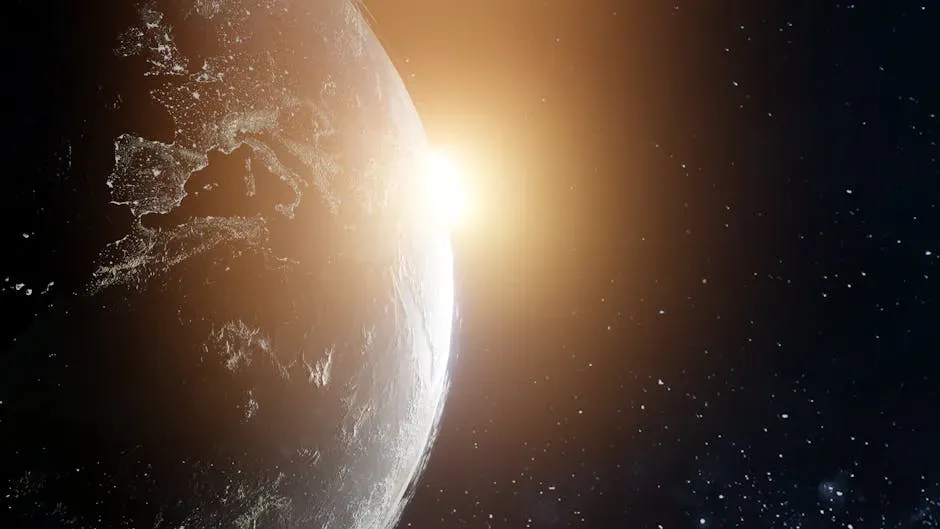
For over a thousand years, the Aristotelian and Ptolemaic worldview placed Earth dead center of the universe, with elaborate epicycles bolted on to explain why planets sometimes seemed to move backward. Both the church and the academy backed this model completely – questioning it wasn’t just bad science, it was dangerous. Copernicus quietly flipped the picture in 1543, putting the Sun at the center instead.
Galileo then aimed a telescope at the sky and found the receipts: moons orbiting Jupiter, and Venus cycling through phases that only made sense if it circled the Sun. The resistance wasn’t gentle – Galileo was put on trial for defending what the evidence plainly showed. But the predictive power of the new model eventually won out, and something as simple as retrograde motion finally made sense without contrived mathematical patches.
#3 – Species Arise Through Natural Selection

Before Darwin, the going assumption was that species were fixed at creation, unchanging and unrelated to one another, with fossils explained away as unfortunate casualties of ancient catastrophes. Darwin and Wallace’s 1859 theory offered something radically different: variation, inheritance, and differential survival working together to produce entirely new forms over vast stretches of time.
Fossil sequences and the geographic spread of species lined up with branching descent far better than they ever had with separate, unrelated origins. The idea landed like a bomb in both scientific and religious circles of the era. Early critics pointed to gaps in the fossil record as proof the theory was flawed, but transitional fossils kept accumulating. Natural selection now sits at the foundation of modern biology, even as researchers still argue over its finer mechanics.
#2 – Reality at Small Scales Defies Classical Intuition
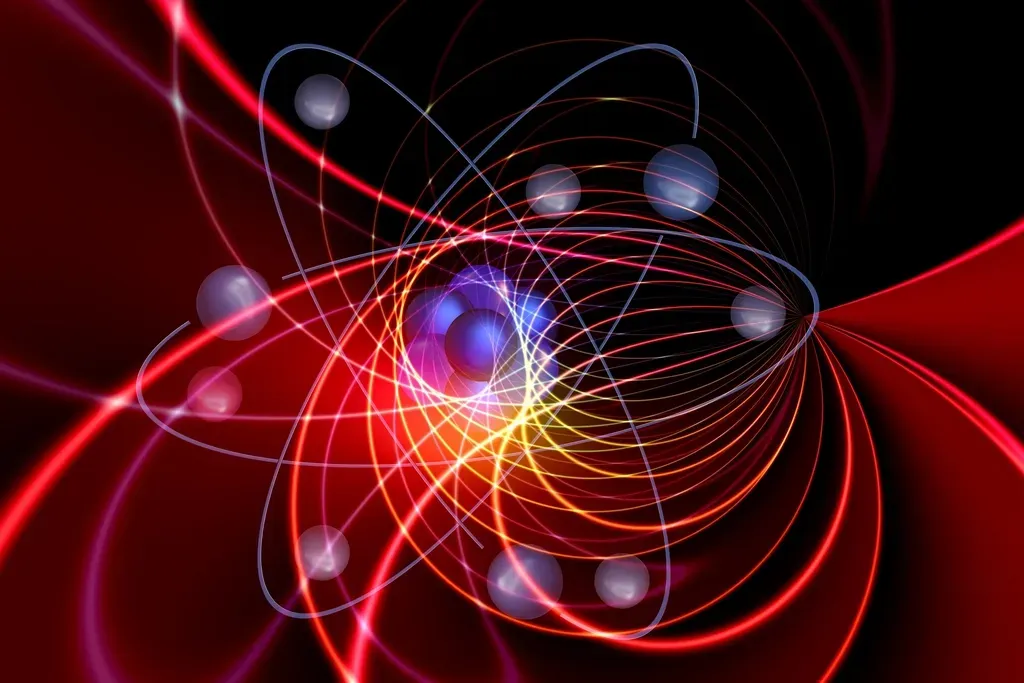
Classical physics promised a smooth, predictable universe where every effect had a clear, deterministic cause – at every scale, no exceptions. Then blackbody radiation and the photoelectric effect refused to behave the way that framework demanded. Max Planck’s concept of quantized energy and Einstein’s photon theory cracked the door open on something stranger.
Double-slit experiments made it undeniable: particles were behaving like probability waves, not solid little billiard balls following fixed paths. It overturned a deterministic worldview that had guided physics since Newton’s era. Even the pioneers who built quantum theory struggled to accept its implications – Einstein himself famously resisted its stranger conclusions for the rest of his life. Yet its predictions have survived every test thrown at it since.
#1 – The Universe Began in a Hot, Dense State
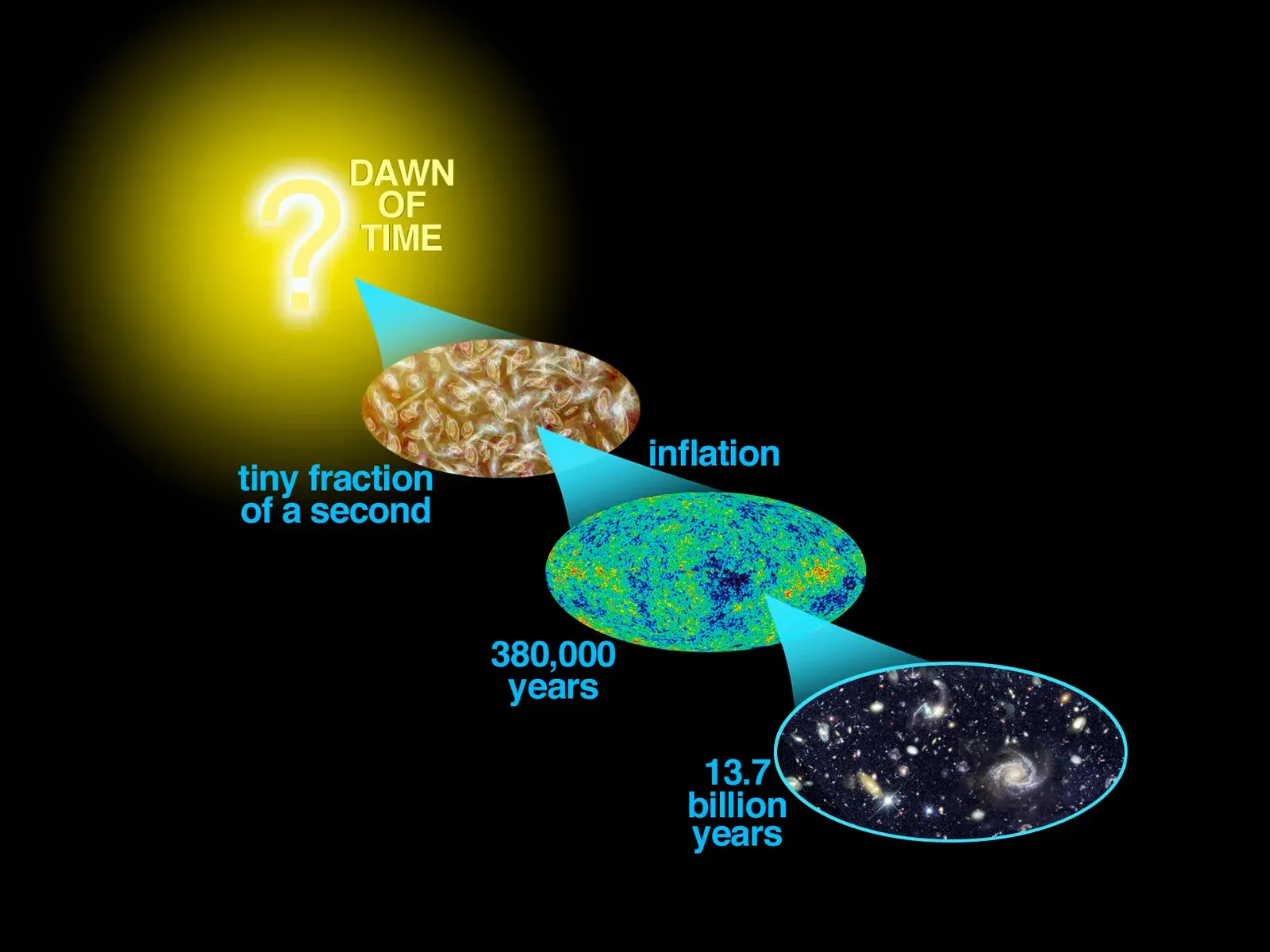
Mid-20th-century cosmology largely favored a steady-state universe – eternal, unchanging, with no true beginning and no true end. It was a philosophically tidy idea that avoided uncomfortable questions about origins. Then, in 1965, radio astronomers stumbled onto something that shouldn’t have existed under that model at all.
A faint, uniform microwave glow blanketed the entire sky, measuring roughly 2.7 Kelvin no matter which direction they pointed their instruments. That leftover radiation matched predictions for a primordial fireball almost perfectly, confirming an origin point around 13.8 billion years ago. Philosophical preferences for an eternal cosmos gave way to hard data, and the idea of a universe with no beginning quietly died. Questions remain about the very first instants after that beginning, but the core reversal – that there was one at all – still stands unshaken.
Quick Compare
- Steady-State model: universe is eternal and unchanging, with no starting point.
- Big Bang model: universe began in a hot, dense state roughly 13.8 billion years ago.
- Steady-State prediction: no leftover background radiation should exist anywhere.
- Big Bang prediction: a faint microwave afterglow near 2.7 Kelvin – exactly what radio astronomers Arno Penzias and Robert Wilson detected in 1965.
The Bottom Line
Look back over this list and a pattern jumps out that should make anyone a little humble: certainty and correctness are not the same thing. Every discovery here was blocked, mocked, or ignored by the very experts who should have recognized it first – not because the evidence was weak, but because it didn’t fit the story everyone had already agreed to believe.
That’s not a knock on science itself. It’s proof the system eventually works, even when pride gets in the way for a decade or two. The real lesson isn’t that experts are untrustworthy – it’s that the loudest consensus in any era is still just a placeholder, waiting for someone stubborn enough to dig up the next Troy, the next Lucy, the next mold spore that changes everything. Which of these reversals still surprises you most, or did we miss one that deserves a spot on this list? Drop your thoughts in the comments.