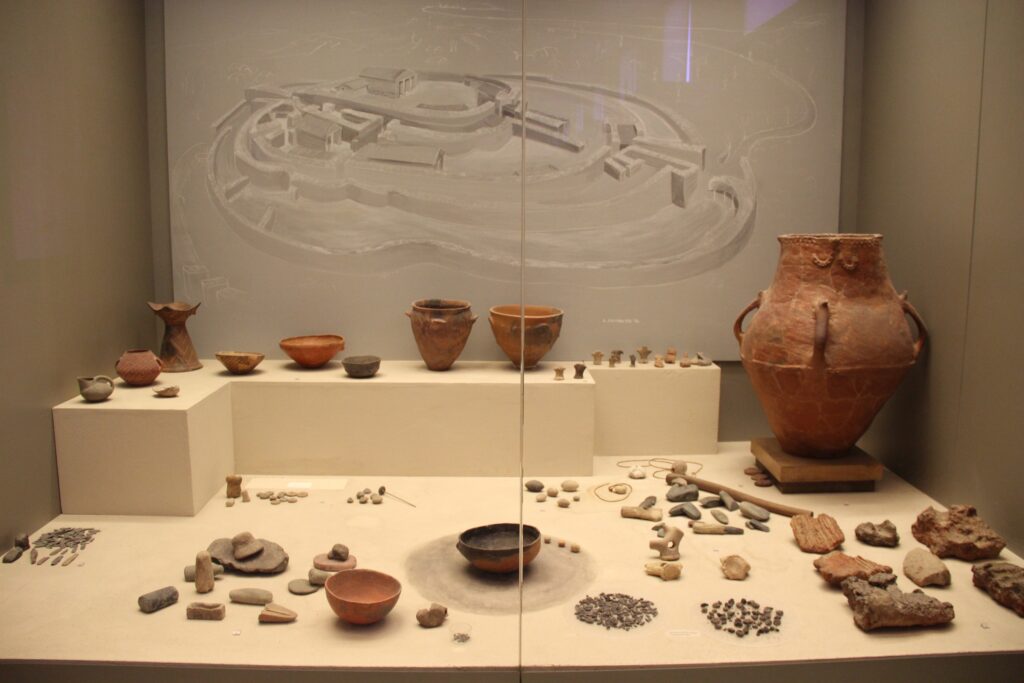
Most people assume that once scientists get an artifact under a microscope, the mystery is basically over. Case closed, myth busted, next relic please. But that’s not what keeps happening in labs around the world.
Over and over, the tools meant to explain these objects – CT scanners, spectrometers, wind tunnels, radiocarbon dating – end up doing the opposite. They strip away the easy answers and leave researchers staring at something stranger than before.
#17 – Klerksdorp Spheres
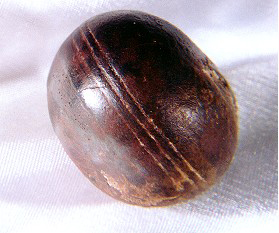
For decades, these small grooved metallic spheres pulled from South African mines were treated as a geological curiosity, nothing more than pyrite nodules shaped by time and pressure. Then, in the 1980s, researchers ran X-ray and microscopic tests on them and found something that didn’t fit that story at all: perfectly concentric grooves circling the surface, paired with a hardness that simple sediment shouldn’t produce.
The kicker is the age. These spheres are estimated at nearly 3 billion years old, long before anything resembling complex life existed to shape them. Yet the parallel lines and rounded uniformity look almost machined. Some researchers have tried to replicate the polish with modern tools and still come up short, which is an unsettling thing to admit about a rock older than multicellular life.
#16 – Roman Dodecahedra
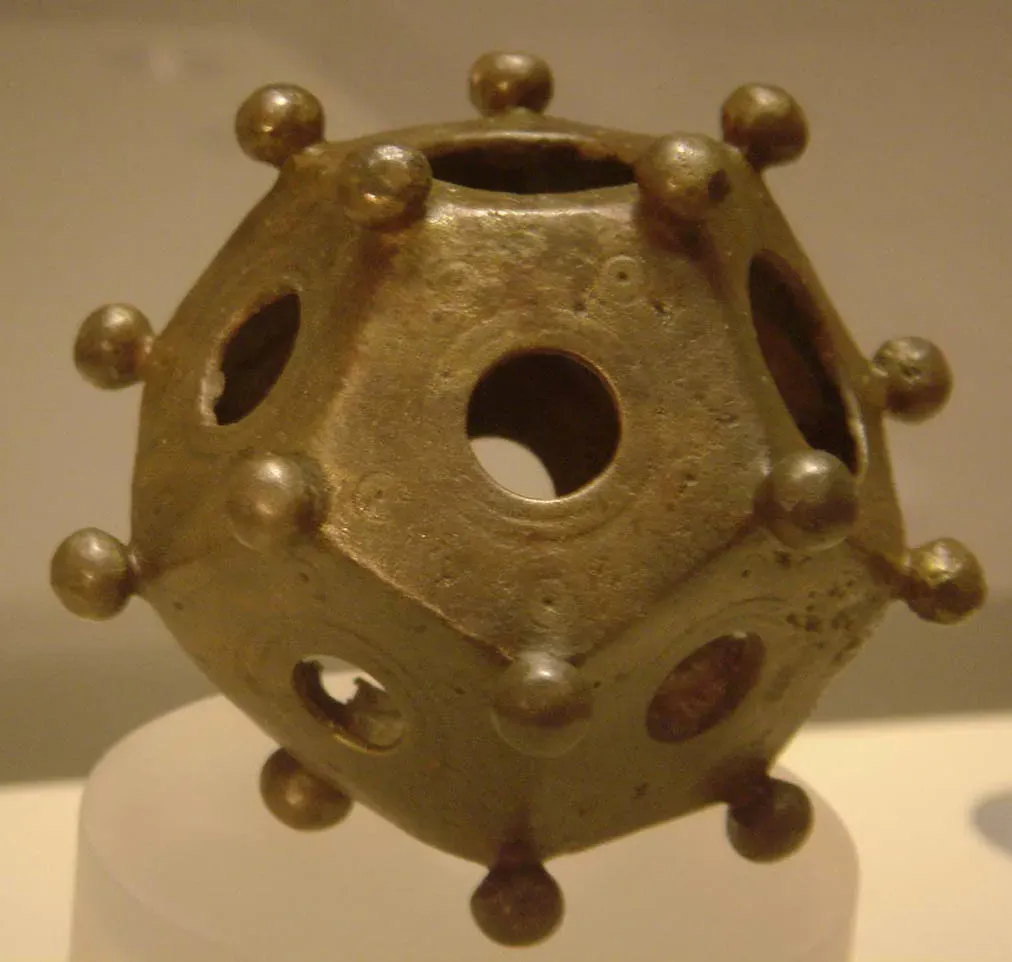
Archaeologists used to file these strange 12-sided bronze objects under “probably some kind of tool” and move on. Then CT scans and metallurgical analysis on newer finds showed almost no wear patterns consistent with actual use, no scuffing from measuring, no residue from weaving, nothing that says “this thing did a job.”
Dozens have turned up scattered across the old Roman Empire, and not one carries an inscription explaining itself. Candle holder, surveying tool, ritual object, dice for some forgotten game – every theory has been floated, and every one collides with the same problem: the hollow interior and precision casting are too deliberate for something with no clear purpose. New specimens keep surfacing. The debate never gets closer to settled.
Quick Compare
- Surveying tool: no calibration marks or measuring wear match any known technique
- Candle holder: no wax residue or soot staining on any recovered specimen
- Knitting gauge: a popular modern guess, but no thread wear or textile fibers detected
- Ritual object: fits the lack of practical wear, but no inscriptions back it up
#15 – Neolithic Stone Balls
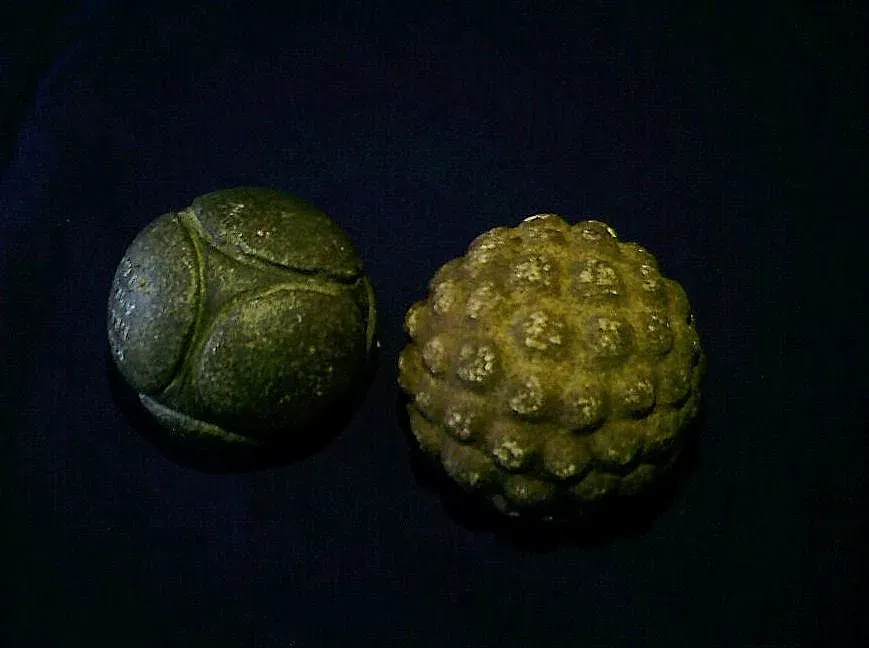
Scotland’s carved stone balls, dated to roughly 3200–2500 BC, were originally written off as decorative rocks, maybe practice pieces for bored toolmakers. Then 3D scanning and petrographic testing revealed geometric patterns carved with a symmetry that’s hard to explain as idle hobby work.
More than 400 of these balls exist, many featuring knobs or spiral carvings with zero signs of practical wear – no chipping from use as weapons, no smoothing from tools. Their consistent size suggests a shared cultural template passed between makers, but there’s no burial site or settlement layer that explains why anyone spent that much effort on objects that seemingly did nothing.
#14 – Folkton Chalk Drums
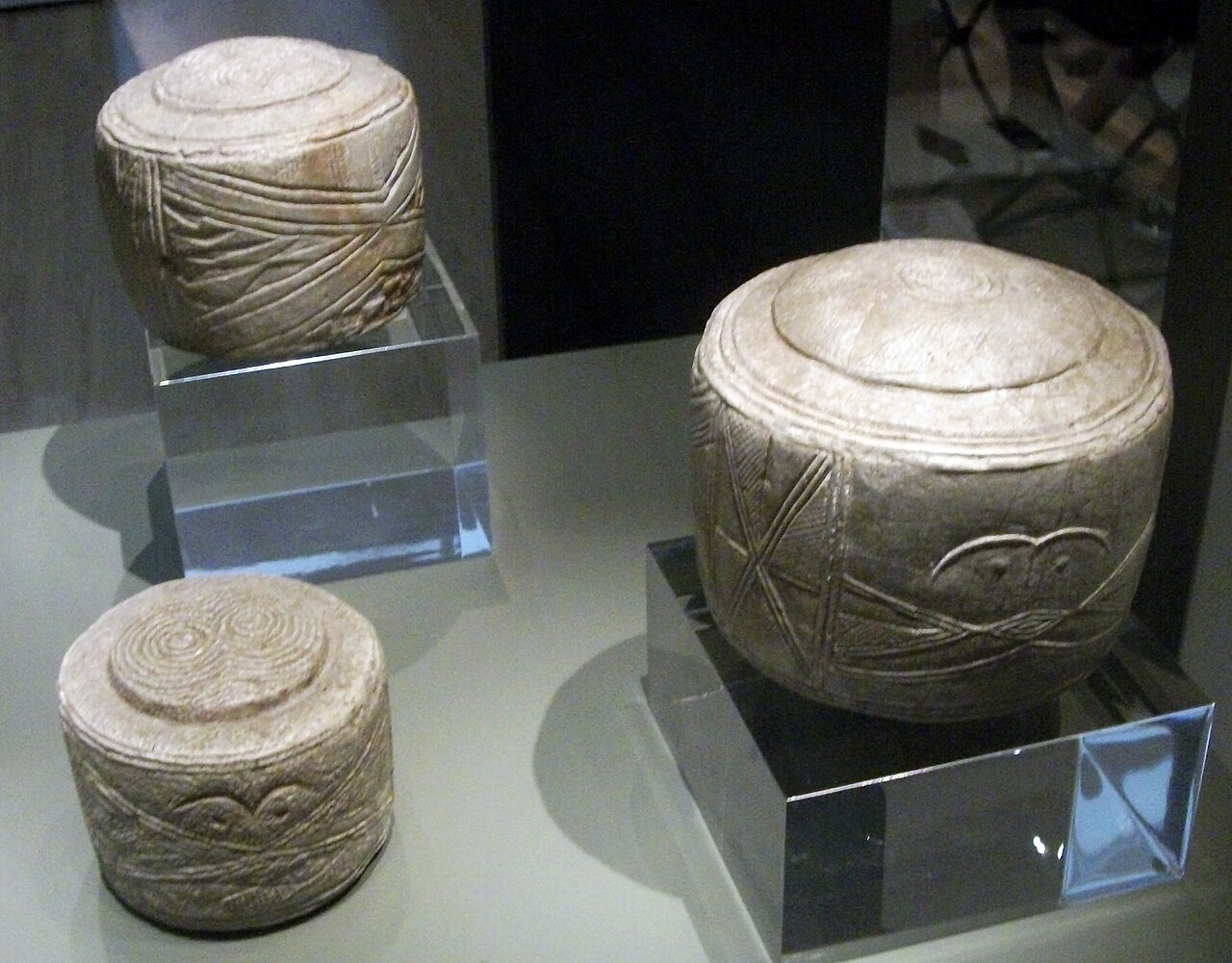
Pulled from a child’s grave, these carved chalk cylinders looked like they might be Neolithic toys or trinkets. Use-wear analysis and residue testing found no evidence of grinding, drumming, or any functional use at all, despite the drum-like shape practically inviting that assumption.
What they do have is geometric decoration and carved facial motifs that show up across multiple examples, hinting at some kind of symbolic language. Recent Yorkshire finds only add more ornate detail that doesn’t match known Neolithic art styles from the region. Buried with a child, decorated with care, and functionally useless – testing hasn’t explained why, it’s just confirmed how strange the combination is.
#13 – Saqqara Bird
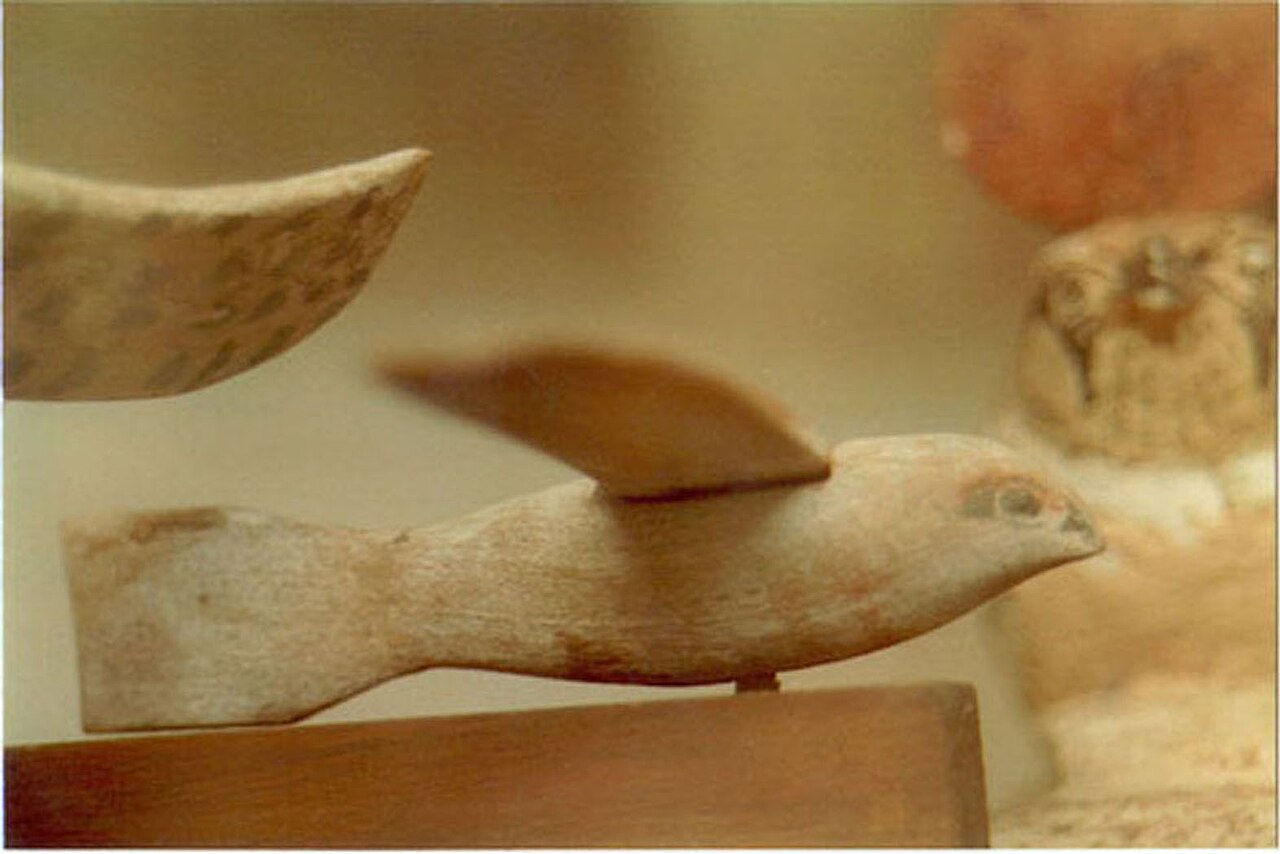
This small wooden object from ancient Egypt looks, at a glance, like a child’s toy glider. Wind tunnel testing and aerodynamic analysis said otherwise, confirming lift ratios that echo modern aircraft design principles – not exactly what you expect from something carved around 200 BC.
It has a vertical tail fin, a feature absent from every other known ancient Egyptian model of the era. No papyrus, no tomb painting, no written record anywhere mentions flight experiments. So was it a toy, a religious symbol representing a soul’s journey, or something built by someone who understood aerodynamics without ever writing it down? Replication attempts keep confirming the precision. They don’t explain where it came from.
#12 – Baghdad Battery
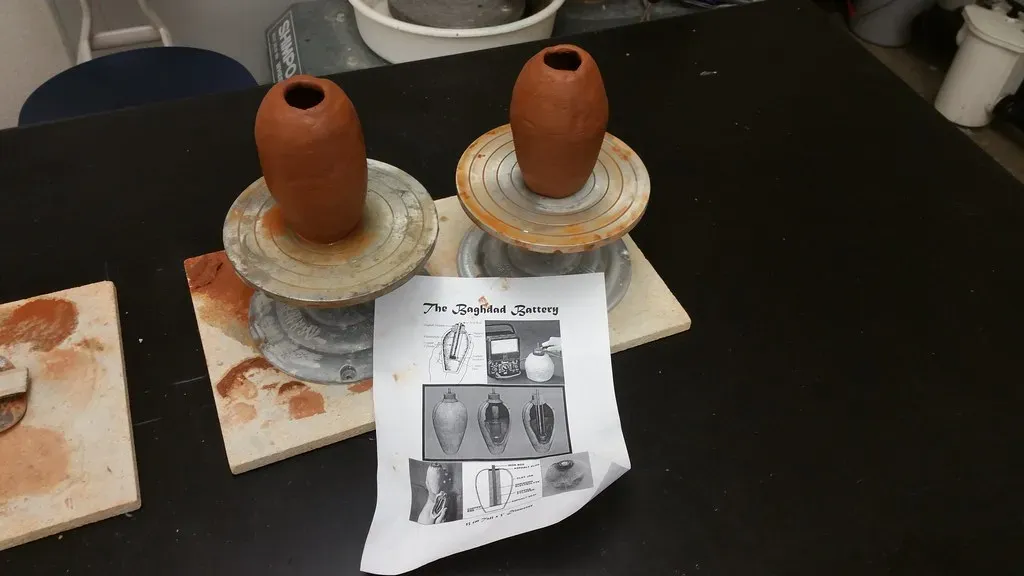
Clay jars with copper cylinders inside sound like ordinary storage vessels, and for a long time that’s exactly how they were classified. Then electrochemical testing showed these jars could generate a small but real voltage when filled with something acidic, like vinegar or grape juice.
They date to the Parthian era, somewhere between 250 BC and 250 AD, and the internal setup mirrors basic battery principles almost too well to be accidental. No wires, no bulbs, no attached devices have ever been found alongside them, so nobody can say what they actually powered. Mainstream archaeology still leans skeptical, but modern replicas keep working, which is an awkward thing for skepticism to sit next to.
#11 – Voynich Manuscript
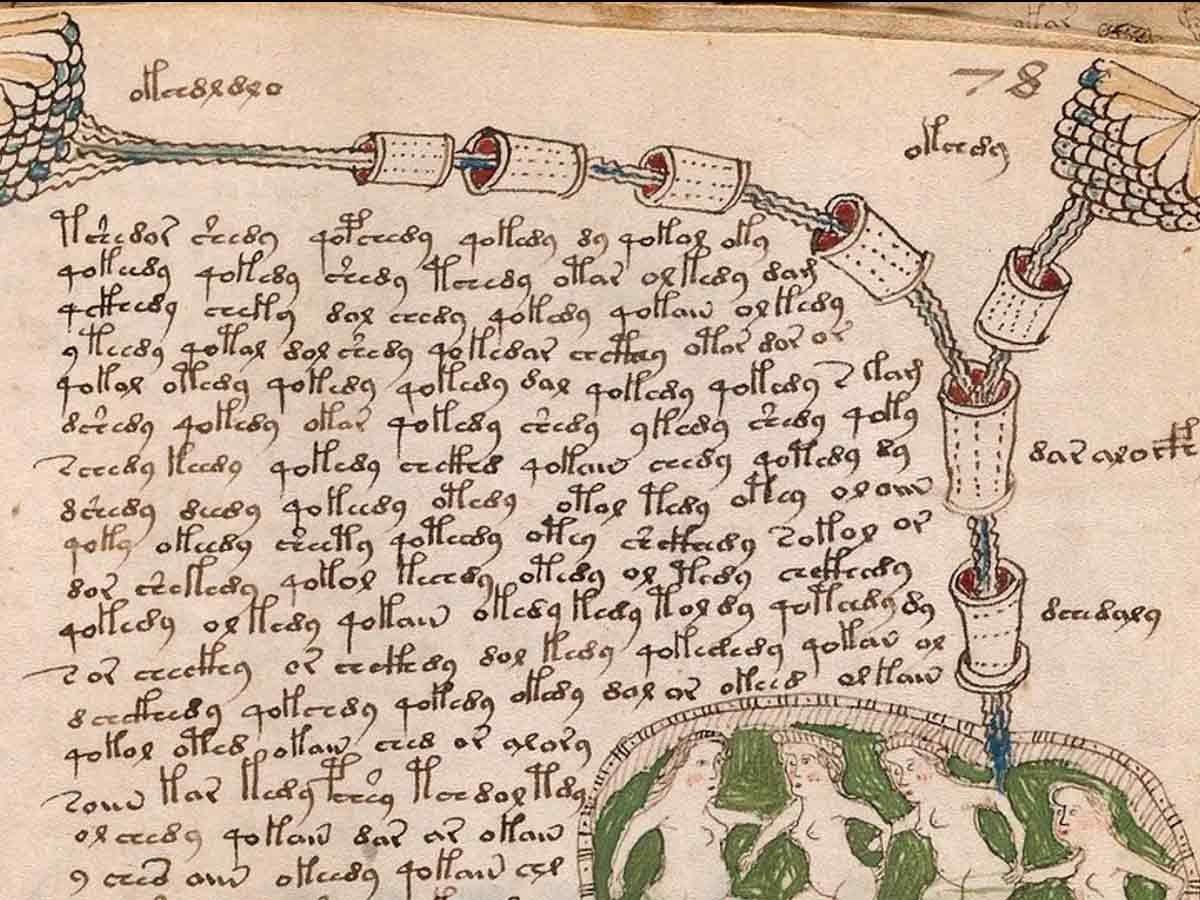
Carbon dating settled one question cleanly: this illustrated codex really was made in the early 1400s, no modern hoax involved. But multispectral imaging opened up a bigger one, uncovering hidden text layers and plant illustrations that don’t match any known species or established cipher system.
Hundreds of pages are filled with an unidentified script alongside botanical drawings of plants that seem to exist nowhere else. Decades of computational linguistic analysis have ruled out gibberish and ruled out known languages, without ever cracking what it actually says. Every new imaging pass adds more undeciphered text instead of fewer mysteries.
#10 – Shroud of Turin
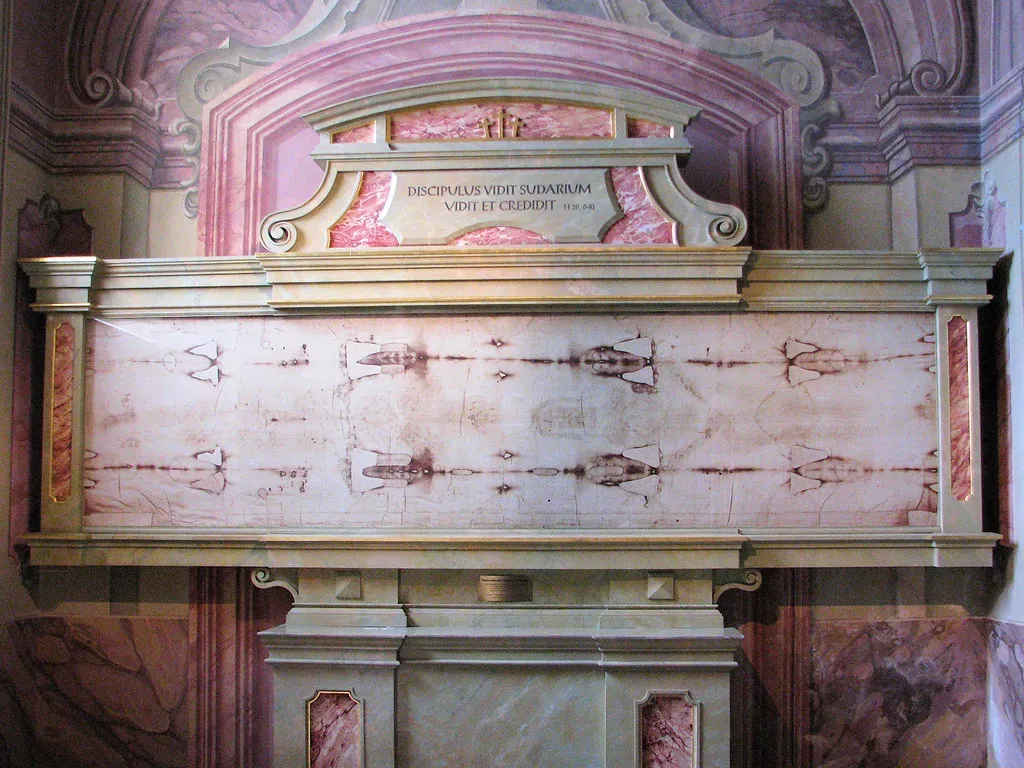
The 1988 radiocarbon dating results seemed decisive at the time, pointing firmly to a medieval origin and, for many, closing the case. Then pollen studies, blood analysis, and 3D imaging surfaced details that don’t sit comfortably with “simple 14th-century forgery” as an explanation.
Nobody has been able to replicate the image formation process using any known artistic method from that period or any other. Debates over possible sample contamination during the original dating test have never fully died down. The result is a relic that scientists keep testing and keep disagreeing about, decades after the question was supposedly answered.
#9 – Costa Rica Stone Spheres
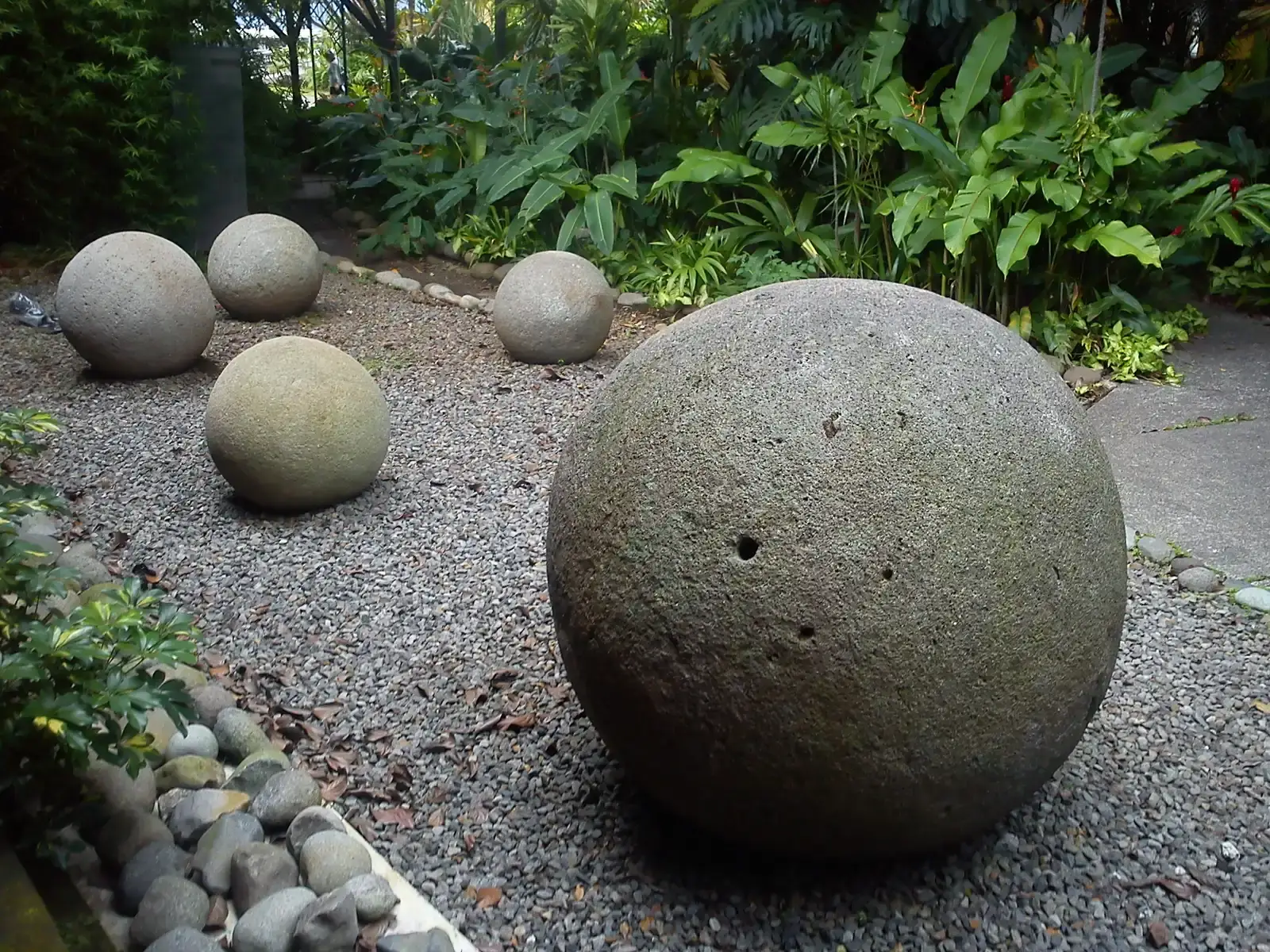
Scattered across the Costa Rican landscape, these massive basalt orbs were initially treated as decorative markers, maybe boundary stones for pre-Columbian settlements. Petrological analysis and laser scanning confirmed something more startling: near-perfect sphericity achieved with no evidence of modern machining tools.
Some weigh several tons and stretch up to 2 meters across, carved and rounded across genuinely difficult terrain with no surviving tools or written records to explain how. The precision alone raises the question of intent – why invest that level of effort into a shape with no obvious structural or practical use? Their cultural role remains guesswork, dressed up in some of the most mathematically precise stonework in the ancient world.
At a Glance
- More than 300 stone spheres have been documented across Costa Rica’s Diquís Delta region
- The largest known examples weigh several tons and measure over 2 meters across
- UNESCO added the sites to its World Heritage List in 2014
- Most were carved from hard volcanic gabbro, one of the tougher stones to shape by hand
#8 – London Hammer
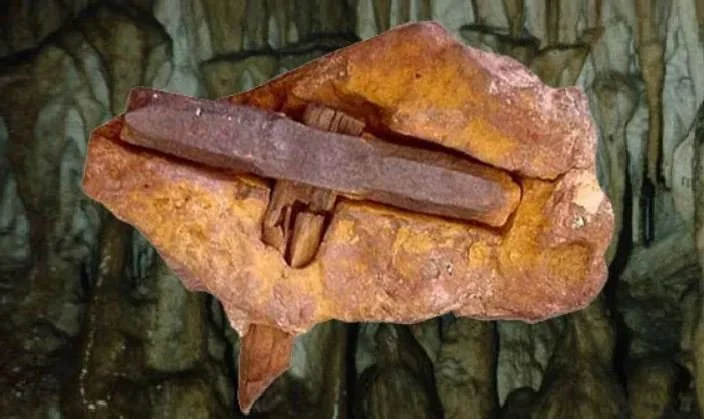
Found encased in rock near a Texas creek bed in the 1930s, this iron tool looked like it might be a genuine geological anomaly, a hammer trapped in stone far older than human tool-making should allow. Metallurgical testing complicated that story in a different direction: the alloy composition matches modern industrial manufacturing, not ancient metallurgy.
So the hammer itself is likely 19th-century. What’s harder to explain is the surrounding limestone matrix, which appears consistent with formation timelines that shouldn’t include a modern object. The debate isn’t really about the hammer anymore – it’s about whether the rock formed the way geologists think it does, and that’s a far bigger argument to have started by accident.
#7 – Coso Artifact
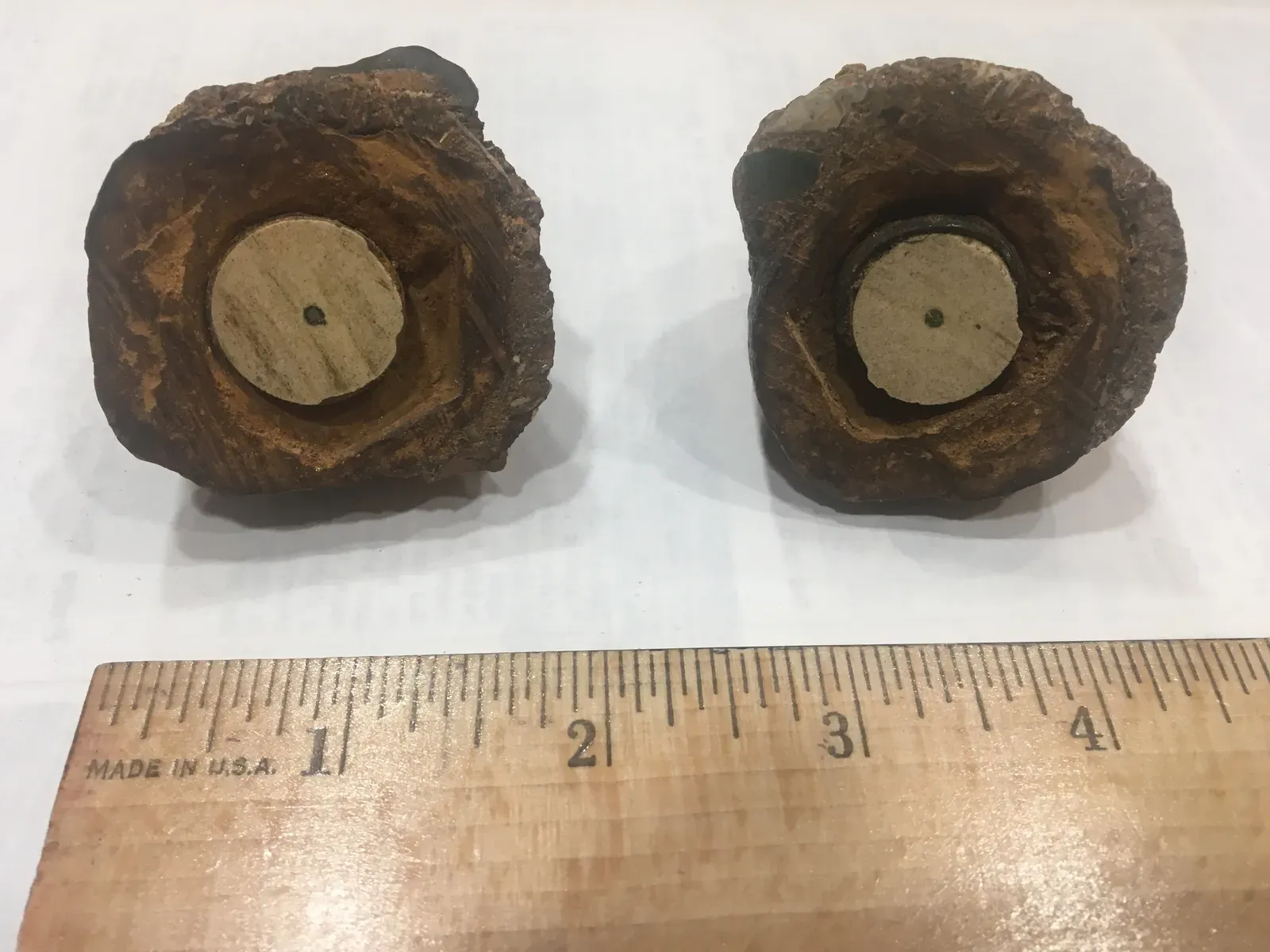
A geode cracked open in California in 1961 revealed what looked unmistakably like a spark plug sealed inside solid rock. X-ray and material analysis confirmed it: a 1920s-era spark plug, embedded in a rock matrix that testing dated as considerably older.
That combination fueled decades of arguments over rapid mineralization versus flawed dating methods, and nobody has landed on a consensus explanation. What makes it stubbornly weird is the lack of disturbance – there’s no obvious sign of tampering or insertion into the surrounding layers. However it got there, it got there cleanly, and that’s the part science still can’t account for.
#6 – Piri Reis Map
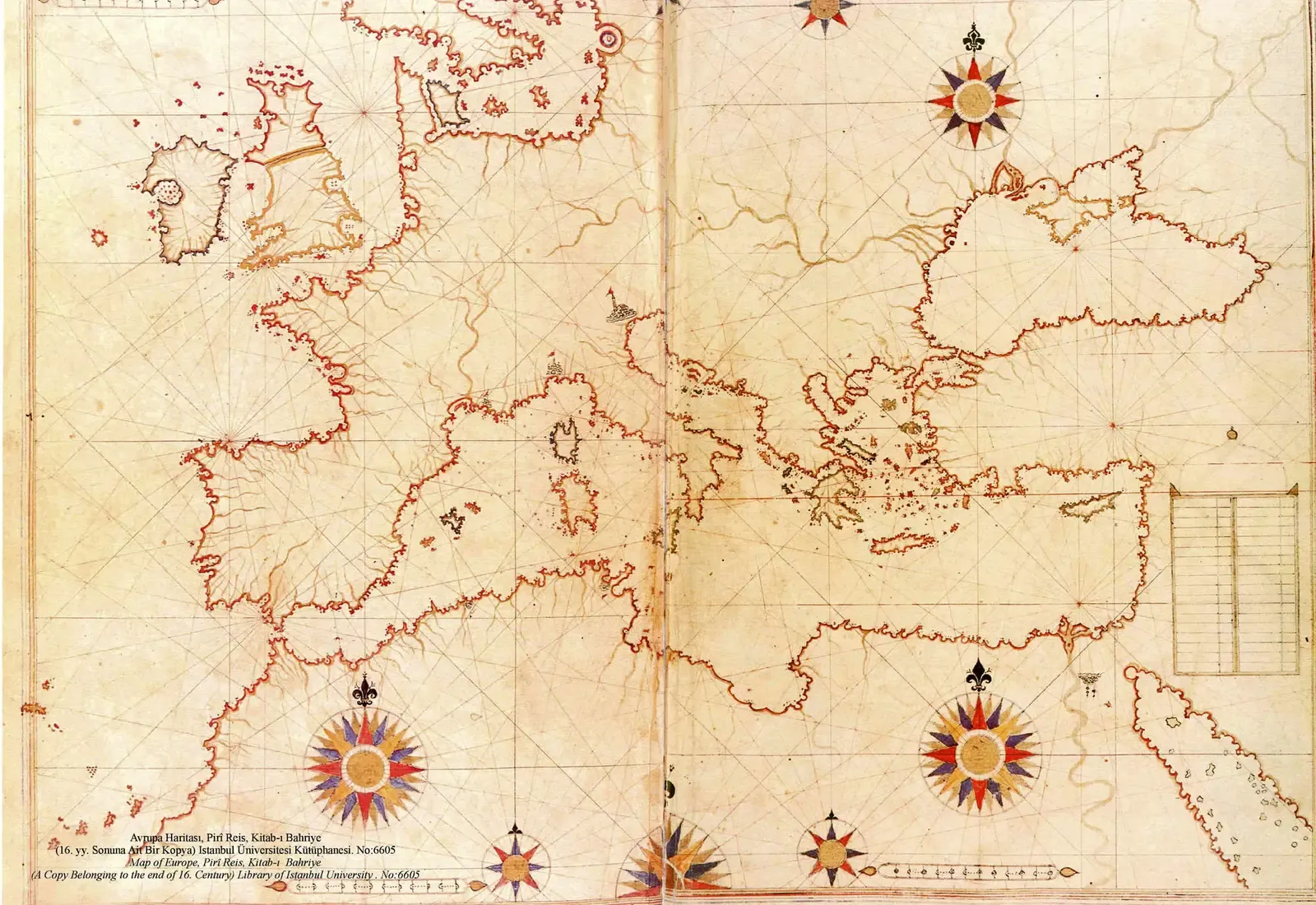
Drawn in 1513 by an Ottoman admiral, this map seemed at first like an impressively detailed chart of the Atlantic. Cartographic and ink analysis confirmed it was compiled from older source maps, with longitude calculations accurate enough to raise eyebrows for the era.
The strangest detail is a southern coastline that resembles Antarctica – drawn with ice-free features that weren’t confirmed by modern survey until centuries later. Nobody has identified how a 16th-century mapmaker could have accessed data like that. Extensive study of the map’s construction has confirmed its authenticity without ever explaining its sources.
#5 – Maine Penny
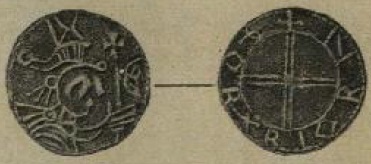
A Norse coin turning up on a Native American archaeological site sounds like the setup for a hoax, but numismatic and contextual testing verified an 11th-century origin and ruled out modern planting. That leaves a much stranger implication standing: Viking trade networks may have stretched farther into North America than any written record suggests.
Yet that’s exactly the problem – it’s a single coin. No accompanying Norse tools, weapons, or settlement debris have turned up at the site to support sustained contact. One authentic coin, seemingly dropped, traded, or carried hundreds of miles from any known Norse presence, with no way to trace how it got there.
#4 – Tutankhamun’s Meteorite Dagger
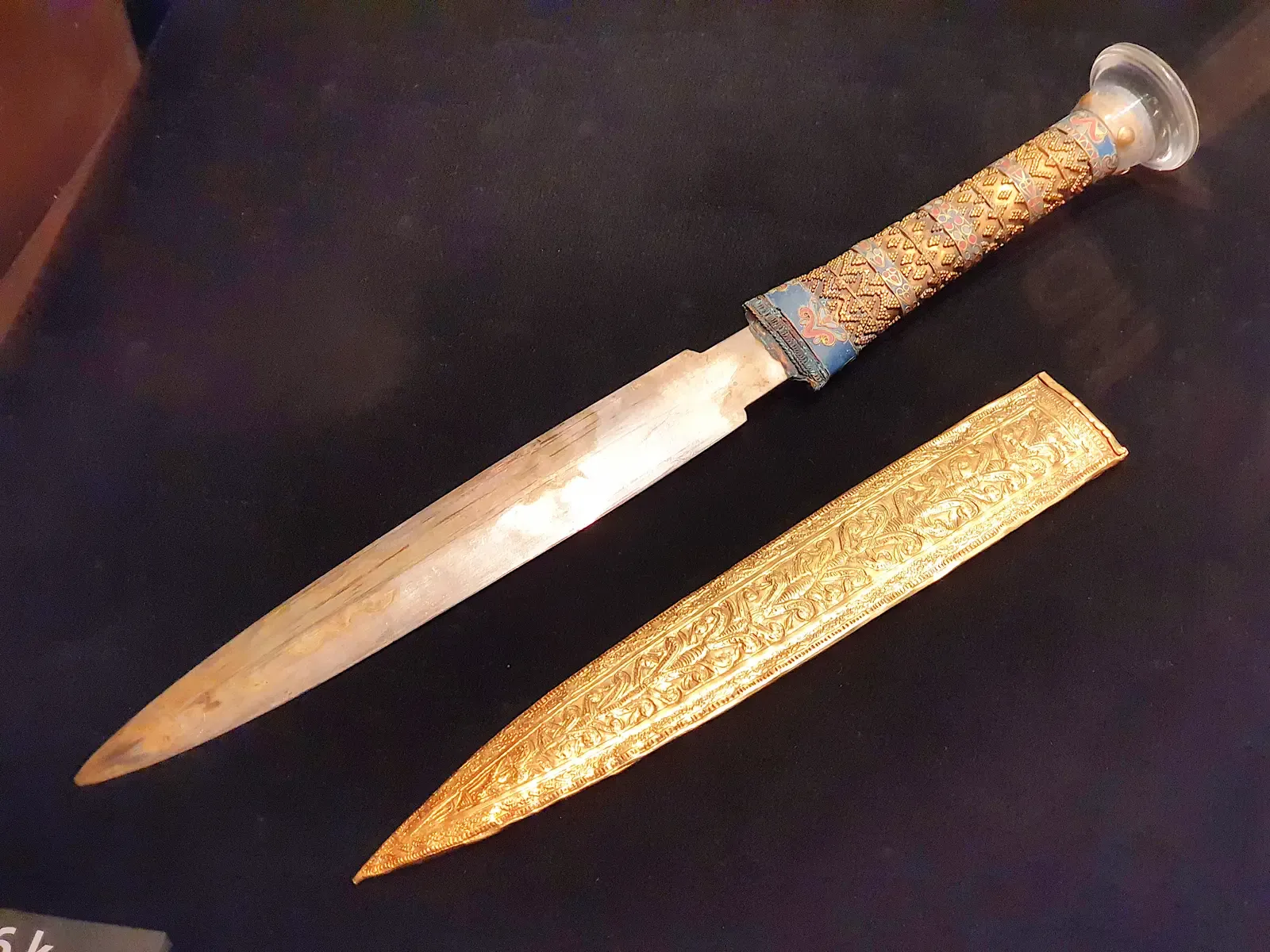
Buried alongside the young pharaoh around 1323 BC, this dagger’s blade always looked slightly out of place among the other burial goods. Spectroscopic analysis confirmed why: the metal is meteoric iron, with nickel ratios that match specific celestial sources rather than anything mined from the ground.
Iron-working at that level of refinement wasn’t supposed to exist in Egypt at the time, let alone applied to material that fell from space. It raises a genuinely strange question – did ancient Egyptian metalworkers understand where this material came from, and shape their craftsmanship around that knowledge on purpose? Testing confirmed the composition. It didn’t explain the skill behind it.
Worth Knowing
- Howard Carter discovered the dagger in 1922, tucked beside the pharaoh’s mummified body
- A 2016 X-ray fluorescence study confirmed the blade’s nickel-to-cobalt ratio matches known meteorites
- Egypt had no established iron-smelting industry at the time, putting the blade centuries ahead of local metallurgy
- Other meteoritic objects, including beads predating Tutankhamun by centuries, have since turned up in the region
#3 – Nazca Lines
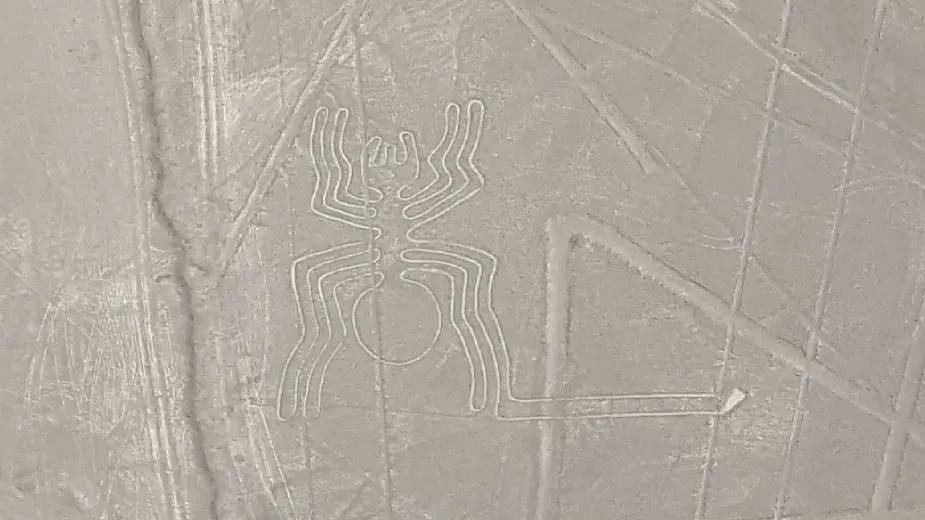
For years, these massive geoglyphs etched into the Peruvian desert were treated as a finished puzzle – ceremonial pathways, maybe, or agricultural markers, catalogued and mostly explained. Then satellite imaging and LIDAR surveys started uncovering hundreds of previously invisible figures buried under centuries of dust and erosion, expanding a mystery that was supposedly settled.
Soil analysis confirms the lines were made by removing dark surface stones to expose lighter ground beneath, a technique simple enough to explain the “how.” It’s the “why” that keeps growing instead of shrinking. Astronomical alignment, water-source mapping, ritual pathways walked during ceremonies – every new figure discovered adds another theory rather than confirming one.
#2 – Antikythera Mechanism
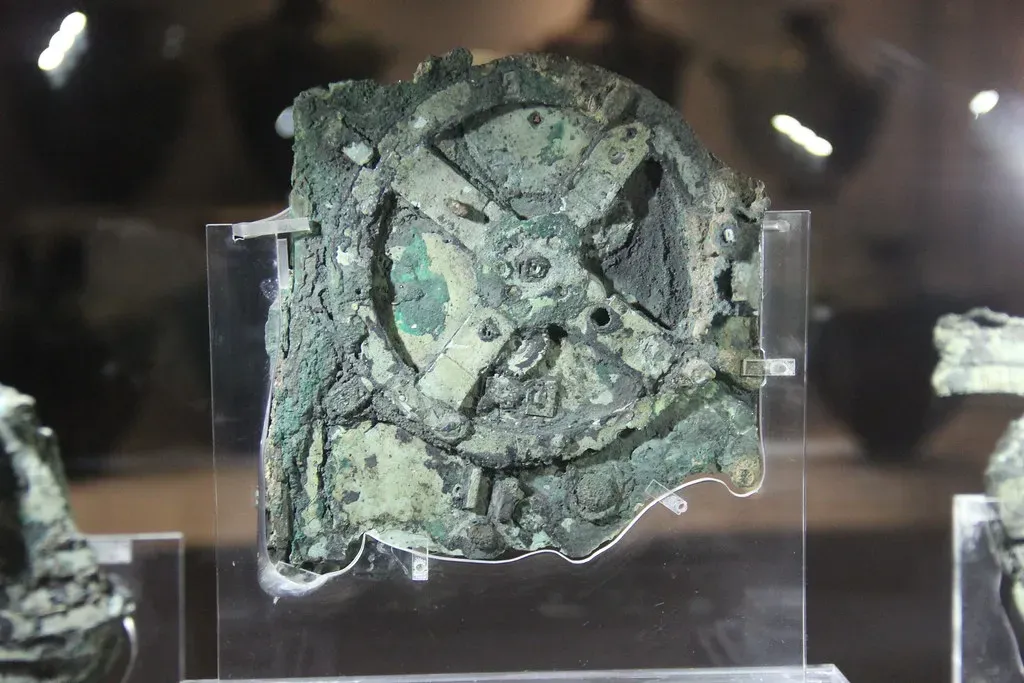
Recovered from a shipwreck off a Greek island in 1901, this corroded lump of bronze gears sat largely misunderstood for decades, dismissed by some as a later addition to the wreck. X-ray tomography and detailed gear modeling changed everything, revealing a device capable of predicting eclipses and tracking planetary movement with mechanical precision nobody expected from the 1st century BC.
It contains differential gears – a concept historians assumed wasn’t invented until well over a thousand years later – along with inscribed operating instructions. Ongoing research keeps uncovering additional functions buried in the mechanism’s structure. The device didn’t just outclass its era; it seemingly appeared without the intermediate technology that should have led to it, and then vanished, leaving no known successor for over a millennium.
The Sun, Moon and planets are displayed in an impressive tour de force of ancient Greek brilliance.
Tony Freeth, Antikythera Mechanism researcher
#1 – Dropa Discs
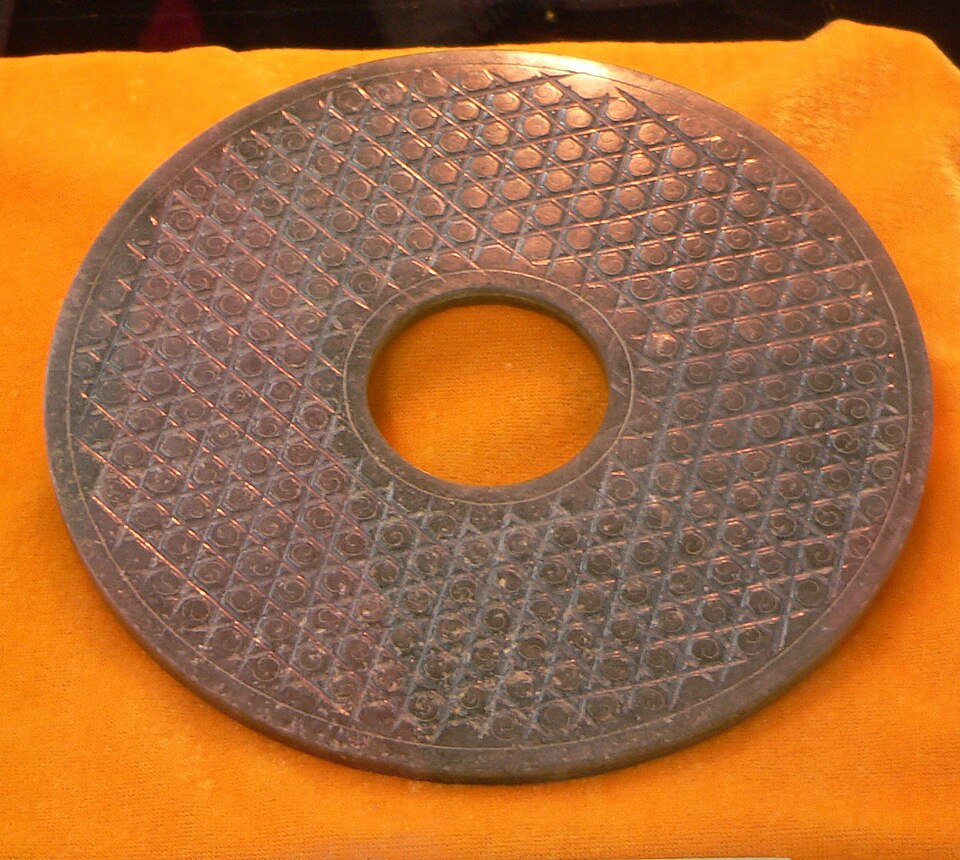
Stone discs pulled from caves in China came wrapped in one of archaeology’s wildest claims: spiral grooves supposedly containing tiny hieroglyph-like markings, translated by some to describe extraterrestrial visitors. Material testing confirmed the carving is genuinely artificial, with an unusual mineral composition that doesn’t match ordinary regional stone.
What testing hasn’t confirmed is the translation story itself, which remains disputed and largely unverifiable through independent scholarship. Dating attempts place the discs in a prehistoric context, and the physical anomalies are real enough to keep researchers interested. But between genuine material mystery and unconfirmed historical claims, the Dropa Discs sit in the strangest possible spot – proven to be something, without anyone agreeing on what.
The Bottom Line
Here’s the uncomfortable pattern running through all 17 of these: science was supposed to be the thing that closes cases, not reopens them. Instead, every advanced testing method thrown at these objects – CT scans, spectroscopy, wind tunnels, satellite imaging – has done less to explain them and more to prove how little we actually know.
That’s not a failure of science. If anything, it’s the opposite. Real testing doesn’t force an answer just to satisfy curiosity, and these results show researchers respecting the data even when it points somewhere uncomfortable. The honest takeaway isn’t that ancient people had secret advanced technology, or that mainstream history is hiding something. It’s simpler and stranger than that: some objects were built with a level of intention, precision, or purpose that hasn’t survived in any written record, and testing can measure that gap without ever closing it. Which one of these do you think will finally get solved first? Or do you think some of them never will?