If you’ve ever caught yourself telling your dog about your rough day, apologizing to your cat for being late, or pep-talking your gecko before a vet visit, you might’ve wondered for a second if you’d finally lost it. Then you noticed your pet’s eyes on you, their body relaxing at the sound of your voice, and you knew on some gut level that this strange little cross-species conversation mattered. It felt real. It felt mutual. And despite what the occasional eye-roller might claim, psychology increasingly suggests your brain is not confused or childish when you do this; it is doing exactly what it evolved to do.
Human social brains are built like engines that never fully power down. They scan constantly for minds, moods, and intentions, even when we are quiet, even when we sleep, even when we’re alone. That same neural machinery does not abruptly switch off at the edge of our species; it simply keeps looking for social partners and lands naturally on the animals who share our homes and our daily routines. Talking to them in full, fluent, human style is not a glitch. It is a sign that your social brain is online, doing its job, and refusing to pretend that the living creature on the couch next to you is just furniture with fur.
Our Social Brain Was Built to Lock Onto Other Minds, Not Just Human Ones
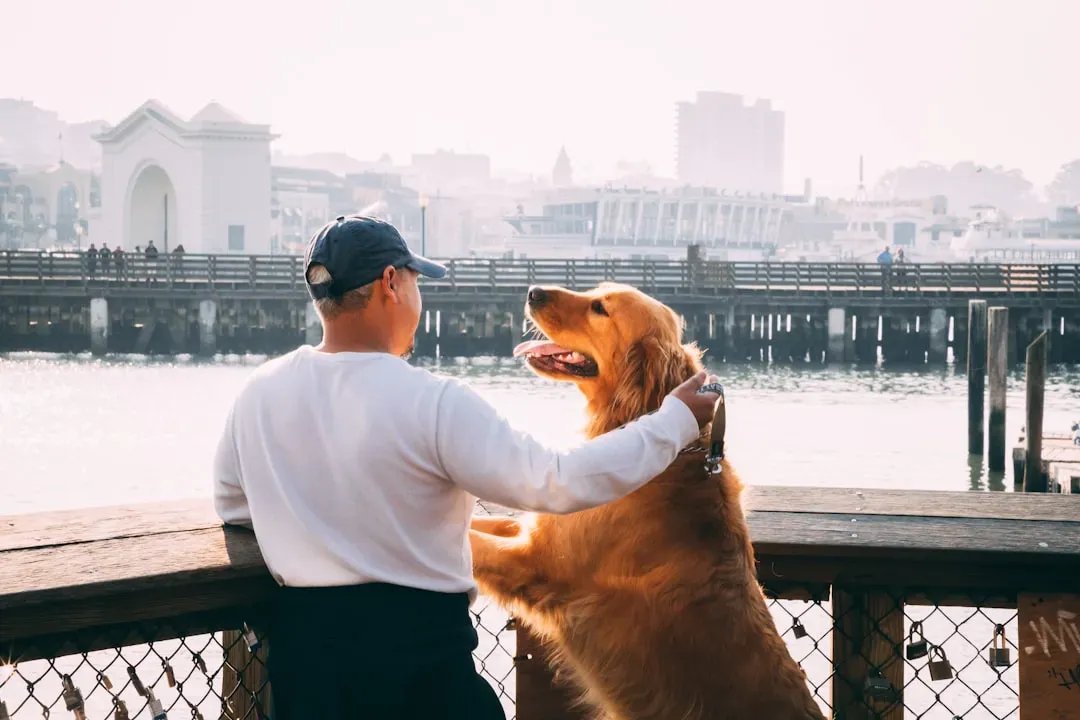
One of the most striking things about the human brain is how much of it is dedicated to reading other minds: guessing motives, predicting behavior, tracking alliances, and sensing tiny emotional shifts. Neuroscientists sometimes call this our “social cognition” system, and it sits at the core of how we survive, from ancient tribes to modern group chats. If you strip everything else away, being human is largely about monitoring who is safe, who matters, and what they might do next.
The crucial detail is that this system is tuned to detect minds, not just humans in a technical, biological sense. Anything that appears intentional, reactive, or emotionally expressive can trigger our social radar. A dog cocking its head, a cat blinking slowly, a horse nudging your shoulder – these things are rocket fuel for our mind-reading machinery. Your brain sees those signals and, without asking permission, starts running the same mental scripts it uses with people: “What are they feeling? What do they want? How can I respond?” Talking is just the most natural output of that system in action.
Anthropomorphism Is Not a Flaw; It Is a Feature That Helps Us Connect
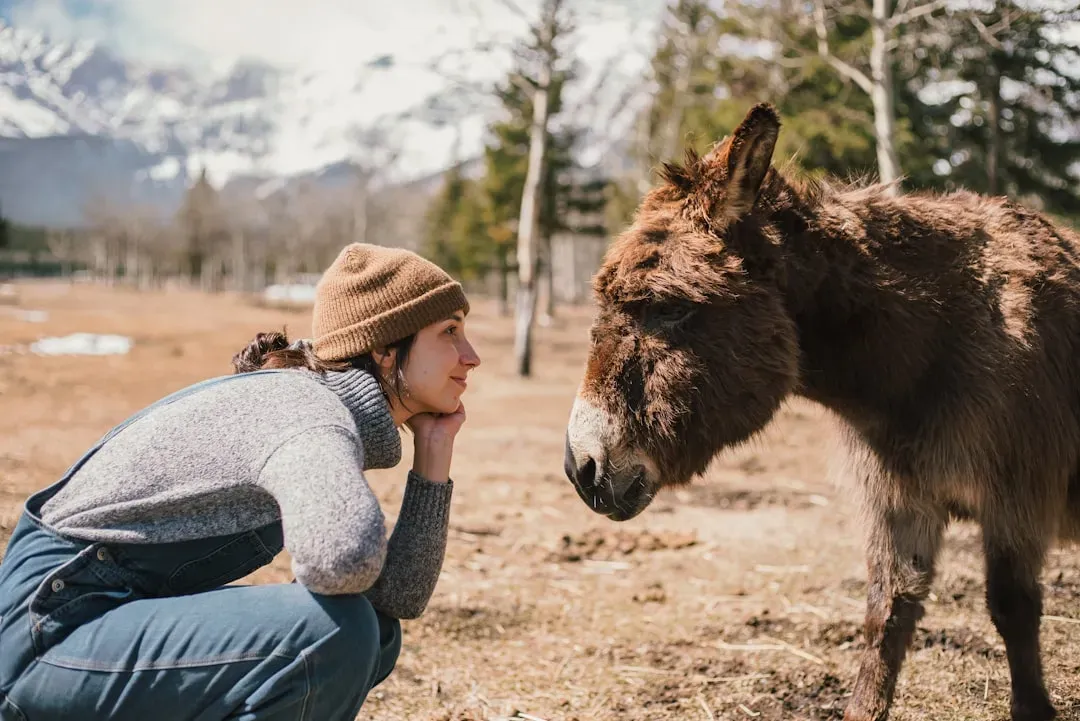
People often toss around the word “anthropomorphism” as if it means “you’re doing it wrong.” The assumption is that when you say your dog is jealous or your cat is offended, you are projecting human emotions onto a blank, animal screen. But from a psychological perspective, using your own emotional experience as a template is how you understand any other creature at all, including fellow humans. We never have direct access to anyone else’s inner world; we always infer it, and we do that by analogy to our own.
When you tell your anxious rescue dog, “You’re safe, I promise, I’m not going anywhere,” you are not running a scientific experiment and naming the exact neurochemical cocktail in their brain. You are using the best emotional language you have to match what you see in their body and behavior. Is it a perfect match? No. Is it wildly off-base? Probably not. Many animal behaviors do map onto emotional states that are at least cousins of our own. That kind of careful, humble anthropomorphism – seeing animals as sentient beings with experiences that overlap ours – is far closer to empathy than to delusion.
Pets Have Become Family, and Your Brain Treats Them Exactly That Way
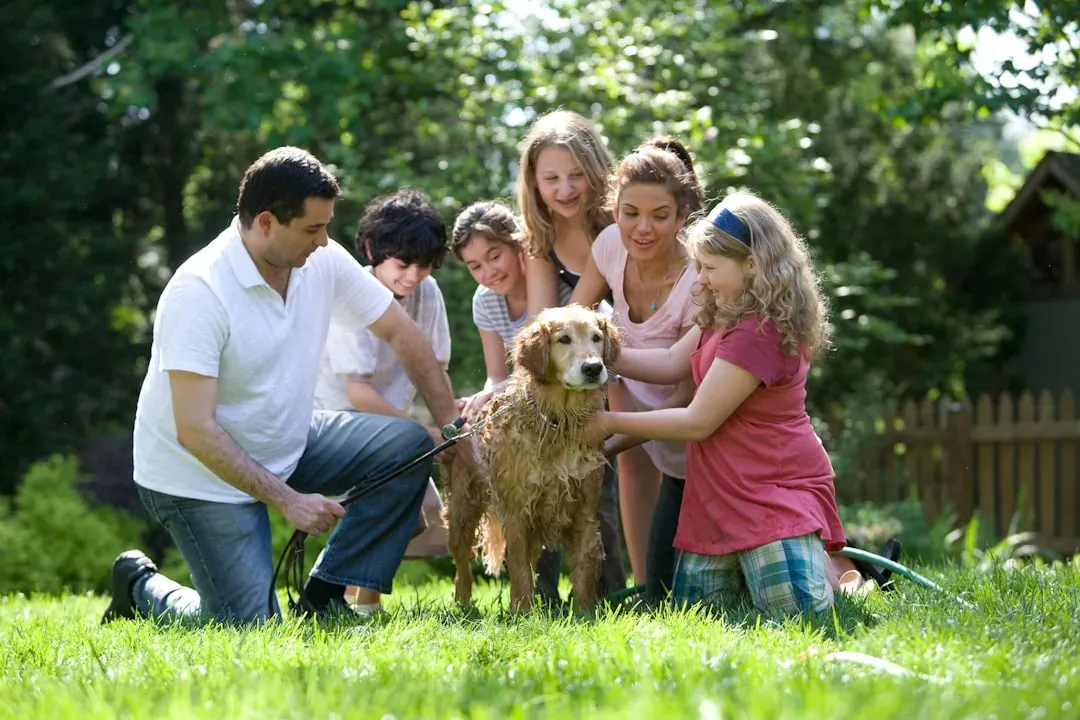
Modern humans, especially in cities and suburbs, often live in smaller families and more fragmented communities than our ancestors did. Into that gap step pets, who sleep in our bedrooms, eat when we eat, and show up in our holiday photos. Socially and psychologically, they function more like children, siblings, or roommates than like “property.” It is no surprise that when your brain scans your inner circle, your dog or cat shows up right alongside your friends and relatives.
Brain imaging studies have even found that some of the same reward and attachment circuits that light up when people see loved ones can activate when they see or interact with their pets. That does not mean we confuse a golden retriever with a human baby, but it does mean the overlap is real enough that your brain treats your pet as someone, not something. Talking to them using the same tone, vocabulary, and emotional depth that you use with people is your nervous system’s way of reinforcing that bond. From your brain’s point of view, they are in the family chat, so of course they get spoken to like family.
Dogs, Cats, and Other Animals Actually Respond to Human Speech and Tone
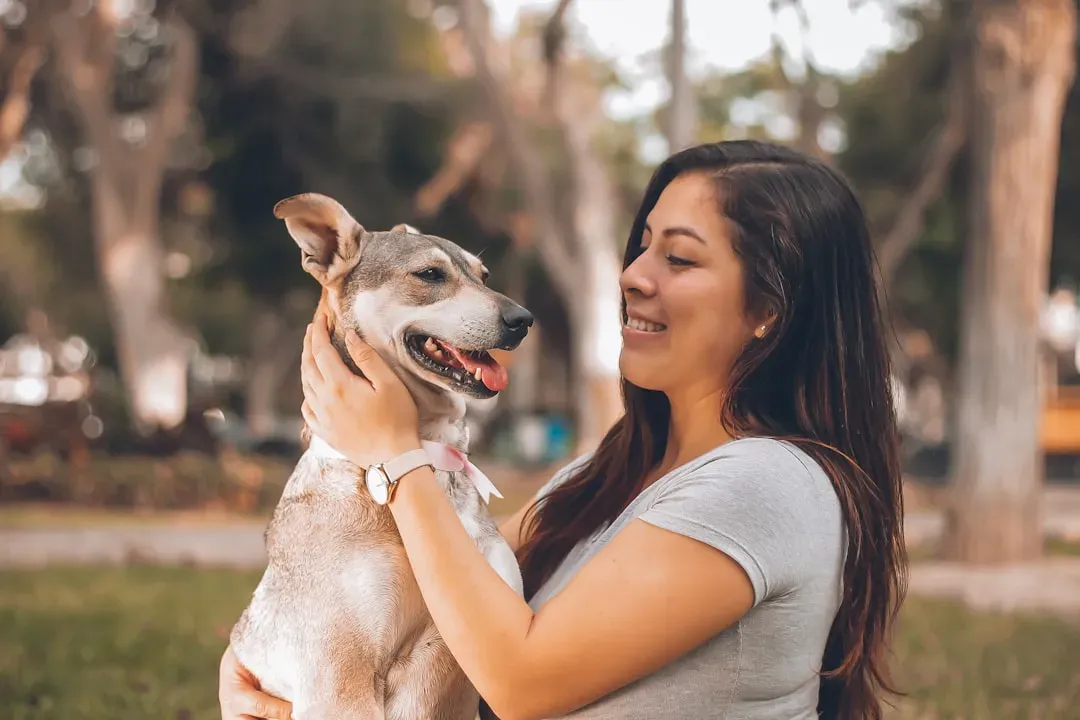
You are not yelling into the void when you tell your dog to “wait” or your cat that “it’s okay, it’s just the vacuum.” Animals, especially those we have bred and lived alongside for thousands of years, are ridiculously good at picking up on human cues. Dogs, in particular, are tuned into the emotional prosody of our voices: the rise and fall, the intensity, and the warmth or anger underneath the words. They may not parse grammar like we do, but they absolutely detect whether they are being praised, reassured, or warned.
Cats, often unfairly stereotyped as aloof, also learn to differentiate their person’s voice from others and can associate specific sounds with routines, consequences, or comfort. Horses learn verbal cues for movement and stopping, and many parrots not only understand tone but also mimic spoken language back to us. When you speak to your animal in full sentences, your social brain is not just projecting, it is also leveraging a communication channel the animal can partially understand. You adjust your tone, they adjust their behavior, and eventually a shared emotional language emerges, even if it is not built from human words in the strict sense.
Talking to Animals Regulates Your Own Nervous System Too
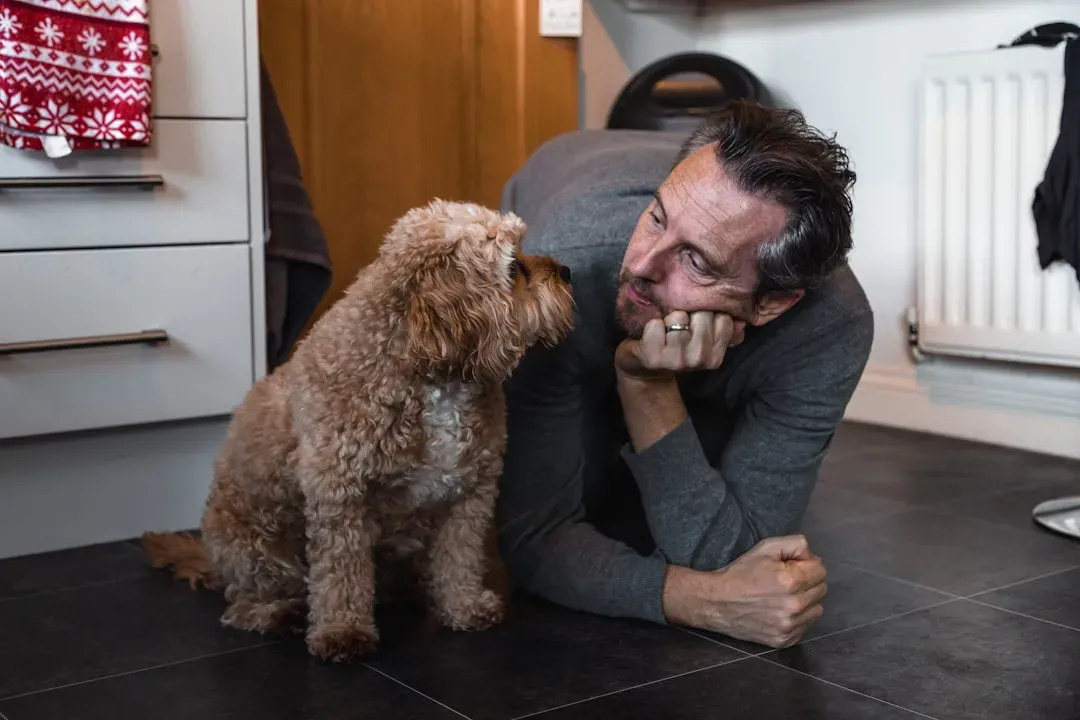
There is another piece to this story: when you talk to your animals, you are not only soothing or engaging them; you are regulating yourself. Speaking out loud, especially in a calm, warm tone, can lower your own stress arousal. It gives shape to your feelings, turns vague worry into something nameable, and signals safety to your body. It is similar to how people feel calmer after talking to a trusted friend, even if the friend does not solve the problem.
Your animal becomes a kind of emotional anchor, a living presence that absorbs your voice and your attention. You might share good news with your dog just to savor it more fully, or vent to your cat after a bad meeting because it feels safer than starting with a human. The lack of judgment from an animal can be deeply regulating: you can say the messy, unpolished thing first to them, and in the act of saying it, your nervous system settles. Talking to animals, then, is not only about what they understand; it is about giving your own social brain what it needs – a listener, however nonverbal.
Children Who Talk to Animals Are Practicing Empathy and Perspective-Taking
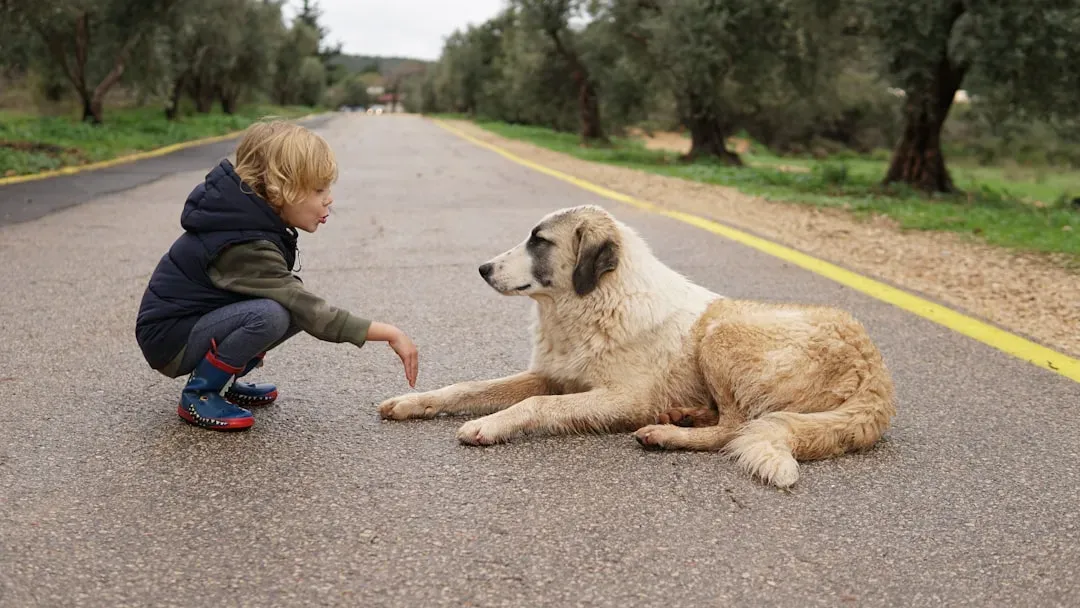
Watch a child with a pet and you are seeing social development in action. When a kid tells a dog, “You’re scared of the thunder, huh? It’s loud,” they are doing something huge: imagining how the world looks from someone else’s point of view. Psychologists call this perspective-taking, and it is one of the basic building blocks of empathy. Kids use pretend play, imaginary friends, and yes, talking to animals to stretch this skill like a muscle.
Far from being a sign that they are confusing fantasy and reality in a harmful way, these conversations help children experiment with responsibility, comfort, and moral care. A child who explains the rules of a game to a cat or reassures a nervous rabbit is rehearsing how to be kind, clear, and protective. Those same patterns of thought will later show up in how they talk to classmates, siblings, coworkers, and eventually, perhaps, their own children. The pet is a very patient practice partner for a developing social brain.
Cross-Species Friendship Has Deep Evolutionary Roots
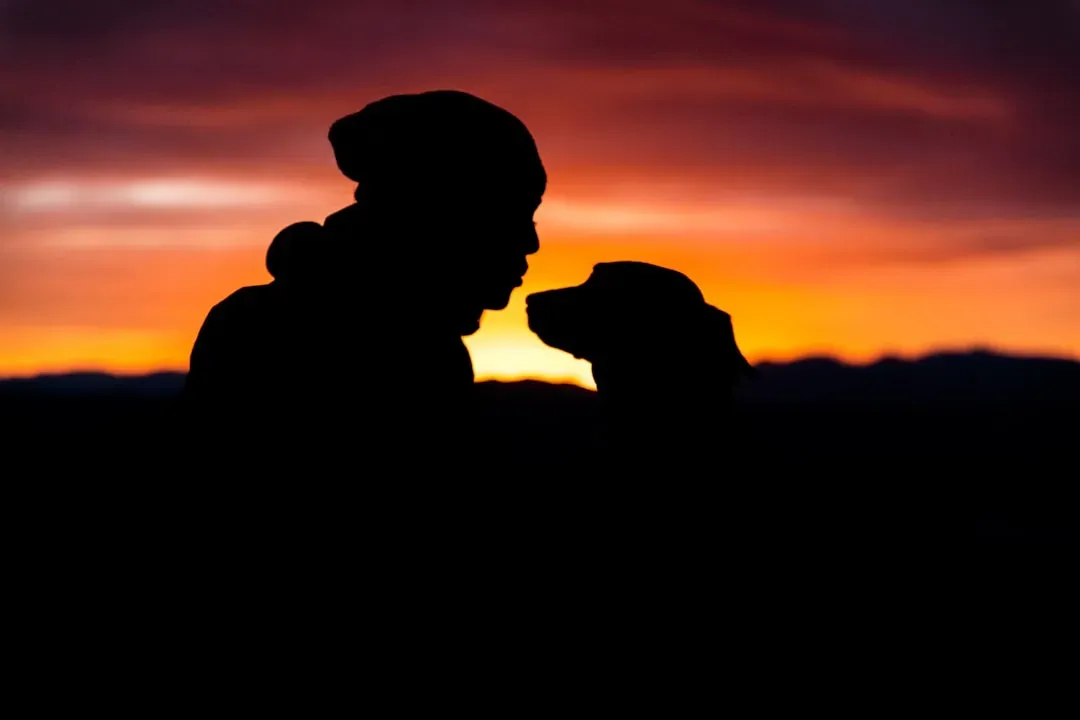
It is easy to think of human–animal chit-chat as a quirky modern hobby, but the roots go way back. For most of human history, other species were not background scenery; they were central companions in work, protection, hunting, and even spiritual life. Many traditional cultures saw animals as beings with agency, personalities, and in some cases, spiritual significance. Talking to animals in that context was not silly; it was part of how you showed respect and navigated a shared landscape.
From an evolutionary standpoint, being able to read, predict, and influence other species had survival value. Communicating with a dog-like partner who alerts you to danger, or with herd animals whose behavior signals weather or predators, would have been a huge advantage. The modern version may look softer – bedtime talks with a pug instead of strategy sessions with a hunting companion – but the underlying capacity is the same. Our social brain evolved in a multi-species world, and it never fully forgot that.
Talking to Animals Is a Quiet Rejection of Hyper-Rational, Disconnected Culture
We live in a time that often worships efficiency, productivity, and hyper-rational decision-making. In that atmosphere, talking to your dog about your feelings or thanking your cat for “helping” with your emails can look irrational or childish. But there is something quietly rebellious about insisting that your emotional life is not only reserved for humans, and that care can flow to and from other beings without needing to justify itself in cold, logical terms.
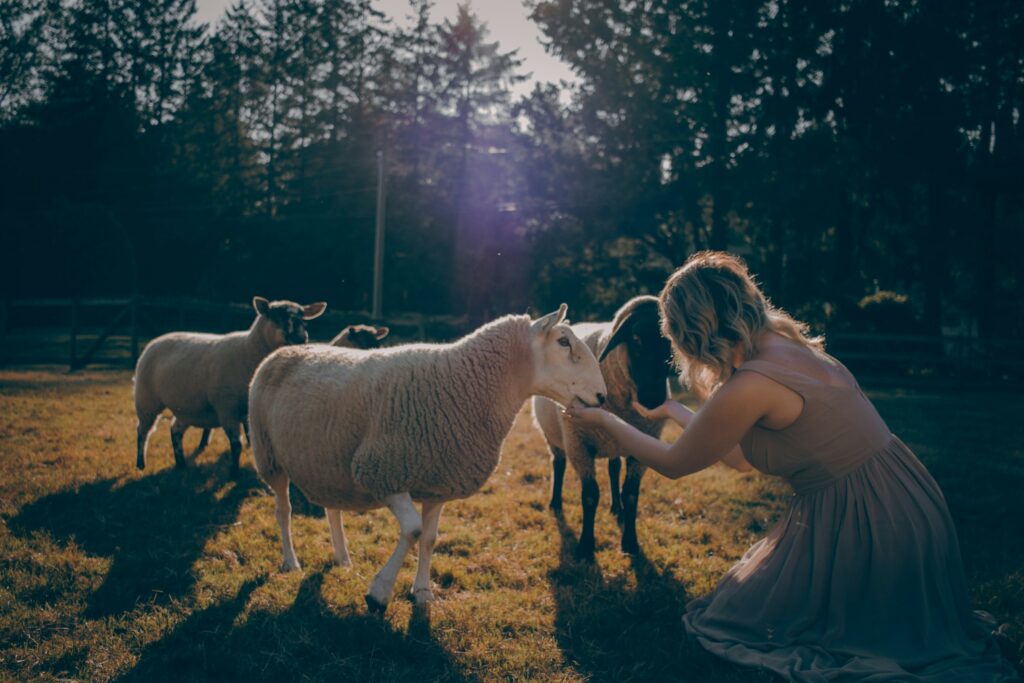
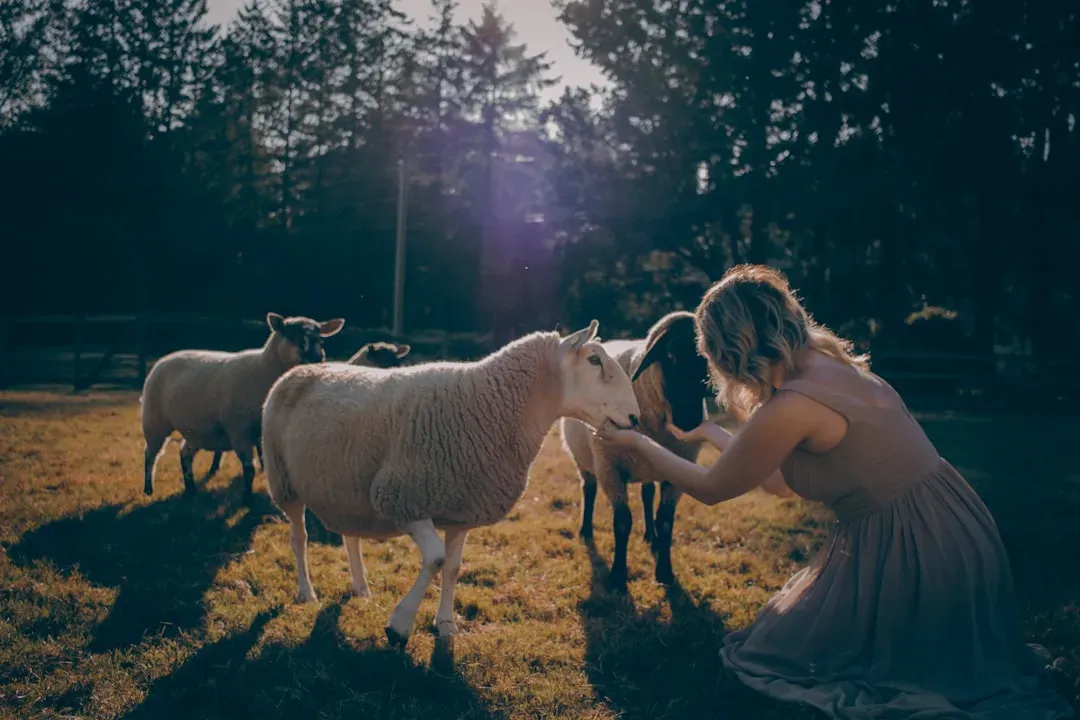
When you say goodnight to your hamster or ask your horse how they are doing today, you are, in a small way, refusing to flatten the world into usable objects. You are letting your social brain recognize a fellow subject, a fellow experiencer, even if their inner life is very different from your own. That refusal to draw a hard line at the edge of our species is not soft-headed; it might actually be one of the more sane responses to a world that often feels numb and disconnected. In that sense, talking to animals is less about baby talk and more about a broader ethic of relationship.
Conclusion: A Social Brain Without Borders Is a Strength, Not a Problem
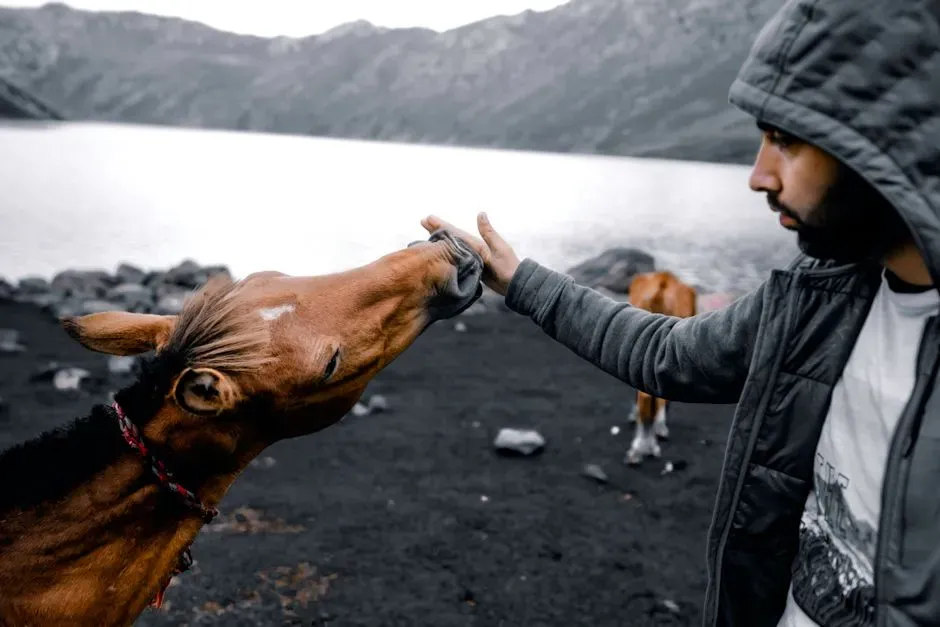
So, are people who talk to their animals like they are people just projecting? Sometimes they probably overshoot, like all of us do when we guess what any other mind is feeling. But the deeper story is more generous: they are using a social brain that was built to notice other beings, reach toward them, and create meaning in relationship. That brain does not slam its doors shut because a creature walks on four legs or purrs instead of speaking. It keeps extending itself, sometimes clumsily, sometimes beautifully, across the species line.
In a world where loneliness and disconnection are rampant, I would argue that this overflow of social energy toward animals is not a bug in our psychology; it is one of its saving graces. Yes, we should stay humble about what we know and do not know of animal minds, and avoid turning them into mere human clones in our imagination. But if the choice is between a social brain that hardens into indifference at the species boundary, and one that keeps reaching out – to dogs, cats, birds, horses, and beyond – I know which one I’d rather have. When you tell your pet about your day tonight, maybe the real question is not “Am I weird?” but “What kind of world would this be if none of us cared enough to try?”