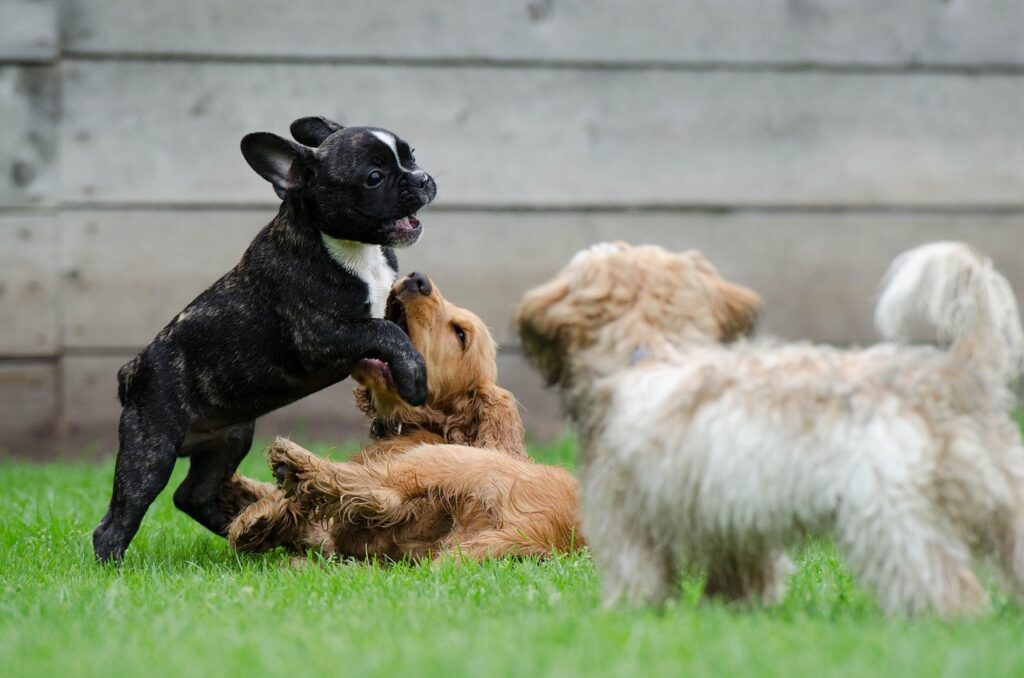
If you’ve ever watched a pile of puppies wrestling on the floor or two kittens tumbling across a couch, it probably looked like pure chaos. No manuals. No referees. No obvious rules. Just teeth, claws, and squeaky yelps. But underneath that adorable mess, something far more serious is happening: their brains are quietly wiring the foundations of fairness, restraint, and emotional control long before they could ever “understand” those ideas in words.
That might sound almost mystical at first, but it is deeply biological. Across species, from rats to dogs to primates, researchers keep finding the same pattern: rough-and-tumble play is not random. It follows hidden rules, and when those rules are followed, brains develop differently than when they are broken or suppressed. As strange as it sounds, a baby rat holding back its bite or a puppy pausing when its playmate whimpers is practicing ethics with its nervous system. And none of them have any concept of morality at all.
Play Fights Look Wild, But They Are Secretly Structured
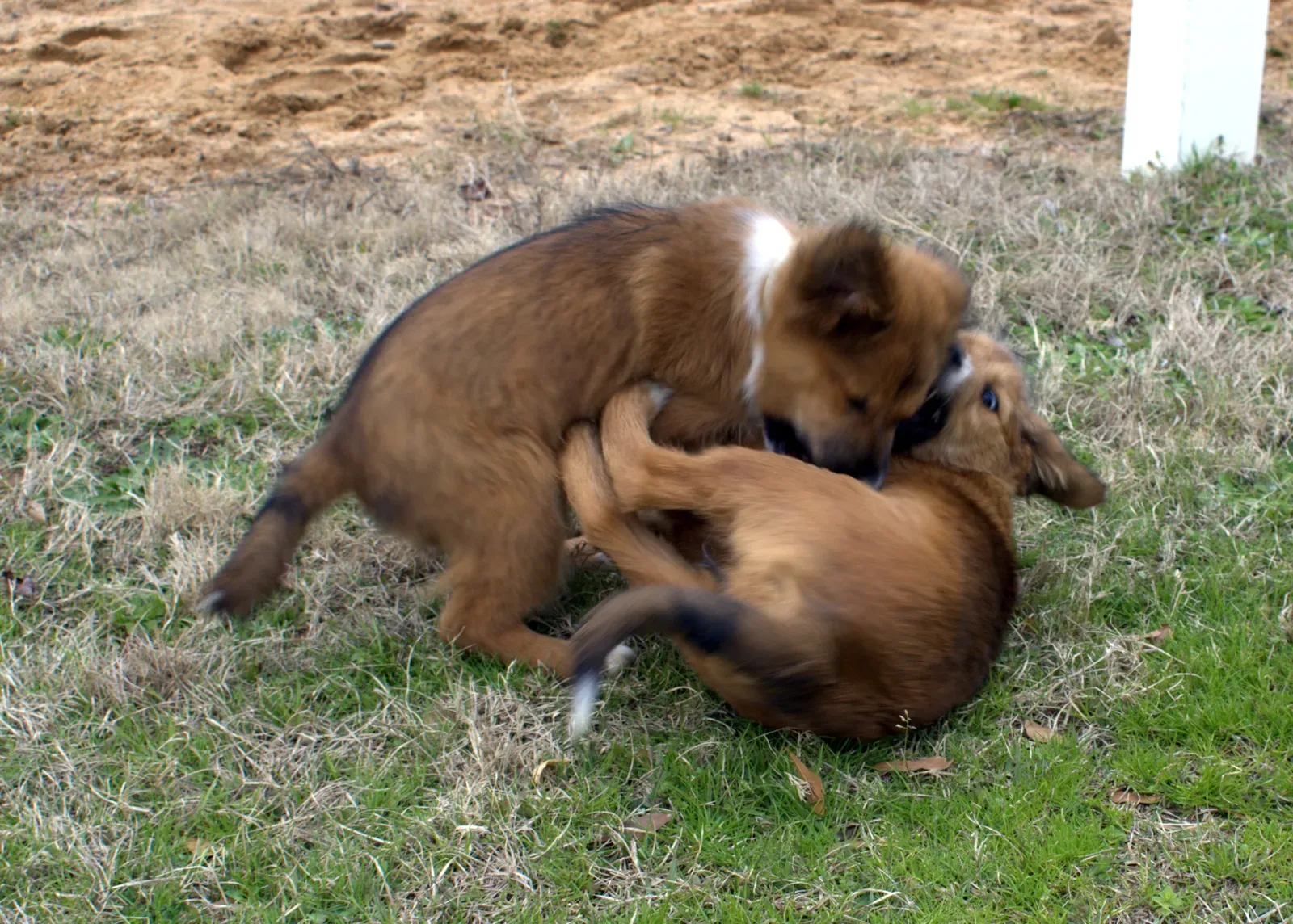
The first surprising thing neuroscience and behavior research reveal is that play fighting is not a free-for-all. Young animals repeat certain moves, take turns chasing and being chased, and adjust their strength so no one actually gets hurt most of the time. Watching in slow motion, you can see that a stronger pup often “self-handicaps,” lowering its power so the game can continue instead of turning into real aggression.
That hidden structure is key. For play to keep going, both sides have to want to stay in the game, which forces them into an unwritten agreement: no one goes too far. This balance between pushing limits and avoiding real harm is basically a living lab for learning boundaries. What looks like silliness is actually practice in reading signals, respecting limits, and negotiating how intense is too intense.
Neural Pathways for Self-Control Get Rehearsed, Not Lectured Into Existence
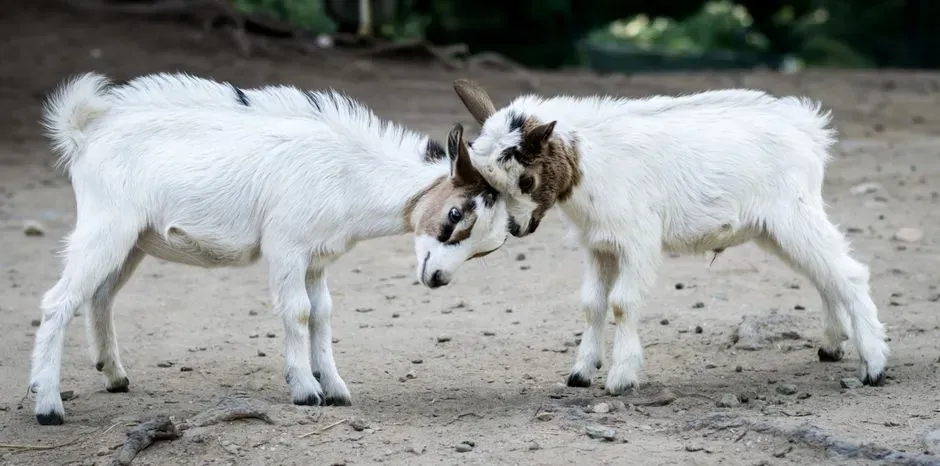
One of the most important ideas from modern neuroscience is that repetition shapes wiring. Circuits that are used again and again become faster, stronger, and more coordinated. During play fighting, young animals repeatedly face tiny, rapid-fire decisions: pounce harder or ease off, bite down or pull back, chase longer or give the other a turn to “win.” Each microchoice is a rep in the gym for self-control networks in the brain.
Crucially, no adult has to explain the rules in words. The body and brain learn through feedback loops: if an animal gets too rough, the game stops or the partner pulls away, which is a natural negative consequence. If it restrains itself, play continues, which feels good. Over time, those experiences tune circuits involved in inhibition, impulse control, and emotion regulation without any conscious understanding of what is being learned.
Fairness Emerges From the Need to Keep the Game Going
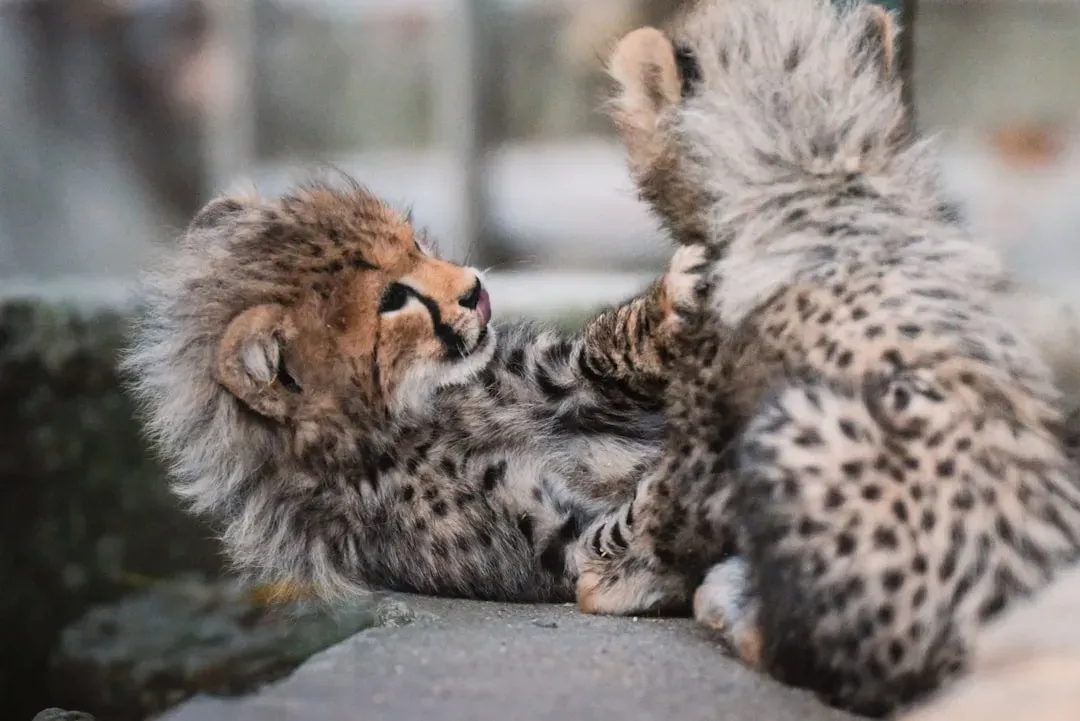
Fairness might seem like a lofty, human idea, but in play it shows up as something very practical: if one animal always dominates, cheats, or hurts the other, the game dies. Many young mammals seem to “know” this at a gut level, though it is more accurate to say their nervous systems discover it. The cost of being unfair is social isolation, and for social species that is a huge problem.
So they start roughly balancing wins and losses. The older or stronger one sometimes lets the smaller one pin them or “win” the chase. That does not mean they are calculating like a human philosopher; it means natural selection favors nervous systems that keep play partners engaged. Fairness, in this sense, is not abstract morality. It is a social survival strategy coded into instinctive behavior and then refined by neural development.
Restraint Is Practiced in Microseconds, Not Moral Speeches
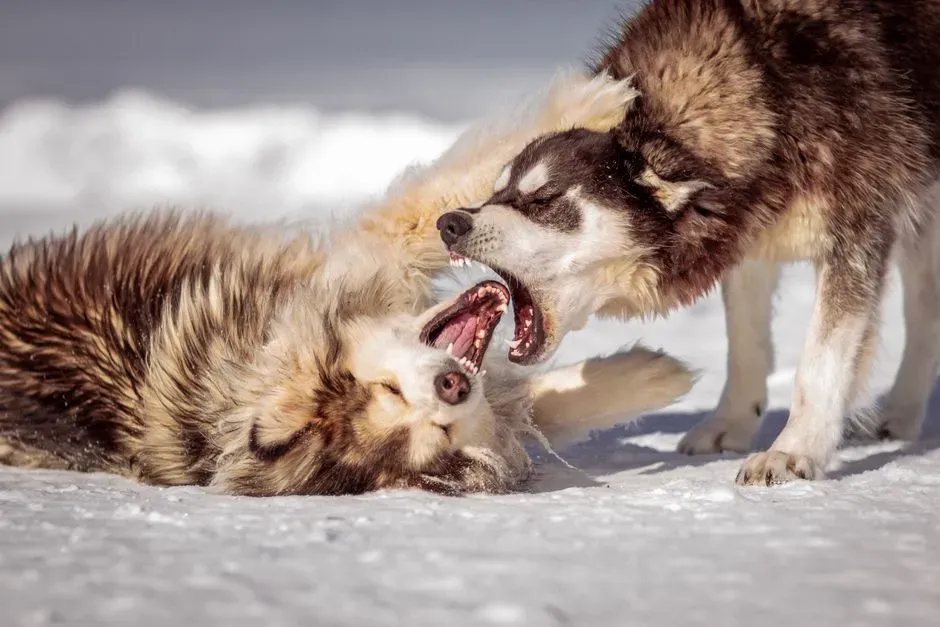
Real aggression is fast, intense, and often goal-directed, but play aggression is oddly slowed down and softened. Young animals will open their mouths wide in a mock bite, then close them gently around a partner’s ear or leg without breaking skin. That difference between what they physically could do and what they actually do is where restraint lives. The brain is constantly holding back a little, shaping the force of each action.
Neuroscientists associate this kind of fine-tuned inhibition with regions in and around the prefrontal cortex and related control circuits that help regulate impulses. During play, those regions are not being trained by lectures; they are being tuned by trial and error. Go too hard, your friend yelps and leaves. Ease up, and the fun continues. Over hundreds or thousands of tiny interactions like that, restraint becomes less of a conscious decision and more of an embodied default.
Self-Regulation Is a Full-Body Workout, Not Just “Willpower in the Head”
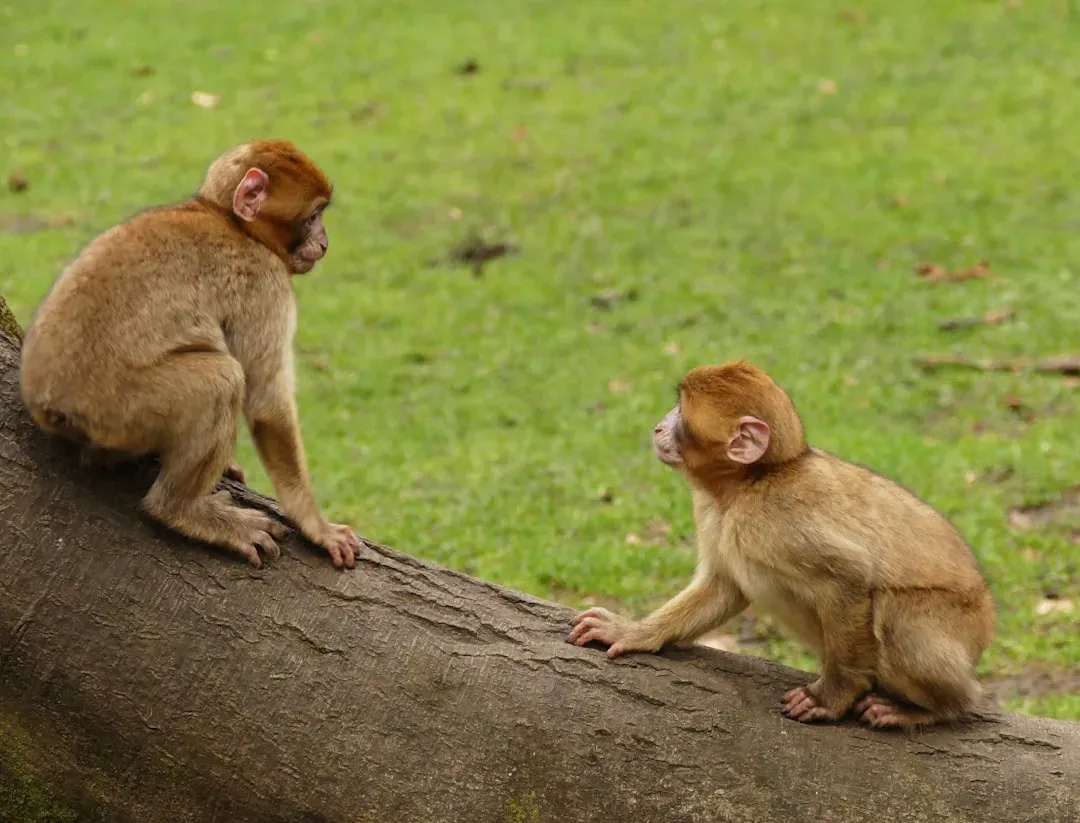
We tend to talk about self-control as if it were a little voice inside your head saying no, but in reality, self-regulation is a whole-body phenomenon. When young animals play fight, their heart rates climb, stress hormones may bump up, and arousal systems switch on. At the same time, they have to keep themselves from tipping over into actual rage or panic. This constant dance between activation and calming is part of what their nervous systems are practicing.
Over time, that practice helps build more flexible stress responses. Systems that handle adrenaline, reward, and social bonding all get cross-trained. From the outside, all you see is tumbling and wrestling. Inside, networks that balance excitement with control are learning to turn the dial up and down smoothly instead of just slamming between off and on. That is the root of self-regulation: not never getting worked up, but being able to come back to calm without falling apart.
Social Brains Are Literally Shaped by Rough-and-Tumble

Social species depend on being able to read subtle body language and signals from others, and play fighting is packed with those signals. A tiny head tilt, a brief freeze, or a small yelp all carry information, and young animals quickly learn to respond. This repeated matching of their own behavior to another’s cues is social cognition in motion, and it leaves marks in the brain’s wiring.
Areas involved in processing touch, movement, and social signals become more finely tuned through this kind of interactive play. It is not only about muscles getting better at pouncing and rolling; sensory and emotional systems are adapting too. In a way, each wrestling match is a small conversation carried out with paws and teeth instead of words, and the brain is quietly learning a social language it will use for life.
The Cost of Missing Play: What Happens When the System Skips Practice

When young animals grow up with too little opportunity for rough-and-tumble play, the consequences can be surprisingly serious. Studies in several species have linked play deprivation to more rigid behavior, poor social skills, and difficulty handling frustration. Without that early, low-stakes environment to rehearse boundaries and coping, their nervous systems miss a crucial window of experimentation.
In practical terms, that can look like overreacting to mild threats, misreading social cues, or swinging too quickly from calm to aggressive. Their brains never had as many chances to test and refine the knobs that control intensity, fairness, and restraint. To me, that is a pretty strong argument that play is not a luxury for the young. It is a basic biological need, the same way good nutrition and sleep are.
Instinct Plus Experience: Nature and Nurture Collide on the Play Mat
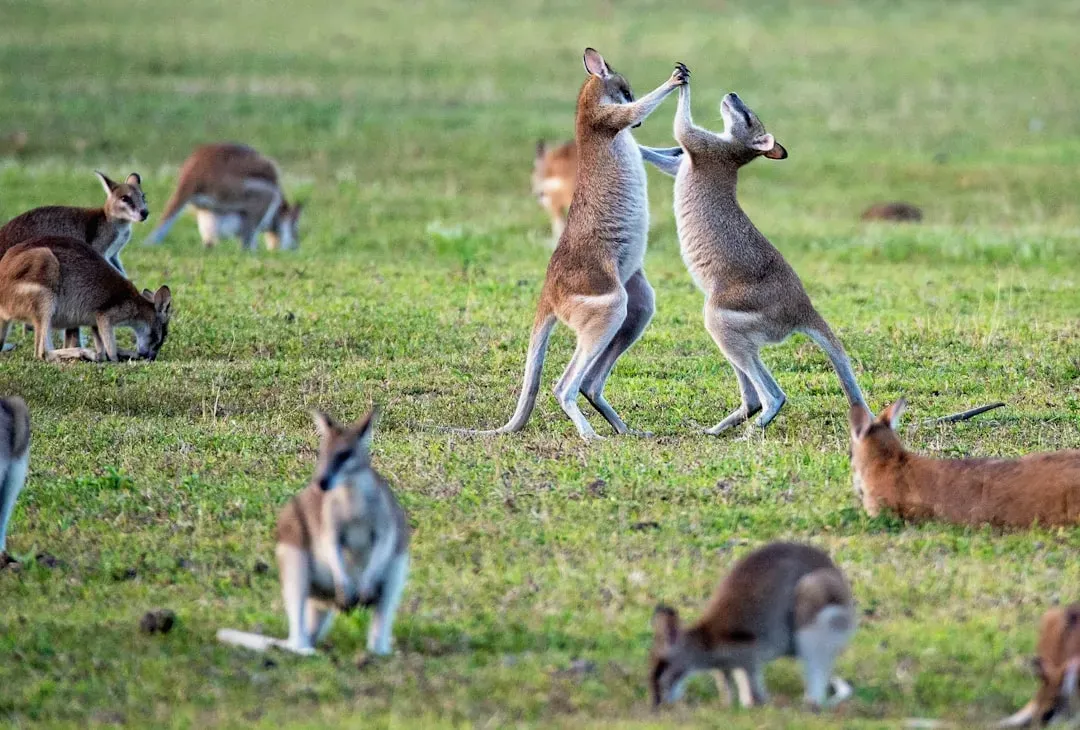
One of the most fascinating parts of this story is how nature and nurture intertwine. Young mammals come into the world with powerful instincts to play, chase, wrestle, and explore. Those instincts push them into situations where their brains can gather huge amounts of information and feedback. But the exact way they learn to calibrate their strength or respect signals depends heavily on their partners and environment.
So the rules are not carved in stone ahead of time. Instead, evolution provides a rough script – play hard, keep it going, avoid real injury – and experience fills in the lines. The result is that individual animals, even within the same species, can end up with slightly different “fairness styles” and levels of restraint, depending on who they grew up with and what kind of play opportunities they had. Biology opens the door, but lived experience decides what walks through it.
Why This Matters for How We Think About Morality and Development
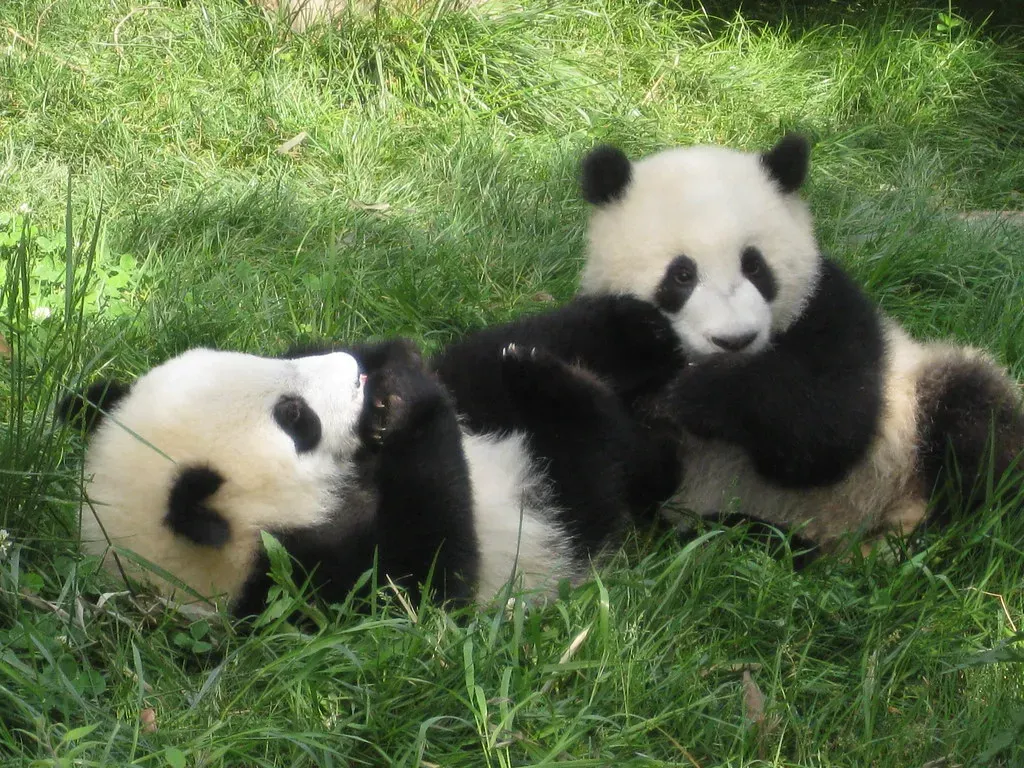
The idea that baby animals can encode something like fairness before they understand it challenges a lot of human assumptions. We often treat morality as something that arrives only after language and explicit teaching, like a software update. But these findings point to a deeper layer, where the roots of fairness, restraint, and self-regulation grow out of embodied, emotional experience long before anyone can explain why sharing or taking turns is good.
That has implications far beyond puppies and kittens. It suggests that when we think about raising children or designing environments for young animals, we should respect the power of unstructured, physical, social play. It is not wasted time. It is how brains learn the feel of being fair, not just the definition of it. In my view, any culture that tries to replace that messy, physical play with only screen time and neat little rules on posters is quietly pulling the rug out from under its own future emotional intelligence.
What Baby Animals Can Teach Us About Our Own Lives
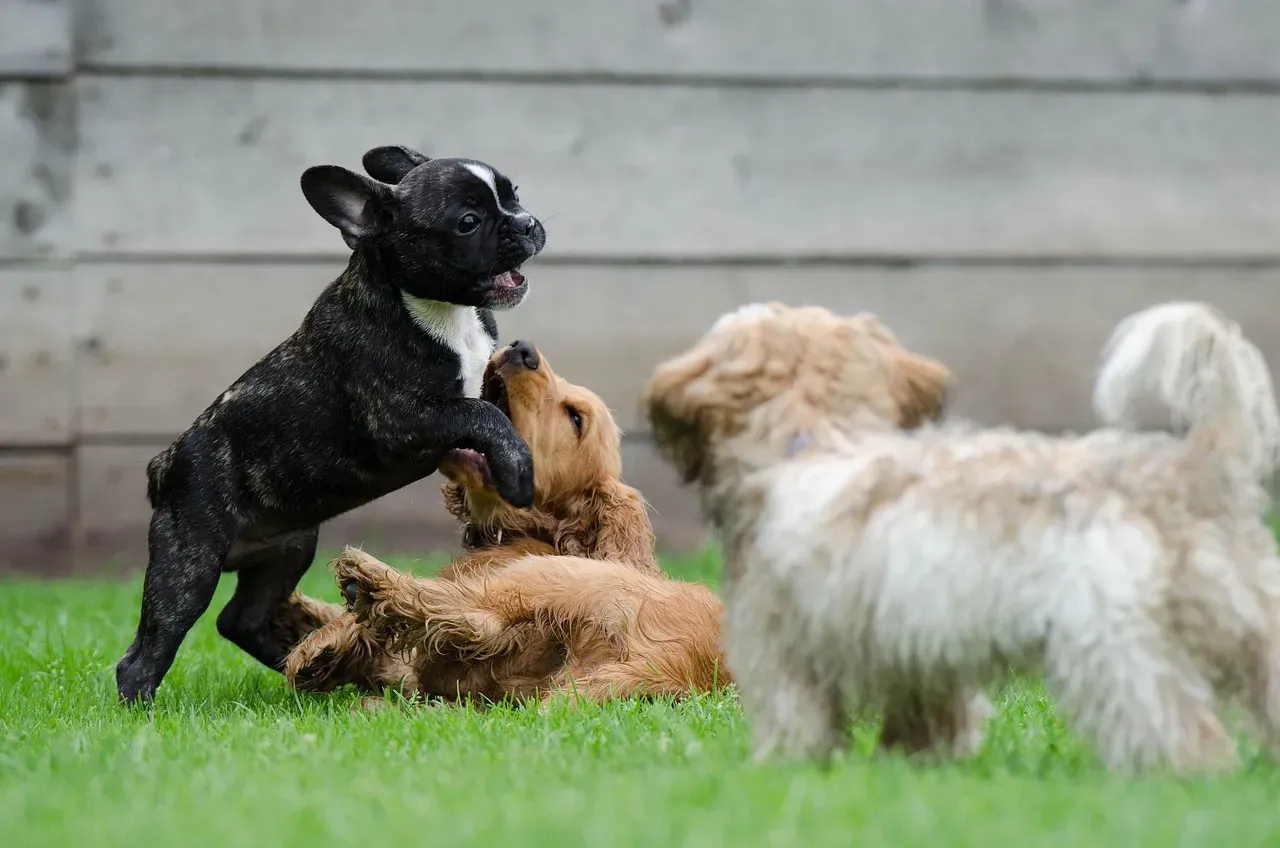
Once you realize what is going on in those chaotic-looking play fights, it is hard to unsee it. You start to notice the micro-pauses, the exaggerated moves, the way one pup slows down for a smaller one. And you notice something else: this is exactly what adults struggle with when they argue, compete, or navigate crowded social spaces. We are all still trying to balance strength with kindness, excitement with control, winning with keeping the relationship intact.
If young animals can start wiring these skills without ever hearing a lecture, it makes me wonder how much of our own moral development depends less on what we are told and more on what we physically live through. Maybe the most important lessons about fairness and restraint are not taught in words but rehearsed in the body – through sports, jokes that go too far and are reeled back, sibling wrestling matches, and all those messy moments where we feel where the line is. That perspective makes rough play look less like chaos and more like a very old, very wise teacher hiding in plain sight.
Conclusion: Play Is the Original Classroom for Fairness and Self-Control

When you put all of this together, it is hard to see baby animals’ play fighting as anything less than a biological masterpiece. Without any conscious concept of fairness, restraint, or self-regulation, their nervous systems are already rehearsing those patterns, trial after trial, tumble after tumble. I think it is a mistake to romanticize this as pure innocence or to reduce it to mindless instinct; it sits in a powerful middle ground where evolution and experience collaborate to build future social competence.
If anything, the science pushes us to take play more seriously, not less. A world that cuts back on real, physical, social play in the name of safety or productivity might look responsible on the surface but could be undermining the very neural foundations of empathy and control it claims to value. To me, the messy wrestling match on the living room floor is not the opposite of discipline – it is where discipline quietly learns how to exist without cruelty. Next time you see a pair of animals roughhousing, will you still see chaos, or will you see a tiny laboratory of morality in motion?