You probably grew up with a neat picture of the “tree of life” in your head: clear branches, tidy groups, everything in its place. Since about 2015, deep‑ocean research has been quietly attacking that picture with a sledgehammer. As new robots, cameras, and genetic tools push into the midnight zones of the sea, you keep bumping into creatures that simply do not fit where you expected them to go. In this article, you are not just reading about “new species.” You are stepping into a world where even basic categories start to wobble. Some of these organisms are still officially shoehorned into broad groups, but their anatomy, genes, or ecology are so strange that they stretch, blur, or outright break the current classification systems for deep‑ocean life. Think of this less like adding a new leaf to the tree of life, and more like discovering that the tree has been quietly growing roots sideways in the dark.
1. Duobrachium sparksae: The Comb Jelly That Exists Only on Video
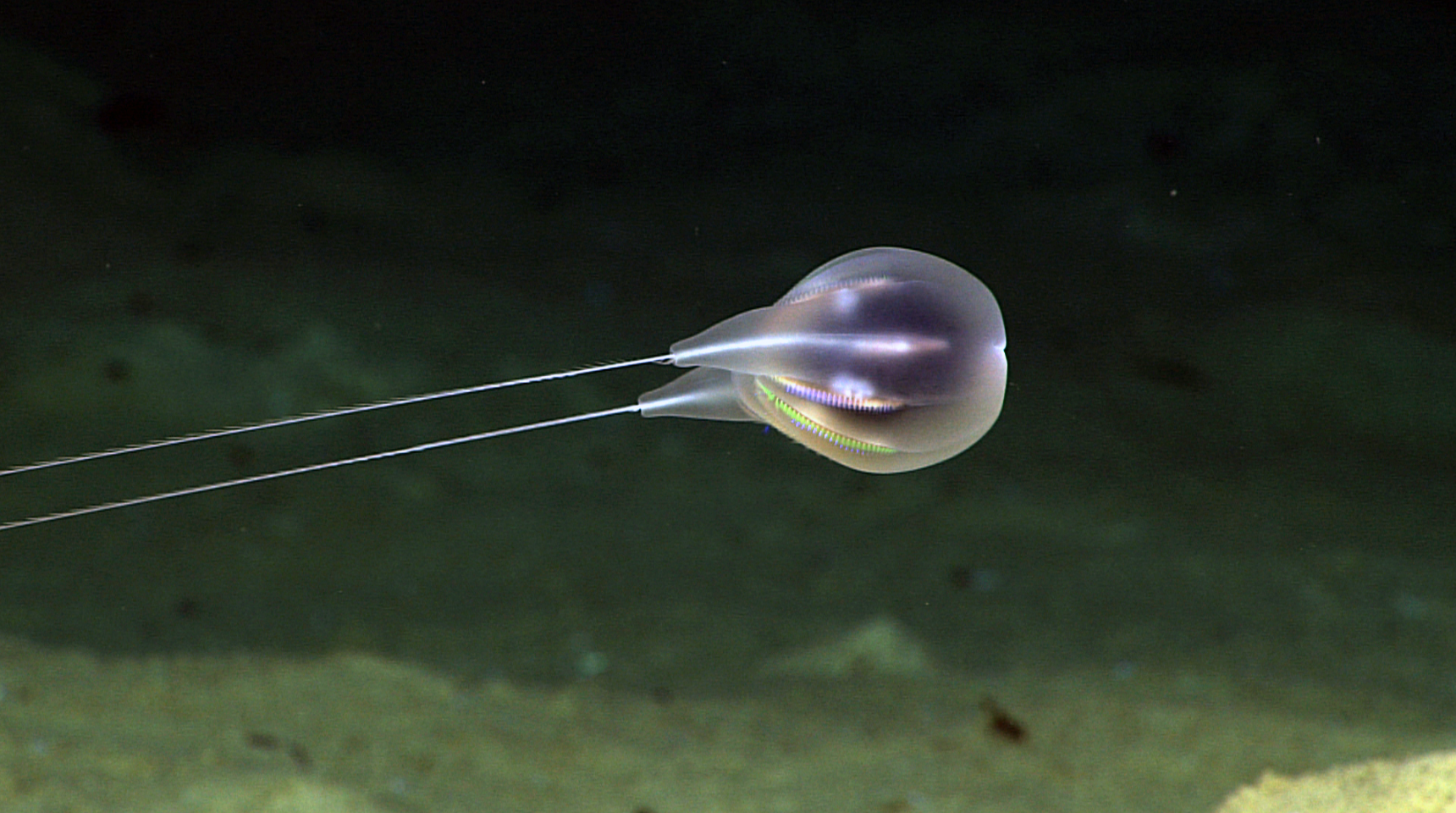
Imagine trying to classify an animal that you have never held, never preserved, and never examined under a microscope – only watched on high‑definition video, drifting in black water four kilometers down. That is exactly what you are dealing with in Duobrachium sparksae, a bizarre comb jelly filmed by NOAA’s Deep Discoverer ROV off Puerto Rico in 2015 and described later purely from video evidence. You can see a transparent, balloon‑like body held just above the seafloor by two long, delicate “arms,” behaving almost like a living kite tethered to nothing you fully understand. ([sciencealert.com](https://www.sciencealert.com/bizarre-jelly-blob-glimpsed-off-puerto-rican-coast-in-first-of-its-kind-discovery?utm_source=openai)) In theory, you drop this animal into the phylum Ctenophora, the comb jellies, and call it a day. In practice, its shape, posture, and near‑bottom lifestyle do not match how you were taught ctenophores are “supposed” to look or live. Some researchers compare its behavior to a benthic predator, others to a midwater drifter that happens to hover just above the sediment, and those differences matter when you try to place it into existing deep‑sea categories. When you have to name a species without a single tissue sample, you are stretching not just your classification rules, but the unwritten assumptions behind them.
2. Newly Revealed Xenoturbella Worms That Scramble the Animal Family Tree
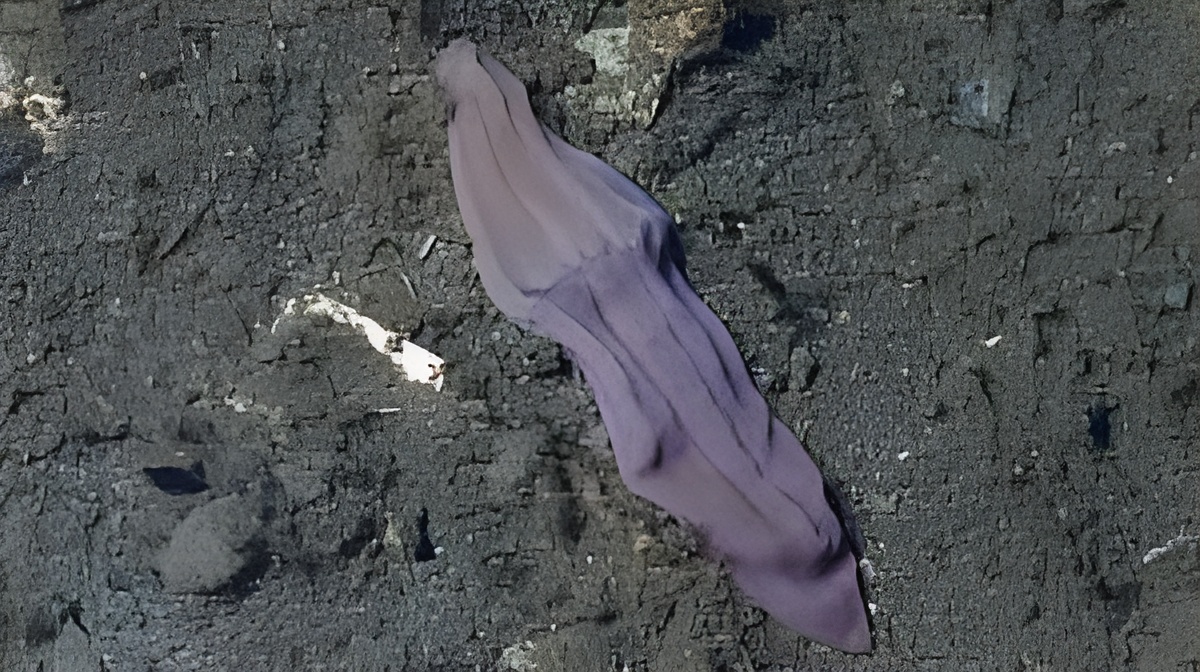
If you like your animals simple, featureless, and evolutionarily confusing, Xenoturbella is your kind of nightmare. Around 2016, deep‑sea expeditions off the Pacific margins turned up several new species of these soft, flat worms – Xenoturbella profunda, churro, and hollandorum – gliding over whale bones and abyssal mud. ([pubmed.ncbi.nlm.nih.gov](https://pubmed.ncbi.nlm.nih.gov/26842060/?utm_source=openai)) They lack almost everything you were taught to expect: no brain, no real gut, no excretory organs, no obvious symmetry beyond “blob with a groove.” You can technically file them inside a group called Xenacoelomorpha, but their position in the larger animal tree keeps bouncing between “very primitive bilaterian,” “sister to more complex groups,” or “something else entirely.” Each new deep‑sea species adds more genetic data yet still refuses to snap neatly into the bigger picture. When you try to classify deep‑ocean communities by standard categories like worms, mollusks, and arthropods, these animals insist on being a glaring asterisk at the bottom of the page.
3. Giant Red Siphonophore Rings That Behave Like One Animal but Aren’t
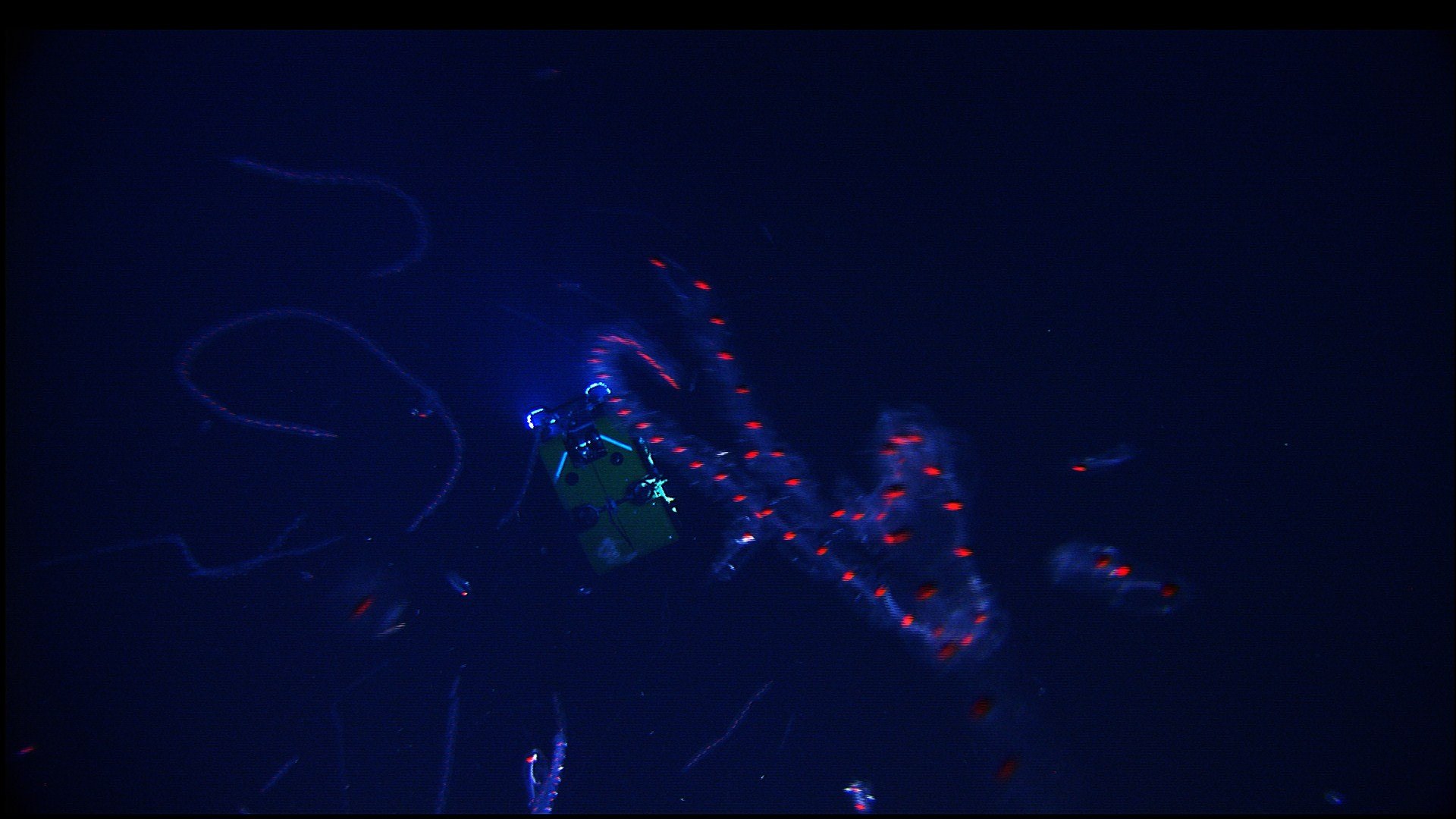
Picture a ghostly red ring hanging in the darkness, tens of meters long, pulsing very slowly as if it were a single creature patrolling a canyon wall. When ROVs have filmed enormous siphonophore colonies in the deep – some of them coiled into near‑perfect spirals – the scenes look less like sea life and more like alien architecture. A famous 2020 example showcased a gigantic Apolemia siphonophore off Western Australia, with a ring almost half the length of a football field. ([en.wikipedia.org](https://en.wikipedia.org/wiki/Siphonophore?utm_source=openai)) Here is the problem for you: siphonophores are not “one” animal in any intuitive sense. Each colony is built from hundreds or thousands of genetically identical zooids, specialized like organs yet capable of a weird kind of individuality. They already strain the category of what an “individual” organism is. When you start mapping deep‑sea food webs, where “one animal eats another,” a single siphonophore ring behaves more like a drifting ecosystem – predator, filter, reproductive unit, and transport system rolled into something you cannot honestly fit into a standard classification for deep‑ocean species.
4. Cosmic Jellyfish That Refuse to Be Pinned Down
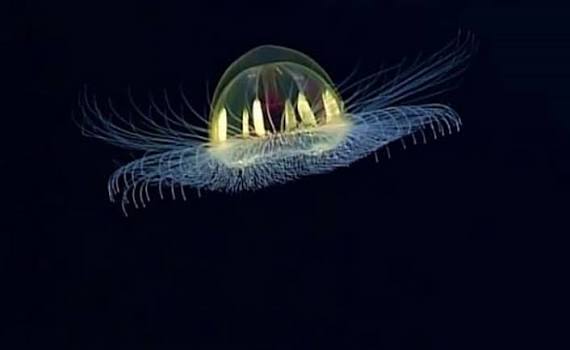
During NOAA’s explorations around American Samoa and the Mariana region after 2015, you started seeing what many people called “cosmic jellyfish”: transparent domes glowing with internal lights, trailing forking tentacles that did not resemble any confidently named species. In 2017, one such animal was spotted near American Samoa, and experts could only say that it probably belonged somewhere in the hydromedusae, with a shrug you could almost hear through the official notes. ([livescience.com](https://www.livescience.com/58049-cosmic-jellyfish-found-near-samoa.html?utm_source=openai)) For classification systems, these sightings are a headache. Until you have a physical specimen, the safest move is to park them in vague groups like “unidentified medusa type A” in video databases. But if you are honest with yourself, the body shapes, symmetries, and organ placements you see in some of these jellies do not track cleanly with established families. They live at depths where almost nothing is sampled, so each one could represent an entire lineage of deep‑sea predators that your current scheme simply has no drawer for yet.
5. Mushroom‑Like Dendrogramma Rediscovered With Genetic Surprises
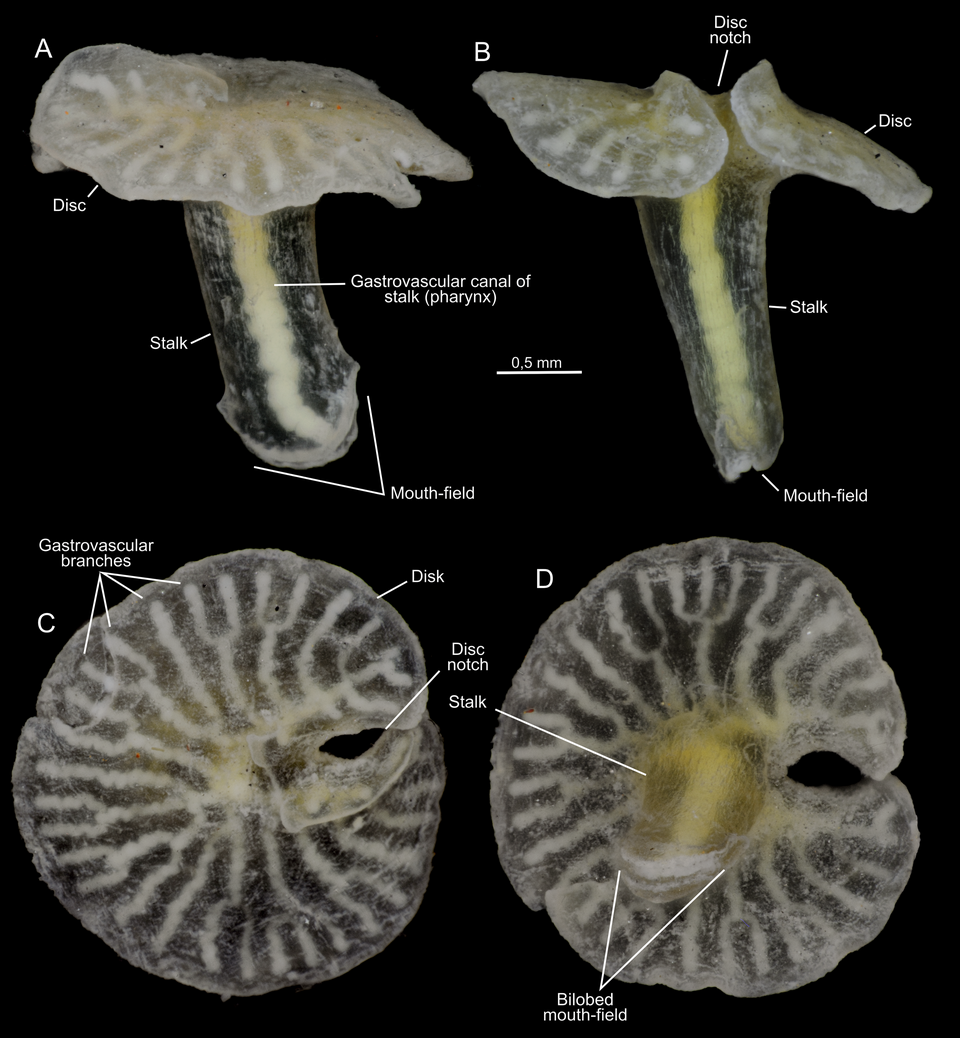
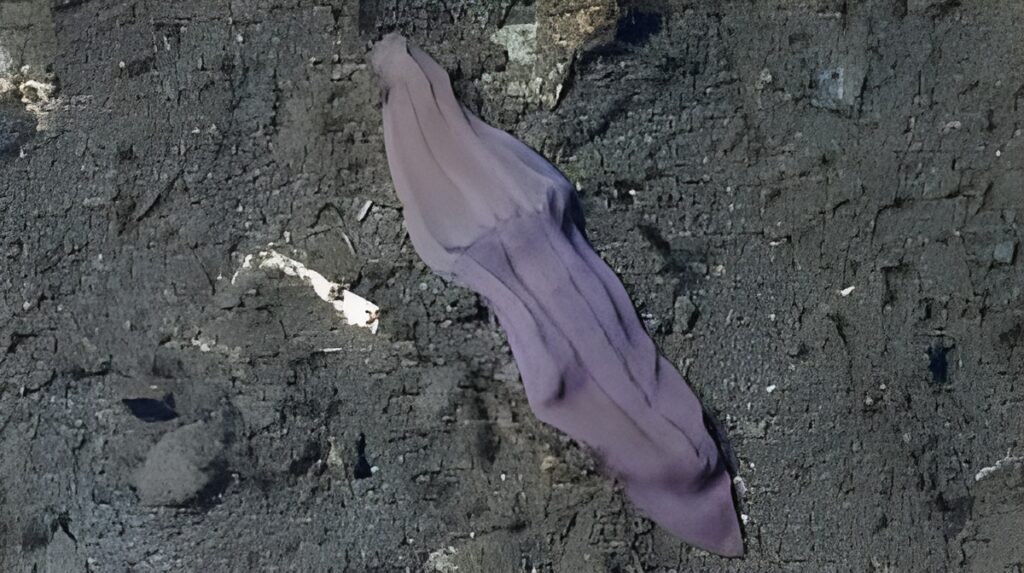
Back in the 1980s, odd, mushroom‑shaped creatures from the deep waters off Australia were preserved in ways that destroyed their DNA, leaving you with just their silhouette and a big headache. They were named Dendrogramma, and early on they were suggested to be a completely new branch of animals. Around late 2015, researchers finally collected fresh specimens that allowed genetic testing, revealing that they sit somewhere near known groups rather than forming a totally separate phylum – but they remain weird, thin, and disc‑like, attached by stems in forms that do not resemble standard deep‑sea animals you are used to. ([nationalgeographic.com](https://www.nationalgeographic.com/science/article/140903-evolution-animal-dendrogramma-mushroom-species-ocean?utm_source=openai)) From a strict taxonomic standpoint, you can now roughly place them, yet they still do not match the usual body plans you teach as “foundational.” Picture trying to explain them to a student with a textbook that shows sponges, jellyfish, worms, and vertebrates – you would end up hand‑waving your way through diagrams that do not look like Dendrogramma at all. This rediscovery underscored something uncomfortable: even when genetics lets you drop a pin on the evolutionary map, the visible form can remain stubbornly unclassifiable in terms of your old, shape‑based categories for deep‑sea life.
6. Video‑Only Medusae and Midwater Oddities From Robot Archives
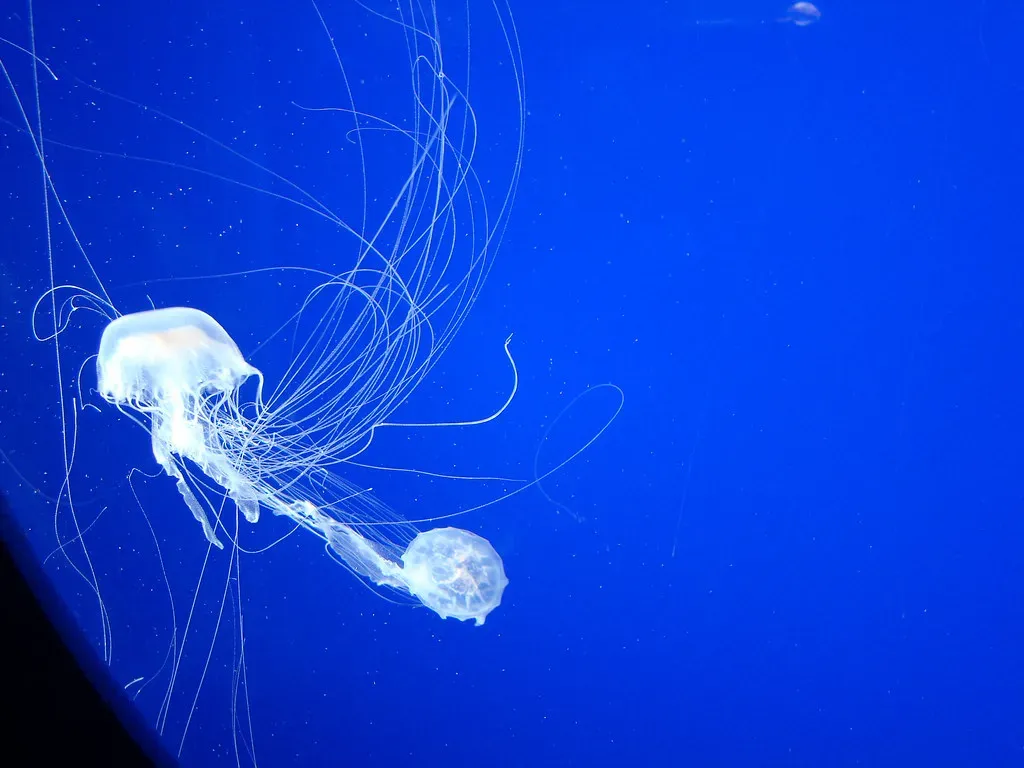
Institutes that have been running deep‑diving ROVs for decades, like MBARI, have built up enormous video archives of midwater life. When their scientists combed through nearly thirty years of footage to map who eats whom in the deep pelagic zone, they uncovered whole networks of animals you can recognize visually but still cannot confidently name down to species – or sometimes even family. ([annualreport.mbari.org](https://annualreport.mbari.org/2017/story/decades-of-exploration-and-discovery-yield-insights-to-life-in-the-midwater?utm_source=openai)) For you, this creates a split reality. On one hand, your classification systems lean heavily on preserved specimens stored in museums, pinned and labeled. On the other hand, your ecological understanding of the deep sea now depends on video‑only organisms that may be common in the real ocean yet almost invisible in formal taxonomy. These jelly‑like hunters and drifters operate outside the neat lists you see in deep‑sea faunal checklists, reminding you that your named species are only a subset of what is actually structuring life in the dark.
7. Deep Xenophyophores: Single Cells That Act Like Cities
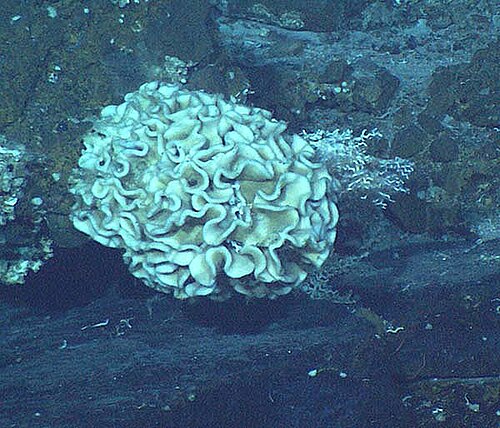
Now shift your attention to the seafloor, where some of the strangest classification headaches are not even animals. Xenophyophores are giant single‑celled protists that build intricate tests – fragile, branching structures – even though each one is technically just one cell with many nuclei. Deep‑sea surveys have repeatedly found them scattered across abyssal plains and around seamounts since 2015, often in regions being targeted for mining. ([en.wikipedia.org](https://en.wikipedia.org/wiki/Xenophyophorea?utm_source=openai)) From a traditional deep‑sea classification view, you might note them as “foraminiferans” and move on, but that barely captures what they are doing ecologically. Their large, delicate bodies create microhabitats for other organisms, functioning more like reef‑building animals than like simplistic “protists.” They shatter your intuitive idea that single‑celled life is always small and simple, and they force you to accept that major pieces of deep‑ocean structure belong to lineages that the animal‑centered classification systems barely acknowledge.
8. Undescribed Siphonophore Giants That Blur the Line Between Colony and Creature
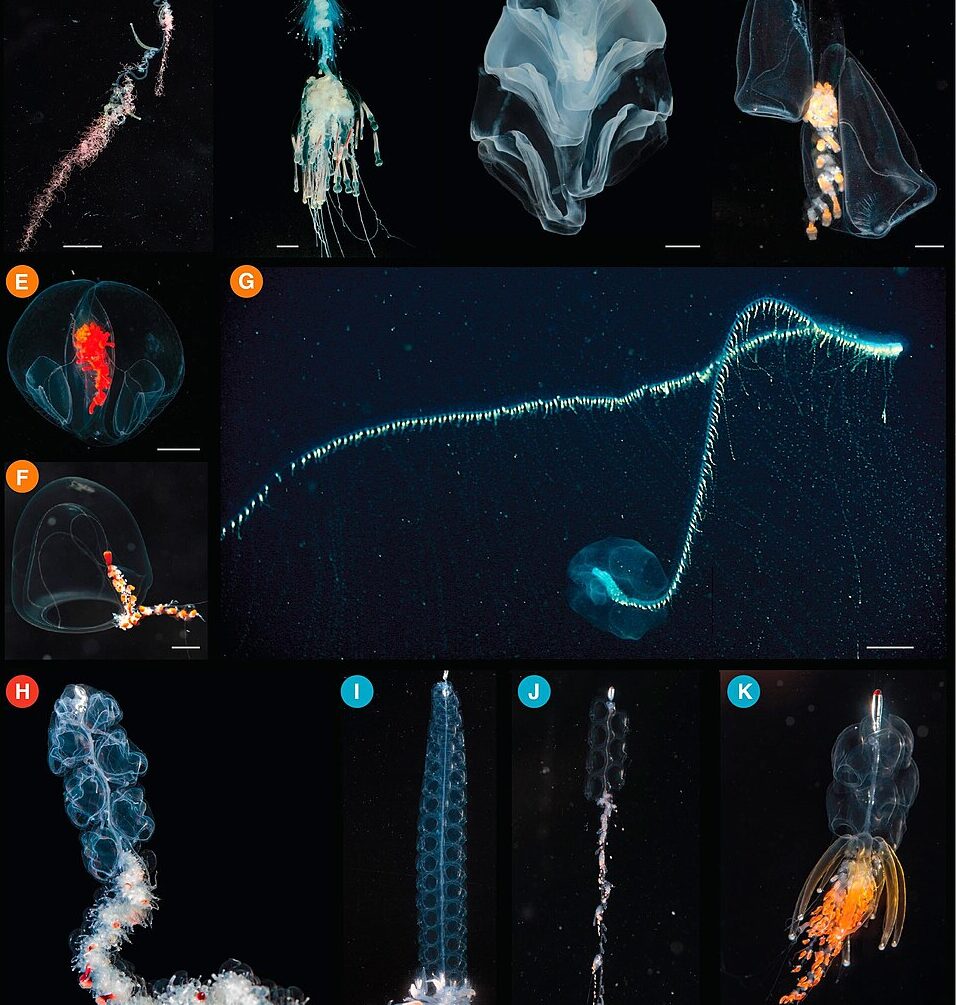
As you watch more ROV dives, you are guaranteed to encounter siphonophores that do not match any description in the literature. Some have bizarre branching patterns, others have bioluminescent “fishing lures” or curtain‑like feeding structures that do not line up with known species. Long‑term midwater researchers admit they keep bumping into forms that are clearly new but so fragile that getting a specimen to the surface in one piece for classical taxonomy is nearly impossible. ([mbari.org](https://www.mbari.org/wp-content/uploads/2015/10/2012ann_rpt.pdf?utm_source=openai)) These colonies scramble your neat boundaries again. Do you treat each zooid as an individual animal for biodiversity counts or classify only the entire colony as one organism? How do you fold a many‑bodied superorganism into a species‑level list meant for discrete, independent creatures? Until you rethink what “one animal” means in a deep‑ocean context, every newly filmed siphonophore with a unique architecture quietly breaks the rules behind your classification systems, even if it never officially gets a Latin name.
9. Larvacean “Sea Blobs” With Cast‑Off Houses Bigger Than You
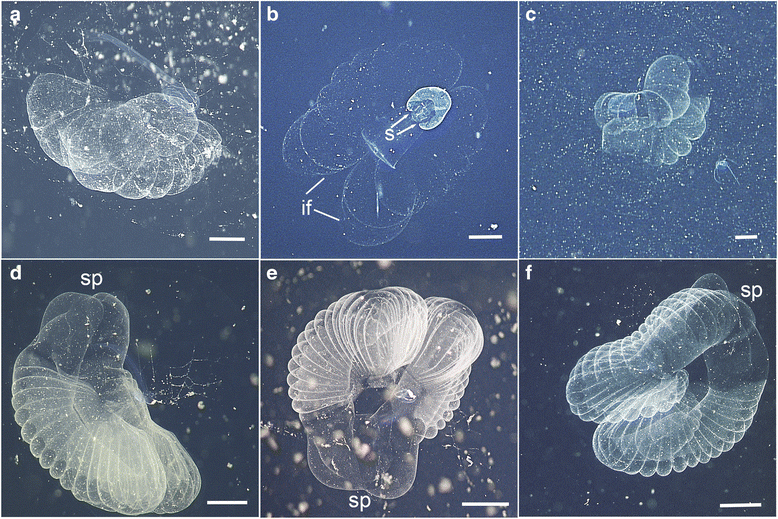
In 2016, a large mysterious blob filmed in the deep sea turned out to be a giant larvacean, a relative of sea squirts that lives inside a mucus “house” with filters and channels. Some of these animals are only a few centimeters long, but their houses can reach sizes rivaling a person, and when they collapse, they send dense packets of carbon raining to the deep. A little earlier, a rarely seen species called Bathochordaeus charon was confirmed again after more than a century of uncertainty, based on deep‑sea footage and genetic data. ([nationalgeographic.com](https://www.nationalgeographic.com/science/article/sea-blob-discovered-larvacean-bathochordaeus-charon?utm_source=openai)) Taxonomically, you can tuck larvaceans into tunicates without rewriting the phylum. Functionally, though, these deep giants behave more like mobile, disposable machines than standard “animals.” When you classify deep‑ocean carbon pathways or try to model which creatures move nutrients downward, their mucus houses become as important as the animals themselves. Your current classification systems, built around bodies rather than engineered structures, are badly equipped to track an organism that keeps throwing away architecture the size of a compact car.
10. Strange Deep‑Sea Amphipods and a Brand‑New Lineage
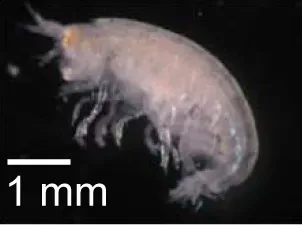
In the Clarion‑Clipperton Zone of the central Pacific, a region you mostly hear about in the context of deep‑sea mining, scientists recently described a wave of new amphipod species from abyssal depths. Among them, genetic work revealed something more dramatic than “just another crustacean”: an entire new branch of the amphipod tree that had never been documented before, suggesting a hidden radiation of forms adapted to life on metal‑rich plains. ([reddit.com](https://www.reddit.com/r/InterstellarKinetics/comments/1s3mwbm/scientists_discovered_24_brand_new_species_in_the/?utm_source=openai)) For you, that means your classification of deep‑sea crustaceans – historically based on a few trawl samples – was quietly missing a whole lineage that shapes how organic matter is processed on the seafloor. When you draw up community diagrams with categories like “shrimp,” “isopods,” and “amphipods,” you are flattening out deep splits that genetics is just now revealing. In a way, the more you sequence, the more you realize that your existing groups were drawn from the shallow end of the pool, while the deep ocean is packed with crustaceans that do not fit the old template.
11. Comb Jellies That Imitate Jellyfish but Play by Different Rules
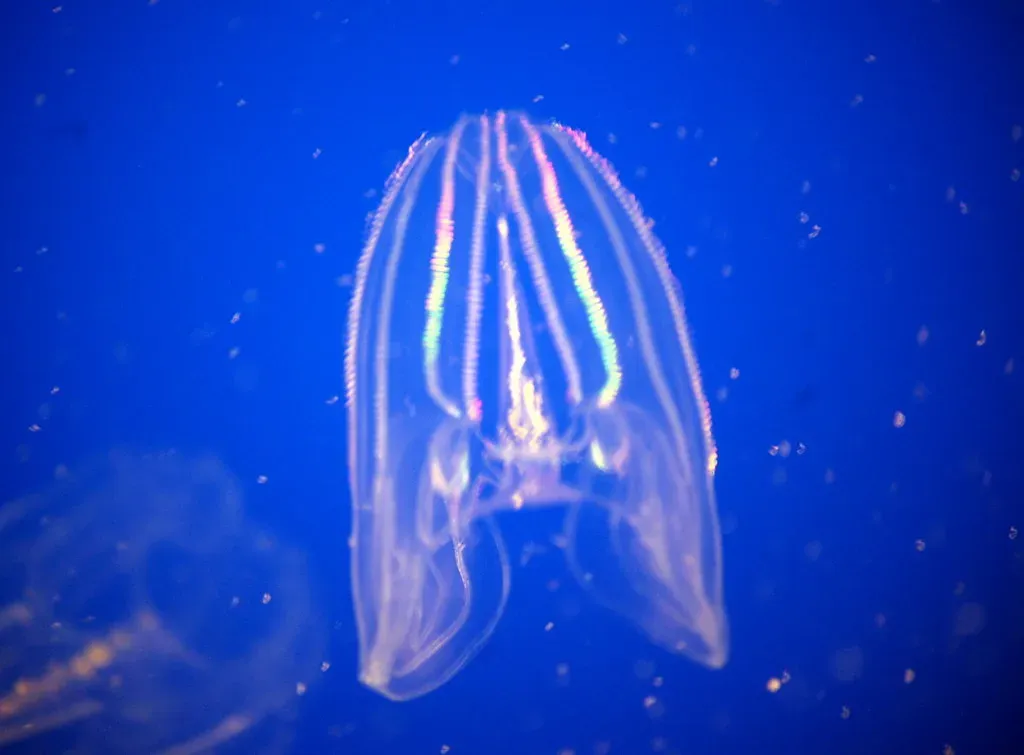
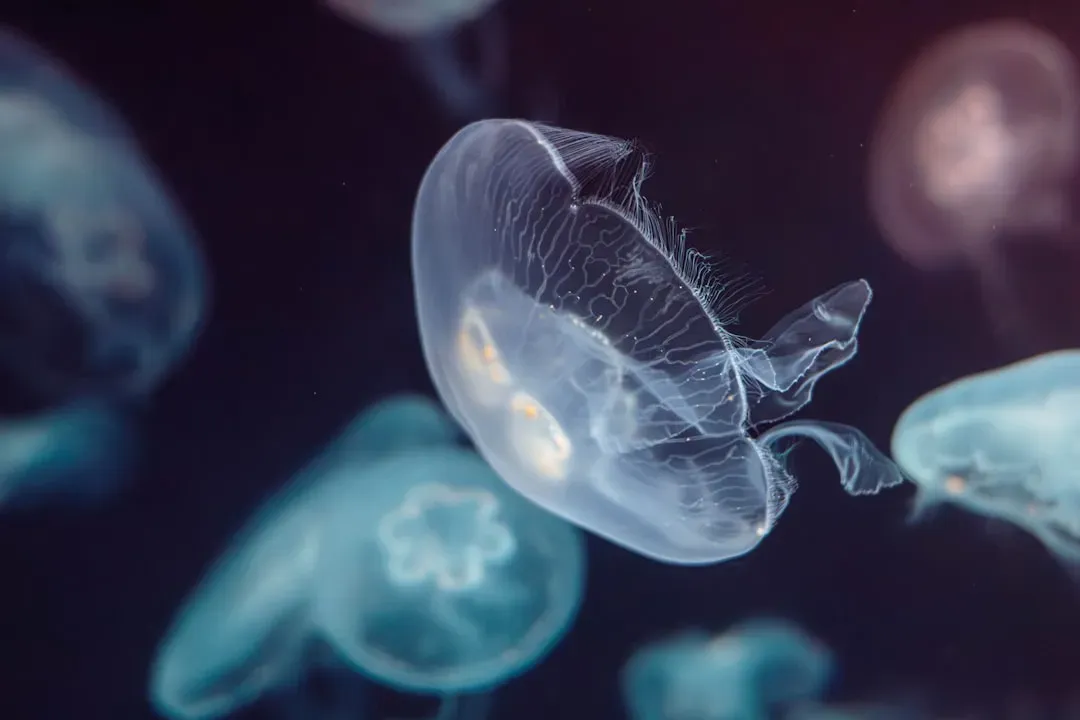
If someone shows you a glowing, transparent bell with rainbow light shimmering along its ribs, you probably call it a jellyfish without thinking. Then you find out it is actually a comb jelly – a ctenophore – and suddenly the ground shifts. Deep‑sea explorations in the last decade have highlighted how many ctenophore forms you barely knew existed, from delicate lobed species to bizarre ribbon‑like hunters, some of which were only recently documented in parts of the Caribbean and Pacific with high‑resolution cameras. ([reddit.com](https://www.reddit.com/r/TheDepthsBelow/comments/1u476op/this_deepsea_creature_doesnt_even_look_real/?utm_source=openai)) From your perspective, they are supposed to be a tidy phylum, but debates continue over where they belong on the animal tree and how their nervous systems and cell types evolved. In the deep sea, where body plans get stretched and twisted by pressure and darkness, the difference between “jellyfish” and “comb jellies” becomes more than a trivia note. When you are classifying pelagic communities by broad groups, you risk lumping together totally different evolutionary experiments just because they both look like glowing parachutes in ROV lights.
12. Video‑Only Midwater Predators That Never Reach a Jar
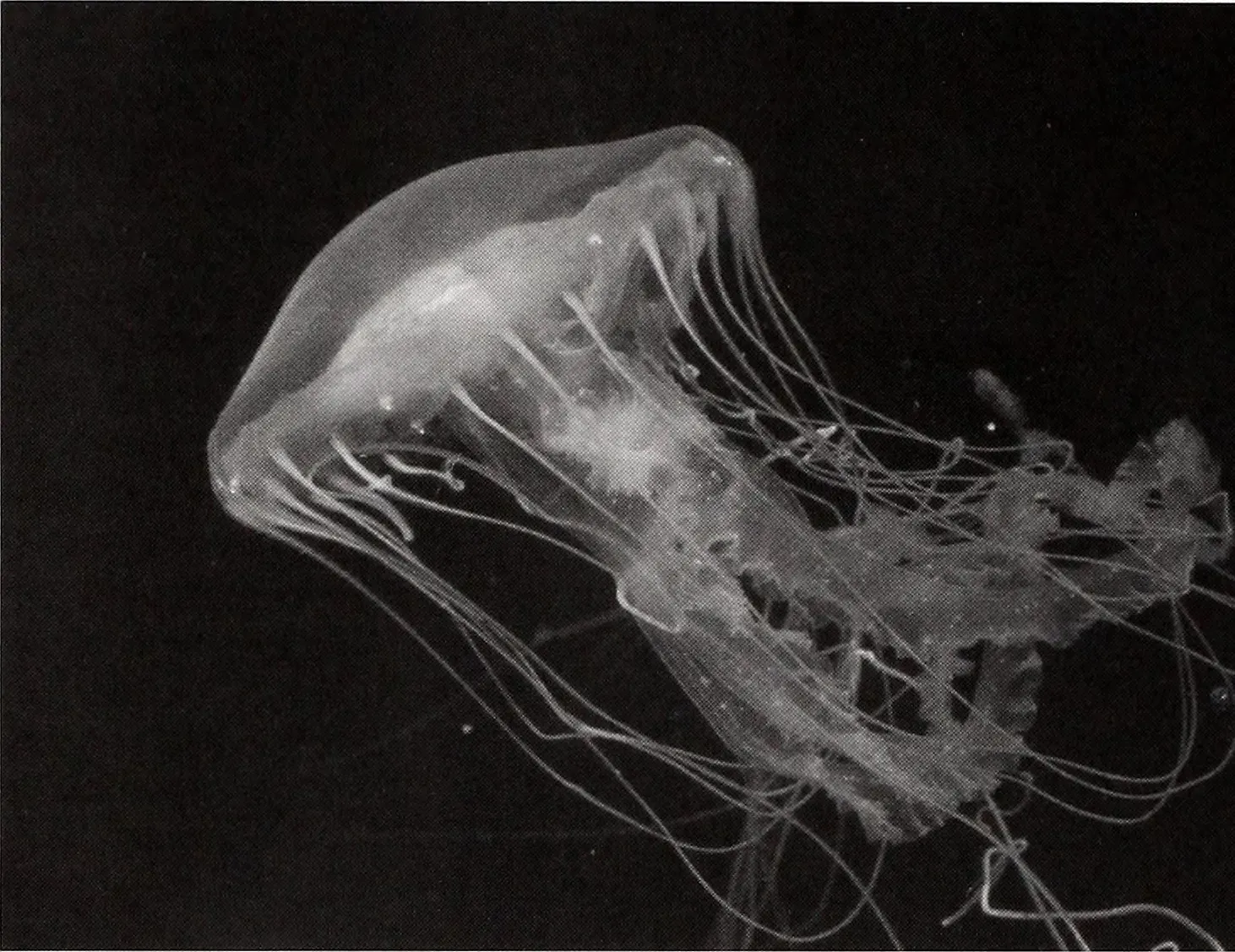
Consider how many deep‑sea animals you only ever meet as pixels on a screen. ROVs frequently record fast‑moving predators – elongated medusae, strange ribbon worms, translucent fishes with undefined fin shapes – that dash by the camera once and vanish. Researchers log them in internal databases with labels like “undescribed jelly type B” or “unknown ribbon form,” and then move on because there is no specimen to hang a formal name on. ([mbari.org](https://www.mbari.org/news/animal_habitat/midwater/?utm_source=openai)) Yet when you tally who appears in these videos most often, some of these undefined forms are not rare at all. They might even be major players in deep‑sea food webs, seen eating and being eaten on many dives. Your traditional classification systems, which emphasize properly described species with type specimens, simply have no good way to “hold space” for abundant but undescribed forms like these. You end up describing deep‑ocean communities using taxonomic lists that quietly omit some of their most common residents.
13. Mesopelagic Migration Swarms That Act Like a Single Moving Organism
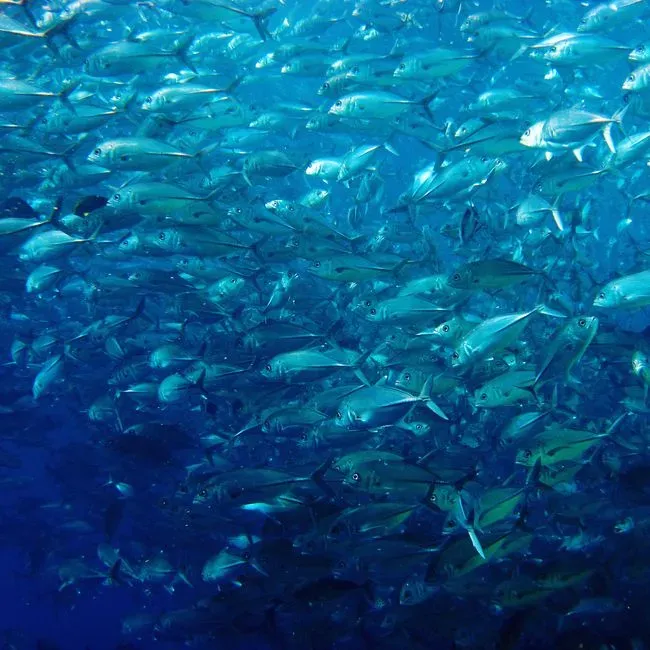
Every night, clouds of animals in the mesopelagic zone – small fishes, shrimps, squids, jelly‑like drifters – migrate hundreds of meters upward to feed, then sink again before dawn. Acoustic instruments and ROV time‑series have shown that these clouds move so coherently that they behave almost like giant, shape‑shifting entities, with entire layers pulsing up and down together like the heartbeat of the ocean. ([annualreport.mbari.org](https://annualreport.mbari.org/2019/story/while-you-were-sleeping?utm_source=openai)) From a classification standpoint, this is awkward. You typically treat each species involved as separate units: lanternfish over here, krill there, gelatinous zooplankton somewhere else. But the migratory layer itself functions like a super‑organism controlling carbon export, oxygen consumption, and predator–prey dynamics as if it were one collective body. When you try to slot “vertical migrators” into deep‑sea classifications as just another group of fish or crustaceans, you are ignoring the way they fuse into a higher‑level structure that your current systems simply do not recognize.
14. Deep‑Sea Octopus Lineages Revealed by High‑Resolution Imaging
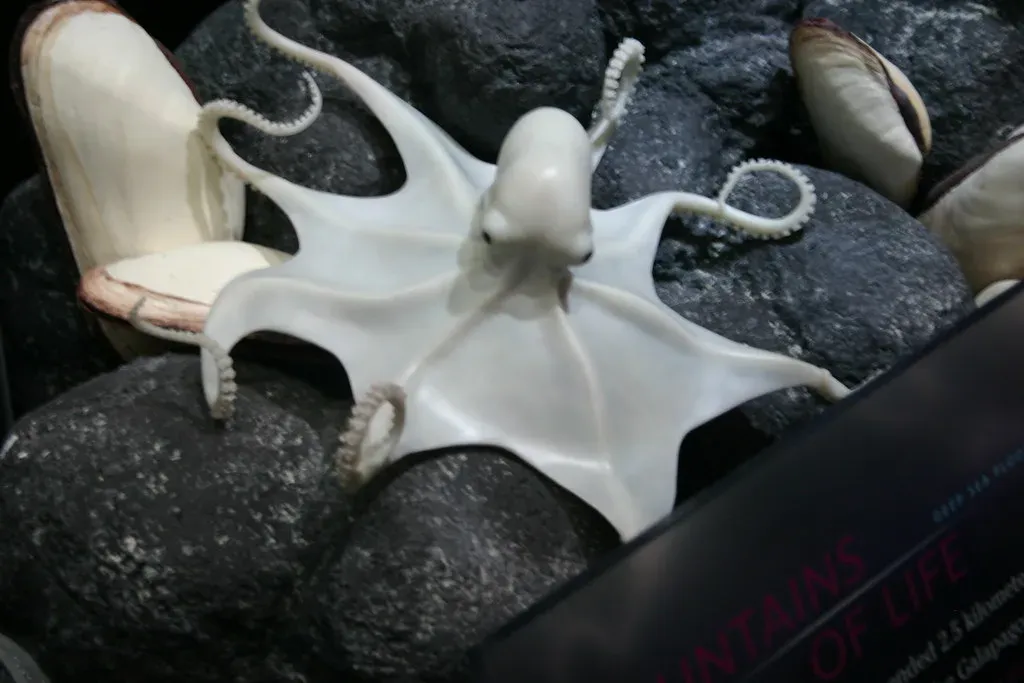
New imaging and scanning techniques have let researchers examine delicate deep‑sea octopuses without destroying their soft tissues, leading to the description of previously unknown species from places like the Galápagos slopes. Some of these octopuses were recognized first from ROV footage that clearly showed color patterns, body proportions, and behaviors that did not match any known species. Only later did careful non‑destructive imaging confirm just how distinct they are. ([reddit.com](https://www.reddit.com/r/InterstellarKinetics/comments/1tnhayn/exclusive_scientists_just_confirmed_a_brand_new/?utm_source=openai)) The twist for you is that many of these octopuses belong to lineages that are poorly represented in older classification systems built from trawl‑caught, often damaged specimens. Once you see them alive at depth – brooding on eggs, hovering over vents, clustering on rocky outcrops – they do not fit the ecological boxes you once used for “benthic cephalopods.” Their newly revealed diversity makes your previous deep‑octopus categories look like rough guesses, prompting you to rethink how you group and define these lineages in deep‑ocean checklists.
15. Abyssal “Mat” Communities Built by Unnamed Microbial Mega‑Structures
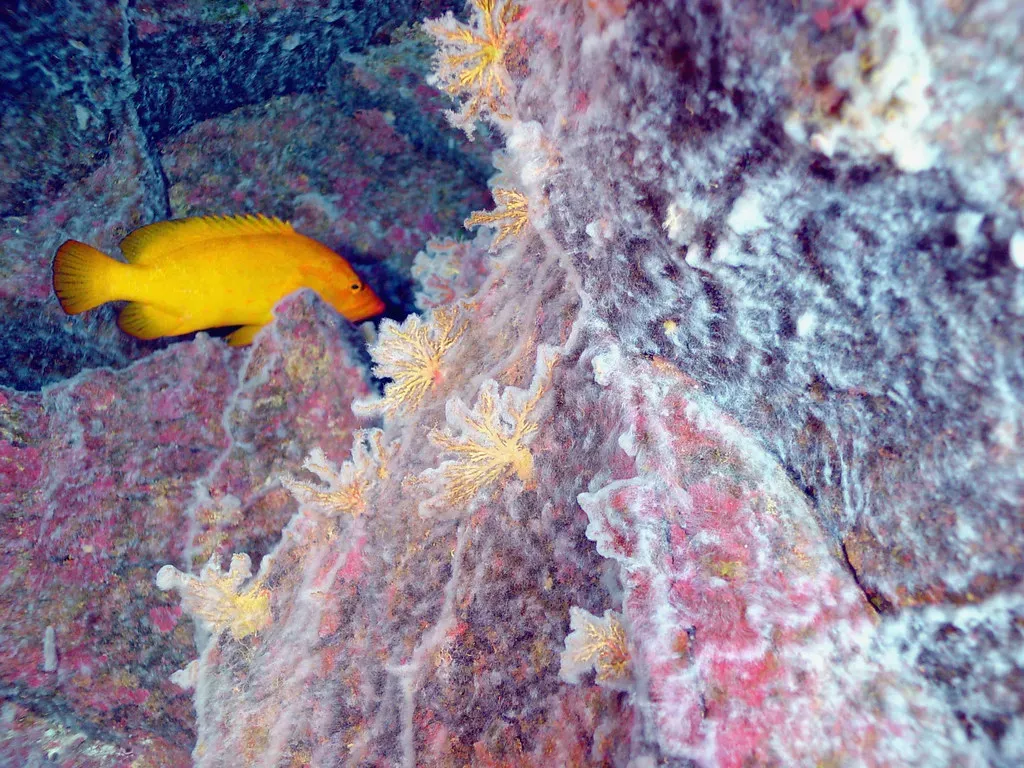
On many deep‑sea cameras, you can see ghostly white or yellow patches covering rocks and sediments: microbial mats built by vast, thin layers of bacteria and archaea. Chemosynthetic mats at vents and cold seeps are better known, but recent observations from trenches, canyons, and abyssal plains have shown more sprawling, diffuse biofilms that do not fit cleanly into vent‑centric classifications. They act like living carpets, altering chemistry and providing habitat for animals that graze or burrow. ([mbari.org](https://www.mbari.org/news/animal_habitat/midwater/?utm_source=openai)) Classifying these communities stretches your tools thin. You can identify individual microbes genetically, but that tells you little about the emergent structure: the continuous film, the layered architecture, the ripple patterns. These mats behave more like colonial macro‑organisms without a single taxonomic label you can point to. When you map deep‑sea biodiversity in terms of discrete species, mats and biofilms show up only as hundreds of isolated names rather than as cohesive living systems that do not match the usual “species‑by‑species” approach at all.
16. Soft‑Bodied Midwater Mollusks That Outrun Old Shell‑Based Categories
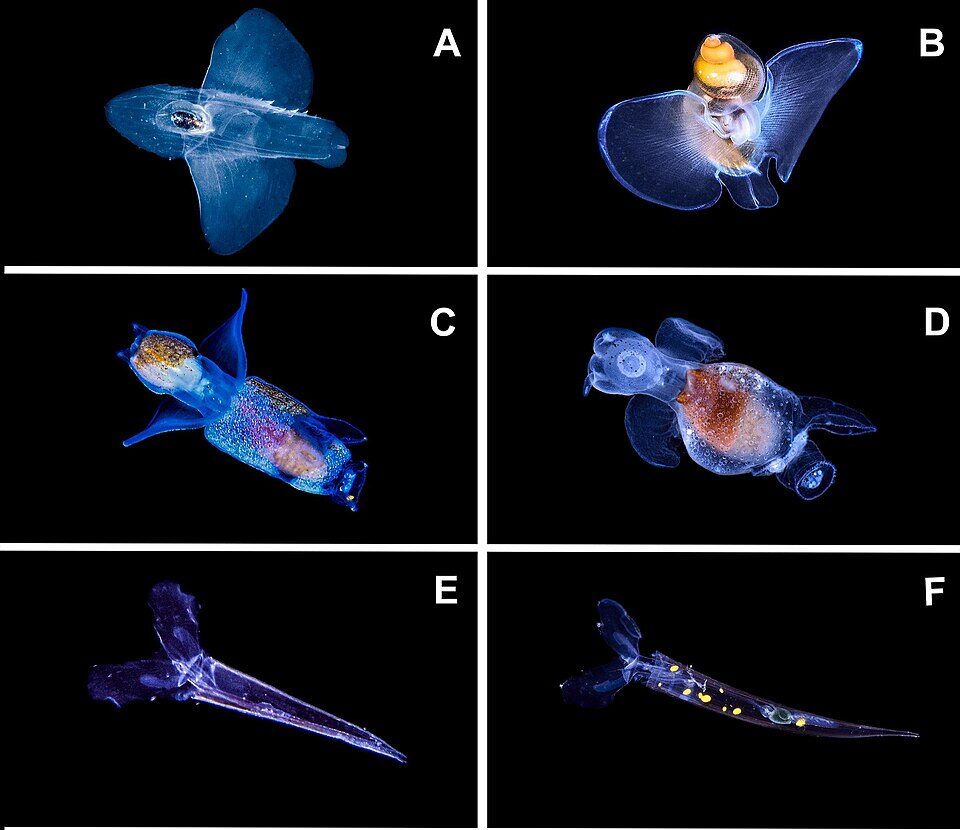
As you push ROVs through the water column rather than along the seafloor, you encounter more and more soft‑bodied mollusks – pteropods, heteropods, and their deep relatives – that stretch the idea of what a mollusk “should” be. Some deep forms appear almost slug‑like, transparent, or ribboned, with only hints of internal support structures. Long‑term midwater programs keep cataloging undescribed species whose bodies bear little resemblance to the shelled, benthic creatures your classification system was built around. ([mbari.org](https://www.mbari.org/news/animal_habitat/midwater/?utm_source=openai)) You can technically keep them under Mollusca, but that label conceals a deeper issue. The traits you once relied on to define mollusks – shells, muscular feet, certain radula structures – are reduced, rearranged, or invisible in these deep‑swimming forms. When you try to slot them into families designed around shallow, shelled relatives, they refuse to sit comfortably. In effect, every new pelagic mollusk species you see on midwater video is a reminder that your higher‑level groups were designed for the wrong neighborhood of the ocean.
17. Abyssal Invertebrates With Genetic Profiles That Break Expectations
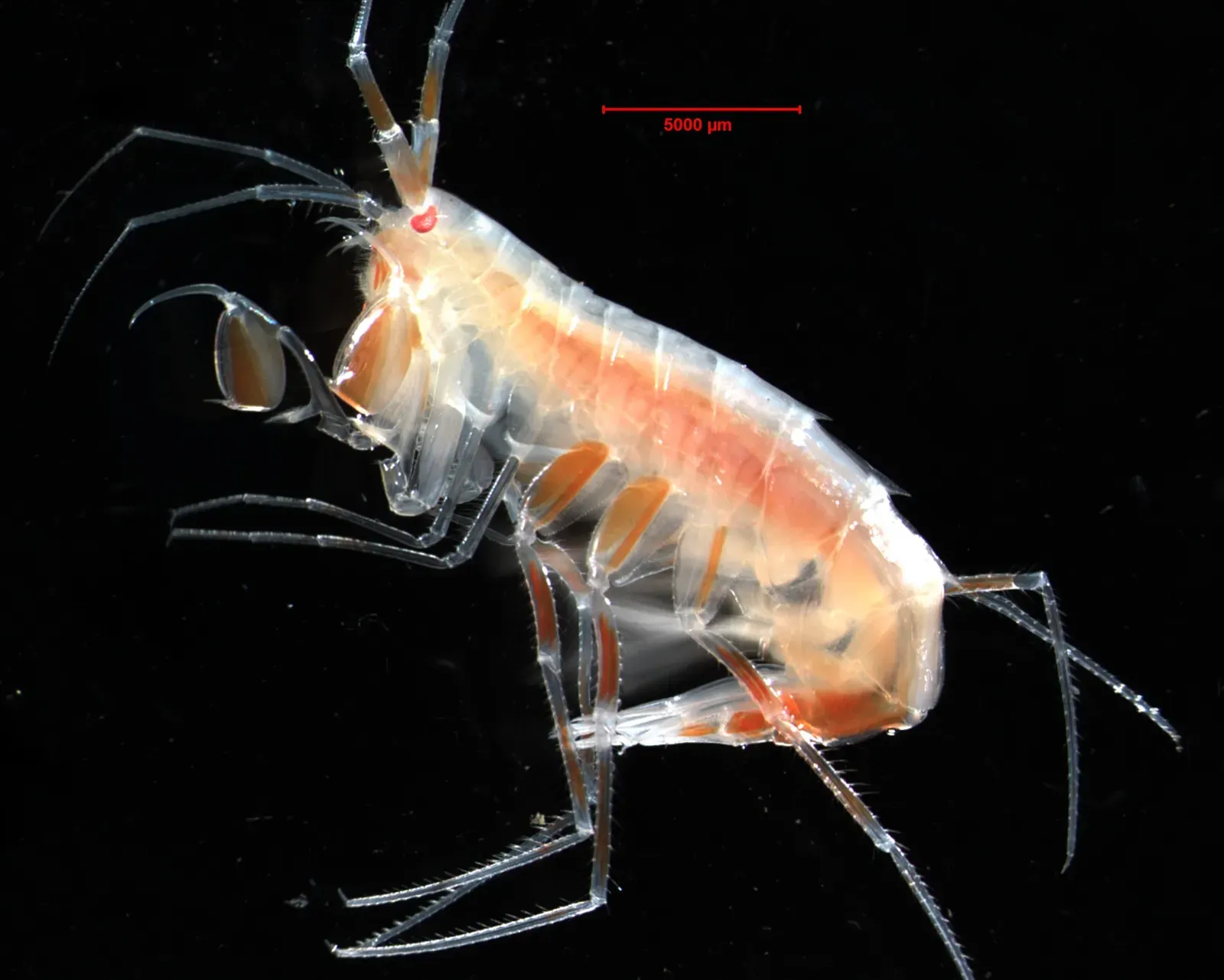
While many recent discoveries look outwardly familiar – another worm, another small crustacean – their genomes tell you a different story. As more deep‑sea animals are sequenced, you keep discovering lineages that diverged far earlier than their body plans suggest, or that cluster with unexpected relatives. Some amphipods, worms, and small echinoderms from abyssal plains turn out to sit so far from their “expected” groups that the genetic trees demand you redraw long‑standing branches. ([pubmed.ncbi.nlm.nih.gov](https://pubmed.ncbi.nlm.nih.gov/26842060/?utm_source=openai)) For classification systems based largely on morphology, this is like someone swapping the index cards in your filing cabinet overnight. You might have grouped certain deep‑sea worms together because they share a feeding style or similar bristles, only to find that their DNA puts them on opposite sides of the animal tree. As you fold these genomic surprises into official classifications, you are forced to admit that your mental categories for deep‑sea life – filter feeders, scavengers, grazers – often cut across real evolutionary lines rather than reflecting them.
18. Fragile Gelatinous Colonies That Disintegrate Before You Can Name Them
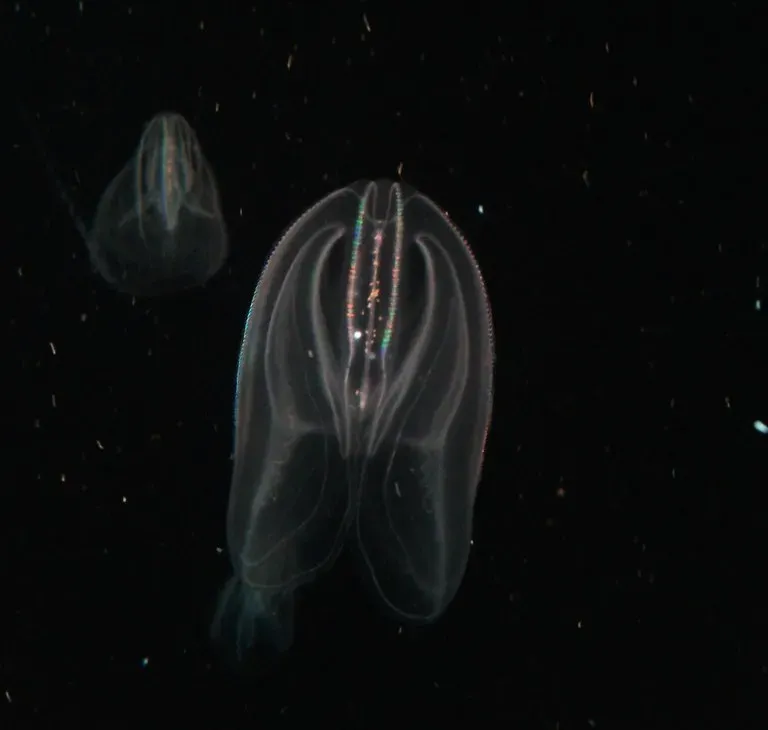
Some of the most haunting deep‑ocean organisms are the ones you physically cannot bring home. Long, curtain‑like colonies of gelatinous animals – delicate ctenophores, colonial tunicates, or mixed assemblages of zooids – fall apart when they touch a net, a suction hose, or even a collection jar. Researchers have watched spectacular, chandelier‑shaped colonies through ROV domes, knowing that any attempt to sample them would reduce them to shapeless goo. ([mbari.org](https://www.mbari.org/news/animal_habitat/midwater/?utm_source=openai)) As a result, these forms exist in a scientific limbo. You can log them as distinct visual morphotypes and note their depth ranges, behaviors, and interactions, but you cannot easily pin them to species or higher taxonomic ranks. They highlight a simple but uncomfortable truth for you: classification systems are biased toward what you can safely preserve. In the deep sea, where many residents are essentially living water sculptures, the entities that shape ecosystems most dramatically may be the very ones that never make it into the official catalogs.
19. Entire Deep‑Sea Landscapes That Defy “Type” Communities
Finally, step back from individual organisms and think in terms of whole deep‑sea landscapes. Since 2015, high‑resolution mapping and continuous video surveys have shown that many regions – canyons, seamount chains, oxygen‑minimum edges – hold combinations of species that do not match existing “community types” built from sparse trawl records. You see unexpected mixtures of gelatinous drifters, xenophyophores, crustaceans, fishes, and microbial mats that have never been grouped together before in any formal scheme. ([mbari.org](https://www.mbari.org/news/animal_habitat/midwater/?utm_source=openai)) If you are used to talking about “vent communities,” “seamount communities,” or “abyssal plain communities,” these newly revealed mosaics are messy. They show that deep‑ocean life organizes itself along gradients of oxygen, particles, chemistry, and light in ways your current labels only roughly capture. In other words, the problem is not just that individual creatures do not fit the boxes; entire deep‑sea ecosystems are built from combinations of lineages and lifestyles that your classification systems were never really designed to describe.
Conclusion: When the Ocean Refuses to Fit Your Boxes
When you look across these nineteen examples, a pattern jumps out at you: the deeper you go, the less your old categories behave themselves. Some of the organisms technically “fit” into existing phyla or classes, but their bodies, behaviors, and ecosystems stretch those groups until they feel more like rubber bands than solid boundaries. Others are known only from video, mats, or fragile structures that never survive the trip to a museum shelf, existing outside the formal world where names and types live. If there is a takeaway for you, it is this: the deep ocean is not just full of undiscovered species, it is full of ways of being alive that your present classification systems only partially capture. As new tools let you see further into the dark – better ROVs, real‑time genetics, gentle collection methods – you will probably have to redraw huge swaths of the tree of life and maybe even add entirely new branches. The question you are left with is simple and unsettling: if this much strangeness has surfaced in just the last decade, how many more unclassifiable lives are still drifting out there, just beyond the reach of your lights?