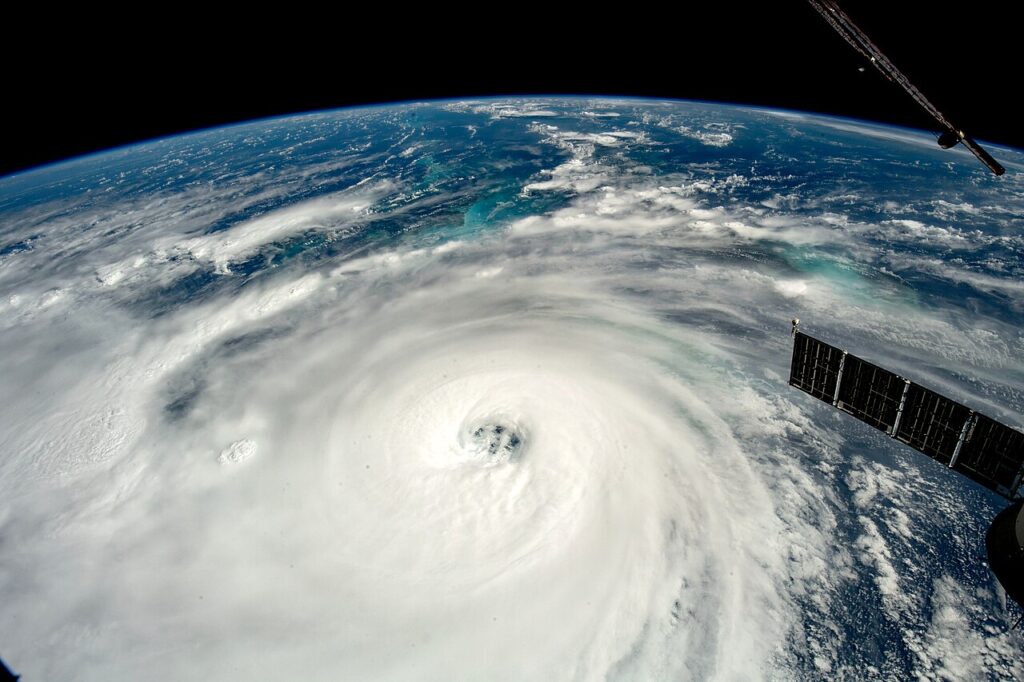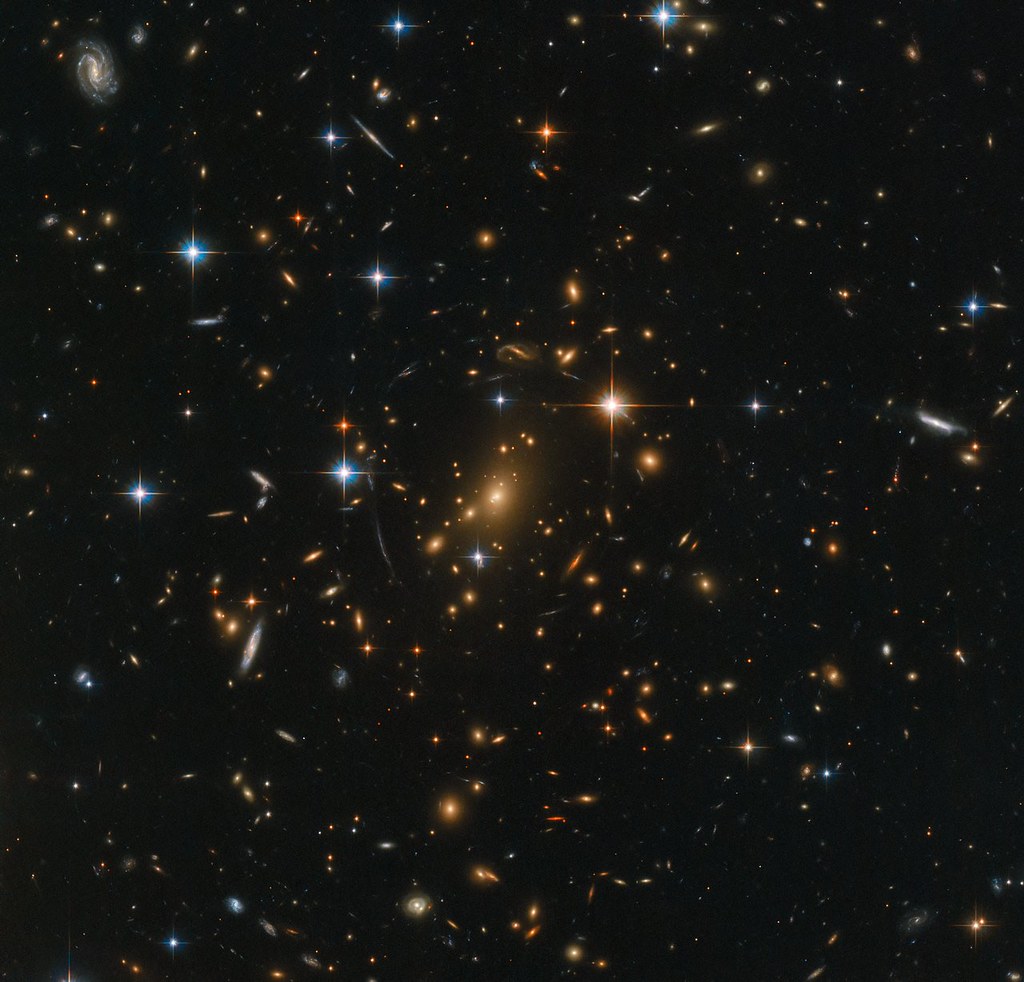

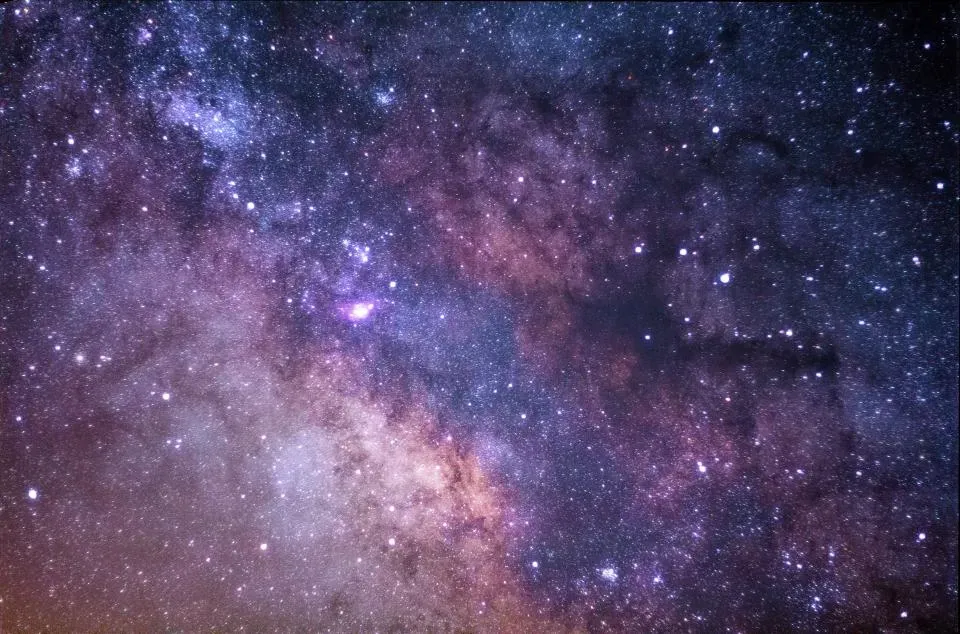
When you look up at a clear night sky, it feels like you’re staring into an endless ocean of nothing. Just blackness, sprinkled with a few stars. But physics insists that this sense of emptiness is an illusion. What you think of as “nothing” is actually a restless crowd of invisible activity, a kind of cosmic whisper that never completely goes quiet.
If you could zoom in far beyond atoms, past protons and electrons, right down into the fabric of space itself, you wouldn’t find a blank void. You’d find a jittery, shimmering stage where particles constantly burst into existence and vanish again in unimaginably short moments. And tucked inside every tiny cube of that “empty” space, there may be more energy than you’d ever expect – maybe more than our current theories can even sensibly measure.
The Strange Idea That Nothing Is Never Really Nothing

Think about the quietest room you’ve ever been in. Even there, you still hear small sounds: the hum of electricity, the creak of a floorboard, your own breathing. Quantum physics tells you that the universe has its own version of that background noise, and it never switches off, not even in perfect darkness at absolute zero. What you call “empty space” is more like that quiet room than a dead, silent void.
In quantum theory, there is a concept called the vacuum state, which sounds like pure nothingness. But this vacuum is more like a restless ocean surface seen from far away: from a distance it looks flat, yet up close it’s full of tiny ripples. Those ripples are fluctuations of quantum fields, and they mean that even when you remove all particles, all radiation, all matter, the underlying fields still twitch and fluctuate. Emptiness, in other words, is permanently fidgety.
Quantum Fluctuations: Space as a Boiling Quantum Soup
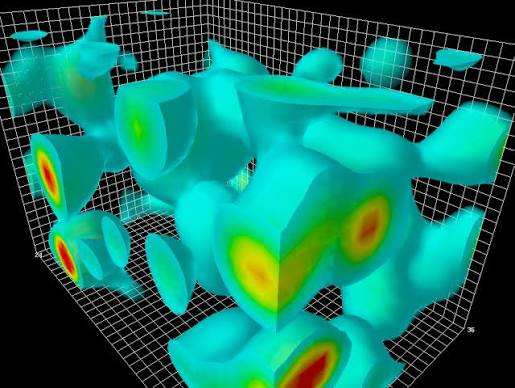
At the heart of this story is something called a quantum fluctuation, and it’s a direct consequence of the uncertainty built into nature. You can’t pin down certain properties, like energy, with perfect precision over extremely short timescales, so the vacuum “borrows” a little energy for just a blink of time. In that blink, a pair of particles can momentarily appear, exist, and then annihilate each other, handing the energy back and leaving no long-term trace.
You can picture this like tiny soap bubbles popping in and out of a boiling pot of water – only this pot is everywhere, all the time, and the bubbles are fleeting pairs of particles and antiparticles. You never see these virtual particles directly with your eyes, but their presence shows up in subtle ways in experiments, nudging and shifting the behavior of real particles. You’re living inside this simmering quantum soup right now, whether you feel it or not.
Virtual Particles: Real Effects from Almost-Imaginary Things
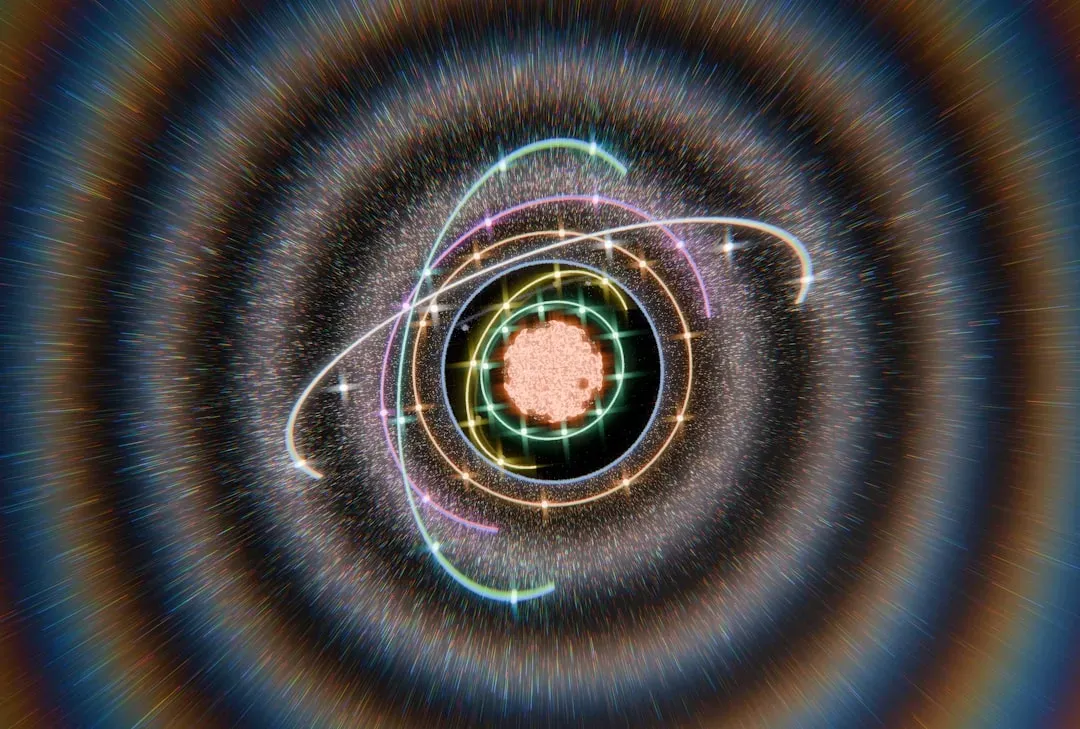
These particles that appear and disappear so quickly are often called virtual particles, and the name can be misleading. They’re not little marbles bouncing around inside space; they’re more like temporary disturbances in the underlying fields that make up everything. You can’t bottle one up or hold it still, but you can measure the footprints they leave behind in the behavior of ordinary matter and light.
For example, when two particles interact, the force between them can be described as being carried by virtual particles for a brief instant. In quantum field calculations, you treat these virtual particles as if they flicker into existence to mediate forces and then vanish again, and when you run the numbers carefully, the predictions match what you actually observe in high-precision experiments. So while virtual particles only “exist” for a heartbeat of time, their consequences for you and the universe are very real.
Vacuum Energy: The Astonishing Energy Hiding in Empty Space
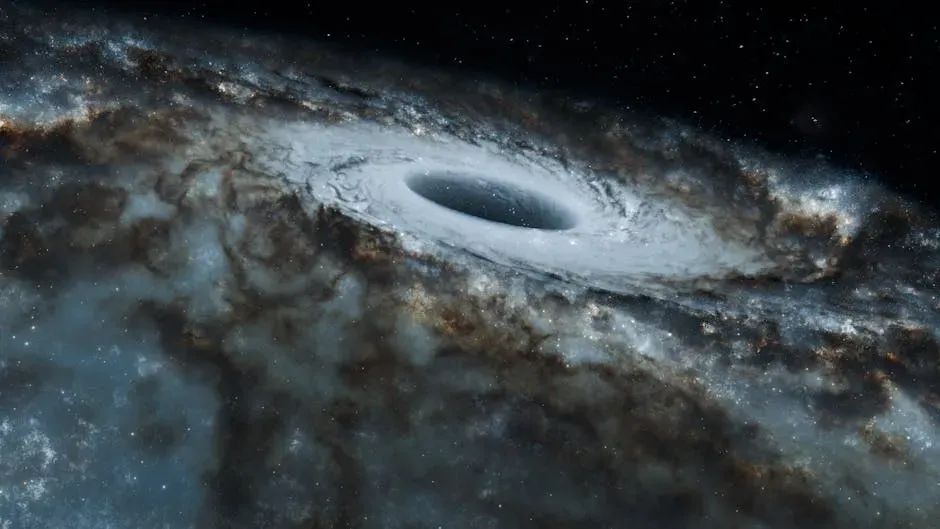
Here’s where things get genuinely mind-bending for you: once you accept that the vacuum is buzzing with fluctuations, you’re forced to admit it carries energy. This is often called vacuum energy or zero-point energy, meaning the energy that remains even when you cool everything down as low as it can possibly go. In theory, every mode of every quantum field in the universe contributes a little bit to this background energy.
When physicists try to calculate how much vacuum energy you’d find in a tiny cubic centimeter of space, the math can explode to absurdly large values if you push it to extremes. In some simple versions of the calculation, you’d end up with an energy density so enormous it would tear the universe apart, which obviously has not happened. That mismatch between what naïve theory suggests and what reality seems to be doing is often called the cosmological constant problem, and it’s one of the biggest “what on Earth is going on?” puzzles you’re facing in modern physics.
When Empty Space Pushes on Things: The Casimir Effect
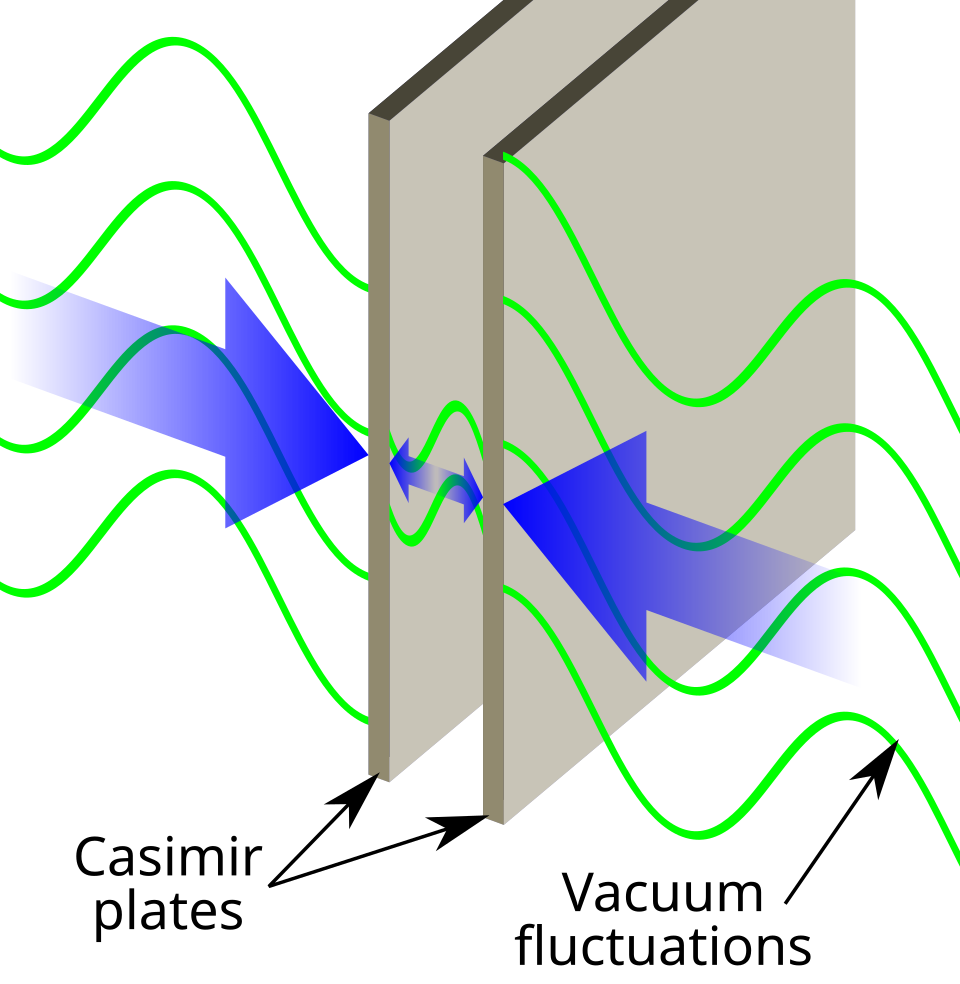
You might wonder how you can possibly test something as strange and invisible as vacuum energy. One of the most striking examples is called the Casimir effect, where two very close, uncharged metal plates placed in a vacuum are gently pushed toward one another. There’s nothing between them in the ordinary sense – no air, no visible particles – and yet a tiny force appears. You can actually measure this force in carefully designed laboratory experiments.
The explanation involves the quantum fields all around the plates. The presence of the metal boundaries changes which vacuum fluctuations can exist between the plates versus outside them. That difference in allowed fluctuations shows up as a pressure that nudges the plates together. So even though you’re dealing with what you’d normally call “nothing,” this nothing can push, pull, and do physical work, which is a very strange kind of nothing indeed.
Dark Energy and the Expanding Universe: A Cosmic Vacuum Mystery
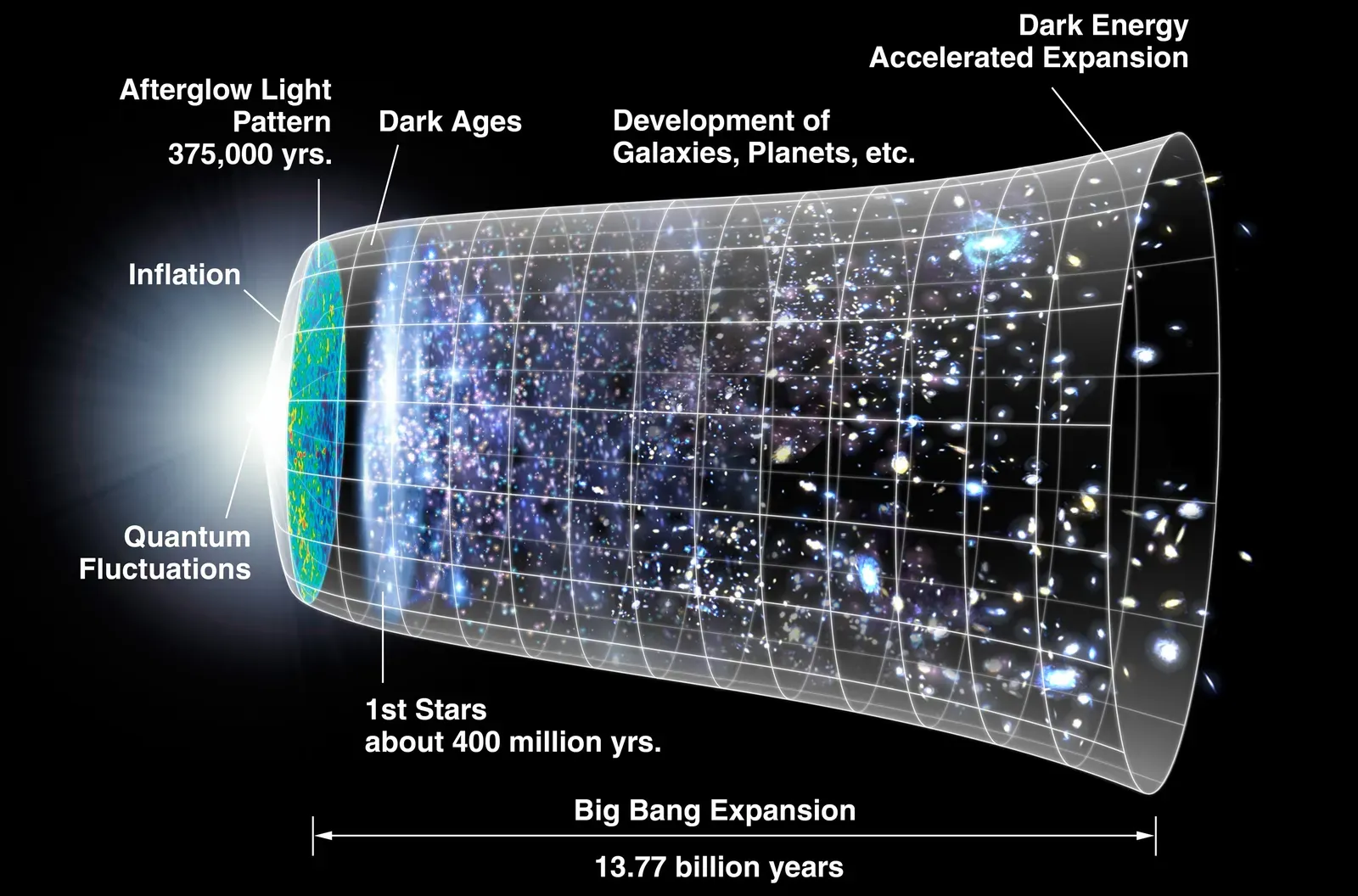
When you zoom out to the scale of the universe, the idea that empty space has energy becomes even more dramatic. Observations show you that the universe isn’t just expanding – the expansion is accelerating, as if some kind of invisible, smooth energy is pushing the cosmos apart over vast distances. This mysterious influence is called dark energy, and one of the leading ideas is that it might be linked to the energy of the vacuum itself.
But here is the headache: the amount of dark energy inferred from cosmic measurements is incredibly small compared with those monstrous vacuum energy estimates that come from simple quantum field calculations. You’re left with a staggering mismatch between theory and observation, spanning many orders of magnitude. That gap tells you that your current understanding is missing something crucial, and that the true relationship between vacuum energy and the large-scale behavior of the universe is still deeply unresolved.
Why You Can’t Tap Vacuum Energy Like a Cosmic Fuel Tank
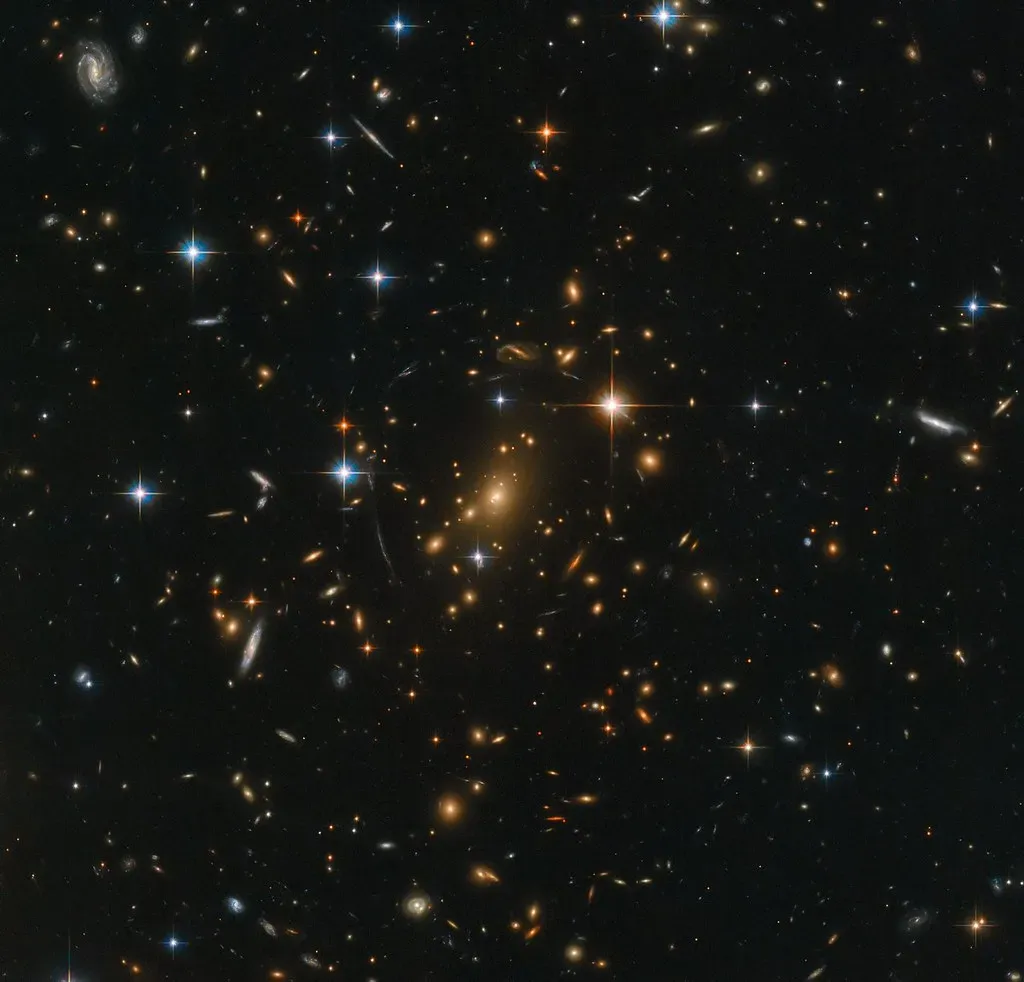
Hearing that empty space may be overflowing with energy, you might be tempted to ask whether you could somehow harvest it, like sticking a straw into the vacuum and sucking out unlimited power. In reality, your odds of doing that are about as good as trying to grab waves on the ocean and bottle them without changing the ocean itself. The fluctuations are always there, but they’re part of the baseline structure of the universe, not a convenient battery waiting for you to plug in.
Known experiments that seem to draw on vacuum effects, like the Casimir effect, don’t give you free, net energy. To set them up, you have to invest energy and work within the laws of thermodynamics, so you never get a magical surplus. Many bold claims about zero-point energy devices or vacuum power generators ignore that any true violation of energy conservation would overturn everything you know about physics. For now, vacuum energy is more of a profound clue about how reality is built than a practical power source you can wire into your house.
What This Means for Your Picture of Reality

Once you digest the idea that empty space is not truly empty, your picture of reality starts to shift in a pretty fundamental way. Instead of imagining particles like little beads moving around in a dark, passive void, you start to see the universe as a network of underlying fields that are always active. Particles become excitations of those fields, and the vacuum is the restless ground state of it all, never completely at rest, always buzzing slightly beneath the surface of what you see.
Personally, I find this view oddly comforting. It suggests that even in the loneliest, darkest region of space – somewhere far beyond any galaxy you’ll ever see – there is still a kind of quiet, invisible liveliness. The universe is not a stage built on top of nothing; the stage itself is alive with quantum motion. The next time you look at a clear patch of sky and think you’re seeing emptiness, you might remember that you’re really looking at a seething sea of possibilities flickering just below the threshold of perception.
Conclusion: Living in a Restless Vacuum
When you pull all of this together, you realize that the phrase “empty space” is almost misleading for you. Quantum theory tells you that the vacuum is full of fluctuating fields, virtual particles, and hidden energy, some of which you can detect in subtle experiments and some of which may shape the destiny of the entire universe. You live in a reality where nothingness itself is one of the most active and mysterious things you can imagine.
You may never hold a vacuum fluctuation in your hand or see a virtual particle with your own eyes, but their fingerprints show up everywhere: in the forces between objects, in the shifting of atomic energy levels, and possibly in the accelerating expansion of the cosmos. Empty space is not the absence of everything; it is the quiet, restless background on which everything else is painted. Knowing that, does the night sky feel a little less empty to you now?