
If you think parrots are just colorful birds that repeat a few words, you’re drastically underestimating them. Many parrot species can outsmart you in ways that feel almost unsettling, from solving puzzles to manipulating you for treats. Their intelligence often comes packaged with a big personality, a dash of drama, and a whole lot of stubbornness.
As you get to know these ten parrot breeds, you’ll see how each one has its own style of cleverness – and its own way of digging in its heels when it doesn’t want to cooperate. By the end, you might realize that you’re not just “owning” a bird; you’re negotiating with a feathered roommate who has opinions, preferences, and a remarkable memory for everything you do.
African Grey Parrot: The Professor With an Attitude
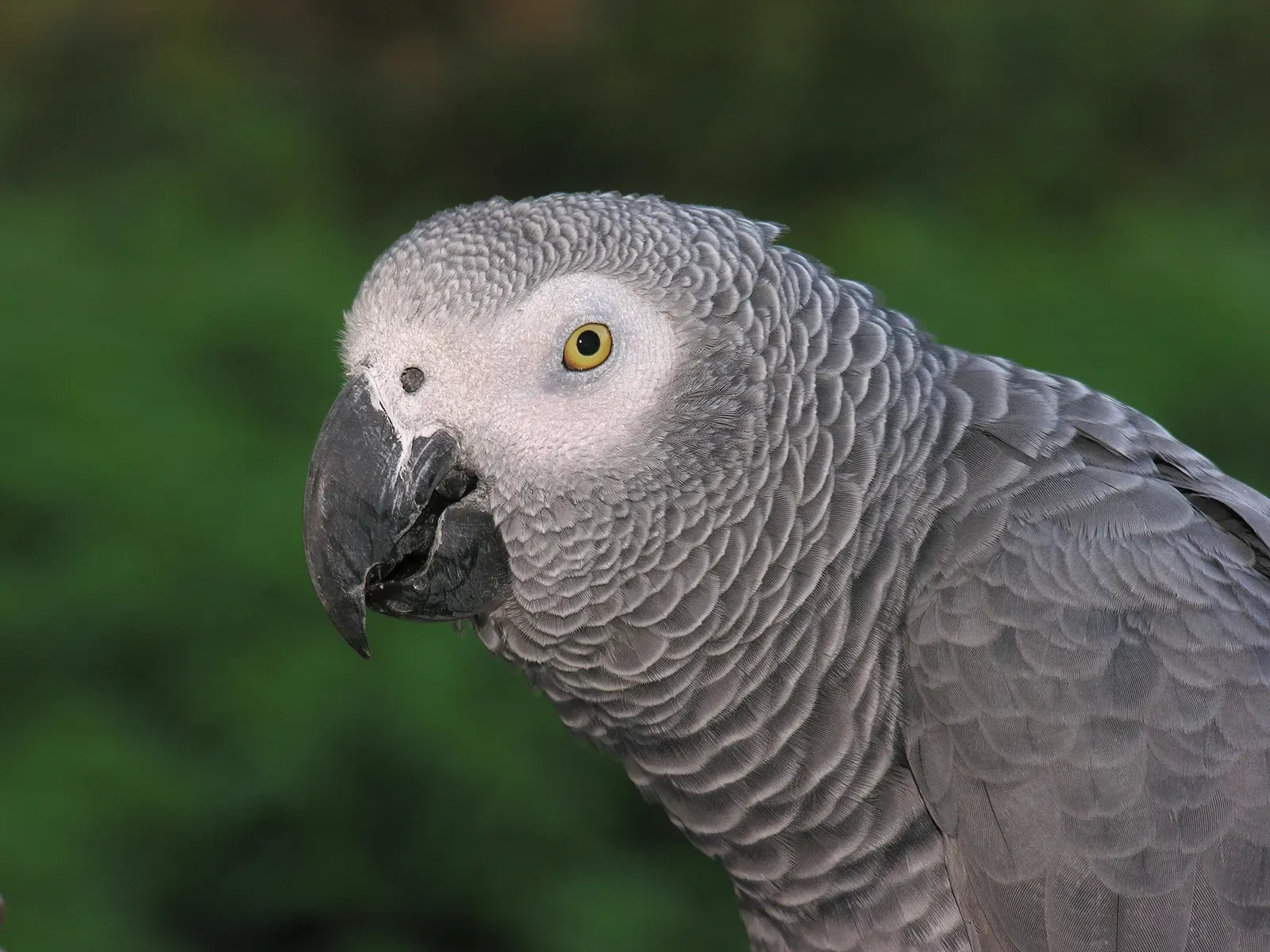
When you think of truly genius parrots, the African Grey usually comes first, and for good reason. You’re dealing with a bird that can learn hundreds of words, understand basic concepts like colors and shapes, and even use words in the right context. It’s not just repeating you like a recording; it’s watching, listening, and storing information like a tiny, winged professor.
But that same brainpower means your African Grey can be surprisingly stubborn and moody. If you change its routine or ignore it, it may refuse to talk, turn its back on you, or start imitating something you really don’t want to hear on repeat. You have to earn this bird’s respect through consistency, mental challenges, and genuine interaction – otherwise, it will outthink you and make you jump through hoops instead.
Blue and Gold Macaw: The Big-Hearted, Big-Mouthed Brainiac
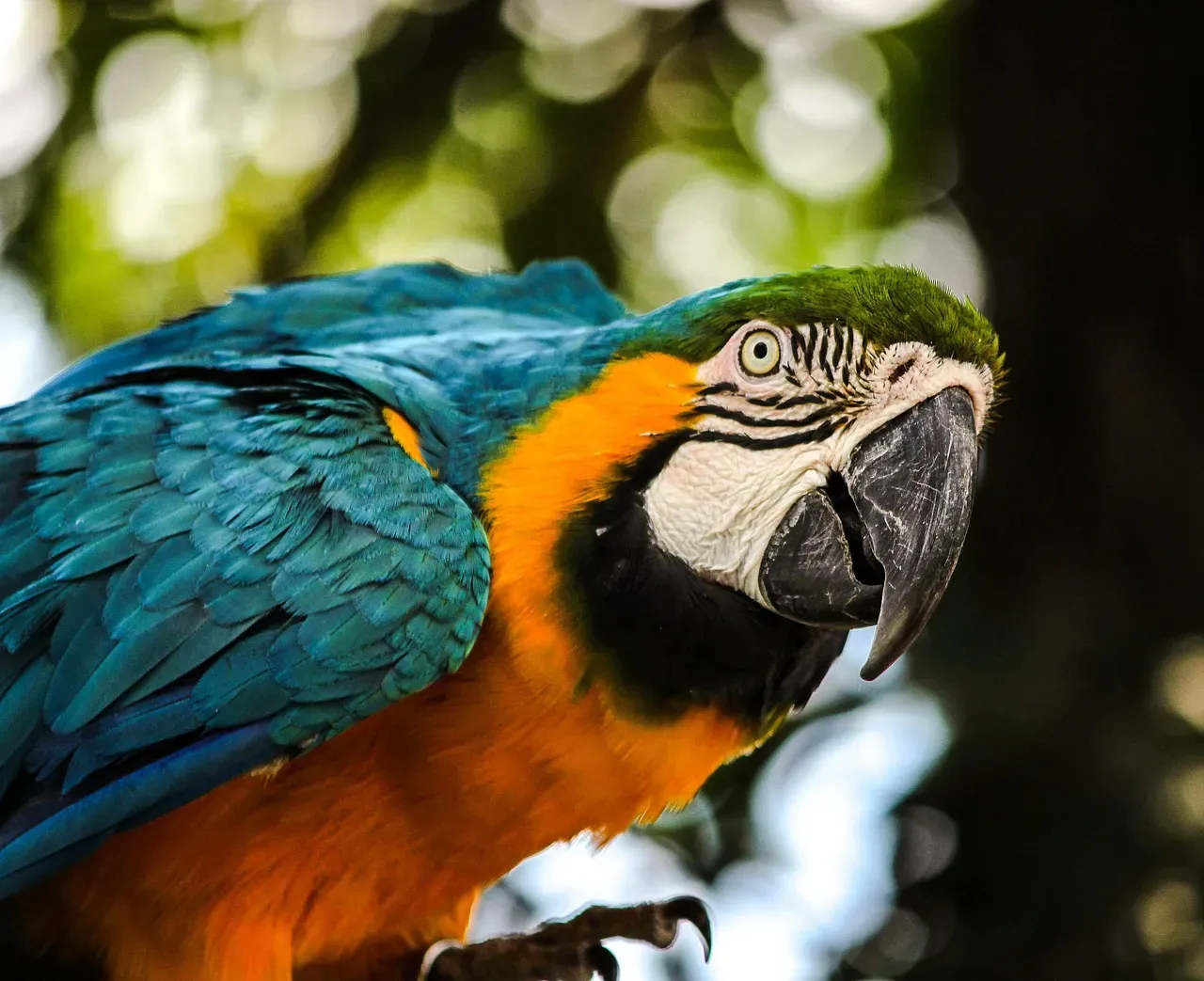
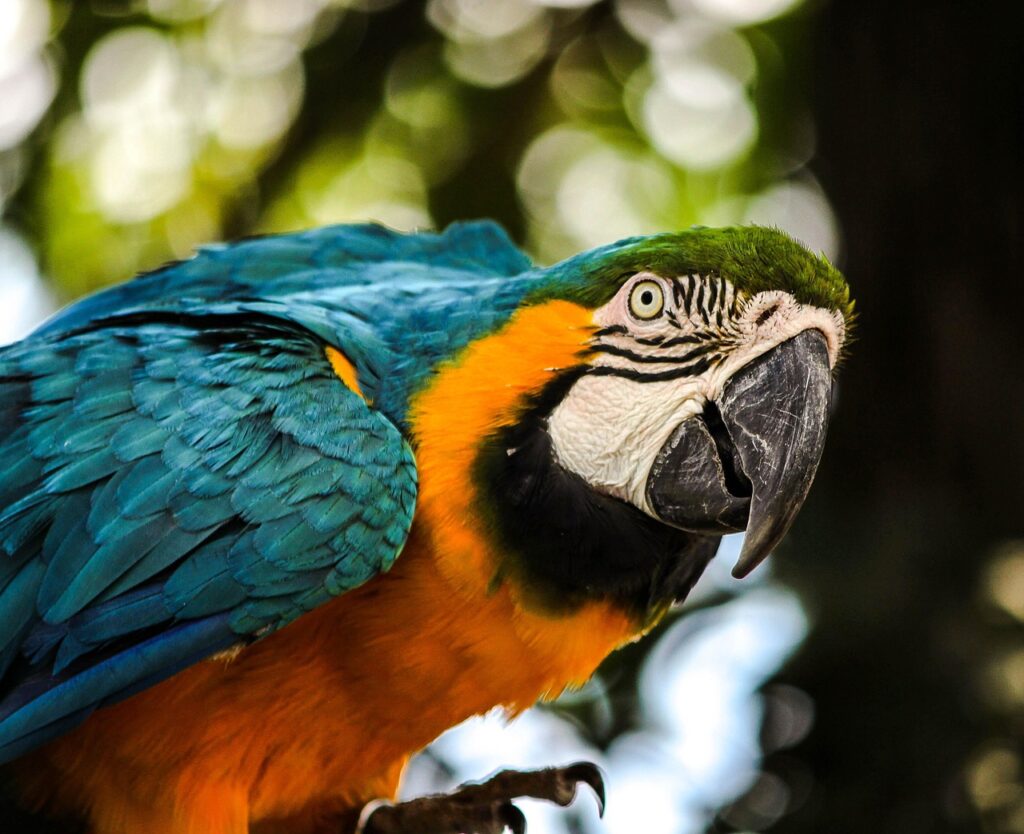
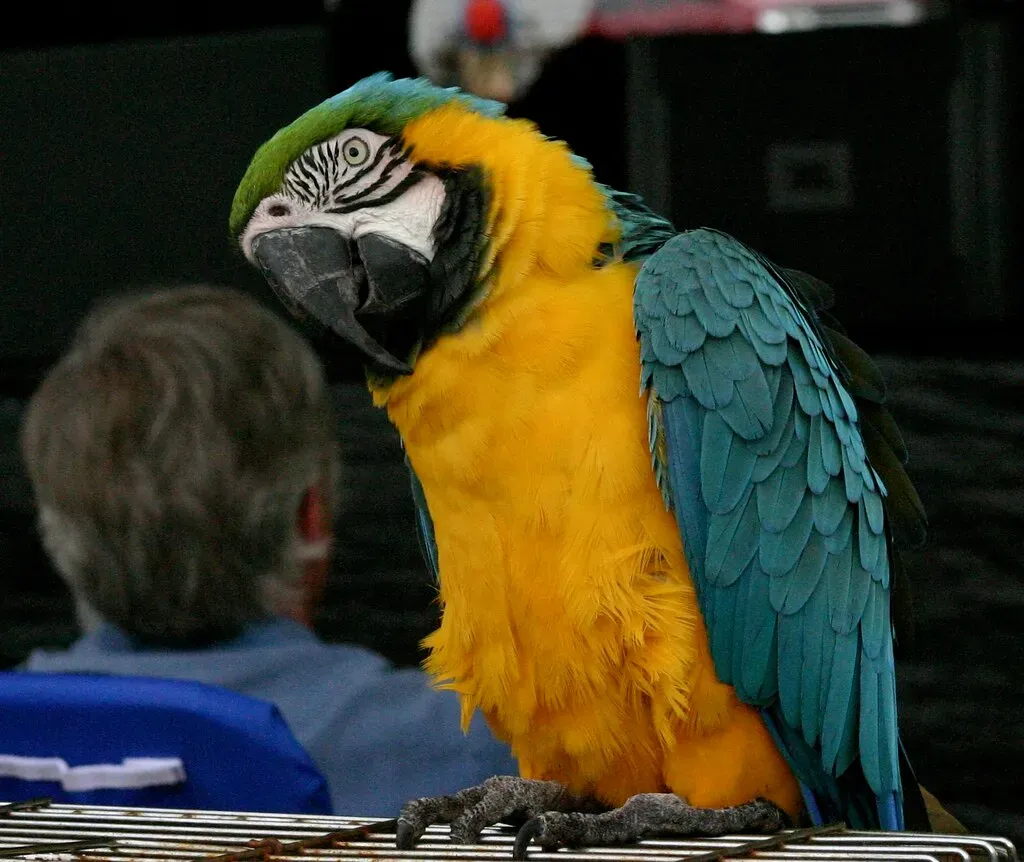
If you bring a Blue and Gold Macaw into your life, you’re basically inviting a very loud, very clever comedian into your home. This species learns tricks quickly, remembers routines, and can pick up words and phrases just by being in the same room as you. You’ll notice that it studies your face and body language, almost like it’s reading your mood and deciding how much mischief it can get away with.
That bold intelligence comes with a streak of sheer stubborn will. If your macaw decides it doesn’t feel like stepping onto your hand, it will simply cling to its perch, lean away, or even playfully nip to make its point. Training becomes a negotiation: you have to use patience, positive reinforcement, and a sense of humor, because this bird loves to test boundaries as much as it loves learning new things.
Hyacinth Macaw: The Gentle Giant With a Steel Will
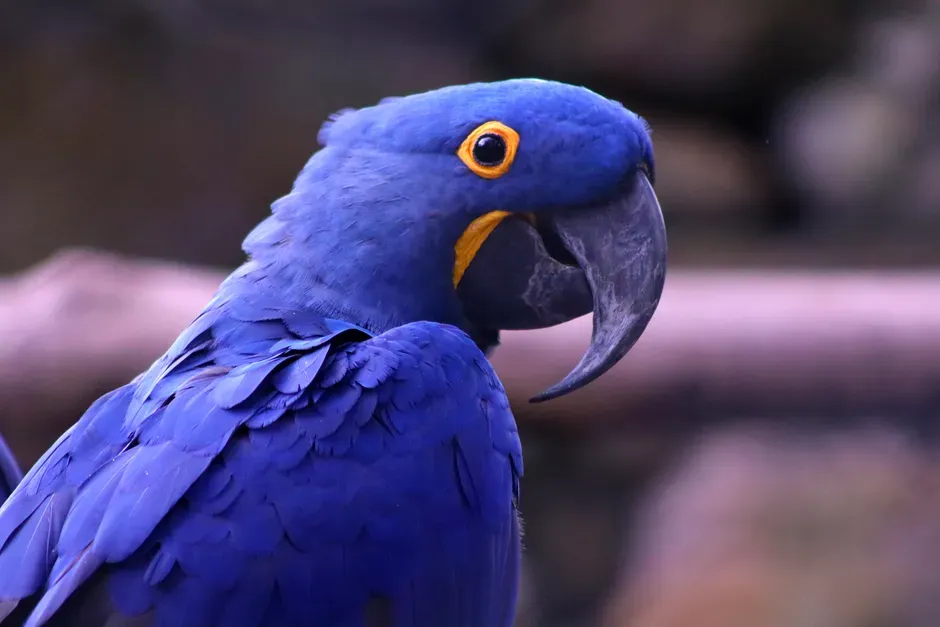
The Hyacinth Macaw is enormous and striking, but behind those intense eyes you’ll find a surprisingly gentle and thoughtful mind. You’ll see it carefully evaluating toys, working out how to open latches, and using that powerful beak with surprising precision when it wants to manipulate objects. It’s like watching a big, cobalt-blue engineer examining every part of its environment.
At the same time, once this bird decides it likes a certain routine, person, or toy, it can be incredibly set in its ways. If you try to rearrange its cage or take away a favorite item too suddenly, it might refuse to cooperate, call loudly in protest, or ignore new toys just to make a point. With a Hyacinth, you learn that intelligence plus strong attachment equals a bird that expects you to ask permission before you change anything in its world.
Amazon Parrots: The Drama Queens of Bird Brilliance
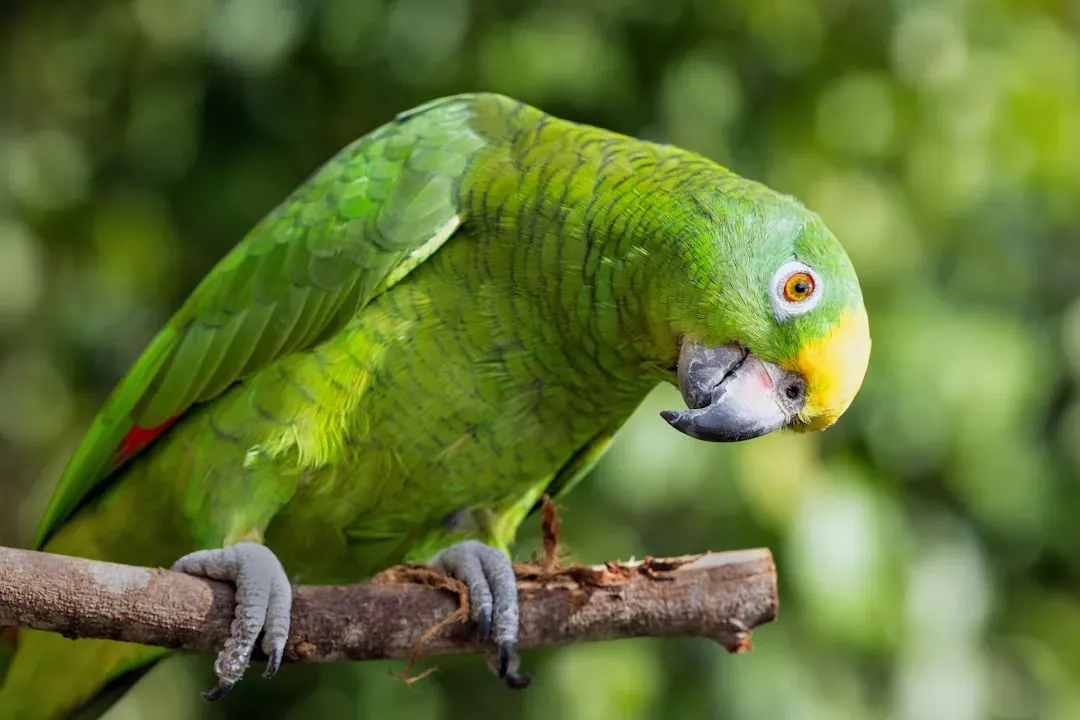
Amazon parrots are like the extroverted actors of the parrot world: smart, expressive, and always ready for a performance. You’ll notice how quickly they pick up songs, household sounds, and phrases, and how they seem to know exactly when to use them for maximum effect. Many Amazons love interactive games, simple puzzles, and any activity that lets them be the center of attention.
But when an Amazon parrot doesn’t want to do something, you know it. It might puff up, shout, swing its body, or deliver a very clear “no” with its behavior, even if it never says the word out loud. Their intelligence makes them highly aware of what gets a reaction from you, so if you give in to the drama, you teach them that stubbornness works like a charm – which they will absolutely remember and reuse.
Cockatoos (Especially Moluccan and Umbrella): Emotional Geniuses With a Streak of Defiance
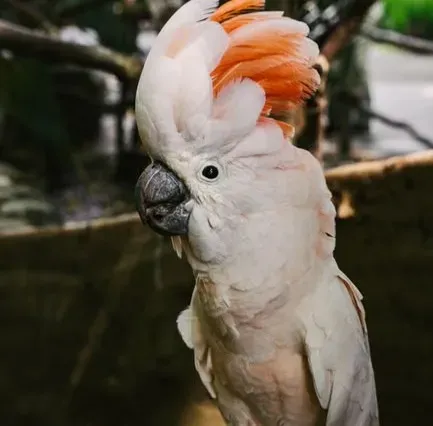
Cockatoos are often the emotional overachievers among parrots, picking up on your mood faster than most people in your life. A clever cockatoo can learn tricks, open cages, dismantle locks, and manipulate its environment with almost shocking determination. You’ll also see it using sound and body language – crests up, wings out, dramatic calls – to communicate exactly how it feels.
That emotional intensity fuels their stubborn side. If your cockatoo feels ignored or unhappy with a rule, it may scream, throw toys, or cling to you and refuse to go back to its cage. You can’t bully or rush this bird; you have to guide it gently, set firm boundaries, and keep its mind busy. Otherwise, its sharp brain and big feelings will combine into a powerful, feathered protest that’s impossible to ignore.
Eclectus Parrots: Quiet Observers With Sharp Minds
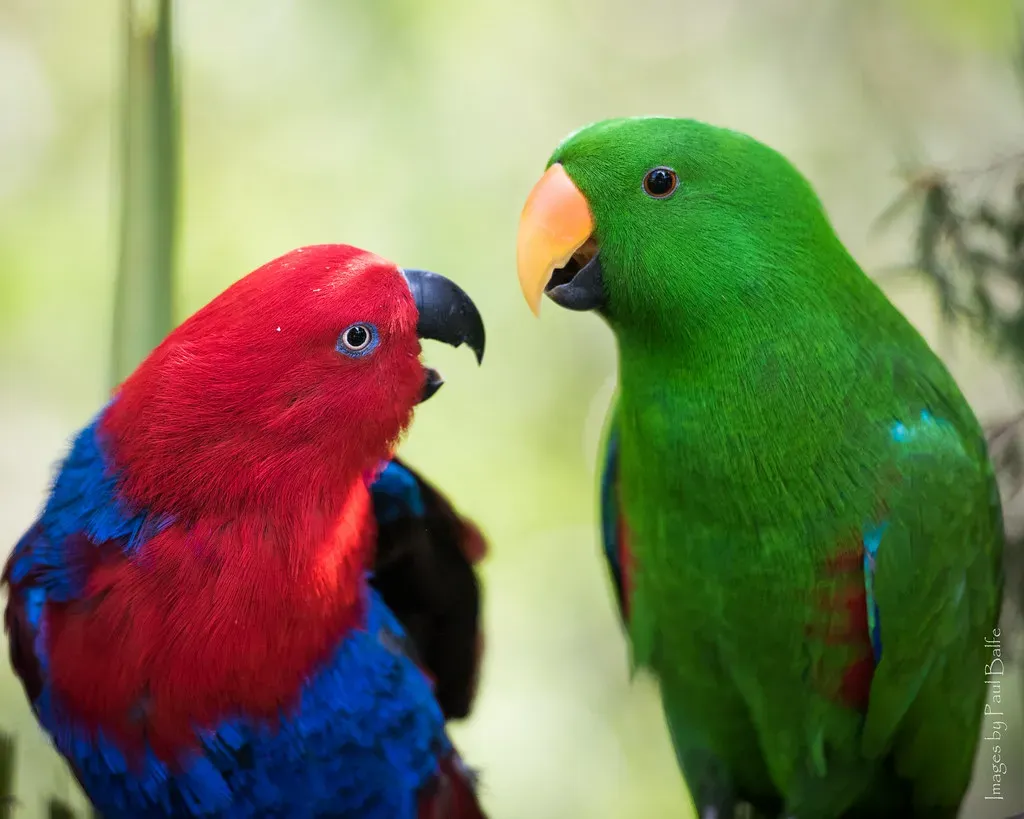
Eclectus parrots might not seem as over-the-top as cockatoos or Amazons at first glance. Instead, you’ll notice that they watch everything quietly, as if they’re taking detailed mental notes. Over time, they start repeating phrases, reacting to specific sounds, and anticipating your routine in ways that show how much they’ve been absorbing.
That calm exterior hides a firm sense of what they like and don’t like. An Eclectus that has decided it prefers a certain perch, food, or person can become quite stubborn about it, gently but consistently refusing alternatives. You’ll find that coaxing works better than pushing: use their intelligence to your advantage with choice-based training and patience, and you’ll see a thoughtful, cooperative side emerge.
Conures (Green-Cheeked and Sun): Small Size, Big Brain, Bigger Opinions
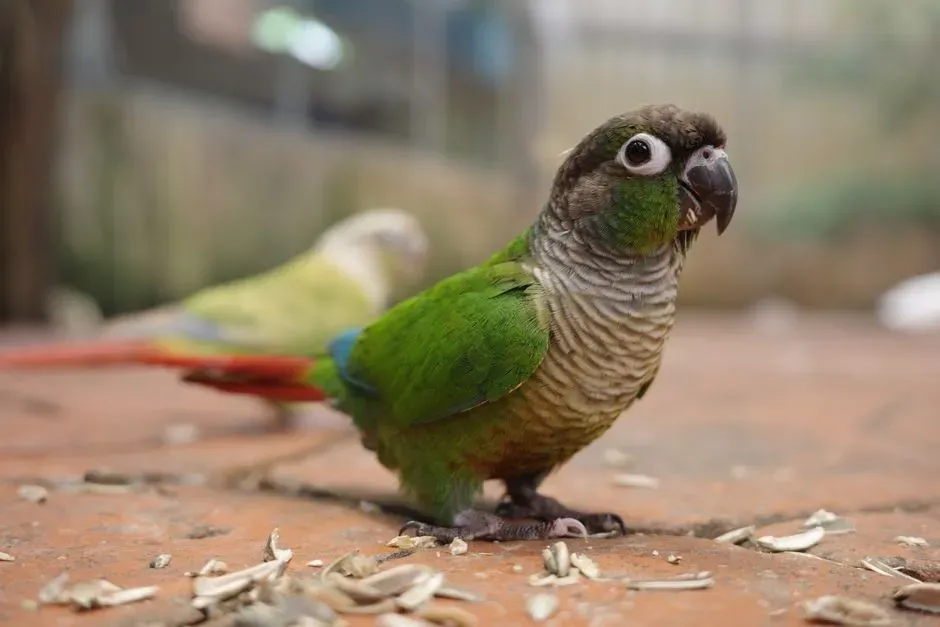
Conures might be small compared to macaws, but they act like they run the entire house. You’ll see their intelligence in how quickly they learn interactive games, target training, and recall. They tend to be energetic, curious, and always looking for the next thing to explore, which makes them feel like little feathered toddlers with rocket fuel in their veins.
Along with all that energy comes a determined streak that can surprise you. If your conure wants attention, it may refuse to settle down, call until you respond, or cling to your shirt when you try to put it back. You end up learning that structure, clear routines, and plenty of mental stimulation are non‑negotiable, because this tiny bird knows exactly how to push your buttons to get what it wants.
Ringneck Parakeet: The Debater Who Never Backs Down
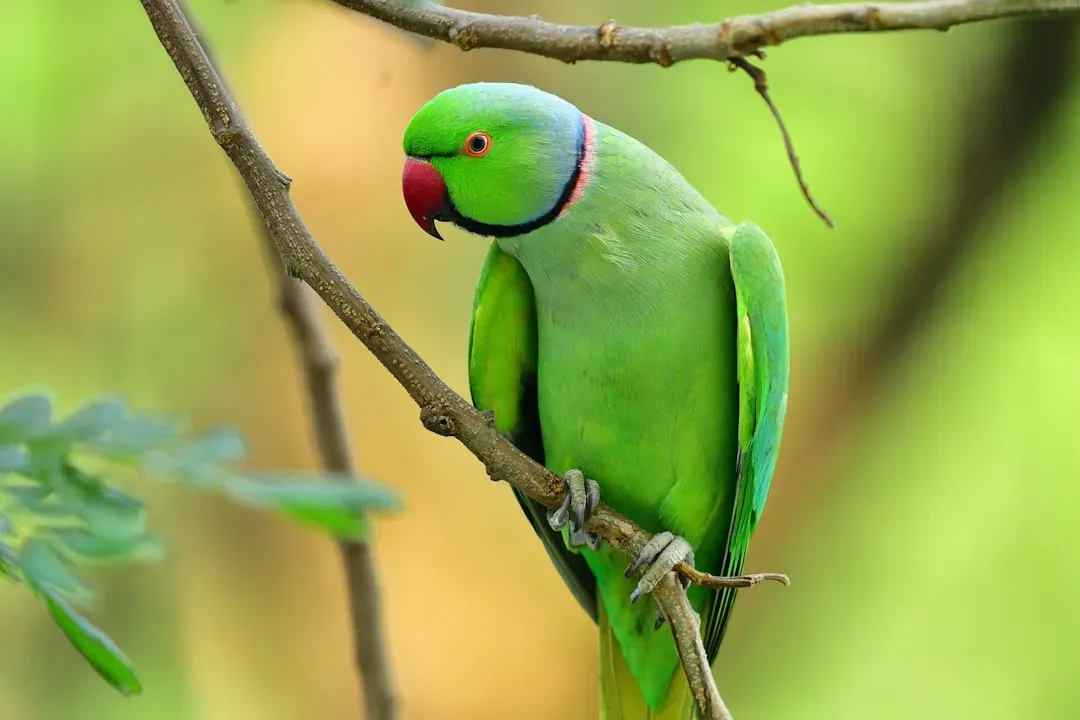
Indian Ringneck Parakeets are clever, curious, and incredibly quick with vocal learning. Many of them develop clear speech, interesting sound mimicry, and a knack for repeating phrases at hilariously accurate moments. You’ll see their intelligence in how they explore objects, test boundaries, and figure out cause and effect, like dropping something just to watch you pick it up.
They also tend to have a strong independent streak, which can look like pure stubbornness when you ask for something they don’t feel like doing. A ringneck might fly off, give you a sharp look, or simply ignore you altogether if it’s not in the mood. The trick is to keep training sessions short, fun, and rewarding, so the bird feels like it’s choosing to participate rather than being forced – because a ringneck that feels pushed will happily outlast you in a standoff.
Quaker Parrot (Monk Parakeet): The Tiny Engineer and Nest Architect
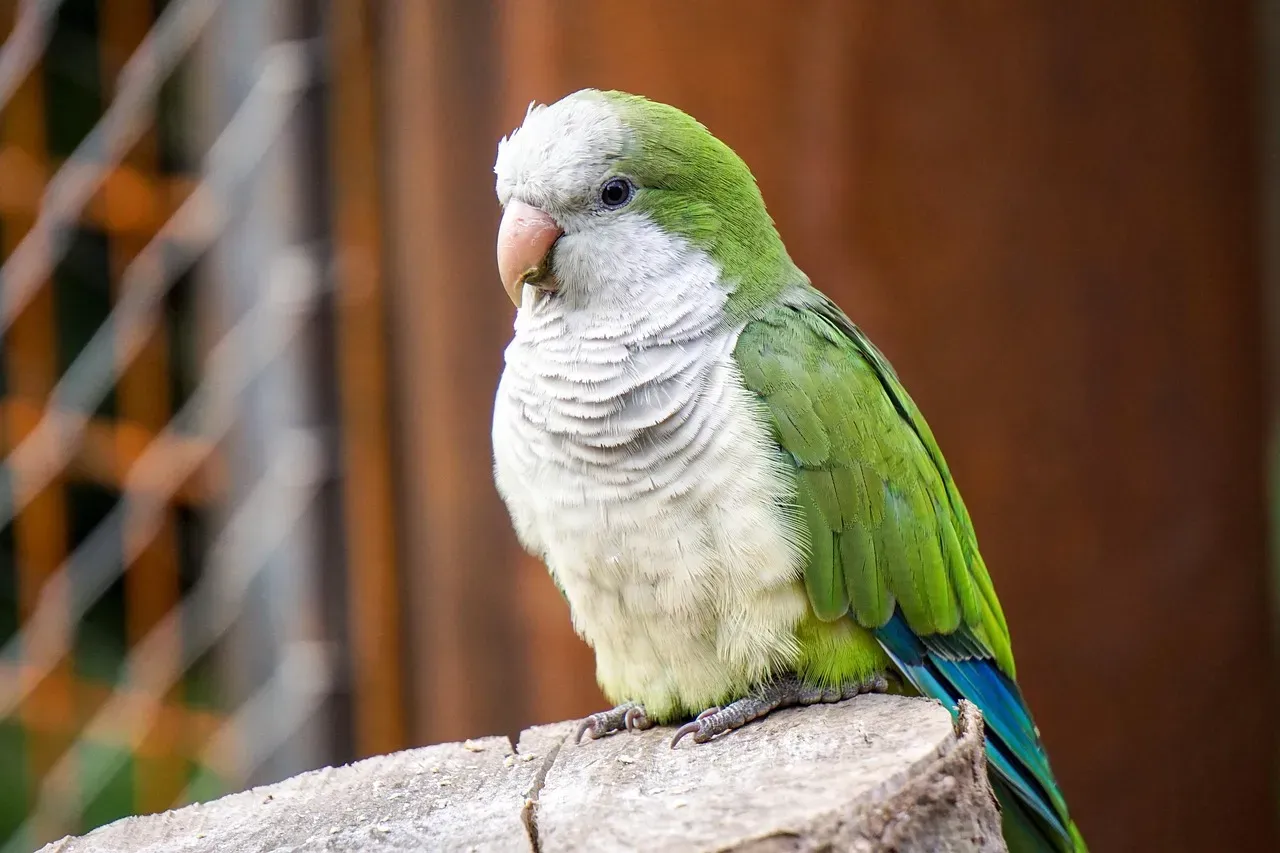
Quaker parrots punch way above their weight in terms of brainpower. In the wild, they build complex communal nests, which already tells you how good they are at problem‑solving and construction. In your home, that translates into a bird that loves to rearrange toys, weave materials into makeshift “nests,” and figure out how to open anything even vaguely resembling a door or latch.
Once a Quaker decides that a certain corner, shelf, or object is part of its territory, it can be ridiculously stubborn about defending it. You may find that it resists moving, protests loudly, or keeps trying to go back to the same forbidden spot. You have to think like a strategist, redirecting that intense nesting drive into acceptable projects and respecting how seriously this little engineer takes its self‑assigned building plans.
Caique: The Hyperactive Trickster With a Clever Core
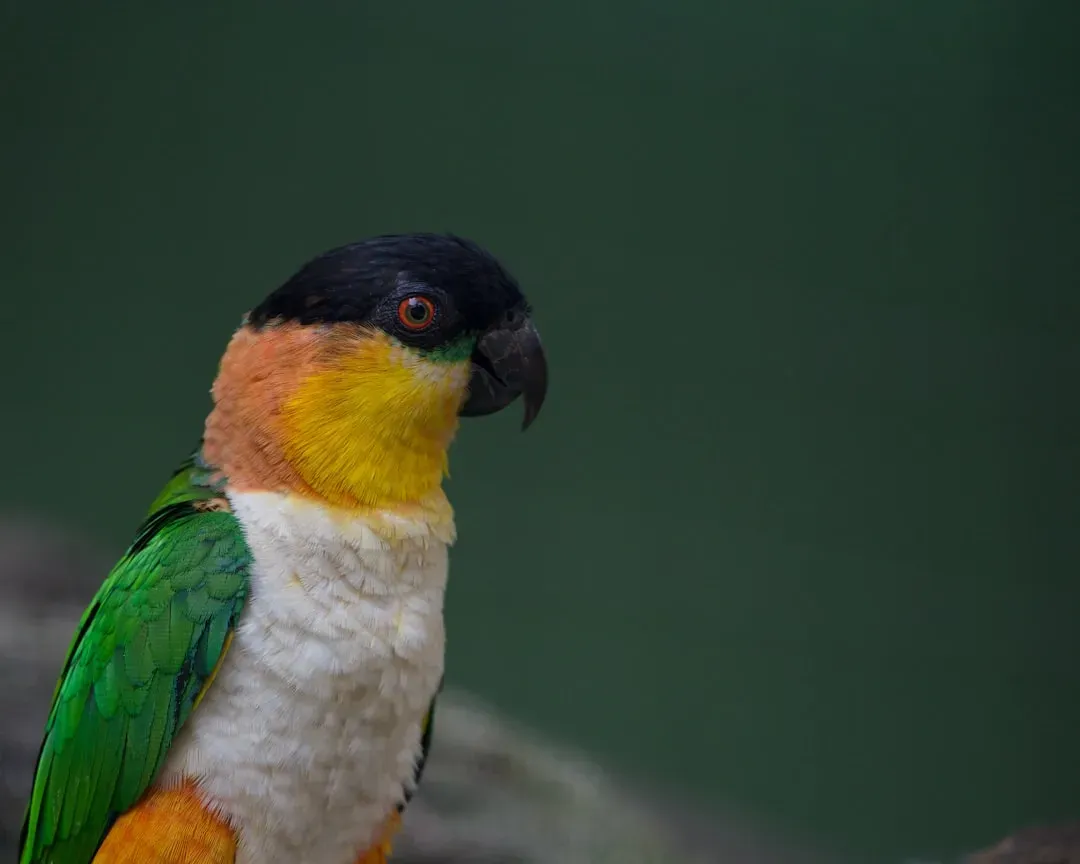
Caiques are often called the clowns of the parrot world, and when you live with one, you see why. They bounce, roll, hop, and generally act like they’ve had way too much coffee, but underneath the antics is a very sharp mind. A caique can learn tricks, recognize patterns, and remember games you started days ago, waiting for the right moment to pick them up again.
That playful intelligence makes their stubbornness feel almost mischievous. If you try to end playtime before they’re ready, they might wriggle away, nibble your fingers, or refuse to step up, turning everything into a game on their terms. With a caique, you learn that you’re not just training a bird – you’re negotiating with a prankster who knows exactly how to stretch your patience while keeping you laughing.
Budgerigar (Budgie): The Underrated Genius in a Tiny Package
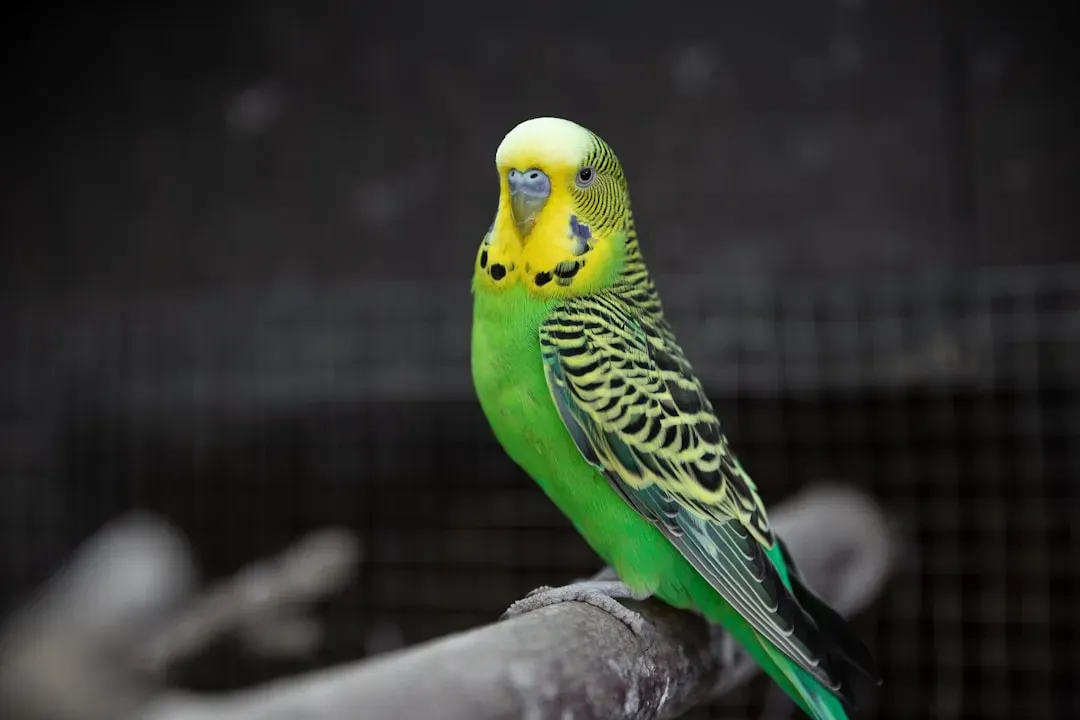
Budgies are often sold as “beginner birds,” but if you underestimate them, you’ll miss how smart they really are. Some budgies have been documented learning huge vocabularies, and even an average pet budgie can pick up words, whistles, and short tunes if you interact consistently. You’ll see problem‑solving in how they explore toys, learn their way around a room, and adapt quickly to new environments.
Despite their size, budgies can be incredibly particular and persistent. If your budgie loves a certain routine – like a specific time to come out, a favorite perch, or a special toy – it may resist any change with quiet but firm refusal. It might fly away, avoid your hand, or sit and glare until you figure out what it wants. Living with a budgie teaches you that intelligence doesn’t need a big body; it just needs a determined little mind that knows exactly what it prefers.
Conclusion: Living With a Bird Who Thinks for Themself
When you share your life with these parrots, you quickly discover that you’re not just dealing with pets – you’re dealing with thinking, feeling individuals who notice everything you do. Their intelligence shows up in how they learn words, solve problems, and anticipate your behavior, but their stubborn side is what reminds you they have their own agendas. You can’t simply command them; you have to build trust, communicate clearly, and respect their quirks.
If you’re willing to meet them halfway – with patience, enrichment, and a sense of humor – you end up forming a relationship that feels more like a partnership than ownership. You teach them tricks, and they teach you consistency. You set boundaries, and they test every single one. In the end, the real question isn’t whether these parrots are smarter and more stubborn than you imagined – it’s whether you’re ready to rise to their level.