
When you picture cranes, you might think of graceful birds tiptoeing through wetlands, but some of them are so big they can stand eye‑to‑eye with a child and stretch their wings wider than you are tall. These are not delicate little birds; they are heavy‑bodied, long‑legged survivors that migrate across continents and have been woven into human stories for thousands of years.
In this guide, you’ll walk through the ten largest crane species on Earth and get a feel for just how impressive they really are. You’ll see how tall they stand, where you could actually find them, what makes them unique, and why many of them are in serious trouble. By the end, you may never look at a wetland or a wide open grassland the same way again.
Sarus Crane – The Tallest Flying Bird on Earth
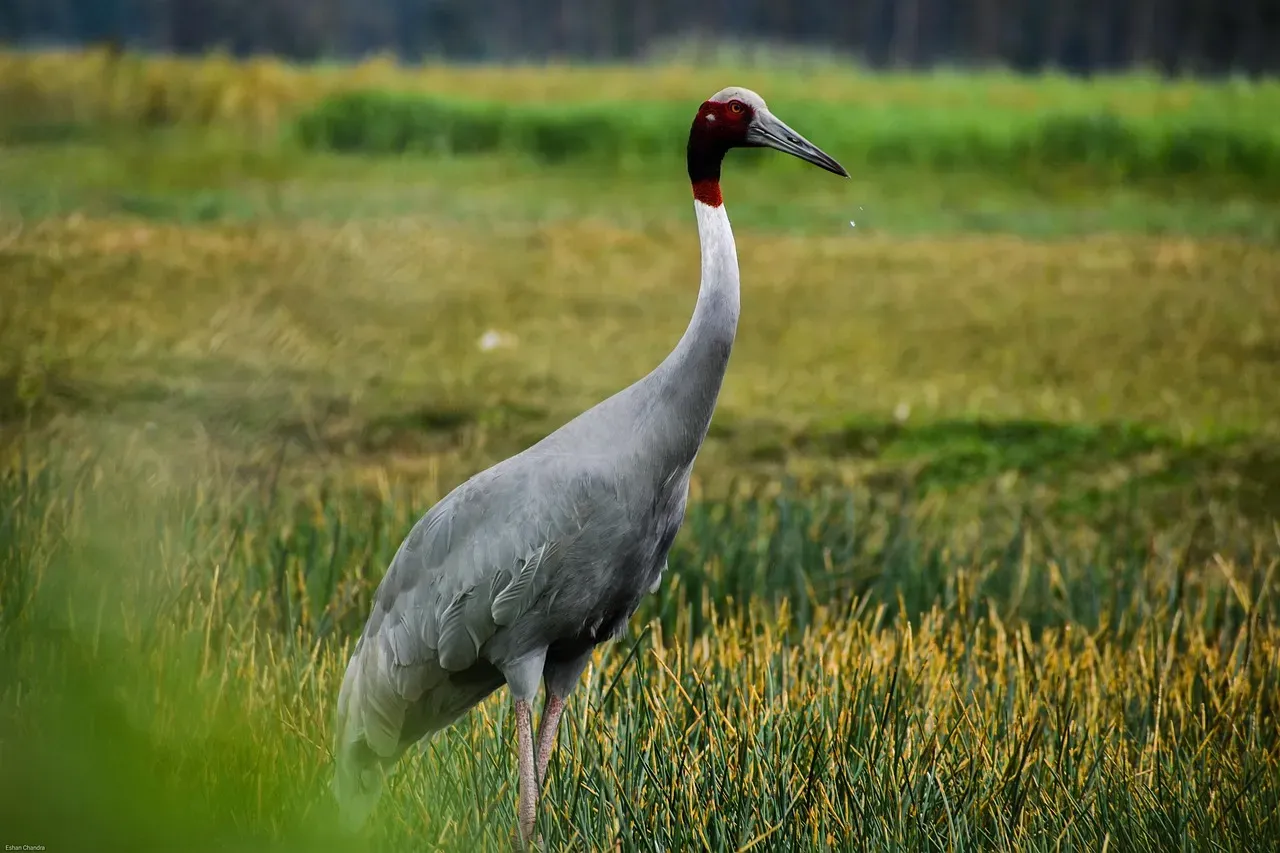
If you ever stand next to a Sarus crane, you’re basically looking straight into the eyes of the tallest flying bird on the planet. You can meet this giant mainly in India, parts of Southeast Asia, and northern Australia, where it strolls through rice paddies, wetlands, and shallow marshes as if it owns the place. Adult Sarus cranes can stand close to one and a half meters tall, with long pinkish legs and that unmistakable red head and upper neck that makes them look almost regal.
When you watch a pair of Sarus cranes calling together, you’re seeing something that can stop conversations and turn heads from far away. Their synchronized courtship dances and loud, trumpeting calls are powerful enough to echo across open fields and flooded farms. Yet despite this strength, you’re looking at a species that’s under pressure from habitat loss, pollution, and changing farming practices. If you care about the future of big cranes, the Sarus crane is one of the most important birds you can keep an eye on.
Red-crowned Crane – The Iconic Giant of East Asia
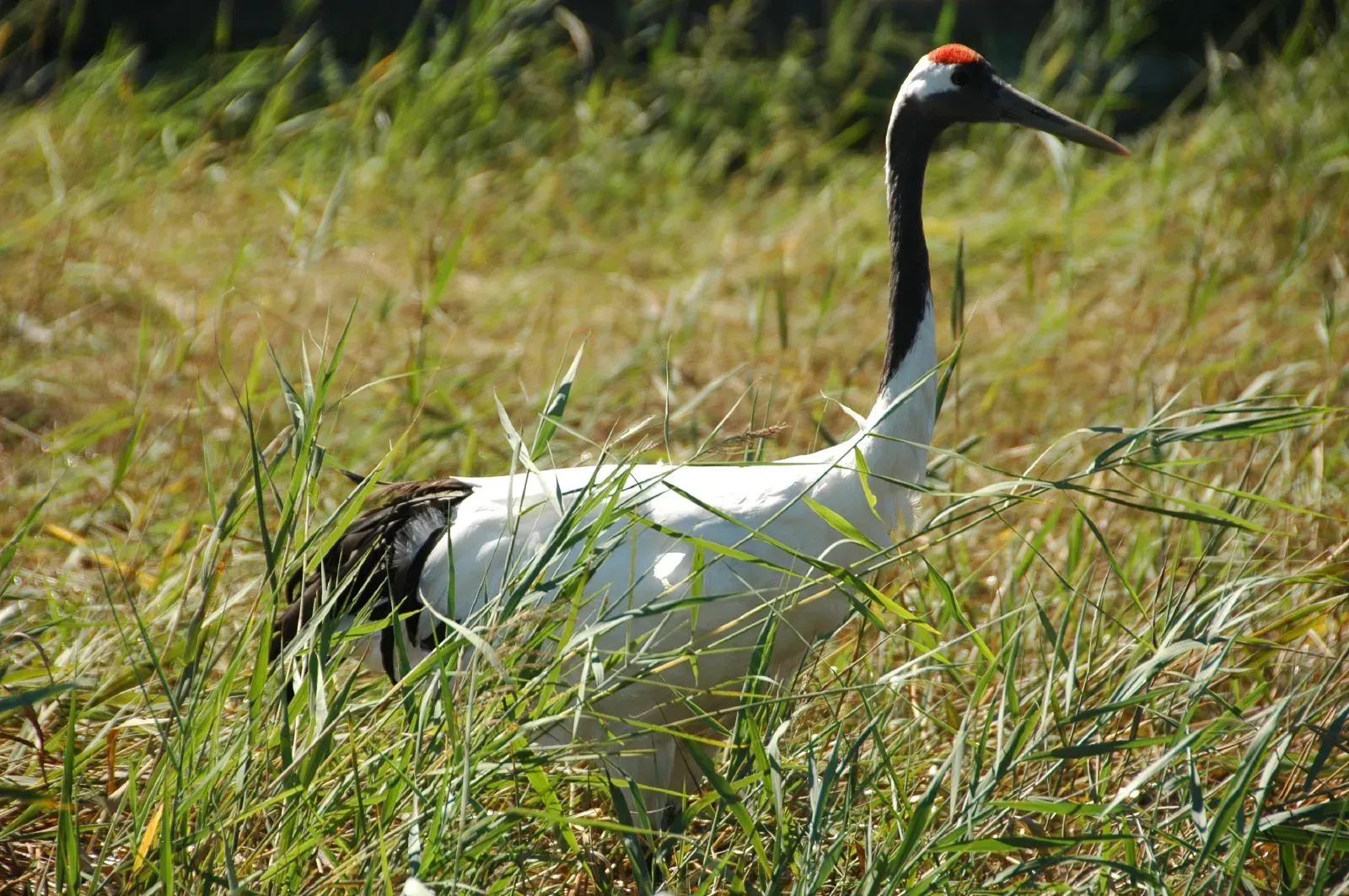
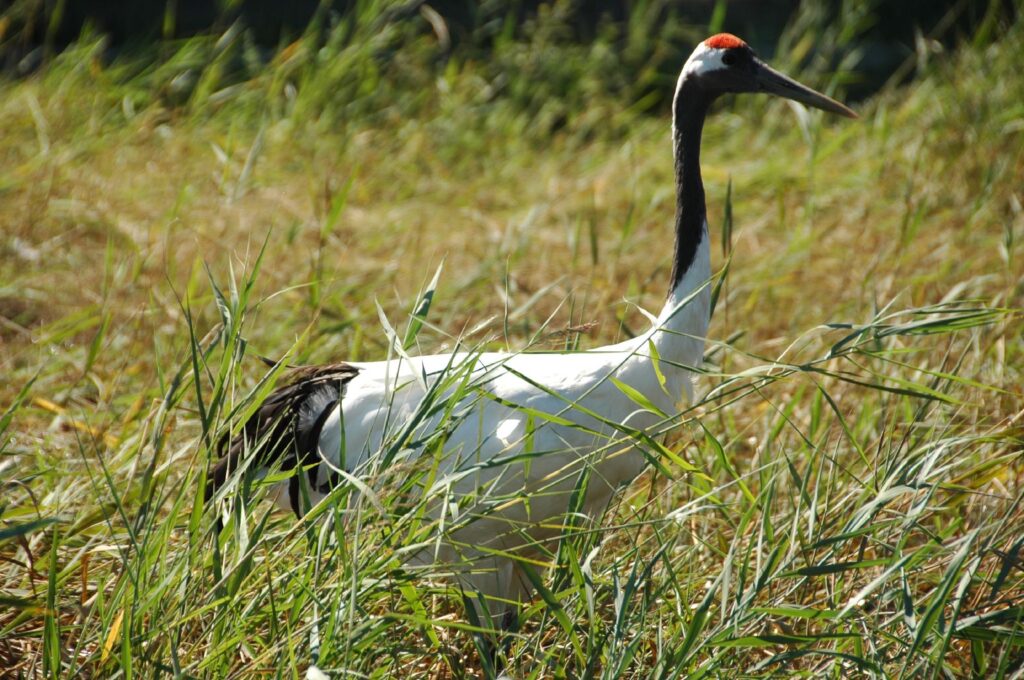
When you see artwork or celebrations from Japan, China, or Korea that show a big white crane with a red cap, you’re almost always looking at the Red‑crowned crane. This species ranks among the largest cranes, with a height close to one and a half meters and a wingspan that can sweep out to around two and a half meters. You usually find it in wetland areas, reed beds, and shallow lakes in northeastern Asia, though some populations spend the winter in rice fields and coastal wetlands further south.
If you ever get the chance to watch Red‑crowned cranes dance, you’re watching one of the most elegant shows in the bird world. They leap into the air, toss sticks, flap, and bow, almost like performers on a stage. In a lot of East Asian cultures, you’d see this bird as a symbol of luck, long life, and loyalty because pairs tend to be long‑term and very close. At the same time, you’re looking at a species that depends heavily on healthy wetlands and traditional rice farming patterns, which are shrinking. Whenever you support wetland protection in East Asia, you’re quietly helping this legendary crane survive.
Wattled Crane – Africa’s Heavyweight Wetland Specialist
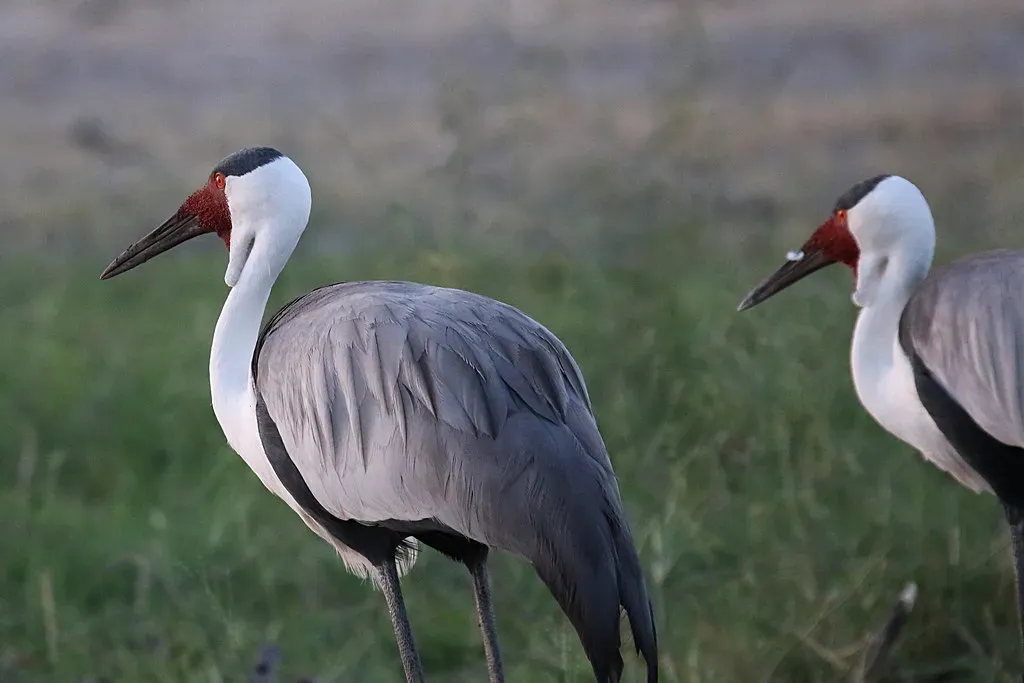
When you picture Africa’s big birds, your mind probably goes first to ostriches and flamingos, but the Wattled crane deserves a place on that mental list. You’ll recognize it by its long gray body, bright white neck, and the fleshy, dangling wattles that hang from each side of its face. This crane is one of the heaviest , and when it spreads its wings, you’re looking at a seriously wide span that carries it across the rivers, floodplains, and marshes of eastern and southern Africa.
If you explore places like the Okavango Delta or the wetlands of Zambia and South Africa, you might spot Wattled cranes moving slowly through shallow water, hunting for tubers, seeds, and small aquatic animals. They specialize in big, open floodplains that flood and dry with the seasons, and that dependency makes them vulnerable. When wetlands are drained for farming, dammed for power, or overgrazed, you’re directly chipping away at the spaces this crane needs. Supporting large‑scale wetland conservation in Africa is one of the most direct ways you can help keep this giant on the landscape.
Whooping Crane – North America’s Towering Comeback Story
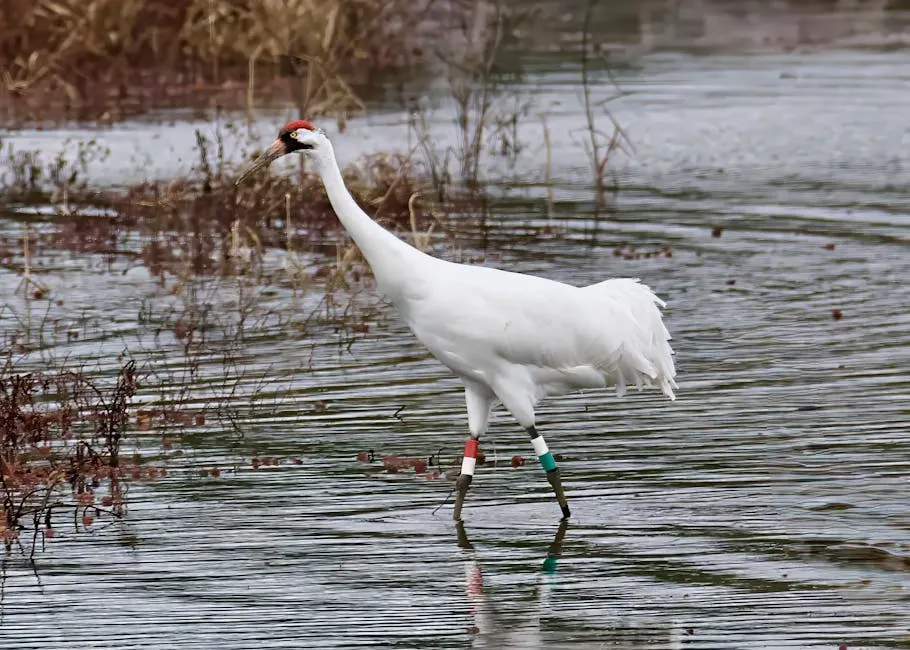
If you love a good conservation comeback tale, the Whooping crane is your bird. This is one of North America’s tallest birds, standing well over a meter high with a long white body, black wingtips, and a striking red and black face. You meet it in marshes, coastal lagoons, and shallow bays, especially along the migration route between northern breeding grounds in Canada and wintering areas in the southern United States.
Not so long ago, you could have lost this species completely; its wild population dropped to only a tiny handful of individuals in the twentieth century. Today, thanks to protected areas, breeding programs, and a lot of patient work, you can again see family groups of these cranes feeding in estuaries and wetlands. If you ever visit one of their wintering spots, you’ll feel how fragile that recovery still is, because oil spills, rising seas, and habitat development still threaten their narrow strip of habitat. When you support national wildlife refuges and climate‑conscious policies, you’re directly tipping the odds in favor of this towering white crane.
Common Crane – The Widespread Giant You Might Overlook
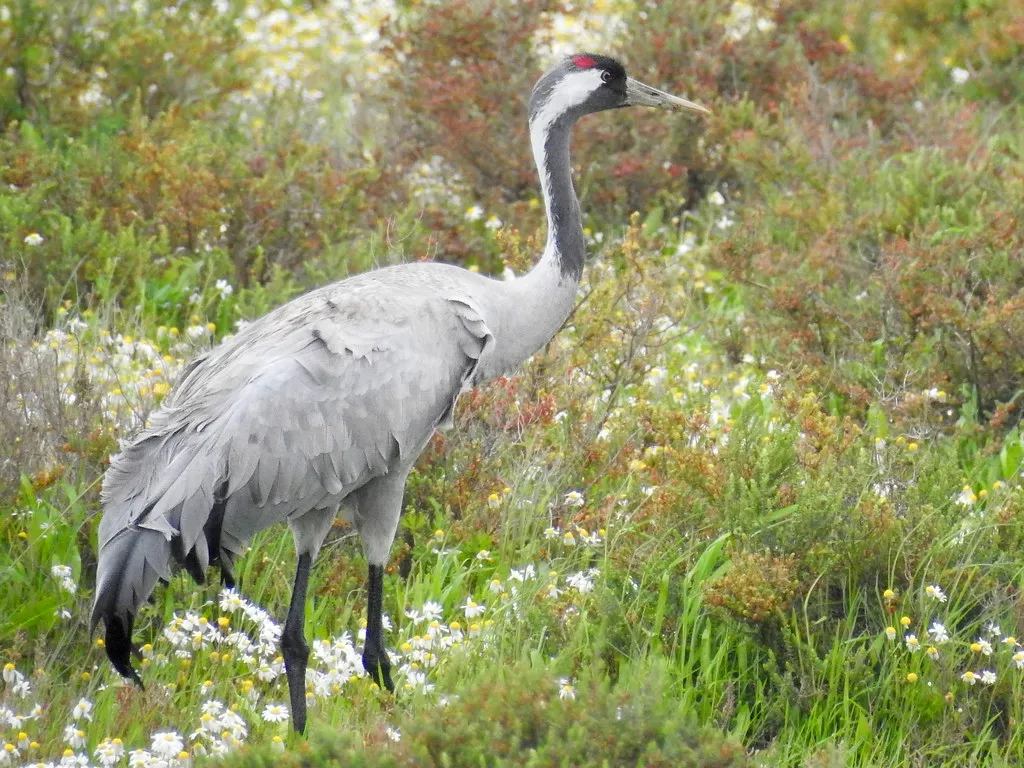
For a bird this big, the Common crane is surprisingly easy to take for granted, especially if you live in Europe or parts of Asia. You might see it as a tall, mostly gray bird with a black and white neck pattern and a red crown, striding across farmland or circling high overhead in V‑shaped migration flocks. It is one of the larger crane species, but because it’s relatively widespread and adaptable, you’ll find it cropping up in more places than many of its relatives.
If you find yourself near a major migration stopover in autumn or spring, you might see thousands of Common cranes gathering to rest and feed, turning a quiet lake or field into a restless sea of gray bodies and bugling calls. You can watch them use a mix of habitats, from peat bogs and marshes to crop fields and meadows, which has helped them hold on even as some wetlands have disappeared. When you support protection of key staging areas and gentle farming practices, you’re helping a species that in turn delights millions of people who go out just to watch those swirling autumn flocks.
White-naped Crane – The Graceful Border‑Crosser of East Asia
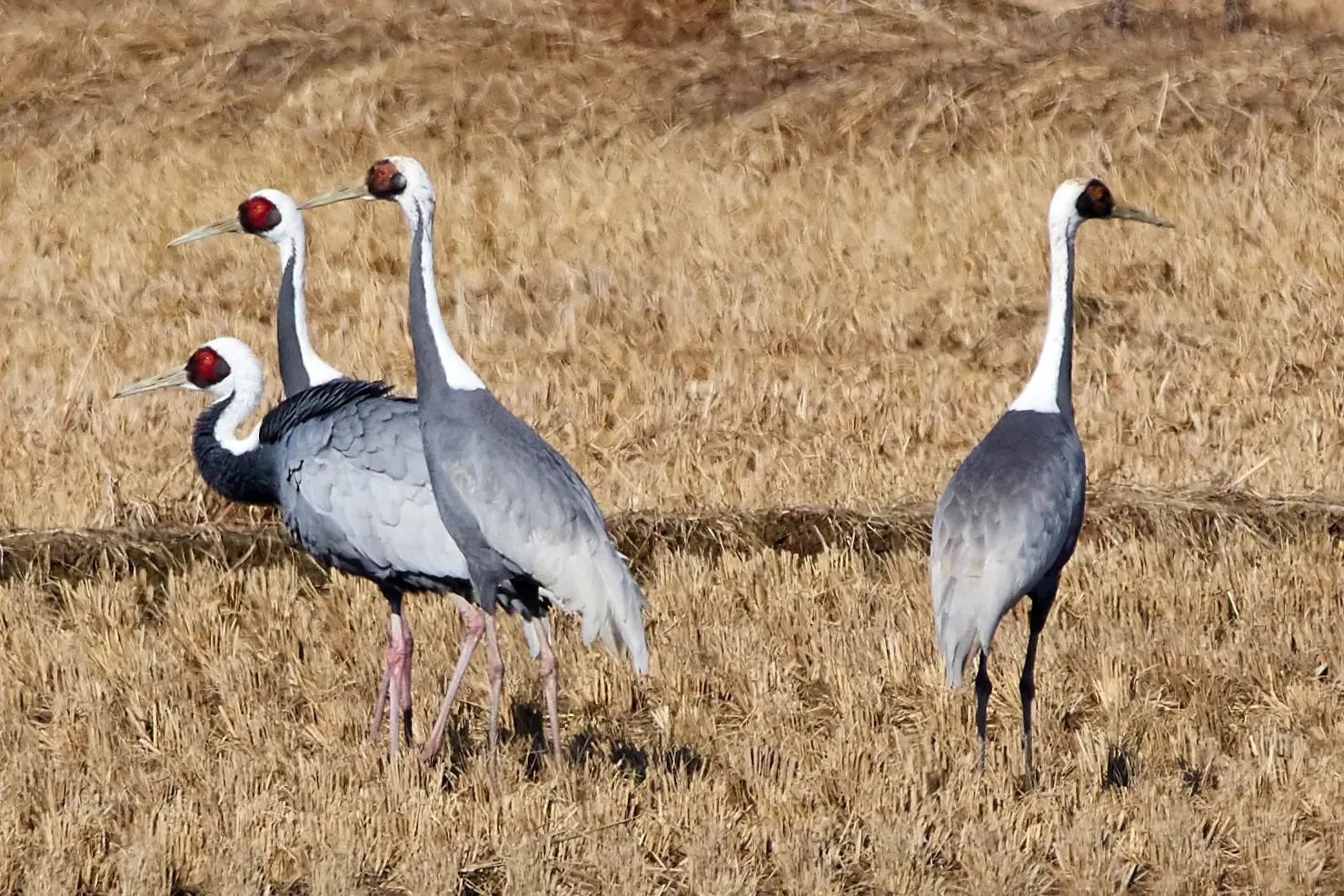
When you think of cranes that cross political borders without a second thought, the White‑naped crane is a good example to keep in mind. You’ll recognize it by the clean white stripe running up the back of its neck, contrasted with gray body feathers and a red patch around the eye. This species is impressively tall and long‑winged, joining the ranks of the world’s largest cranes, and it migrates between breeding grounds in northeastern Asia and wintering areas that can include parts of China, Korea, and Japan.
If you follow its journey, you’ll see just how much it relies on a patchwork of wetlands, rice fields, and shallow lakes that cross several countries and cultures. You might be surprised to learn how much these cranes depend on traditional farming patterns, where leftover grain and flooded paddies offer reliable food. When wetlands get drained or agricultural practices become too intense, the White‑naped crane feels the squeeze quickly. By supporting international wetland conservation and cooperative agreements between countries, you’re quietly helping these elegant border‑crossers keep dancing their way across East Asia.
Black-necked Crane – The High-Altitude Giant of the Himalayas
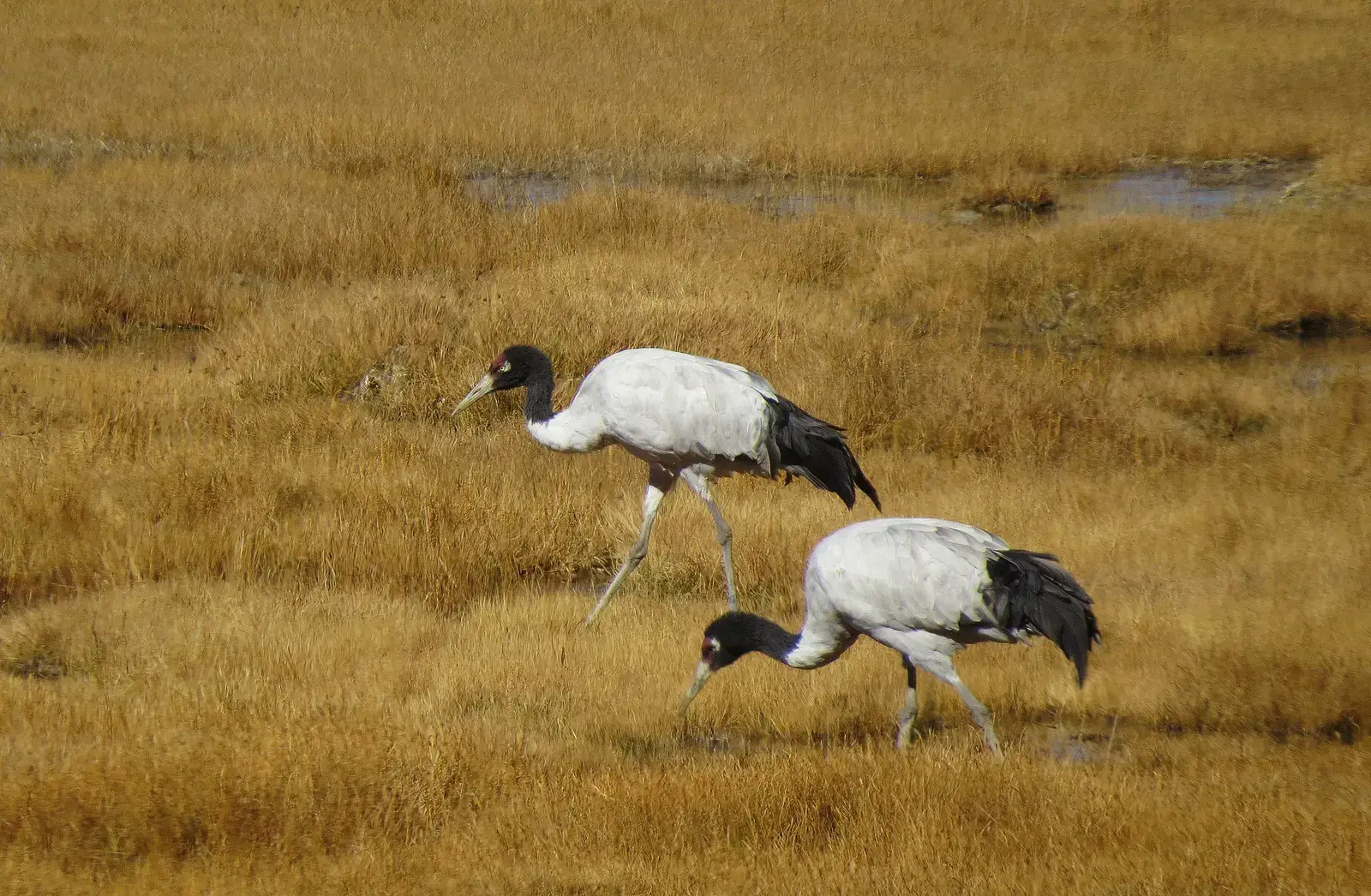
If you head up into the high valleys of the Himalayas and the Tibetan Plateau, you’re entering the world of the Black‑necked crane. This species stands tall in a harsh, wind‑swept landscape, with a pale gray body, black head and neck, and a little splash of red on the crown. It is one of the largest birds you’ll see at that altitude, adapted to life in alpine wetlands and high‑elevation marshy meadows where winters are brutal and summers are short.
When you visit high mountain villages in places like Bhutan or parts of China and India, you may find that local communities treat this crane with a mix of respect and affection. It feeds in wetlands and fields, taking grains, roots, and small creatures, and it moves seasonally between breeding and wintering areas across a sprawling plateau. Yet, as roads, dams, and development push deeper into high valleys, the fragile wetlands this crane depends on can quickly shrink. By valuing intact high‑elevation wetlands and supporting careful planning in mountain regions, you’re doing your part to keep this altitude‑loving giant in the sky.
Demoiselle Crane – The Smallest Crane That Still Feels Big
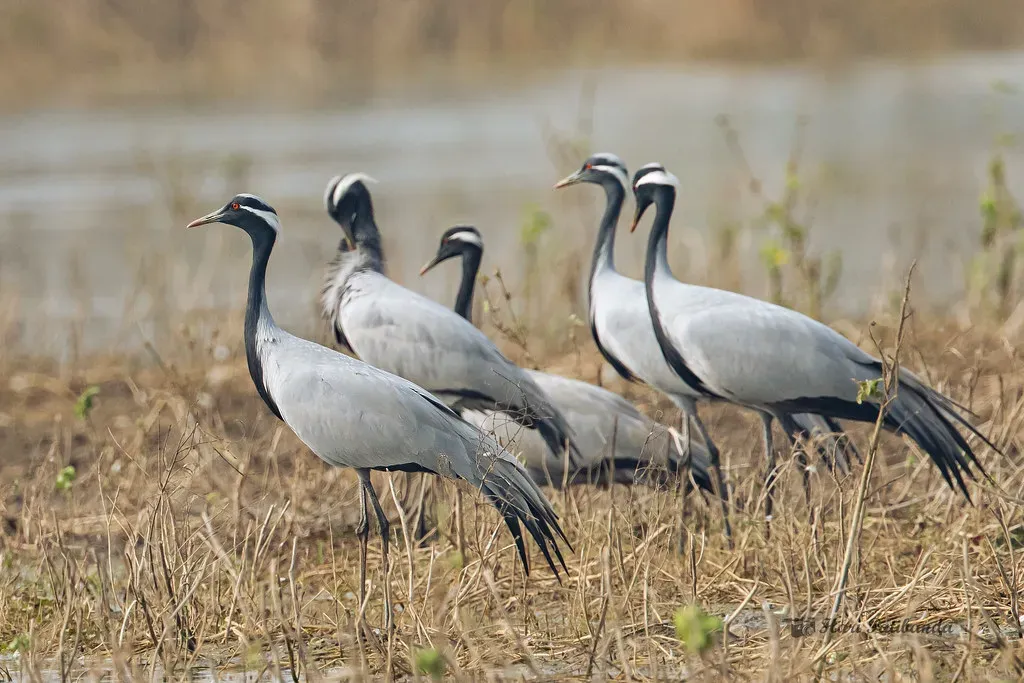
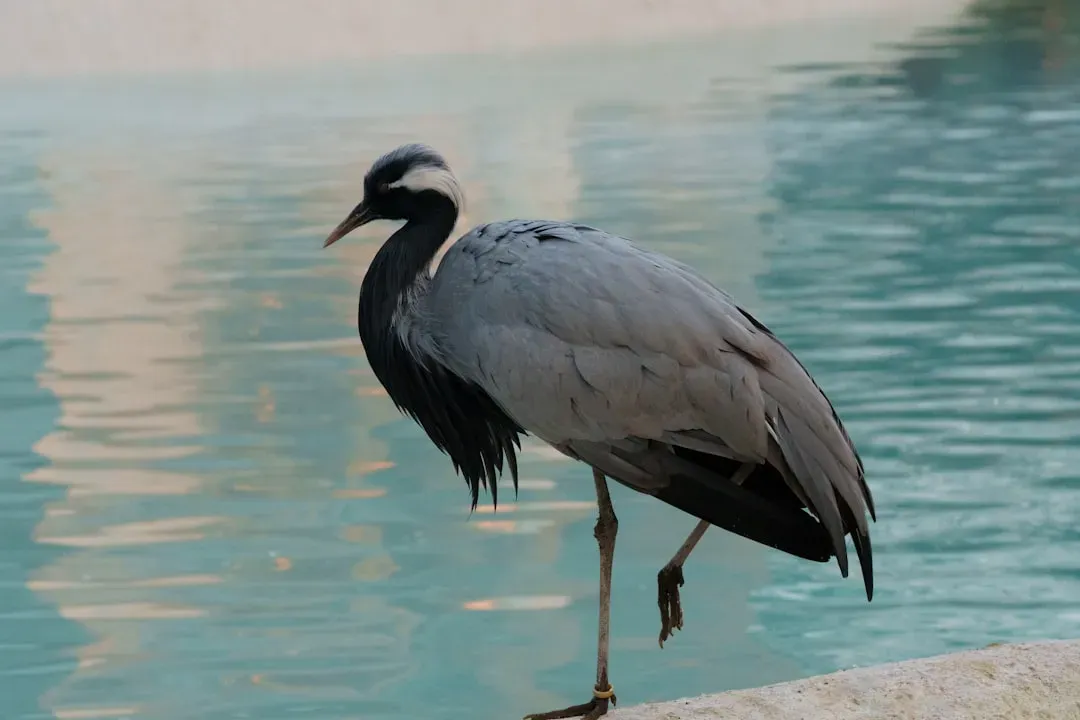
On paper, the Demoiselle crane is the smallest crane species, but when you actually stand near one, it still feels like a big, impressive bird. You spot it across central Asia, parts of India, and North Africa, with a sleek gray body, long black plumes that trail from the neck, and delicate white feathers that frame the face. Its body size might be a bit shorter than the true giants on this list, but its long legs and outstretched wings keep it firmly in the “large bird” category in your mind.
If you watch its migration, you’ll see something extraordinary: these cranes cross some of the highest mountain passes, flying over parts of the Himalayas and other rugged ranges where conditions are harsh and unforgiving. You can imagine what that journey feels like, with thin air, strong winds, and predators along the route, and yet they manage it year after year. Despite being more adaptable than some wetland‑dependent species, they still need safe stopover sites and open landscapes. By protecting steppe grasslands and traditional farmlands along their migration pathways, you’re helping ensure this “small giant” keeps pulling off its dangerous high‑altitude commute.
Sandhill Crane – The North American Giant You’re Most Likely to Meet
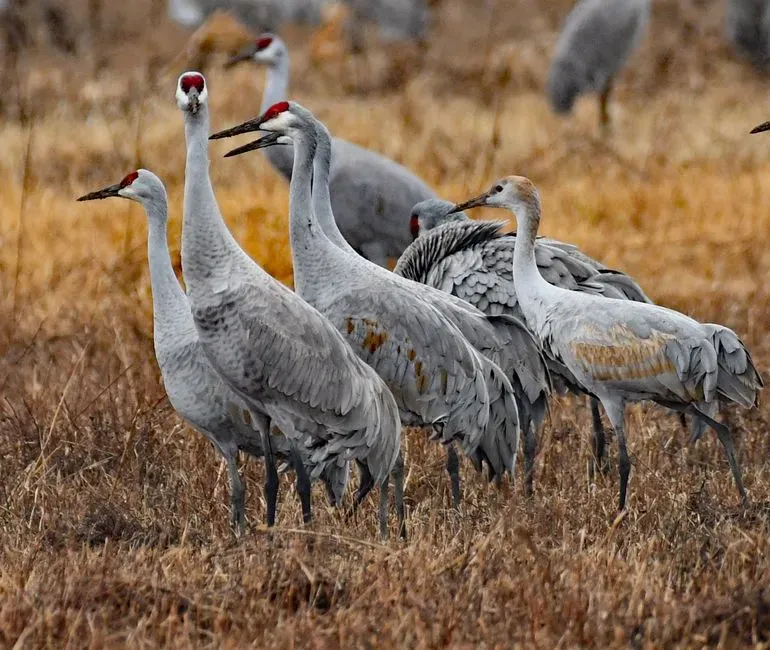
If you live in or travel through North America, the big crane you’re most likely to run into is the Sandhill crane. You’ll notice its tall gray body, red forehead, and rolling, rattling call that sounds almost prehistoric. Sandhill cranes can rival many of the world’s largest cranes in height, especially in the bigger subspecies that breed in the far north, and when they gather in groups, they can turn river valleys and marshes into living, moving carpets of gray.
If you visit certain rivers and wetlands during migration, you can see tens of thousands of Sandhill cranes all at once, feeding on waste grain in nearby fields during the day and coming back to roost in the water at night. You might watch them dance, bowing, leaping, and calling, and feel like you’re watching a ritual much older than any nearby town. While some populations have adapted fairly well to farmland, others still depend on intact wetlands and are vulnerable to drainage, drought, and disturbance. Every time you support wise water management and wetland protection in North America, you’re giving this familiar giant a better shot at thriving.
Blue Crane – South Africa’s Elegant National Bird
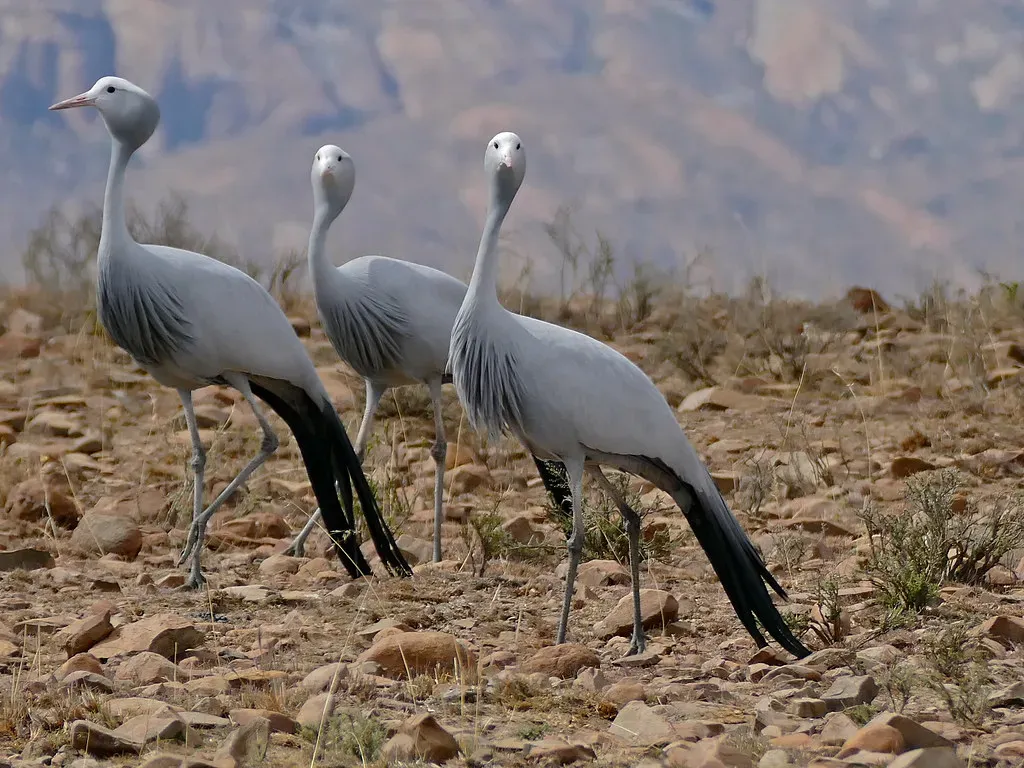
When you travel through the open grasslands and farmlands of South Africa, the tall, graceful bird that locals might point out to you as their national bird is the Blue crane. Despite its name, its plumage is more of a soft bluish‑gray, with an elegant long neck and even longer trailing wing feathers that look almost like a gown flowing behind it. It may be a bit shorter than the very largest cranes, but it is still a big bird by any normal standard, and its delicate appearance hides a tough, adaptable nature.
If you watch Blue cranes in the field, you’ll see them foraging for seeds, insects, and small animals, often in areas that are now heavily used for agriculture. They’ve shifted somewhat from purely natural grasslands to include pasture and crop fields, but that shift comes with risks. Power‑line collisions, intensified farming, and loss of natural grassland all put pressure on this species. When you support safer power‑line designs, grassland conservation, and policies that balance farming with wildlife needs, you’re helping this elegant symbol of South Africa remain a common sight rather than a fading memory.
Conclusion: Standing Eye-to-Eye With the World’s Giant Cranes
When you line these ten species side by side in your mind, you start to see cranes not just as big birds, but as living links between wetlands, grasslands, mountains, farms, and the people who share those places. You’ve met the towering Sarus, the sacred Red‑crowned, the high‑flying Demoiselle, the recovering Whooping crane, and several others that quietly shape ecosystems and cultures across multiple continents. Each one depends on a particular mix of water, open land, safety, and tradition, and when any of those pieces slip, these giants tend to be among the first to feel it.
If you ever find yourself listening to a crane’s call echo across a marsh or watching a pair dance against the setting sun, you’ll understand why so many people feel drawn to protect them. You now know how big they really are, where they live, and why their futures are tied so closely to yours. The next time you hear about wetland protection, grassland reserves, or wildlife‑friendly farming, you can picture these cranes and realize your choices matter to them. Which of these giants would you most like to stand beside and see with your own eyes?