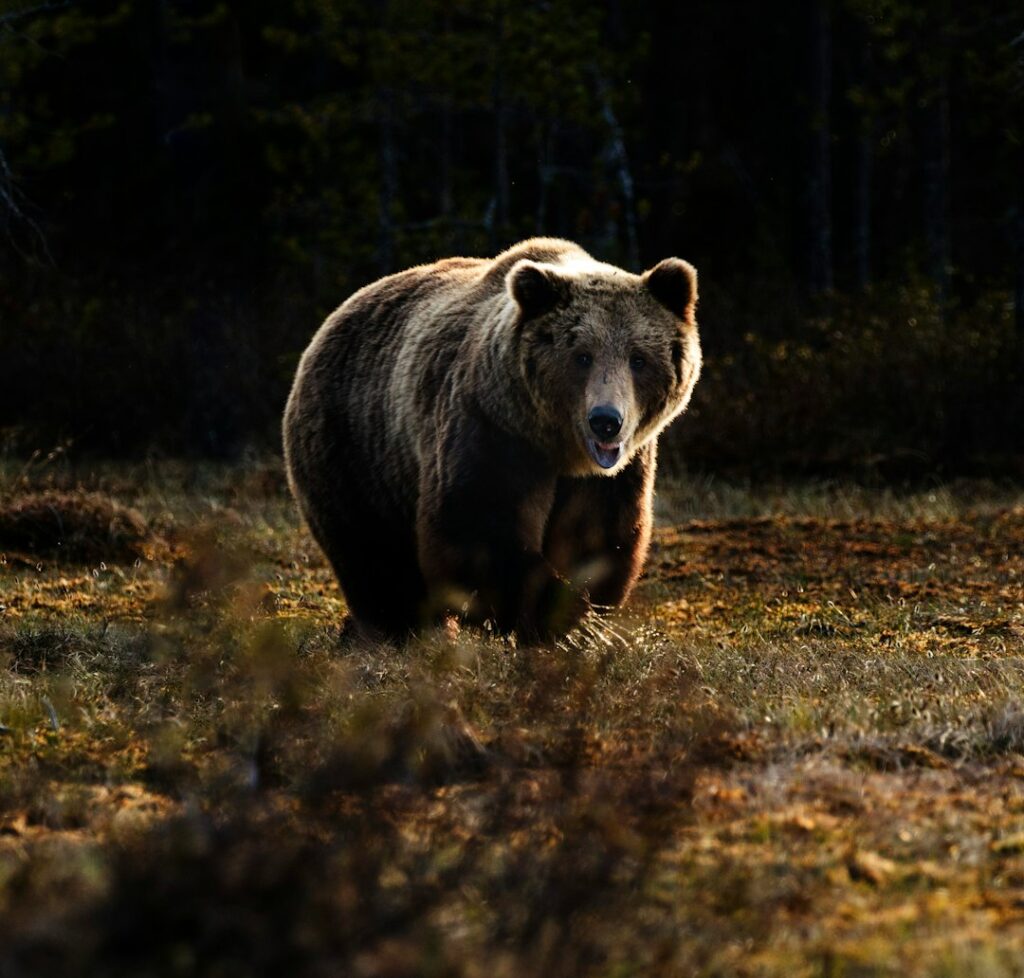

The scariest thing about a bear attack is not the claws or the teeth. It is the moment, often invisible to you, when the bear quietly shifts from curiosity or caution into seeing you as prey. From that point on, you are in a race against a very old, very efficient hunting program that has been refined over millions of years, and you only have seconds to influence what happens next.
When you understand what is going on in those first ninety seconds, you stop imagining bears as movie monsters and start seeing them as what they are: large, fast, highly tuned predators making decisions. That knowledge does not make the situation less serious, but it does give you something priceless in a crisis: a mental playbook. Instead of freezing in pure terror, you know what the bear is likely assessing, what your reactions are signaling, and which choices give you even a small edge.
The Split-Second Switch: From “What Are You?” to “Can I Eat You?”
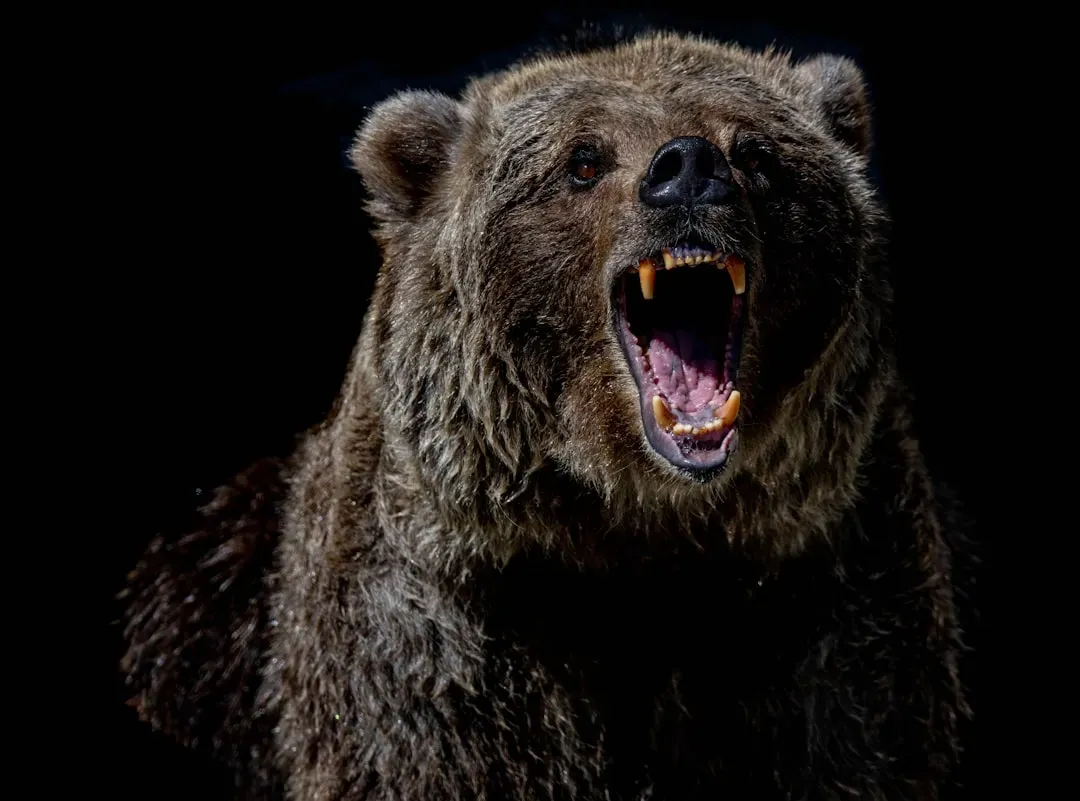
Before a full-on attack, a bear usually goes through a mental switch you rarely notice. At first, it may be just trying to figure out what you are: a threat, a nuisance, or something it can ignore. Then, in a moment that can look like nothing more than a stiffening of the body or a direct, predatory stare, the bear shifts into a different mode: it starts treating you like prey and runs a fast internal checklist about whether you are worth chasing.
You see that shift in behaviors like locking eyes, lowering the head slightly, and moving with more purpose instead of the bluffing, huffing, or swaying you might see during a defensive encounter. In that predatory mode, the bear is not trying to warn you away; it is testing you. Are you slow, distracted, panicking, or separated from others? Do you act like prey that will run, or like something dangerous that stands its ground? Your body language in the next moments matters far more than you think.
How a Bear Sizes You Up: Distance, Angle, and Vulnerability
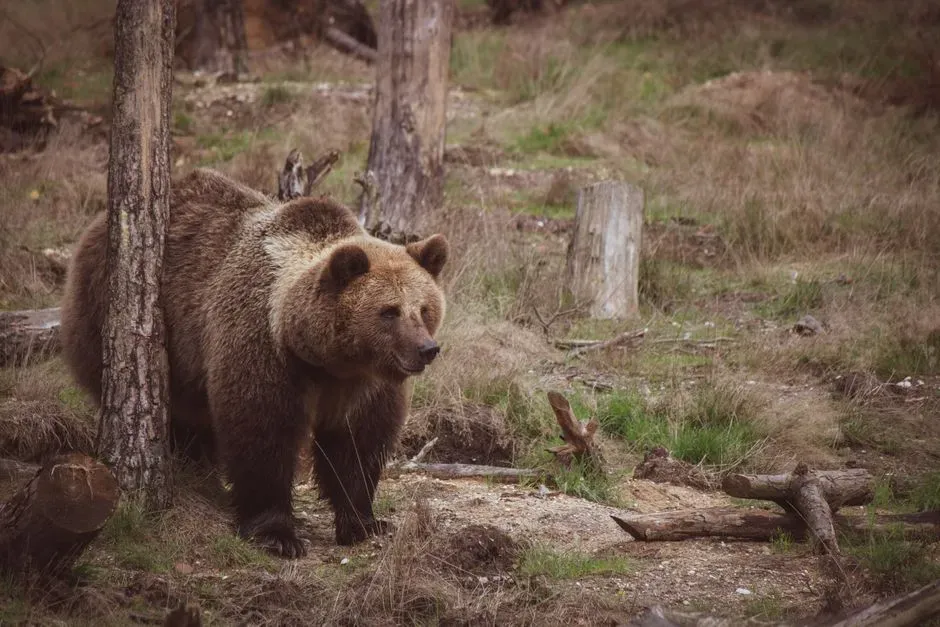
Once a bear decides you could be prey, it rapidly evaluates the situation like a hunter trying to pick the perfect angle on a target. Distance is critical: if you are close enough for a short, explosive rush, the risk and energy cost are low. If you are farther away, the bear has to decide whether a chase is worth it, especially if food is scarce or it is already tired. Your position on the landscape matters too; standing on flat, open ground is different from being on a steep slope, in thick brush, or near rocks that could slow the bear’s charge.
At the same time, the bear is watching how exposed and vulnerable you look. Are you alone or in a group that has bunched together and looks bigger? Are you upright, facing the bear, or turned sideways and edging away? Do you have a backpack on, which changes your profile and sometimes makes you look less like a typical four-legged prey animal? Even your posture – curled and cowering versus tall and firm – feeds into the bear’s quick calculation about whether this is an easy win or a risky fight.
Your Body Language Under the Microscope: Prey Signals vs. Threat Signals
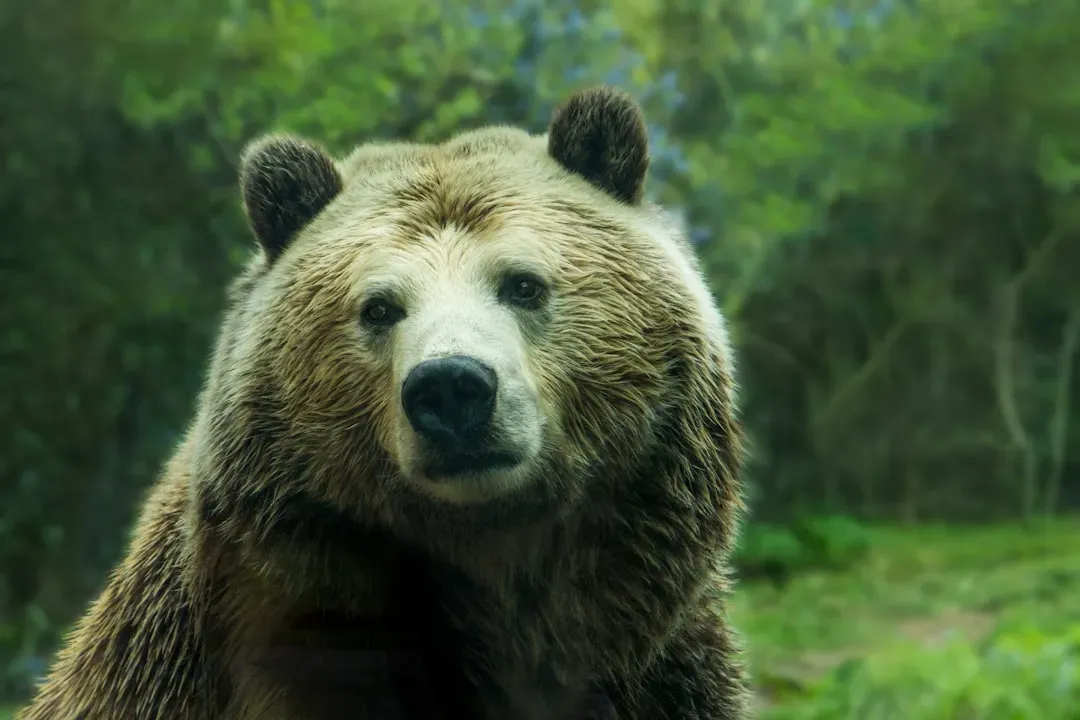
Predators, including bears, are experts at reading body language, even if you are completely unaware of what you are broadcasting. If you turn and run, you light up every instinct in that bear’s brain that says chase, the same way your dog reacts when a squirrel bolts. Sudden movements, high-pitched screams, and frantic flailing arms can make you look less like a confident, dangerous animal and more like panicked prey that will be easy to take down.
In contrast, facing the bear, standing your ground as best you can, and using a loud, steady voice sends a very different message. You are trying to flip the script in the bear’s head from “this is prey” to “this is a potential threat.” You do not want to challenge the bear with aggressive moves, but you do want to show that you see it, you are not collapsing, and you might be more trouble than you are worth. Think of it like bluffing in a card game: you are not stronger than the bear, but you can act like a much riskier bet.
The Predator’s Checklist: Scent, Sound, and Movement Cues
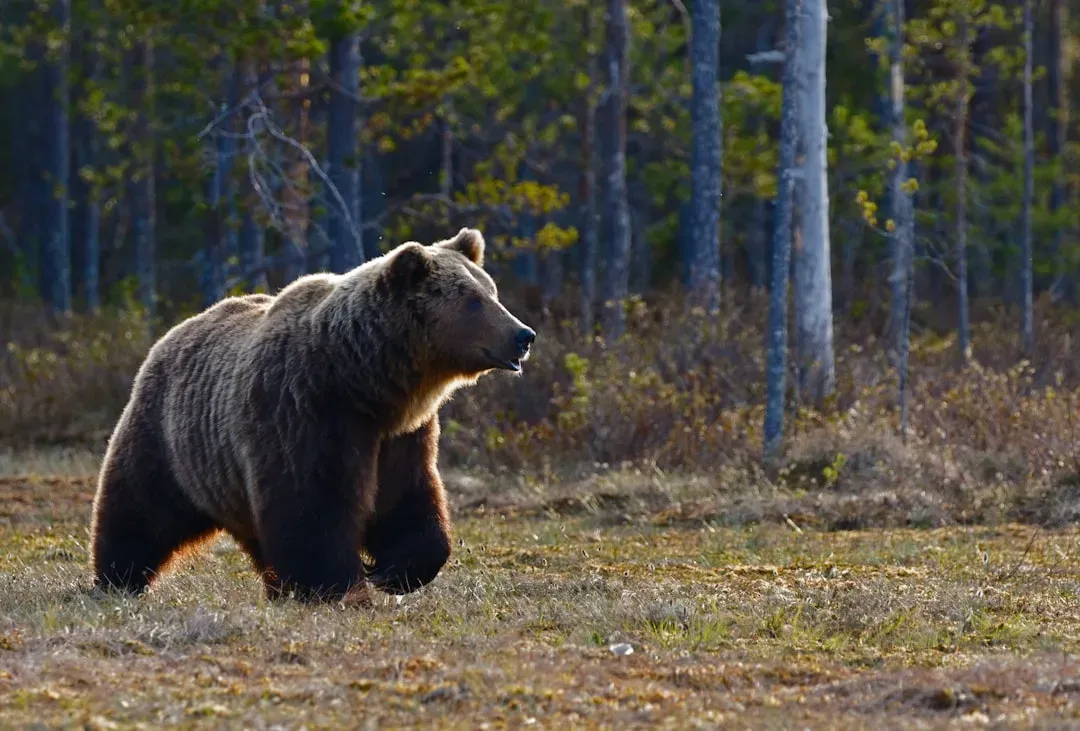
While all this is happening, the bear is pulling in information through its senses with surgical precision. Its nose is thousands of times more sensitive than yours, so it already knows a lot about you from your scent: your sweat, any food you have carried, even traces of things like bug spray or soap. It can smell if there is food reward nearby, like a campsite or backpack stash, which sometimes nudges a curious bear into a more predatory mindset if you seem like the easiest path to that reward.
Sound and movement finish the picture. Jerky, erratic movements mimic the way wounded or panicked animals behave, which can tip a hesitant bear toward attacking. On the other hand, slow, deliberate adjustments – backing away a few steps, shifting to get your bear spray ready – do not fit the script of wounded prey, and that can buy you precious moments. Even the tone of your voice matters; a steady, low voice is harder to confuse with distress calls that trigger predatory interest.
The Launch Window: What a Charging Bear Is Actually Doing

If the bear decides to commit, the next seconds are all about speed and power. A charging bear can cover ground far faster than you can sprint, so trying to outrun it on open terrain is like trying to outrun a motorcycle. The bear may drop its head, pin its ears back, and focus on a point on your body as it explodes forward, using a short, brutal burst of speed designed to end the encounter quickly. At this point, every step you take and every tool you use needs to be deliberate, not panicked.
Even during a charge, the bear may still be making micro-decisions, especially in the early moments. Some charges start as tests, where the bear wants to see if you will bolt or collapse. If you stand and deploy bear spray correctly when it is within range, you can flip the situation from a clean predatory run into a high-risk, painful mess for the bear. It then has to choose between plowing through burning eyes and lungs or breaking off and looking for easier food. Those are the seconds where your preparation – or lack of it – really shows.
Where Bear Spray and Human Choices Fit Into the Sequence
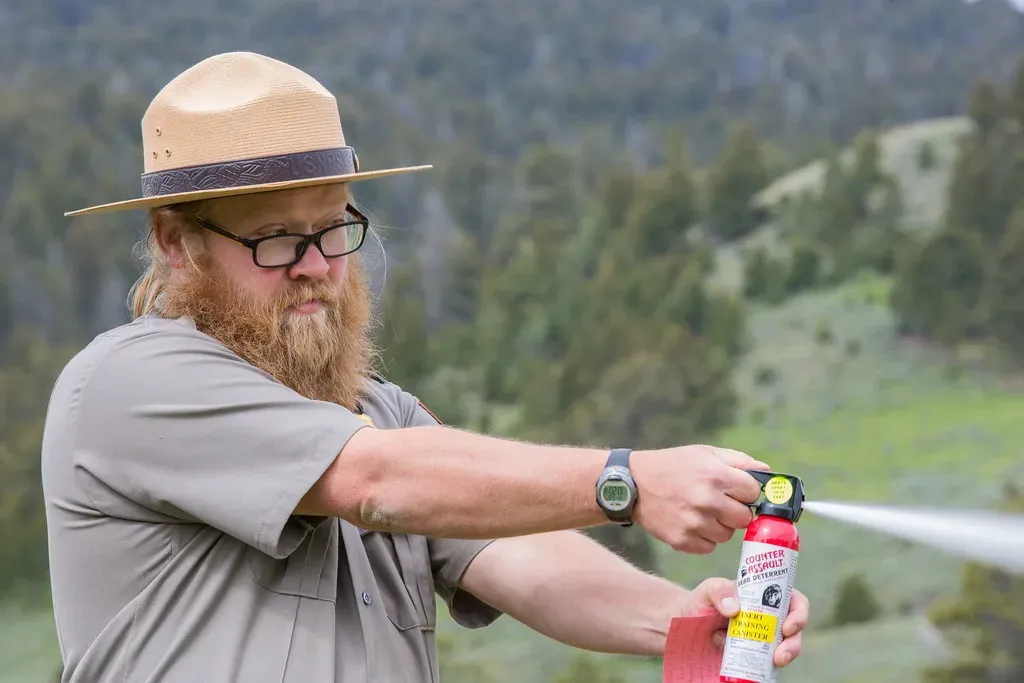
Bear spray is not magic, but in this ninety-second window, it can be the single most effective thing you have. The key is that you need it accessible and ready before the situation spirals. If it is buried in your pack or clipped somewhere you cannot reach under stress, it is basically decorative. When a bear decides you might be prey, your best move is to get the spray out, take off any safety tab, and keep it pointed generally toward the bear while you talk calmly and back away a little.
When the bear comes in close enough – usually a few steps from you, not far across a meadow – you aim slightly downward and create a drifting cloud that the bear has to run through. You are not trying to nail it like a target with a water gun; you are trying to put a burning wall between the bear and your body. At the same time, your voice, posture, and decision not to run are reinforcing the message that you are dangerous, not dinner. It feels impossibly fast and chaotic from your perspective, but from the bear’s side, it is just a rapid update to its risk-versus-reward calculation.
When Playing Dead Makes Sense – and When It Absolutely Does Not
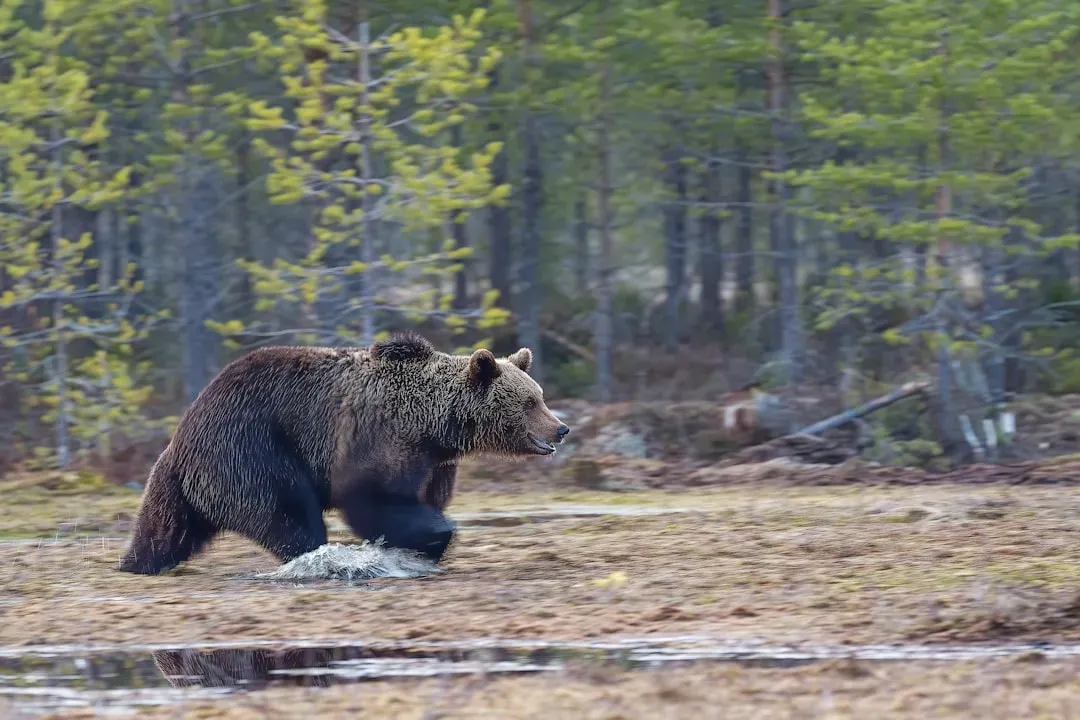
One of the most confusing pieces of advice you hear is to play dead, and in a predatory sequence that can be a deadly mistake. Playing dead is mainly used in certain defensive attacks, like when a grizzly is protecting cubs or a carcass and wants to neutralize you as a perceived threat. In a true predatory attack, especially by a bear that has approached quietly or followed you, acting like helpless prey only confirms its decision that you are food.
During the ninety seconds after a bear has locked on to you as prey, your goal is to convince it that this is a terrible business decision, not to make things easier. That usually means standing as long as you can, using spray if you have it, fighting back fiercely if contact happens, and going for the bear’s sensitive areas like the face and nose. In that kind of attack, playing dead is like lying down in front of a hungry lion; it fits the script of prey too perfectly. You have to break the script, even if it feels impossible in the moment.
Rewriting the Script Before It Starts: Prevention and Mental Rehearsal

The honest truth is that your best move in any bear encounter happens long before the bear ever decides you are prey. Traveling in groups, making noise in dense cover, storing food correctly, and learning to read bear body language all dramatically lower the chances that a bear will see you as a potential target. You cannot control everything in the wild, but you can avoid acting like a silent, solitary animal that blunders into a predator’s comfort zone.
Mental rehearsal is also more powerful than most people realize. If you picture yourself noticing a bear, stopping, facing it, getting your spray ready, talking calmly, and responding step by step, you are wiring those responses into your brain. Then, if the worst happens and a bear locks onto you as prey, you are not starting from a blank slate. You are following a script you have already walked through in your head. In a situation measured in seconds, that kind of preparation can be the thin line between panic and purposeful action.
Conclusion: Turning Terror Into a Playbook
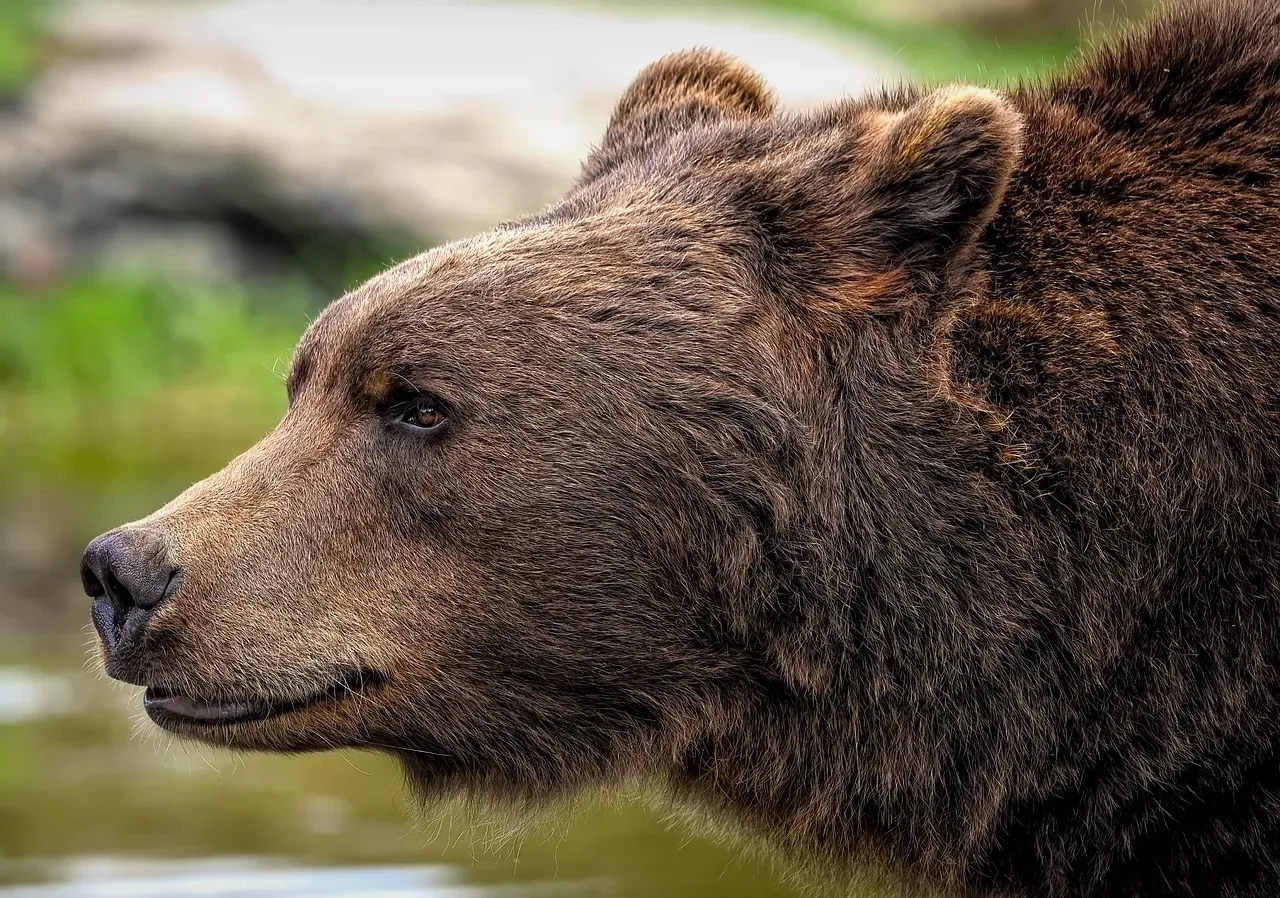
Understanding what happens in the ninety seconds after a bear decides you might be prey does not make the wilderness tame or safe, but it does change your role in the story. Instead of being a helpless character waiting to see what happens, you become an informed participant who knows what the bear is likely evaluating and how your choices can nudge that decision away from you. You still respect the animal’s power, but you also respect your own ability to respond with intention instead of pure fear.
When you next step into bear country, you carry more than gear; you carry a mental model of how predators think and how you can disrupt that process if it ever turns toward you. That knowledge will not erase risk, but it can turn blind panic into focused action at the very moment it matters most. If you ever face that chilling stare and feel time compress, will you remember that you still have a say in how those ninety seconds play out?