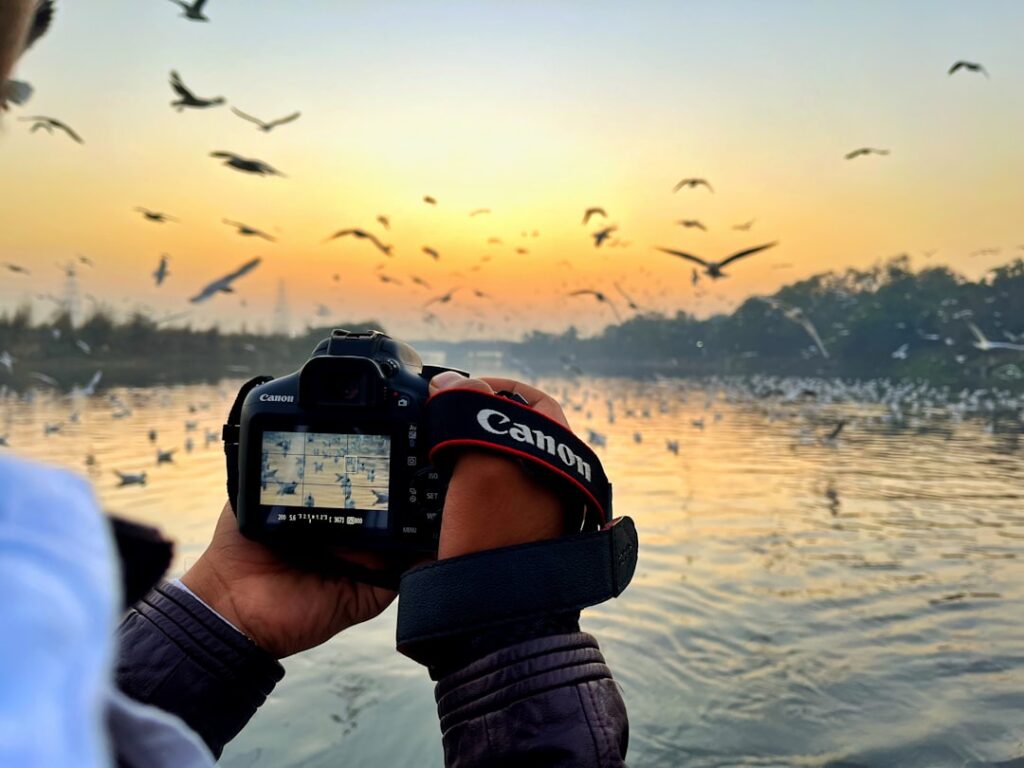

You know that heart‑racing moment when a falcon suddenly dives or a tern banks hard into the wind – and your camera just… wheezes and misses it? If you love birds, you already know that capturing them in flight is one of the toughest, most addictive kinds of photography you can try. It demands fast autofocus, a generous burst rate, and a body that does not get in your way when the action explodes out of nowhere. In this guide, you will walk through ten of the best cameras for right now, with a focus on real‑world use instead of just spec‑sheet flexing. You will see what each body does well, what to watch out for, and how it might actually feel when you are standing in the marsh at sunrise with cold fingers and a full memory card. By the end, you will know exactly which camera fits your style, your budget, and your feathered obsessions.
Sony A1 – The All‑Out Speed Demon
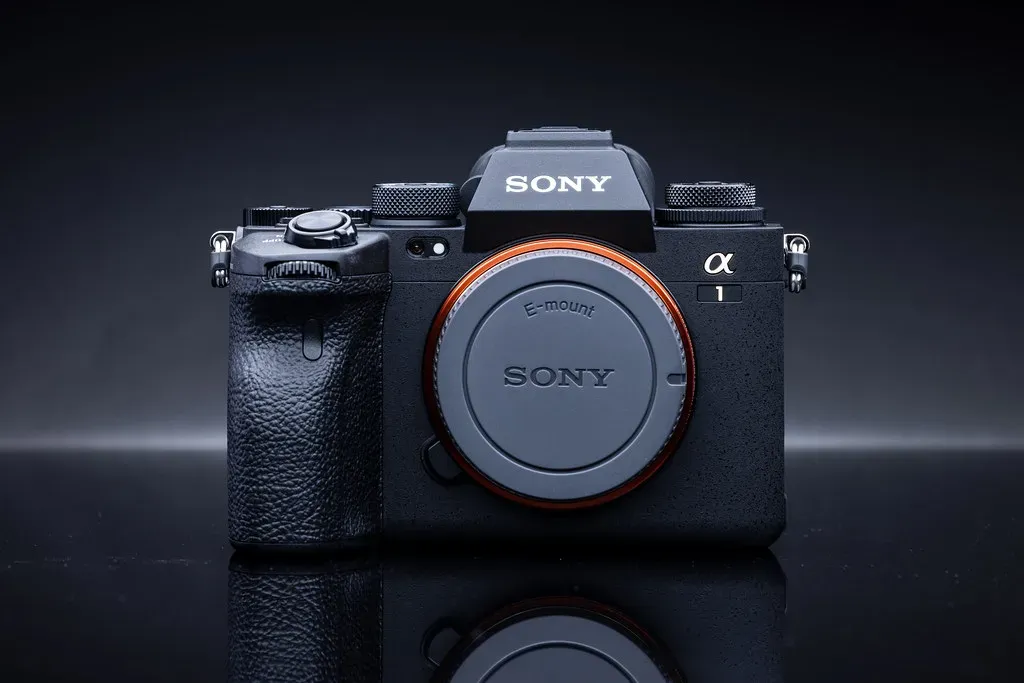
If you want a camera that basically never flinches, the Sony A1 is your top‑tier beast for . You are getting a high‑resolution full‑frame sensor paired with blistering burst speeds and some of the best real‑time subject tracking available right now. For fast, erratic birds – think swallows or terns – its subject detection and tracking can feel almost unfair, letting you keep your eye in the viewfinder instead of fighting the focus system. You also benefit from a huge buffer and blackout‑free shooting, which means you can keep panning smoothly without losing sight of your subject during a burst. The downside is obvious: this camera is expensive, and you will want fast, high‑quality lenses to really see what it can do. But if you are ready to go all‑in on bird photography and want a body that will not be your limiting factor for years, this is the one you aim for.
Sony A9 III – For Pure Action and Pre‑Capture Magic
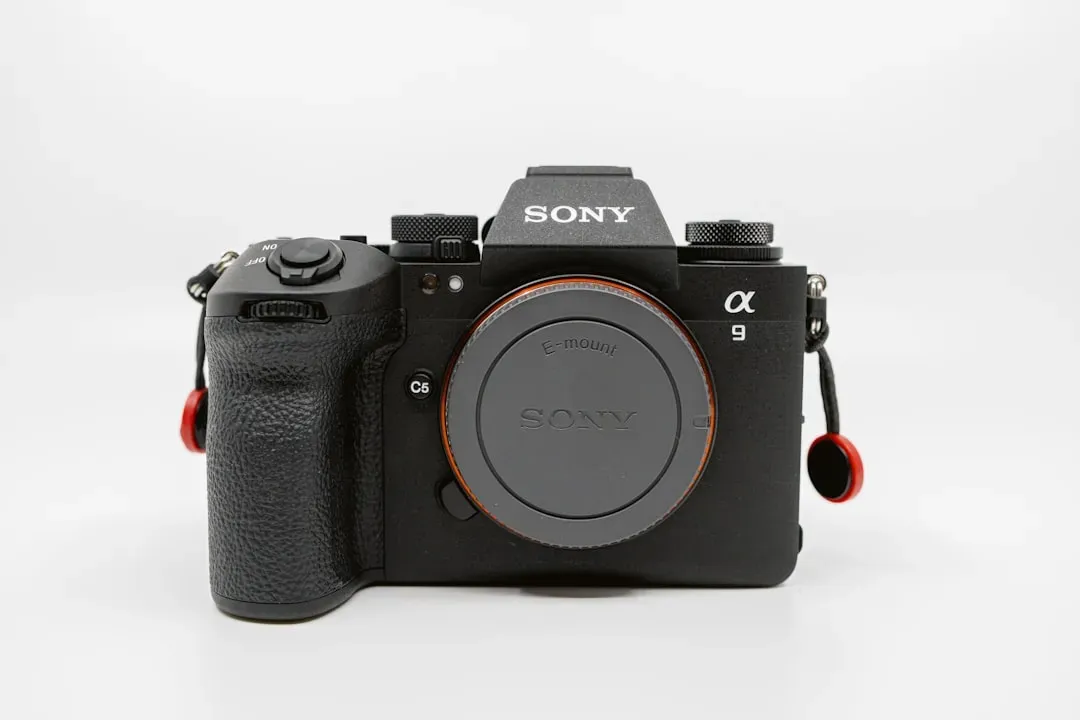
If you care slightly less about huge resolution and more about timing and speed, the Sony A9 III feels like it was built for fast‑moving wildlife. You get extremely rapid continuous shooting, deep buffers, and autofocus that locks on birds even against cluttered backgrounds like reeds or tree lines. This helps a lot when a bird cuts across the frame and you have barely a second to react. One standout advantage is pre‑capture or similar high‑speed modes, letting you record frames just before you actually press the shutter. That means when a heron finally takes off after you have been waiting for ages, you have a better chance of catching the exact wing stretch or water splash you were hoping for. If you like the idea of a camera that quietly forgives your slightly late reflexes, the A9‑series approach really works in your favor.
Canon EOS R3 – The Action Workhorse With Eye Control
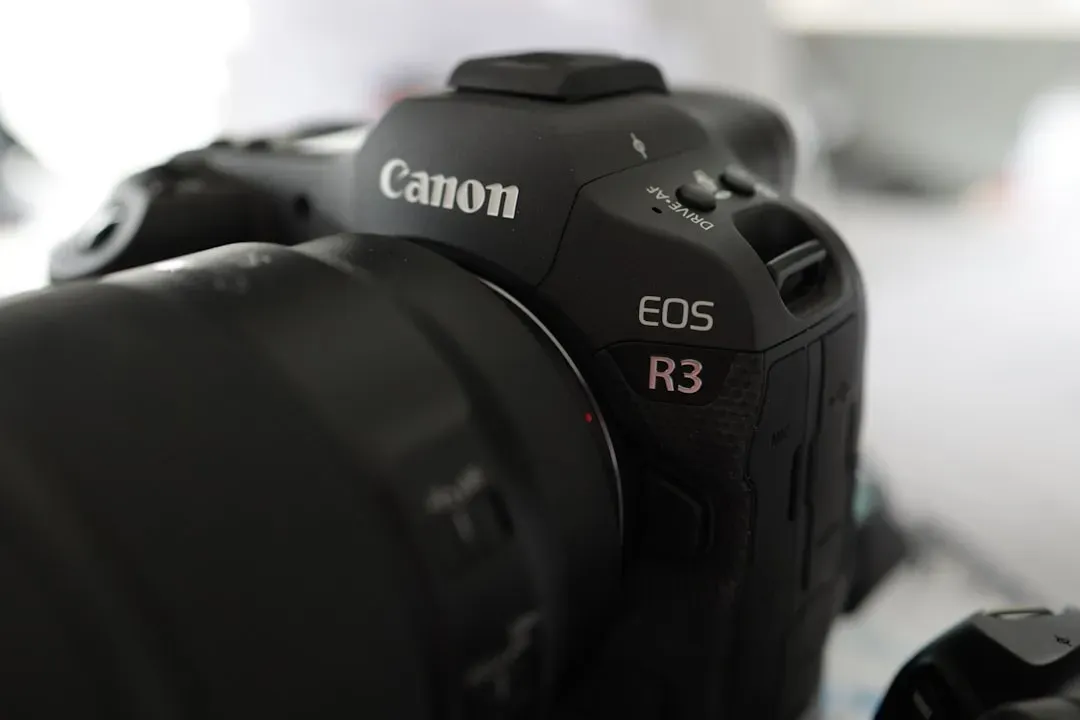
Canon’s EOS R3 is the camera you pick if you want rugged, dependable performance and a body that feels locked into your hands all day. For , its autofocus is quick, sticky, and smart about tracking birds against the sky or foliage, especially if you pair it with Canon’s fast RF telephoto lenses. You also get a high burst rate that makes it easier to capture the perfect wing position instead of relying on a single shot. One unique thing you may actually enjoy in the field is the eye‑controlled autofocus point selection. You literally look at the part of the viewfinder where you want to focus, and the camera helps you get there faster. It is not magic, and you will probably need to get used to it, but when a bird suddenly appears at the edge of your frame, that tiny head‑start can be the difference between a killer shot and another near‑miss.
Canon EOS R5 – High Resolution Without Totally Sacrificing Speed
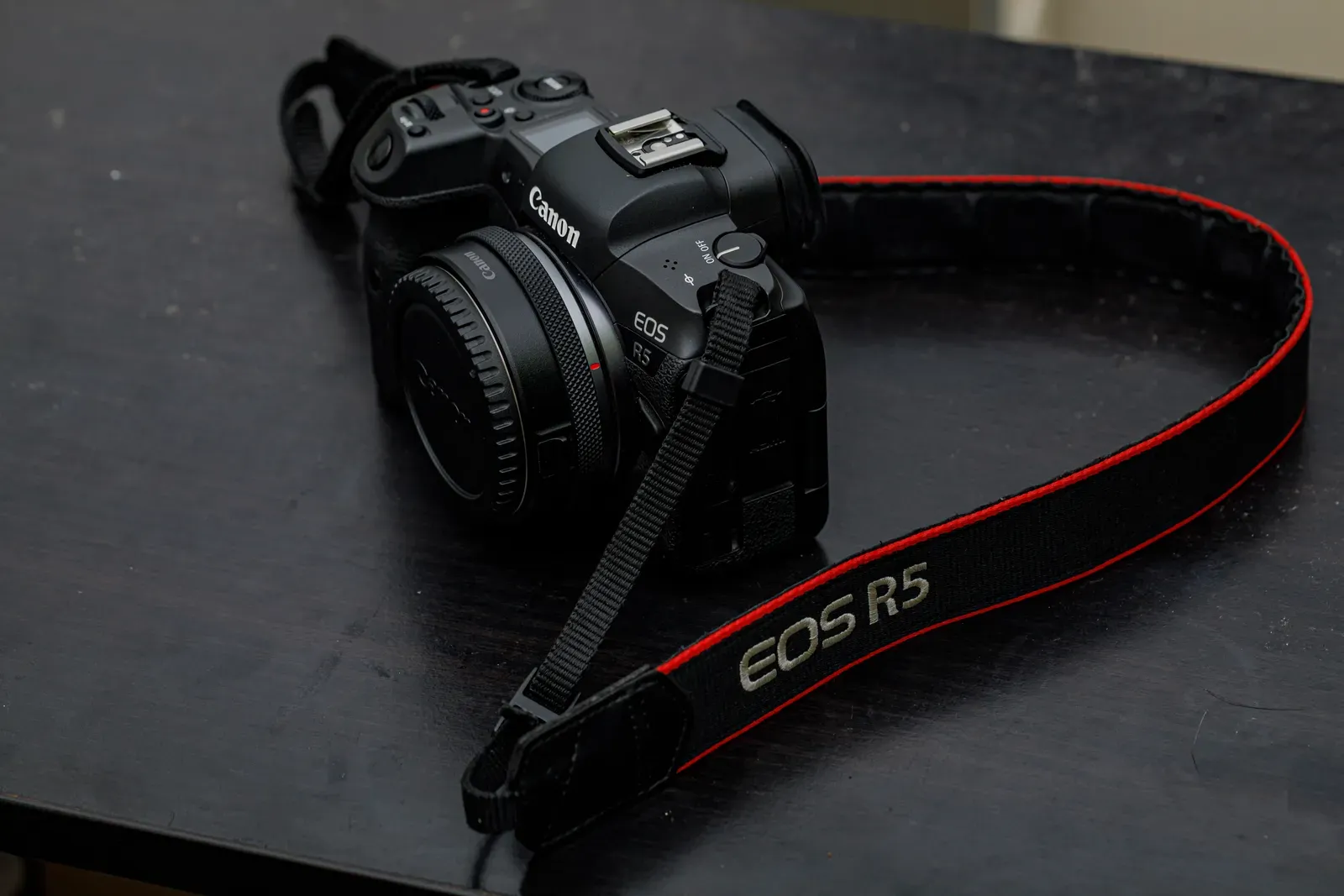
If you split your time between and more general wildlife or landscape work, the Canon EOS R5 gives you a really appealing mix. You are getting a high‑resolution full‑frame sensor, which means you can crop more aggressively when a bird does not fill the frame. For small, distant subjects like shorebirds or raptors soaring high, that extra detail buys you some forgiveness when you cannot physically get closer. At the same time, the R5 still offers a solid burst rate and reliable animal‑detection autofocus, so you are not trading away too much speed to get that resolution. If you shoot raw and give yourself a bit of buffer discipline – shorter bursts instead of spraying randomly – you will find it more than capable of handling most birds‑in‑flight situations. It is a great option if you want one camera that can genuinely do a bit of everything at a high level.
Nikon Z9 – Flagship Power for Serious Birders
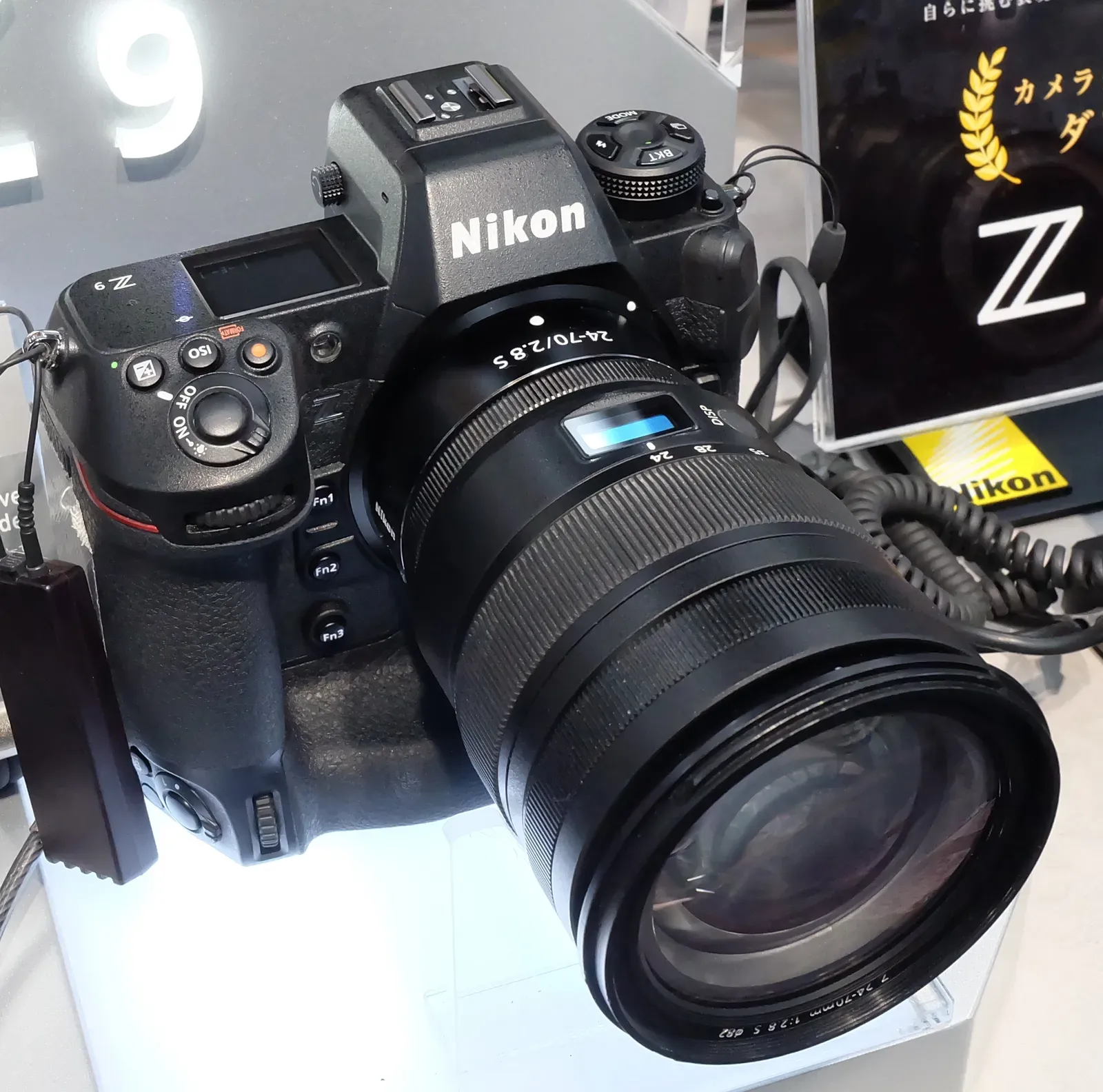
Nikon’s Z9 is a tank in the best possible sense: tough, heavy, and clearly built to live out in the elements with you. For , you are getting fast continuous shooting with no mechanical shutter, strong subject tracking, and solid bird detection that keeps your subject in focus as it weaves and turns. The huge battery and integrated grip mean you can shoot long days in the field without constantly watching your battery icon. On the downside, it is not a small camera, and you will feel the weight when you hike into remote spots with a big telephoto attached. But if you are used to pro‑level DSLRs, you may actually find it more balanced and reassuring than a tiny mirrorless body. Paired with Nikon’s modern long lenses, the Z9 turns into a serious bird‑in‑flight machine that you will likely keep using long after the next round of spec‑sheet hype comes and goes.
Nikon Z8 – Z9 Performance in a More Manageable Body
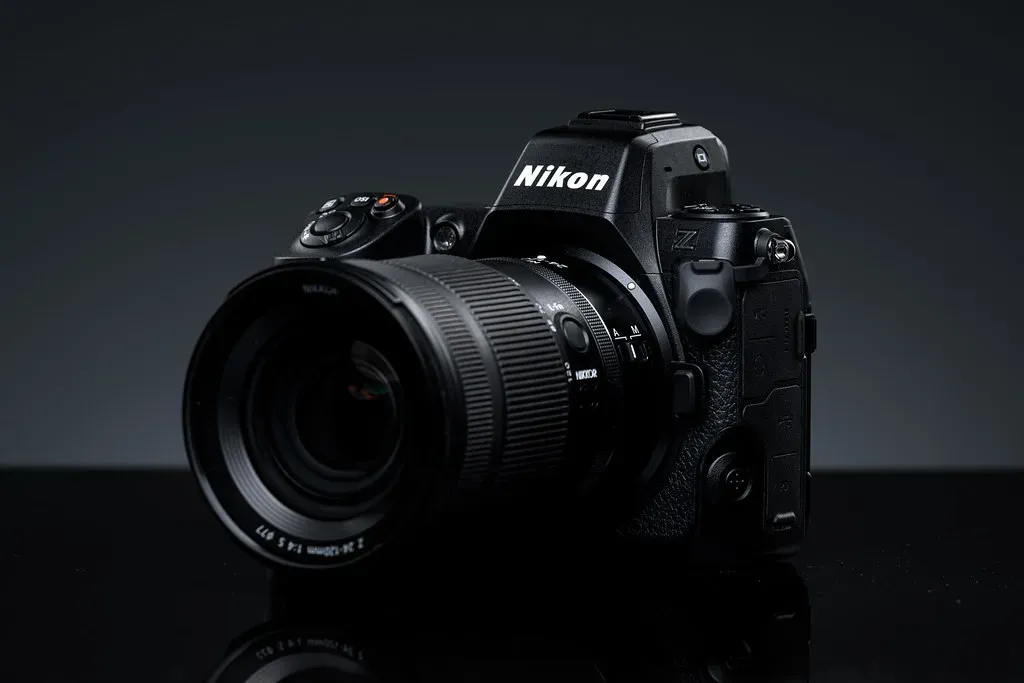
If you like almost everything about the Z9 but do not love the bulk, the Nikon Z8 gives you very similar autofocus, burst performance, and image quality in a smaller package. For , that makes a big practical difference when you are handholding a telephoto lens for long stretches, especially if you like to shoot from boats, hides, or uneven ground. Your arms and shoulders will thank you when you are two hours into tracking gulls in strong wind. You still get rapid electronic shutter shooting, advanced subject detection, and excellent tracking across the frame, which makes it easier to keep erratic birds locked in focus. The slightly smaller body does mean shorter battery life compared to the Z9, but if you carry spare batteries, that is usually a fair trade‑off. If you are an enthusiast or even a working photographer who wants flagship‑level performance without flagship‑level bulk, the Z8 hits a sweet spot.
OM System OM‑1 Mark II – Lightweight Reach Champion
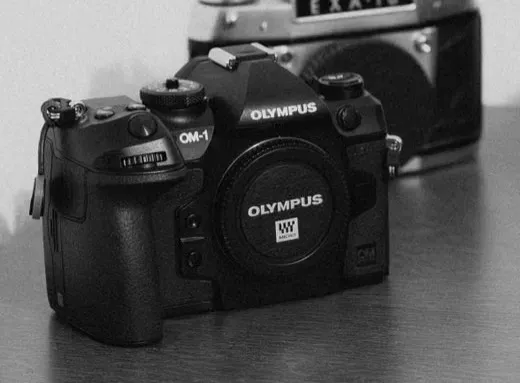
When you care more about flexibility and reach than full‑frame prestige, the OM System OM‑1 Mark II (Micro Four Thirds) can be a game‑changer. Because of the smaller sensor, your telephoto lenses effectively feel longer, which is very handy when you are trying to frame small birds that never come quite as close as you would like. Add the camera’s strong burst rate and sophisticated subject detection, and you are suddenly nailing shots that felt out of reach before. Another huge advantage is the weight. You can carry the OM‑1 Mark II with a long zoom all day without the same fatigue you get from a hefty full‑frame kit. That matters when you are hiking up hills, slogging through mud flats, or just spending sunrise to sunset at a migration hotspot. If you value portability, reach, and advanced computational tricks like high‑speed modes and clever stabilization, this system starts to look very tempting.
Fujifilm X‑H2S – APS‑C Speed With a Colorful Personality
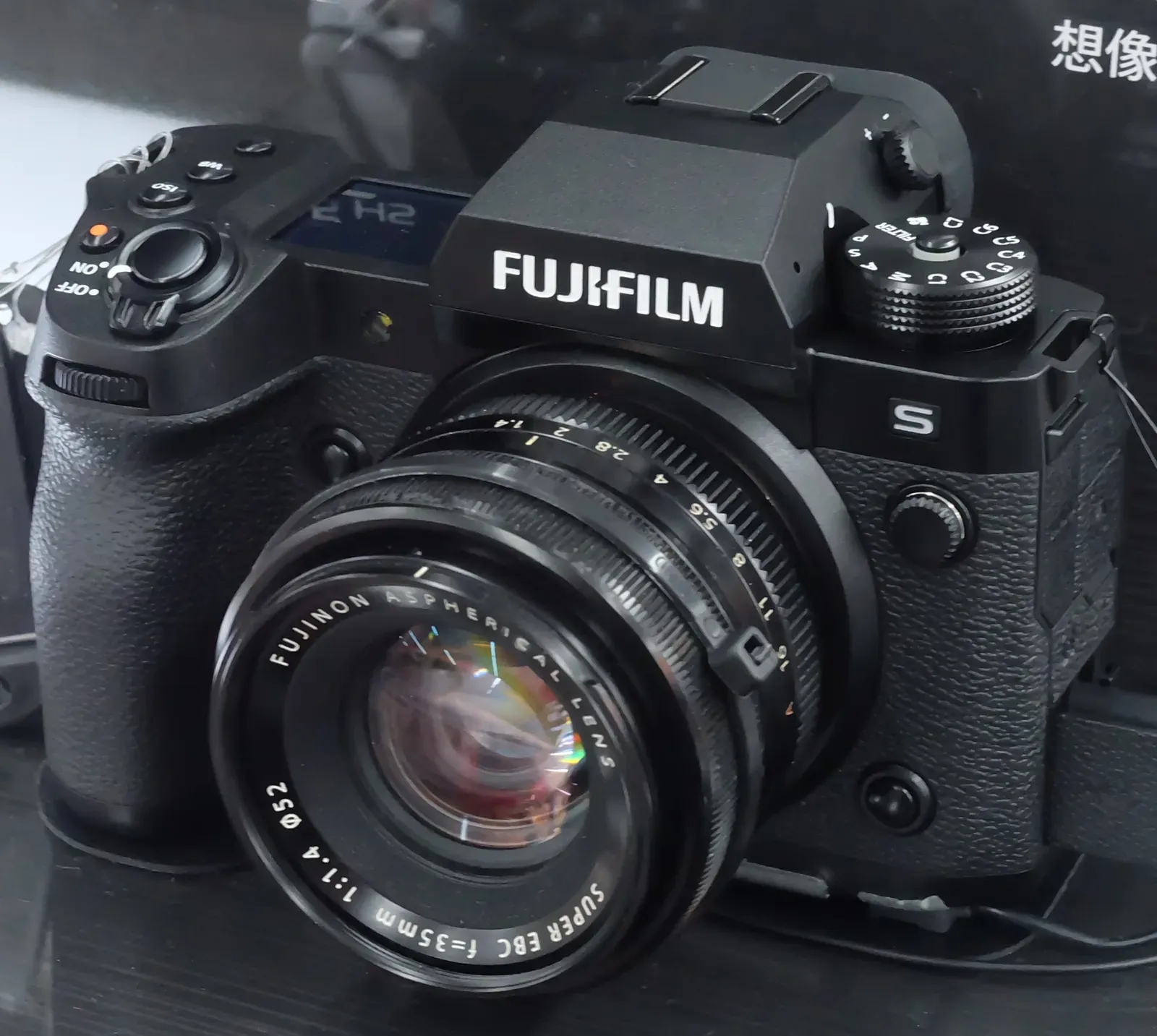
If you like the idea of a smaller APS‑C sensor but want a body genuinely built for speed, the Fujifilm X‑H2S gives you a lot to work with. Its stacked sensor allows fast readout and high burst rates, which really helps reduce rolling issues and lag when panning with fast birds. The autofocus system has grown into a serious contender, especially when it comes to tracking birds across the frame and holding focus through sudden direction changes. You also benefit from Fujifilm’s growing lineup of telephoto lenses, which pair nicely with the APS‑C crop to give you generous reach without absurd size and weight. On top of that, if you enjoy color straight out of camera for quick sharing, the film‑inspired profiles make your bird shots visually pleasing without a ton of editing. If you want something that feels a bit different from the big two brands but can absolutely keep up in the field, this is worth a hard look.
Sony A6700 – Compact APS‑C Powerhouse for Travelers
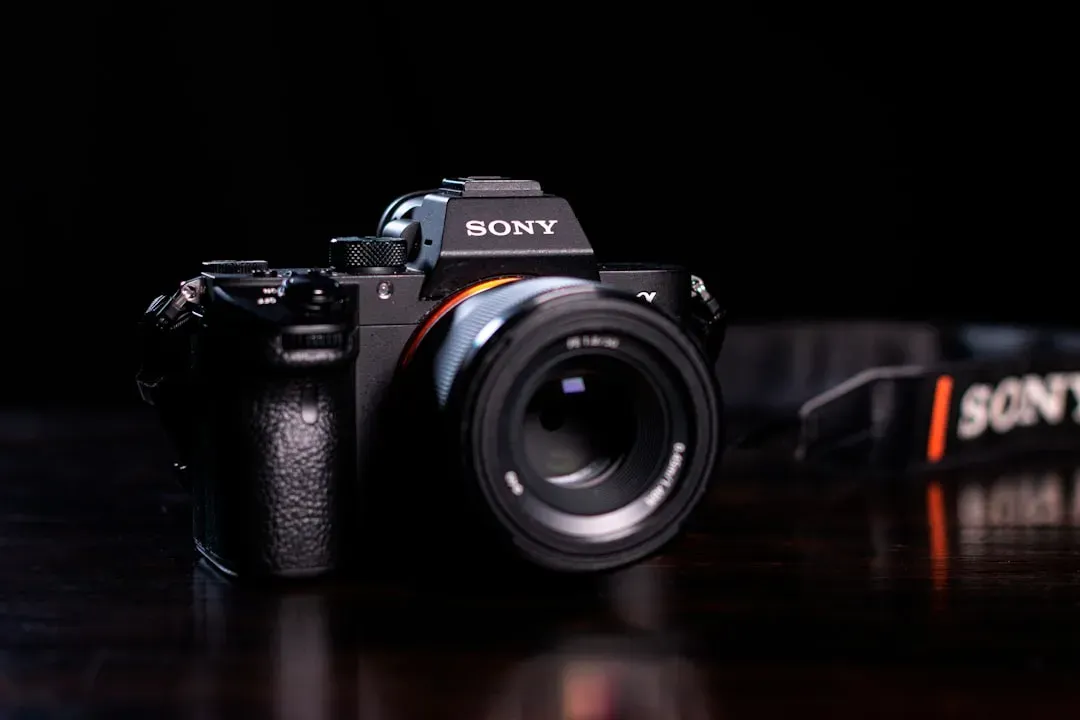
When you want serious autofocus in a body that disappears into your bag, the Sony A6700 hits a sweet spot. You inherit a lot of Sony’s best subject‑tracking tricks, including solid bird detection, in a compact APS‑C package. That means your telephoto lenses effectively feel longer, giving you extra reach on distant raptors or shorebirds without having to buy a monster lens. You will not get the same buffer depth or raw horsepower as the A1 or A9‑series, but for many birders and travel photographers, the weight savings are a bigger deal. This camera makes it easier to always have a capable body with you on hikes, trips, or casual outings, so you miss fewer unexpected flight shots. If you are just getting serious about and want a modern, relatively affordable body that can grow with you, the A6700 is a very smart place to start.
Canon EOS R7 – Budget‑Friendly Crop Body Built for Speed
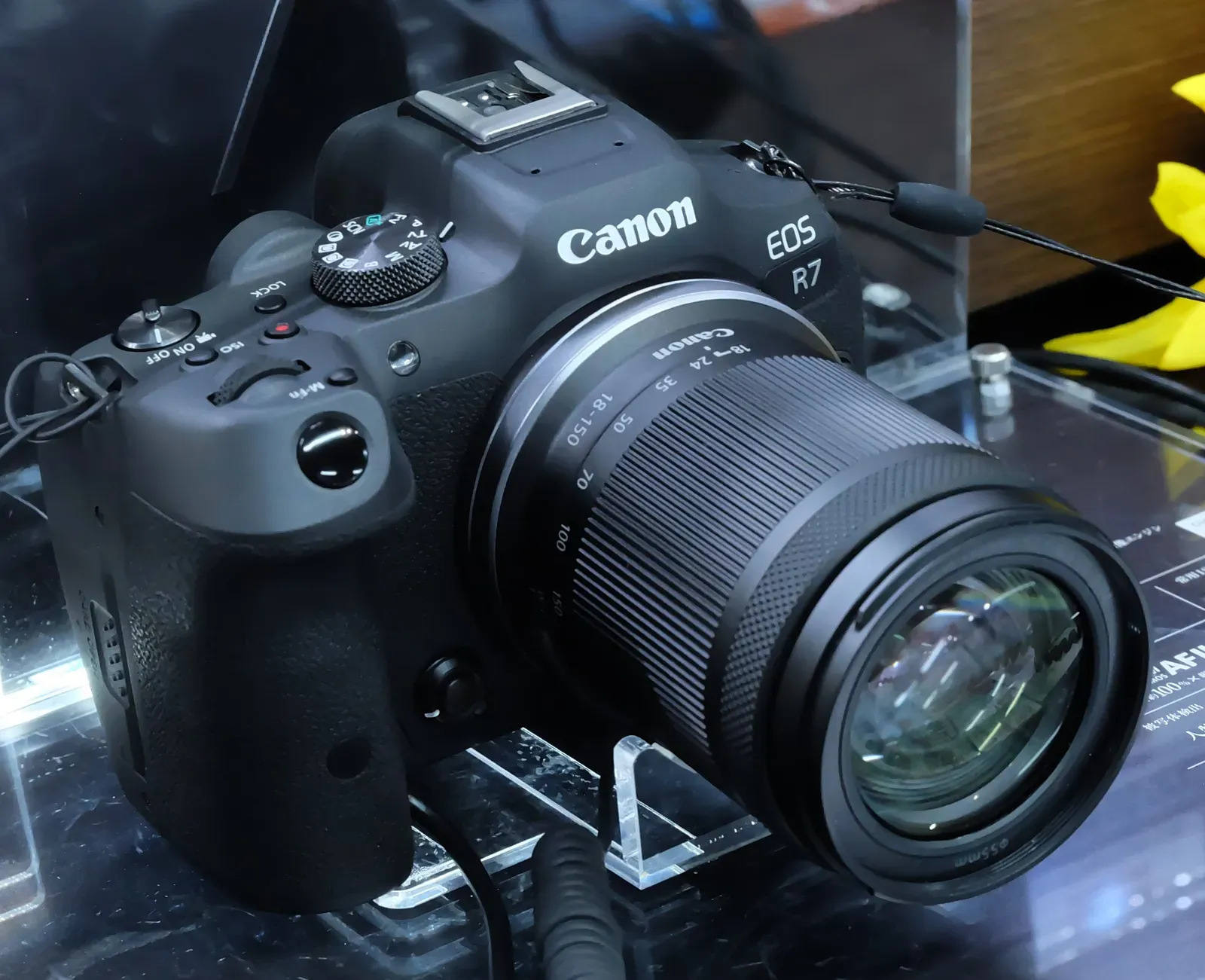
If you are on the Canon side and want something more approachable than the flagship bodies, the EOS R7 gives you a fast APS‑C option tailored to action shooters. You get a generous burst rate, solid animal‑detection autofocus, and the advantage of the crop sensor for extra perceived reach. For many birders, that combination means you can pair it with more modest lenses and still fill the frame with small, skittish subjects. Because it sits at a more affordable price point, you can put more of your budget into lenses, which often matters more than chasing the most expensive body. You might, for example, combine the R7 with a relatively lightweight telephoto zoom and still handhold comfortably for long periods. If you are upgrading from an older DSLR and want a modern mirrorless experience that is genuinely good for without wrecking your bank account, this camera deserves serious consideration.
Conclusion: Matching the Camera to Your Birding Reality
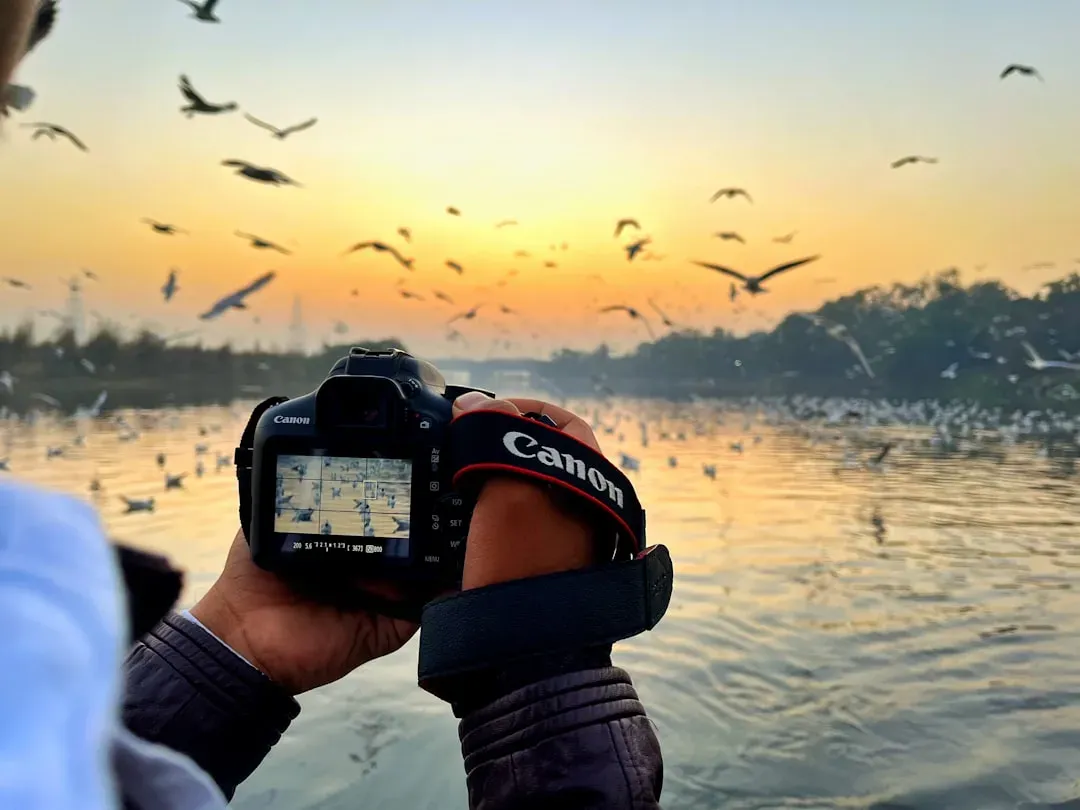
When you strip away the marketing, every camera in this list can capture breathtaking birds‑in‑flight images – but only if it fits how you actually shoot. If you hike long distances or travel a lot, a lighter APS‑C or Micro Four Thirds body may serve you better than a heavy flagship. If you live for that one perfect split‑second when everything lines up, the high‑speed monsters might be worth every ounce and every dollar. Your real advantage is not just specs, but how comfortable and confident you feel with the camera in your hands when a bird suddenly explodes into the air. Whichever body you choose, pair it with good glass, practice your panning and anticipation, and accept that missed shots are part of the game. The magic is in those few frames where everything works and you finally freeze wild, living air in front of you – so which of these cameras feels right for the way you want to chase that moment?