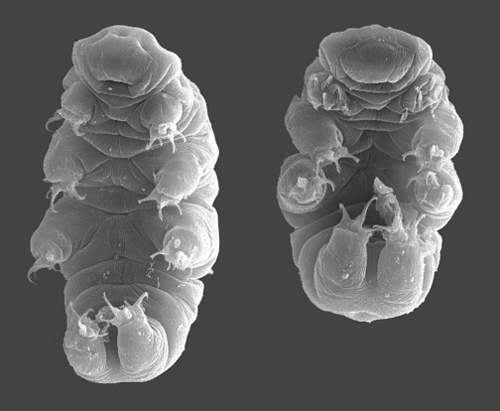
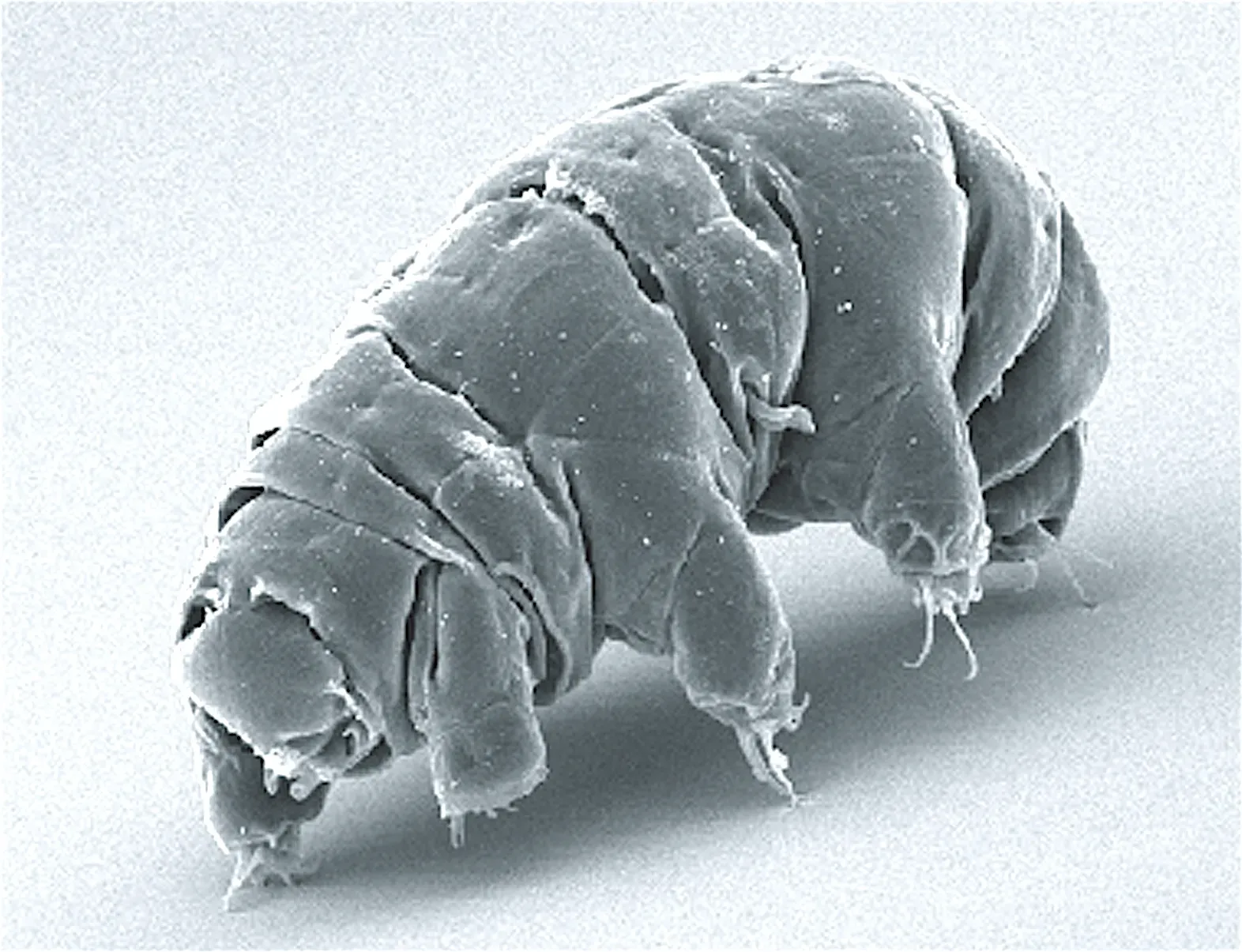
You have probably heard the rumor: tiny “water bears” drifted in the vacuum of space for more than a year, then woke back up like nothing happened. The real story is more subtle, more awe‑inspiring, and honestly more useful for you as someone trying to understand what life can really endure. Space agencies have indeed exposed tardigrades to outer space, sometimes for months at a time, and then revived them to see what survived, what broke, and what healed. The surprise is that the most important discoveries were not about whether the animals lived or died, but about how their cells rewrote the rules for surviving the impossible. When you dig into the actual data from European Space Agency gondolas, NASA experiments on the International Space Station, and years of follow‑up lab work, you find a pattern that is almost more science‑fiction than the “space bear” memes. Tardigrades did not just tough it out and shrug off space; they came back scarred, repaired themselves, and in some cases passed on their resilience to their offspring. That twist – the way their biology responds after revival – is where the real story lies, and it is not what most of those missions originally set out to test. —
The Reality Behind “A Year in Open Space”
You might picture a bag of tardigrades bolted to the outside of a spacecraft for more than a year, drifting in naked vacuum, then dropping back to Earth to shuffle around happily under a microscope. In reality, the best‑documented open‑space exposure experiments have lasted days to many months, and often combine stretches of direct exposure with periods of shielding or storage in orbit. European Space Agency experiments on missions like FOTON‑M3 showed that dehydrated tardigrades could survive ten days of true open space – full vacuum, radiation, and even intense solar ultraviolet – and then be revived on Earth with a decent survival rate. Later exposure facilities outside the International Space Station extended this idea, keeping various organisms, including tardigrades and lichens, in space for months at a time to probe what long‑term survival might look like.
For you, the key detail is this: tardigrades can remain in a dry, dormant “tun” state for years back on Earth, and that built‑in pause button is what lets them stretch their tolerance into the time scales used in orbit. When you hear claims about “over a year in space,” you are usually seeing a mash‑up of several facts: how long they can stay dried out on Earth, how long samples spent attached to an exposure platform, and how long they lasted stored on station or in transit. The headline is dramatic, but the real lesson is even more interesting: as long as these animals are allowed to dry into their tun state and kept cold and dark enough, they can ride out absurdly long stretches with almost no metabolism, including in orbit, and still come back to life once you add water again.
—
What The Missions Actually Wanted To Test
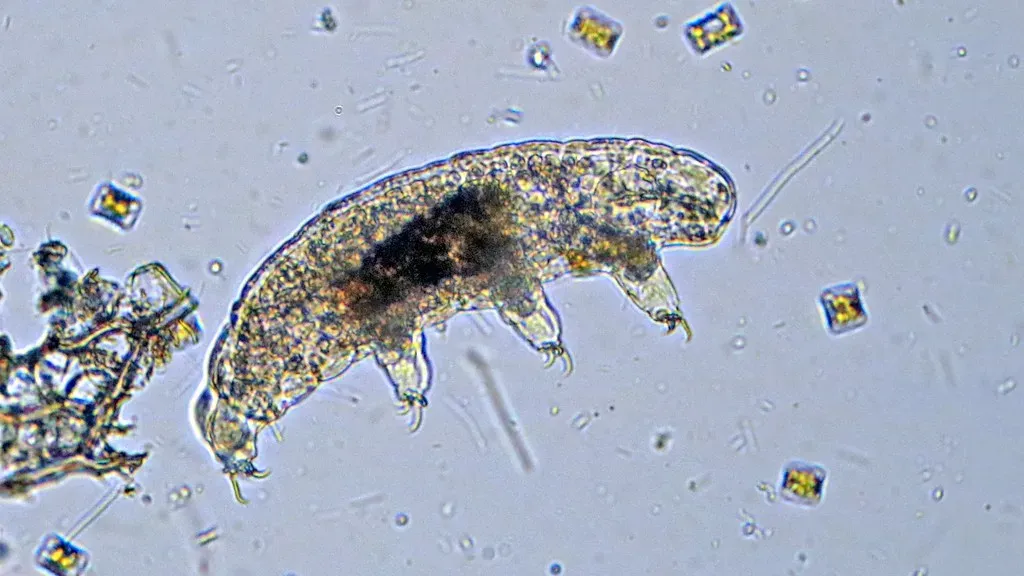
Those space missions were not originally designed to discover “indestructible animals.” When you look at the planning documents and scientific goals, you see something much more down to Earth: researchers wanted to know how life might travel between planets, how to protect spacecraft from contaminating other worlds, and how to keep astronauts healthier on long journeys. Tardigrades were chosen because you can culture them in a small lab, dry them into a tun, and realistically push them to the edge of survivability without needing a huge life‑support system. For you as a curious observer, that means the water bear is basically a test dummy for biological catastrophe, one that can tell you where the real limits are instead of where you assume they are.
NASA’s more recent ISS experiments went even further, treating tardigrades as a living toolkit for understanding how cells respond to prolonged stress in microgravity. Instead of just asking “Do they live or die?” researchers started asking which genes they flip on and off, which proteins flood their cells, and how their internal chemistry reorganizes under weeks or months of cosmic stress. The mission designs focused on gene expression, antioxidant systems, and damage‑repair pathways, not on long‑term open vacuum itself. In other words, the official plans were about molecular survival strategies. The shocking headlines about year‑long space exposure came later, when people realized just how far those strategies might be pushed.
—
The Shock Came After Revival, Not During Flight
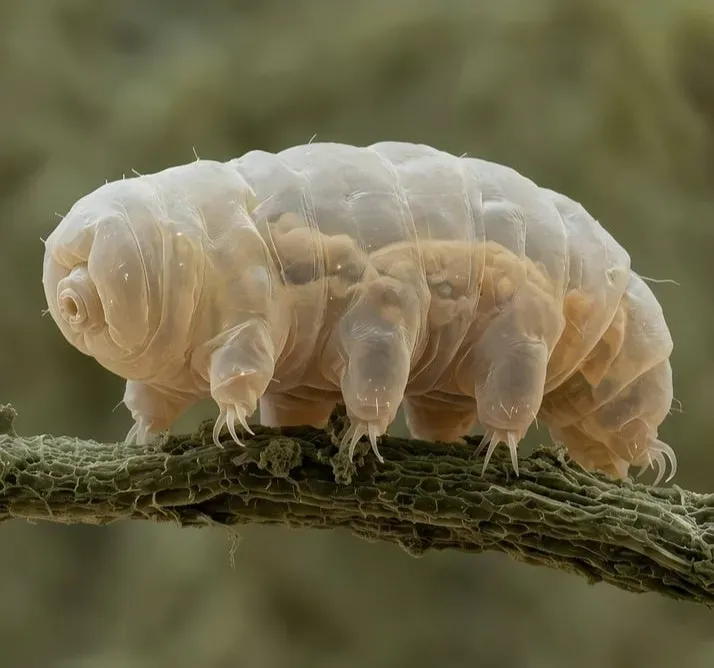
Here is where the story really twists in a way you might not expect: the wildest data showed up after the tardigrades were brought back and revived, not while they were floating in orbit. Once scientists rehydrated the tiny animals, some walked away almost as if nothing had happened, but others woke up with heavy DNA damage, scrambled proteins, and stress signals firing through their cells. In several space‑exposure experiments, survivors still managed to reproduce, and their offspring were viable, even when the parents had been subjected to radiation doses that would have been fatal to most other animals. For you, that means the question quietly shifted from “Can they live?” to “How on Earth did they pull that off?”
When those revived specimens were analyzed, researchers started seeing an overactive repair culture inside their cells: DNA breaks patched up, oxidative damage scrubbed out, and stress‑response genes humming like a backup engine after a crash landing. The mission designs had often focused on basic survival statistics, but what emerged was an unplanned crash course in post‑catastrophe healing. You learn from this that the real superpower of tardigrades is not that they ignore damage – it is that they tolerate it and then methodically clean up the mess once conditions improve. That discovery was not the original headline goal, yet it is the result that now drives many of the follow‑up studies.
—
The Secret Weapons: Tun State, Glassy Cells, And Molecular Shields
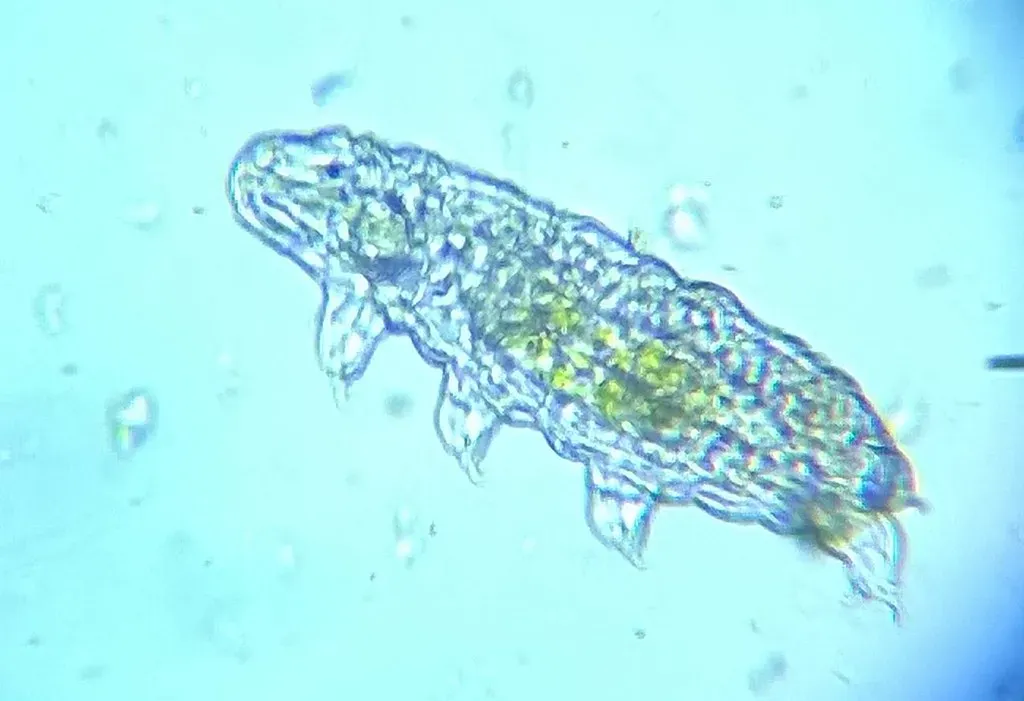
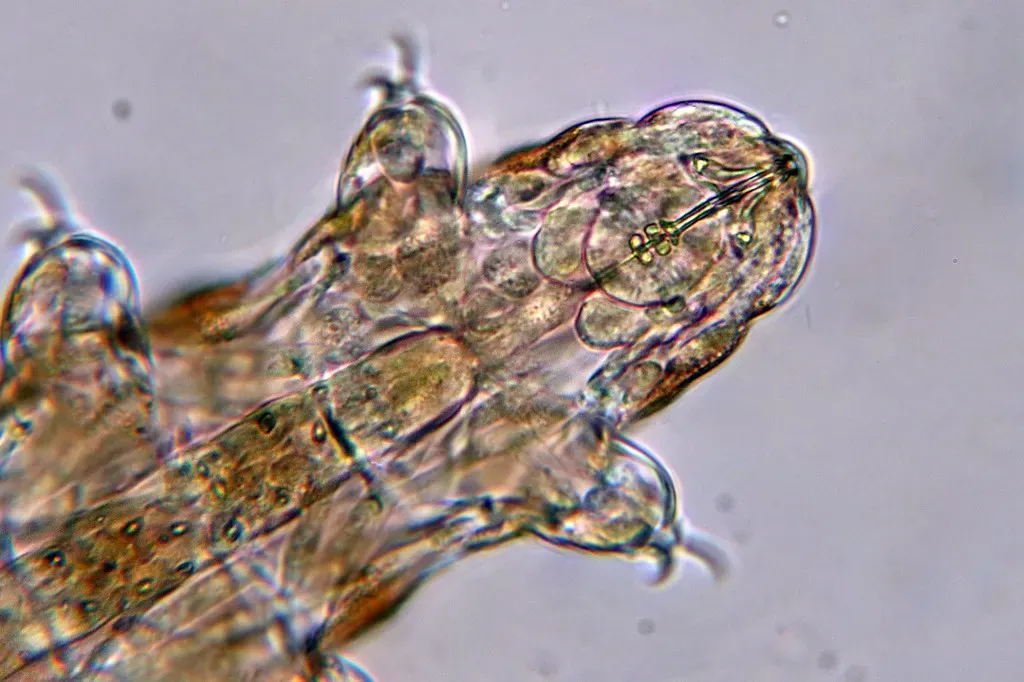
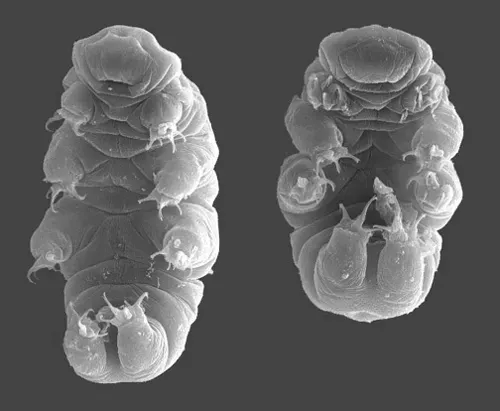
If you want to understand how anything can ride out months of cosmic radiation and vacuum, you have to start with what tardigrades do on Earth. When they dry out, they curl into a tun, squeeze out almost all their water, and let their metabolism fall to a whisper. Inside that tun, their cells pack themselves with special molecules, including sugar‑like compounds and unique proteins that help form a kind of microscopic glass. For you, it helps to picture it like this: instead of being a bag of water and jelly, a dehydrated water bear is more like a tiny, flexible crystal, where sensitive parts are frozen in place so they do not shatter under stress.
NASA‑funded studies and other lab research identified proteins that seem almost tailor‑made to tackle space‑style hazards. Some act like molecular bubble wrap, keeping essential structures from unfolding; others help sweep away reactive oxygen species that build up when radiation rips through molecules. When tardigrades are brought back from space and rehydrated, these systems kick into reverse: the glassy matrix softens, metabolism ramps up, and a whole suite of repair and cleanup tools gets to work. For you, the surprising part is that space missions originally meant to map “how much can they take” ended up revealing this much richer choreography of pause, shield, and repair – and that choreography is now what engineers and biologists are trying to copy for other uses.
—
Why Tardigrades Are Changing How You Think About Astronaut Health
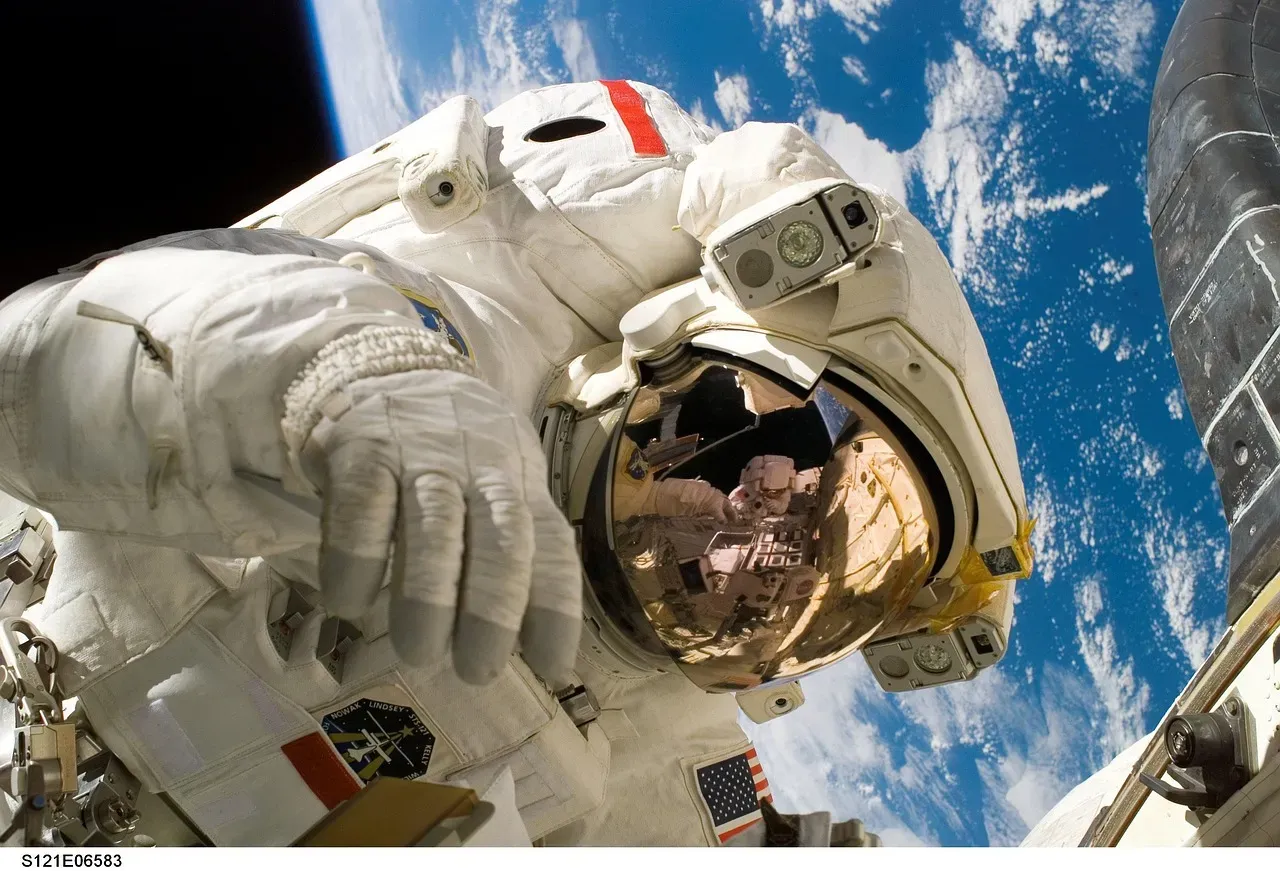
You might assume that astronaut protection will always be about metal, plastics, and clever shielding tricks, but tardigrades are nudging that picture in a different direction. NASA has flown live cultures of these animals on the International Space Station specifically to watch which genes flip on when they face microgravity, radiation, and limited resources. The goal is not to turn astronauts into human water bears, but to learn which natural molecules and genetic switches are most effective for dealing with long‑term stress. For you, that opens real possibilities: medicines inspired by tardigrade proteins, food and pharmaceuticals packaged using the same glassy stabilization tricks, or even crops engineered to push through droughts by borrowing similar strategies.
When scientists studied revived tardigrades after spaceflight, they noticed that some of the same protective systems that saved them in orbit would be handy for a Mars mission, an interplanetary voyage, or even just a months‑long stay on a lunar base. High‑efficiency DNA repair, powerful antioxidant defenses, and stress‑tolerant cell architecture are useful anywhere humans face continuous low‑level harm. Instead of building thicker and thicker armor, you may see future space medicine lean into tardigrade‑style resilience: accept that damage happens, and design biology that can clean it up fast. That shift in mindset grew directly out of those revival studies, which had not originally been the missions’ top priority.
—
From Planetary Protection To Panspermia: The Big “What If”
Another surprising place where tardigrade data matter to you is in the debate over how life might spread between worlds. When you learn that dehydrated animals can survive days of full exposure in orbit and months under partial shielding, you have to ask whether spores, microbes, or even simple multicellular life could hitch rides on rocks or spacecraft. Space agencies use tardigrades and other hardy organisms to test exactly that: how likely is it that Earth life could contaminate Mars, icy moons, or asteroids, and what does that mean for interpreting any future discovery of alien biology? The missions exposing tardigrades to real space conditions were partly about making sure you do not fool yourself later by accidentally seeding another world.
On the more speculative side, those same results feed into the old idea of panspermia, where life or its building blocks might travel between planets or even star systems. Tardigrades are not a perfect stand‑in for every microbe, but they give you a concrete, measurable example of how far complex cells can be pushed before everything falls apart. When revived specimens come back with viable offspring after brutal radiation exposure, you get a tiny, real‑world proof that life can take a beating and still move forward. That does not prove that life hopped to Earth on a meteor, but it forces you to keep that door open a little wider than you might have before these experiments flew.
—
What This Means For Life’s Limits Here On Earth

Even if you never care about Mars, Moon bases, or astrobiology, tardigrades in space quietly change how you think about life’s limits right here at home. You have probably grown up with a picture of living cells as fragile bubbles, easily popped by heat, cold, or radiation, and that view is still mostly true for you and every plant or pet you know. But when you realize a microscopic creature can dry out, float in orbit, soak up more radiation than a human body could ever tolerate, and still wake up and reproduce, the usual mental map of “safe” and “deadly” environments stops being so simple. The experiments exposing tardigrades to months of space conditions reveal that the line between those two zones is blurry and depends a lot on timing, dormancy, and repair.
That has practical fallout far beyond space missions. If tardigrades can package their cells for hibernation and later bring them back online, there may be lessons for preserving vaccines without refrigeration, storing seeds for decades, or even someday pausing human tissues and organs for long‑distance transport. When you watch how revived space‑flown specimens repair and reboot, you are really watching a masterclass in biological time travel: shut almost everything down, survive the storm, then calmly rebuild. The missions were not designed to test organ banking or agricultural security, but the revived animals ended up pointing in those directions anyway.
—
How To Keep The Story Straight Without Killing The Wonder
By now, you can see why the true science story behind “tardigrades survived open space for over a year” is both less sensational and more astonishing than the meme version. Strictly speaking, the best‑documented open‑vacuum exposures last days, while longer missions rely on combinations of shielding, storage, and the animals’ own long‑term tun state to stretch that timeline into months. You do not have a single, neat experiment where NASA left them naked in space for a year and then ticked a survival box. What you do have is a stack of experiments from different agencies showing that, under the right conditions, tardigrades can tolerate long stays in orbit, brutal bursts of radiation, and then revive with functioning bodies and even offspring.
When you keep that nuance in mind, the wonder does not go away; it just becomes more grounded. Instead of a cartoon image of immortal space bears, you get a clearer picture of life as a system that can bend, crack, and rebuild itself if given enough time and the right molecular tools. The twist that researchers did not originally plan to explore – the detailed biology of revival and repair – is exactly what now makes tardigrades so important for future spaceflight, medicine, and our search for life beyond Earth. As you think about that, it is worth asking yourself: did you really expect the toughest known animal to be most interesting while drifting through space, or is its real magic what happens after you finally bring it back home?