You probably take it for granted that when you look in the mirror, you know it’s you. But the moment scientists tried to ask that same question of animals, things got weird, controversial, and surprisingly emotional. Once you start looking into which creatures can actually recognize themselves, you’re not just talking about cute party tricks – you’re poking at deep questions about awareness, identity, and what it really means to have a mind.
As you go through this list, you’ll notice something strange: the story is not a straight line from “simple” animals to “smart” ones. Some expected geniuses fail the classic test, some odd outliers pass, and one animal near the bottom of this list forced scientists to rethink the rules altogether. By the end, you may start looking at your pets – and even your own mirror habits – in a very different light.
1. Chimpanzees: The Benchmark for the Mirror Test
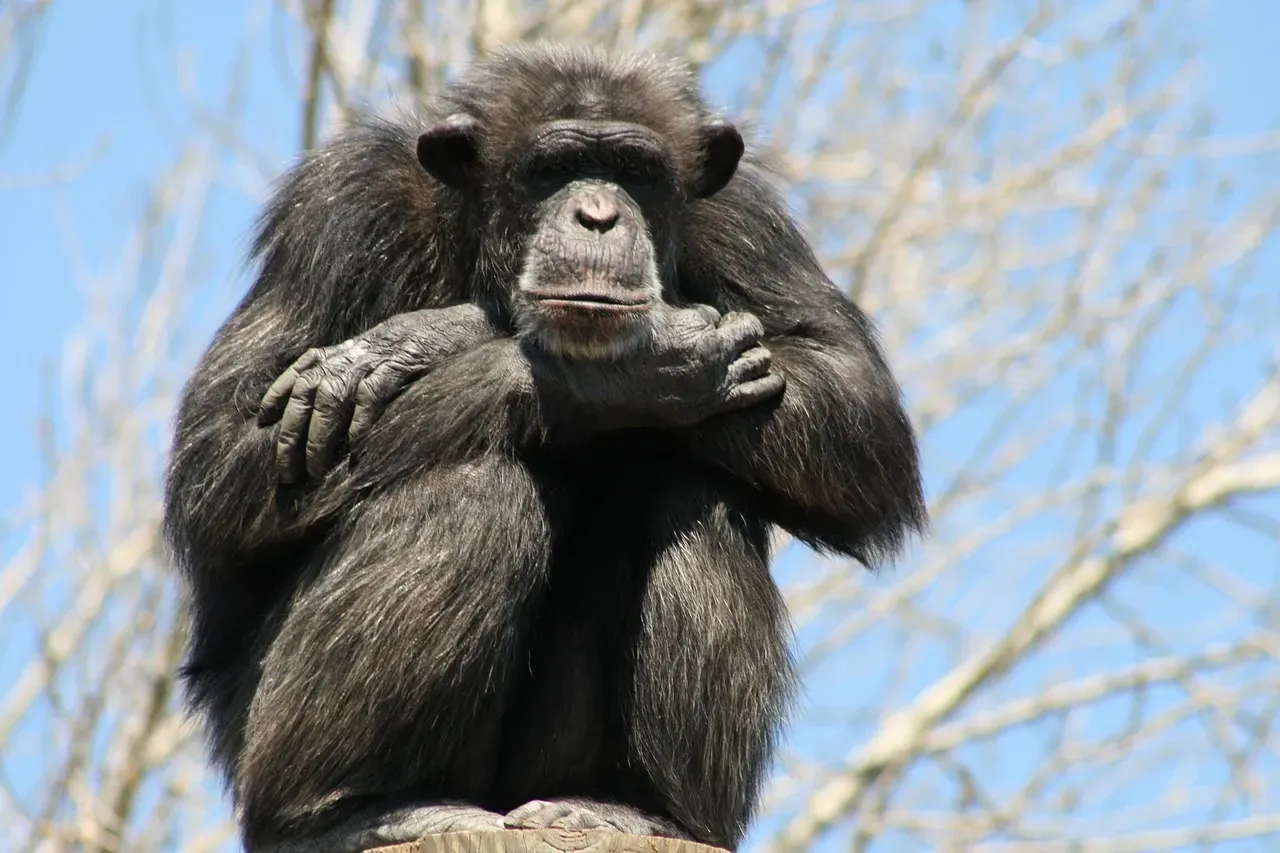
When you think about animals that might recognize themselves, you probably think of chimpanzees first – and for good reason. In the early mirror-mark experiments, chimps were the ones that really set the standard: a harmless dye or sticker was placed on a part of their body they couldn’t normally see, like the forehead, and when they looked in the mirror, they touched the mark on their own skin instead of on the mirror. To researchers, that was a huge deal, because it suggested the chimps understood that the image in the glass was their own body.
If you watch footage of chimps with mirrors, you see behaviors that feel oddly familiar. They make faces, inspect teeth, look at parts of their bodies they do not usually see, and sometimes just sit there, seeming to study themselves the way you might before an important event. You can imagine how unsettling it must have been the first time a scientist realized this was not just reflex or curiosity, but something closer to self-recognition. With chimps, the question switched from “Can any animal do this?” to “What else might they be aware of that you haven’t even asked yet?”
2. Bonobos and Orangutans: Different Apes, Similar Self-Awareness
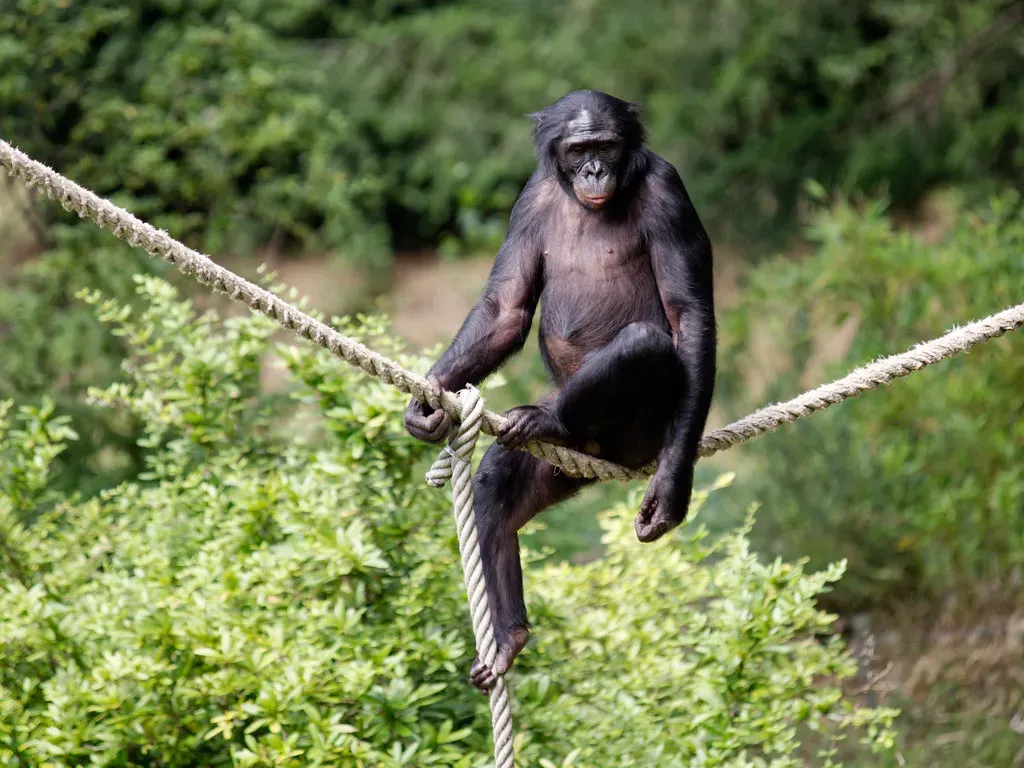
You might assume all great apes would breeze through the mirror test, but that was not obvious until researchers tried it. Bonobos, sometimes called the more peaceful cousins of chimps, and orangutans, the quiet, solitary tree-dwellers, both showed clear signs of self-recognition in controlled studies. Like chimps, they explored marks on their own bodies after seeing themselves in a mirror, and they used the mirror as a tool to look at areas they could not see directly.
What makes this so striking is how different their lifestyles are. Bonobos live in complex, socially rich groups, while orangutans often spend long stretches on their own in the forest canopy. Yet in both cases, when you put a mirror in front of them with a hidden mark on their body, they behave in ways you’d recognize from your own mirror moments: checking, adjusting, inspecting. It suggests that self-awareness is not just about having a big brain, but also about the kind of flexible, reflective problem-solving that helps you navigate a complicated world, whether that is a crowded social scene or an intricate three-dimensional forest.
3. Bottlenose Dolphins: Underwater Minds That Get the Joke
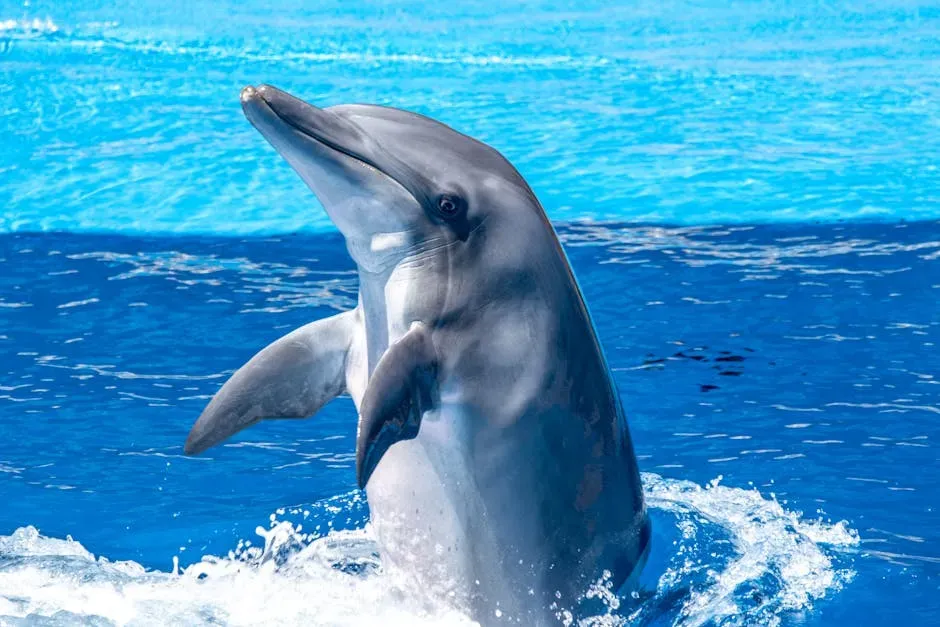
It’s one thing to recognize yourself on land, but doing it underwater adds a whole new twist. Bottlenose dolphins, known for their playfulness and complex communication, also pass mirror tests designed for aquatic life. In experimental tanks, dolphins approached mirrors, performed unusual body postures, and oriented themselves to get a better look at specific parts, especially when they had marks on their bodies. When they investigate the mark on their own skin instead of treating the reflection like another dolphin, you’re seeing the same core pattern: they seem to understand the image is “me.”
What really hits you is how naturally they seem to treat the mirror as a tool. Instead of responding socially to the reflection for long, they quickly switch into exploration: twisting, rolling, and lining up their bodies to inspect themselves from every angle they can. If you have ever leaned closer to a mirror, tilted your head, and thought, “What is that on my face?” you can picture a dolphin doing the equivalent with a flipper. When a species that lives in a sound-dominated world can still use a visual trick like this to learn about its own body, it tells you their internal picture of “self” is not shallow at all.
4. Asian Elephants: Giants Who Check Their Foreheads
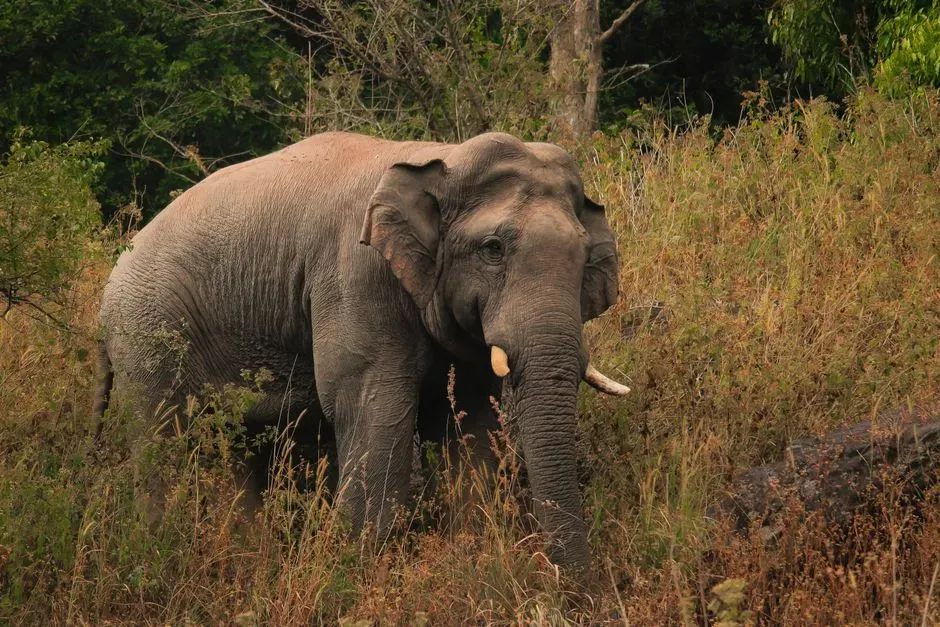
Seeing a huge elephant delicately examine its own forehead in a mirror is one of those images that sticks with you. In carefully designed experiments, Asian elephants were given access to a large mirror and secretly marked with a visible spot on their head. Instead of treating the mirror like another elephant to challenge or greet, some walked up, looked, and then raised a trunk to the exact place on their own skin where the mark was. That shift from social reaction to self-directed action is the key sign researchers were looking for.
Elephants already show you a ton of behaviors that hint at rich inner lives: they console distressed companions, remember individual faces and locations for years, and show what looks a lot like grief around dead herd members. When you add mirror self-recognition to that list, it lines up with what you probably feel intuitively when you look into an elephant’s eye. There is a sense that this is not just a reactive creature, but a being with enough self-knowledge to connect its own body, its past experiences, and the world around it into a single, continuous story.
5. Eurasian Magpies: Tiny Brains, Big Surprise
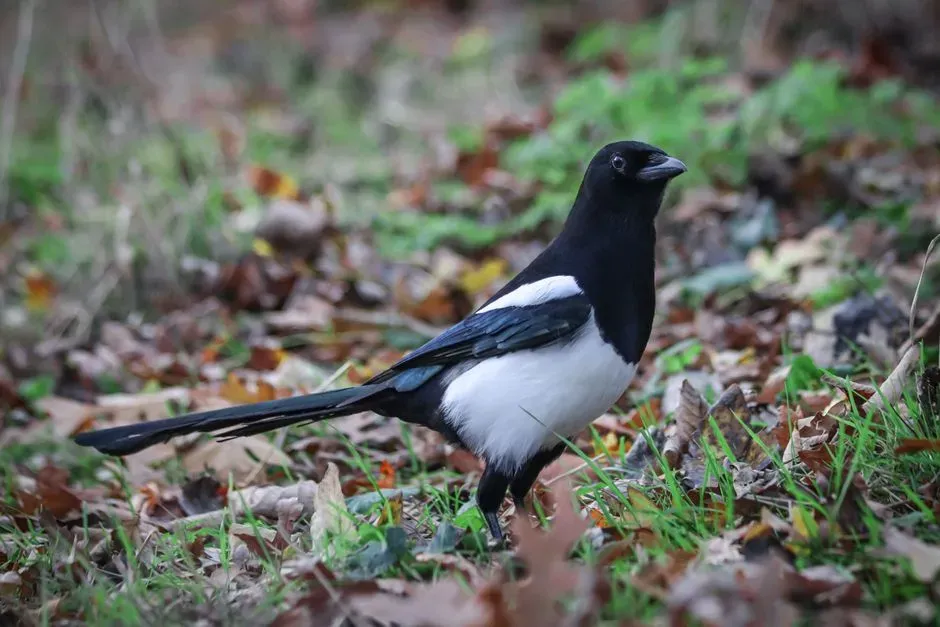
If you had bet that mirror self-recognition was something only large mammals could pull off, magpies would have cost you money. In a landmark set of experiments, Eurasian magpies had colored stickers placed on parts of their feathers where they could not see without a mirror. When given access to a reflective surface, some used their beaks and claws to try to remove the marks from their own bodies, not from the glass. For a bird with a brain that is physically much smaller than an ape’s, this was a genuine shock to a lot of people.
This result matters because birds do not have the same kind of layered, folded cortex that mammals rely on. Instead, they have a differently organized brain that still manages complex tasks like tool use, problem solving, and, apparently, recognizing a reflection as “me.” When you picture a magpie looking into a mirror and then fussing with its own feathers, it challenges any simple idea that only certain brain shapes or sizes can handle that kind of awareness. In a way, magpies force you to admit that mental sophistication can evolve along very different paths and still arrive at something you would recognize as self-directed understanding.
6. Cleaner Wrasse: The Fish That Forced Everyone to Rethink the Rules
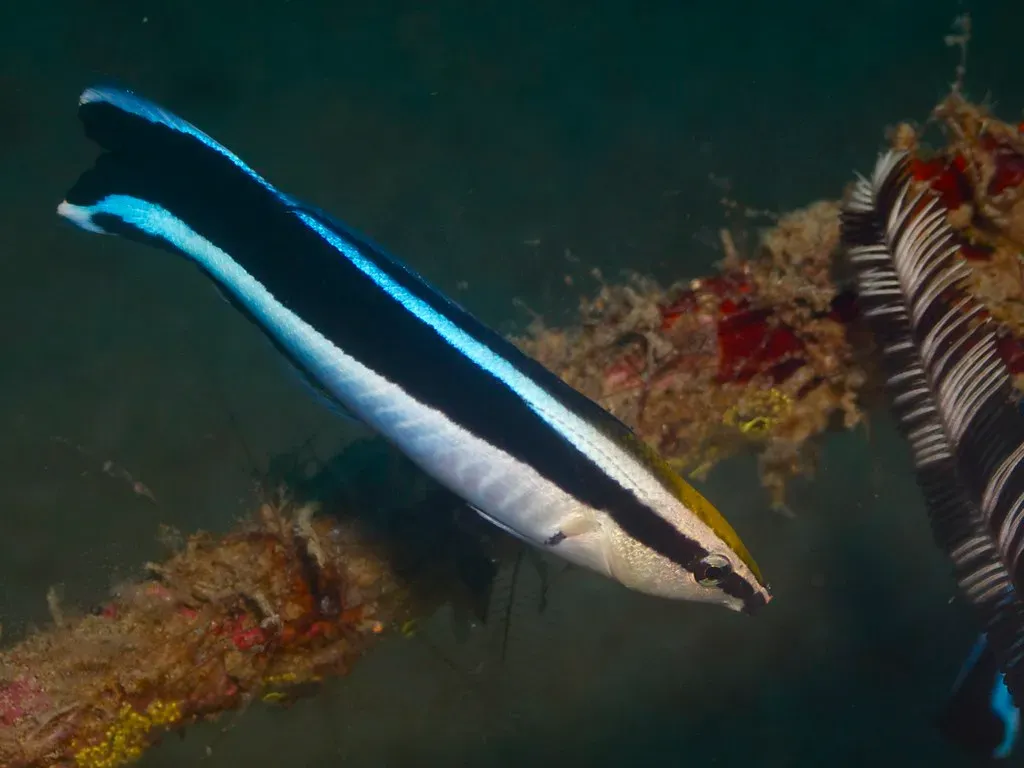
Here’s where things get truly disruptive. Cleaner wrasse are small reef fish that spend their lives picking parasites off other fish. In a controversial set of studies, researchers followed a version of the mirror-mark test with these fish. After they saw a colored mark on their own body in a mirror, some of them tried to scrape that area against surfaces, as if they were trying to remove something from themselves. For a fish, this behavior was so unexpected that it set off a wave of debate about what the mirror test actually measures.
This is the animal in the lower part of the list that basically rewrote the criteria. If a fish can pass the same kind of test once reserved for great apes, dolphins, and elephants, you’re forced to ask whether the test is really about deep self-awareness or about something more basic, like having a flexible mapping between your body and what you see. Some scientists argue that you should now interpret the mirror test as showing a spectrum of abilities, not an all-or-nothing badge of self-consciousness. For you, it means that the idea of which animals might have a meaningful sense of “me” is probably much wider – and much stranger – than you were taught.
7. Rhesus Macaques (With a Little Technological Help)
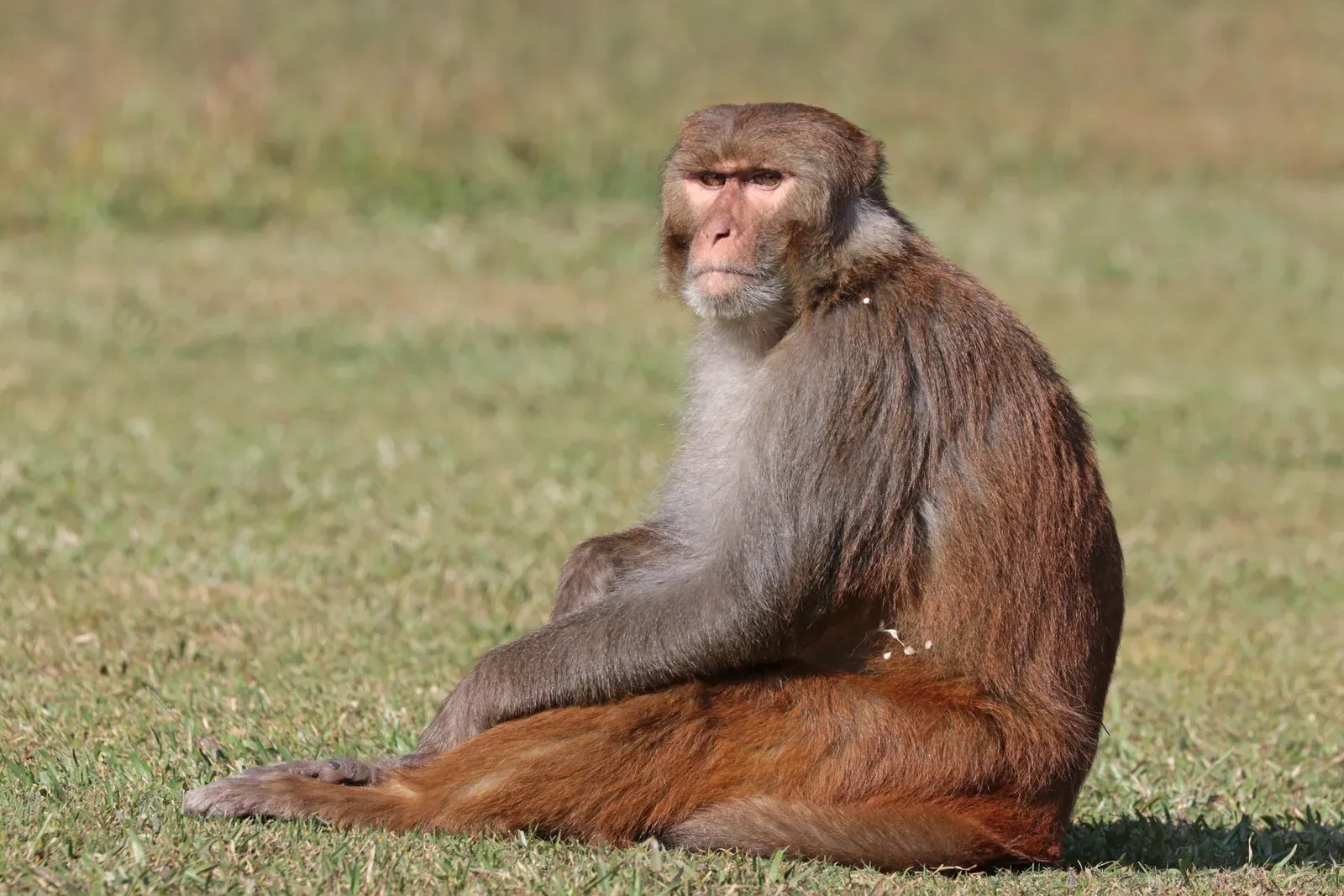
Rhesus macaques are often used in neuroscience research, and for a long time they seemed to fail the classic mirror test. They would react socially to their reflections or ignore them, but they did not obviously use the mirror to explore marks on their own bodies. Then came experiments where the monkeys were trained, using repeated feedback, to use a mirror to locate things on their faces or heads. After enough practice, some macaques started spontaneously examining their own bodies with the mirror, even beyond what they needed for the task.
What makes this interesting is that it separates two pieces of the puzzle: natural, untrained self-recognition and the capacity to learn self-directed mirror use if you are given a reason. You can think of it like someone who has never seen a mirror before; their first reaction might be confusion, but with experience, they learn it is a tool that reflects them. In macaques, you see that same progression. It suggests that mirror self-recognition might not be a simple on–off switch between species. Instead, it may be something that can be unlocked or strengthened with the right experiences, which raises the question: how many other animals might show more if you gave them more time and motivation?
8. Pigeons: Self-Directed Behavior Without Full “Aha” Awareness
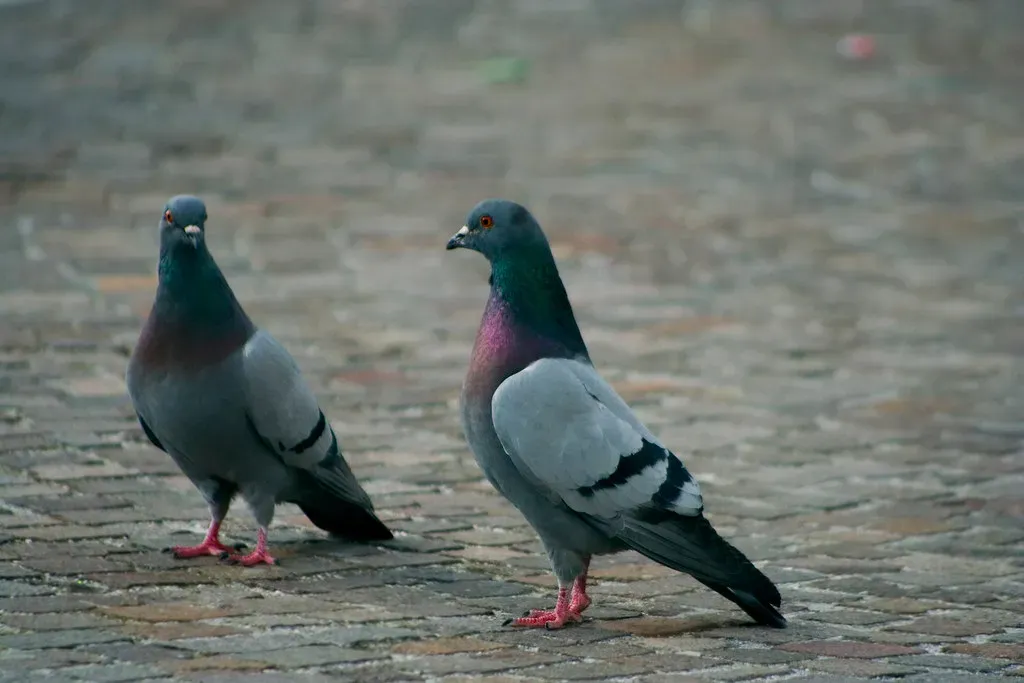
Pigeons do not usually make headlines for deep self-awareness, but they are remarkably good learners in controlled experiments. In certain training studies, pigeons were taught that pecking at a spot on their body, visible only in a mirror, would be rewarded. Over time, they learned to use the mirror to locate that target area. They did not spontaneously pass the classic mark test the way apes or dolphins did, but they clearly could map information from the reflection onto their own bodies in a goal-directed way.
For you, pigeons highlight an important nuance: using a mirror for self-directed behavior is not always the same as having a rich inner sense of self. It might be closer to learning how to use a tool by trial and error, without any need to think, “That is me.” Still, the fact that pigeons can bridge the gap between the reflection and their own skin, under the right conditions, shows how blurry the boundary can be between basic associative learning and something more reflective. It pushes you to be careful about drawing hard lines between “aware” and “unaware” animals based on a single kind of test.
9. Dogs: Failing the Mirror Test, Passing the Sniff Test
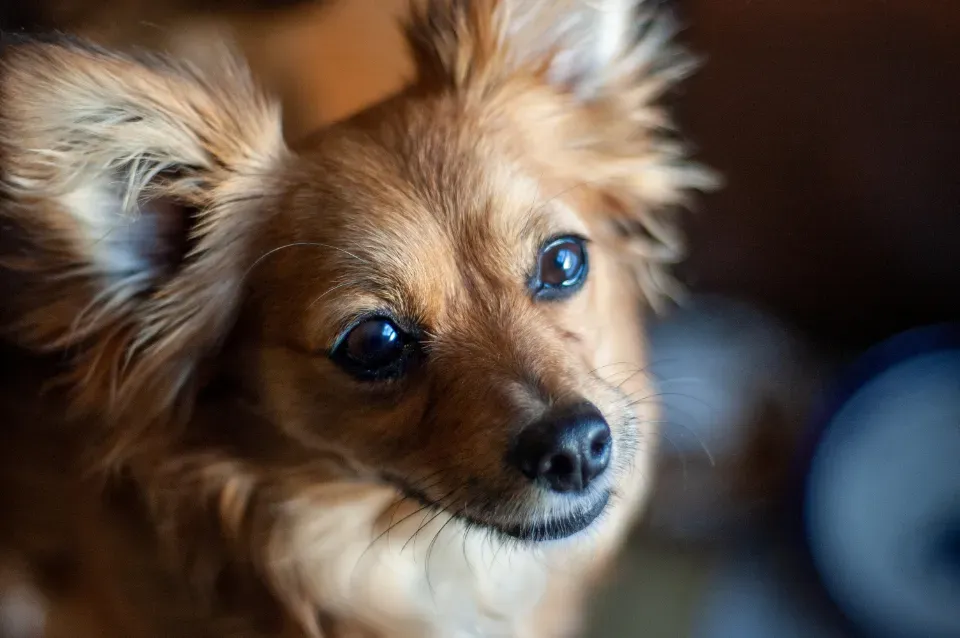
Here is where your everyday experience may clash with the lab. Many dogs do not show clear mirror self-recognition: they may ignore their reflection once they realize it does not behave like another dog, and in classic mark tests they usually do not touch the mark on their bodies after seeing themselves. But when you switch away from vision and use smell instead, dogs suddenly shine. In experiments where dogs were given a choice between sniffing their own urine sample and a modified version with new scents added, they showed extra interest in the altered one, as if they noticed when “self” did not smell like self anymore.
That twist tells you something powerful: dogs may have a sense of self that is grounded in scent rather than sight. For a species that lives in a smell-first world, recognizing your own odor and noticing when it has changed might be closer to mirror self-recognition than anything involving glass. If you share your life with a dog, this probably feels right: your dog identifies you, other dogs, and even their own previous paths by smell far more than by appearance. So while dogs officially “fail” the visual mirror test, that may say more about the test than about the richness of a dog’s inner perspective.
10. Cats: Aloof, Aware, and Playing by Their Own Rules
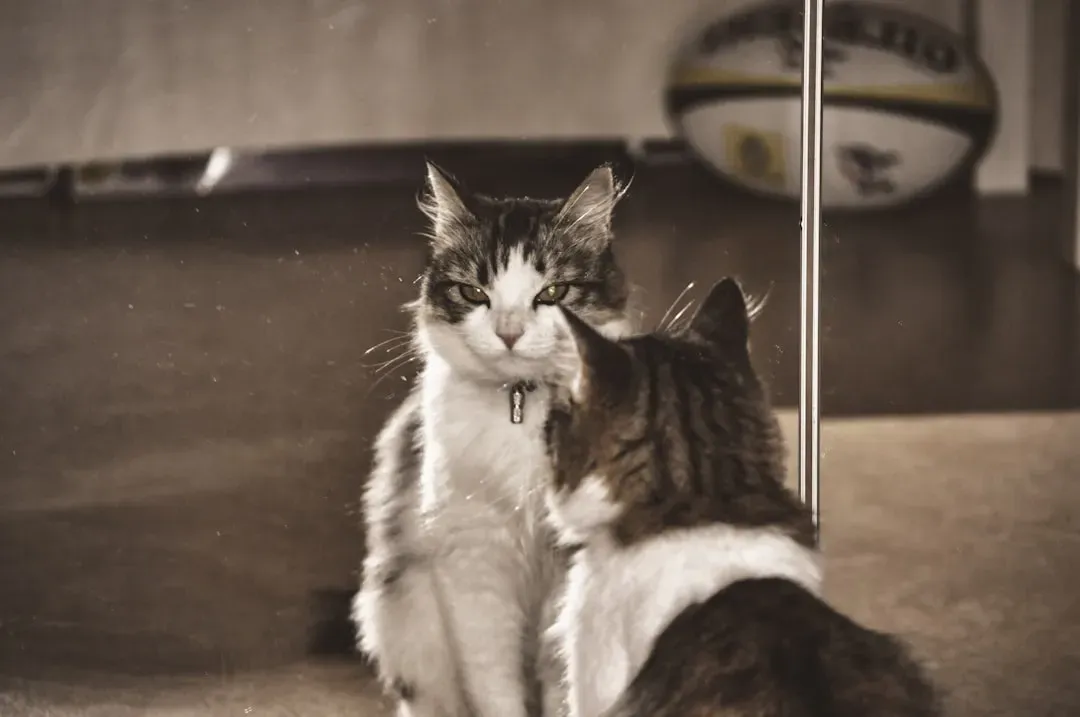
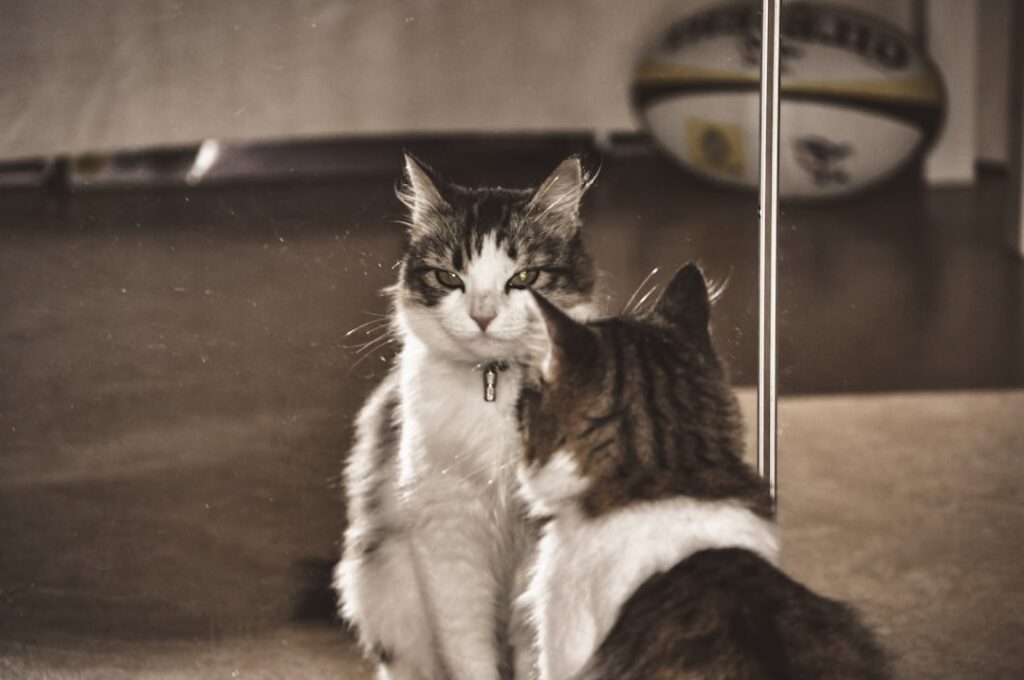
Cats are famous for acting unimpressed, and that extends to mirrors. Most pet cats seem to lose interest in their reflection pretty quickly. They might react briefly as though they are seeing another cat, but once they figure out the image does not move independently or smell right, many simply ignore it. In strict scientific terms, that means they do not show the classic pattern of mirror self-recognition: they do not use the mirror to explore hidden marks on their bodies or show sustained curiosity about their own reflection.
Still, if you watch a cat navigate a room, jump with perfect accuracy, or groom specific areas in response to subtle sensations, you can tell they have a finely tuned sense of their own body and position. Their lack of interest in mirrors may not be a failure of self-awareness so much as a quiet statement that mirrors just are not useful in their daily lives. For a mostly solitary predator that relies heavily on hearing, smell, and close-range vision, a reflection offers little new information. In a way, cats remind you that not all minds are motivated by the same things you are. The test might be clever, but the cat’s response can be even more so: “I know who I am. I just don’t need a pane of glass to prove it.”
Conclusion: What Mirrors Really Tell You About Other Minds
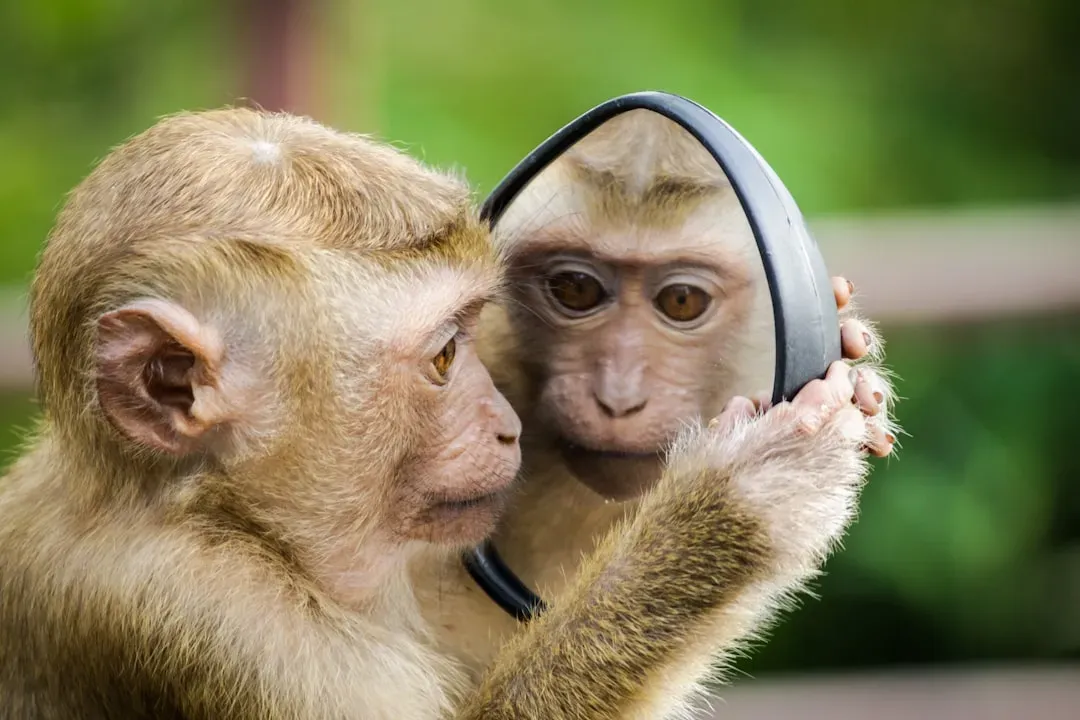
When you line these animals up, from apes and dolphins down to a small reef fish and the pets in your living room, you start to see how messy the idea of self-recognition really is. Some species clearly use mirrors to check marks on their bodies, others can learn self-directed mirror behaviors with training, and some seem to shrug at visual reflections but show strong signs of recognizing their own scent or movement patterns. Instead of a neat list of “smart” versus “simple,” you end up with a patchwork of different ways a living creature can track itself in the world.
For you, the biggest shift might be this: a single test with glass and paint cannot capture all the ways a mind can be aware of itself. Cleaner wrasse forced scientists to rethink criteria, dogs remind you to look beyond vision, and magpies show that a small brain can support surprisingly sophisticated abilities. So the next time you catch your own eyes in the mirror, you might wonder how many other creatures are, in their own ways, doing something similar without a reflection at all. If you could design your own test of animal self-awareness, what sense would you build it around first?