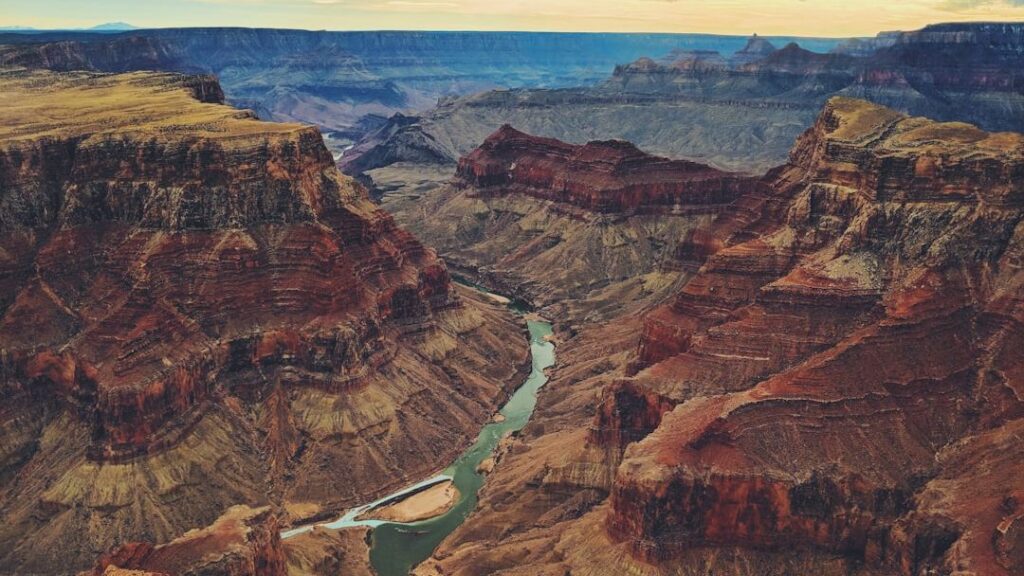
If you have ever stood on the rim of the Grand Canyon, you know it already feels like time has been sliced open. Now imagine discovering a rock layer there that seems to ignore the basic rules every geology student learns in their first week of class. That is the kind of puzzle some researchers are wrestling with as new mapping, better dating techniques, and shifting river channels reveal rocks that appear “out of order” in one of the most studied landscapes on Earth.
Does that mean everything geologists thought they knew is suddenly wrong? Not exactly. But it does mean that the story of how mountains age, erode, and rise again is a lot messier, more dramatic, and far less linear than the neat diagrams in school textbooks. Think less like a tidy layered cake and more like a stack of pancakes flipped, folded, torn, and drenched in syrup over hundreds of millions of years.
The Simple Rule Every Geology Textbook Teaches (And Why the Canyon Keeps Breaking It)
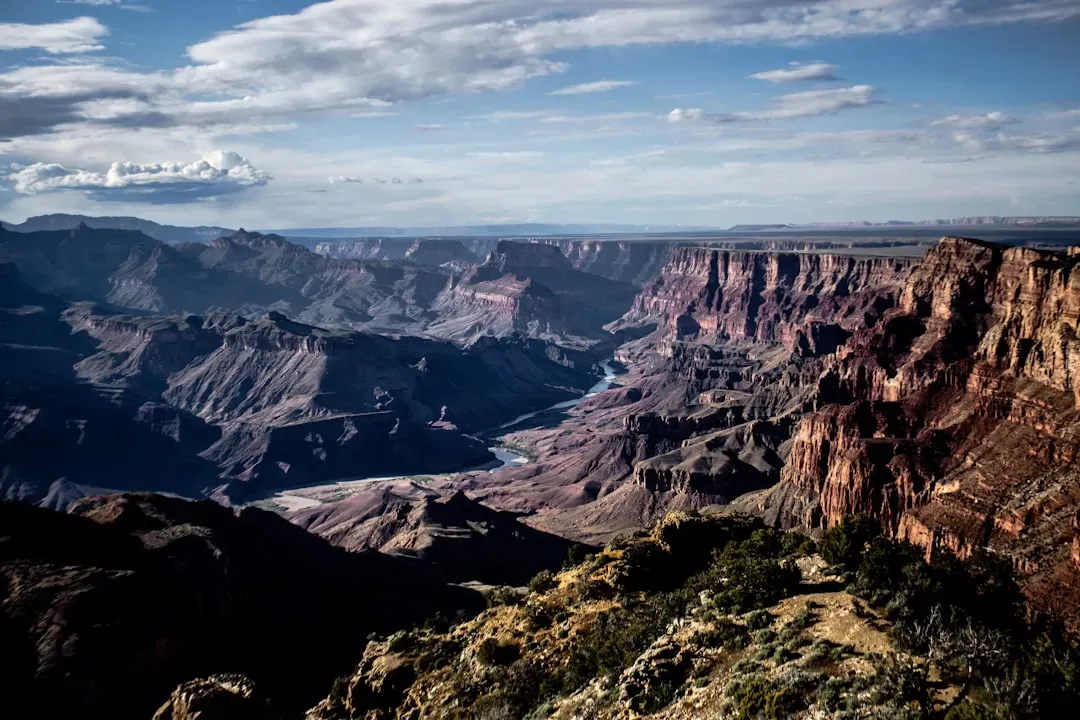
At the heart of this story is a rule called the principle of superposition: in a quiet, undisturbed stack of sedimentary rocks, the oldest layers sit at the bottom and the youngest pile up on top. It is simple, elegant, and usually works astonishingly well, which is why it shows up on page one of almost every geology textbook. In this tidy version of Earth’s history, rock layers march steadily forward in time like calendar pages, each one telling the next chapter of the story.
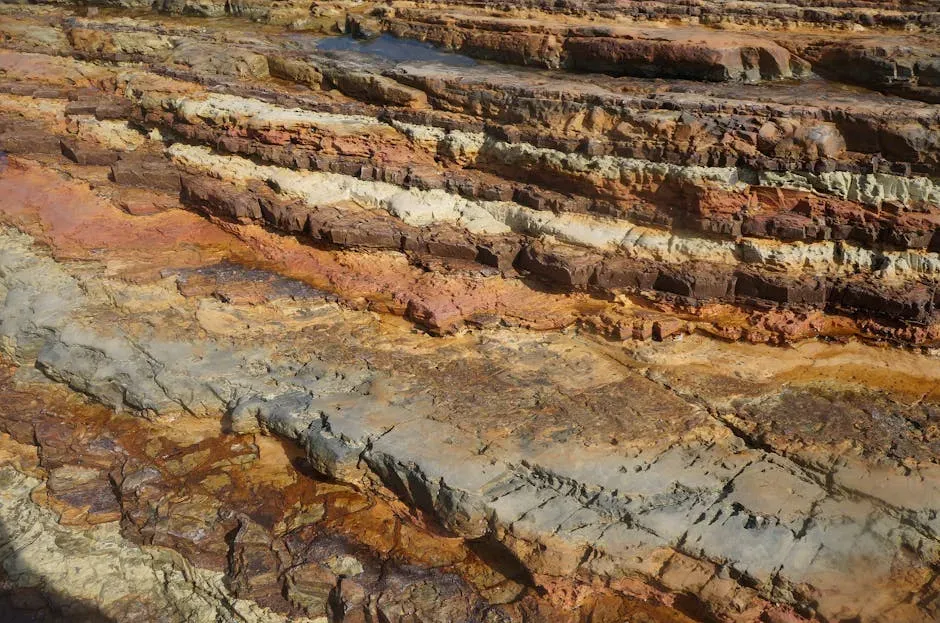
The Grand Canyon famously seems to play along with that rule when you first look at it. From the ancient Vishnu Schist at the bottom to the relatively young Kaibab Limestone at the rim, the layers get younger as you climb. But once geologists started looking more closely, they kept finding places where the supposedly perfect chronology was scrambled, sliced, or outright broken. You get older rocks shoved over younger ones, younger layers dropped down beside much older neighbors, and mysterious gaps where millions of years just seem to vanish.
Hidden in Plain Sight: When a “New” Layer Is Really an Old Problem
One of the wild things about the canyon is that “newly exposed” does not always mean “newly discovered rock type.” Sometimes a layer that suddenly becomes visible in a fresh cliff face or landslide is a unit geologists already knew existed somewhere else, just not in that exact relationship to surrounding rocks. The Colorado River is constantly cutting, side canyons are eroding, and rockfalls peel away cliffs, so the canyon is always editing and re-revealing pages of its own history. What feels like a shocking surprise to a hiker can be part of a long-running scientific argument among specialists.
When geologists say a newly seen rock face “breaks the rules,” they usually mean that, at that specific spot, the arrangement of ages is not what the basic superposition story would predict. Maybe a very ancient metamorphic rock is pressed right up against something far younger, with no gentle transition in between. Maybe a layer that should be buried deeper, based on regional mapping, suddenly pops up at the surface like a misplaced chapter torn out of the middle of a book and taped to the back cover. The rock itself is not magic; what is shocking is the geometry, the contact, the sheer audacity of how Earth shuffled the deck.
Unconformities: The “Missing Years” That Make the Canyon’s Story So Weird
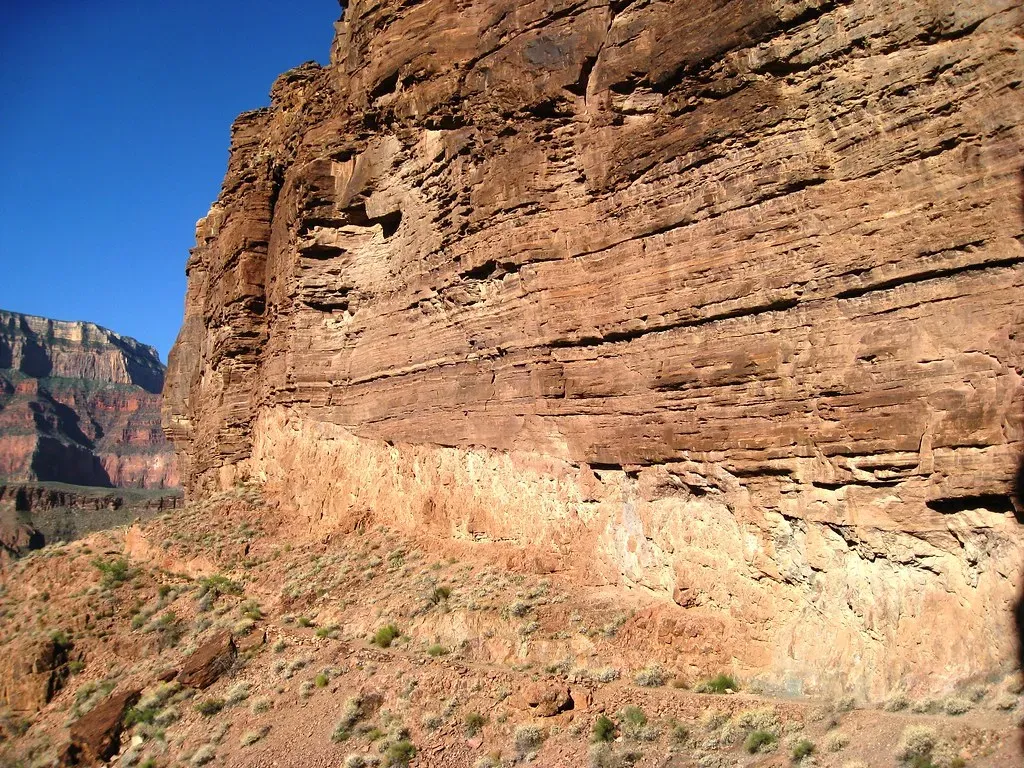
If you want to understand how a rock layer can seem to violate the rules of aging, you have to talk about unconformities. An unconformity is basically a geological plot twist: a gap in the record where older rocks were eroded away before younger ones were laid down on top, leaving missing chapters in Earth’s diary. In the Grand Canyon, some of these gaps are enormous, skipping hundreds of millions of years in the blink of a bedding plane. To a geologist, that sharp contact between rocks of vastly different ages is both thrilling and infuriating.
From a distance, unconformities can look like just another line in a cliff. Up close, they are where the apparent rules fall apart, because the bottom of the stack is no longer the oldest visible thing and the top is no longer just “next in line.” It is more like someone tore out whole volumes from a history series and then stacked the leftovers anyway. So when a newly exposed surface in the canyon highlights a dramatic unconformity, it can look as if a younger mountain-building episode is resting directly on the ruins of a much older world, with nothing in between. The age structure is still real, but the narrative feels jarringly incomplete.
Thrust Faults and Overturned Layers: When Old Rocks Climb on Top of Young Ones
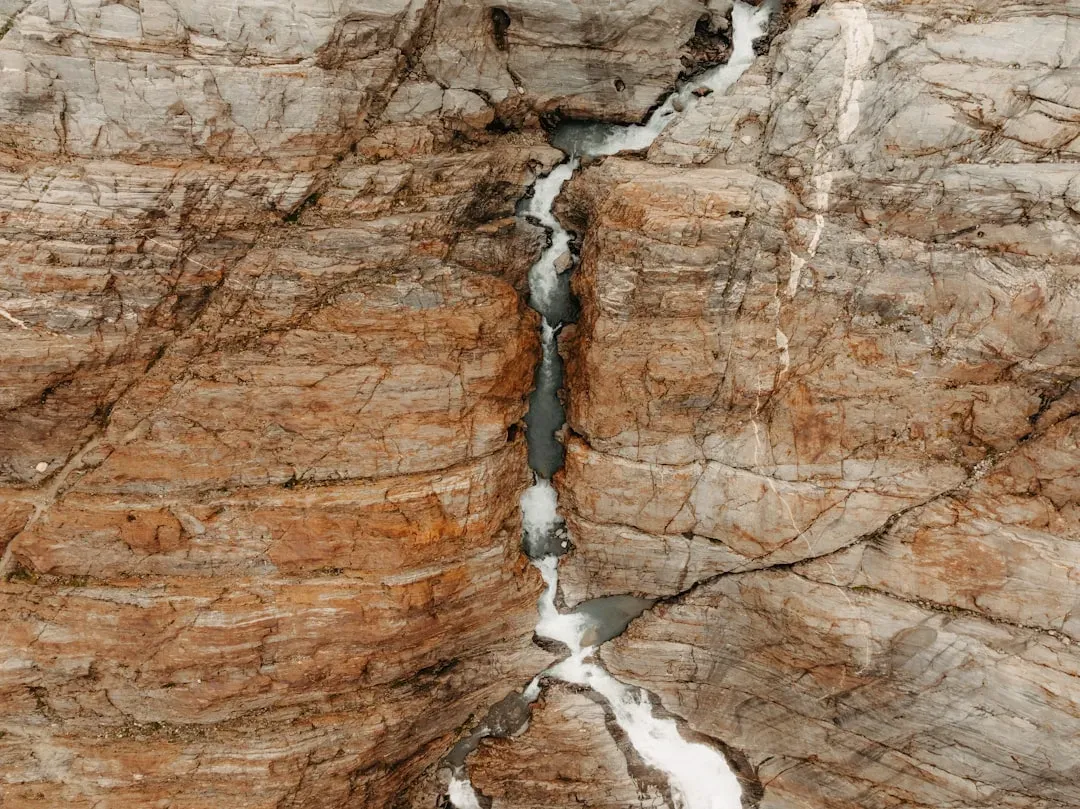
If unconformities are about missing time, thrust faults are about rocks being rudely shoved out of place. A thrust fault happens when compressional forces squeeze the crust so hard that older rocks can be pushed up and over younger ones, like a rug wrinkling across a hardwood floor. In regions that have seen multiple mountain-building events, you can end up with ancient layers perched on top of much more recent strata, completely flipping the simple bottom-old, top-young rule on its head locally. The Grand Canyon region has been caught in more than one of these tectonic tug-of-wars over geologic time.
When fresh erosion in or near the canyon exposes a clean cross-section of one of these structures, it can look downright impossible at first glance. You might see a rock whose minerals and fossils scream “deep time” literally riding piggyback on rocks that should be part of a younger landscape. On a map, the pattern can look insane until you trace the fault surfaces and fold axes and realize the rocks have been crumpled like a giant, slow-motion car crash. To non-geologists, it can sound like the rules are broken; to structural geologists, it is proof that the rules include a lot more bending, stacking, and cheating than most people realize.
The Great Unconformity and the Illusion of Instantaneous Mountains
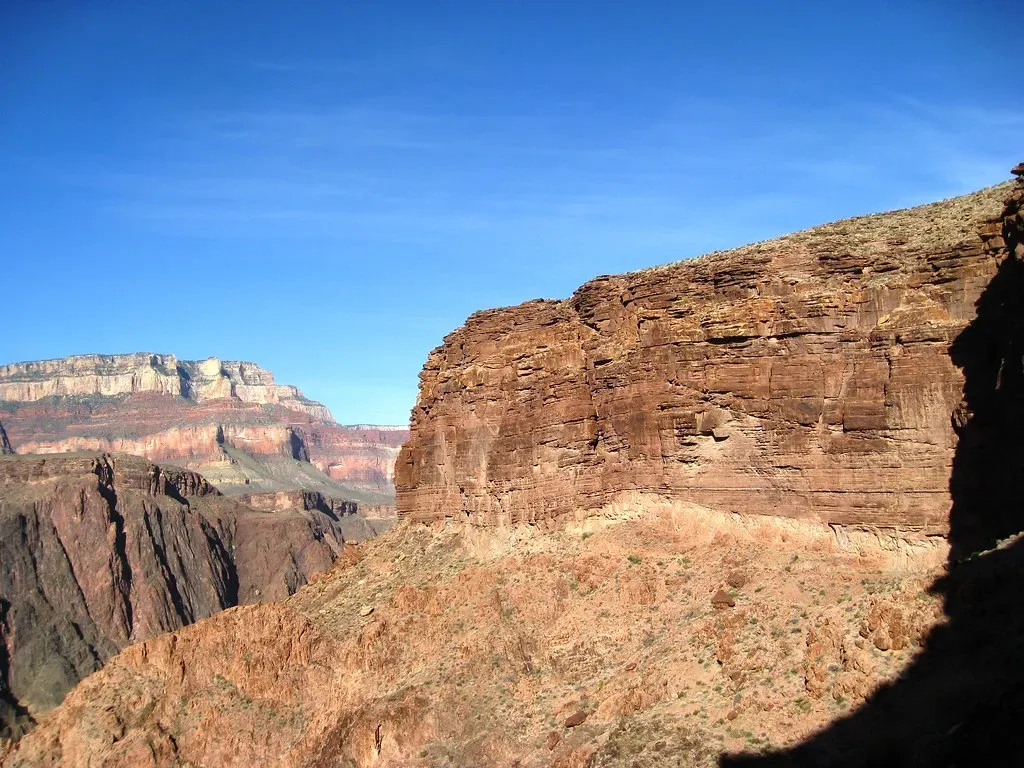
One of the canyon’s most famous features is called the Great Unconformity, a contact where younger sedimentary rocks sit directly on top of much older crystalline basement rocks, skipping a staggeringly long slice of time in between. When new exposures highlight this contact in fresh, sharp detail, it is hard not to feel like mountains were simply switched out overnight. In a few centimeters of rock surface, you can jump from an incredibly ancient world to a much more recognizable shallow sea environment, with the intervening ages erased by erosion.
That kind of abrupt transition can give the illusion that mountain ranges appear and disappear almost instantly compared to the layers on top. In reality, we are seeing the end result of very long episodes of uplift, weathering, and stripping away of rock, followed by subsidence and new sedimentation. The “violation” here is really about how our brains prefer continuous stories with no skipped seasons. When a new cliff or landslide in the canyon exposes this contact more clearly, it forces both scientists and laypeople to confront how staggered, episodic, and discontinuous mountain aging really is.
New Dating Methods: When the Numbers Refuse to Match the Neat Diagrams
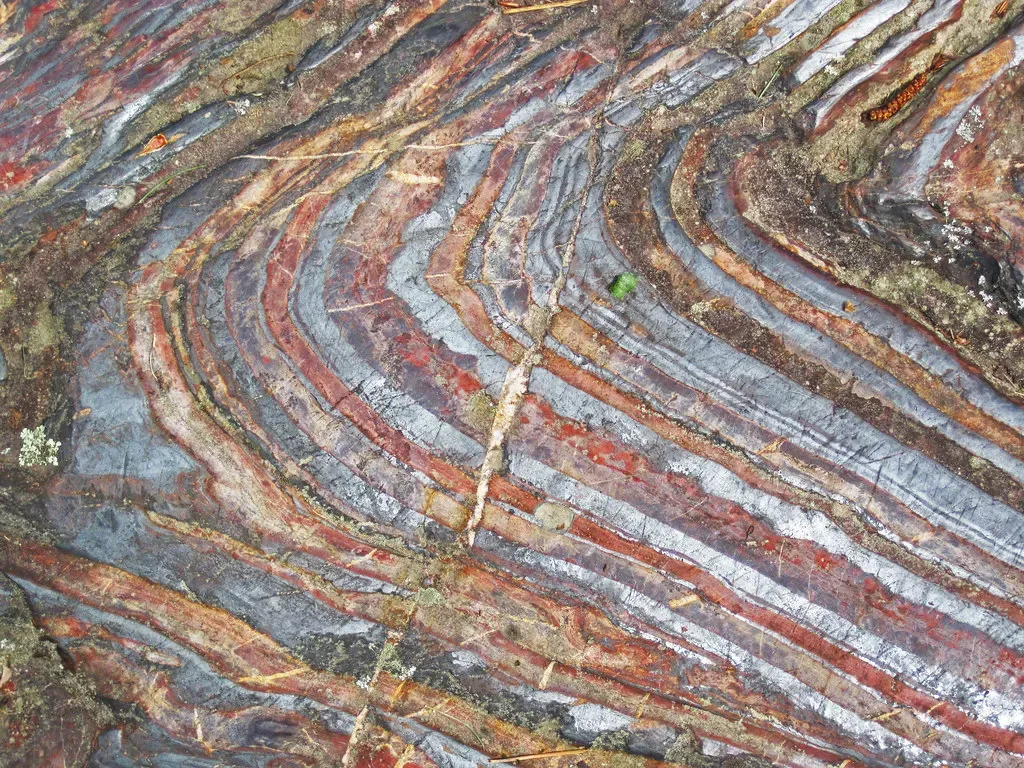
Another reason you will keep hearing that some layers “break the rules” is that dating techniques have improved to the point where the old, simple timelines just do not hold up under scrutiny. Methods that look at radioactive decay in minerals, tiny damage tracks from particles, or even the time rocks spent near the surface are all giving researchers more precise age brackets. Sometimes those new numbers line up beautifully with the traditional stratigraphy; other times, they say a rock people assumed was part of one mountain-building era actually records a completely different pulse of uplift or erosion.
So when a newly exposed surface offers better access to certain minerals or cleaner samples, it can sharpen or overturn previous age estimates. That is where the feeling of “this violates everything” often comes from: the diagram that looked good enough for decades suddenly does not match the data. Instead of a smooth aging mountain slowly shrinking over time, the numbers point to bursts of uplift, long flat plateaus of relative calm, and surprise rejuvenation episodes where erosion speeds back up. The canyon, in that sense, is an uncomfortable truth-teller, constantly reminding geologists that their models have to keep up with the rocks, not the other way around.
Why the Idea of “How Mountains Age” Was Too Simple All Along
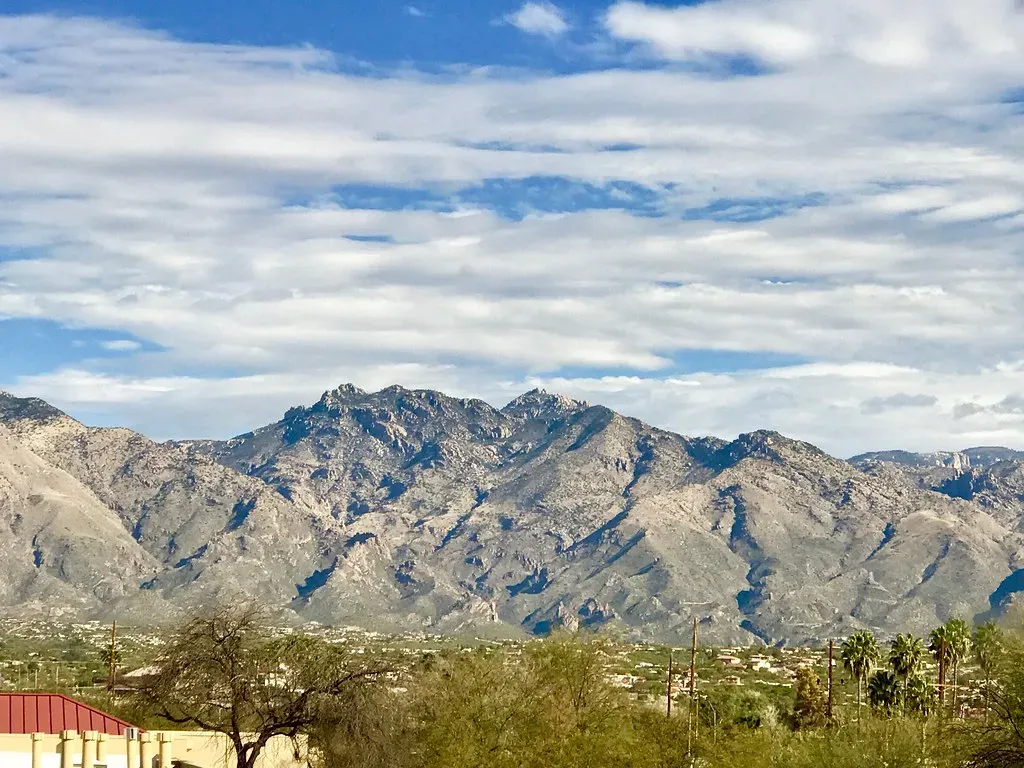
For a long time, the classic story went like this: mountains are born in dramatic collisions, grow to great heights, and then slowly erode away into gentle hills and plains as gravity and weather win. It is a comforting, one-directional life cycle that mirrors how we think about living things aging. But the Grand Canyon and similar landscapes have been whispering a different tale for years: mountains can be dissected, rejuvenated, uplifted again, and carved more deeply long after their wild youth should be over according to that older story.
Every time a new exposure reveals a layer or contact that does not match the expected sequence, it is a reminder that mountain aging is not a simple fade-out. It is more like a series of comebacks, breakdowns, and remixes, with tectonics, climate, and erosion all switching roles between villain and hero depending on the chapter. Personally, I find that way more satisfying than the old one-way decline model. The canyon is proof that landscapes are not passive; they are active battlegrounds where rock strength, uplift rates, river incision, and even tiny changes in rainfall patterns are constantly renegotiating the shape and pace of “old age.”
Why “Violating the Rules” Is Actually How Science Grows
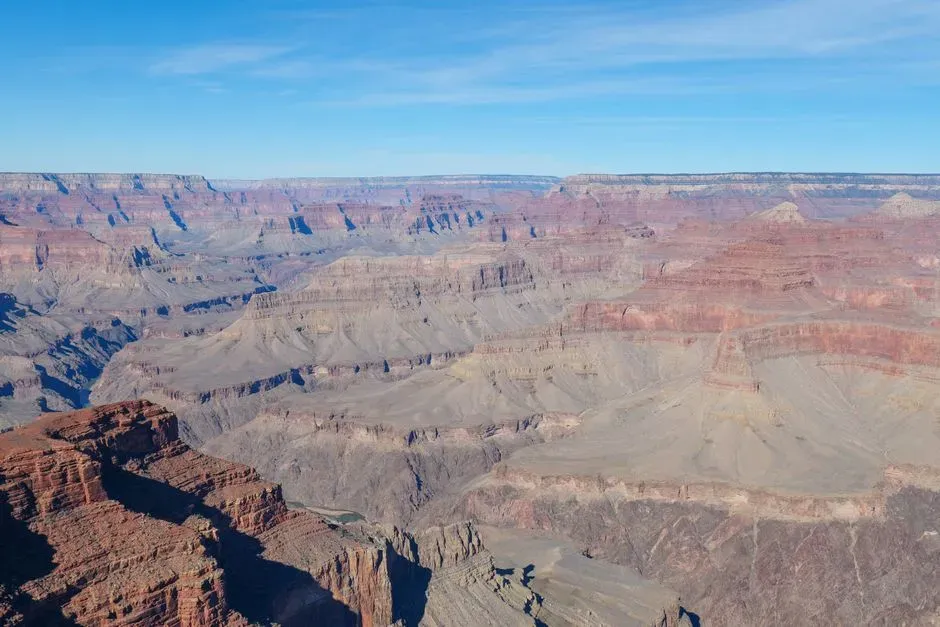
When geologists say a rock layer in the Grand Canyon violates the rules of how mountains age, they are not throwing out the whole science; they are flagging a problem worth obsessing over. Those odd contacts, flipped sequences, and mismatched ages are where the next big insights are hiding. In practice, this means field campaigns that focus on the weird corners of side canyons, drone flights along inaccessible cliffs, and endless lab work on tiny grains of zircon or apatite that quietly record billions of years of thermal and tectonic history.
On a more personal note, I think the public often hears language like “this breaks the rules” and assumes chaos or crisis, when what it really signals is opportunity. This is how science is supposed to work: the neat model holds until the rocks, data, or instruments drag everyone back to reality. The canyon has always been good at humbling big ideas. A newly revealed rock layer that seems impossible at first glance is not a disaster; it is an invitation to redraw the map, refine the timelines, and admit that Earth’s imagination has always been wilder than ours.
Conclusion: The Canyon Is Not Broken; Our Story About Time Is
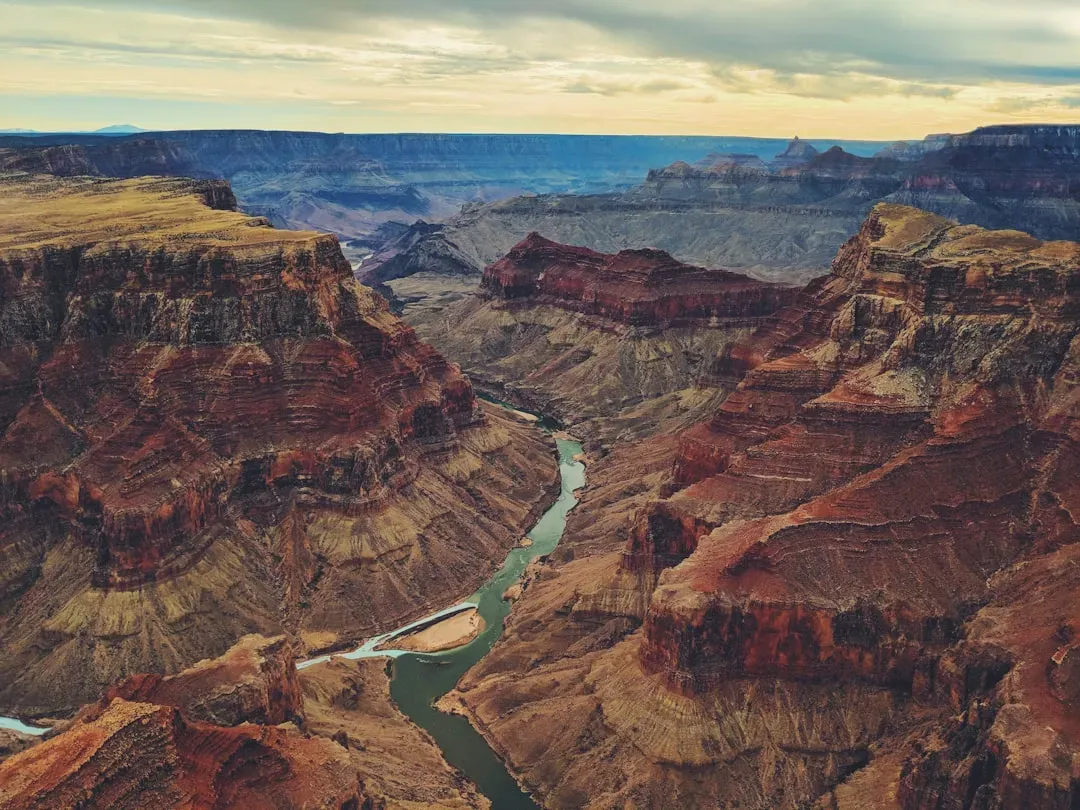
In my view, the most radical thing about a “rule-breaking” rock layer in the Grand Canyon is not that the rock itself is strange, but that it forces us to admit how oversimplified our picture of Earth’s aging really was. Mountains do not follow a tidy script where they are born, grow old, and quietly fade away in order; they glitch, reboot, and occasionally act decades younger than their official age. When a newly exposed contact shows ancient rocks lounging atop younger ones or hides entire geologic eras in a razor-thin line, it is not nature that is misbehaving. It is our preference for straight lines and smooth curves colliding with a planet that does not care about our craving for order.
So does this mean we should stop teaching the basic rules about how rock layers stack and how mountains evolve? Not at all. Those ideas are like training wheels; they get us moving, but they are not the whole ride. The Grand Canyon’s newest revelations are a reminder that the real Earth is full of sharp turns, skipped chapters, and stories that refuse to fit on a single timeline. The rules are not dead; they are just being promoted from simple slogans to richer, more complicated truths. And honestly, would you really want to live on a planet whose most famous canyon was boring and predictable instead?