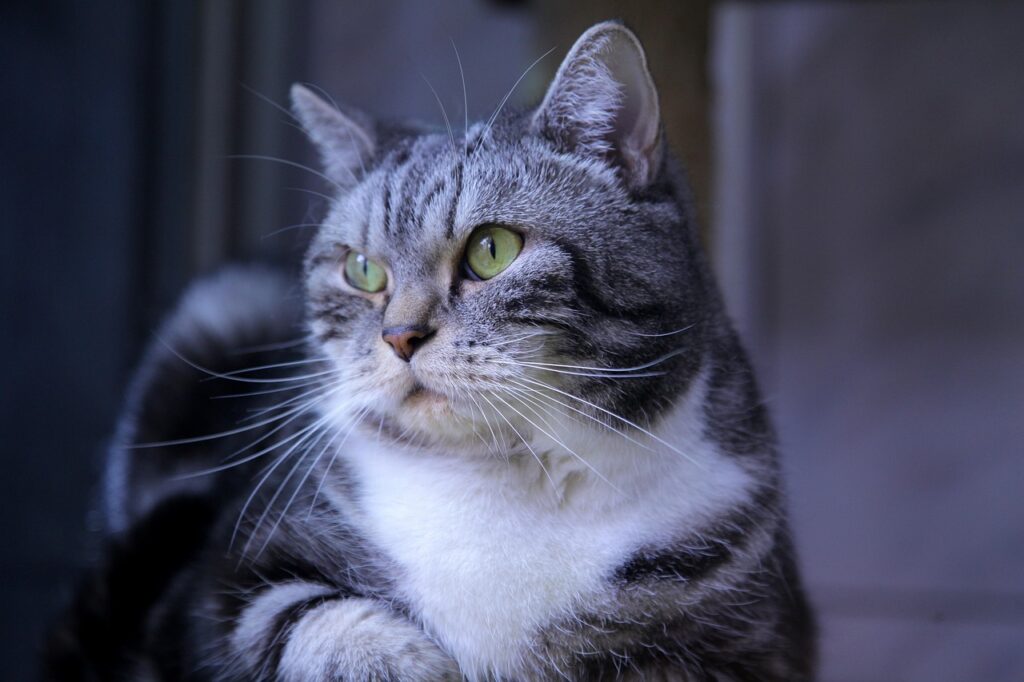
You close the door, grab your keys, and head out into the world of deadlines and traffic. Behind that door, your cat blinks, flicks their tail, and suddenly has an entire universe of thoughts, instincts, and feelings swirling around. It might look like your cat simply naps all day, but under that calm surface, a lot is happening in their furry little head.
When you start to see your home from your cat’s perspective, the whole routine of you leaving for work feels very different. You stop picturing a bored animal and start seeing a creature that’s navigating attachment, territory, boredom, curiosity, and survival instincts all at once. As you read through this, you might find yourself saying, “Oh… that explains so much.”
Your Cat Notices Every Departure (Even When You Think They Don’t)
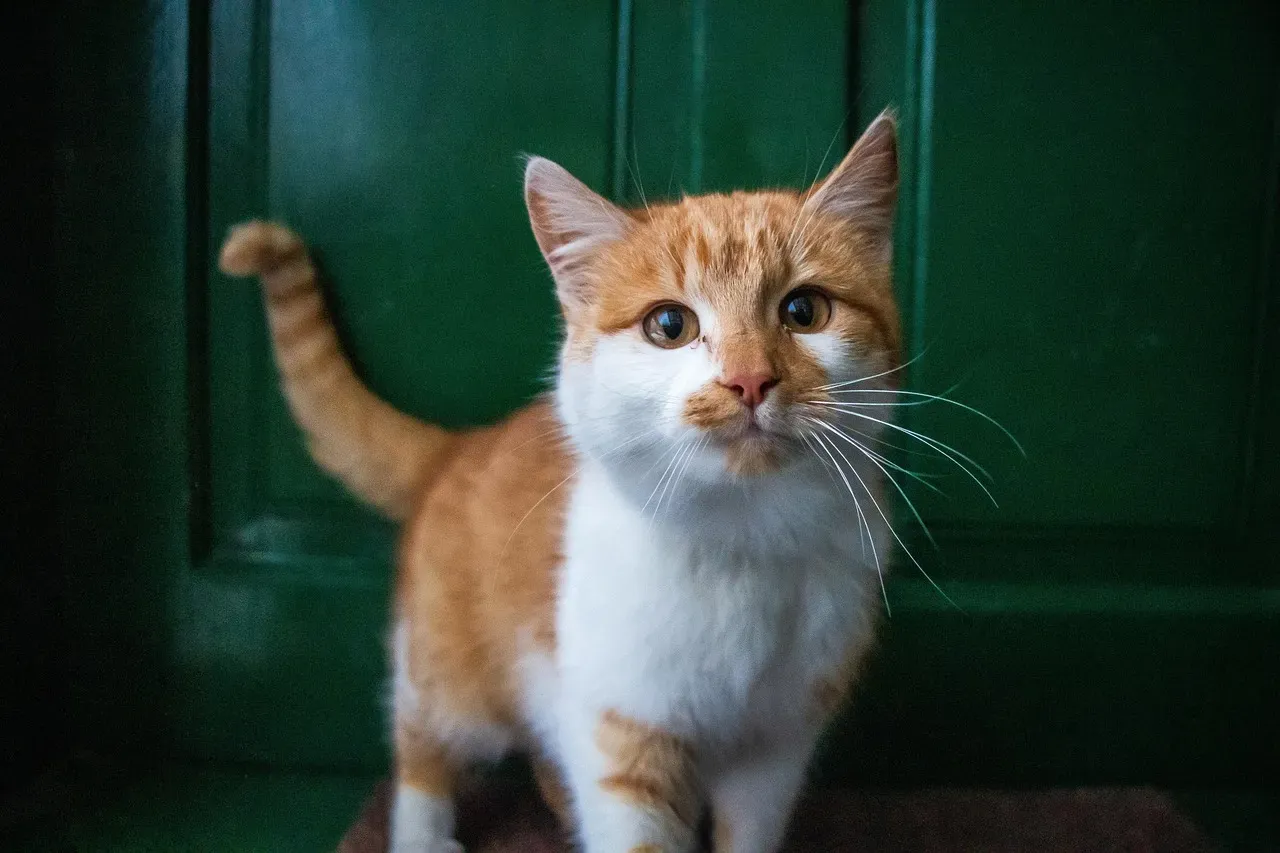
You might think you can sneak out quietly, but your cat is usually at least three steps ahead of you. They notice the tiny rituals you barely register: the sound of your alarm, the way you move a little faster in the morning, the jingle of your keys, the click of your closet door. Over time, your cat associates these little cues with one big event: you leaving. That’s why some days you’ll see them watching you more closely as you get ready, almost as if they’re reading your schedule like a book.
If your cat disappears just before you walk out, it doesn’t necessarily mean they don’t care. Some cats cope with departures by withdrawing to a quiet spot, while others will follow you around the house as if to squeeze in every last second. Either way, they’re not indifferent. Your routine is part of their reality, like changes in the weather. From their point of view, you’re the sun that rises, moves around, and then suddenly vanishes for hours.
Your Cat May Feel A Little Stress When You Leave (Even If They Seem Aloof)
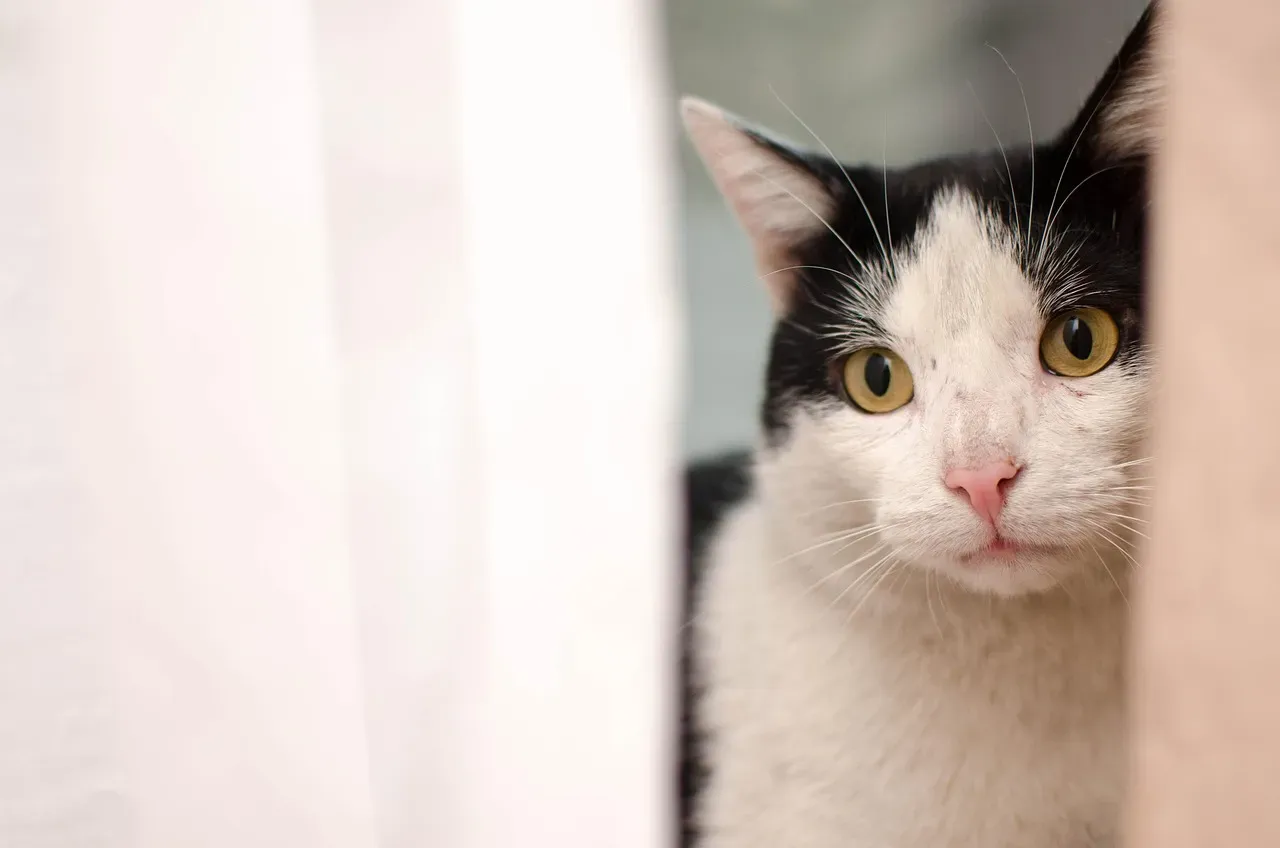
Even if your cat has that classic “I don’t need anyone” look, your absence still changes the emotional temperature of the house. Your scent fades, your voice is gone, and the whole rhythm of the space shifts. Some cats take this in stride and settle into a calm, predictable day; others feel a spike in mild stress, especially if they’re very bonded to you or have been adopted from shelters where abandonment was part of their past. You may not see this stress directly, but it can show in subtle ways like extra grooming, pacing, or vocalizing after you leave or right before you get home.
If you’ve ever come home to a cat that’s meowing more than usual, shadowing you from room to room, or suddenly more clingy, that can be their way of “resetting” after your absence. It doesn’t automatically mean your cat has full-on separation anxiety, but it does suggest your presence is emotionally important. The quiet hours while you’re gone are like a mini social blackout for them, and when you return, the lights suddenly come back on.
Your Cat Uses Your Absence to Reclaim the Territory
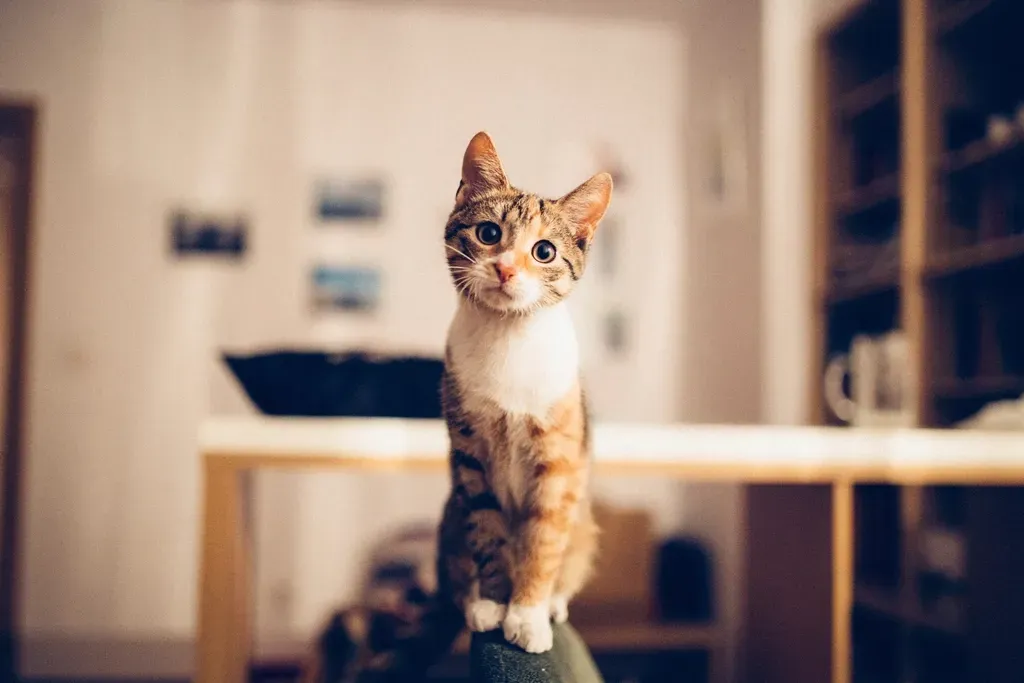
When you step out the door, your cat’s inner landlord often wakes up. Without you moving around, talking, or shutting doors, the home becomes a quieter landscape for your cat to patrol. They may walk routes they never take when you’re home, hop on counters they avoid when you’re watching, or linger longer in spots you usually occupy. From their point of view, your absence opens up access to parts of the territory they normally have to share.
This is one reason you sometimes find hair where you swear the cat “never goes,” or see paw prints on that one table you thought was off-limits. Your cat isn’t suddenly defiant; they’re exploring and re-marking territory through scent and presence. While you’re at work, the house is their kingdom at full volume, and they might be quietly reassuring themselves that everything in that territory is still safe and under control.
Your Cat Cycles Through Sleep, Surveillance, and Daydreaming
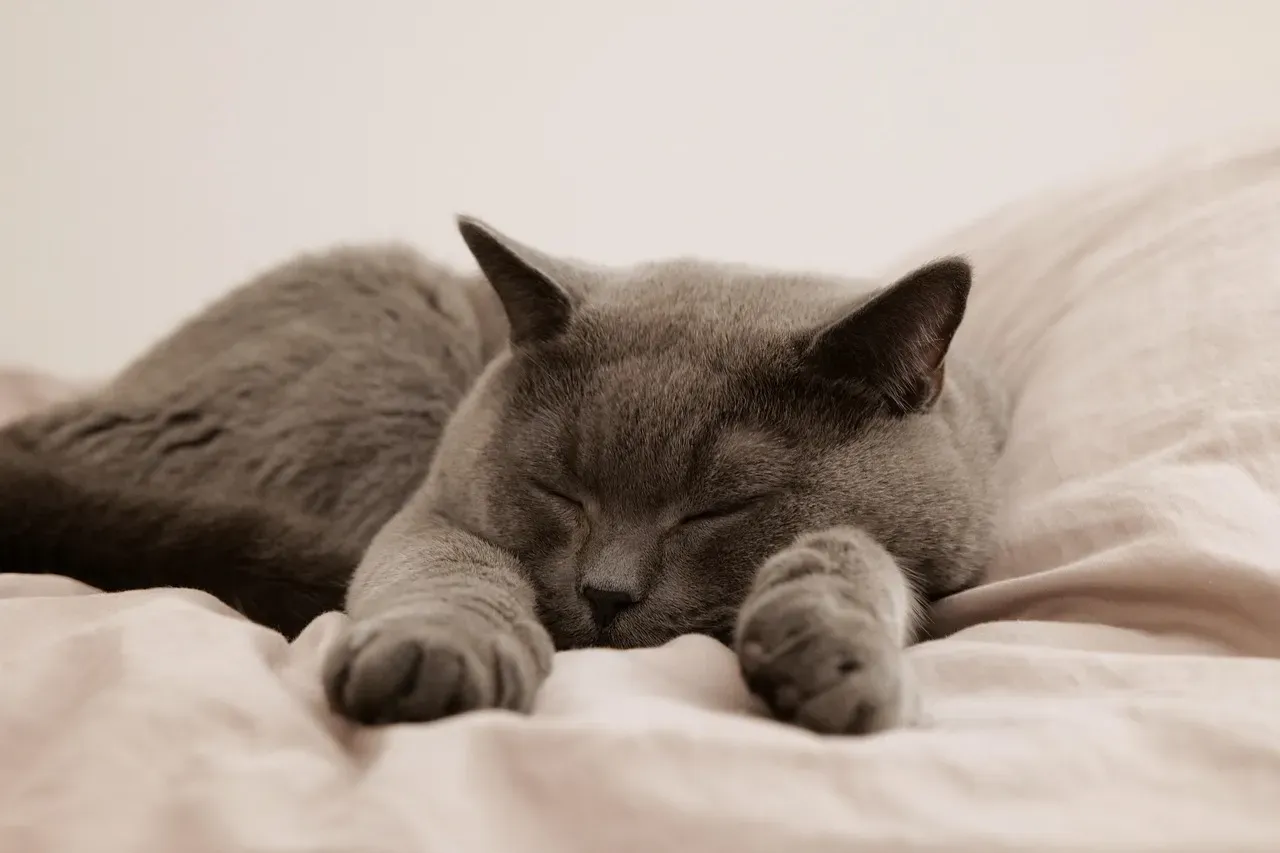
You’ve probably heard that cats sleep a lot, and that absolutely shapes what they think about when you’re at work. In your absence, your cat cycles through deep sleep, lighter dozing, and quiet wakefulness where they just watch and listen. During these lighter phases, your cat isn’t “doing nothing”; they’re tracking distant sounds, noting shadows, and staying primed for anything unusual. In the wild, downtime is when a predator is most vulnerable, so that alternating rhythm of sleep and alertness is wired deep into your cat’s brain.
In those in-between states, your cat may also be replaying familiar patterns in a very instinctive way. The sounds of a car door outside, a bird tapping the window, or the fridge humming can all become anchors for their mental world. It’s a bit like you daydreaming during a long meeting: your body stays put, but your mind wanders through memories, expectations, and tiny bursts of curiosity. For your cat, your scent on the couch or your sweater becomes part of those quiet inner “daydreams.”
Your Cat Wonders About Food, Timing, and the Next Meal
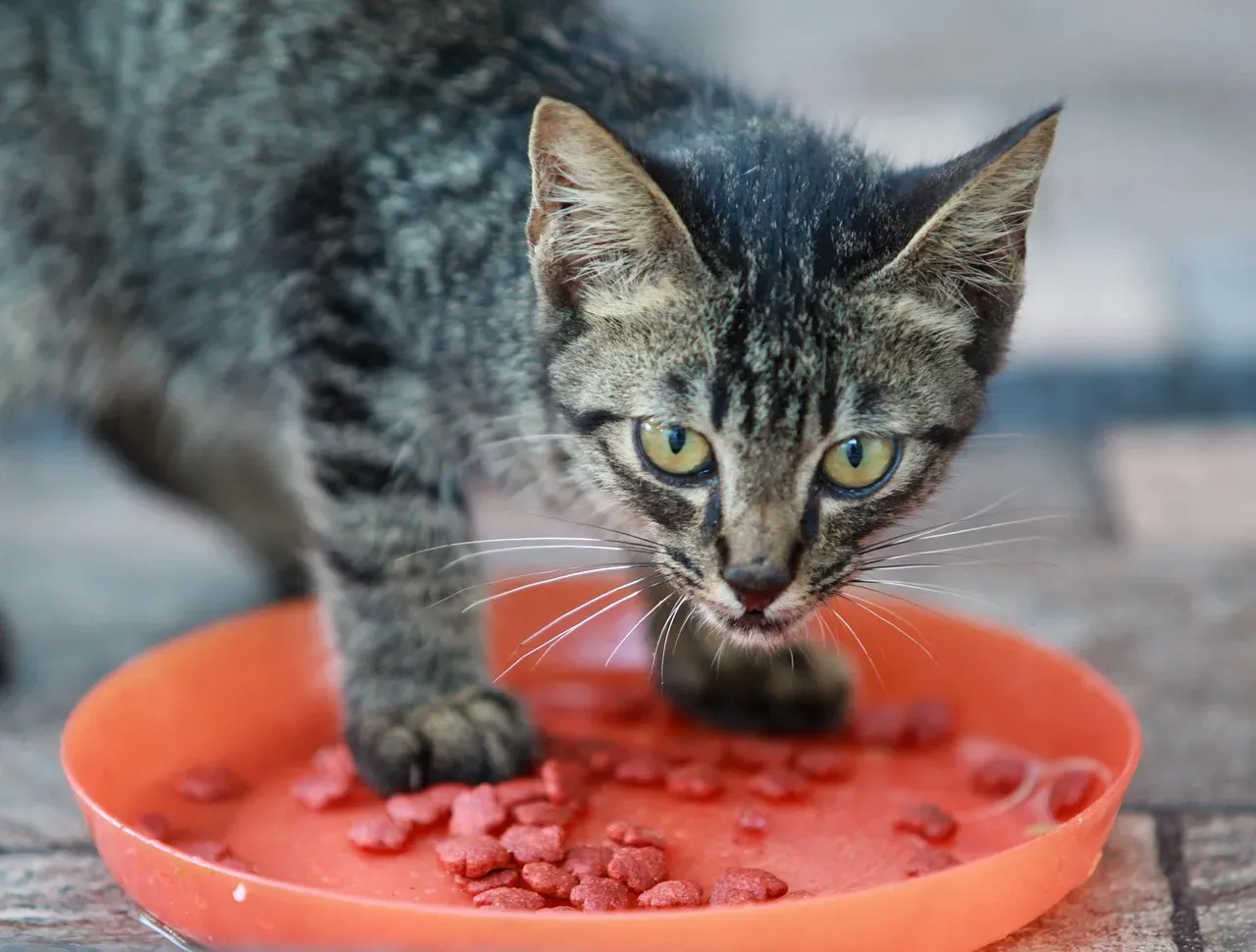
You might assume your cat has no concept of time, but they absolutely track patterns, especially when it comes to food. If you feed them on a fairly regular schedule, their body and brain sync up to those cues. When you leave for work, part of their mental space is already anticipating when you’ll return and whether that return will be linked to a meal, a treat, or a refill of fresh water. They’re not literally reading the clock, but their internal rhythm is surprisingly good at predicting your routine.
That’s why you may come home to a cat waiting by their bowl, or find them hovering near the kitchen at the same hour each day. While you’re gone, small triggers like a certain light level by the window or the noise of a neighbor can act as time markers. To your cat, these environmental shifts whisper that you’re either “gone for a while” or “due back soon,” and food is a huge part of that equation. In their mind, your return and the promise of food, attention, or both are closely intertwined.
Your Cat Uses Play and Mischief to Cope With Boredom
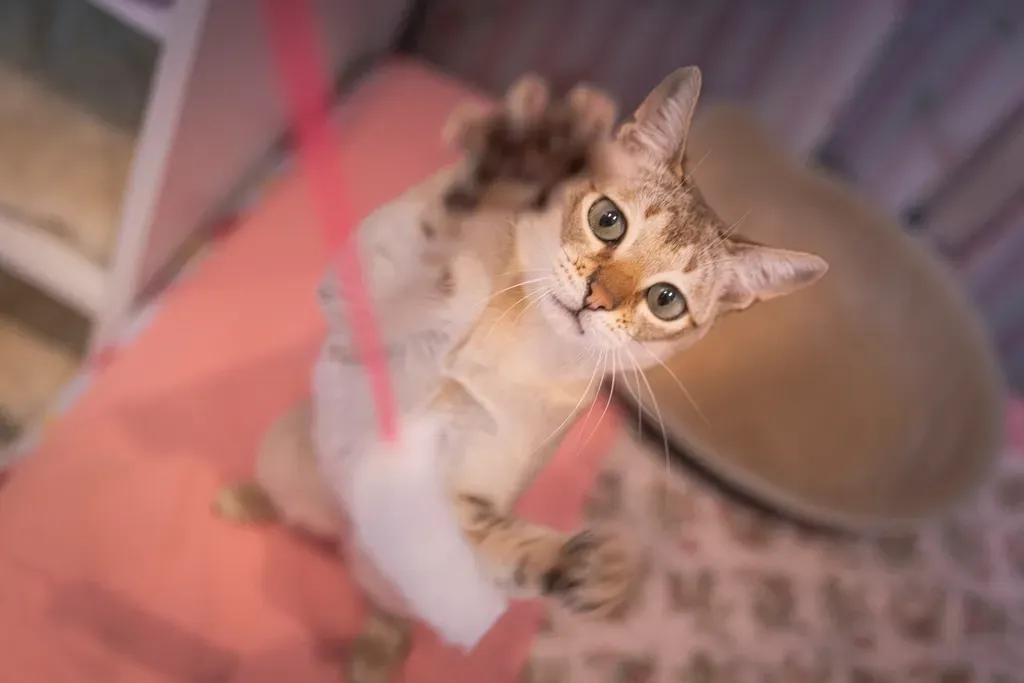
When the house goes quiet after you leave, your cat has to find ways to fill that silence. If there are toys, window views, or scratchers available, your cat often turns to play as a way to burn off mental and physical energy. Pouncing on dust motes, swatting at a stray hair tie, or chasing a shadow along the wall all serve a bigger purpose than just entertainment. They keep your cat’s hunting brain engaged and help prevent that dull, restless boredom that can build up over long, empty hours.
If you come home to shredded tissues, knocked-over objects, or chewed plants, it’s often less about spite and more about unmet curiosity and underused energy. Boredom, for a cat, can feel like being stuck in the same three rooms with nothing new to investigate. When you’re gone, your cat may test boundaries, explore forbidden nooks, or invent their own games simply because the alternative is mental stagnation. From their point of view, mischief is often just problem-solving with claws.
Your Cat Listens for You Long Before You Reach the Door
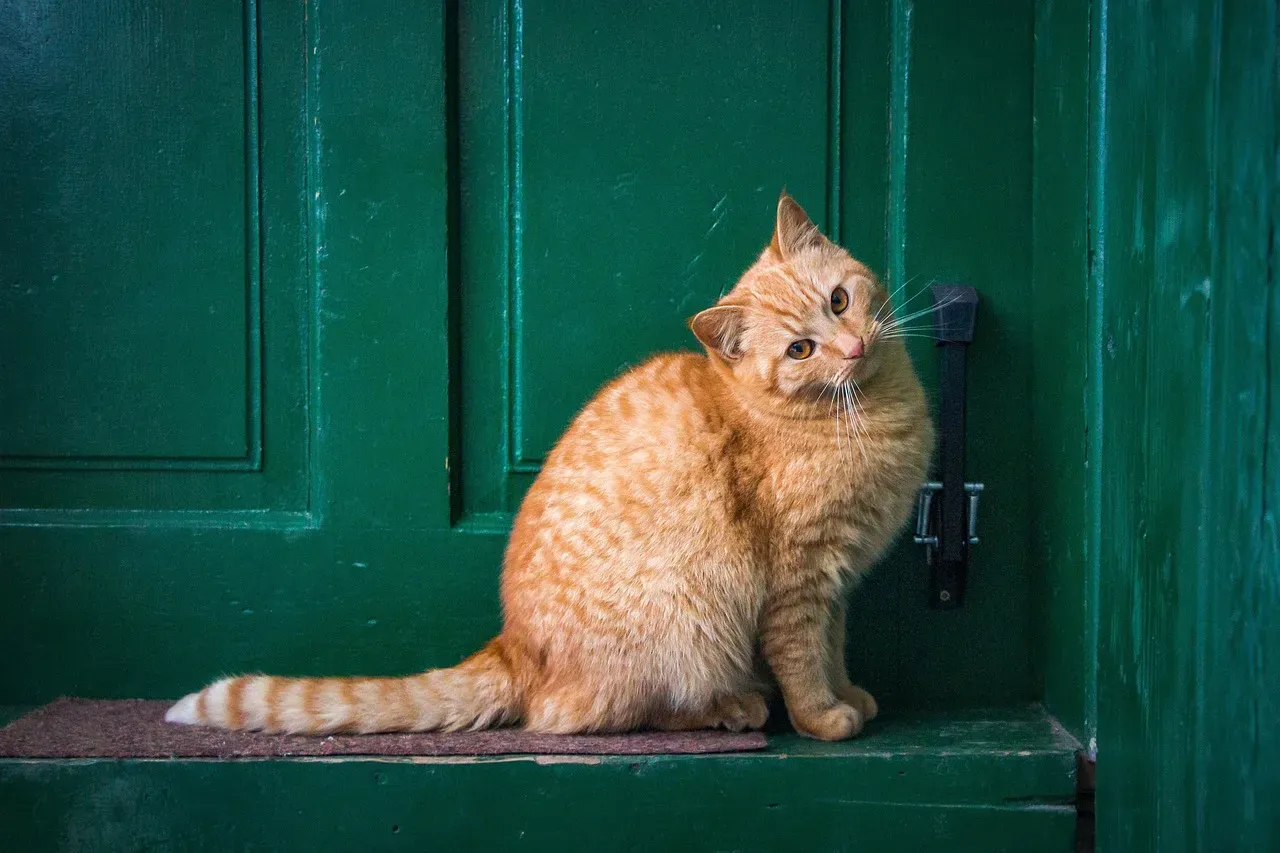
One of the most touching things about your cat’s inner world is how much it’s tied to your sound and smell. While you’re gone, your cat doesn’t just forget you exist; they hold you in a kind of sensory memory. Your scent on the bed or your clothes becomes a reassuring signal that you are real and that this territory is shared. As the day goes on, they’ll sometimes pause and listen when a sound even vaguely resembles your footsteps, your car, or the jingle of your keys.
Many cats begin to stir or move towards the entry area before you actually arrive, reacting to patterns you don’t notice: a specific car door, the elevator ding, or a typical time of day. It can look almost psychic, but it’s really just sharp senses and pattern recognition. In those moments before you open the door, your cat’s mental state shifts rapidly from quiet, self-directed mode to social mode, preparing for interaction. To them, your return is not just a practical event; it’s the emotional high point of the day.
Your Cat Doesn’t Think in Words, But They Do Feel Your Absence
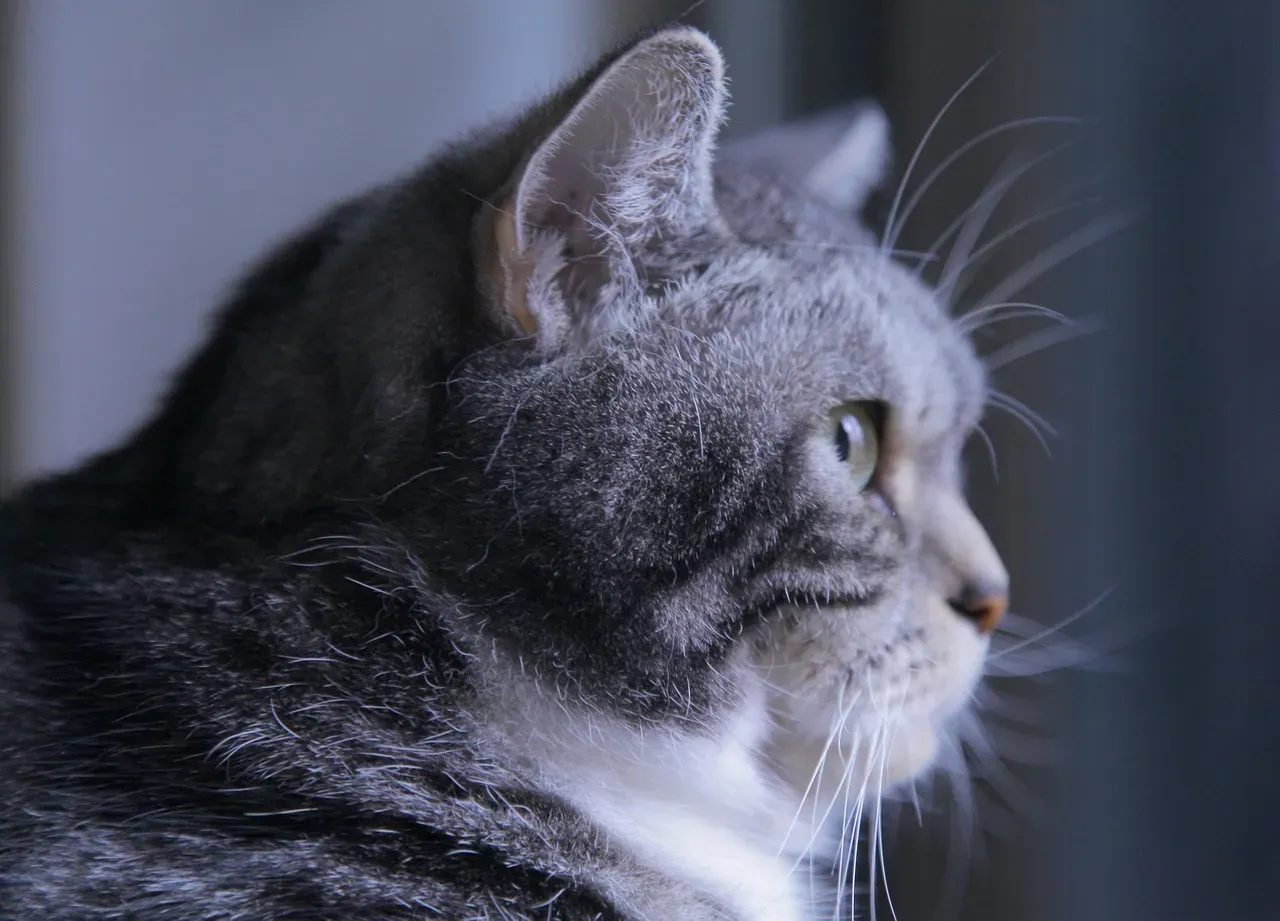
It’s easy to project human thoughts onto your cat, imagining them saying things in their head like “Where did you go?” or “You left me again.” In reality, your cat’s brain works more with sensations, associations, and emotional tones than with anything like language. When you leave, your cat doesn’t run through a storyline, but they do experience a shift: the environment becomes less stimulating, the social presence drops, and a familiar source of safety and reward is suddenly missing. That change carries an emotional weight, even if it isn’t wrapped in words.
So when you come home and your cat rubs against you, rolls on the floor, or gives you that long, slow blink, they’re not reciting a script. They’re expressing a felt sense of relief, comfort, and reconnection. You might think of it as the emotional equivalent of you sinking into your favorite chair after a long day. Even if your cat is naturally independent, your absence and return create a daily emotional rhythm they feel in their body, not their vocabulary.
Your Cat Learns to Predict and Shape Your Behavior
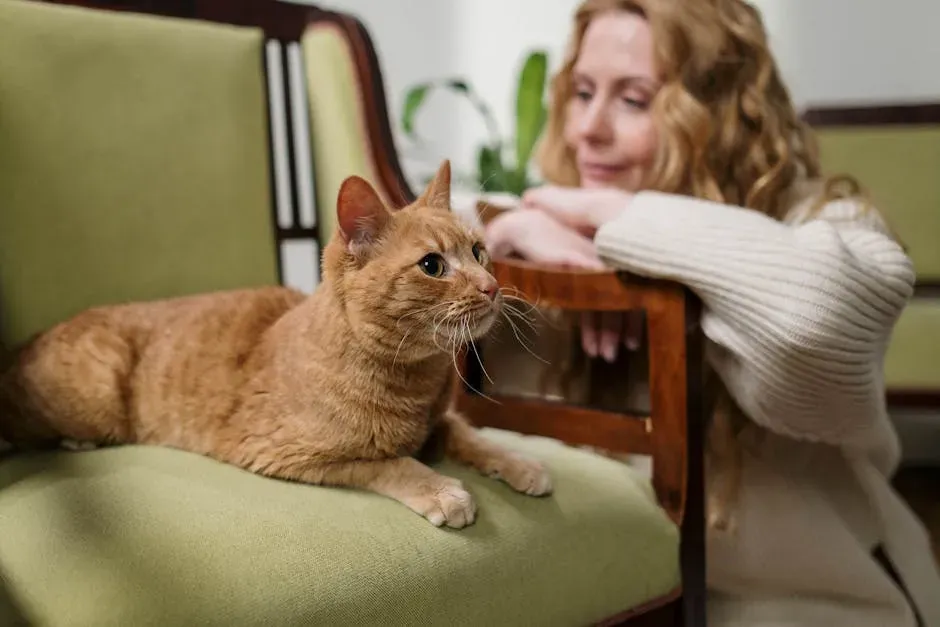
Over time, your cat quietly studies you the way you might binge-watch a favorite series. They learn that crying at the door might get you to come back, or that sitting calmly near their bowl might be more effective just before you leave. They also quickly pick up which goodbye rituals you stick to: maybe a quick pat on the head, a treat by the door, or a last-minute scoop of the litter box. From your cat’s perspective, you’re a very large, very important animal with patterns worth decoding.
While you’re at work, your cat’s brain is still storing data for this invisible “you-study.” When you finally step back inside, they may test different behaviors – rubbing, vocalizing, darting away, bringing you a toy – to see what works best. Little by little, they learn how to nudge you toward earlier dinner, longer playtime, or a preferred sleeping spot. You think you’re just reacting to them, but in your cat’s mental playbook, you’re a work in progress they’re constantly training.
How You Can Make Your Cat’s Alone Time Feel Safer and Richer
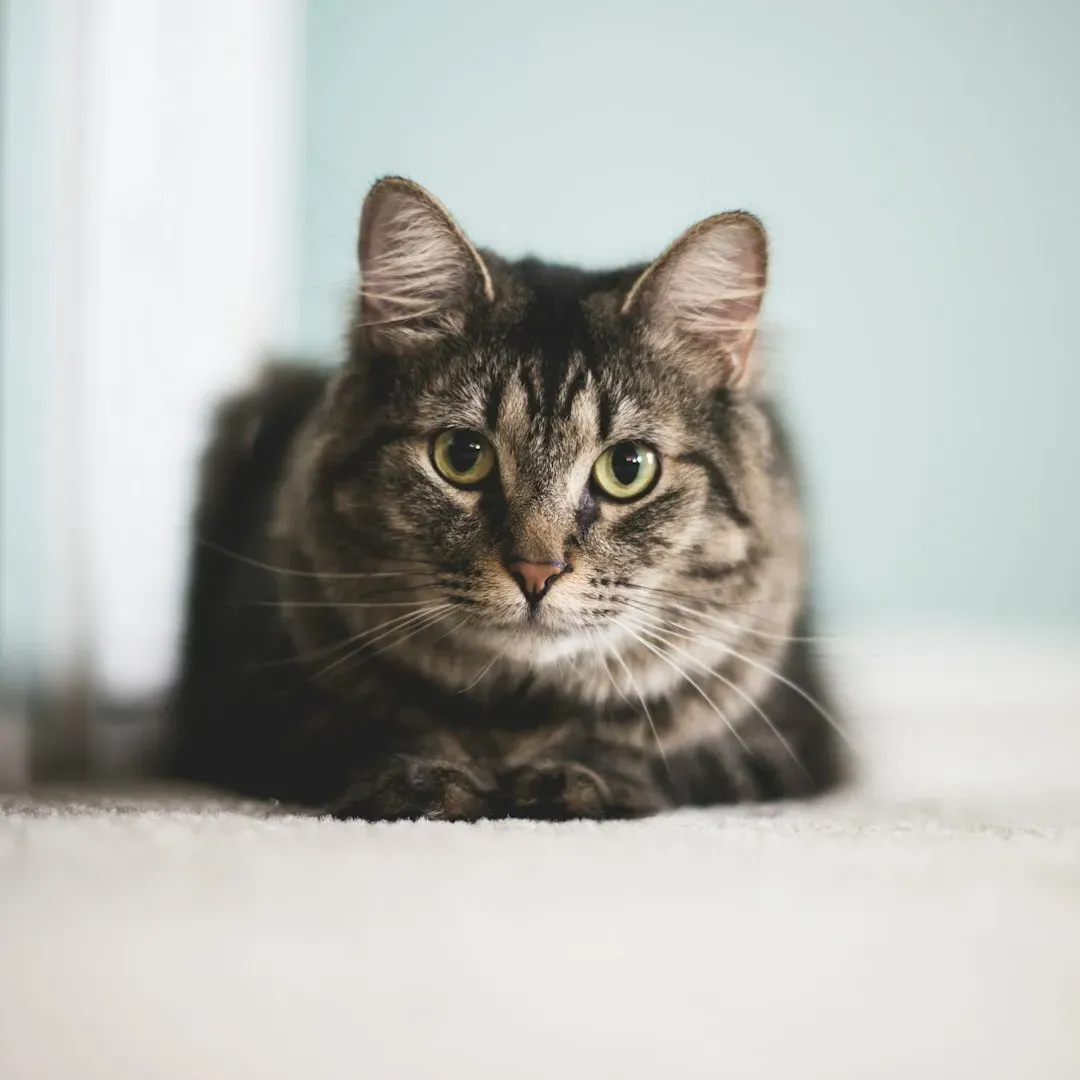
Once you understand what swirls through your cat’s mind when you leave, you can shape that experience in a kinder way. You can create a predictable goodbye routine – like a short play session followed by a small snack – that helps your cat shift from social mode to solo mode. Leaving out puzzle feeders, safe perches near windows, and a rotation of toys gives their mind something to grab onto when the house quiets down. Instead of a sudden empty silence, your cat gets a day filled with small, manageable adventures.
You can also soften your absence through simple sensory anchors. Leaving a worn T-shirt in their favorite sleeping spot, keeping blinds slightly open for bird or street views, or playing soft, consistent background sounds can reduce the emotional drop when you close the door. And when you return, greeting your cat calmly and consistently reinforces the message that leaving is temporary, but the bond is stable. From your cat’s point of view, that predictability turns your daily departures from a mysterious disappearance into a familiar rhythm they can handle.
Conclusion: Your Cat’s Quiet World Is Busier Than It Looks
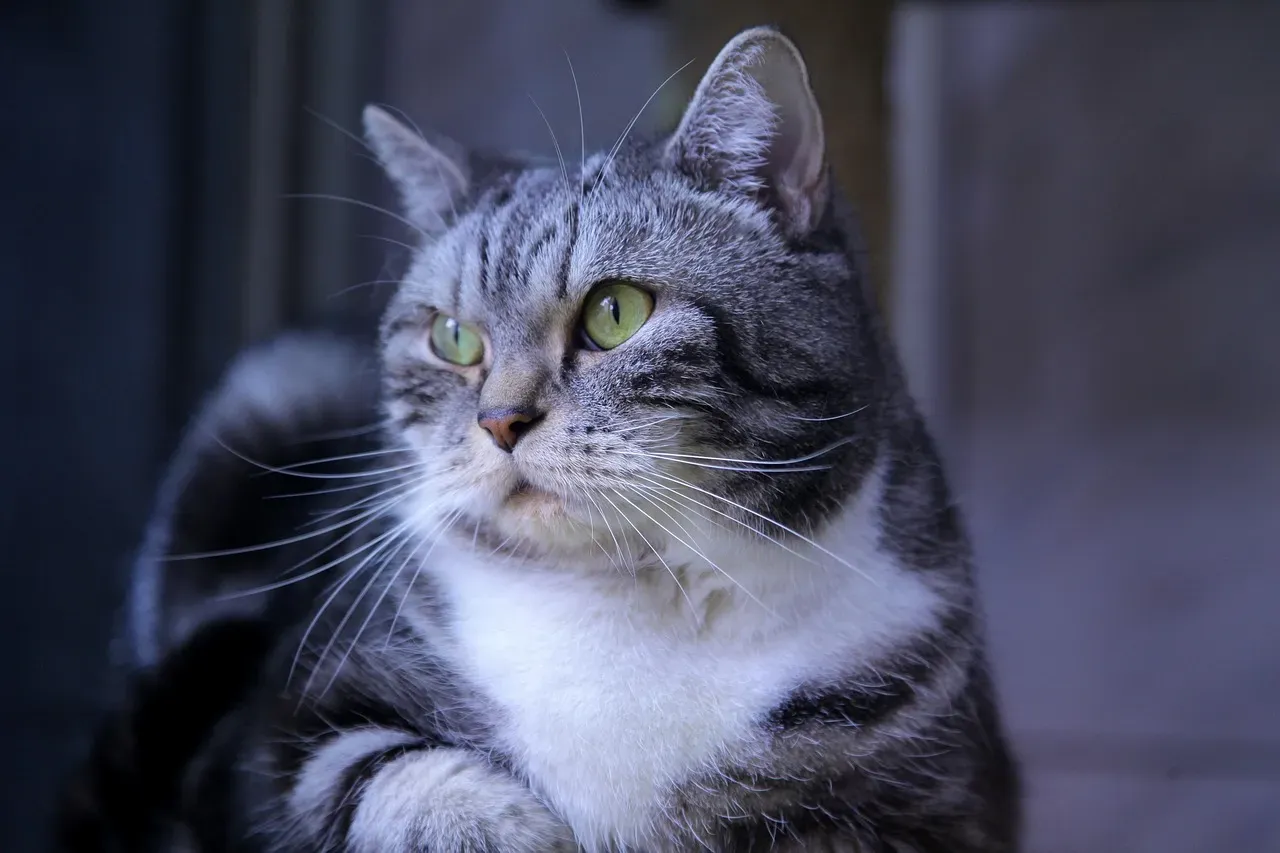
When you walk out to face morning traffic and overflowing inboxes, your cat steps into a different kind of challenge. They’re juggling instinct, boredom, curiosity, and attachment, all inside a space that feels very different without you. Behind those naps and lazy stretches, there’s a mind that’s watching, waiting, and quietly adjusting to your daily disappearances and returns. Your routine is the invisible backbone of your cat’s inner world, even on days when they barely move from the couch.
By seeing your absence through your cat’s eyes, you gain the power to make their days calmer, richer, and more predictable. A few thoughtful changes can turn lonely hours into peaceful, engaging time that still feels connected to you. And maybe the next time you close the door, you’ll take an extra second at the handle, knowing your cat is not just being left behind but actively living through the hours until you come back. Now that you know what might be on their mind, what are you going to change about how you say goodbye and hello?