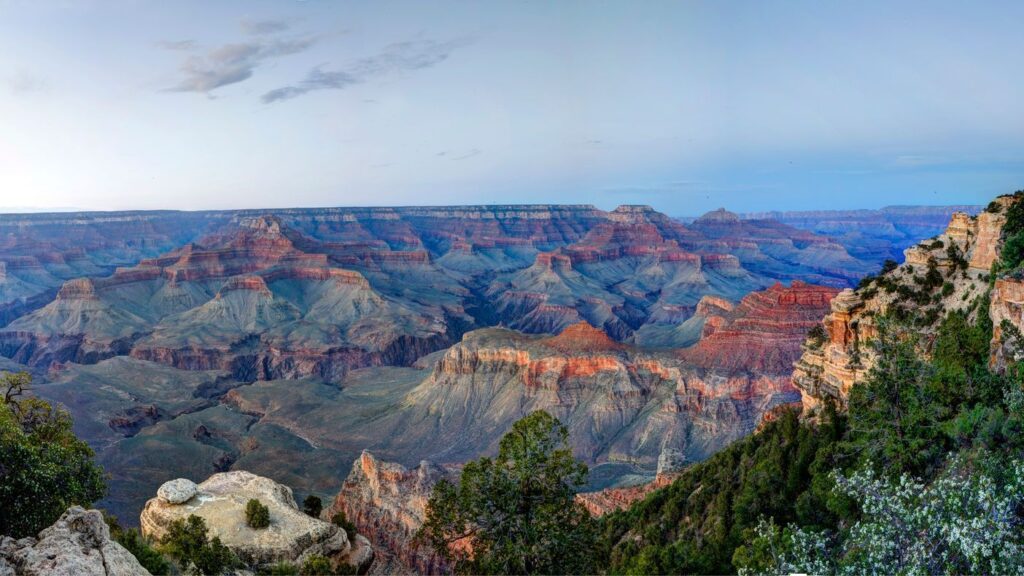
If you have ever stood at the rim of the Grand Canyon, you know it already feels like the rules of time and space are bending. Now imagine discovering a rock layer that seems to bend the actual rules you were taught about how sediments form in the first place. That is the kind of buzz you are hearing behind headlines claiming a new layer in the canyon breaks every known rule of sedimentology.
Here is the twist, though: when you look closely at the science, the story is more subtle and, honestly, more interesting. The rocks of the Grand Canyon really do challenge your expectations in surprising ways, but not because geologists just found a brand‑new mystery layer that rewrites everything overnight. Instead, you are looking at a place where old rules keep getting stress‑tested, refined, and sometimes flipped on their heads as new tools and better data come in.
You Are Standing in One of Earth’s Most Extreme Geology Laboratories
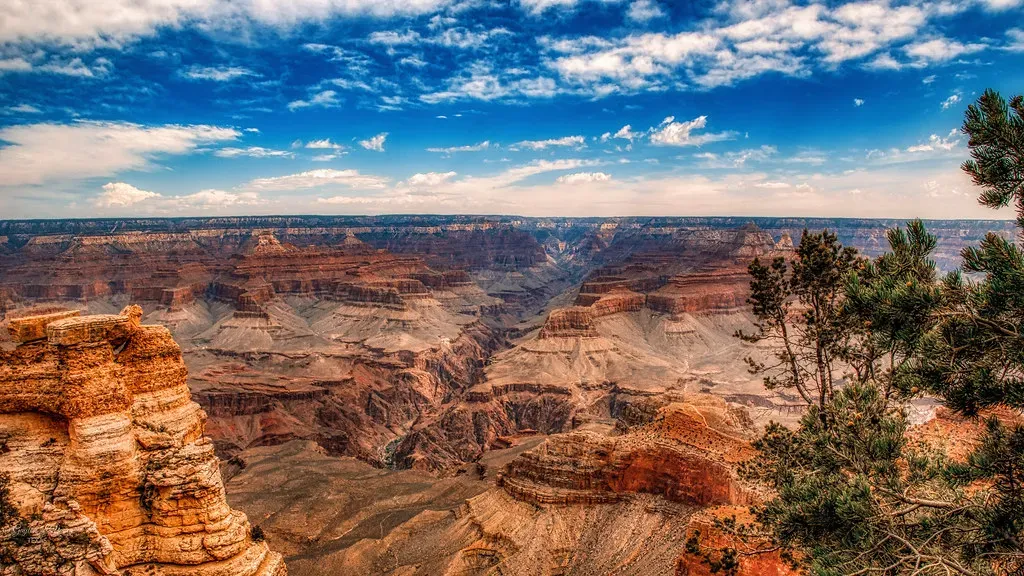
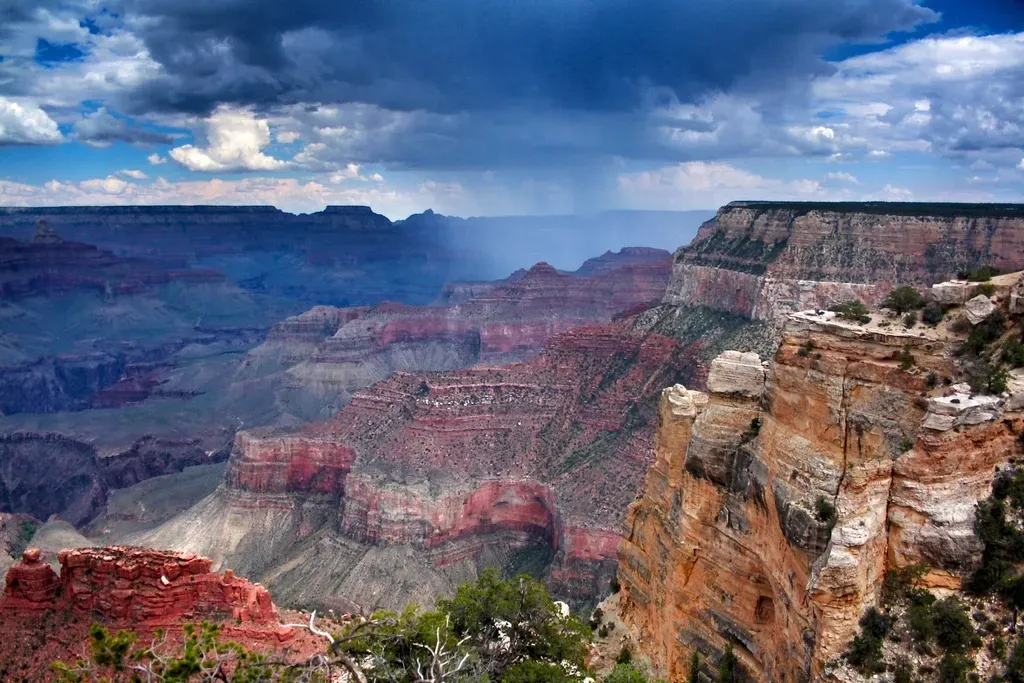
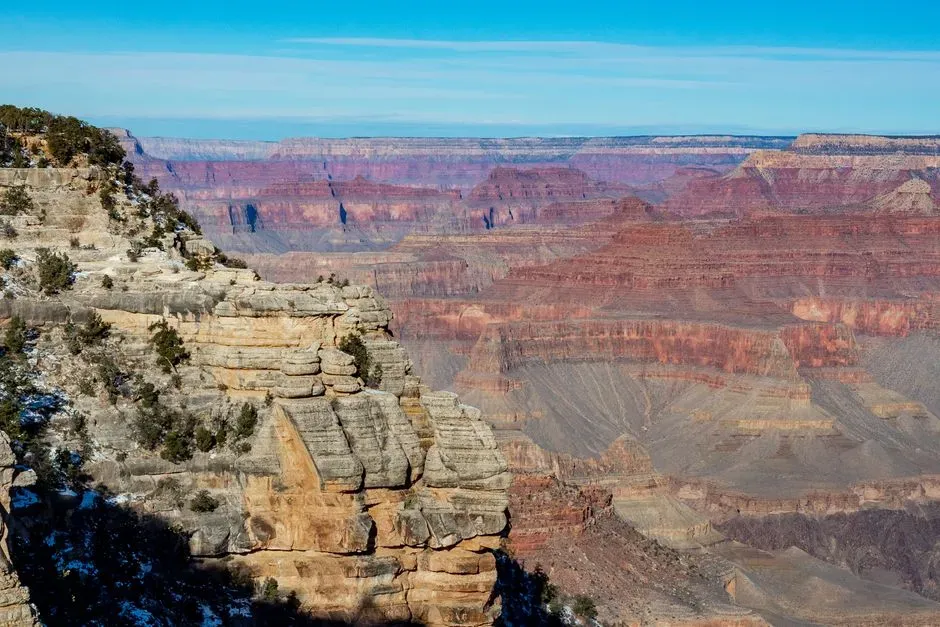
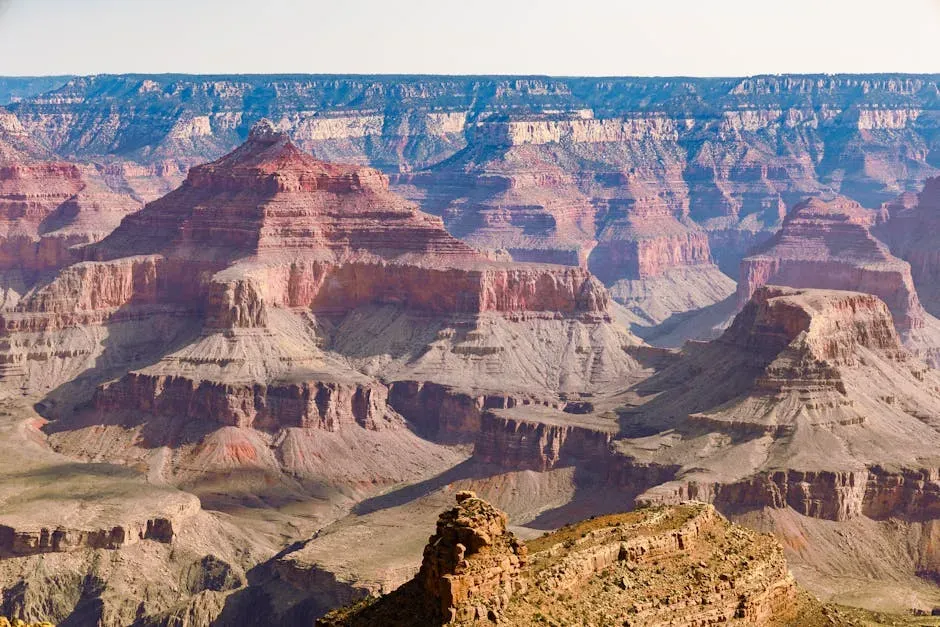
When you peer across the Grand Canyon, you are not just looking at a pretty view; you are staring at nearly two billion years of Earth’s history sliced open like a giant layer cake. Each band of color represents a different environment: oceans, rivers, dunes, coastal swamps, and even ancient mountain belts that rose and eroded long before any dinosaur ever walked the planet. You are seeing time stacked vertically in a way that almost no other place on Earth reveals so cleanly.
Because the sequence is so complete and so open to inspection, the canyon has always acted like a brutal exam for sedimentary “rules.” If a neat textbook principle cannot survive contact with those cliffs, it eventually gets rewritten. That is why you often see geologists hike out of the canyon sunburned, dusty, and quietly thrilled: the rocks there keep confirming some expectations while shredding others, all within a few vertical kilometers of strata.
The Rock Layer Everyone Talks About: When Order Suddenly Breaks
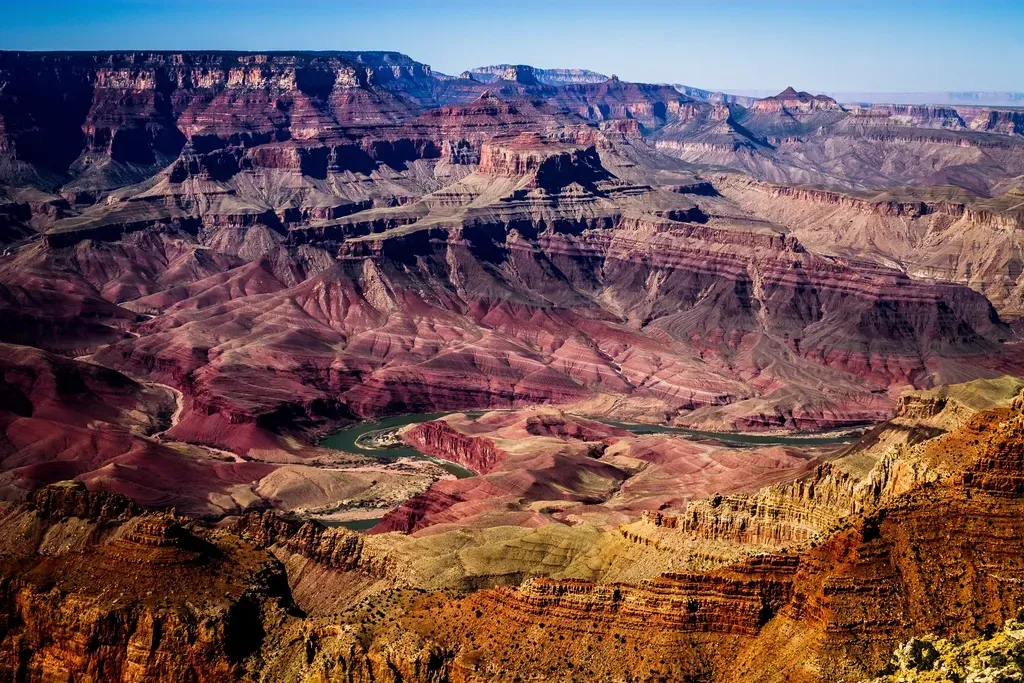
If you trace your eyes down the canyon walls, you will notice a jarring shift where neatly layered sedimentary rocks suddenly give way to far older, twisted metamorphic rocks beneath. That dramatic boundary is known as an unconformity – a time gap where millions, even hundreds of millions, of years of rock record are simply gone. To you, it may look like a simple line; to a geologist, it is a giant blinking sign that the “normal” story of steady sediment buildup was completely interrupted.
At that boundary, you expect textbook rules like “younger rocks lie flat on older flat rocks” to hold nicely. Instead, you find younger layers draped over eroded, tilted, and deformed ancient rocks, almost like a neat blanket thrown on top of a rumpled bed. This odd pairing looks wrong if you are used to imagining sediment building up in calm, gradual sheets. It forces you to accept that long episodes of uplift, erosion, and dramatic landscape change can carve away enormous spans of time, then quietly reset the stage for a fresh batch of sediments on top.
Why This “Rule‑Breaking” Layer Is Still Perfectly Logical Once You Slow Time Down
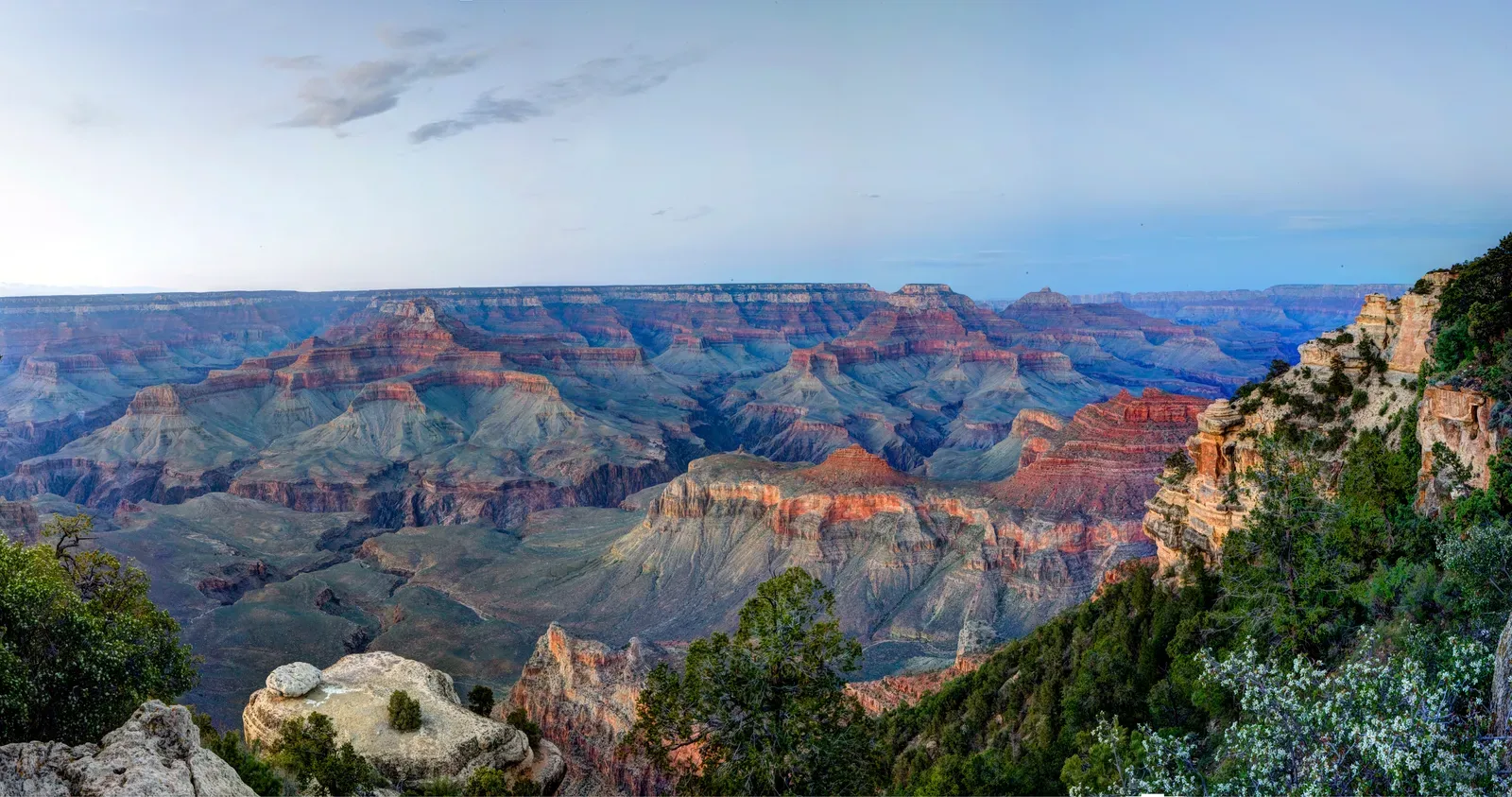
At first glance, you might think a layer that rests in such an awkward position – young and flat above rugged, ancient rock – should not exist if sediments always form gently and predictably. The idea that rocks are laid down one on top of another, like pages in a book, feels so intuitive that anything else seems to violate a fundamental rule. But once you zoom out to the kind of timeframes geologists work with, the canyon’s strange geometry starts to look not only possible, but almost inevitable.
Imagine leaving a dirt driveway alone for centuries instead of years. Storms would gouge it, rivers might slice canyons into it, and whole chunks could vanish before a new layer of dust or sand settled over the top. The Grand Canyon’s unconformities are that same process, just stretched across unimaginable spans of time and scaled to entire continents. What feels like a violation is actually your own sense of time struggling to catch up with what nature quietly does over immense ages.
How Sediment “Rules” Get Bent: Cross‑Beds, Reversals, and Puzzling Contacts
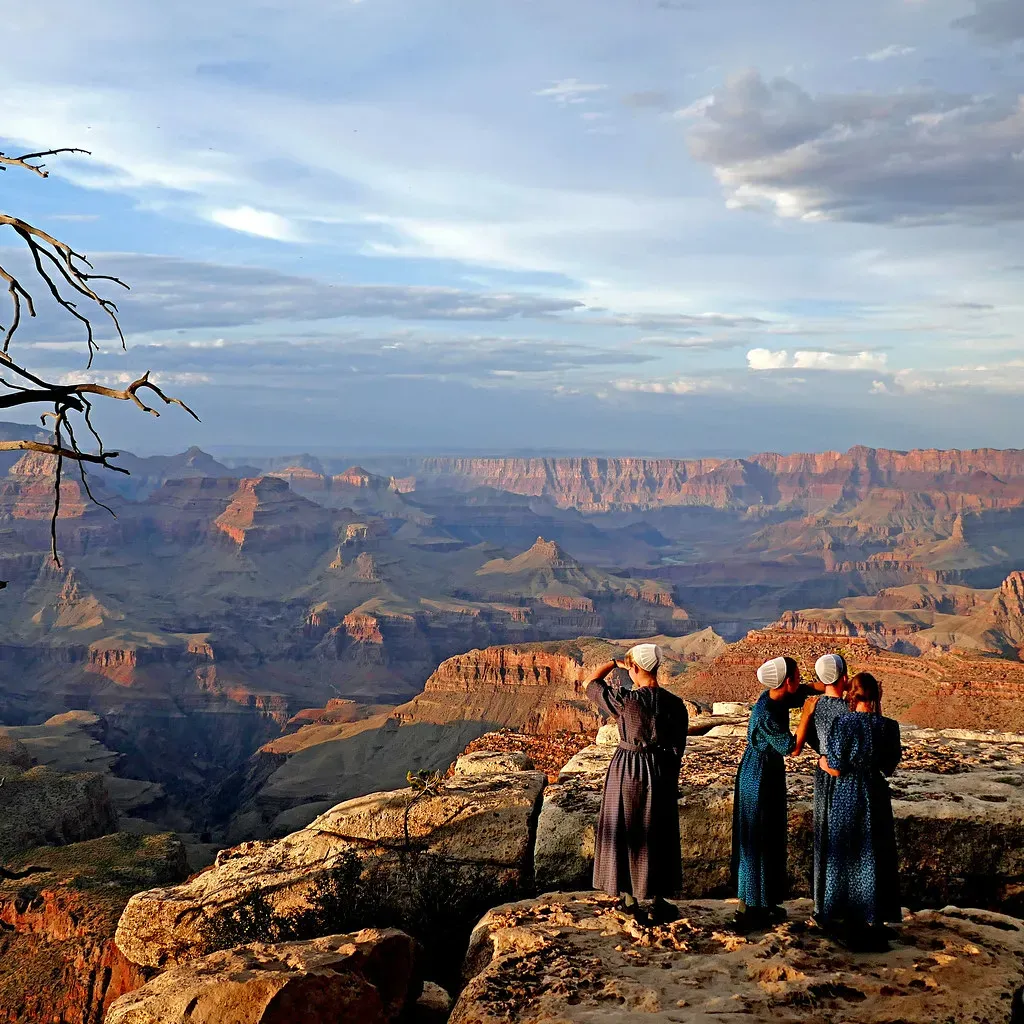
When geologists say a rock package in the canyon pushes against the usual sediment rules, they often mean it shows odd internal structures that do not match simple classroom diagrams. You might see cross‑beds – angled layers inside a larger horizontal bed – that seem to lean the “wrong” way, hinting at ancient dunes or river channels that shifted direction unexpectedly. In some places, coarser material may appear above finer material where you would normally expect the opposite, making you question the tidy idea that grains always sort themselves from large to small in straightforward fashion.
Then there are contacts where two very different environments appear to sit directly on each other, like deep‑water deposits abruptly overlain by something that looks more like a beach or river system. That kind of jump can make you wonder whether the environment flipped overnight. In reality, you are often looking at long, complex stories: sea levels rising and falling, landscapes tilting, erosion cutting away intermediate layers you never get to see. The rock seems to break the rules only because you are staring at the final photo in a long, messy time‑lapse.
What Geologists Actually Do When a Layer Seems to Break Everything You Learned
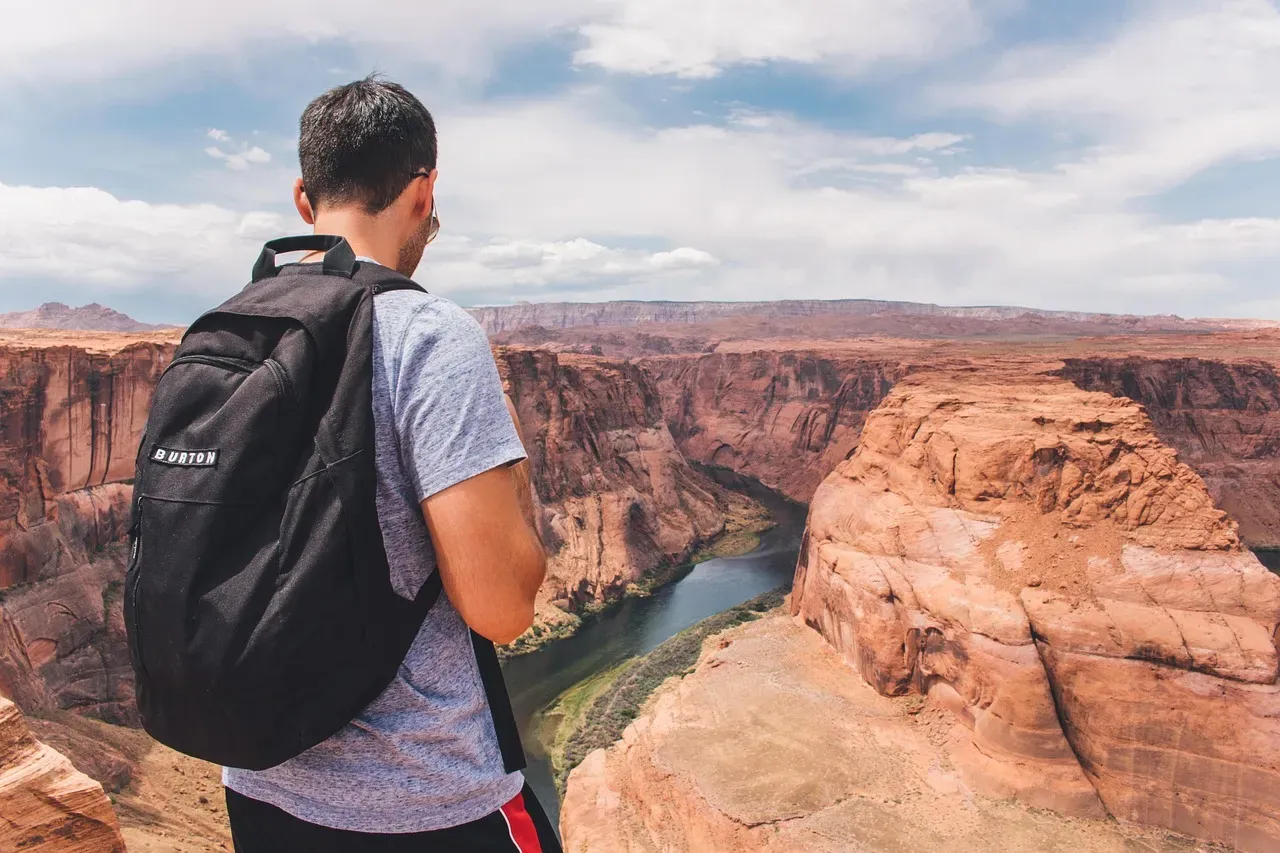
When you hear that a rock layer “violates every known rule,” it is tempting to imagine experts throwing their hands up and starting from scratch. In practice, if you walked alongside a geologist in the Grand Canyon, you would see something more methodical and less dramatic. They would measure the thickness of beds, trace them laterally, sample minerals, and use tools like radiometric dating, paleocurrents, and fossil content to rebuild what really happened.
Instead of tossing out all the rules, they usually end up rewriting a few details and refining the exceptions. Maybe they discover that currents were stronger than expected in that ancient sea, or that sea level swung more abruptly than older models assumed. You, as a curious observer, get to watch how science flexes without snapping: the core principles of sedimentation stay intact, but the canyon forces everyone to accept that nature is wilder, more episodic, and less textbook‑tidy than the old diagrams ever admitted.
Why You Should Be Skeptical of Sensational Claims About “Impossible” Rock Layers
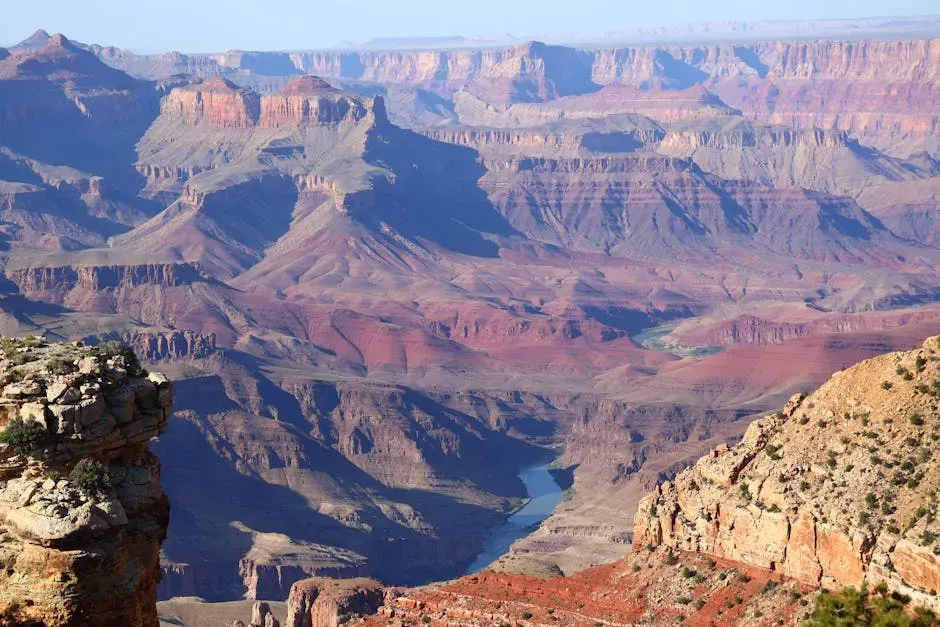
You have probably seen eye‑catching headlines announcing that a new discovery in the canyon overturns everything geologists thought they knew. Those stories hook you with phrases about rules being broken or entire fields being in crisis, because that kind of drama travels fast. But when you track those claims back to the actual research, you usually find something more grounded: a layer that behaves in an unexpected way, or evidence that certain processes were faster, slower, or more complex than simple rules suggested.
That does not make the discovery any less exciting; in many ways it makes it more impressive, because the rocks are adding nuance instead of chaos. If you remember that geologic “rules” are really patterns and tendencies, not unbreakable laws like gravity, the Grand Canyon stops looking like a rebel and more like a brutally honest teacher. The canyon is not exposing an impossible layer so much as reminding you that nature always had more room for surprise than your simplified rules allowed.
How This Changes the Way You Think About Time, Landscapes, and Your Own Assumptions
Once you internalize what that seemingly rule‑breaking layer is really saying, it changes more than your view of geology. You start to feel just how thin your usual time horizons are compared with the canyon’s staggering record. A cliff that looks solid and eternal to you is, in geologic terms, a fleeting stage set between episodes of uplift, erosion, and burial that will eventually rearrange everything again. You realize that what looks “stable” is just the current frame in an incredibly long film.
It also nudges you to question simple stories in other parts of life. Just as those layers defy your easy expectations of how sediments should stack, reality in general often fails to line up with neat rules you picked up from textbooks, headlines, or casual conversation. The Grand Canyon quietly invites you to be braver about ambiguity: to accept that some stories are complicated, some records are incomplete, and some gaps in your knowledge are as real and important as the layers you can clearly see.
The Real Wonder: A Canyon That Keeps Testing the Rules, Not Destroying Them
When you walk away from the rim, you might feel a bit let down that there is no single newly exposed layer that literally destroys every rule of sediment formation. But if you let that disappointment fade, a deeper wonder takes its place. What you really have is a natural monument that has spent more than a century forcing geologists to sharpen their tools, toughen their ideas, and admit where their rules were too simple for a restless planet.
You, standing there with dust on your shoes and the river a shimmering thread far below, are witnessing a kind of long‑term conversation between rock and mind. The canyon keeps revealing oddities and puzzles; science keeps adjusting, re‑measuring, re‑imagining how sediments form, move, and disappear across deep time. That is not a story of rules being shattered; it is a story of rules maturing, and of you learning to see beyond the neat diagrams to the raw, unscripted Earth beneath them.
Conclusion: A “Broken Rule” Is Really an Invitation to Look Deeper
If you take the headline at face value, you might think the Grand Canyon has just played a cosmic prank on geologists by unveiling an impossible rock layer. Once you look closer, you discover something subtler and more powerful: the canyon is not defying sedimentary logic so much as stretching it, revealing where old assumptions were thin and where new evidence demands better explanations. What seems like a violation is usually a clue that your mental model was too tidy for the messy, creative ways Earth actually builds and erases landscapes.
The real takeaway for you is this: whenever someone claims that a single discovery “breaks all the rules,” it is worth asking which rules were actually there in the first place, and how flexible they were meant to be. The Grand Canyon shows you that good science does not crumble when confronted with strange layers; it adapts, upgrades, and comes back with a clearer, richer story about the world you live on. Next time you hear about rocks rewriting reality, will you stop at the headline, or will you lean over the rim – literally or figuratively – and look a little deeper?