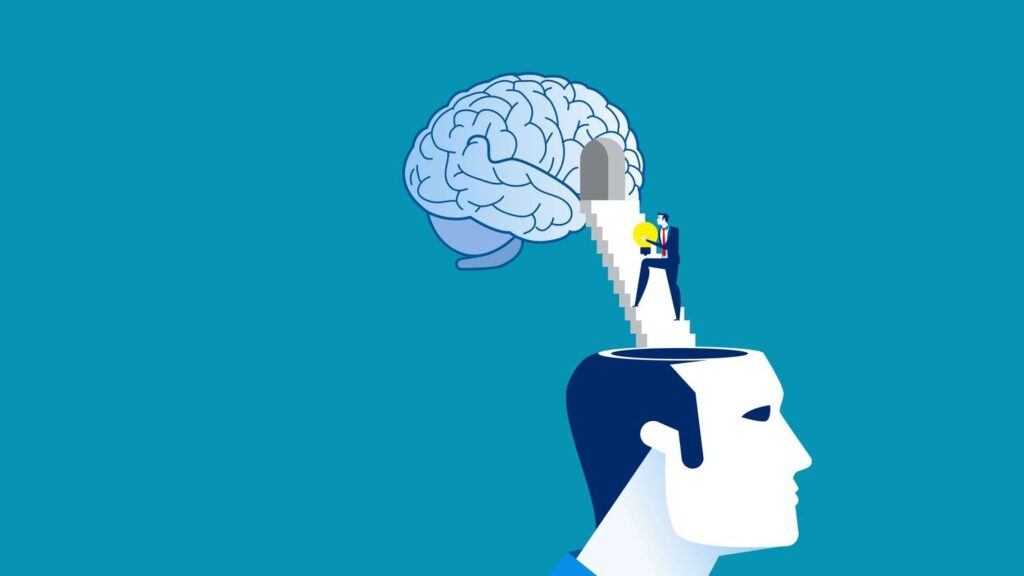

You like to think of yourself as the author of your actions. You decide, you act, and the story feels seamless and continuous, as if your experience and your brain’s activity are one and the same thing, happening in perfect sync. But modern consciousness research quietly challenges that comforting picture. A growing body of experiments suggests your brain may be getting a tiny head start on you, committing to actions milliseconds or even seconds before you feel that you made a choice.
This does not mean you are a robot or that free will is an illusion in any simple sense. Instead, you are looking at a far stranger possibility: your conscious feeling of deciding might be the last step in a chain, not the first. The gap is thin, but measurable, and it forces you to rethink what it really means when you say, “I chose that.” Once you see how this plays out in your everyday life, you may never look at a simple decision the same way again.
The Strange Lag Between Brain Activity and Your Feeling of Choice
If you were wired up to a brain scanner right now and asked to press a button whenever you felt like it, you’d probably assume the brain activity linked to your decision would appear right when you felt the urge. In classic experiments, though, researchers found that a buildup of brain activity, sometimes called a readiness potential, appears before you report any conscious intention at all. In some cases, that neural signature shows up roughly a third of a second before you say, “Now I decided,” and in more recent studies using brain imaging and machine learning, patterns linked to your eventual choice can sometimes be detected even a few seconds ahead of time.
From your point of view, that sounds almost spooky: your brain seems to lean toward an action before “you” arrive on the scene. But instead of meaning that you have no say, it suggests that what you call a decision is spread out over time and across different brain systems. You consciously notice the last part of the process, the moment the decision becomes vivid and reportable, while the early, quieter nudges are hidden from awareness. You feel a single snap of choice, but underneath, it is more like a rising wave that crosses a threshold before you ever sense it.
How Classic Experiments Made You Question Free Will

You might have heard of famous button-press experiments where you watch a fast-moving clock and later report the instant you decided to move. When researchers compare your reported decision time with the timing of your brain signals, the brain seems to fire up first, and your conscious “I chose” experience lags slightly behind. For many people reading about these experiments for the first time, it feels like a punch in the gut: if your brain decided before you did, are you just along for the ride?
But when you look closer, you realize these tasks are extremely stripped-down and artificial. You are not weighing values, imagining outcomes, or reflecting on long-term goals. You are basically told: “Move whenever, it does not matter why.” That kind of arbitrary action is almost the least interesting kind of decision you ever make. The results still matter, because they show a gap between brain and awareness, but they do not automatically generalize to everything from choosing a partner to blowing the whistle on corruption at work. You need to be careful not to drag simple lab tasks into sweeping claims about your entire life.
What That Tiny Gap Really Measures (and What It Doesn’t)
When scientists talk about a gap between brain decision and conscious choice, they are usually talking in the range of tens to hundreds of milliseconds, or occasionally up to a couple of seconds for very simple predictions. In the realm of your lived experience, that is thinner than the blink of an eye, yet your brain is an incredibly fast prediction machine, so this tiny window is still enough for it to start preparing muscle activations or filtering incoming sensations. Your conscious awareness, by contrast, feels more like a summary that is delivered a fraction of a moment late, already polished and stitched into a coherent story.
This delay does not mean your consciousness is useless or that it never plays a causal role. Instead, it hints that what you feel as an instantaneous act is actually the visible tip of a process that was already underway. You can think of it like a streaming service that buffers a bit ahead of what you are watching: you see a seamless show, but under the hood, the system is slightly ahead of you at all times. The gap researchers are measuring is more like that buffer than a giant divide that severs you from your actions.
Your Brain as a Prediction Machine, Not a Passive Mirror
You tend to imagine your mind as a camera that passively records reality, including your own choices. Current neuroscience paints a different picture. Your brain constantly predicts what is about to happen, including what you yourself will do, and updates those predictions when they are wrong. In that framework, the early neural signals before a reported decision can be seen as your brain warming up a likely action, testing it internally before you ever feel it as a conscious urge.
From this perspective, your sense of willing an action may be your brain’s best guess about what just happened, not a primitive command sent from some inner boss. You feel, “I decided to pick up the glass,” because your predictive model of yourself needs to explain why your hand is moving toward the glass right now. That explanation arrives quickly and smoothly, so it feels instantaneous, but it is already based on events your unconscious brain started a moment earlier. You are not an outsider watching; you are the model the brain is constantly building and updating.
Why This Doesn’t Automatically Kill Free Will

When you first learn about these timing gaps, it is tempting to throw up your hands and declare that free will is dead. If the brain decides first, where are you? But the word “you” already bundles together conscious and unconscious processes in a way that the experiments artificially separate. The same organism, the same nervous system, is doing the unconscious buildup and the conscious noticing. When your neural circuits narrow in on a choice after weighing your values, memories, and long-term plans, that is still you deciding, even if you do not witness every microscopic step.
What these studies really undercut is a cartoon picture of free will where a tiny homunculus in your head presses a button and the body obeys instantly. Instead, your real freedom lives in the way you shape your brain over time: how you learn, which habits you reinforce, what situations you place yourself in, and what you practice paying attention to. The gap shows that decisions are processes, not single sparks. That should nudge you to think of free will less as magical spontaneity and more as a kind of skilled self-regulation that emerges from the whole system you are slowly building.
How You Can Sometimes Override an Emerging Decision
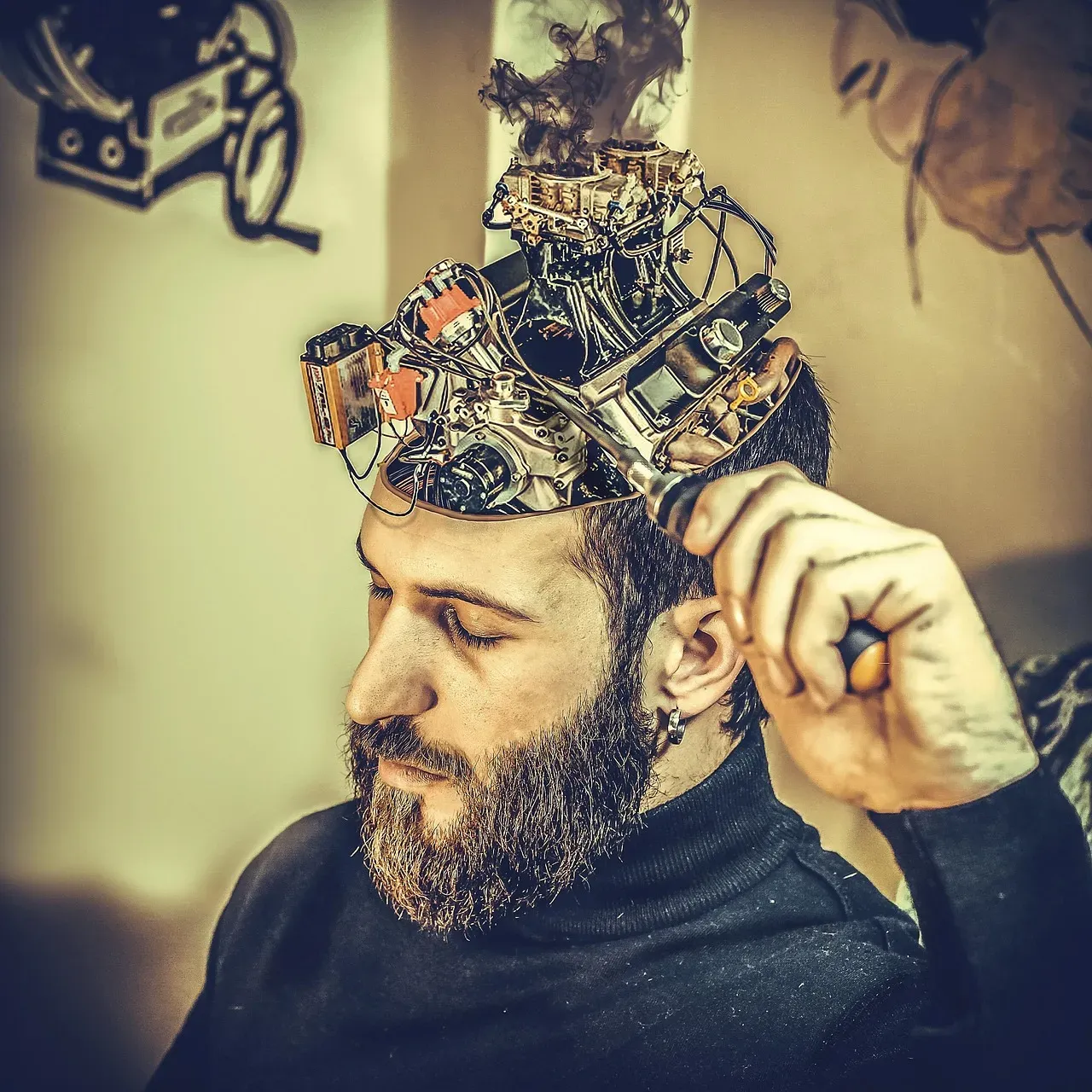
There is another twist that protects a more nuanced sense of agency: in some experiments, you can still veto an action at the last moment, even after early brain signals suggest a movement is being prepared. Researchers sometimes call this a kind of “free won’t,” where your system ramps up toward a movement, and yet you stop yourself just in time. The mere existence of this veto ability hints that even if an initial tendency forms outside awareness, later stages of processing still allow higher-level control.
You can see something similar in daily life when you catch yourself about to say something unkind and stop mid-sentence, or when you start reaching for your phone and then think better of it. In those moments, the action was not fully scripted; you still had room to steer. The more you train that capacity – to pause, notice, and redirect – the more influence you wield over the outcomes that actually unfold. The early brain signals may be the starting push, but they are not always the final word.
Everyday Moments Where the Gap Shows Up in Your Life

Once you know about this timing gap, you start noticing subtle echoes of it everywhere. Think about times you catch yourself already walking toward the kitchen before you consciously frame the thought, “I’m going to get a snack.” Or moments when your fingers start typing a familiar password while your mind is still drifting elsewhere, and only afterward do you feel that you decided to log in. In many routine actions, your body and brain lean forward first, and your conscious story catches up a beat later.
You can also spot this lag when you learn a new skill. At first, every movement feels slow and deliberate; you narrate each step in your head. As you practice, the skill moves into more automatic circuits, and your conscious oversight loosens. In a way, you are deliberately training your brain to decide earlier and faster than your slow inner commentary can track. That is not a loss of self; it is what mastery feels like from the inside. Knowing this, you can worry less about consciousness always being first in line, and more about whether your habits reflect the kind of person you actually want to become.
How This Research Changes Your Sense of Responsibility
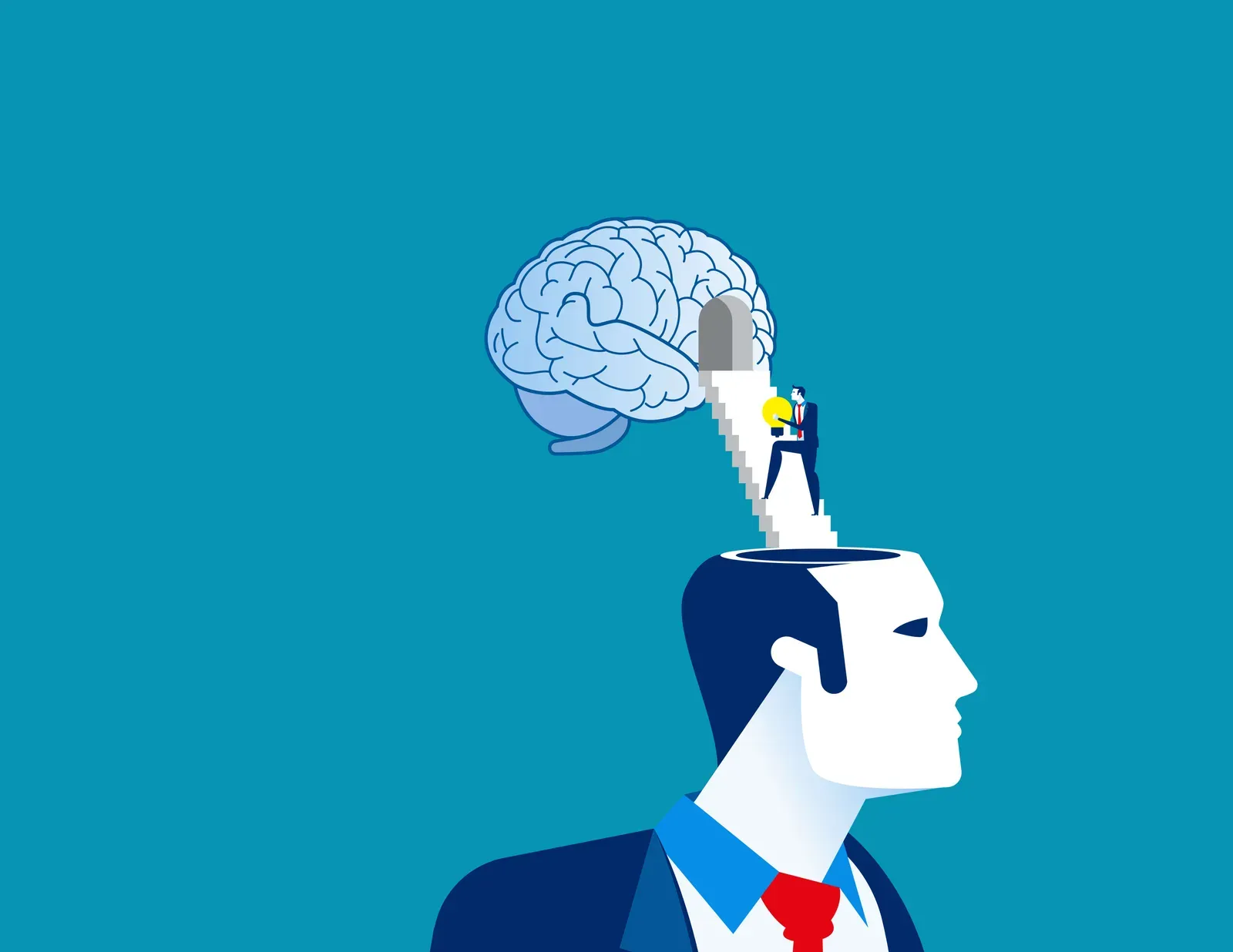
If part of your decision-making happens before you are aware of it, you might wonder how fair it is to hold yourself responsible for what you do. The key is to zoom out from single milliseconds of choice and look at patterns that unfold over days, months, and years. You influence your future automatic decisions by what you repeatedly do now: the food you buy, the media you consume, the people you surround yourself with, the ways you cope with stress. Those influences quietly shape the early brain signals that will later become your “snap” choices.
In that wider view, responsibility looks less like a one-time moment and more like ongoing authorship. You are responsible not in the sense of causing every microsecond of neural activity directly, but in the sense that you can steer the overall direction of the system that generates those activities. You may not control when a particular spike of readiness potential appears, yet you can absolutely influence the habits, values, and contexts that make one choice more likely than another. That perspective can feel more empowering than the old fantasy of a totally unconstrained will acting in a vacuum.
Using the Gap to Make Better, More Conscious Decisions

Once you accept that some part of your brain is always a little ahead of your conscious story, you can use that knowledge instead of fighting it. For important decisions, you might deliberately build in a pause, giving slower, reflective systems time to weigh in before an impulsive tendency locks in. Simple strategies – like sleeping on a big choice, stepping away from a heated conversation, or writing down pros and cons – can give conscious evaluation more room to shape the eventual neural trajectory.
You can also cultivate practices that sharpen your awareness of early internal signals, such as mindfulness or body scans. Over time, you get better at noticing tiny shifts in tension, urges, and mood before they explode into full-blown actions. You will still never see the very first flicker of a decision in your neurons, but you can become more attuned to the early wave as it rises. That way, the small but real delay between brain and awareness becomes a useful window for course correction, instead of a mysterious gap that leaves you feeling powerless.
Conclusion: Living Honestly With a Half-Second Head Start
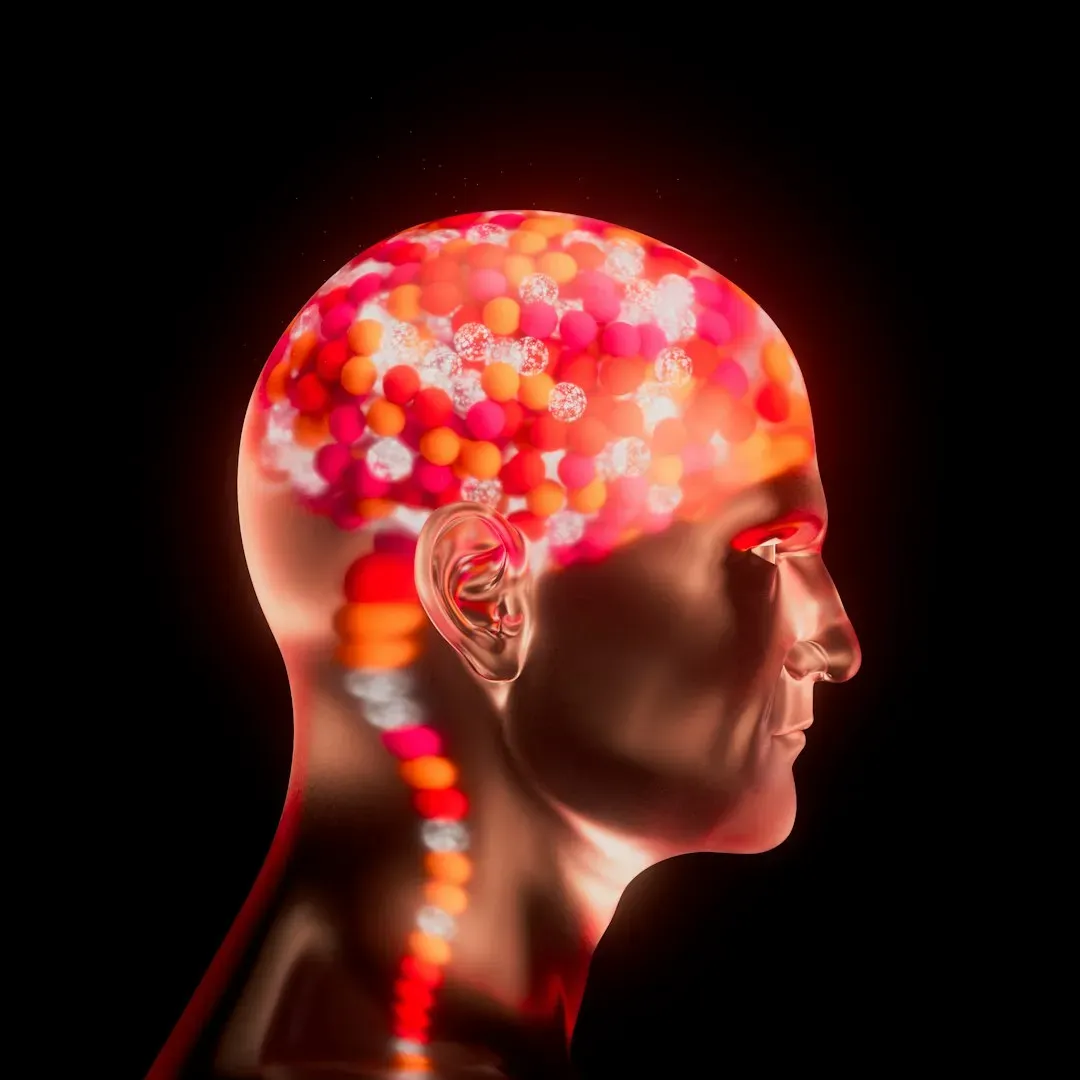
Consciousness research is quietly telling you that your experience of choosing is not the pristine starting gun you thought it was. Your brain begins to tilt toward actions before you feel the weight of a decision, and your awareness arrives in time to experience, interpret, and sometimes redirect what is already in motion. The gap is not huge, but it is real, and once you know it is there, you cannot unsee it. Yet rather than erasing your sense of self, it invites you to think of yourself as a process – spread out over time, shaped by habits, training, and reflection.
When you embrace that picture, free will stops being an all-or-nothing superstition and becomes something more grounded: the skill of steering a complex system that is always humming just ahead of your conscious spotlight. You still matter, just not in the simple way you once assumed. Your job is not to conjure choices out of thin air in a single instant, but to keep tuning the machinery that makes better choices more likely. Knowing that your brain gets a thin, measurable head start, how will you use the moments you do have to nudge your future self in the direction you actually care about?