If you ever thought archaeology was just about dusty pottery shards and broken walls, buckle up. Some of the strangest discoveries on Earth sound like they were ripped straight out of science fiction, conspiracy forums, or late-night cable documentaries. Yet when you strip away the hype, what remains is often even more astonishing: real objects, in real museums, forcing experts to admit that the past was weirder and more inventive than our school textbooks ever hinted.
When I first started reading about these finds, I honestly assumed at least half of them were overhyped nonsense. Then you dig into the excavation reports, radiocarbon dates, and careful lab work, and you realize something unsettling: the wildest part is not that people make up stories, but that the facts themselves are already unbelievable. Let’s walk through fifteen discoveries that sound like hoaxes, hoards, or Hollywood props – but are very much part of our documented human story.
1. The Antikythera Mechanism: An Ancient Greek “Computer”
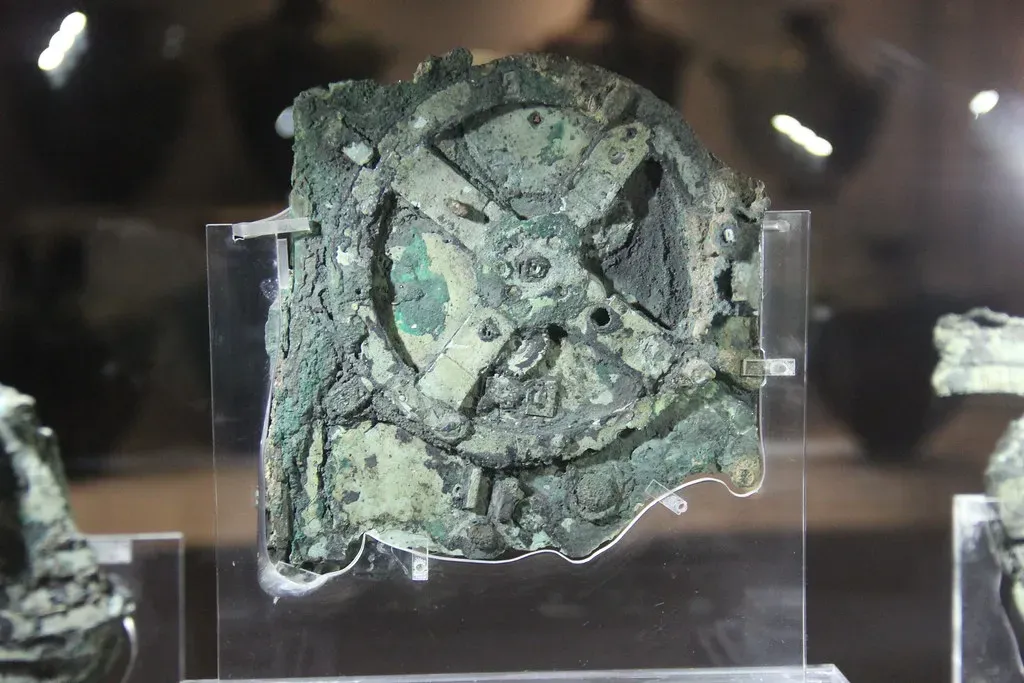
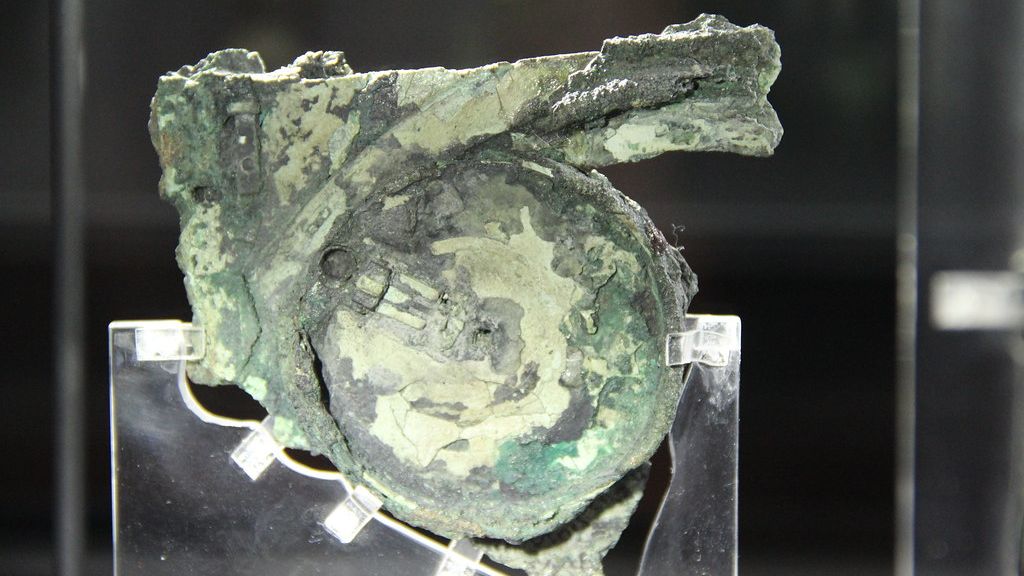
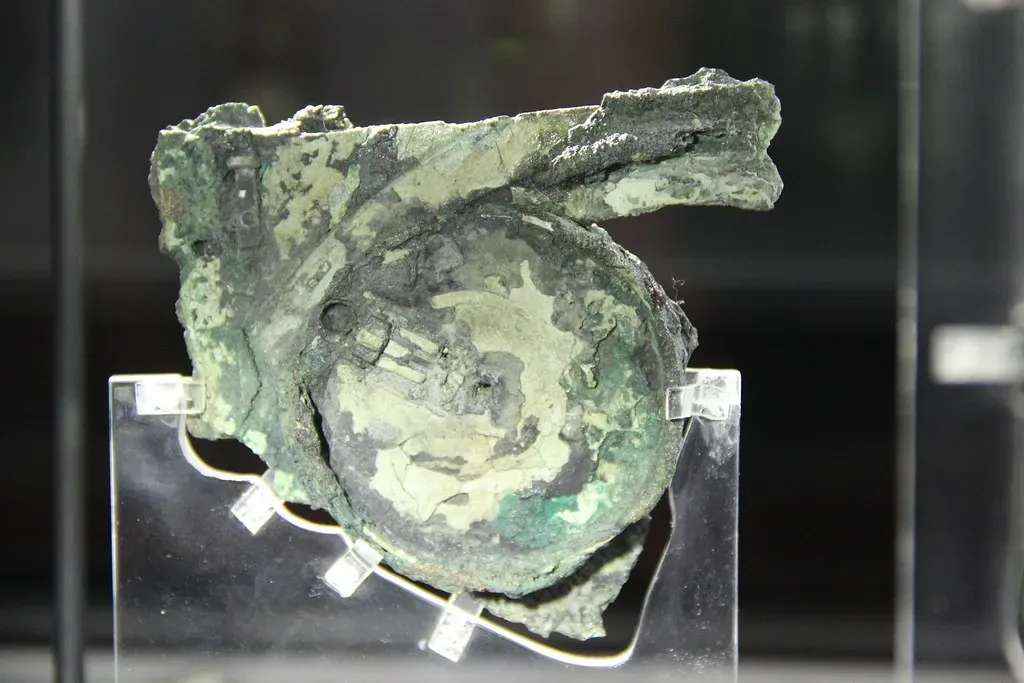
Imagine divers pulling up a corroded lump of bronze from a Roman-era shipwreck and later realizing it is, in essence, a precision gear-driven computer from around the second or first century BCE. That is the Antikythera Mechanism, recovered in 1901 off the Greek island of Antikythera and now widely regarded as the most complex mechanical device known from the ancient world. Advanced imaging has revealed at least thirty interlocking bronze gears tightly packed into a case roughly the size of a shoebox, designed to model astronomical cycles with breathtaking accuracy. ([britannica.com](https://www.britannica.com/topic/Antikythera-mechanism?utm_source=openai))
Turn a crank on the original device, and it would have displayed the positions of the sun, moon, and likely the known planets, predicted eclipses, and tracked complex cycles like the Metonic 19‑year lunar cycle through spiral dials on the back. Modern reconstructions show ingenious epicyclic gearing systems mimicking the irregular motion of the moon, something we tend to associate with medieval clockmakers a thousand years later, not with Hellenistic tinkerers. ([antikytheramechanism.com](https://www.antikytheramechanism.com/anatomy.html?utm_source=openai)) The popular myth is that it “shouldn’t exist”; the uncomfortable reality is that it does, and it proves at least some ancient engineers were far ahead of what we assumed.
2. Göbekli Tepe: A 12,000‑Year‑Old Megalithic Temple
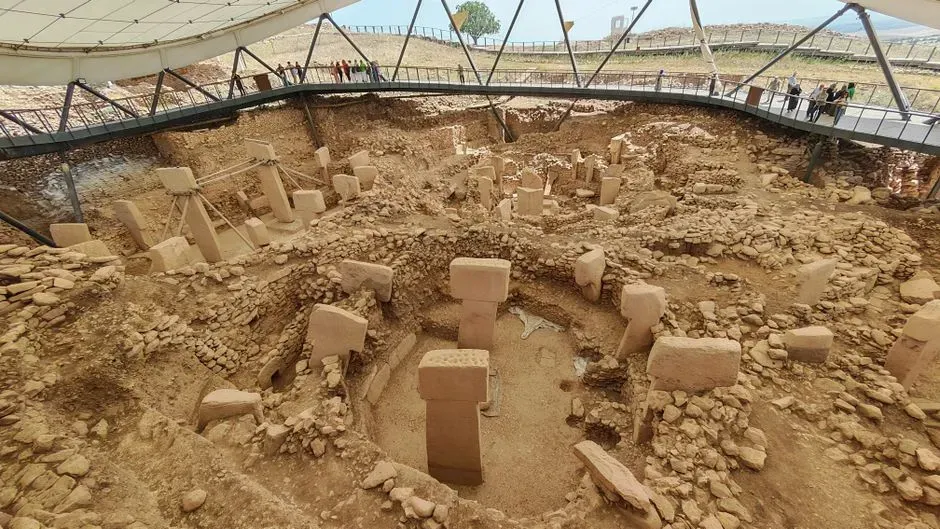
If you were taught that big stone temples came after farming, cities, and organized states, Göbekli Tepe in southeastern Turkey laughs that story right out of the room. Perched on a ridge near modern Şanlıurfa, this site consists of massive T‑shaped stone pillars, some over five meters tall, arranged in circular enclosures and carved with foxes, birds, snakes, and abstract human figures. Radiocarbon dating and stratigraphy place the earliest phases back to around 10,000 BCE, making it roughly twice as old as Stonehenge and older than the first known cities. ([gobekli-tepe.com](https://gobekli-tepe.com/faq/?utm_source=openai))
What makes Göbekli Tepe feel almost “fake” is not just its age, but its context: it was built by hunter‑gatherer communities before full-scale agriculture took hold in the region. That flips the traditional script that religion and monument building follow farming and surplus; here, large-scale ritual architecture might actually have helped drive people to settle and experiment with cultivation. Recent excavations continue to reveal new enclosures and even enigmatic human‑like reliefs, suggesting a symbolic world far richer than we imagined for the early Neolithic. ([huffingtonpost.es](https://www.huffingtonpost.es/sociedad/los-arqueologos-descubren-misteriosa-figura-humana-templo-mas-antiguo-mundobr.html?utm_source=openai)) Personally, I think Göbekli Tepe is the single best reminder that “primitive” is often just a label for “we have not understood this yet.”
3. The Baghdad “Battery”: Ancient Power Source or Misunderstood Jar?
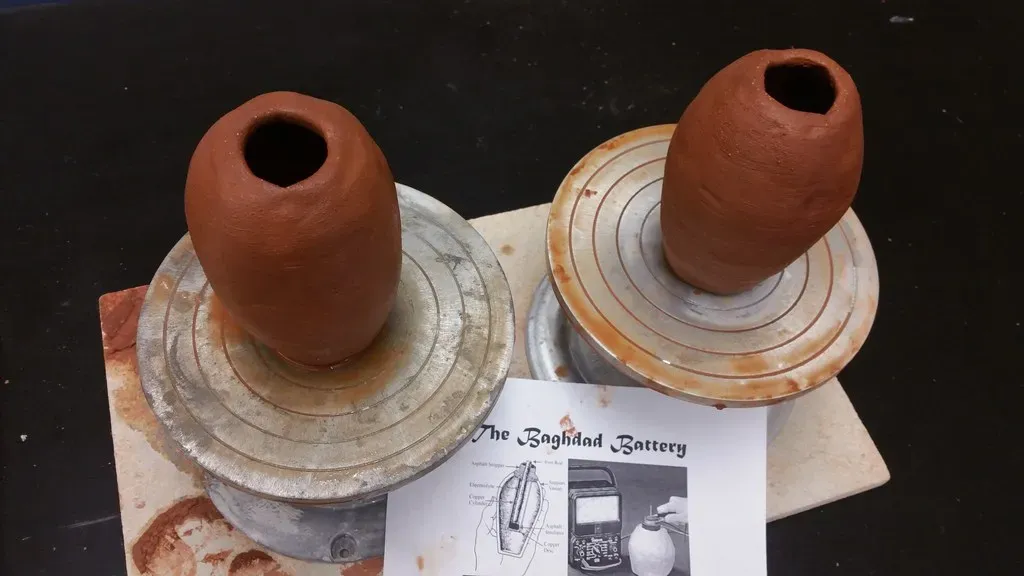
A clay jar, a copper cylinder, an iron rod: on their own, they sound boring. Put them together and you get the so‑called Baghdad Battery, a set of artifacts found near modern Baghdad and usually dated to the Parthian or early Sasanian period, around two thousand years ago. In the 1930s, a museum curator suggested that when filled with an acidic liquid like vinegar or wine, the device could act as a rudimentary galvanic cell, producing a small electric current. Experiments with replicas show it can, in fact, generate low voltage electricity. ([en.wikipedia.org](https://en.wikipedia.org/wiki/Baghdad_Battery?utm_source=openai))
That is where the legend of ancient electroplating and secret batteries takes off, but the truth is more nuanced and, to me, more interesting. There is no direct inscription or clear archaeological context proving it was used as a battery, and some modern archaeologists argue it was more likely a storage vessel or ritual object that just happens to have the right components for a simple cell. ([openculture.com](https://www.openculture.com/2025/12/was-the-baghdad-battery-actually-a-battery.html?utm_source=openai)) We are left in an uncomfortable middle ground: the object is completely real, the electrical potential is demonstrable, but the actual ancient purpose remains unresolved – a perfect example of how easily a legitimate find can blur into speculative myth.
4. The Piri Reis Map: A 1513 World Map Packed With Surprises
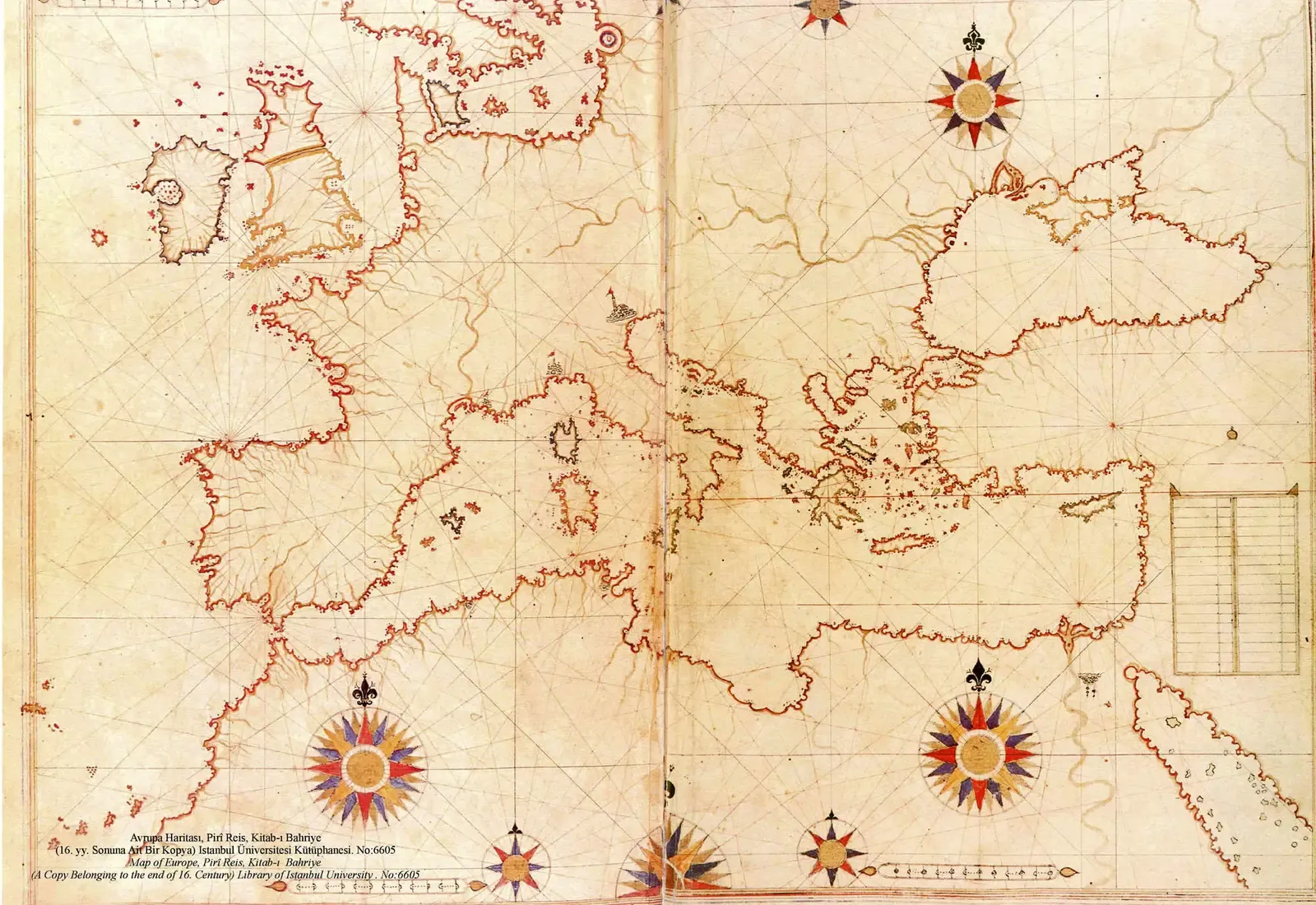
The Piri Reis map is one of those artifacts that gets kidnapped by fringe theories, then quietly returned to the archives by actual historians. Compiled in 1513 by Ottoman admiral and cartographer Piri Reis, the surviving fragment shows parts of the Atlantic, including the western coasts of Europe and Africa and an impressively recognizable eastern coastline of South America, just two decades after Columbus’s voyages. It is a genuine portolan-style nautical chart, complete with compass roses and sailing notes, drawn on gazelle skin parchment and rediscovered in Istanbul’s Topkapı Palace in 1929. ([en.wikipedia.org](https://en.wikipedia.org/wiki/Piri_Reis_map?utm_source=openai))
For years, popular books claimed that the map depicted Antarctica without ice or proved access to secret ancient surveys, but careful analysis shows it is more likely a brilliant compilation of contemporary Portuguese and Spanish charts – possibly including a now-lost chart associated with Columbus – combined with Islamic mapping traditions. ([muslimheritage.com](https://muslimheritage.com/uploads/piri.pdf?utm_source=openai)) The real wonder is not that it shows some mythical pre-glacial continent, but that within a single sheet of parchment you can trace the flow of information, rivalry, and exploration at the very dawn of the age of global navigation.
5. The Nazca Lines: Giant Geoglyphs Carved Into a Desert
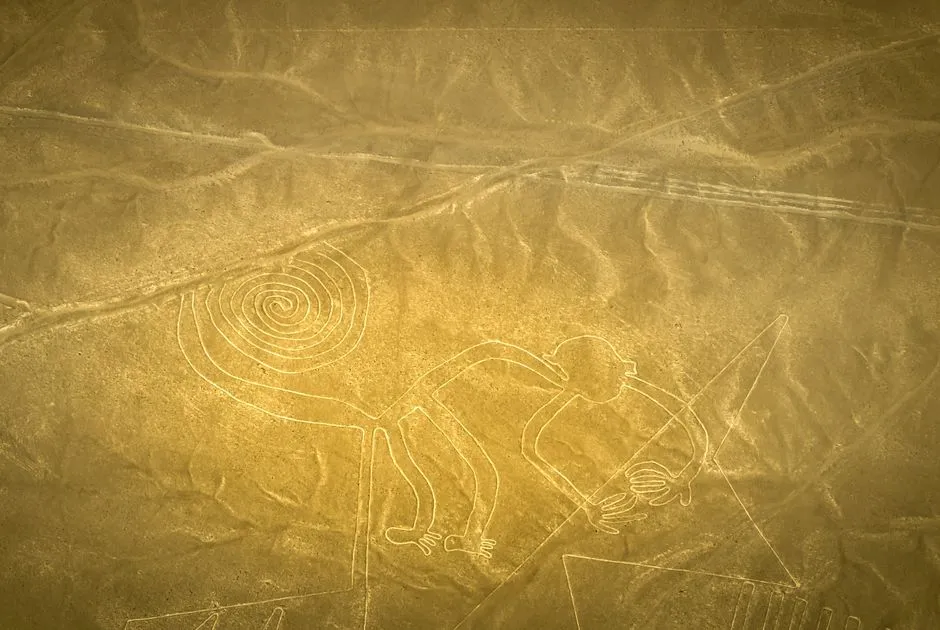
From ground level, the Nazca Lines in southern Peru look like shallow scratches in a rocky desert plain. From the air, they resolve into enormous geometric shapes, animals like hummingbirds, monkeys, and spiders, and long straight lines stretching for kilometers across the pampa. These geoglyphs were created by removing the darker, oxidized pebbles on the surface to reveal lighter soil underneath, a technique that has allowed them to survive for many centuries in the hyper‑arid climate. Archaeological dating and associated ceramics place most of them between roughly 500 BCE and 500 CE, linked to the Nazca culture. ([attfinnasanningen.se](https://attfinnasanningen.se/dokument_offentligt/books/mythologies/mythologies/hidden%20history%20lost%20civilizations%20secret%20knowledge%20and%20ancient%20mysteries.pdf?utm_source=openai))
Because they are best seen from above, the lines sparked wild speculation about ancient pilots and alien runways, but the more grounded explanation is still fascinating: they likely served as ritual pathways and ceremonial images visible from surrounding foothills and platforms, possibly linked to water cults in an unforgiving landscape. The scale alone feels unreal, yet the technique is so simple you could replicate a small geoglyph with a shovel and some friends in an afternoon. That combination – stunning design with low-tech execution – shows how human imagination can transform even a barren plateau into a vast ritual canvas.
6. The Shigir Idol: A 12,000‑Year‑Old Wooden Sculpture
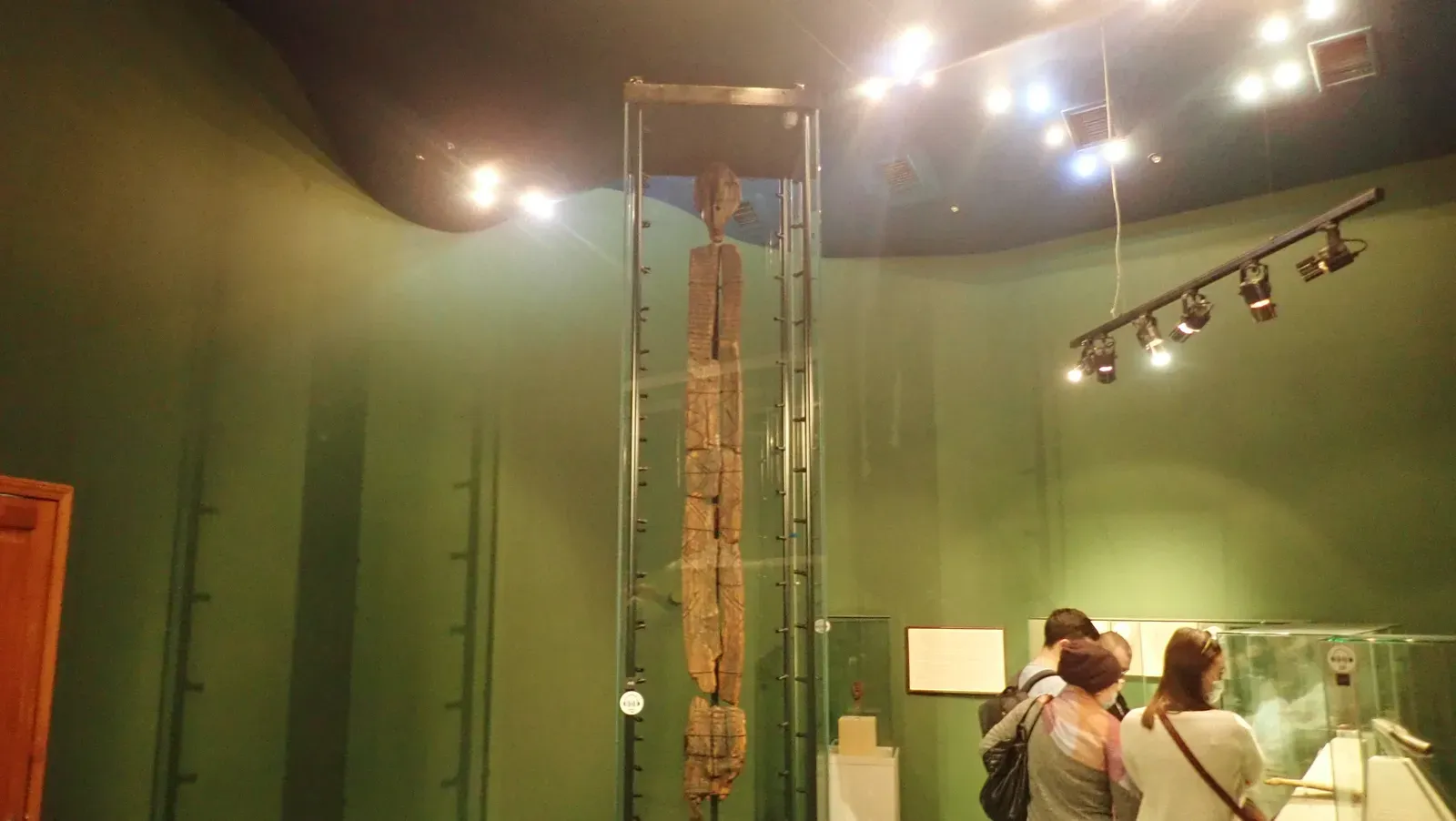
In 1890, workers digging in a peat bog in the Ural Mountains of Russia uncovered fragments of a carved wooden figure that looked suspiciously modern in its stylized geometry. When finally reassembled, the Shigir Idol stood several meters tall, with a human‑like face at the top and angular patterns and additional faces carved down the torso. Peat preserved the larch wood remarkably well, allowing for detailed study of the carving and tool marks. ([attfinnasanningen.se](https://attfinnasanningen.se/dokument_offentligt/books/mythologies/mythologies/hidden%20history%20lost%20civilizations%20secret%20knowledge%20and%20ancient%20mysteries.pdf?utm_source=openai))
Radiocarbon dating stunned researchers: the idol is roughly from the early Holocene, around 11,000–12,000 years old, making it one of the oldest known monumental wooden sculptures on Earth. Its zigzags, chevrons, and stacked visages look almost like something from twentieth‑century abstract art, yet they were carved by post‑Ice Age hunter‑gatherers. There is ongoing debate about what the symbols mean – spirits, clan markers, or myth cycles – but the age is robust, and the craftsmanship is undeniable. To me, the Shigir Idol quietly demolishes the idea that sophisticated symbolic art needed farming or cities; people were experimenting with complex visual language as soon as the ice retreated.
7. The Voynich Manuscript: An Illustrated Book in an Unknown Script
![7. The Voynich Manuscript: An Illustrated Book in an Unknown Script (Beinecke Rare Book & Manuscript Library, Yale University ([1])., Public domain)](https://nvmwebsites-budwg5g9avh3epea.z03.azurefd.net/dws/570ffbc0f53d2b746e147ad982476f36.webp)
The Voynich Manuscript is the kind of object that makes cryptographers and conspiracy theorists equally obsessed. It is a handwritten codex, probably from the early fifteenth century based on radiocarbon dating of its vellum, filled with looping, flowing text in an unknown script, alongside illustrations of plants, astronomical diagrams, strange bathing women, and what appear to be pharmaceutical jars. Despite more than a century of attempts by professional codebreakers, linguists, and enthusiastic amateurs, no one has produced a generally accepted reading of the text. ([attfinnasanningen.se](https://attfinnasanningen.se/dokument_offentligt/books/mythologies/mythologies/hidden%20history%20lost%20civilizations%20secret%20knowledge%20and%20ancient%20mysteries.pdf?utm_source=openai))
This is where people often leap to the conclusion that it must be a hoax, but that theory runs into problems: the manuscript is long, internally consistent, and written with patterns that resemble natural language more than random gibberish. Statistical analyses suggest structural regularities, hinting at a real, but unrecognized, writing system or cipher. That does not mean it hides world-shattering secrets – it might be a highly specialized herbal text – but the simple fact remains that a real, physical book from late medieval Europe contains a script we still cannot confidently decode. As an object, it is less an ancient mystery novel and more a mirror, reflecting every generation’s hopes about what the unknown might contain.
8. The Terracotta Army: Thousands of Life‑Sized Soldiers Underground
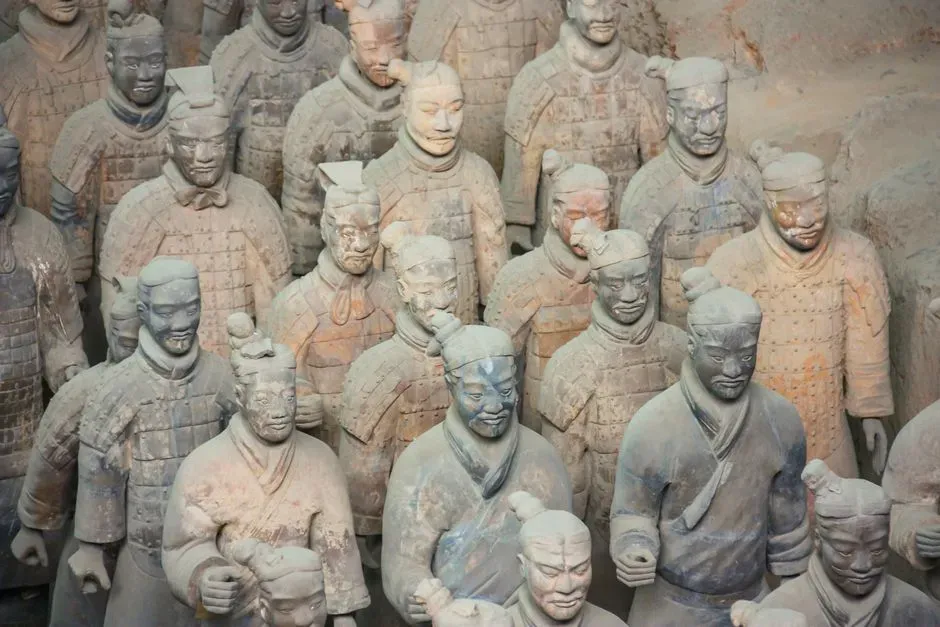
When farmers in China’s Shaanxi province dug a well in 1974 and hit fragments of life‑sized clay statues, they had no idea they were standing over one of the most staggering funerary projects ever built. Excavations revealed thousands of terracotta warriors, horses, and chariots arranged in battle formation in underground pits, all tied to the vast mausoleum complex of Qin Shi Huang, the first emperor of a unified China (third century BCE). Each soldier has distinct facial features, hairstyles, and armor details, giving the eerie impression of an entire frozen army mid‑march. ([attfinnasanningen.se](https://attfinnasanningen.se/dokument_offentligt/books/mythologies/mythologies/hidden%20history%20lost%20civilizations%20secret%20knowledge%20and%20ancient%20mysteries.pdf?utm_source=openai))
The scale and variation are so extreme that early accounts sounded exaggerated, but ongoing excavations and conservation work have only expanded the known extent of the complex. While we sometimes talk about it like a single “find,” the mausoleum area spans many square kilometers and includes acrobats, bureaucrats, and rare metalwork alongside the famous infantry. What I find most striking is that the emperor’s actual tomb mound itself has not been fully opened, partly due to concerns about preservation and reported high levels of mercury in the soil. In other words, one of the world’s most outrageous archaeological discoveries is, astonishingly, still just the prologue to the main burial.
9. The London Hammer: Out‑of‑Place Artifact With a Boring Truth
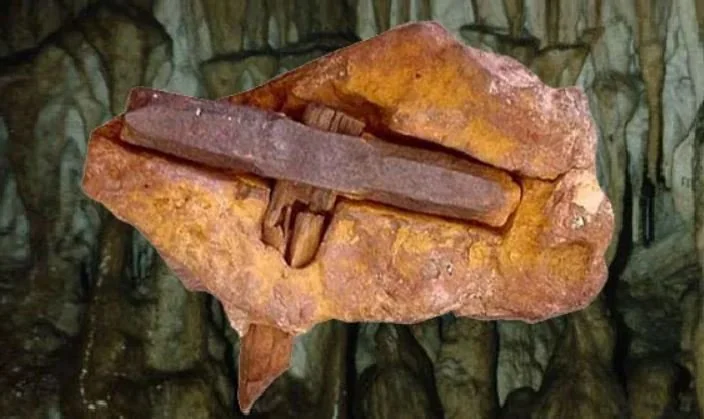
Few objects are used more often by fringe writers than the so‑called London Hammer, a nineteenth‑century style iron-and-wood hammer encased in a concretion of mineralized material found near London, Texas. On the surface, it sounds impossible: a “modern” tool supposedly trapped in stone dated to hundreds of millions of years old. The implication many people jump to is that this somehow proves high‑tech ancient civilizations, time travel, or at least that geology has it all wrong. ([attfinnasanningen.se](https://attfinnasanningen.se/dokument_offentligt/books/mythologies/mythologies/hidden%20history%20lost%20civilizations%20secret%20knowledge%20and%20ancient%20mysteries.pdf?utm_source=openai))
But when you look closer, the story unravels into something much more ordinary. Analyses indicate that the hammer itself fits well within nineteenth‑century American toolmaking, and the surrounding material is not ancient bedrock but a cement‑like concretion that formed around the artifact, likely in a relatively short time due to mineral-rich groundwater. In other words, a genuine old hammer became encased in comparatively recent stone, and then the association was misunderstood or oversold. I actually like this case because it shows that an object can be fully real, the geology can be fully real, and the “mystery” emerges mostly from how we choose to tell the story.
10. The Copper Scroll: A Treasure Map on Metal
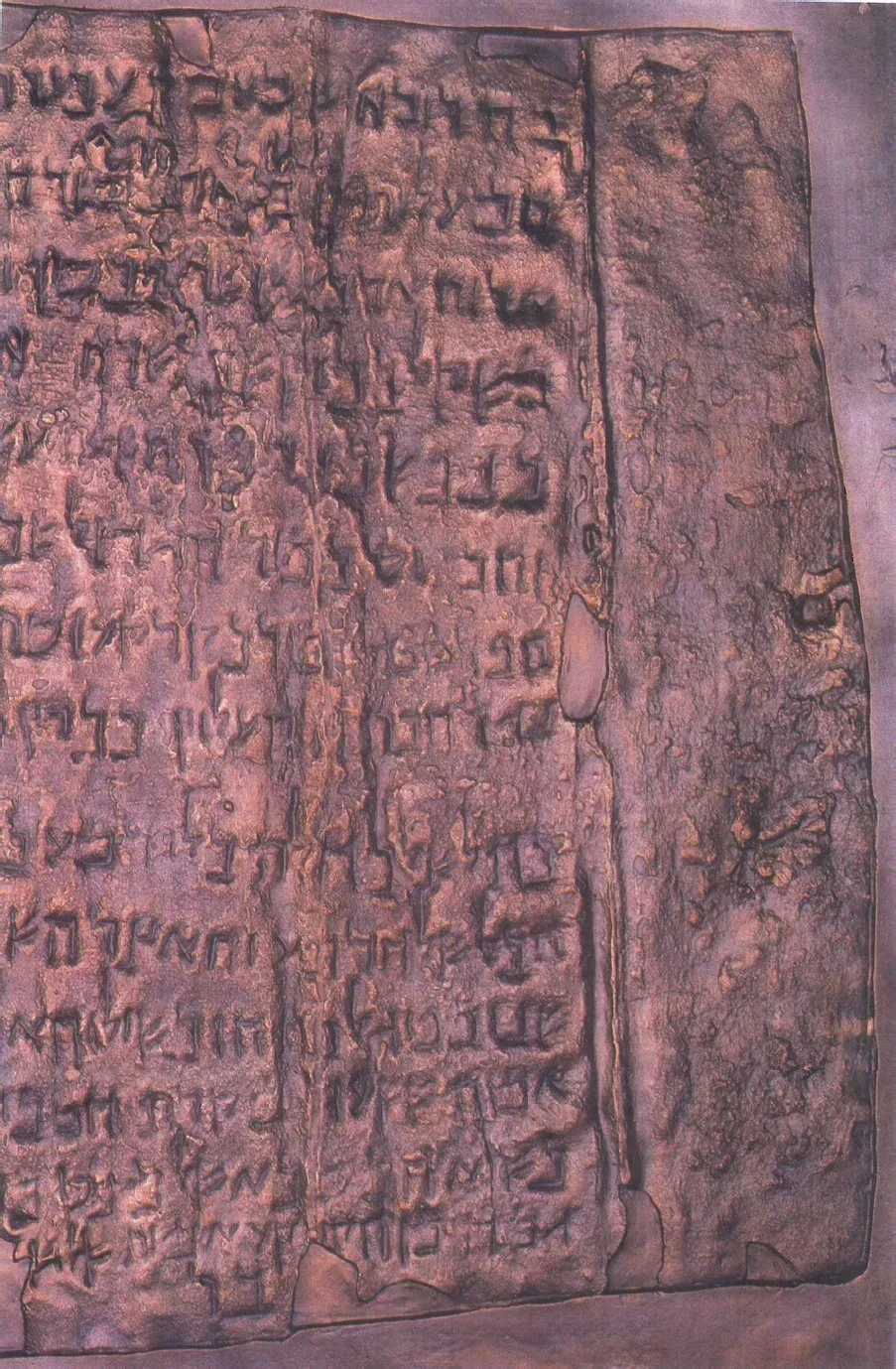
Among the famous Dead Sea Scrolls found near Qumran, one stands apart immediately: it is not written on parchment or papyrus but carved into sheets of copper that later split along their length. This Copper Scroll lists dozens of deposits of gold, silver, and temple-related items in cryptic locations, reading more like an inventory or treasure guide than a religious or literary work. Paleographic analysis suggests a date in the late Second Temple period, around the first century CE, and it is physically as real as it gets, currently conserved after painstaking efforts to open its brittle metal sheets. ([attfinnasanningen.se](https://attfinnasanningen.se/dokument_offentligt/books/mythologies/mythologies/hidden%20history%20lost%20civilizations%20secret%20knowledge%20and%20ancient%20mysteries.pdf?utm_source=openai))
The obvious question – where is all that treasure – has never been answered, despite decades of speculation and various unofficial hunts. Many scholars think the listed hoards were already removed, never hidden as described, or are now unreachable, but the sheer idea that a community once inscribed a secret stash list onto copper is wild. To me, the Copper Scroll feels like the ancient equivalent of finding a hard drive labeled “backup of everything important” and then realizing the password is lost. The text does not prove vast untouched vaults are still out there, but it absolutely proves that people in that era carefully recorded real and imagined wealth in ways we are only just beginning to interpret.
11. The Rosetta Stone: A Triple‑Language Key to a Lost Script
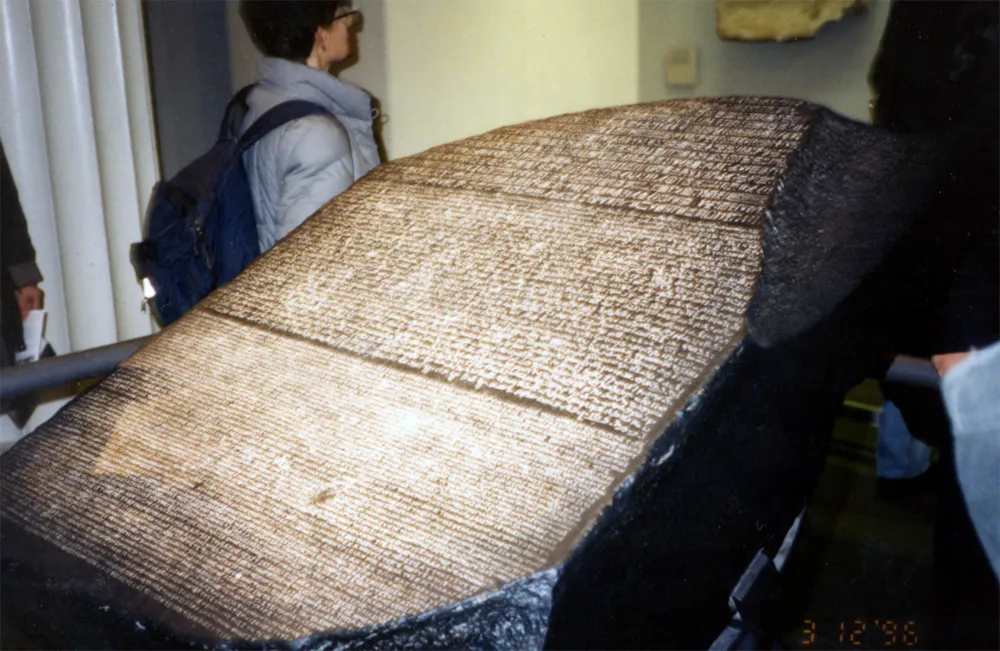
The Rosetta Stone might be so famous that we forget how improbable it sounds in the abstract: a single slab of granodiorite, discovered in 1799 in Egypt, containing the same official decree in three scripts – hieroglyphic, Demotic, and ancient Greek. That combination turned out to be the key that allowed scholars, most famously Jean‑François Champollion, to finally crack the code of hieroglyphs after centuries of mystery. The stone itself dates to the reign of Ptolemy V in the second century BCE, but its impact reverberates across the entirety of Egyptology. ([attfinnasanningen.se](https://attfinnasanningen.se/dokument_offentligt/books/mythologies/mythologies/hidden%20history%20lost%20civilizations%20secret%20knowledge%20and%20ancient%20mysteries.pdf?utm_source=openai))
What sounds almost too convenient – a literal cheat sheet for a lost writing system – is actually a byproduct of messy imperial politics, as Greek‑speaking rulers in Egypt issued decrees in both the prestigious sacred script and the practical administrative scripts. Without this bureaucratic redundancy, most of ancient Egyptian language and literature would still be mute to us today. The Rosetta Stone is a perfect counterexample to the idea that archaeology is just about stuff; sometimes, one object rewires entire fields of knowledge. If anything, it makes you wonder how many other “keys” to unread material are still lying under sand or in overlooked storerooms.
12. The Sutton Hoo Ship Burial: A Royal Treasure Under a Field
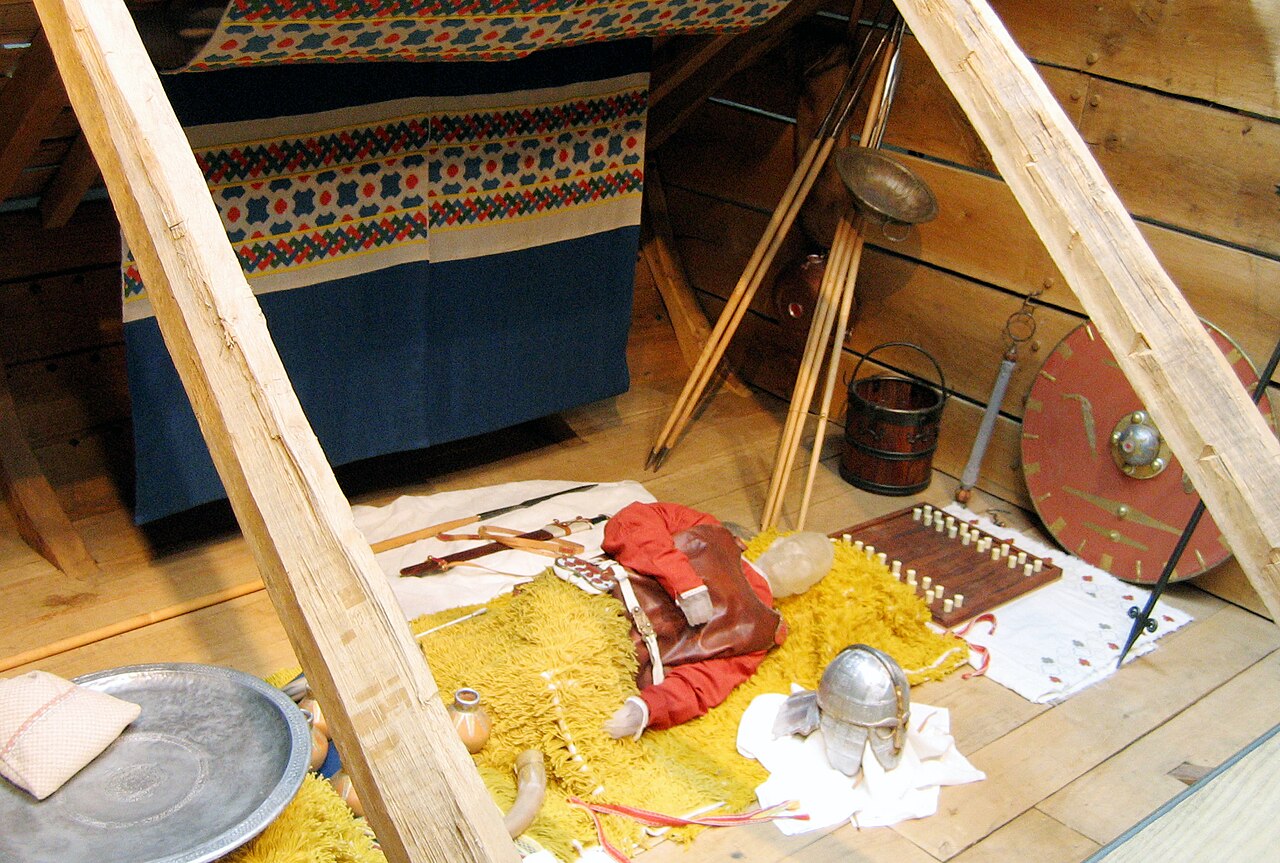
In 1939, just before the Second World War, a landowner in Suffolk, England, asked an excavator to look into some mysterious mounds on her property. What they uncovered at Sutton Hoo turned out to be one of the richest early medieval burials in Europe: the imprint of a full‑sized ship, likely from the early seventh century, with a burial chamber crammed with gold fittings, finely crafted armor, a ceremonial helmet, silver from the Eastern Mediterranean, and rich textiles. The actual body had largely dissolved in the acidic soil, but the grave goods screamed elite status, probably a king of the East Angles. ([attfinnasanningen.se](https://attfinnasanningen.se/dokument_offentligt/books/mythologies/mythologies/hidden%20history%20lost%20civilizations%20secret%20knowledge%20and%20ancient%20mysteries.pdf?utm_source=openai))
The finds completely reshaped how historians viewed so‑called “Dark Age” England, revealing a network of trade, artistry, and political power far more sophisticated than the cliché of crude barbarians. For me, the most mind‑bending part is how ordinary the field still looks from a distance; you could drive past without realizing an entire royal vessel once sat under that turf. Sutton Hoo feels almost like a parable: unimaginable wealth and cultural richness can sit right under our feet, literally out of sight, until one curious person decides to ask what might be buried there.
13. The Lycurgus Cup: Roman Glass That Changes Color
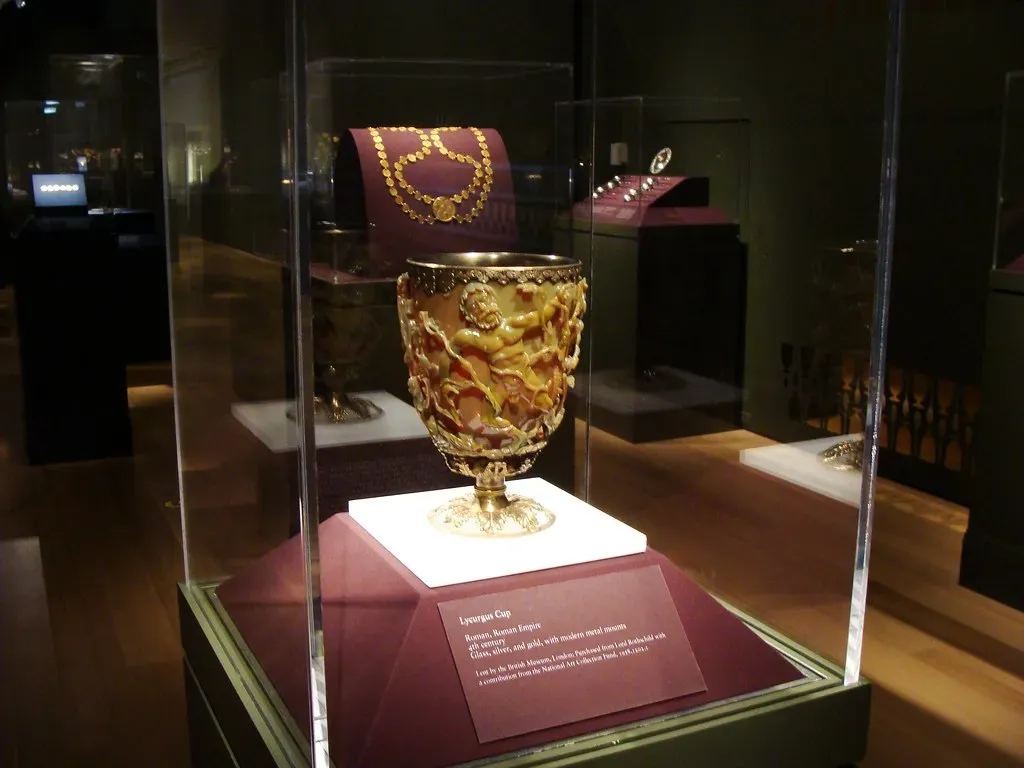
The Lycurgus Cup, housed in the British Museum, looks at first like a beautifully crafted late Roman glass cage cup showing a mythological scene. Under normal front lighting, it appears an opaque green, but when lit from behind, it glows a deep, translucent red. For centuries, that color‑changing effect seemed almost magical, but modern analysis revealed the secret: the glass contains tiny particles of gold and silver, on the nanometer scale, dispersed in such a way that they interact with light differently depending on how it passes through the cup. ([attfinnasanningen.se](https://attfinnasanningen.se/dokument_offentligt/books/mythologies/mythologies/hidden%20history%20lost%20civilizations%20secret%20knowledge%20and%20ancient%20mysteries.pdf?utm_source=openai))
In modern terms, we would say the cup uses a form of nanotechnology, though of course Roman artisans were working empirically rather than with quantum theory. The fact remains that ancient glassworkers, through trial and error, mastered recipes that produced optical effects we still study in labs today. When I first read about the Lycurgus Cup, it honestly sounded like the kind of exaggerated “ancient tech” story I usually distrust, but the scientific analyses back it up. It is a reminder that high levels of craftsmanship can edge right up against what we think of as modern material science.
14. The Derveni Papyrus: A Burnt Scroll That Refused to Die
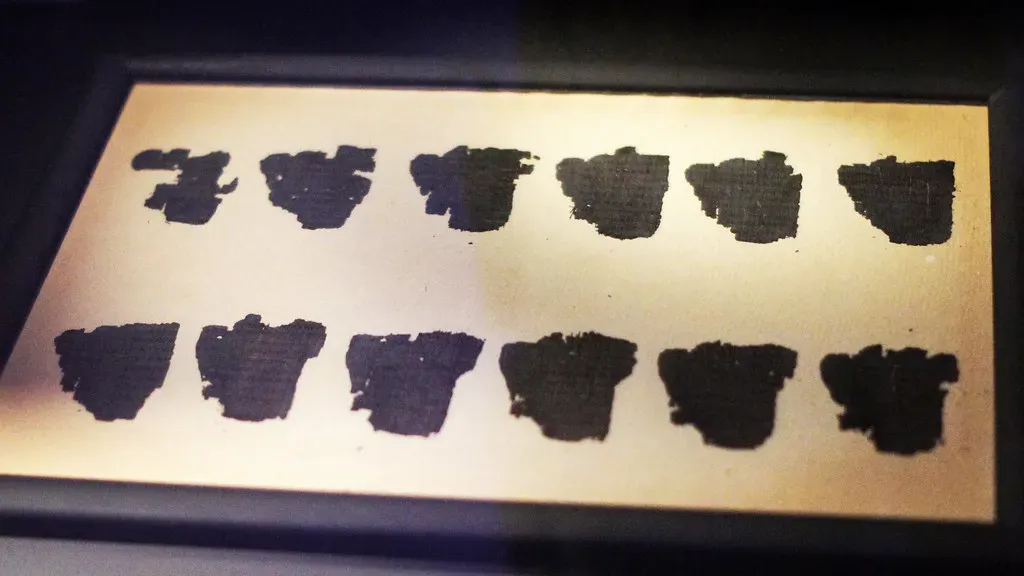
The Derveni Papyrus was found in a fourth‑century BCE tomb in northern Greece, carbonized by the funeral pyre that accidentally preserved it. At first glance it looked like an unpromising lump of charred plant matter, but careful conservation revealed it to be one of the oldest surviving Greek papyri, containing a philosophical commentary on an Orphic poem along with musings on cosmology and ritual. The text blends mythic material with proto‑rational explanations of the world, giving a rare peek into late Classical religious and philosophical thought. ([attfinnasanningen.se](https://attfinnasanningen.se/dokument_offentligt/books/mythologies/mythologies/hidden%20history%20lost%20civilizations%20secret%20knowledge%20and%20ancient%20mysteries.pdf?utm_source=openai))
What makes it feel almost unbelievable is how close it came to vanishing completely: fire that should have destroyed it also sealed it, and modern restoration techniques slowly coaxed out the ink. Recent efforts with multispectral imaging continue to clarify difficult passages, turning what was once a blackened scrap into a major literary source. The Derveni Papyrus proves that some of our most precious links to ancient minds survive not in grand monuments, but in fragile, half‑burnt relics that someone bothered to examine one more time instead of discarding as debris.
15. Ötzi the Iceman: A Copper Age Man Frozen With His Gear
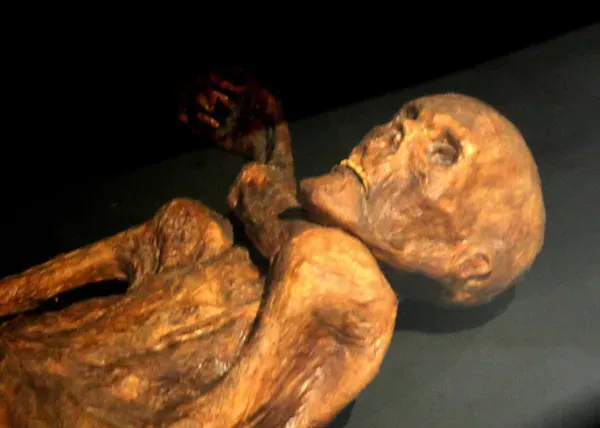
In 1991, hikers in the Ötztal Alps on the border between Austria and Italy spotted what they thought was a modern mountaineer’s body emerging from melting ice. It turned out to be Ötzi, a naturally mummified man who lived in the late fourth millennium BCE, making him over five thousand years old. Unlike skeletal remains in a cemetery, Ötzi came with an entire personal toolkit: a copper axe, a longbow and arrows, a flint knife, fire‑starting materials, and remarkably well‑preserved clothing and shoes suited to alpine conditions. ([attfinnasanningen.se](https://attfinnasanningen.se/dokument_offentligt/books/mythologies/mythologies/hidden%20history%20lost%20civilizations%20secret%20knowledge%20and%20ancient%20mysteries.pdf?utm_source=openai))
Subsequent analysis has reconstructed his last meals, health conditions, tattoos, and even genetic profile, along with evidence that he died a violent death from an arrow wound. It sounds almost scripted – a time capsule mountaineer frozen in place – but stable ice patches in high mountains really can preserve organic material for millennia. As climate change accelerates glacial melt, archaeologists are racing to document similar finds before they decay. Ötzi’s reality is both thrilling and sobering: he gives us a vivid, human-scale snapshot of Copper Age life, and he also warns us how quickly the deep past can literally melt away once the conditions that protected it start to shift.
Conclusion: The Past Is Stranger – and Smarter – Than We Like to Admit
Looking across these fifteen finds, a pattern emerges that I think many of us secretly resist: our ancestors were not simpler versions of us slowly climbing some neat technological staircase. They were people with sharp minds, complex beliefs, ambitious projects, and sometimes, frankly, better long‑term planning than we manage today. From the Antikythera Mechanism’s celestial clockwork to Göbekli Tepe’s pre‑agricultural megaliths and the nanostructured shimmer of the Lycurgus Cup, the evidence keeps punching holes in the comforting idea that our era has a monopoly on ingenuity.
At the same time, the “mystery” around these artifacts is often more about our storytelling than about the objects themselves. A jar that might be a battery becomes proof of lost super‑civilizations; a nineteenth‑century hammer in a concretion gets weaponized against basic geology. In my view, the sober, tested facts are already wild enough. The real lesson is that the world is full of strange, stubbornly real things that do not fit our tidy narratives – yet. And that raises a more personal question: when you hear about the next “impossible” discovery, will you reach first for the wildest explanation, or will you sit with the unsettling truth that the past is complicated, and we are still barely scratching its surface?