You probably picture drowning as loud, dramatic, and obvious. In reality, it is usually fast, silent, and deeply confusing to your brain. During those final 90 seconds, your body and mind are not calmly processing what’s happening; they’re fighting, adapting, and failing in a very specific biological sequence.
When you understand what actually happens inside your brain during drowning, the whole experience looks very different from what you see in movies. You discover why people rarely wave, why bystanders often miss the signs, and why a drowning brain does not feel or think the way you expect. This is not about scaring you; it is about lifting the curtain on something your body is hard‑wired to fear so that you can recognize it, respect it, and maybe one day save a life – including your own.
The First Shock: Cold, Panic, and Your Brain’s Alarm System
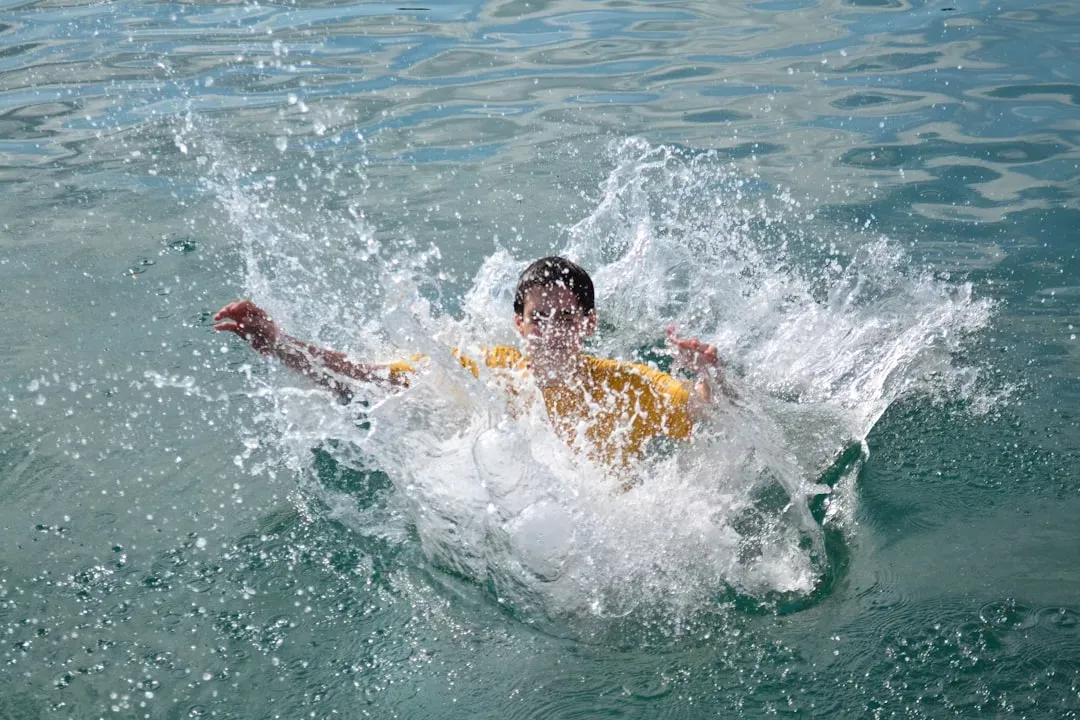
In the very first moments when your head goes under unexpectedly, your brain does not start with calm reasoning; it slams the emergency button. If the water is cold or the entry is sudden, you feel a sharp gasp and a racing heart – that is your brainstem triggering a reflexive survival response. Your thoughts may instantly flip from normal to pure alarm, and your sense of time can distort, making a few seconds feel much longer.
At this stage, your higher thinking areas are still online, but they are already being shoved aside by raw instinct. You are not carefully weighing options; you are reacting. You might try to shout, suck in air, or claw for the surface, but your movements are jerky and inefficient because they are driven by panic, not skill. It is like flooring the gas pedal on a car while the steering wheel is shaking in your hands – you are moving hard, but not necessarily moving smart.
The Struggle for Air: Why You Can’t Just “Raise Your Hand”
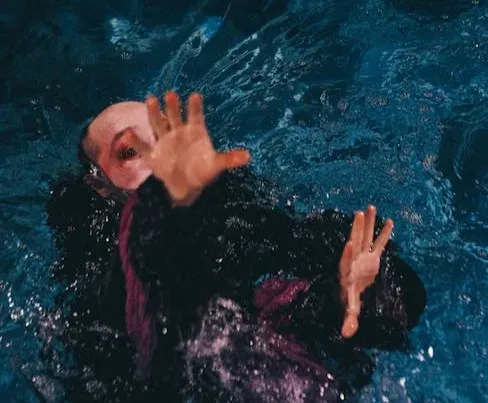
Within seconds, your brain prioritizes one job above all others: keep your mouth out of the water long enough to breathe. That sounds simple, but if you are exhausted, injured, or out of your depth, your body ends up in a desperate breathing cycle. You push up just enough to snatch a tiny bit of air, then slip back below the surface before you can yell or wave. Your arms instinctively press down on the water to lift you, instead of stretching up for help the way people imagine.
From the outside, this looks strangely quiet: no screaming, no dramatic splashing, just brief, frantic rises and falls. Inside your skull, though, your brain is screaming. The part of you that might want to signal for help is being overruled by a deeper, older system that only cares about one more breath. You are not choosing to be silent; your brain is forcing every bit of remaining energy into the next inhale, even if it lasts less than a second.
Oxygen Debt: How Your Brain Starts to Starve

As you keep missing full breaths, you slide into what doctors often call oxygen debt – your brain is using more oxygen than it is getting. Neurons are extremely sensitive to this imbalance; they do not handle shortages well. Within tens of seconds, you can feel intense air hunger, a burning in your chest, confusion, and a rising sense that your body is no longer responding the way you want it to.
Your thinking gets fuzzy, like trying to solve a puzzle in a smoke‑filled room. You may still know you are in trouble, but it becomes harder to plan or coordinate your movements. Simple actions – turn toward shore, let go of heavy gear, roll onto your back – can feel strangely distant or impossible to execute. It is not that you suddenly forgot how to swim; it is that your oxygen‑starved brain cannot properly send and organize the right signals.
The “Break Point”: When You Can’t Hold Your Breath Anymore

At some point, your urge to breathe slams into what physiologists often call the break point. You might try to hold your breath underwater, but your body is monitoring rising carbon dioxide far more closely than falling oxygen. As carbon dioxide builds up, it triggers a powerful drive to inhale that can feel overwhelming, almost like your chest is being forced open from the inside.
When that break point hits and you are still underwater, your brain’s survival circuit can override your conscious will. You may suddenly gasp or attempt an inhalation even though you know there is only water around you. This is not a calm decision; it is more like a reflexive seizure of the breathing muscles. In that instant, you cross from fighting to stay above the surface into the far more dangerous territory of actual water entering your airway.
Water in the Airways: Reflexes, Burning, and Chaos

As water touches the sensitive tissues of your throat and voice box, your body often responds with a clamping reflex. Your vocal cords may snap shut in a protective spasm, trying to block the fluid from entering your lungs. You feel choking, burning, and an intense, chaotic urge to cough or clear your throat, but your ability to breathe is suddenly even more restricted.
Some people experience this protective spasm briefly, while others may have more water pass into the lungs despite it. Either way, your brain is now dealing with a double crisis: there is still almost no oxygen coming in, and the airway is either obstructed or flooded. Your sense of control collapses. Movements become weaker and more uncoordinated, like a puppet with half its strings cut, as more and more brain cells become impaired by lack of oxygen.
Fading Consciousness: Time Warps and Tunnel Vision
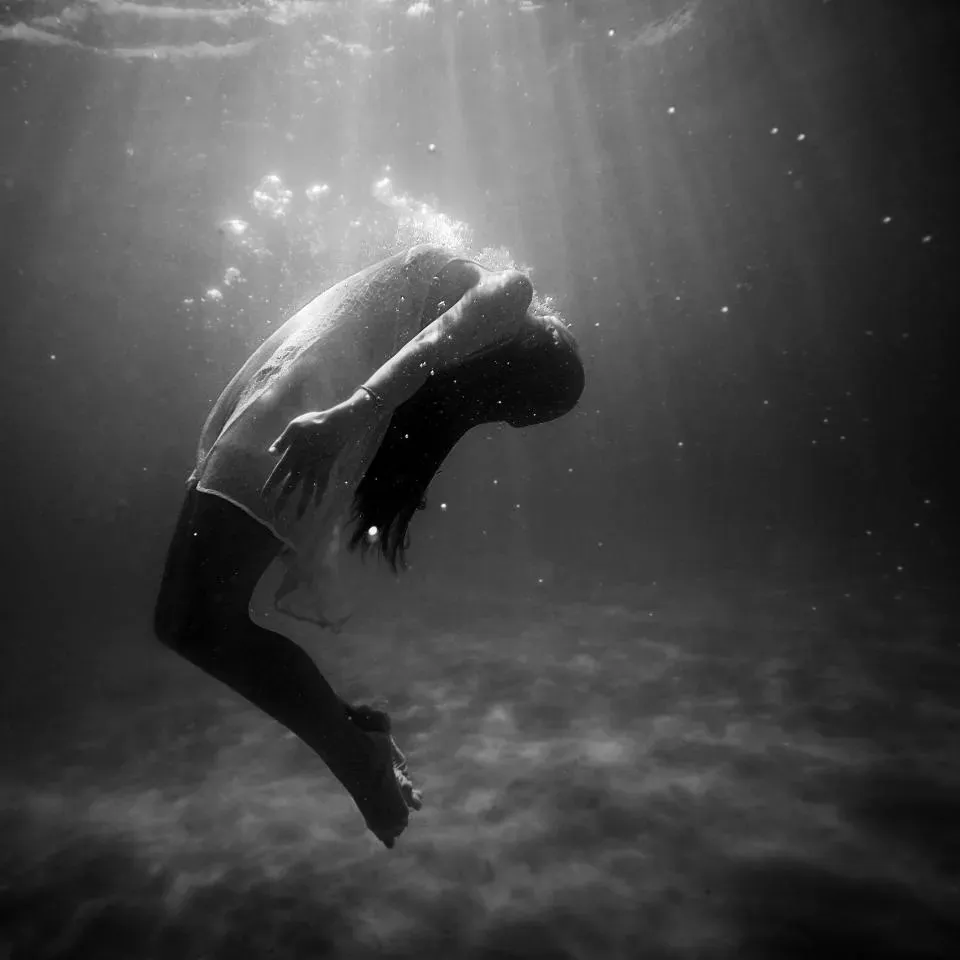
As oxygen deprivation deepens, your brain starts to shut down higher functions to preserve its core. You may feel your vision narrow, sounds fade, and thoughts slip away in fragments. People who have survived near‑drowning sometimes describe this phase as dreamlike, detached, or strangely calm, even though the situation is critical. That shift happens because the parts of your brain that generate panic and complex awareness are going offline.
Your sense of time can warp dramatically. Those final 90 seconds might feel like a long, stretched sequence of disconnected snapshots or like they vanished almost instantly. You might lose awareness of where your body is in the water or whether you are moving at all. At this point, if rescue does not occur, you are drifting toward full unconsciousness, with your brainstem trying to keep basic functions going while the rest of your mind fades from the scene.
Unconsciousness and Cardiac Collapse: When the Brain Finally Lets Go
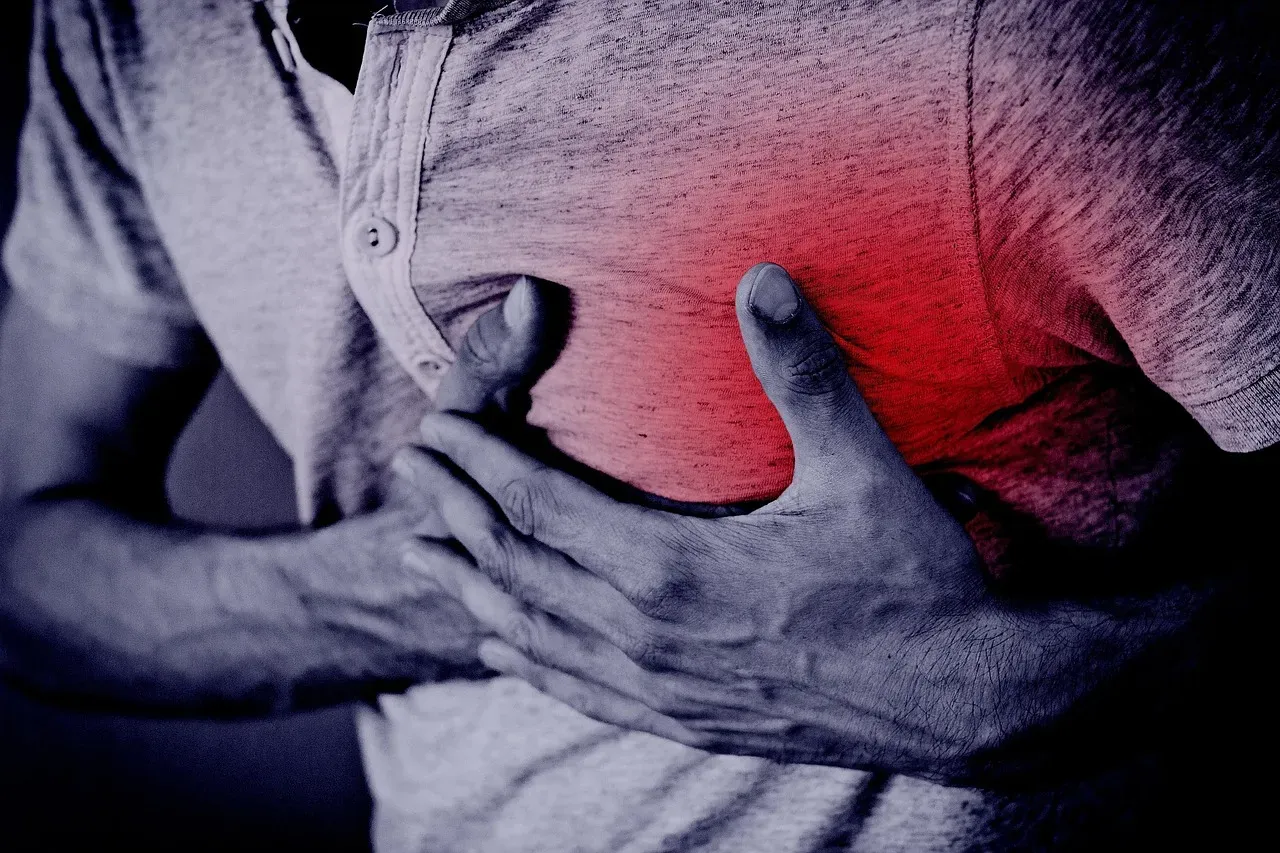
Once you lose consciousness, you are no longer struggling or actively trying to breathe in a coordinated way. From the outside, you may appear eerily still, just floating or sinking, and that quiet can be misleading. Inside your skull, your remaining brain cells are consuming the last bits of available oxygen and energy. The electrical activity that once supported your thoughts, memories, and sense of self is flickering and fragmenting.
If oxygen is not restored quickly – usually within just a few minutes – your heart rhythm can become unstable and eventually stop. At that stage, your brain is sustaining injury that may be irreversible, even if your circulation is restarted later. The transition is not a sharp on‑off switch; it is more like the dimming of a city’s power grid, section by section, until only a few flickering lights remain. Without rapid rescue and resuscitation, those lights go out completely.
What You Might Feel Emotionally in Those Final Moments

You might assume that terror dominates every second of drowning, but your emotional experience can actually shift rapidly as your brain chemistry changes. In the early phase, fear and panic are usually intense, driven by surging stress hormones and the raw sensation of suffocation. You may feel desperate, angry at yourself, or shocked that something as ordinary as water has suddenly become lethal.
As oxygen drops further, however, your emotional responses may soften or dissolve. Some survivors of near‑fatal events describe feeling oddly peaceful or detached, as if watching themselves from the outside. Your brain is not granting you comfort out of kindness; it is losing the ability to maintain complex emotional states. That fading of fear is not a sign that everything is fine – it is a sign that your mind is being pushed beyond its normal operating limits.
Protecting Your Brain: How Knowledge and Preparation Change Everything
Knowing what your brain does during drowning does more than satisfy curiosity; it changes how you behave around water. When you realize that a drowning person is usually silent, vertical, and focused only on tiny gasps of air, you are more likely to recognize trouble early. You stop expecting waving arms and loud cries and start paying attention to subtle, repeated struggles to keep the mouth above the surface.
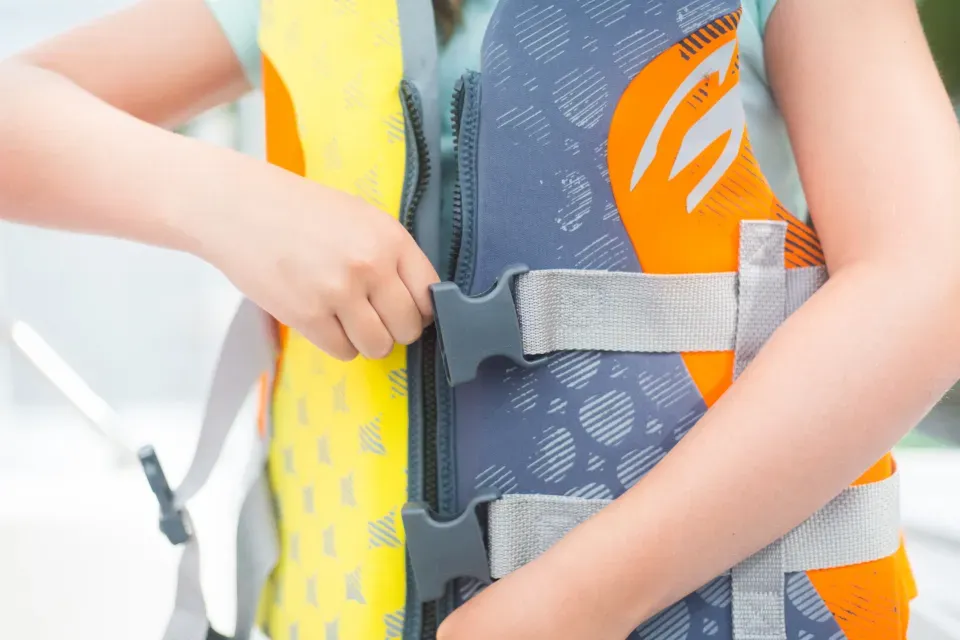
You also take your own limits more seriously. You respect currents, fatigue, alcohol use, and cold water because you understand how quickly they can overwhelm your brain’s ability to cope. You might choose to wear a life jacket, swim with a buddy, or learn better floating and self‑rescue skills – not because you are weak, but because you know how quickly the final 90 seconds can arrive once things go wrong. In a very real sense, every simple precaution you take is a gift to your future brain, sparing it from ever having to fight that battle.
Conclusion: Facing the Final 90 Seconds So You Never Live Them
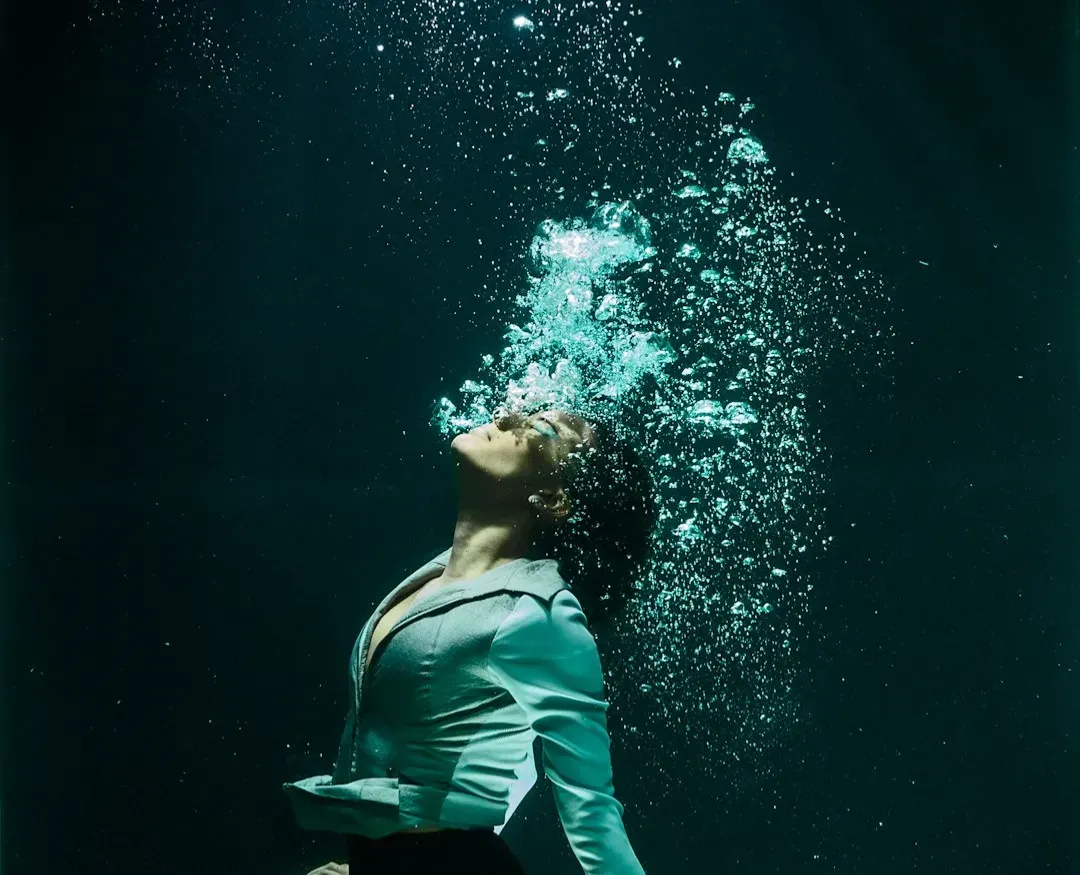
When you strip away the myths and movie scenes, drowning becomes less mysterious but more sobering. Those final 90 seconds are not dramatic and theatrical; they are quiet, fast, and brutally biological. Your brain flares into panic, burns through its oxygen, misfires, and then gradually dims, often without the clear, conscious narrative you might imagine. Understanding that process can feel unsettling, but it also hands you a powerful kind of clarity.
That clarity lets you treat water with the same respect you would give a sharp tool or a moving car: not with fear, but with awareness. You stop trusting that you will always be able to shout for help or think your way out in the moment, and instead you stack the odds in your favor long before anything goes wrong. In the end, knowing is not about dwelling on death – it is about choosing habits today that keep you alive tomorrow. Now that you know what really happens beneath the surface, what will you do differently the next time you step into the water?