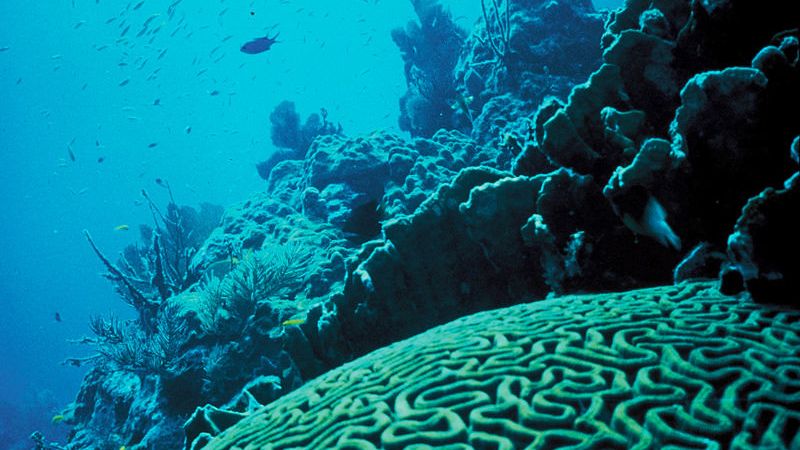

If you heard that a whole coral system off Florida crashed in just two days, your first reaction is probably disbelief. Coral reefs are supposed to be ancient, slow-changing worlds, not something that goes from vibrant to ghostly almost overnight. Yet the kind of rapid, large-scale coral collapse scientists are now documenting in Florida and across the wider Caribbean really does feel like you are watching an ecosystem have a heart attack in real time.
Here is the unsettling part: what you are seeing is not just one simple problem, like slightly warmer water or a polluted bay. You are watching several different stressors stack on top of each other in a way that older scientific records barely mention, let alone fully explain. When marine biologists say this pattern is unlike anything they have on record, they mean the combination, speed, and intensity of the hits are outside what they have documented in decades of data.
The Shocking Speed Of Modern Coral Collapse
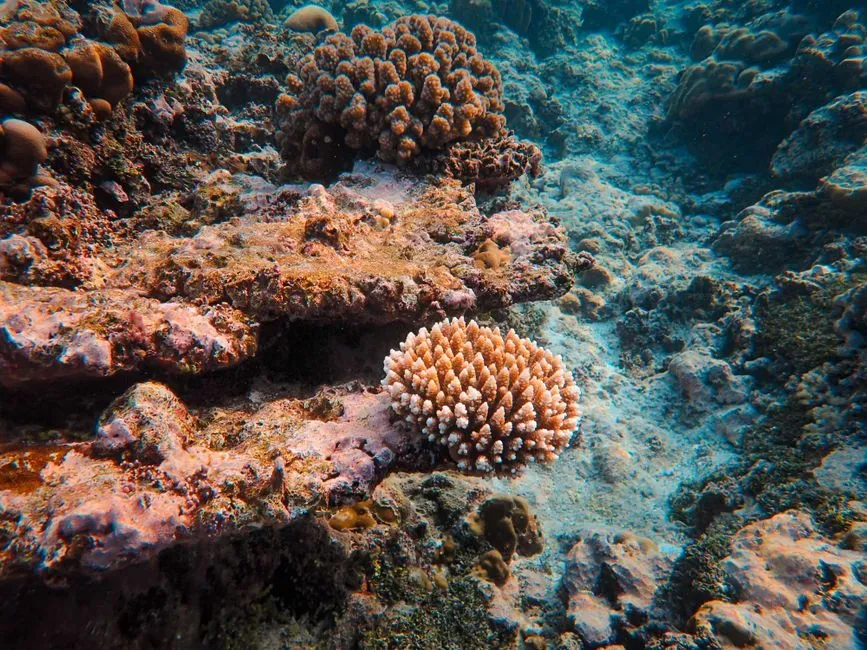
You probably grew up thinking of coral reefs as slow stories, changing over centuries, not hours. That is why it feels so disturbing when you see photos showing a reef that looked healthy on a Monday and then, by Wednesday, large patches are bone-white or visibly dead. To you, it feels almost like a time-lapse gone wrong, as if someone hit fast-forward on a disaster movie and forgot to stop.
In the past, even severe bleaching or disease outbreaks tended to unfold over weeks or months, giving corals at least some window to recover if conditions improved. Now you are seeing events where a combination of extreme heat, disease, and low-oxygen water can push stressed corals past the tipping point in a matter of days. The collapse itself is fast because the groundwork of chronic stress was laid long before you noticed anything was wrong.
Why This Is Not Just “Normal” Coral Bleaching
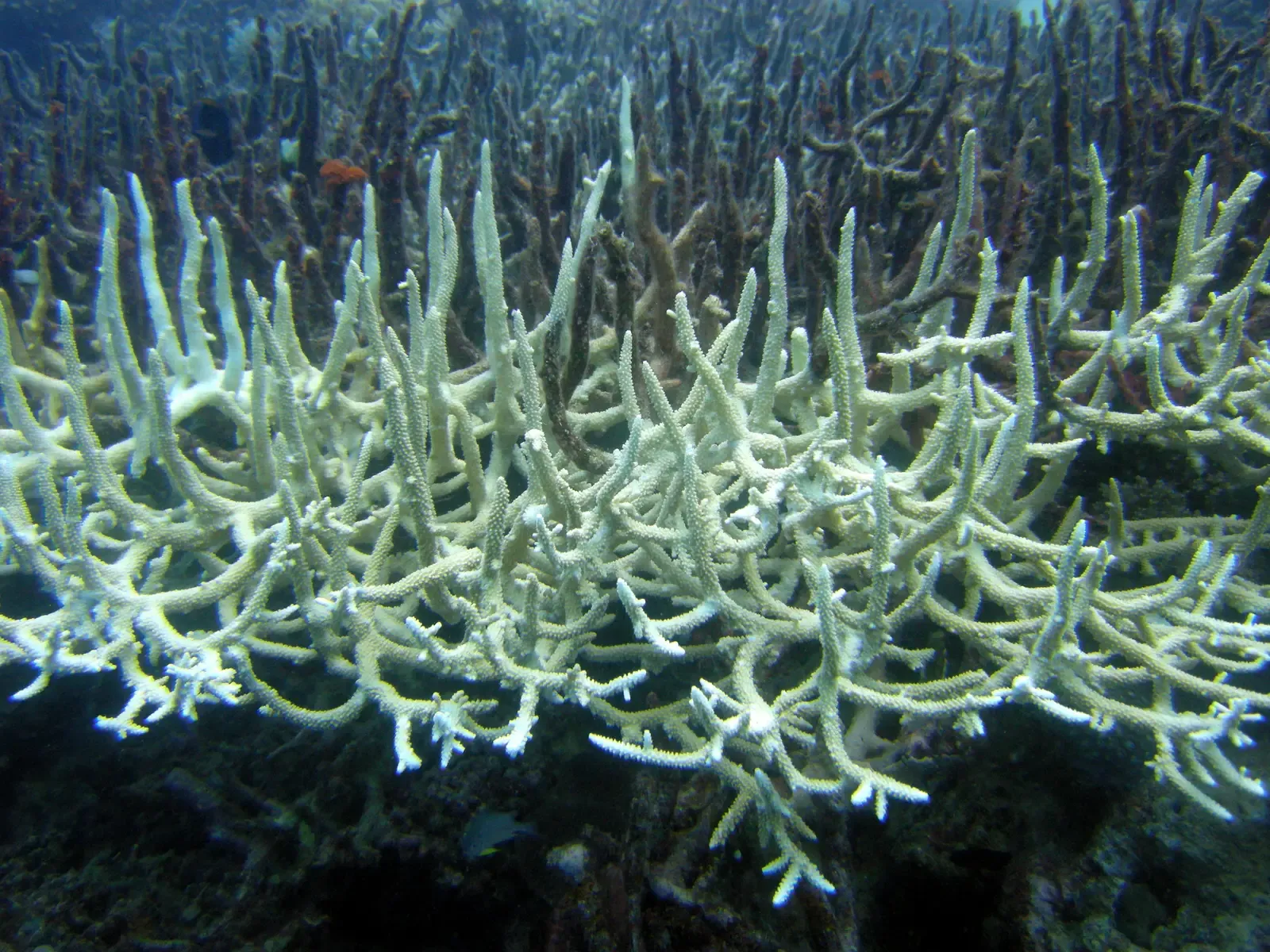
If you have heard about coral problems before, it was probably framed as bleaching: the moment when corals expel the symbiotic algae that feed them and turn ghostly white. Bleaching is definitely part of the story in Florida, but what is happening now goes beyond the old pattern of a single hot summer, some bleaching, and partial recovery. You are seeing bleaching layer onto disease, low-oxygen events, and long-term pollution in a way that makes each piece more dangerous than it would be on its own.
In a classic bleaching event, water temperatures rise above the usual summer maximum for days or weeks, and corals start to show stress, then bleaching, then either recovery or slow death. What stands out in recent Florida events is how bleaching is arriving earlier, lasting longer, and hitting corals that are already weakened by other stressors. So when biologists say this is not just normal bleaching, they are pointing to the way multiple threats are now arriving together, pushing corals over the edge faster than the historical record would lead you to expect.
Record-Breaking Marine Heat: The First Major Hit
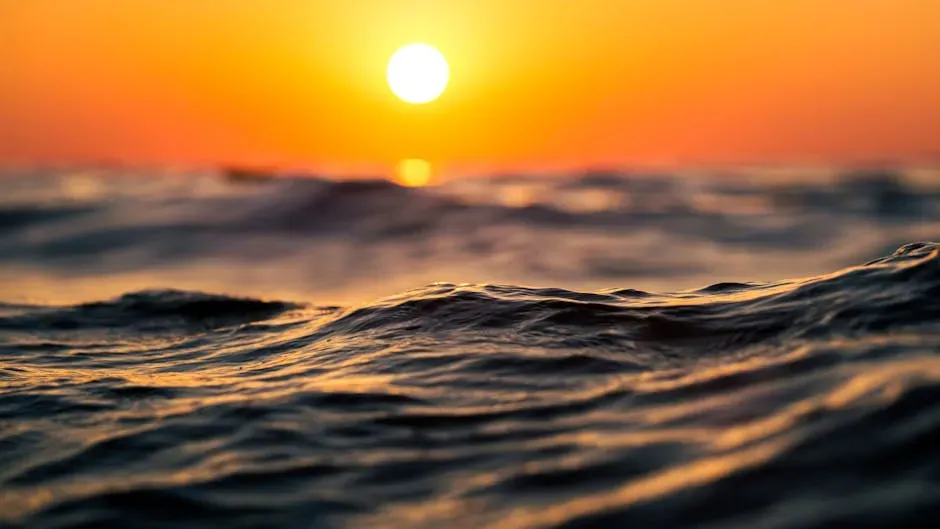
If you want to understand how a reef can crash in 48 hours, you have to start with the water itself. In recent summers, sea surface temperatures around Florida and the broader Caribbean have smashed previous records, with some nearshore spots reaching levels you would associate more with a hot tub than a natural coastline. When you, as a human, step into water that feels uncomfortably warm, corals are already in the danger zone.
Corals can handle short bursts of extra heat, but they struggle when the water stays too warm, too long. Imagine you are forced to jog continuously in summer clothes under a blazing sun and never allowed to cool down; even if you are fit, at some point your body fails. For corals, that failure shows up as bleaching, slowed growth, and reduced reproduction. When a heatwave arrives earlier than usual or hangs on without a break, it leaves corals barely hanging on, ready to be knocked out by the next stress that rolls through.
A Mysterious Wave Of Disease That Moves Like Wildfire
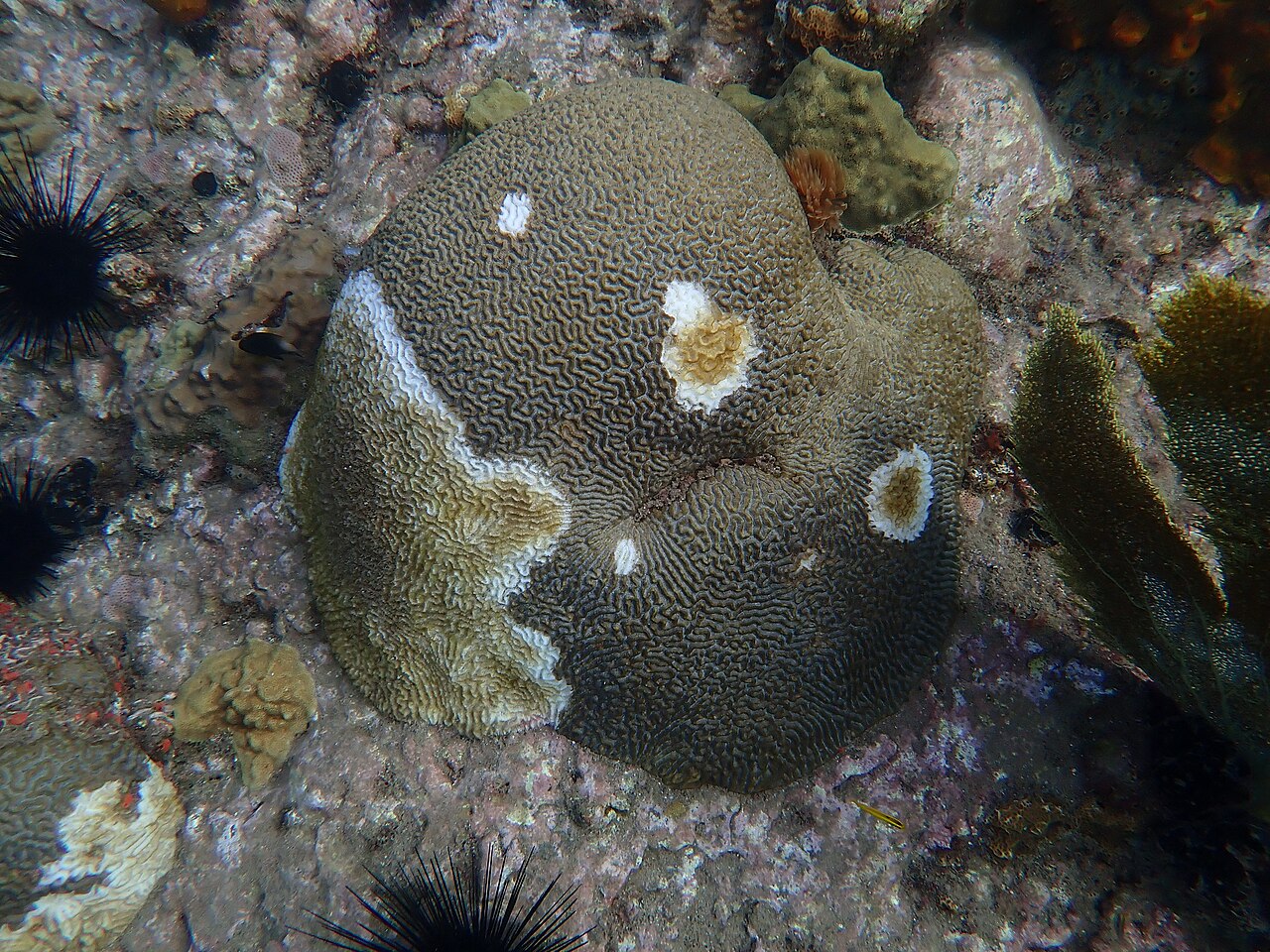
You might assume that if corals can survive the hot water, they just bounce back when temperatures ease. The twist in Florida is that a severe coral disease outbreak has been marching along the coast and out to deeper reefs, turning compromised corals into easy targets. This disease front has behaved more like a slow-moving wildfire than a random patch of sickness, with a recognizable line of impact creeping from one region to the next.
When corals are heat-stressed, their immune defenses weaken, and the microbial community living on their surface can shift toward harmful species. If you picture a cut on your skin getting infected when you are already run down, you have the right idea. So when this virulent disease hits a reef that has just endured extreme heat, you see sections of coral that looked only mildly stressed suddenly sloughing tissue and dying. To your eye, it can look like the entire system failed in a couple of days, even though the underlying vulnerability has been building for months or years.
Low Oxygen And Dirty Water: The Invisible Suffocation
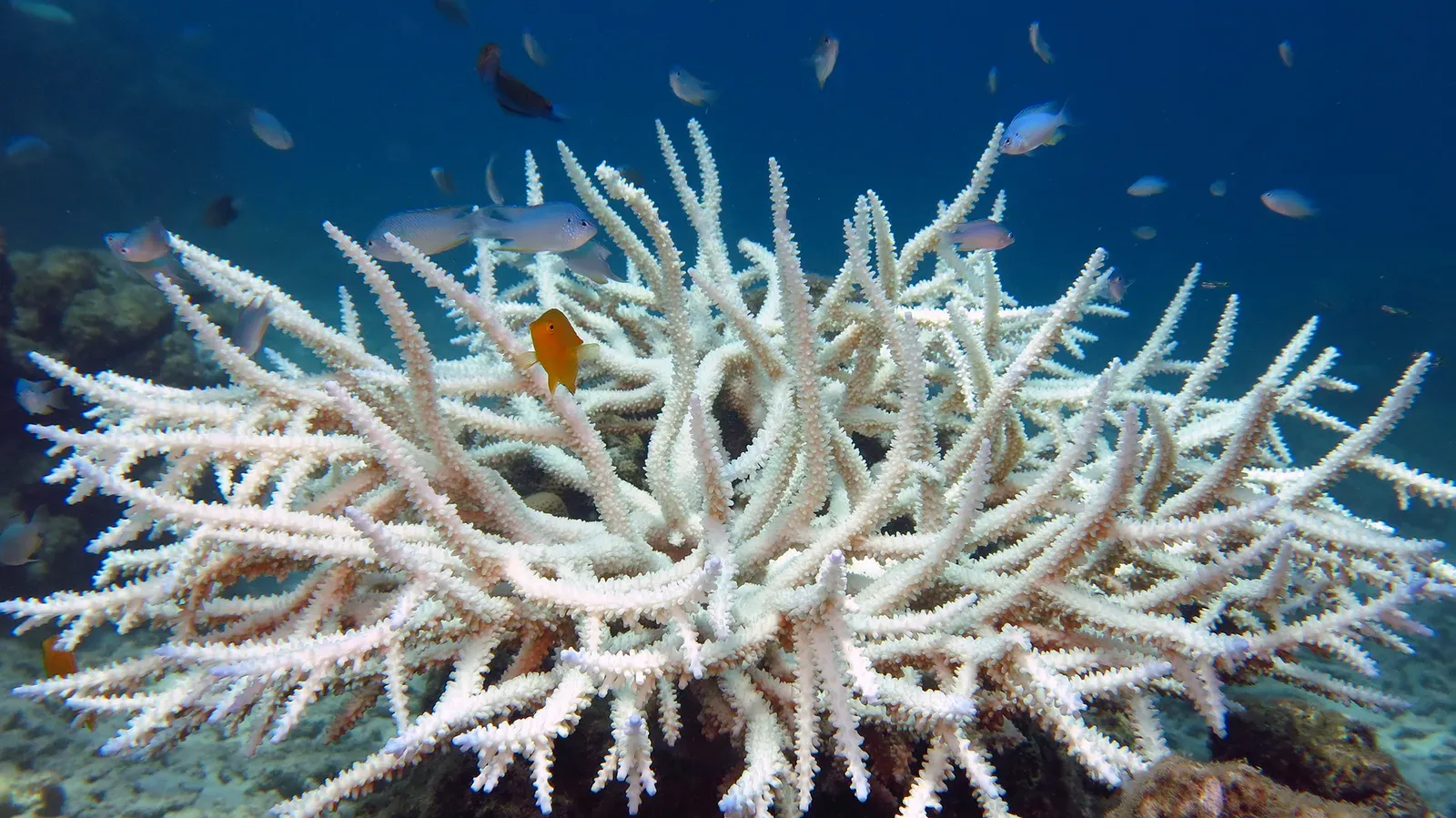
Another piece you might not see from the surface is oxygen, or rather, the lack of it. During heatwaves and calm periods, especially near the coast, warm water can hold less dissolved oxygen, and organic pollution from land can fuel bacteria that use up what is left. For a coral, that is like trying to breathe at the top of a high mountain while also running a marathon; you are working harder just to stay alive in thinner air.
After big rainstorms, runoff from streets, farms, and septic systems can wash into coastal waters, bringing nutrients and organic matter that spark algal blooms. When those algae die and decompose, the process can strip oxygen from the water, creating low-oxygen or even nearly oxygen-free zones. If a reef that is already heat-stressed and disease-exposed suddenly experiences a drop in oxygen, corals can die very quickly. From your perspective, it might feel like the reef simply collapsed out of nowhere, but what you are really seeing is the final straw landing on an already overloaded system.
Why Scientists Say This Combination Has No Clear Historical Parallel
When marine biologists say what is happening does not match anything in the record, they are not claiming that individual stressors are brand new. Warm water, disease, and poor water quality have all been around in one form or another. What is genuinely new to you, living in the 2020s, is how often these stressors now arrive at the same time, at higher intensities, and over regions that used to serve as partial refuges.
Think of it like a city that used to get the occasional flood, the rare heatwave, and an odd power outage, but rarely all three in the same week. Now imagine those events start stacking together, repeatedly. Historical data for Florida’s reefs show trouble building over decades, but the recent combination of record marine heat, persistent disease fronts, and extreme low-oxygen events has few clear precedents in those older records. To you, that means forecasts based solely on what happened in the distant past can underestimate how fast and how far things can now deteriorate.
What You Can Actually Do Beyond Feeling Helpless
When you hear that an underwater world essentially crashed in 48 hours, it is easy to feel small and powerless. You might catch yourself thinking that only massive international climate agreements or billion-dollar restoration projects could possibly matter now. Those big levers are absolutely crucial, but there are also more direct and local actions that really do change the odds for reefs like Florida’s. The key is to see yourself not as a bystander, but as part of the system that either adds to the stress or helps remove it.
At the personal level, choices that cut your long-term carbon footprint still matter: how you travel, what you eat, the energy your home uses, and the policies you support. Closer to the water, supporting better sewage and stormwater infrastructure, tighter fertilizer rules, and protected zones around reefs can reduce local pollution and give corals a better shot at surviving heatwaves. You can also back organizations working on coral nurseries, assisted evolution, and rapid response teams that rescue fragments before they are lost. None of these things guarantee that the next heatwave will spare a reef, but they can be the difference between a system that collapses in days and one that weathers the hit and recovers.
How To Think About Florida’s Reefs From Here
Standing on a Florida shoreline today, looking out over water that sometimes feels more like a warning than a vacation backdrop, you are living at a hinge moment for coral reefs. The speed and intensity of recent collapses tell you that the old assumption of slow, gradual decline is no longer safe. At the same time, scattered success stories from restored patches and resilient coral strains show you that the situation is not hopeless or predetermined. It is more like watching a patient in critical care, where every decision around them matters more than it did before.
If you treat these rapid collapses as a final verdict, you risk checking out emotionally and politically right when your voice still counts. If you treat them as a flashing red warning that the system is more fragile and more tightly wound than you thought, you give yourself a chance to respond at the right scale. You do not have to be a marine biologist to matter here; you only have to accept that the line between what happens underwater and what you do on land is much thinner than it used to seem.
In the end, the image of a coral system beneath Florida crashing in roughly 48 hours is not just a story about the ocean; it is a mirror held up to how quickly complex systems can fail once they are pushed past their limits. You are seeing, in real time, what it looks like when many small pressures add up to one big, sudden break. The question that lingers for you is simple and unsettling at the same time: now that you have seen how fast a hidden world can unravel, what will you insist on changing before the next collapse comes into view?