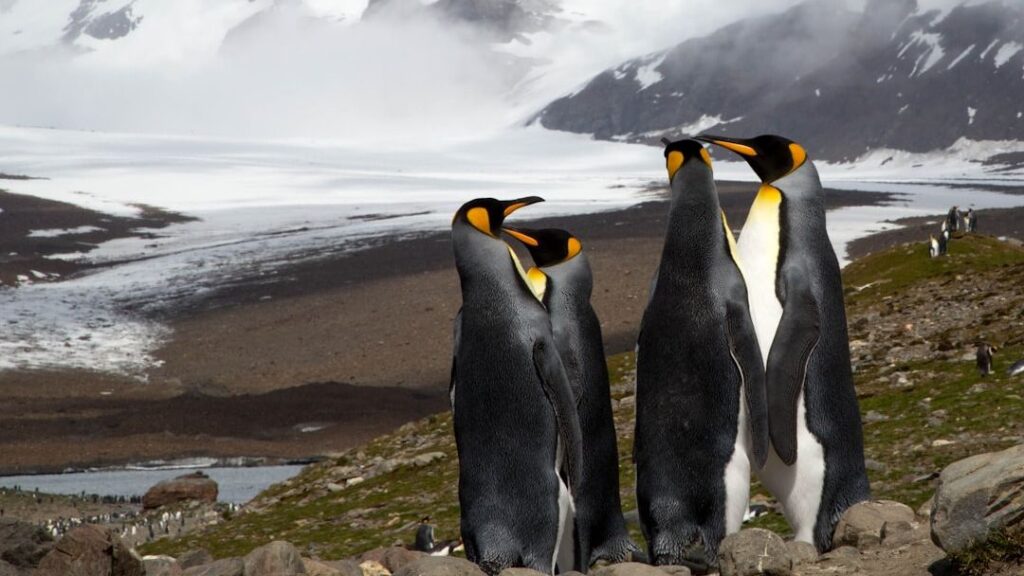

Penguins look so familiar that it is easy to think we already know everything about them: they waddle, they slide on ice, they are cute, end of story. But hidden under that tuxedo is a seriously strange, almost alien biology that lets them do things our bodies would never survive. Once you start digging into how penguins see, hear, hunt, and even “smell” the ocean, they stop being mascots and start looking like finely tuned, high‑tech survival machines.
I still remember the first time I read that a penguin’s heartbeat can crash to a level that would put a human straight into intensive care, and the bird just keeps swimming as if it were nothing. From that moment on, penguins were no longer cartoon characters to me, they were extreme athletes playing life on hard mode. The facts below are the kind of details that almost never make it into kids’ books or cute documentaries – and once you know them, you’ll never look at these birds the same way again.
1. Penguins See Underwater Like They Are Wearing Built‑In Goggles
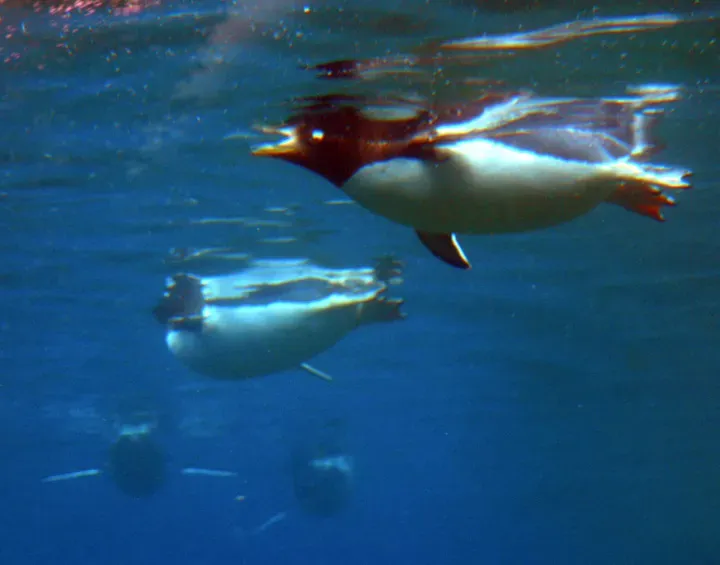
Most people know penguins are great swimmers, but very few realize how specialized their vision is for that underwater world. Their eyes are shaped and tuned so that the image is sharp when they are submerged, almost like having contact lenses permanently set for water instead of air. On land, that same setup actually makes things a bit blurrier, which is one reason penguins can look a little clumsy and hesitant when they are far from the shoreline.
Imagine trying to walk around all day wearing your swimming goggles on the street; everything would seem off, slightly distorted, and your depth perception would be weird. That is basically what penguins put up with on land so they can be lethal hunters in the sea. Their retinas are packed with light‑sensitive cells that help them pick out tiny fish and squid even in the dim, blue‑green light under the ice, turning what looks like an empty, dark ocean to us into a bright supermarket aisle for them.
2. They Can “Turn Down” Their Heart Rate To Dive Far Longer Than Seems Possible
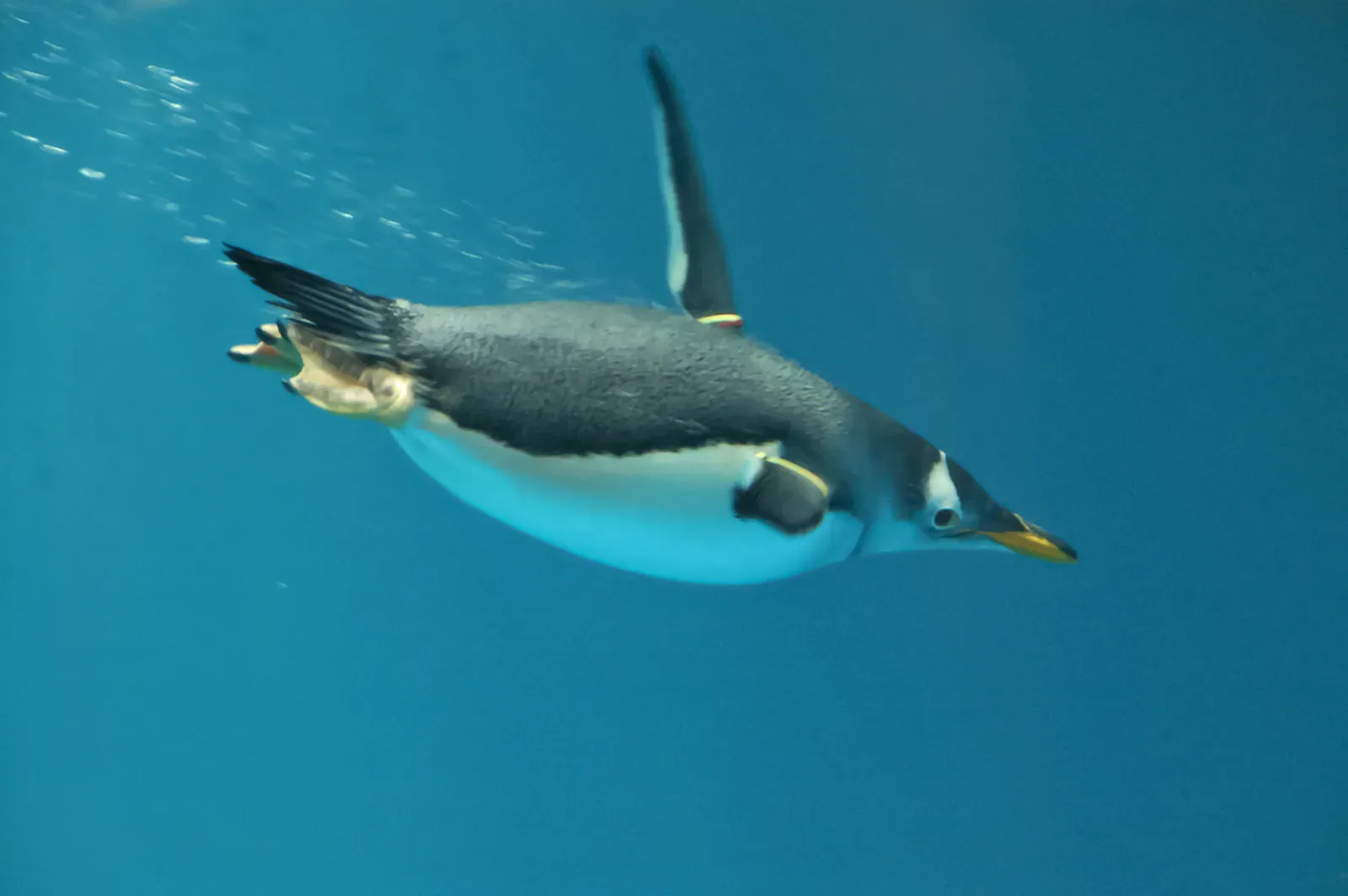
When emperor penguins dive, they do something that, in a human, would set off medical alarms everywhere: they dramatically slow their heart rate to conserve oxygen. During a particularly deep or long dive, a penguin heart can go from a steady, strong beating pattern to just a handful of beats per minute. Instead of being a sign of collapse, this is a carefully controlled trick that sends precious oxygen only to the most vital organs like the brain and heart muscle itself.
This ability lets some penguins stay underwater for well over ten minutes on a single breath, cruising through freezing water that would cause most animals to burn energy just trying not to shiver. It is like they shift their whole body into a low‑power mode the way you dim a phone screen to save battery, except their version is literally life and death. To me, it is one of the clearest examples that “cute” and “hardcore” can exist in the very same animal.
3. Their Feathers Work More Like High‑Tech Insulation Than Fluffy Bird Plumage
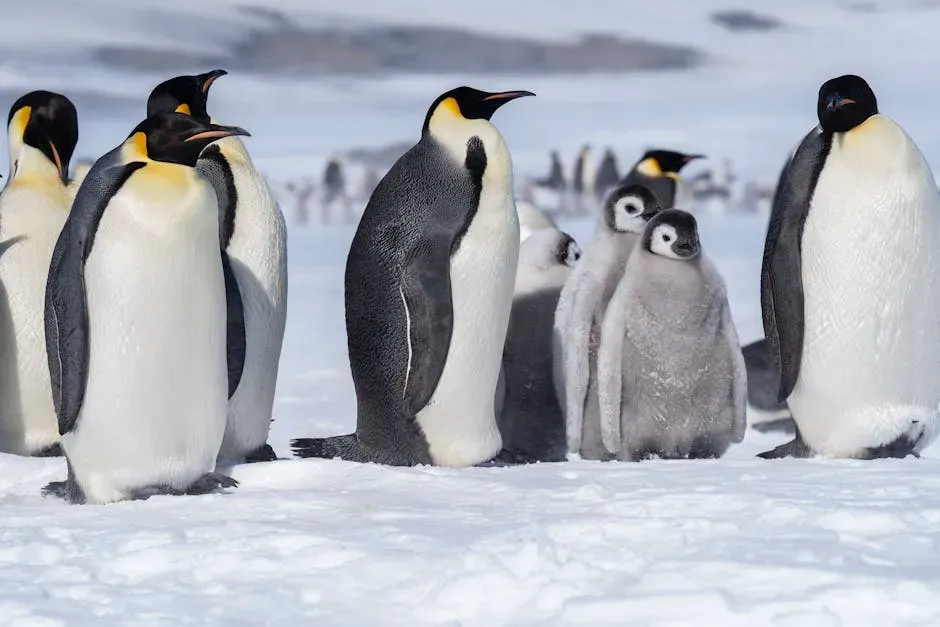
If you picture feathers as big, soft plumes like those of a swan or a peacock, penguin feathers are going to surprise you. They are tiny, short, and packed insanely close together, forming a tight, waterproof layer that traps a cushion of air next to the skin. That thin layer of air is like a dry wetsuit, helping block the brutal, icy water from stealing the bird’s heat the moment it dives in.
On top of that, penguins constantly preen those feathers with oil from a gland near the base of their tail, spreading it carefully along every little barb. The result is essentially a natural performance fabric: flexible, waterproof, insulating, and able to shed ice and snow. When you see a penguin shake itself after coming out of the ocean and beads of water just fly off, that is the visible proof of how well this micro‑feather armor really works.
4. Penguin Bones Are Densely Packed, Which Actually Helps Them Dive
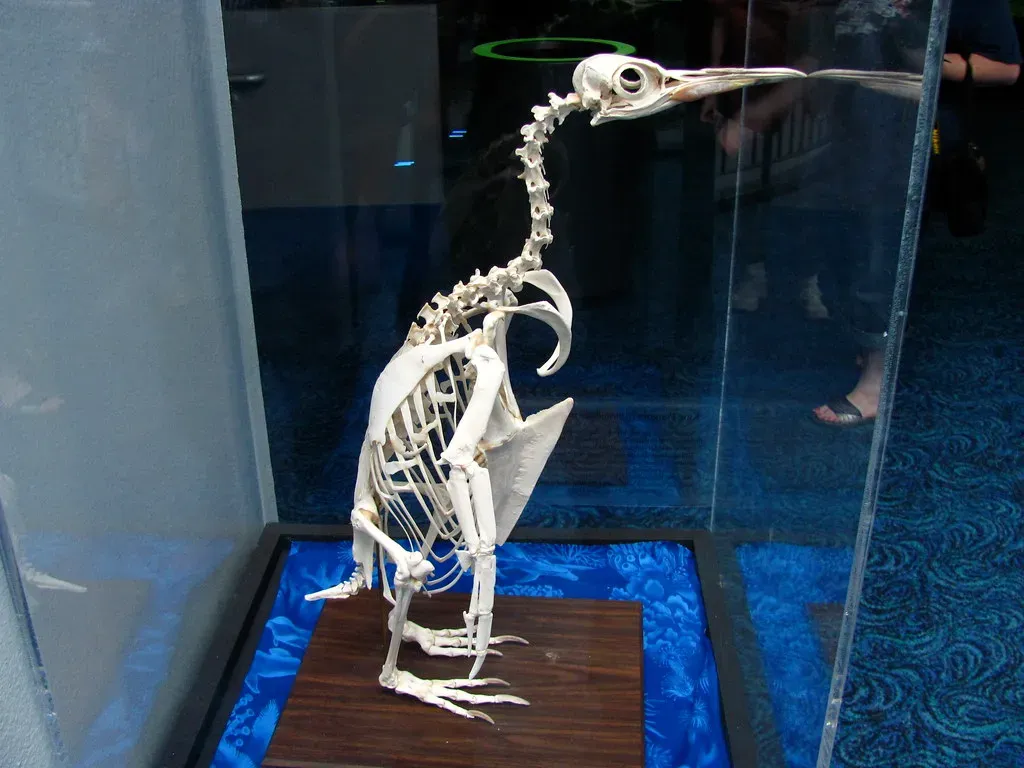
Most birds have skeletons that are full of air spaces, making their bones light enough for flight. Penguins went in the opposite direction during evolution: their bones are more dense and solid, which makes them heavier for their size. At first that might sound like a disadvantage, but in water it is a huge win because it helps them sink and stay streamlined instead of bobbing awkwardly at the surface like a cork.
This extra density means that when a penguin kicks its feet and flaps its wings underwater, more of that motion is turned into forward movement rather than fighting to stay submerged. In a way, penguins swapped being able to fly in the sky for being able to “fly” with far more control underwater, using a body that behaves more like a torpedo than a balloon. It is one of those elegant trade‑offs that show how brutally practical evolution can be.
5. They Have a Built‑In Desalination System To Drink Seawater Safely
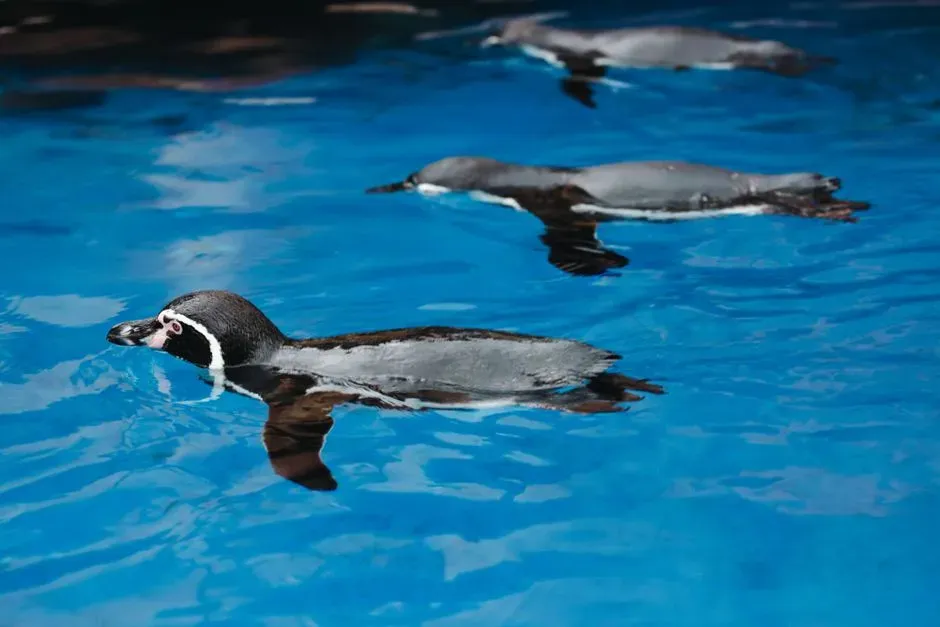
You and I cannot drink seawater without getting seriously dehydrated and sick because of the salt, but penguins live their entire lives surrounded by it. Instead of trying to find freshwater sources in frozen landscapes, they evolved special glands located near the eyes that are excellent at removing excess salt from their bloodstream. These so‑called salt glands filter out the salt and push a concentrated salty fluid into the nasal passages, where it can be expelled as a salty drip or spray.
If you have ever seen close‑up footage of a penguin with a little fluid at its bill that looks like a runny nose, that is often the desalination system at work, not an illness. This internal filter means penguins can swallow seawater while chasing fish without worrying about the long‑term consequences. It is like carrying a personal water treatment plant in your head, which is exactly what you would want if your entire world was an endless, frozen ocean.
6. Penguin Parents Recognize Their Chick’s Call in Crowds That Look Like Chaos
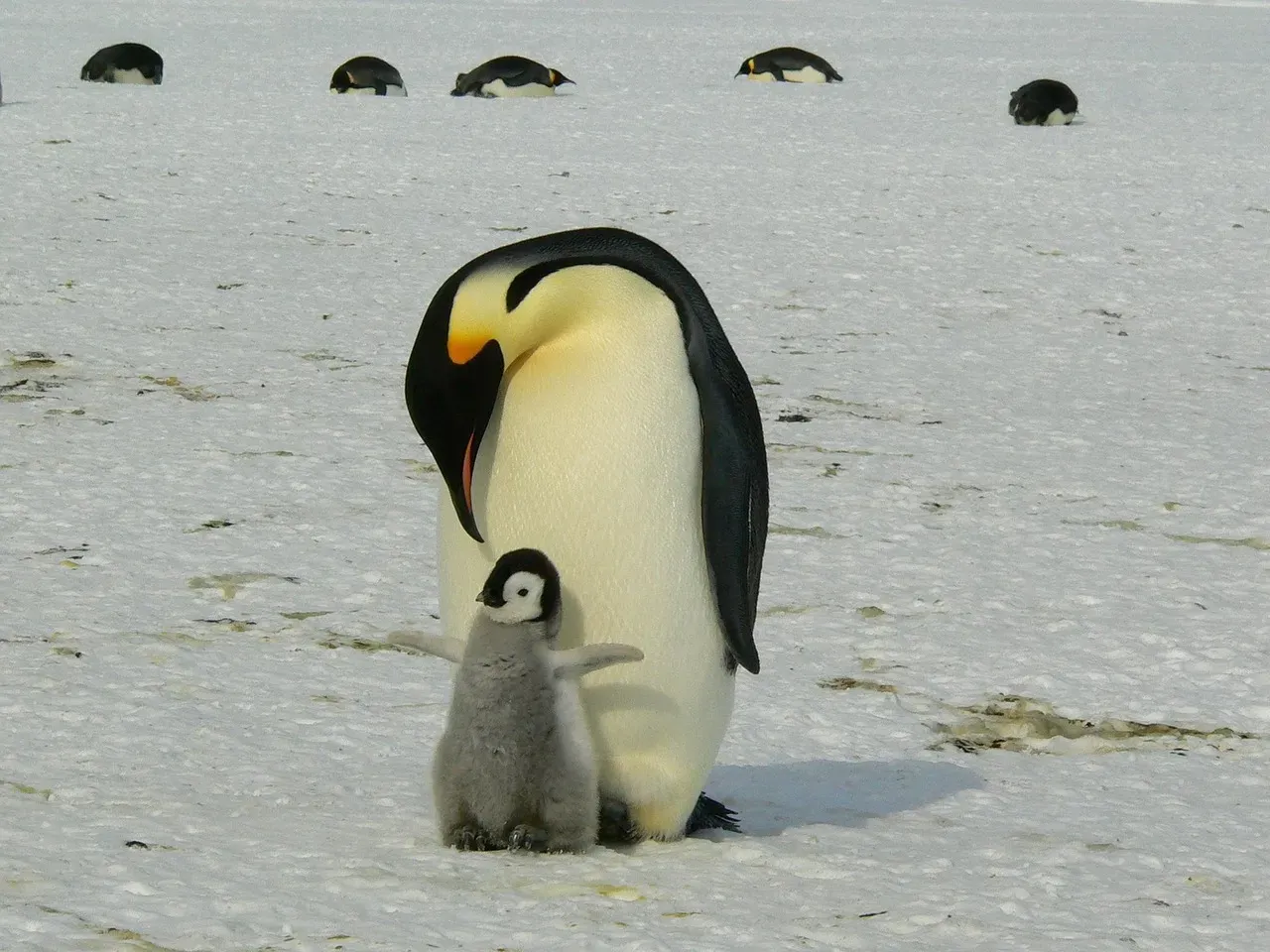
One of the wildest scenes in nature is a penguin colony during breeding season: thousands upon thousands of nearly identical birds, all packed onto ice or rock, all making noise at the same time. Yet in this apparent madness, a penguin parent can locate its own chick just by sound, picking out one particular call pattern from the roar. Each chick develops an individual vocal signature, and the parents learn it with almost frightening precision.
From a distance, the colony sounds like pure static, but to a penguin it is more like a room full of people where you can still hear your best friend calling your name. This skill matters because there is no time for slow, careful checking when storms, cold, and predators are constant threats. In that sense, penguin parenting is a little like trying to meet your kid after a concert in the world’s loudest parking lot, and still somehow never making a mistake.
7. Some Species Can Launch Themselves Out of the Water Using Tiny Bubbles
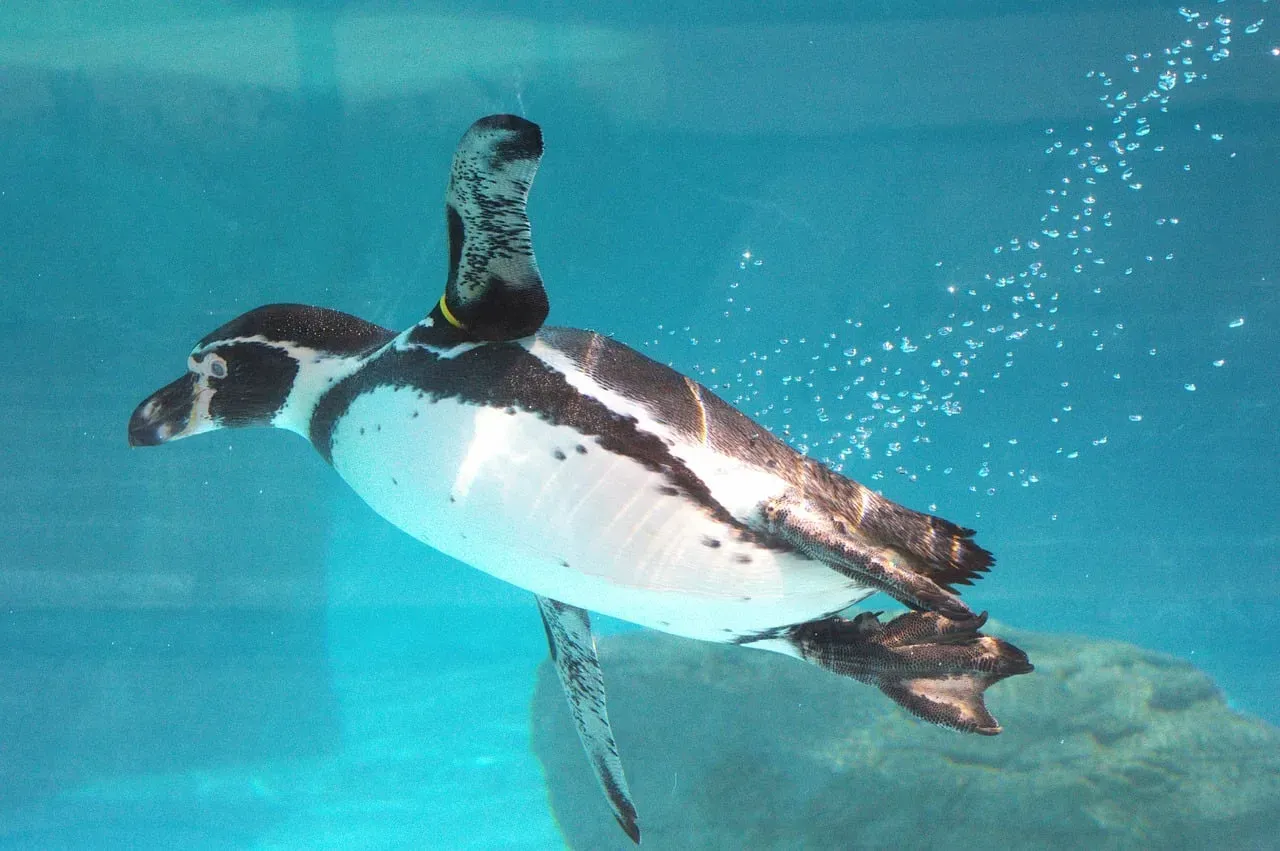
Certain penguins, especially those that deal with sea ice, have a neat trick for getting back onto land in a hurry: they coat their feathers with microbubbles and shoot out of the water like a fired torpedo. As they swim quickly upward, the trapped air stored in their dense feathers is released, forming a bubbly layer that reduces drag. That shaved‑off friction translates into extra speed and an almost explosive leap when they break the surface.
When you see a penguin suddenly pop up onto an ice ledge that looks far too high, you are watching this bubble‑powered boost in action. Scientists have even compared the effect to advanced engineering concepts for friction‑reduced submarines. It is a reminder that penguins are not just surviving in the cold; they are using physics like underwater stunt performers, all while looking like little birds in formal wear.
8. Their “Waddle” Is Actually an Energy‑Saving Walking Style
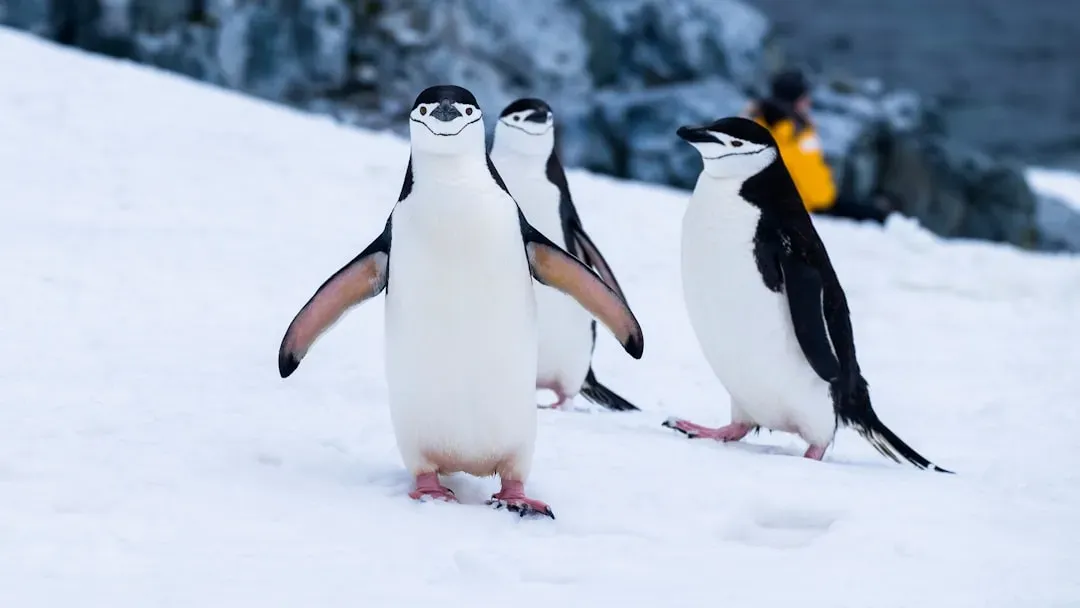
It is easy to laugh at the way penguins walk, rolling side to side in what looks like exaggerated clumsiness. But that waddle is not a mistake of design; it is a careful way to move that actually saves them energy over long distances on land. By shifting their weight from one side to the other and using the momentum of each swing, penguins recycle some of the energy from each step into the next one, like a pendulum that keeps swinging.
Humans do a tiny version of this when we walk naturally, but penguins take it much further because their legs are short and set far back on the body. In extreme cold, conserving any bit of energy is crucial, so a walking style that looks awkward to us is actually smart engineering for them. Once you see the waddle as a clever hack instead of a flaw, those little side‑to‑side steps feel less like a joke and more like a quiet victory over a harsh environment.
9. Some Penguins Hunt in Coordinated “Wolf‑Pack” Style Groups
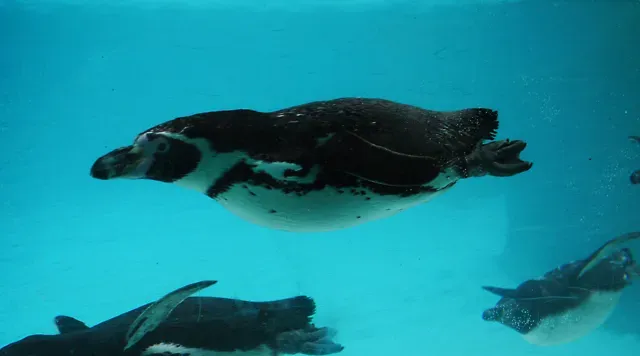
We tend to imagine penguins as gentle, bumbling figures that mainly mind their own business, but their hunting behavior can be surprisingly strategic. In some species, individuals form loose groups that herd schools of fish into tighter and tighter clusters, making them easier to catch. This kind of cooperation turns a chaotic underwater chase into something closer to a well‑planned drive hunt, with birds taking advantage of the confusion they create together.
It is not the same as a pack of wolves with a clear leader and roles, but it definitely is not just every penguin for itself, either. You could compare it to a group of friends corralling a soccer ball into a corner of the field so someone can finally take a clean shot. Seeing these birds work together so fluidly challenges the usual picture of them as harmless comic relief and reveals them as efficient predators in their own right.
10. Their Sense of Smell and Hearing Matter More Than Most People Assume
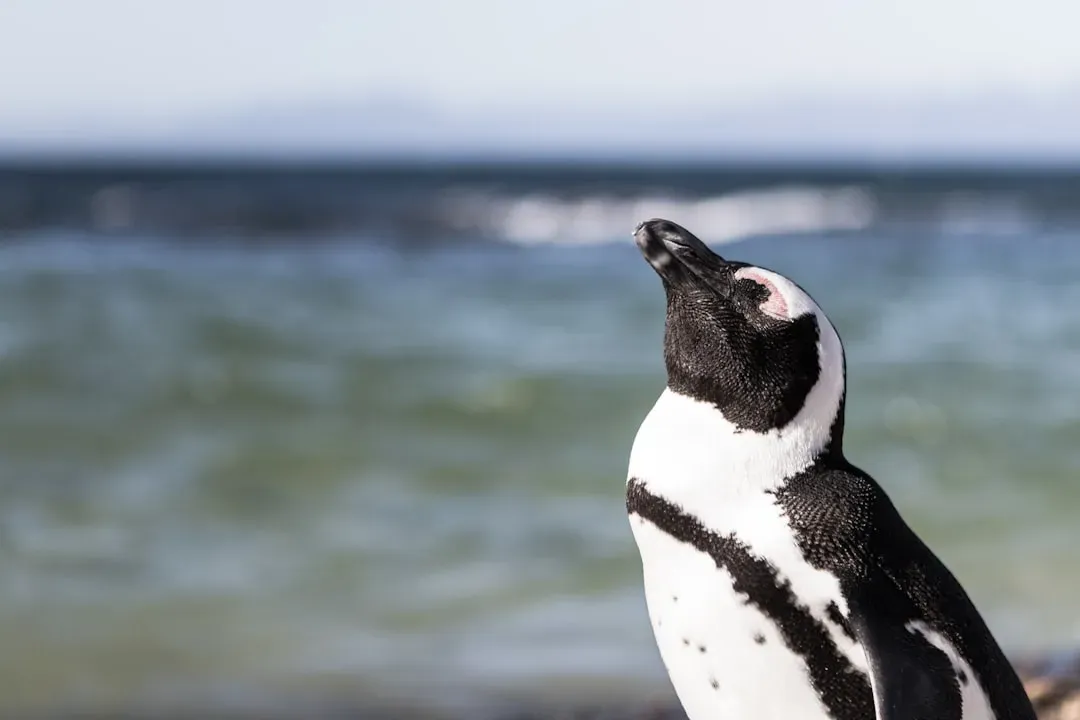
Because penguins seem so visual – after all, the big eyes are hard to ignore – many people assume they rely mostly on sight. But research over the last couple of decades suggests that smell and hearing are also important in their lives. For example, some species appear to use scent to help distinguish their own nests or partners from others, which makes sense in crowded colonies where one rocky spot looks a lot like another.
Their hearing is tuned to pick up the specific frequencies and patterns of penguin calls over long distances and in stormy, noisy conditions. When the wind howls, the waves crash, and a blizzard is blowing snow sideways across the ice, a reliable sense of hearing can be the difference between a chick being reunited with its parents or left vulnerable. It is another reminder that just because we notice one obvious trait, like big eyes, does not mean the quieter senses are any less crucial behind the scenes.
11. Climate Change Is Forcing Penguins To Adapt Faster Than Ever Before
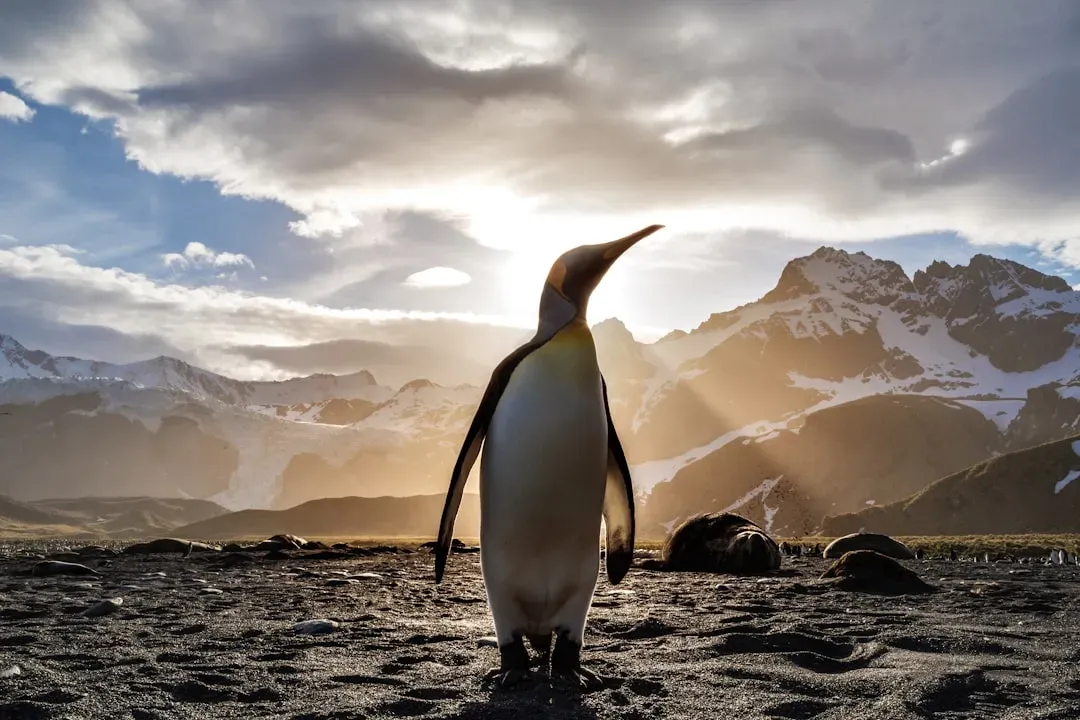
Penguins are often used as symbols of frozen wilderness, but the places they depend on are changing fast, and not in subtle ways. Shifts in sea ice patterns, warming ocean temperatures, and changes in the availability of their favorite prey are already pushing some species into tougher and tougher corners. Colonies that once had stable breeding grounds now face issues like increased flooding of nests or longer, more risky trips to find enough food.
In my view, one of the most incredible facts about penguins is not a quirky piece of anatomy but the sheer resilience they have shown so far. They have survived dramatic climate swings across history, and they are trying to adjust again now, but this time the pace of change is brutally fast and very much our doing. If anything, the way we treat these birds and their ecosystems over the next few decades will say a lot about what kind of species we decide to be: careless spectators or active caretakers.
Conclusion: Penguins Are Tougher, Stranger, and More Vulnerable Than Their Cute Image Suggests
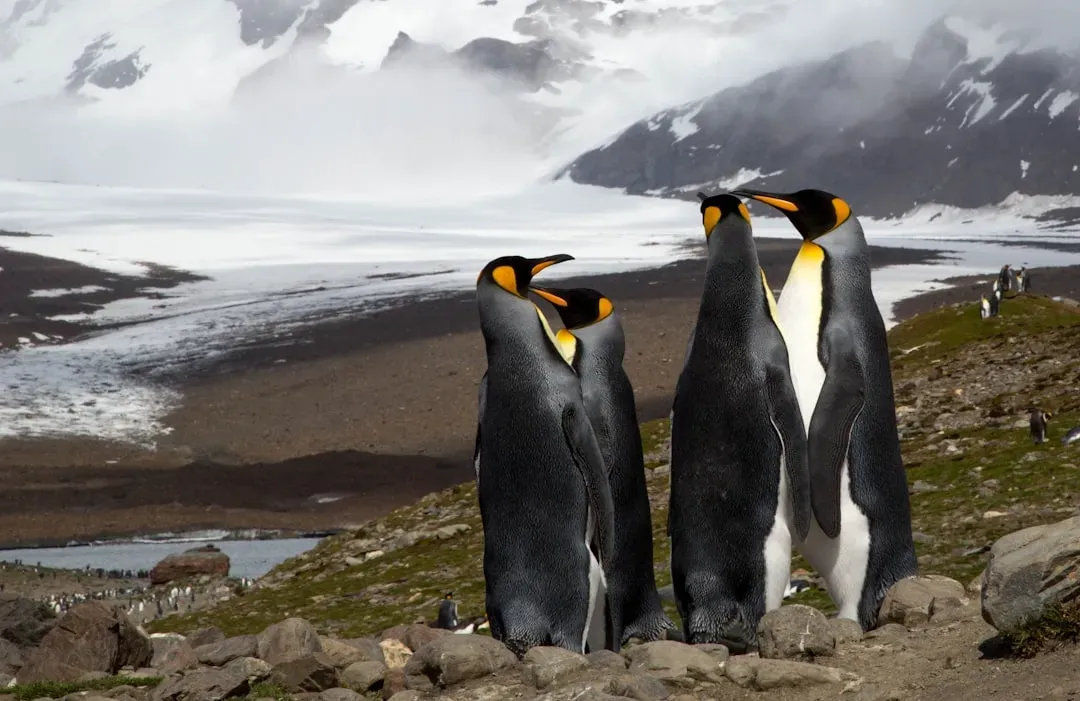
The more you learn about penguins, the less sense it makes to reduce them to background characters in animated movies or mascots on snack boxes. They are deep‑diving athletes that can hack their own heart rate, water‑filtering specialists that drink the ocean, and social strategists that navigate crowded, chaotic colonies with a mix of sound, smell, and finely tuned instincts. Underneath the adorable surface is a story of brutal environments, clever workarounds, and evolutionary bets that mostly paid off – at least until the climate started shifting under their feet.
Personally, I think we underestimate penguins because we confuse “cute” with “simple,” and that sells them short in a big way. They are living proof that an animal can be charming and absolutely ruthless about survival at the same time, like a stand‑up comedian who also happens to be a world‑class marathon runner. As we keep reshaping the planet, the question is not whether penguins are remarkable enough to adapt – they clearly are – but whether we give them a fair chance to keep doing what they do best. Knowing what you know now, does that tuxedo still look harmless, or does it look more like the uniform of a survivor?