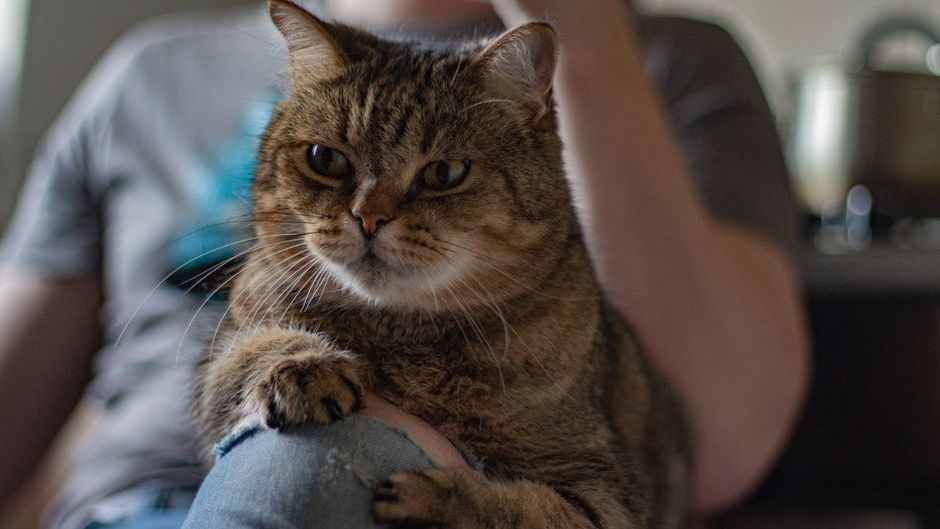

You know that eerie feeling when your cat suddenly will not leave your side, stares at you like it knows something you do not, or starts acting strangely gentle right before you come down with something? A lot of people shrug that off as coincidence or superstition, but modern behavioral science and veterinary observations suggest there is more going on. Cats live in a world dominated by scent, micro-movements, and subtle changes in routine that we barely notice, and they are constantly scanning that world for patterns.
While it is a stretch to claim cats are mystical fortune-tellers, there is growing evidence that they can pick up early clues when our bodies are changing, whether from stress, infection, hormonal shifts, or chronic illness. Think of your cat as a furry little bio-sensor that has evolved to read you better than most humans in your life. Let us dive into the surprising behaviors that may appear when something is off with your health, and what vets and behaviorists think those signals really mean.
1. The Sudden Velcro Cat: Clinginess That Comes Out of Nowhere
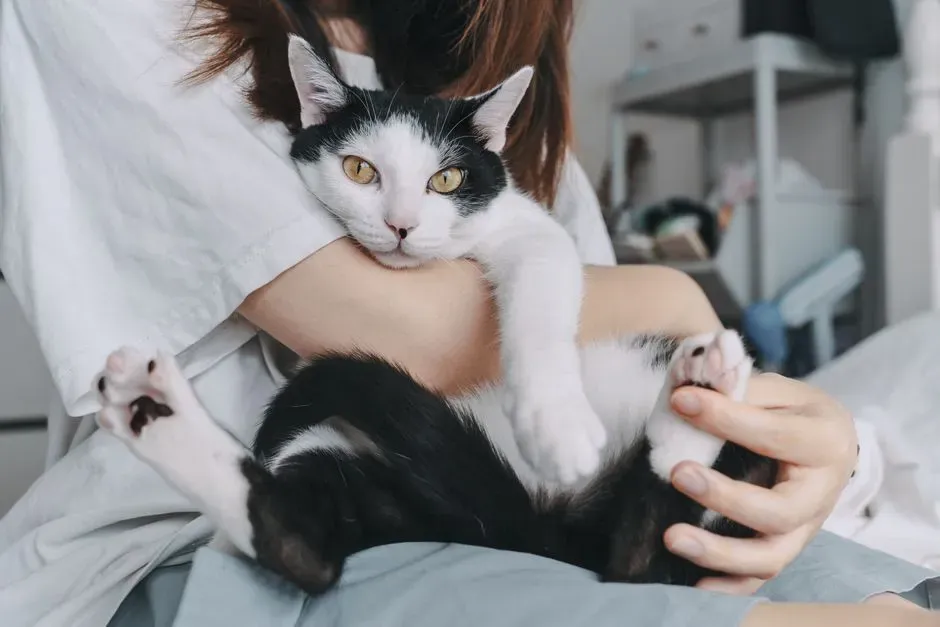
One of the most commonly reported patterns is the cat that suddenly turns into Velcro, shadowing your every move, curling up on your chest, and insisting on physical contact when they were previously more independent. This intense clinginess can show up days before you actually feel sick, which is why it can feel so uncanny in hindsight. From a scientific angle, many vets suspect your cat is reacting to very early changes in your body odor, breathing pattern, or body temperature that you have not consciously registered yet.
Cats rely heavily on olfactory information, so even tiny shifts in hormones, immune activity, or sweat chemistry can stand out as “something new in the environment.” If your cat feels bonded to you, that change may trigger a protective, watchful response, leading them to stick close, monitor you, and offer warmth. I have personally had a cat who would ignore me half the day but, without fail, sleep pressed against my ribs the night before I came down with a fever; it felt spooky until I started viewing it as her natural risk-detection system kicking in. When independence suddenly flips to intense attachment, it is worth asking not only what is going on with your cat, but also what might be changing in your own body.
2. Hyper-Focused Sniffing: Face, Mouth, and Breath Inspections
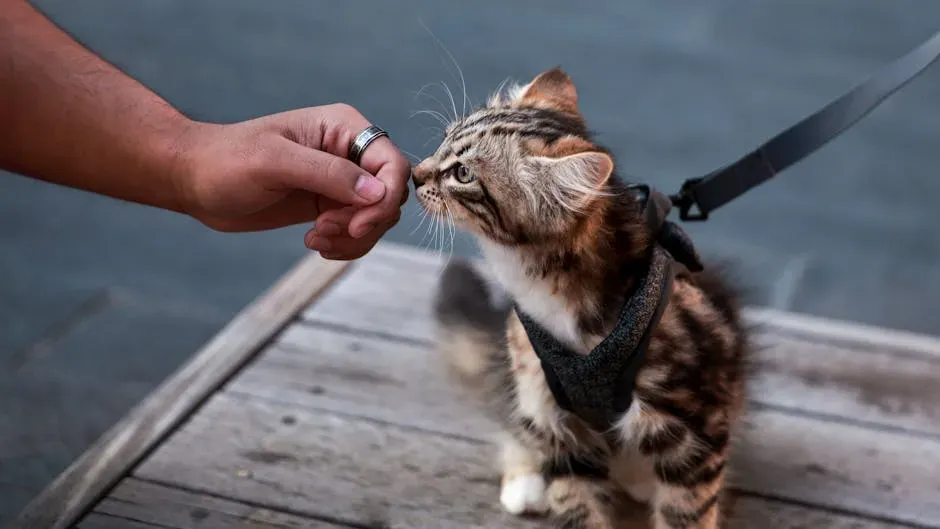
If your cat starts obsessively sniffing your mouth, nose, or a particular part of your body, that is not random affection; it is data collection. Many people notice that before a cold, stomach bug, migraine, or even shifts in blood sugar, their cat will lean in close and inhale around the mouth or face, sometimes repeatedly over a few days. Because cats experience the world as layered scent maps, your exhaled breath is like a chemical status report, and even subtle variations can stand out as “different from baseline.”
Vets and animal behaviorists point out that dogs trained for medical detection rely heavily on breath and sweat samples, and while cats are not commonly trained this way, their olfactory equipment is similarly powerful. Your cat may not understand “illness” in human terms, but it can learn, through experience, that certain smells from your breath or skin often precede changes in your behavior, energy, or availability. Over time, that can condition them to investigate more intently when those shifts appear again. If your otherwise chill cat suddenly acts like a tiny customs officer inspecting your breath every evening, that could be their way of asking: “What’s going on with you this time?”
3. Guard Mode: Sleeping On or Near Vulnerable Areas
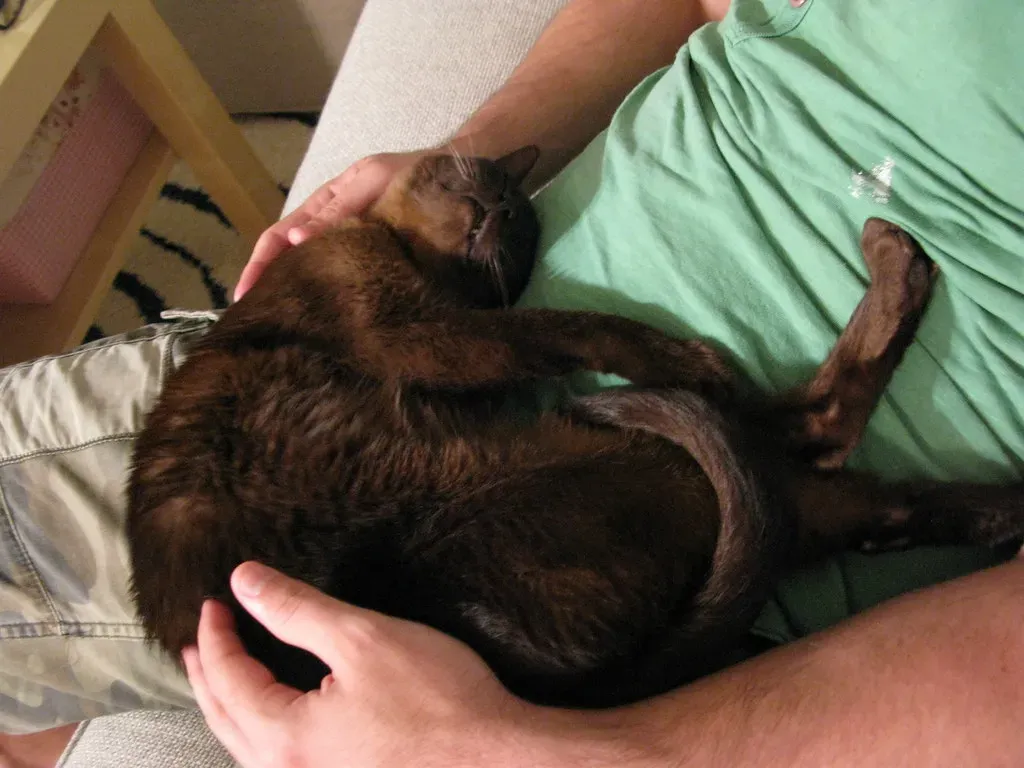
Some cats seem to naturally park themselves on the exact body part that is hurting, even before the pain fully registers with you. People report cats camping on chests before respiratory infections, curling around abdomens before gastrointestinal flare-ups, or resting against joints that later turn out to be inflamed. From a psychological standpoint, this often gets interpreted as comfort-seeking or bonding, but there might also be a sensory component: inflamed tissue can be warmer, emit different metabolic byproducts, and subtly change the way you move or hold that part of your body.
For the cat, choosing to sleep there could serve several purposes at once: adding warmth, stabilizing you with gentle pressure, and positioning themselves close to the source of the unusual signal they are detecting. It is similar to the way some cats will rest on top of a humming appliance; they seem drawn to subtle warmth and vibration. Of course, not every cat nap location is diagnostic, but if your pet repeatedly targets the same spot long before you get a diagnosis or even notice discomfort, it may be responding to real physical changes rather than random chance.
4. Unusual Calmness: The Wild Child Suddenly Becomes Gentle
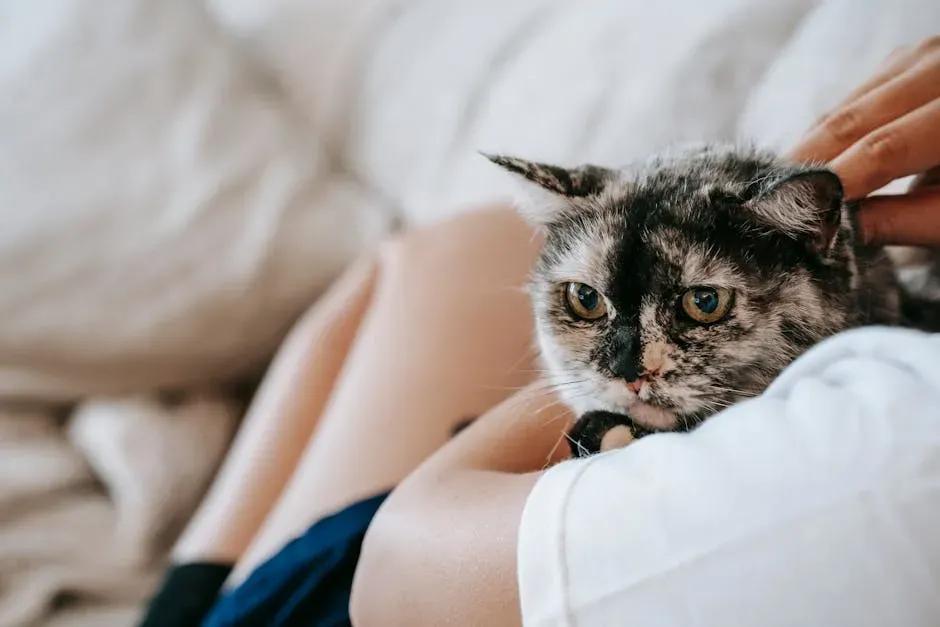
Sometimes the biggest clue that something is off is not heightened energy, but the opposite. A normally boisterous, mischievous cat that suddenly becomes calm, quiet, and almost reverent around you can be startling. Owners often describe a hyper cat that stops ambushing feet, avoids rough play, and instead sits near them quietly or rests gently on their lap in the days leading up to illness. This shift can look almost like respect, as if the animal is aware that you are more fragile than usual.
From a behavioral science view, cats are finely tuned to the feedback they get from us: our tone of voice, speed of movement, posture, and level of responsiveness. When your body is fighting something off, your reactions tend to slow down, your voice may soften or disappear altogether, and your overall energy drops. Many cats, especially those deeply bonded with their person, appear to “downshift” in response, adapting their behavior to match your reduced capacity. I think of it like a friend instinctively lowering their voice and moving more slowly around someone who just had surgery; your cat may be doing the same, without ever naming it as care-taking.
5. Anxiety and Restlessness: Pacing, Vocalizing, and Night Watch
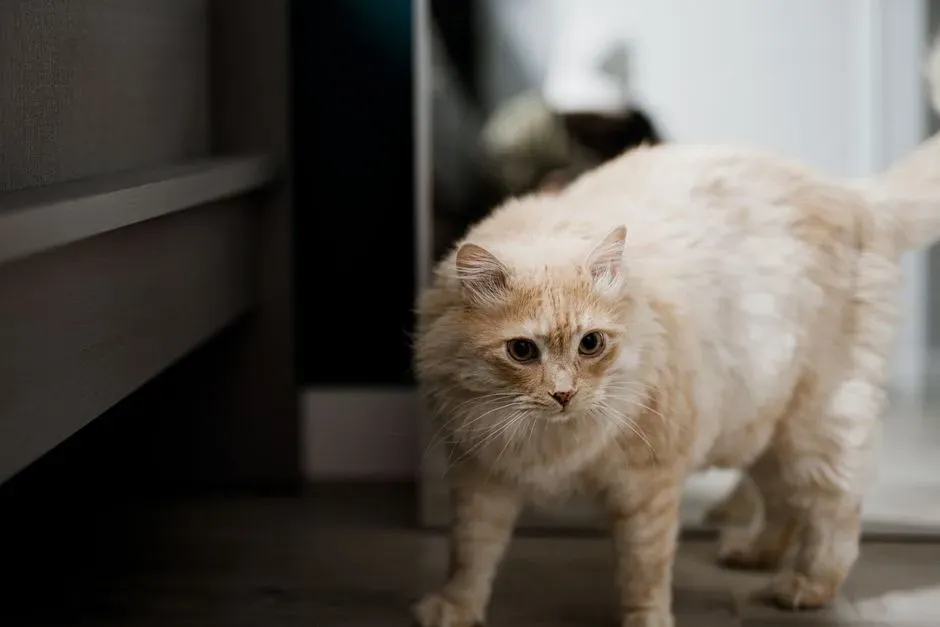
On the flip side, some cats become more anxious when they sense a change in your condition, pacing the house, meowing more, or checking on you repeatedly at night. This can look like clinginess, but it often has a restless edge: they come and go, seem unsettled, and may stare at you or circle the bed as if waiting for something to happen. Owners sometimes only connect the dots after a fever spikes or a health crisis hits and they recall that their cat was “off” the night before.
Vets suggest that this can stem from a combination of sensory input and disruption of routine. Your altered scent, breathing, or sleep pattern can signal that the environment has changed in a way the cat cannot control or fully understand, which naturally ramps up vigilance. In the wild, a weakened group member could attract predators or alter resource dynamics, so heightened alertness around an ailing companion would be adaptive. When I see a cat acting like a tiny, worried security guard doing late-night rounds around a sick human, it feels less like superstition and more like ancient survival software running in a modern apartment.
6. Rejecting Your Lap: Sudden Avoidance or Distance
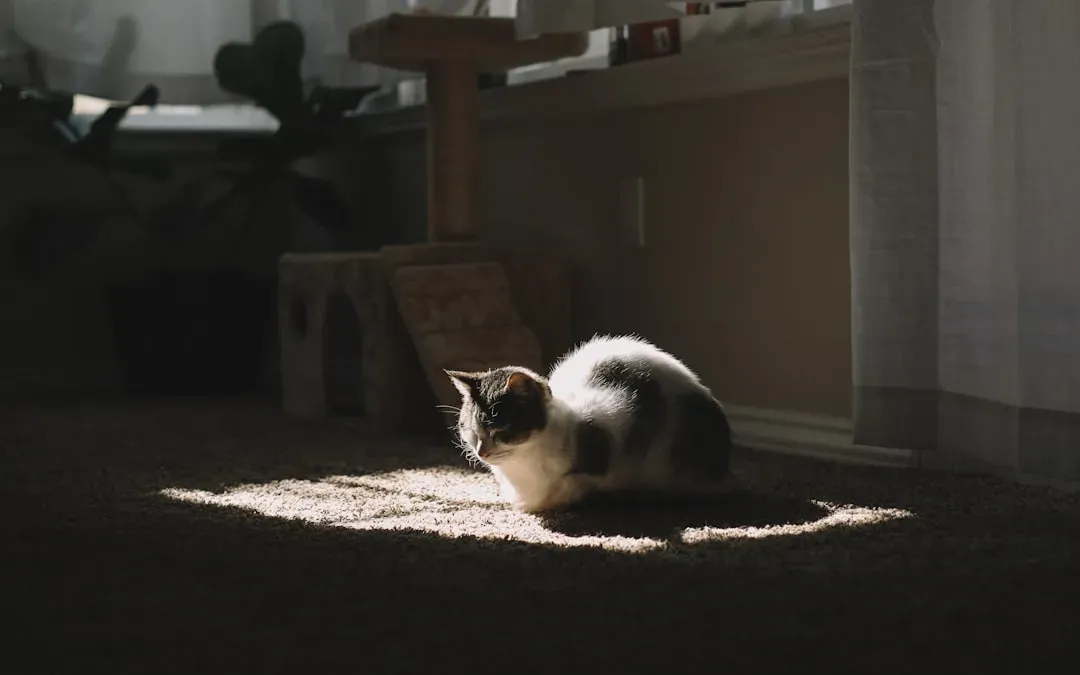
It is tempting to interpret any sign of distance from your cat as emotional rejection, but sometimes a cat that suddenly avoids your lap or your usual cuddle spot is reacting to your changing internal state. Owners occasionally report that right before they get sick, their once cuddly cat starts perching farther away, hesitates before jumping up, or even sniffs them and walks off. That can be painful emotionally, but from the animal’s perspective, they may be detecting an unfamiliar smell or altered body temperature that feels unsettling or even mildly aversive.
There is also a practical angle: if your body is more restless, feverish, or fidgety when your immune system is gearing up, you become a less predictable and less comfortable resting surface. Cats tend to prefer stability and consistency in their chosen sleep spots, so subtle changes in your breathing, twitching, or heat levels could tip the equation against your lap, at least for a while. Rather than assuming your cat suddenly “doesn’t love you,” it can be more accurate to see this as an instinctive boundary-setting response to a body that currently feels different, just like you might unconsciously avoid eating a food that smells slightly off.
7. Changes in Their Own Sleep: Shifting Schedules to Match Yours
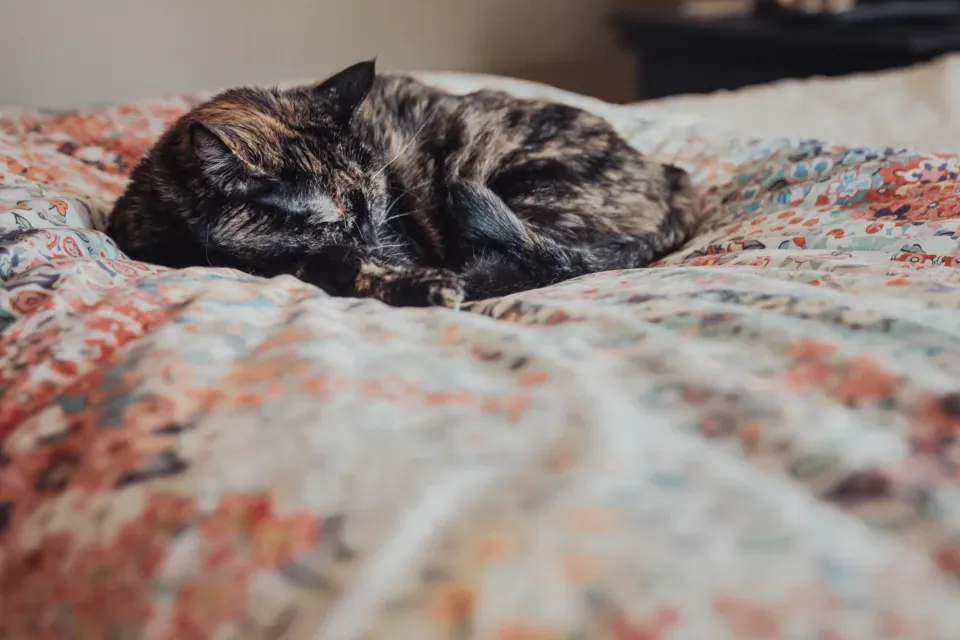
Many cats naturally sync their routines to the people they are most attached to, but this synchronization can become especially obvious when you are unwell. Some owners notice their cats sleeping less during their own sick days, staying awake longer to hover nearby, or changing their usual napping locations to stay within sight of the bed or couch. Others report the opposite: the cat sleeps more than usual but always in close proximity, like a soft, purring shadow echoing your downtime.
From a psychological perspective, cats are experts in contingency learning; they constantly map which human behaviors predict food, attention, safety, or disruption. When you suddenly spend more time lying down, move less, or alter your timing for daily activities, your cat’s internal model of “how the day goes” gets rewritten on the fly. Adjusting their own sleep pattern to stay closer to you may be their way of reducing uncertainty and maintaining contact with their key resource figure. It is almost like when a partner starts staying up a bit later to keep an eye on you after surgery, even if they are naturally an early sleeper.
8. Heightened Sensitivity to Your Mood and Voice
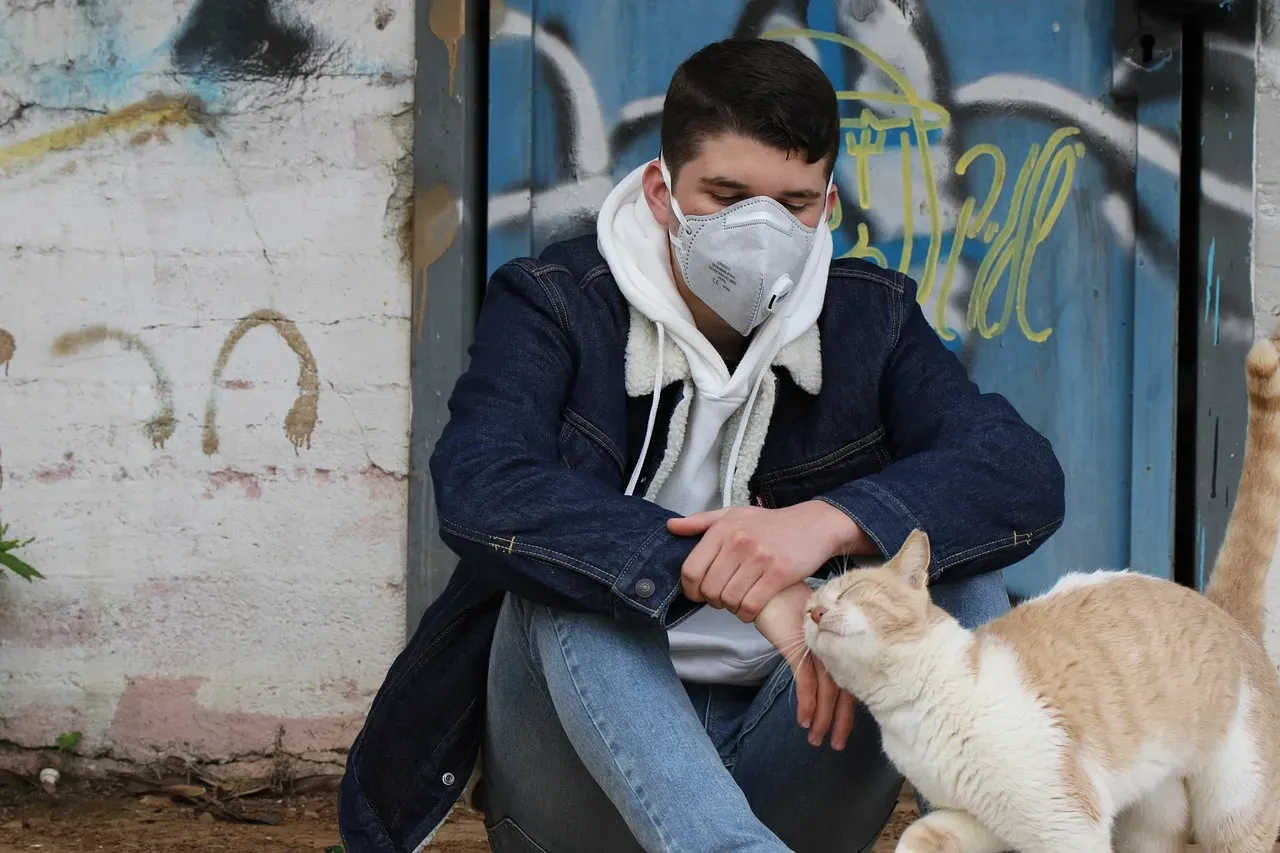
Illness is not just a physical event; it usually comes with emotional changes too, like irritability, sadness, worry, or mental fog. Cats, especially those who live closely with one or two humans, often become exquisite readers of our emotional tone. People often notice their cat reacting differently when they are on the verge of getting sick and feeling “not quite right,” even before clear physical symptoms appear. The cat might leave the room when your mood dips, approach gently when your voice softens, or flinch when you suddenly cough or sigh more often.
Psychologically, this fits with what we know about animals living in social environments: being able to anticipate another individual’s behavior based on subtle cues is a powerful survival skill. Your cat does not care about your lab results, but it absolutely cares whether you are about to yell, get up, collapse on the bed, or disappear for hours. Mood and early illness are often intertwined, and your cat may be reacting to that overall “vibe” change as much as to the chemistry of your breath or skin. When your pet seems unusually tuned into your mood swings, it might be reading a whole cluster of early warning signs your conscious mind has not yet pieced together.
9. Repeating a Pattern: The Memory of Illness-Linked Cues
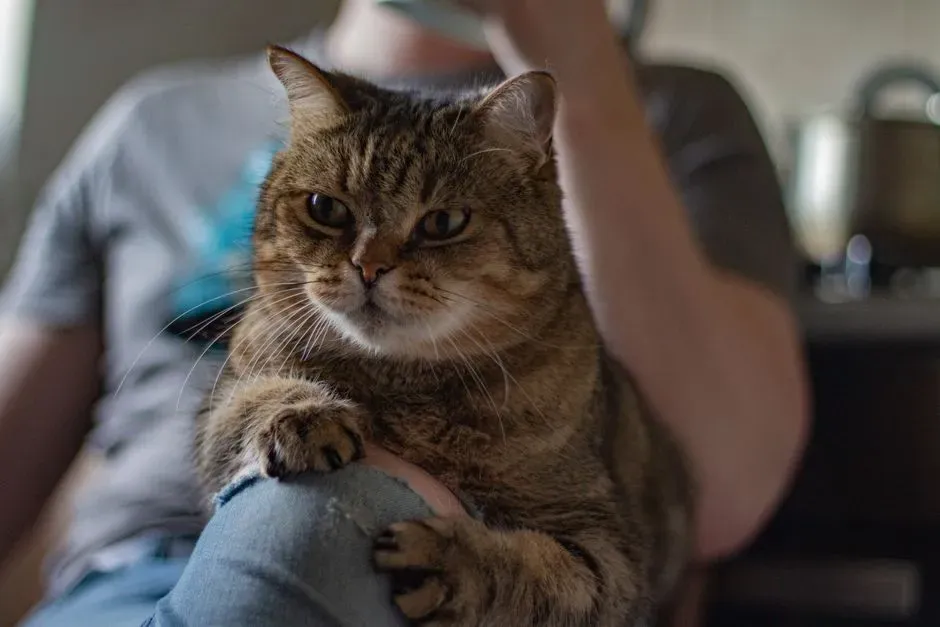
One of the strongest arguments that cats are really sensing something meaningful is when a pattern repeats across multiple health episodes. Many owners can look back and notice that their cat behaved in a specific, unusual way before each migraine, flare-up, panic attack, or infection: perhaps pacing the hallway, hiding less, licking their hand, or parking on their chest. Over time, these repeated pairings teach the cat that certain smells, movements, or routines reliably predict a change in its human. That is classic associative learning, the same basic process used in training, just happening naturally instead of in a formal class.
Vets increasingly acknowledge that while the hard scientific research on cats detecting illness is still limited compared to dogs, the behavioral evidence from households is too consistent to ignore. I tend to think of it like this: your cat is constantly running a quiet, background “health check” on you, not out of medical altruism, but because your state directly affects its world. If every time your body chemistry shifts in a particular way you later disappear to the hospital, stop playing, or change the feeding routine, your cat will learn to treat that pre-illness signal as important. That is not magic; it is memory, pattern recognition, and a very personal kind of animal psychology.
Conclusion: Your Cat Is Not a Doctor – But It Is Paying Attention
Cats are not diagnostic tools, and it is important not to over-romanticize or over-interpret every quirky behavior as a medical omen. Still, when you look at the combination of their powerful senses, their social learning, and their deep reliance on our consistency, it makes a lot of sense that many cats notice when something in us is shifting, sometimes before we consciously do. Those moments that feel spooky or mystical are often just your cat responding to early cues in scent, behavior, or routine that your rational brain is slower to catch.
My own opinion is that we tend to underestimate cats because they do not perform their intelligence on command like dogs do, but quietly taking note of our health state might be one of the clearest signs of how closely they are actually tracking us. If you see a sudden pattern – clinginess, breath-sniffing, restless guarding, or repeated focus on a body part – it is worth paying attention, not with panic, but with curiosity and self-check. In a world obsessed with wearables and biometric apps, it is strangely grounding to realize that one of the oldest “early warning systems” might still be a small, purring animal watching you from the end of the couch. When your cat acts like it knows something about you that you do not yet know, are you willing to listen?