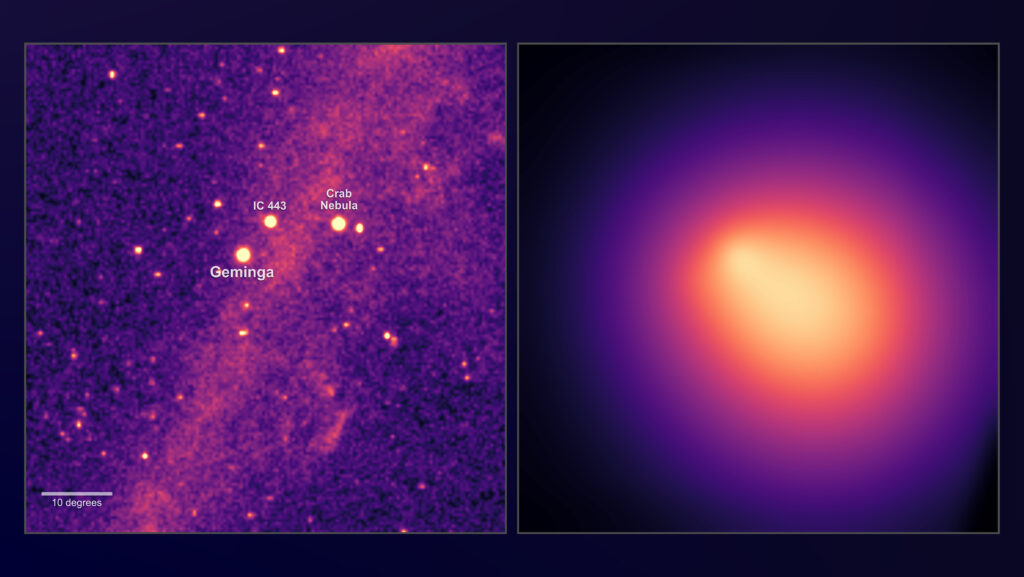

Every now and then, the universe throws astronomers a curveball so weird that the first reaction is not wonder, but suspicion: this has to be a mistake. A glitch in the detector, a smudge on the telescope lens, a wonky line of code. Only after weeks or months of checking, recalibrating, and arguing does the uncomfortable truth sink in – the data is real, and the cosmos is far stranger than the textbooks made it sound.
In the last few decades alone, astronomers have stumbled across signals that looked like alien beacons, stars that should not exist, and explosions so powerful they blew up long‑held theories. In this article, we will walk through ten of the most bizarre discoveries that were nearly tossed out as errors. Each one started with a “that can’t be right” moment and ended up reshaping how we think about the universe. Ready to rethink what “normal” even means in space?
1. Pulsars: The “Little Green Men” That Turned Out To Be Dead Stars
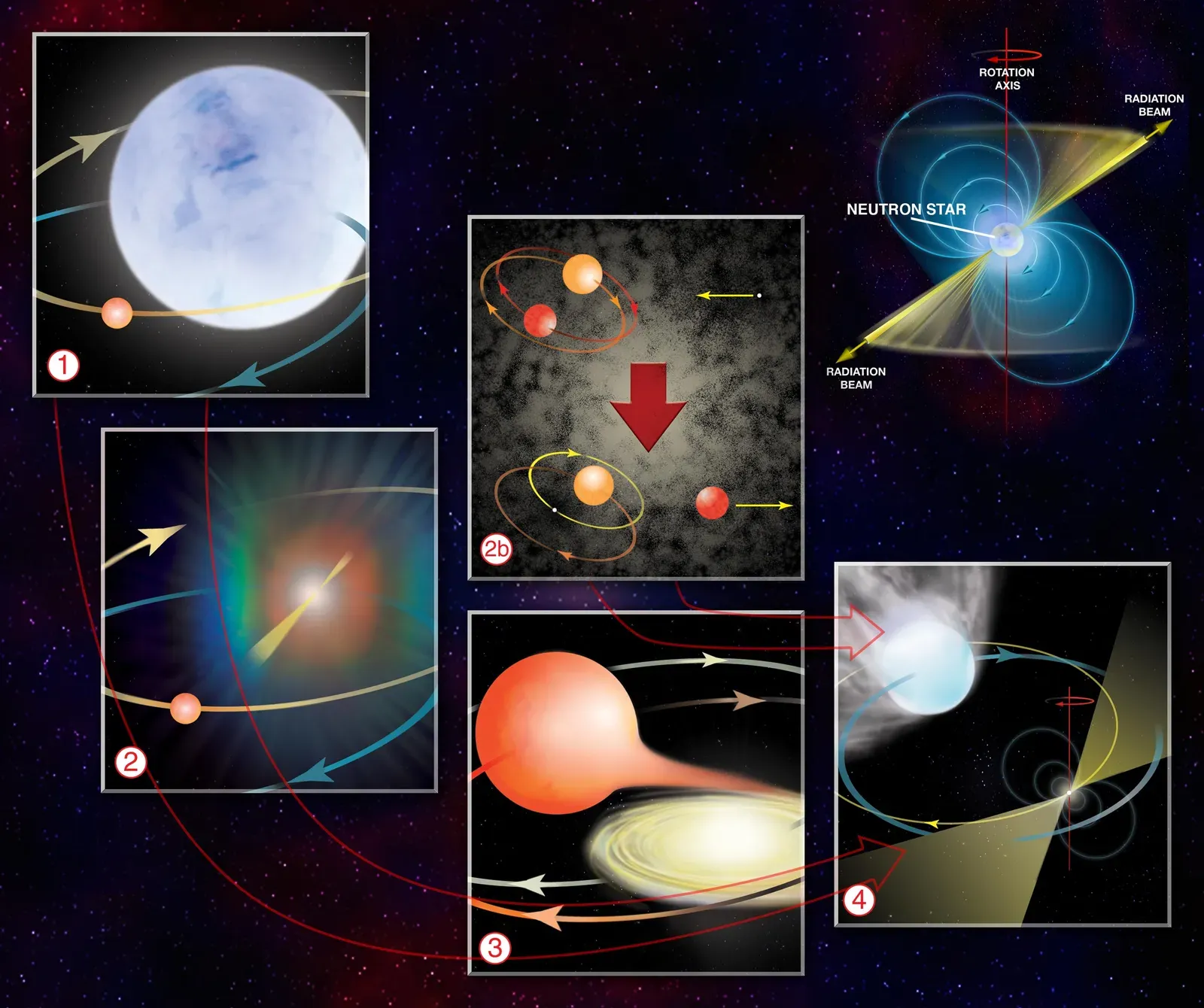
When Jocelyn Bell (now Bell Burnell) first spotted a strange, perfectly regular blip on a radio chart in the late 1960s, it looked so artificial that her team half‑jokingly labeled it with the initials for “little green men.” The pulses were absurdly precise, repeating more regularly than the best clocks on Earth at the time, which made the simplest explanation feel like a hardware glitch or some secret human radio source. The team went back through the data, checked cables, recalibrated equipment, and hunted for some boring technical flaw that could explain it away.
Instead of disappearing, more of these signals appeared from different parts of the sky, each with its own distinct rhythm. That was the turning point: one glitch is easy to dismiss, but multiple independent “glitches” in different directions start to look like a new phenomenon. The culprit turned out to be rapidly spinning neutron stars – the crushed, city‑sized cores of exploded stars – sweeping beams of radio waves across space like cosmic lighthouses. Today we call them pulsars, and they are so stable that astronomers use them as tools to test gravity and even hunt for ripples in spacetime. What started as “this must be an error” became one of the most important discoveries in modern astrophysics.
2. Quasars: Star‑Like Dots Hiding Monster Black Holes
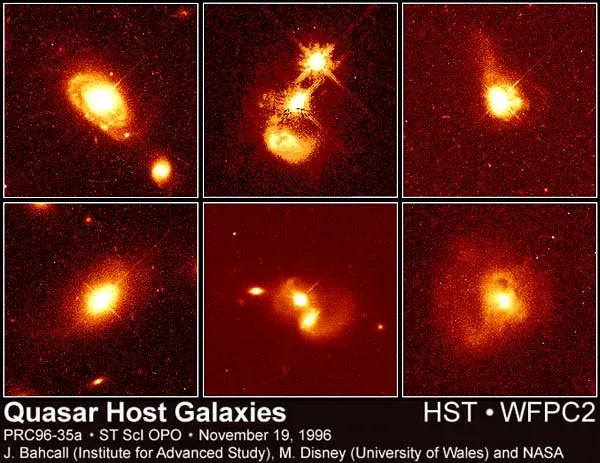
Quasars were first logged as tiny, star‑like points that emitted ridiculous amounts of radio waves and light, more than whole galaxies combined. Early on, when astronomers tried to measure their distances, the numbers that fell out of the equations looked completely unreasonable. If those distances were right, these objects would have to be unimaginably bright, far beyond anything that standard theories of stars and galaxies could handle. Some researchers assumed the measurements were wrong, or that the telescope had misidentified a closer, more ordinary star with some odd behavior.
But as more data came in, a pattern formed: those strange spectral lines really did mean quasars were billions of light‑years away. The “error” was not in the data, but in our expectations of what the universe could do. The best explanation that emerged is that quasars are powered by supermassive black holes at the centers of young galaxies, greedily feeding on surrounding gas and dust. As matter spirals into these black holes, it heats up and blasts out energy across the spectrum, turning them into cosmic beacons. What started as a measurement that seemed to violate common sense ended up revealing one of the most energetic phases of galaxy evolution.
3. Cosmic Microwave Background: The Static On The Line That Wasn’t Dirt On The Antenna
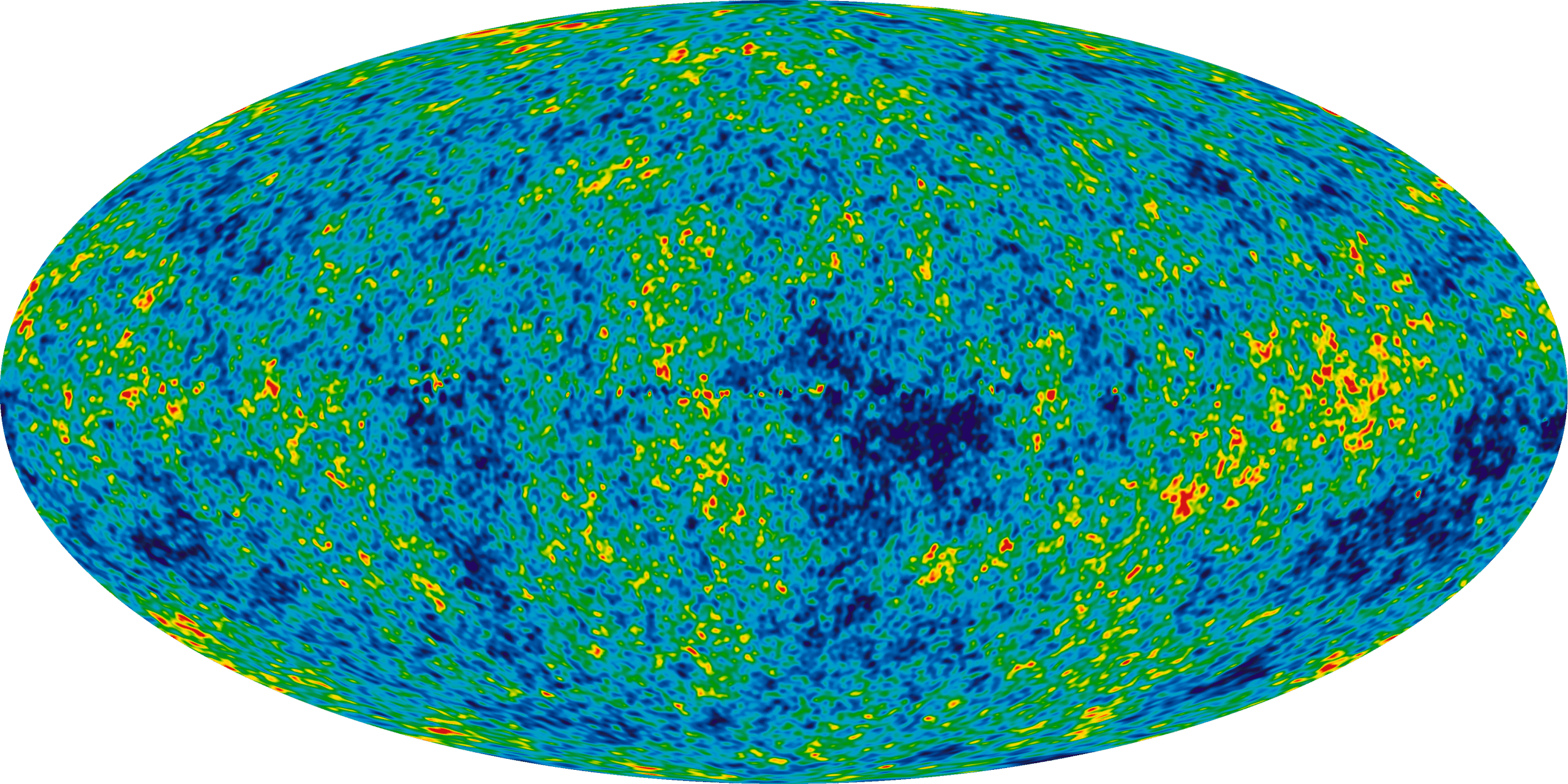
In the mid‑1960s, two engineers working on a radio antenna kept picking up a stubborn background hiss, no matter where they pointed their instrument. They did what any practical team would do: assumed the problem was local. They checked for interference, recalibrated, and even cleaned out pigeon droppings from inside the giant antenna, convinced that some down‑to‑Earth contamination was polluting their measurements. Yet the faint, uniform noise stayed exactly the same.
Eventually, they realized that the “noise” was not going away because it was not a flaw; it was a feature of the universe itself. They had stumbled onto the cosmic microwave background, the cooled‑down afterglow of the Big Bang, filling space in every direction. At first glance, it was the textbook definition of an annoying systematic error, the kind of thing you curse under your breath while troubleshooting. In hindsight, it became a cornerstone of modern cosmology, offering direct evidence that the universe had a hot, dense beginning. It is hard to imagine a more dramatic upgrade from “stubborn background static” to “echo of creation itself.”
4. Fast Radio Bursts: Millisecond Blips That Looked Like Instrument Glitches
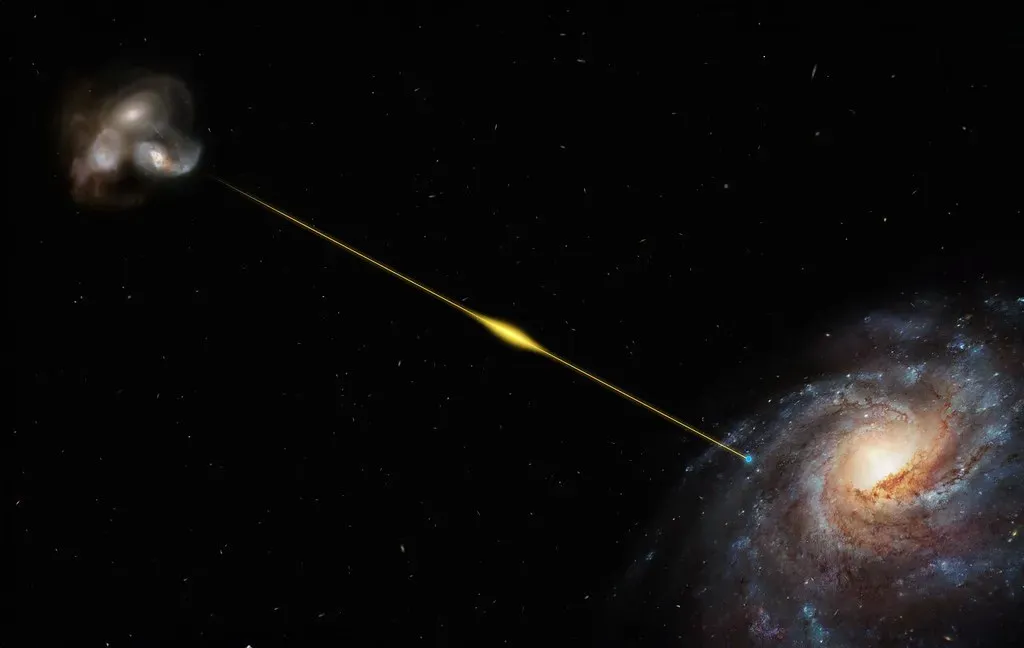
Fast radio bursts, or FRBs, are unimaginably brief flashes of radio waves that last just a few thousandths of a second. The first one identified in archival data was so short and so intense that many astronomers initially wrote it off as some kind of software glitch, a bit of bad data, or interference from Earth. Imagine combing through months of observations and finding a single, millisecond‑long spike – it feels more like a corrupted file than a message from the universe. For a while, FRBs lived in this awkward category of “probably not real, but weird enough that we should keep an eye on it.”
Then more were found, from different telescopes around the world, each coming from far beyond our galaxy. One source even repeated bursts over time, proving beyond doubt that these were not just one‑off instrumental accidents. Theories scrambled to catch up: maybe they come from magnetars (highly magnetized neutron stars), maybe from extreme stellar collisions, maybe even from exotic physics we have not nailed down yet. Even now, FRBs feel like the universe sending us cryptic, staccato messages with no clear key. The fact that they were dismissed as errors at first says more about our limited imagination than about the data itself.
5. Dark Matter: “Missing Mass” That Refused To Show Up In The Numbers
When astronomers first carefully measured how fast stars orbit around the centers of galaxies, the numbers were just plain wrong – at least according to Newton and Einstein. Stars far from the center were whipping around so quickly that, by all rights, they should have flown off into space like rocks from a slingshot. The obvious first suspicion was that the measurements were off: maybe the velocities were miscalculated, maybe the distances were misjudged, maybe the telescopes were picking up the wrong stars. It seemed easier to doubt the instruments than to accept that whole galaxies were operating under some invisible influence.
But as more observations piled up, across many galaxies and different techniques, the pattern refused to go away. The simplest explanation, though deeply unsettling, was that there is a vast amount of matter we cannot see directly, exerting gravity but not shining like normal stars or gas. This so‑called dark matter now appears to make up most of the matter in the universe, shaping galaxy formation and large‑scale structure. In my view, the real “error” here was not in the data but in our assumption that what we see is all that exists. Dark matter is still mysterious, but it is a powerful reminder that the cosmos is under no obligation to be intuitively transparent to us.
6. Dark Energy: A Cosmic Expansion That Looked Backwards
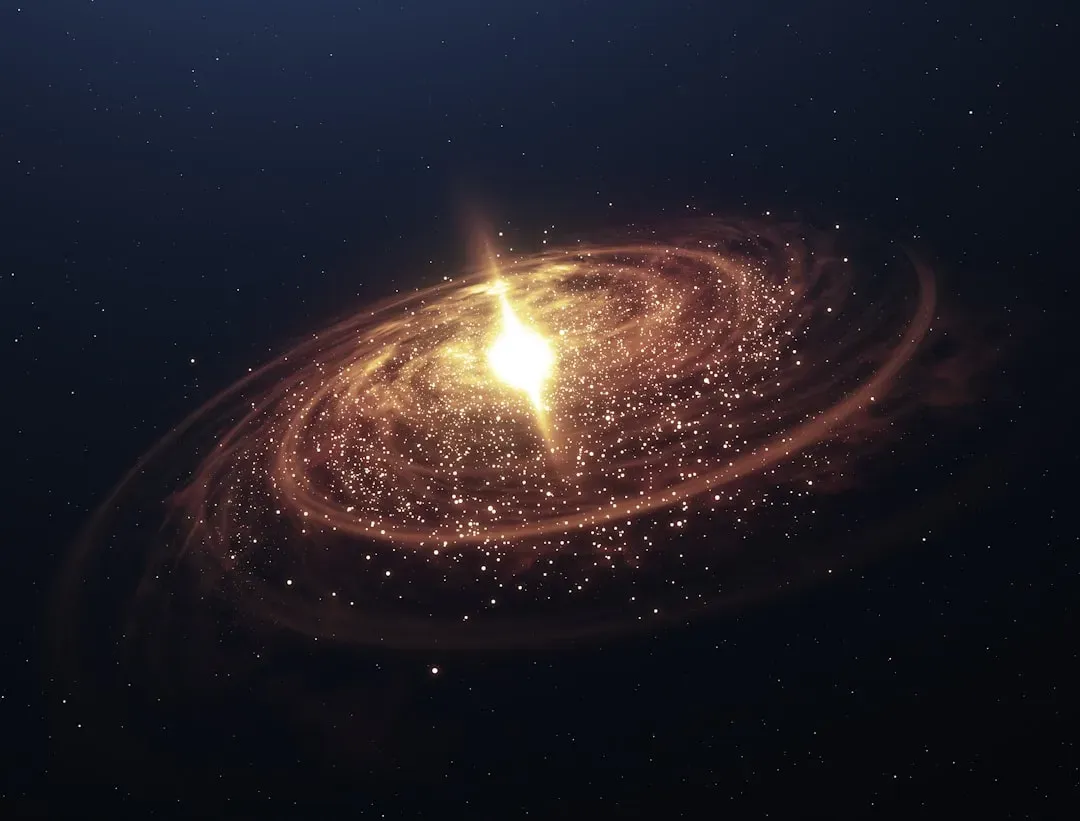
For a long time, the standard expectation was that the universe’s expansion should be slowing down under its own gravity, like a ball thrown upward that gradually loses speed. When teams began measuring the brightness of very distant exploding stars called type Ia supernovae in the 1990s, they hoped to map out this slowdown. Instead, the data suggested something upside‑down: the expansion of the universe was not decelerating, it was accelerating. The distant supernovae looked dimmer than they “should” have been, as if something were pushing galaxies apart faster and faster over time. The first reaction in many corners of the community was to suspect calibration errors, selection effects, or some subtle flaw in the analysis.
Multiple independent teams double‑ and triple‑checked their methods, used different telescopes and techniques, and still arrived at the same unsettling conclusion. To make sense of it, cosmologists introduced the idea of dark energy, a mysterious form of energy associated with empty space itself that drives accelerated expansion. Even now, dark energy is one of the most puzzling pieces of modern physics, bordering on philosophical in how deeply it challenges our intuition. It is a classic case where what looked like an observational mistake turned out to be a window into an entirely new layer of reality. Personally, I think this discovery is a humbling example of how the universe casually overturns our neat mental models.
7. Hot Jupiters: Giant Planets Orbiting So Close They Seemed Impossible
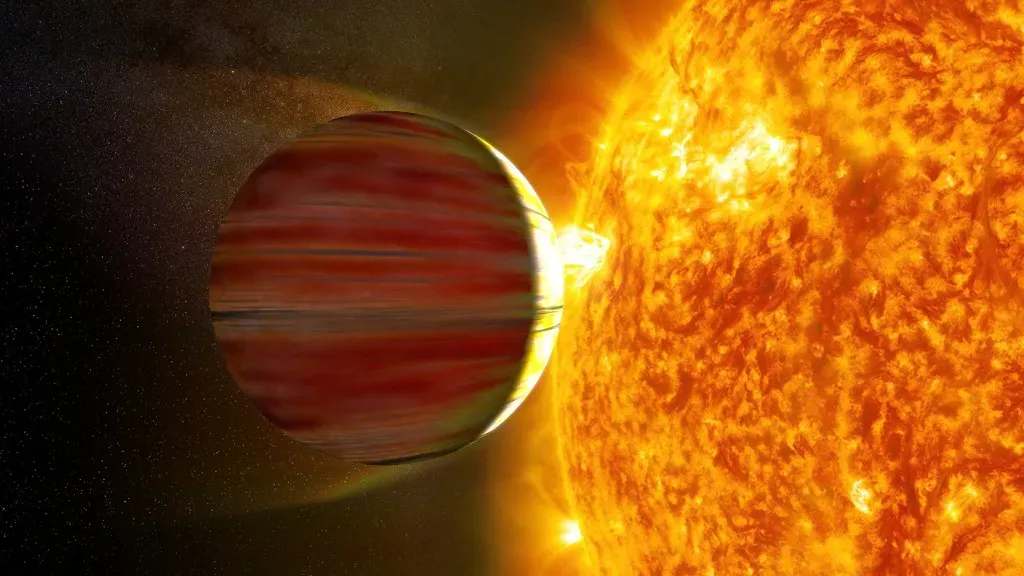
When exoplanet hunters first started detecting planets around other stars using tiny wobbles in a star’s motion, they expected to find systems that looked like our own: small rocky planets close in, big gas giants far out. Instead, they began finding huge, Jupiter‑sized planets hugging their stars in incredibly tight, blistering orbits. Some of these “hot Jupiters” circle their stars in just a few days, so close that their atmospheres are being blasted and boiled by intense radiation. Early detections were sometimes greeted with suspicion, as if the signal processing had gone wrong or the data had been contaminated by stellar noise.
Once more of these oddballs showed up around different stars, it became impossible to pretend they were just mistakes. The real issue was that the old planet‑formation models were too narrow, based only on the one example we knew best: our own solar system. Hot Jupiters forced astronomers to accept that giant planets can migrate inward after forming, dramatically reshaping their systems. I remember first reading about them and feeling like someone had rearranged the furniture in a house you thought you knew well – everything was still “planetary,” but the layout was shockingly different. They are a vivid reminder that nature is not obligated to follow our home‑grown templates.
8. Tabby’s Star: The Bizarre Dimming That Sparked Alien Megastructure Hype
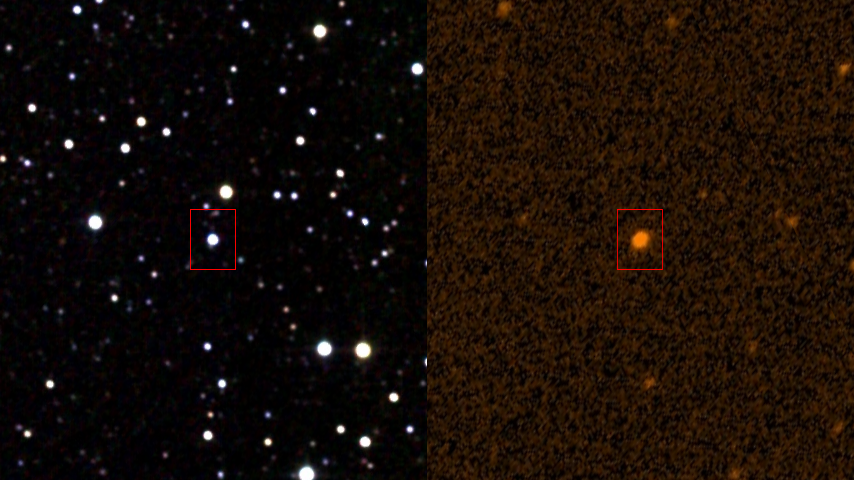
When astronomers analyzed data from a particular star dubbed Tabby’s Star, they noticed something deeply strange: its brightness dipped in irregular, dramatic ways, sometimes by a huge fraction, and not in the clean, periodic pattern you would expect from a normal orbiting planet. The data looked messy, inconsistent, and frankly, suspicious. At first, some researchers thought there must be a problem with the detector, a data pipeline issue, or some unrecognized interference. It is genuinely unsettling when a star seems to play peek‑a‑boo without any obvious physical mechanism.
As the odd behavior persisted across checks and follow‑up observations, explanations multiplied. Some people speculated wildly about alien megastructures, while more conservative ideas focused on swarms of dust, disrupted comets, or unusual circumstellar material. Over time, the evidence has leaned more toward complex, natural dust clouds rather than anything artificial. Still, the journey from “this has to be bad data” to “we might be watching a bizarre, dusty drama around a star” shows how fragile our comfort zone can be. Even if the final answer is dust, the path there forced astronomers to question assumptions and design new ways to scrutinize strange light curves.
9. Gamma‑Ray Bursts: Cosmic Flashes That Looked Like Detector Spikes
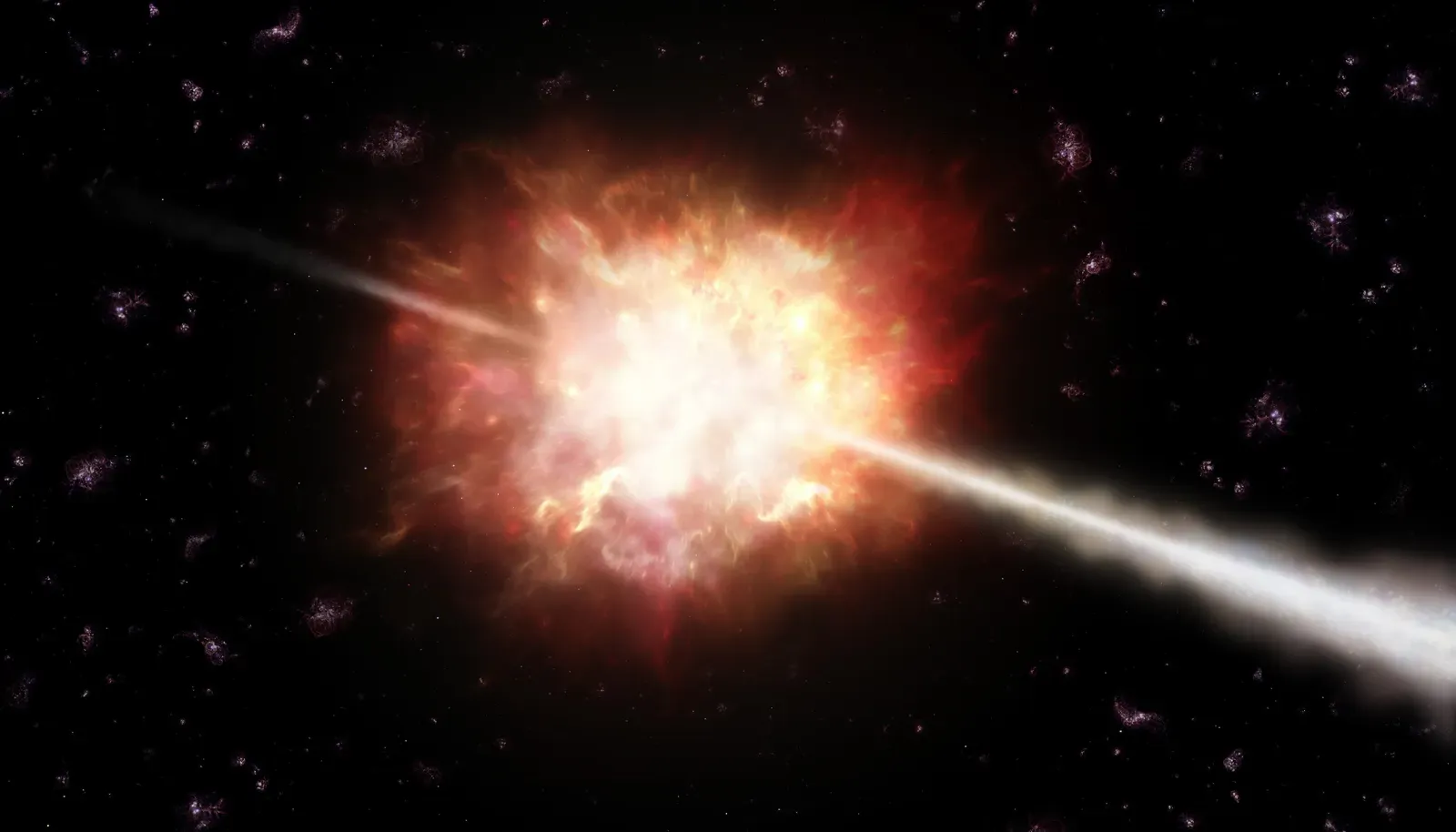
When space‑based detectors first started catching intense, brief flashes of gamma rays coming from random directions in the sky, they looked exactly like the kind of spikes you might blame on faulty electronics or cosmic rays hitting the instrument. The bursts were brief, unpredictable, and not obviously tied to known objects. Early on, some scientists viewed them as more of a technical nuisance than a celestial phenomenon: noise to be filtered out rather than a mystery to be solved. It took time, and a lot of patience, to realize that these were not flukes but a new class of event altogether.
As better satellites came online and afterglows at other wavelengths were detected, gamma‑ray bursts emerged as some of the most powerful explosions in the universe, linked to massive star collapses and sometimes to the mergers of neutron stars. The energy released in a single burst can outshine an entire galaxy for a short time. In a strange way, the initial tendency to shrug them off as errors is understandable; they seemed too extreme to be real. To me, gamma‑ray bursts are like the universe firing off warning shots that our sense of “normal” cosmic behavior is limited by what our instruments happened to see first, not by what is actually out there.
10. Gravitational Waves: Tiny Ripples That Almost Disappeared Into The Noise
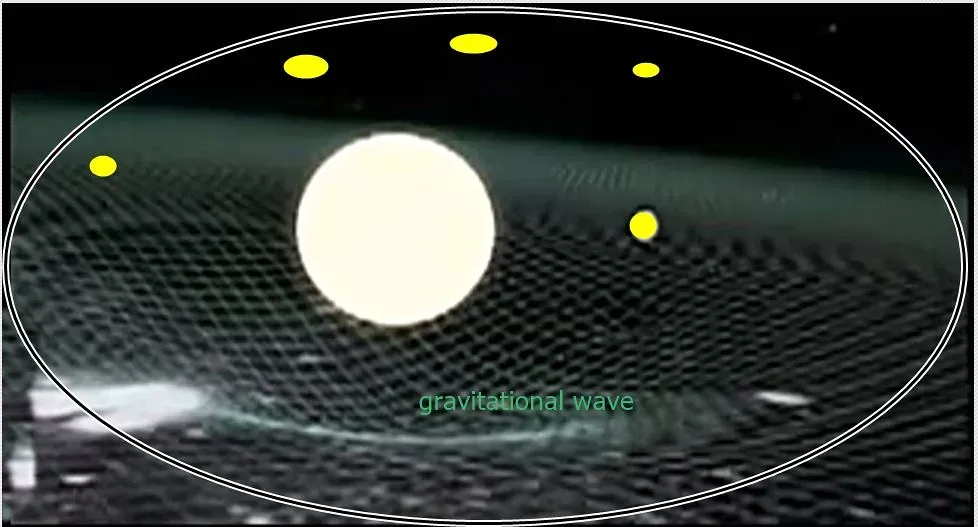
Detecting gravitational waves – ripples in spacetime predicted by Einstein – required instruments so sensitive that they could register changes smaller than the width of a proton over kilometers of distance. That level of precision practically begs for false positives from earthquakes, trucks driving by, or even subtle thermal shifts in the equipment. When the first convincing signal rolled in, it would have been easy to chalk it up to some cleverly disguised environmental noise or a subtle calibration issue. The teams behind the detectors spent years developing methods just to distinguish real cosmic signals from the ocean of background fluctuations.
Only after independent detectors on different continents saw matching signals, with patterns exactly in line with theoretical predictions for merging black holes, did the community fully accept that the detection was real. What had looked, at first glance, like the kind of tiny blip any engineer learns to distrust turned out to be the sound of two black holes colliding more than a billion light‑years away. In my opinion, gravitational waves are one of the most poetic examples of “error‑looking” data transforming into a radical new sense: we literally learned to listen to the universe in a new way. It is hard to imagine a better payoff for refusing to ignore the whispers buried in the noise.
Conclusion: The Universe Is Not Glitch‑Free – And That’s A Good Thing
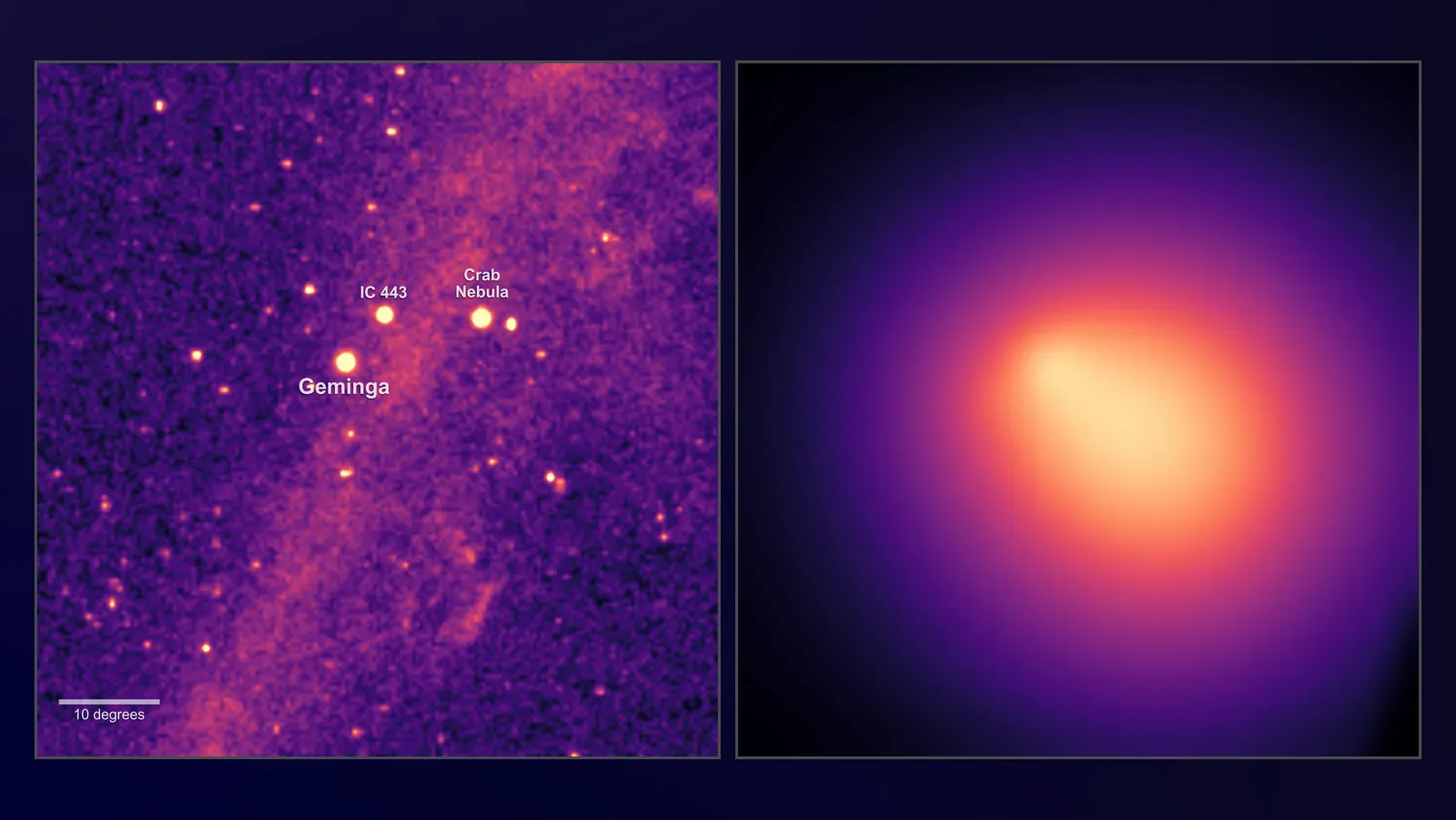
Across all these stories, a pattern emerges that is both comforting and unsettling: some of the biggest leaps in our understanding of the universe started life as suspected mistakes. Pulsars, quasars, dark matter, dark energy, hot Jupiters, FRBs – at first glance, they all looked like someone had miswired a detector or misread a graph. The real turning point each time was not just better technology, but a willingness to say, “What if the universe is actually doing this absurd thing the data is hinting at?” In my view, that mental shift from defending old models to genuinely entertaining the weird possibilities is where the real magic happens.
Personally, I think we still underestimate how often we are staring at the next big discovery and waving it away as noise, an outlier, or a software bug. Of course, healthy skepticism matters; not every odd spike on a chart is a new law of physics. But if history has a lesson, it is that we should treat persistent, well‑checked “errors” with curiosity instead of annoyance. The universe clearly has a taste for the dramatic and the counterintuitive, and our job is to catch up, one strange signal at a time. The next time something in the data looks impossible, maybe the better question to ask is: impossible according to whom?