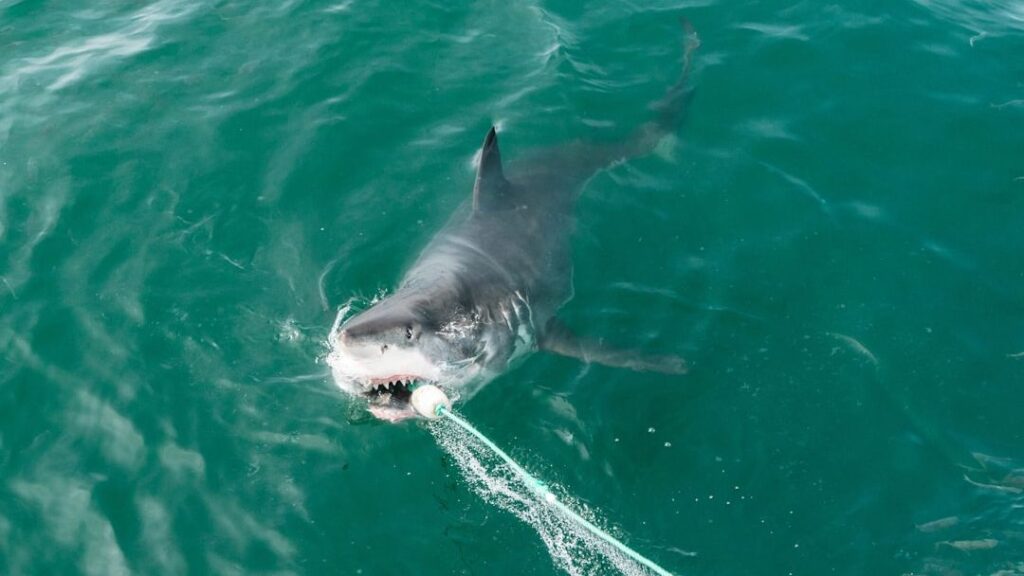

If you think sharks are terrifying because of their teeth, wait until you hear about what ends up in their stomachs. Off the coast of Florida, researchers and fishermen keep discovering things inside sharks that sound less like marine biology and more like the aftermath of a hurricane colliding with a junkyard. The picture that emerges is part darkly funny, part heartbreaking, and oddly revealing about how we treat the ocean as a trash can with waves.
As someone who grew up near the coast and thought of the ocean as this wild, untouched frontier, learning what actually turns up inside sharks was a shock. These animals are apex predators, yet their stomach contents read like losing entries in a bizarre scavenger hunt. Some of the finds are scientifically interesting, some are tragic, and some are just so weird you have to read them twice. Let’s walk through thirteen of the strangest categories of things found inside sharks off Florida that genuinely defy common sense.
Boat Parts And Hardware
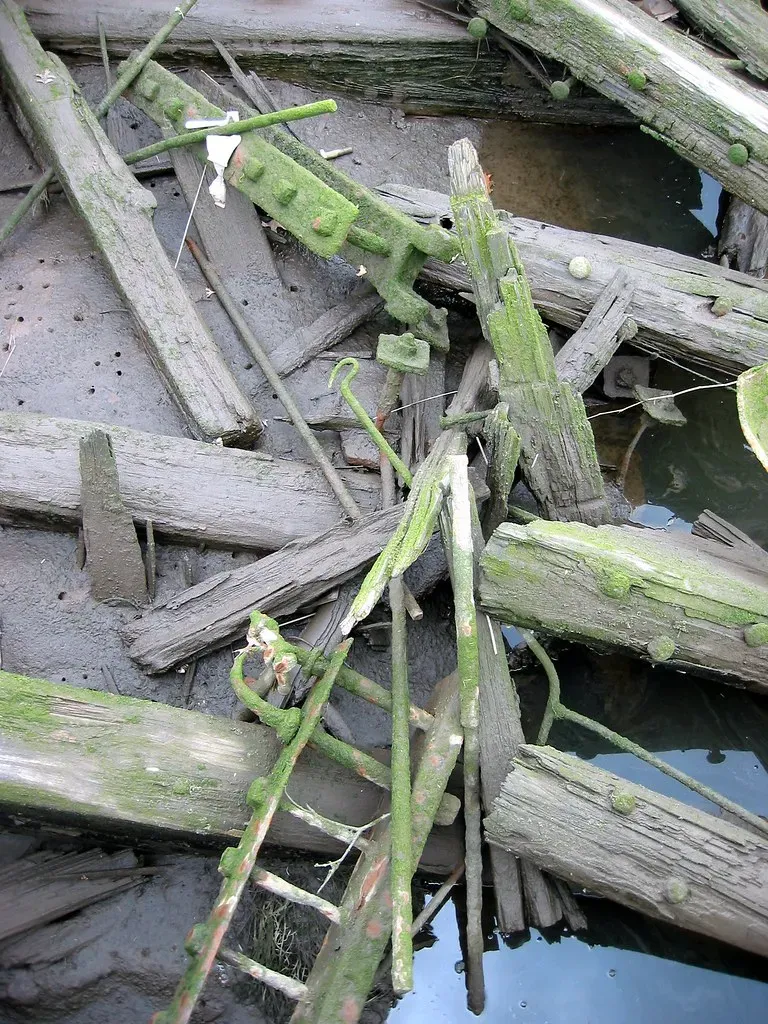
It sounds like a bad joke, but sharks off Florida have been found with pieces of boats and marine hardware in their stomachs. We are talking about things like small metal plates, hooks, nuts, bolts, and fragments of propellers or hull fittings. These items often come from lost fishing gear, damaged boats after storms, or debris from docks and marinas that ends up sinking into coastal waters.
Sharks are not delicately tasting each bite; many species are opportunistic and will lunge at anything that looks or feels like potential food, especially when it is covered in algae, bits of fish, or smells like bait. Metal reflects light and can mimic the flash of fish scales, tricking a shark in murky water or during frenetic feeding. The tragic irony is that these animals, perfectly adapted as hunters, end up swallowing the industrial scraps of our coastal lifestyles, sometimes with serious internal damage as a result.
License Plates And Vehicle Debris

License plates inside sharks have become almost a cliché in shark stories, but they are grounded in real-life cases from the Gulf and Atlantic coasts, including waters off Florida. Plates, small car parts, and pieces of bumpers or plastic trim sink after accidents, storms, or illegal dumping. Over time, these objects get colonized by barnacles, algae, and small invertebrates, slowly transforming into artificial mini-reefs right in the sharks’ hunting grounds.
From the shark’s point of view, a license plate coated in marine growth does not look like anything man-made. It resembles a flat, irregularly shaped slab of reef holding edible organisms, and a quick snap can turn into an entire swallowed object before the animal “realizes” it is not food. I still remember the first time I saw a photo of a shark gut opened to reveal a full plate; it looked more like a scrapyard bin than a digestive system, and it changes how you picture what lies beneath those turquoise Florida waters.
Golf Balls From Coastal Courses
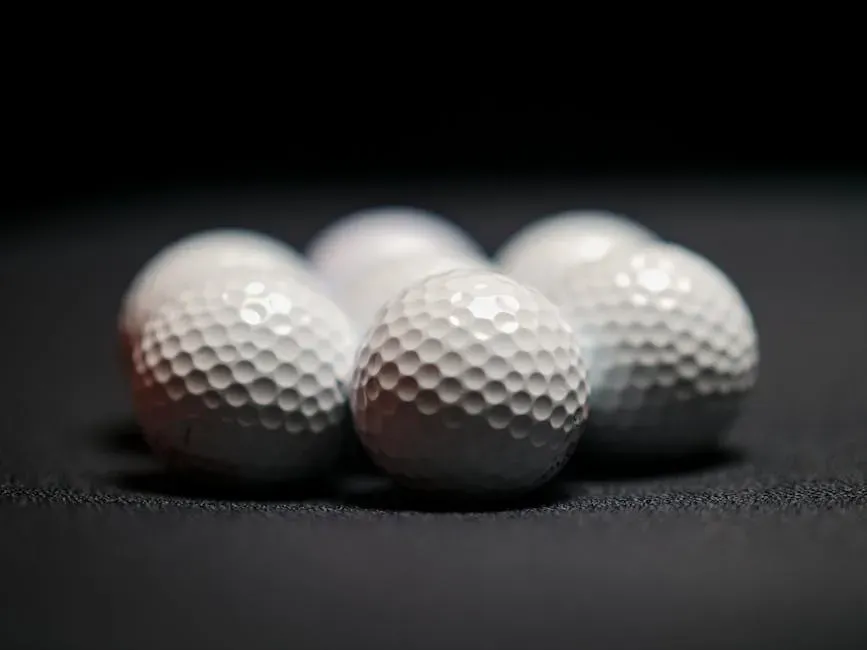
Florida is famous for two things that should not mix: golf courses and shark habitat. Yet they do, especially in coastal areas where golf balls driven too far or lost near water hazards end up rolling or washing into canals, bays, and nearshore waters. Over time, strong currents and storms push those balls into areas where sharks prowl for food. The result: sharks whose stomachs contain multiple golf balls, sitting like eerie clusters of white and colored marbles.
To a shark, a golf ball is roughly the size of an interesting morsel, and in low visibility or feeding frenzies, there is little time to inspect. Golf balls also accumulate algae and biofilm, which adds scent cues that can make them seem edible. The image of a top predator full of sports equipment is both absurd and disturbing, and it quietly highlights how recreational habits on land can create hazards for wildlife miles away in the ocean.
Sea Turtles With Fishing Hooks Attached
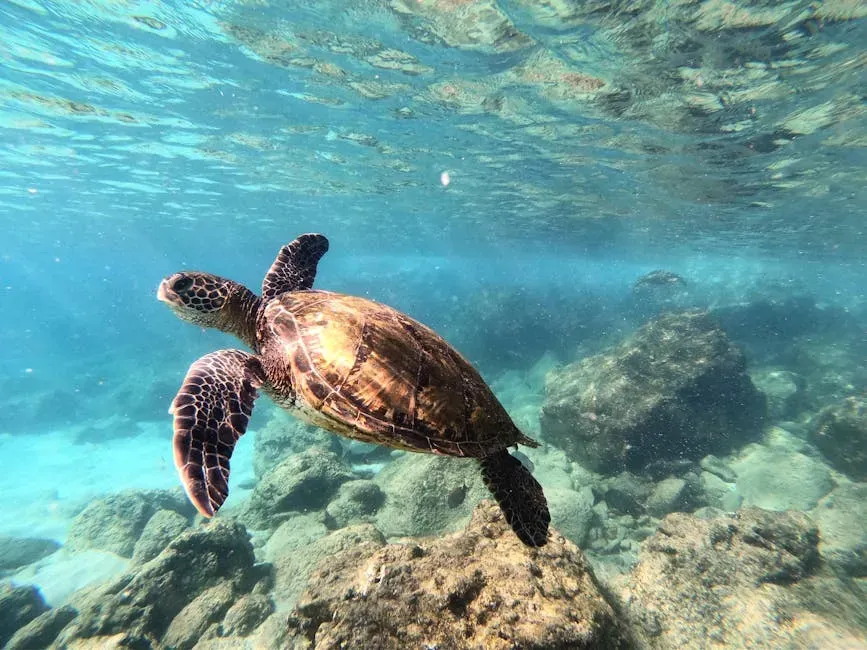
Finding sea turtles inside large sharks is not inherently shocking; some shark species are known to prey on turtles. What defies logic is when necropsies reveal turtles in shark stomachs still trailing longlines, hooks, or tangled monofilament. In these cases, the shark is not just feeding on a natural prey item; it is also ingesting a web of human-made gear attached to that prey, compounding the danger to the shark itself.
The scene is grim: a turtle that likely struggled with entanglement becomes weakened or dies, then is scavenged or taken by a shark, which then swallows both turtle and hardware. Hooks can lodge in the shark’s stomach wall or intestines, and long stretches of line may tangle internally. It is a brutal chain reaction – our fishing impacts do not end with the first injured animal; they echo up the food chain to apex predators that had no say in the matter.
Whole Birds And Backyard Poultry
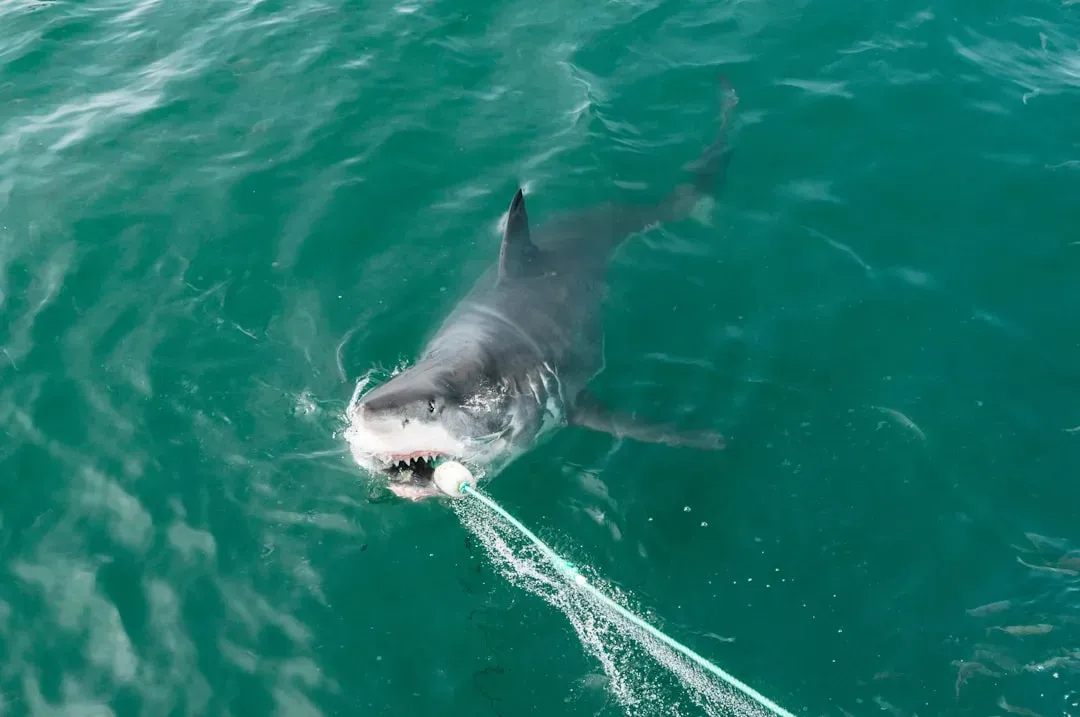
Researchers examining shark stomachs have documented whole birds, including seabirds and sometimes land birds that have been blown offshore or fallen into the water. In Florida’s storm-prone climate, strong winds and hurricanes can carry disoriented birds over the ocean, where exhaustion or injury sends them into the water like stunned snacks for waiting predators. A struggling bird on the surface is basically a flashing neon sign for a hungry shark below.
More surprising are occasional reports of domestic poultry or bird remains that clearly did not start life in the ocean. Flooding, coastal storms, or runoff from farms and backyards can sweep carcasses or discarded animal parts into rivers and eventually into the sea. Once in the water, they become just another drifting chunk of flesh, and an opportunistic shark does not care if dinner grew up in a barnyard instead of a coral reef. The idea that a backyard chicken from inland Florida could end up inside a shark miles offshore feels almost surreal, yet that is how interconnected these systems really are.
Cans, Bottles, And Beverage Packaging
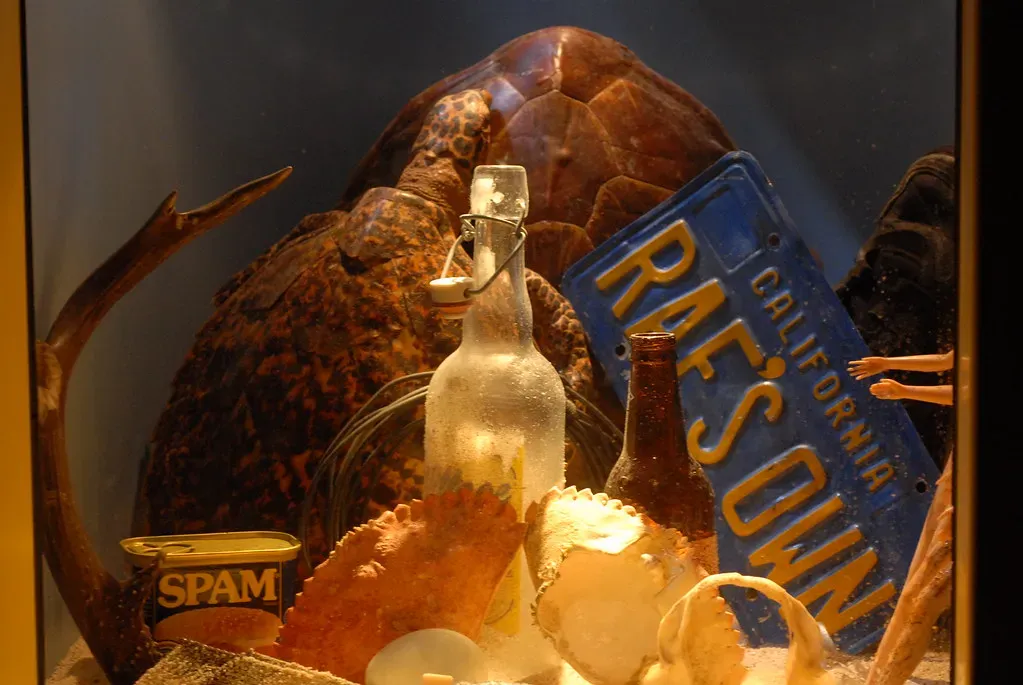
Aluminum cans, glass bottles, and crushed drink containers turning up inside sharks are some of the clearest signs that our trash has fully invaded the ocean food web. These items typically enter the water from littering, stormwater runoff, or careless disposal during boating and beach outings. Over time, cans and bottles get fouled with algae, barnacles, and slime, transforming them into textured objects that can feel suspiciously like natural prey in a shark’s mouth.
In fast-moving, murky water, a shark lunges at a scent trail and bites down hard. If the object is roughly the size of a fish, it may be swallowed before the animal can spit it out, especially if other sharks are competing for food nearby. The result is a stomach filled with sharp edges and hard containers that provide zero nutrition and can cause internal lesions. The mental image of a shark literally full of drink packaging is hard to shake – and it should be, because it mirrors our throwaway habits on shore.
Dog Toys And Pet Items
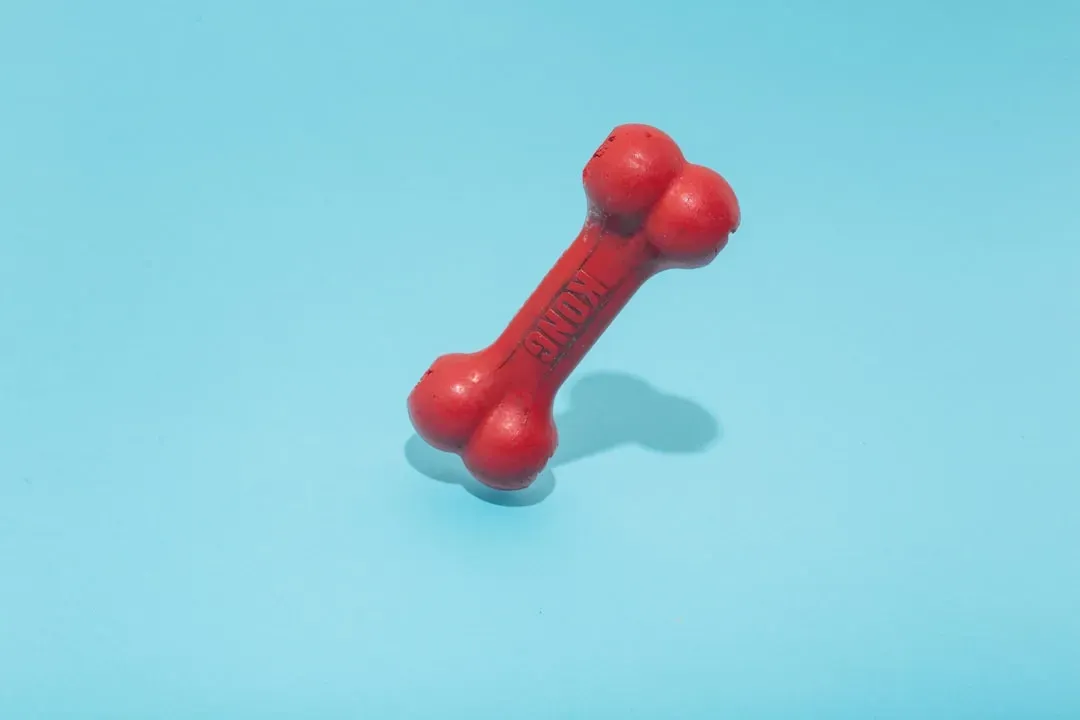
Every so often, stomach content analysis reveals something that feels almost too on the nose: brightly colored dog toys, rubber balls, or fragments of chew toys inside sharks. These items can enter waterways when pets drop or lose them at the beach, when toys are washed away from yards during heavy rain, or when they are simply tossed aside as trash. Once they reach coastal waters, currents can carry them right into shark territory.
Soft plastic or rubber toys that resemble fish, crabs, or other marine life make the confusion even more likely. To us, a squeaky toy is something hilarious that our dog drags around the living room. To a shark, that same toy, waterlogged and coated in algae, is a bite-sized, moving object with an interesting smell. There is something darkly comedic yet deeply unsettling about a top predator’s gut looking like the lost-and-found bin at a dog park.
Cell Phones And Small Electronics
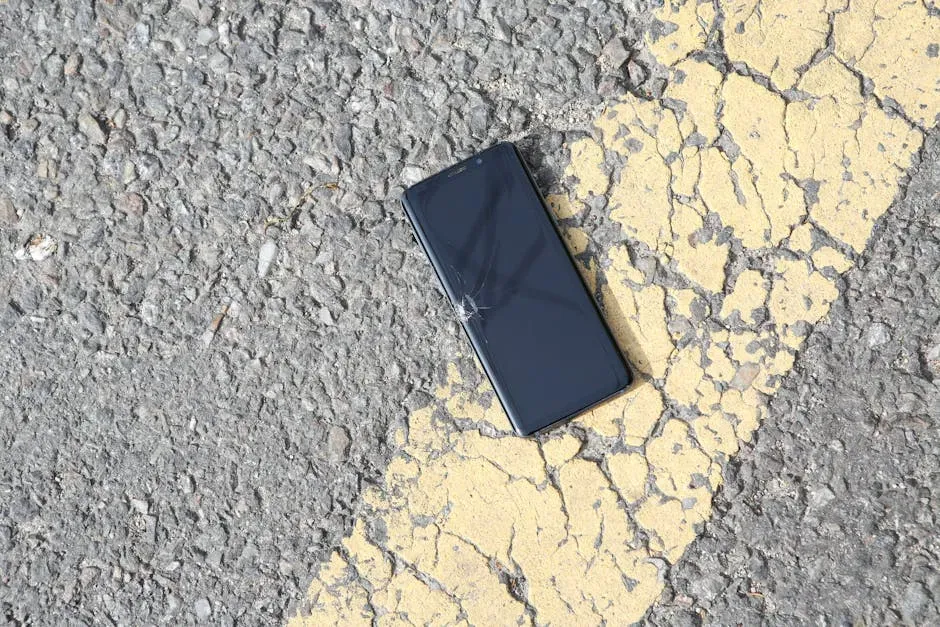
With the sheer number of phones dropped off boats, docks, and piers, it is not shocking that some end up inside sharks. Small electronics such as phones, camera parts, and even fishing sonar accessories have been discovered in shark stomachs. These objects typically sink quickly, but many have shiny screens, reflective casings, or dangling straps that can catch the eye of a curious or hungry animal cruising the seafloor.
In low light or silted conditions, the difference between a reflective gadget and the silvery flash of a wounded fish is not as obvious as we might think. Some sharks are also known to investigate novel objects with a test bite, and if the item is small enough, that exploratory bite can turn into accidental swallowing. The idea of a shark unknowingly “eating” a smartphone is strangely modern; it is like nature bumping into our obsession with technology in the most literal way possible.
Plastic Bags That Mimic Jellyfish
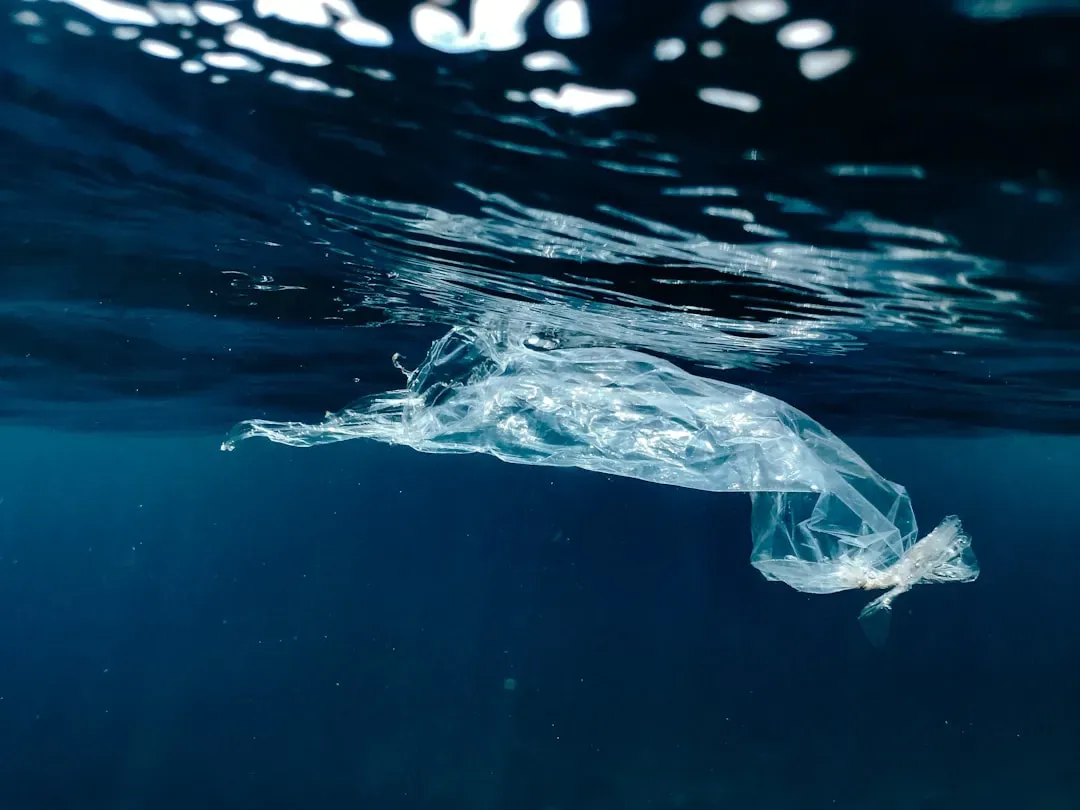
Plastic bags are one of the most tragically common unnatural items found in marine animals worldwide, and sharks off Florida are no exception. Drifting bags move and billow in the water column much like jellyfish, which are a natural food source for many species. From below, a translucent bag against the light looks disturbingly similar to a gelatinous prey item, making it an easy mistake for a cruising shark.
Once swallowed, plastic bags can clog the digestive tract, reduce the shark’s ability to feed, or cause internal damage as they twist and compact. Unlike a fish bone or shell fragment that eventually breaks down or passes, plastic persists, sometimes for years. The logic failure here is not the shark’s; it is ours. We designed a material meant to last for decades and then used it for items we only need for minutes, and now apex predators are paying the price for that design decision.
Fishing Lures Lodged Deep Inside
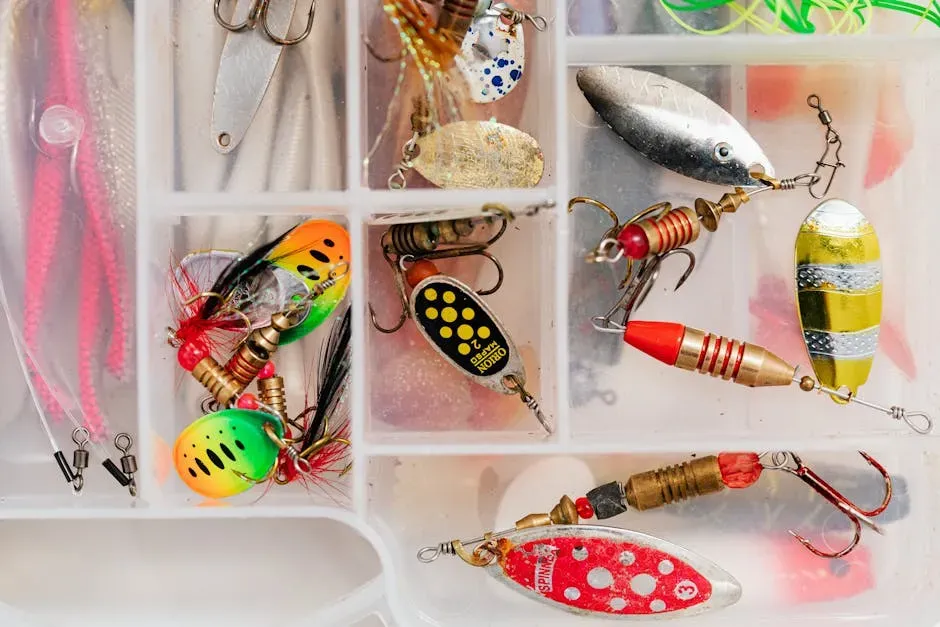
Finding fishing lures in sharks might not sound surprising at first – after all, lures are created to attract fish, and sharks often steal hooked fish or chase the same gear. What is shocking is discovering multiple lures, often deeply embedded, sometimes with traces of line and swivels still attached. These are not just incidental snags; they represent repeated encounters with human-made prey decoys that a shark cannot distinguish from the real thing.
Some lures are designed to look exactly like baitfish common in Florida waters, complete with reflective sides, rattles, and scent attractants. Others are large enough that swallowing them leads to punctures and long-term internal injury. When researchers open a shark and find a rainbow of plastic plugs and metal jigs lined up in its digestive tract, it almost resembles a tackle shop display made horrifyingly real. It is a stark reminder that every lost lure in the water is not gone – it is out there, waiting to cause trouble again.
Clothing, Shoes, And Fabric Scraps
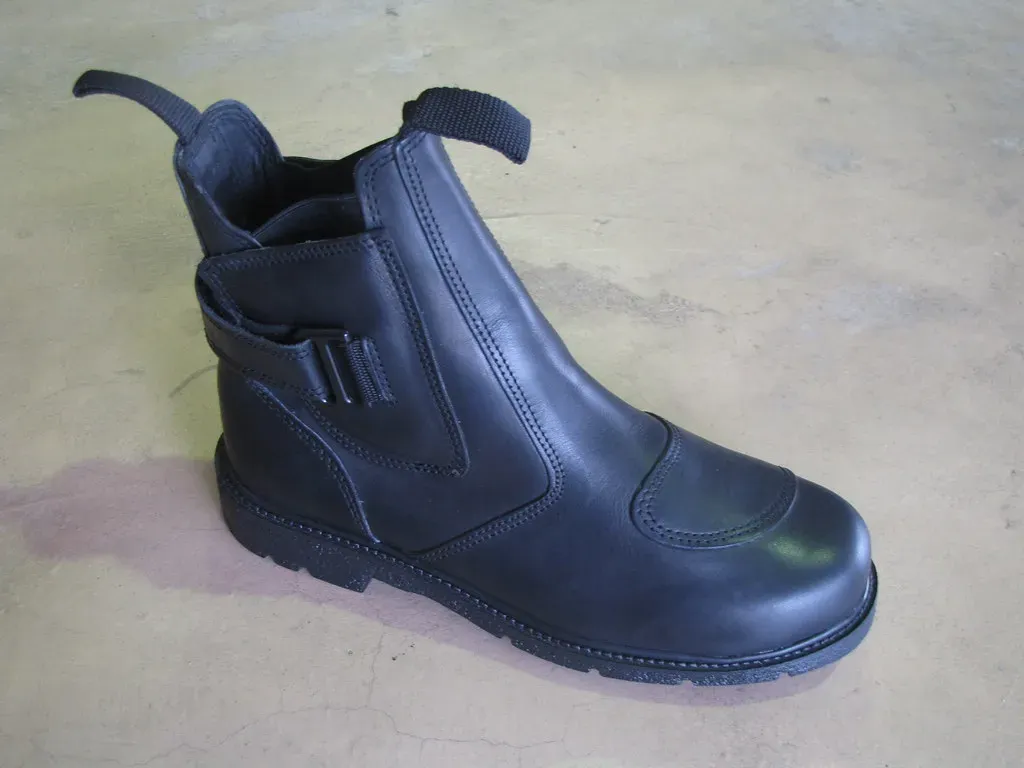
Pieces of clothing, fabric, and shoes have all turned up in shark stomachs, and their presence often raises a chill because our minds jump straight to worst-case scenarios. In many cases, though, fabric enters the ocean from laundry runoff, storm drains, or discarded items washed off beaches and boats. Once in the water, cloth becomes heavy, slimy, and tangled, draping over rocks or drifting like seaweed where sharks forage.
Shoes and sandals, especially foam and rubber types, can float for long distances before eventually sinking or becoming waterlogged. A dark object bobbing in choppy water can trigger curiosity or a feeding response, especially if it is near other organic matter. Seeing a shoe or shirt fragment pulled from a shark is unsettling in a way that a can or golf ball is not, because it feels uncomfortably human. It forces you to confront how thoroughly our everyday lives bleed into the ocean’s supposedly separate world.
Cameras And Fishing GoPros
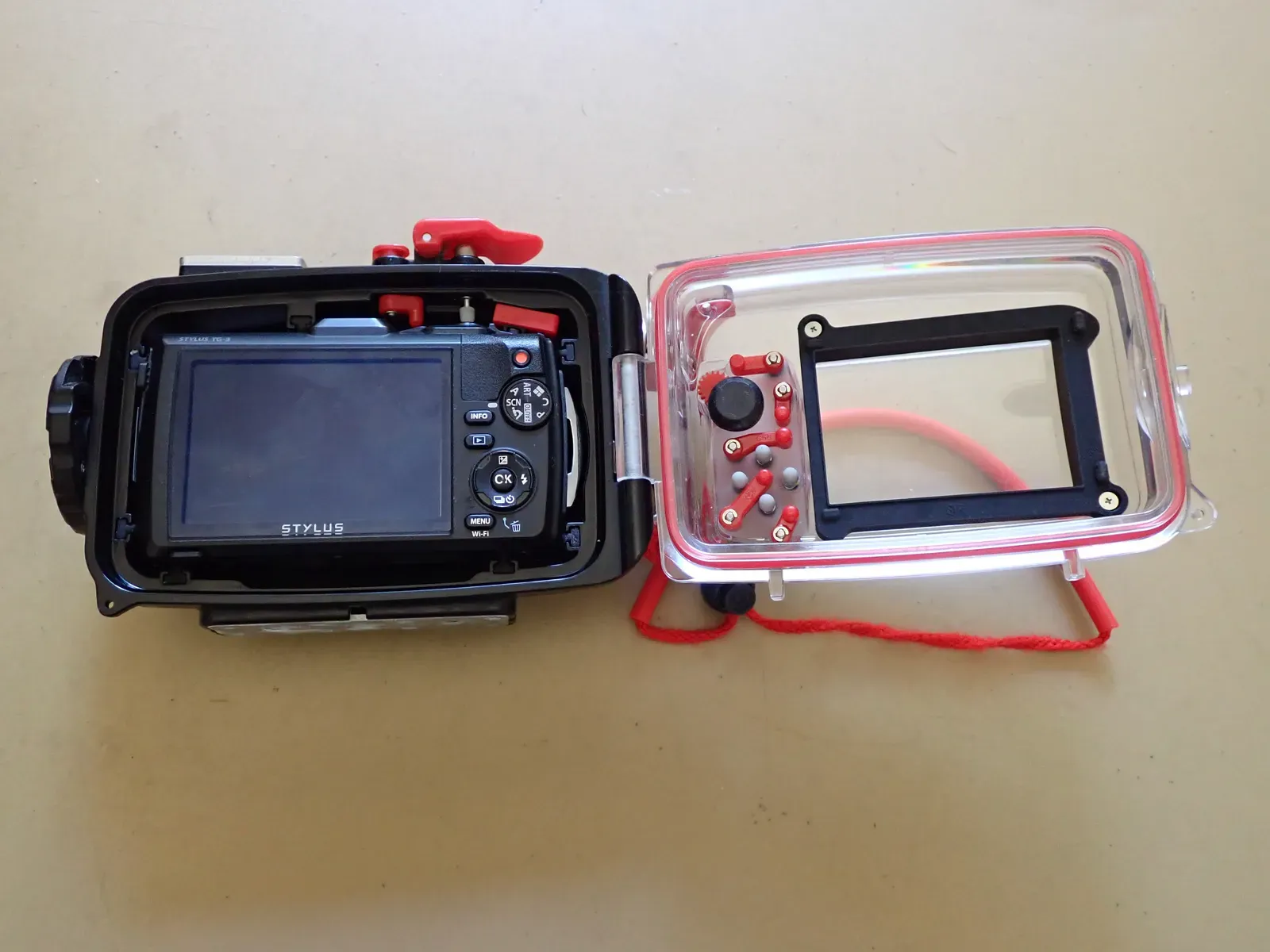
In our age of “film everything,” cameras and small action devices inevitably end up overboard, and a few of them have been recovered in the least expected way: inside sharks. These are not everyday findings, but when they do appear, they often come from anglers or divers who dropped devices during a trip and never saw them again. A camera tumbling down through the water column can reflect light, vibrate, and even flash, which to a shark is indistinguishable from potential struggling prey.
There is an odd poetic twist to a shark consuming the very device meant to capture and document it. A camera built to withstand rough waves is no match for a single decisive bite from a curious predator. By the time researchers find it, the device is usually corroded and unusable, just another piece of strange debris among more natural food items. It is a reminder that the ocean keeps its secrets well – and when it does give one back, it is often in a form we never expected.
Random Household Trash That Has No Business At Sea
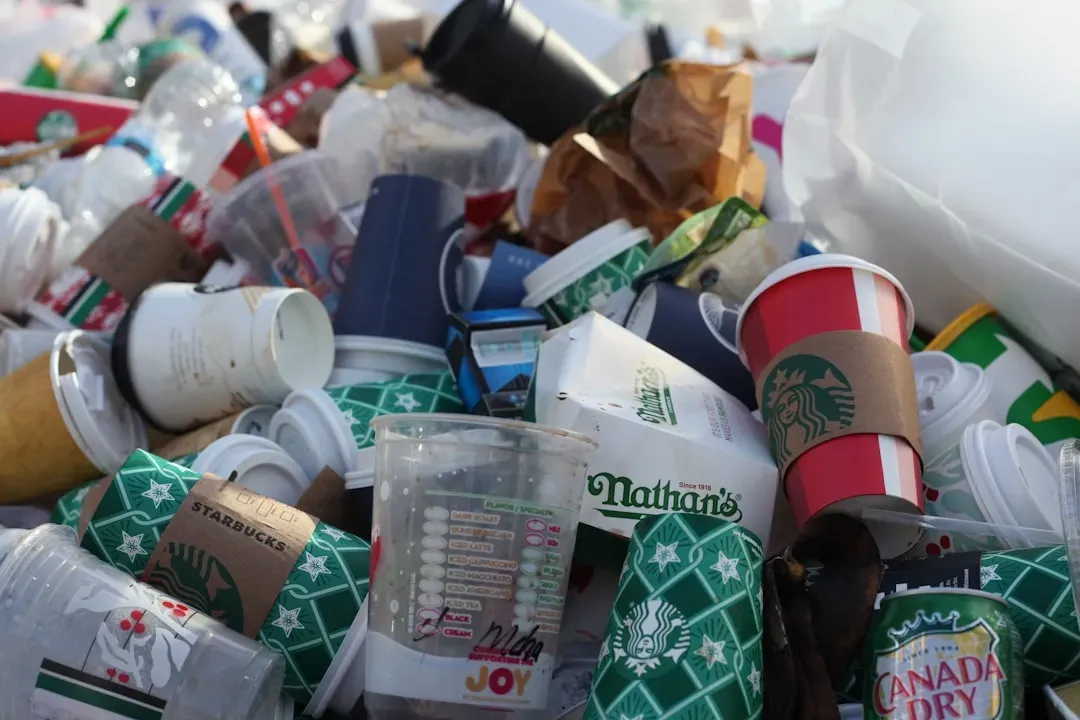
Perhaps the most unsettling category is not any single object, but the general assortment of “household junk” that shows up in sharks: bits of plastic cutlery, fragments of toothbrushes, bottle caps, food wrappers, toy parts, and small packaging pieces. None of these things looks like a fish or a turtle, yet they end up in the water through land-based pollution, overflowing trash bins, storm drains, and illegal dumping. Once they reach the coast, wind and waves spread them across the same feeding grounds where sharks hunt.
In the chaos of a feeding event, a shark snapping at a cloud of baitfish or scavenging near a pier may swallow these fragments without hesitation. The accumulation of such junk does not make for a dramatic single photo like a license plate or phone, but the overall picture is arguably worse. It shows that the baseline environment has shifted so much that everyday household objects are just another ingredient in the ocean stew. When sharks – animals that evolved over hundreds of millions of years – are full of our disposable leftovers, the phrase “defies logic” starts to feel almost too mild.
Conclusion: Sharks Are Not The Monsters In This Story
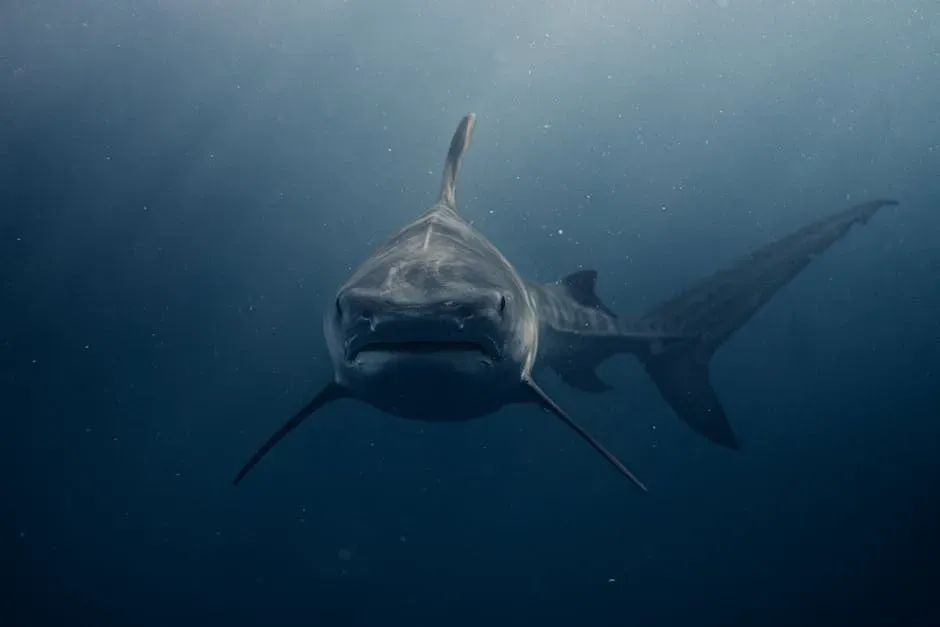
When you line up all these discoveries – golf balls, phones, hooks, dog toys, plastic bags, and whatever else we have thrown or lost into the sea – it is hard not to come to a blunt conclusion: the strangest thing inside sharks off Florida is us. Not literally, but in the form of our habits, hobbies, and carelessness, embedded in their guts like a diary of our worst impulses toward the environment. Sharks are doing what sharks have always done: biting, testing, and eating what appears to be food. We are the ones who have changed the script by filling their world with things that should never have been there in the first place.
My own opinion is that the more you learn about these stomach contents, the less scary sharks become and the more unsettling our own behavior looks. It is easy to paint sharks as villains from the safety of the beach, but it takes a bit more honesty to admit that an apex predator full of golf balls and bottle caps is not the problem – it is the symptom. Maybe the real question is not why sharks swallow such bizarre things, but why we keep putting those things in their path at all. The next time you stand at the shoreline, would you guess that somewhere offshore, a shark is unknowingly carrying a piece of your lifestyle inside its stomach?