

Facing your own death is one of those things you might try not to think about too much, yet it has a way of sneaking into the quiet moments of your life. A late-night health scare, a near miss on the highway, a funeral of someone your age – suddenly the idea that you are temporary is not philosophical anymore, it is personal. In those moments, your inner world can feel like an emotional storm: fear, clarity, denial, gratitude, anger, love, sometimes all in the same hour.
Even though death is universal, the way you emotionally process it is deeply individual and shaped by your history, beliefs, and relationships. Still, there are common patterns that psychology, neuroscience, and the stories of many people have mapped out. When you look closely at what really happens inside you when you confront your own mortality, you start to see that it is not only about endings. It can also be about stripping away illusions, reordering your priorities, and discovering what actually matters to you when you stop pretending you have unlimited time.
The First Wave: Shock, Fear, and the Body’s Alarm System

When you suddenly realize, in a vivid and undeniable way, that you are going to die, your body often reacts before your mind has time to make sense of it. Your heart may race, your breath quickens, your stomach clenches; this is your threat-detection system doing exactly what it was built to do. You might feel a cold, almost electric jolt of panic, or an odd sense of unreality, as if you’ve stepped out of your own life and are watching it from the outside. In medical or near-death situations, many people describe this early phase as disorienting, like being dropped into a story without knowing the plot.
On the emotional level, fear tends to dominate this first wave. You might fear pain, loss of control, saying goodbye, or simply the sheer unknown of what happens when your awareness shuts off. Sometimes this fear comes out sideways: you snap at loved ones, become oddly fixated on minor details, or shut down completely. None of this means you are weak; it means your brain is trying to protect you from an existential threat in the only way it knows how – by throwing every alarm it has. If you notice yourself in this phase, even just naming it as a shock response can make it feel a little less overwhelming.
Denial, Numbness, and the Strange Safety of Not Quite Believing It
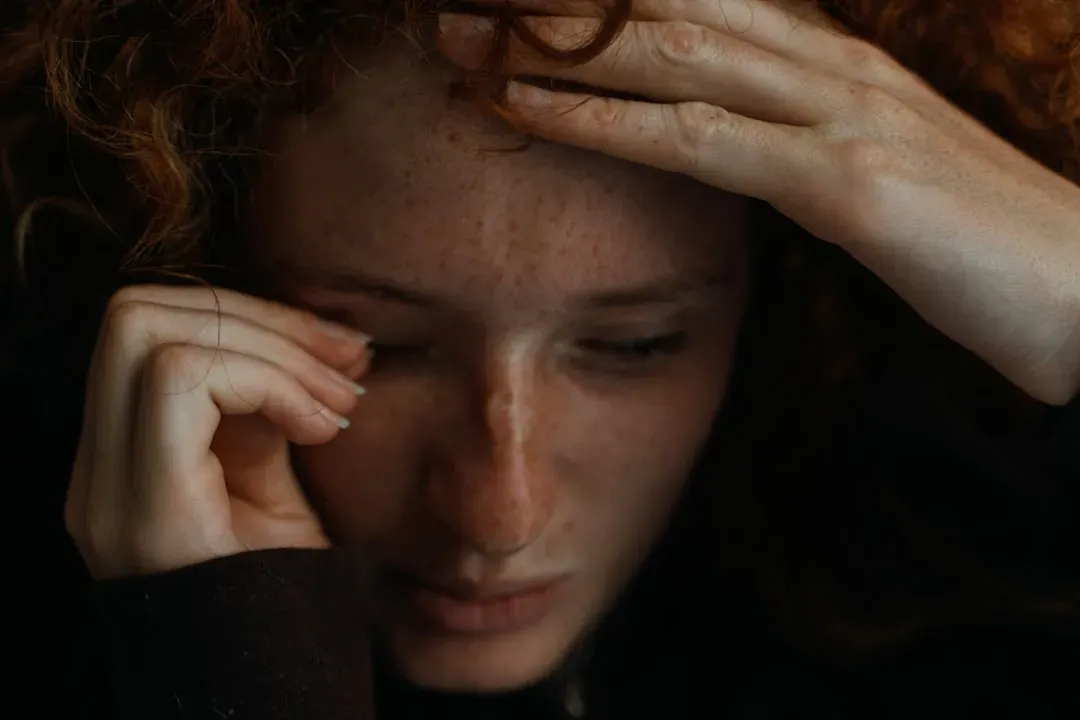
After the initial shock, your mind often reaches for a psychological painkiller: denial. You might catch yourself thinking, “This can’t really be happening,” even when you have clear medical information or an obvious close call. You may feel oddly calm or emotionally flat, and part of you might even wonder if you are a terrible person for not feeling more. In reality, that numbness can be your brain’s way of keeping you from being flooded, serving as a kind of emotional anesthesia while you slowly absorb what this new reality means.
Denial does not always look like outright refusal to accept the facts; it can be more subtle. You might keep making long-term plans as if nothing has changed, or you mentally push away thoughts of decline and death whenever they pop up. In small doses, this can actually help you function, go to appointments, and keep living your daily life. The trouble begins if you get stuck there and never move beyond it, because then you may avoid important conversations, practical decisions, or emotional goodbyes that you later wish you had not skipped. Recognizing denial in yourself is not about shaming; it is about gently noticing where you are not ready yet, and giving yourself time to catch up.
Anger, Bargaining, and the Need to Find Someone or Something to Blame

As the reality of your mortality sinks in further, anger often shows up, sometimes in surprising ways. You might feel furious at your body for “betraying” you, at doctors for not catching something earlier, at loved ones for not understanding, or at life itself for being unfair. Even if you are not usually an angry person, you may feel a simmering irritation at small things, because underneath them lies something much bigger: the sense that something precious is being taken from you without your consent. Anger can feel ugly, but it is also a very human response to losing control over the one thing you can never replace – your own time.
Alongside or underneath that anger, you might catch yourself bargaining, even if you do not think of yourself as religious or superstitious. You silently promise to live healthier, be kinder, or fix broken relationships if you can just get more time. You might shop for miracle cures or cling desperately to optimistic stories that do not quite match your situation. This bargaining phase is not stupidity or delusion; it is your mind trying to negotiate with an unnegotiable reality, because deep down you still hope there is a way out. Learning to see that bargaining for what it is – a plea not to lose your life – can help you respond to it with compassion instead of judgment.
Sadness, Grief, and Mourning the Life You Thought You Would Have

Once the protective shields of denial and bargaining thin out, a deeper sadness often surfaces. You may start grieving not only your eventual death, but all the futures you imagined that may never happen: travels you thought you would take, milestones you expected to see, daily routines you assumed would go on indefinitely. This kind of grief is not just about losing your life; it is about losing the story you told yourself about your life. You might feel waves of heaviness, cry unexpectedly, or find it hard to get motivated for things that once mattered to you.
At the same time, this sadness can be strangely clarifying. When you confront the fact that your time is limited, you sometimes realize which losses you are actually grieving most. Maybe you are not really sad about never finishing some work project, but you ache over not being there for a child’s grown-up years or not repairing a strained relationship. Letting yourself feel this anticipatory grief can be painful, yet it can also guide you toward what you most want to protect, savor, or heal with the time you still have. In that sense, your sadness can function like a compass rather than just a burden.
Search for Meaning: Rewriting Your Story in the Shadow of Death
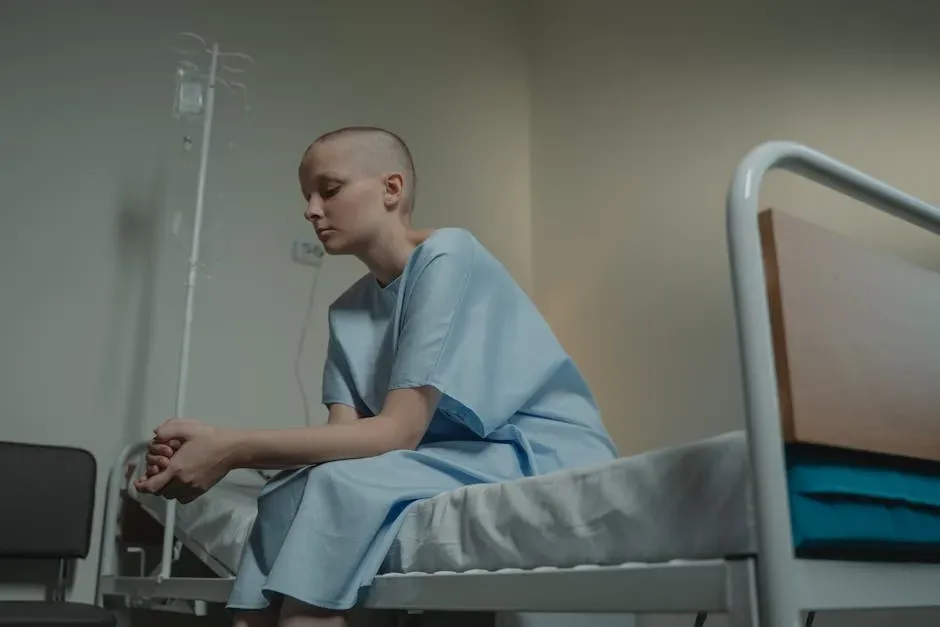
After the initial emotional turbulence, many people find themselves asking deeper questions: What did my life add up to? Did it matter that I was here? You might notice yourself reviewing your past like a mental documentary, replaying key choices, loves, regrets, and turning points. This is not just nostalgia; it is your mind trying to create a coherent story about who you have been, now that the ending is in sight. You may feel an urgent pull to align your remaining time with your values, whether that means reconciling with someone, creating something, or simply being more present with the people you love.
Psychologically, this search for meaning can be a powerful buffer against despair. When you feel that your life connects to something larger than your individual existence – your family, your community, your culture, your spiritual beliefs – you often find more emotional stability, even when the facts of your situation do not change. You might not get neat answers to big metaphysical questions, but you can often find personal meaning in small, concrete details: the way someone holds your hand, a shared joke, a project you finish, a letter you write. In a strange way, having to look death in the face can force you to decide what you really want your story to stand for.
Moments of Peace, Acceptance, and Letting Go of Total Control

Contrary to what you might fear, confronting your own death does not always end in terror or hopelessness. Many people describe reaching periods – sometimes brief, sometimes lasting – of unexpected calm. You may find yourself thinking, “This is not what I wanted, but this is what is,” and feeling a kind of soft acceptance rather than resignation. Acceptance does not mean you like what is happening or stop wishing for more time; it means you are no longer spending all your energy fighting the basic fact that you are mortal.
In this phase, your focus often turns from “How can I avoid this?” to “How can I live well with this reality?” You might prioritize comfort, presence, and connection over productivity and appearances. You may feel more willing to talk openly about your fears and wishes, including how you want to be treated, remembered, or supported. Oddly enough, letting go of the fantasy of complete control can bring a sense of freedom, because you stop trying to micromanage the uncontrollable and instead pour yourself into what is still very much yours: your attitude, your relationships, your small daily choices.
Deepening Relationships: Love, Regret, and the Urge to Say What Matters

When you confront your own death, your relationships almost always come into sharper focus. You may feel a surge of love for the people who have walked alongside you, even if you are not usually expressive. At the same time, regrets can sting more sharply: the apology you never made, the distance that grew over the years, the conversations you postponed because you assumed there would always be time. This mix of tenderness and regret can be intense, but it can also push you toward braver honesty than you have ever allowed yourself before.
You might feel an urgent need to say things you have kept inside – gratitude, apologies, confessions of love, instructions, blessings. Even if you are not facing an immediate medical crisis, just realizing your life is finite can nudge you to make those phone calls or write those messages now instead of “someday.” When you act on that urge, your emotional world often shifts. Relationships can deepen, old wounds can soften, and you may feel less alone in what you are going through. In that sense, confronting death can paradoxically intensify life in your connections, because you are suddenly aware of how rare and fragile every shared moment really is.
Transformation: How Mortality Awareness Can Change How You Live Today
One of the most surprising emotional outcomes of facing your own death is how much it can reshape the way you live even if you recover, or if the crisis passes. When you truly feel, not just intellectually know, that your time is limited, you tend to care less about things that once consumed you: petty conflicts, status games, impressing people you do not even like. You may feel pulled toward simpler, more grounded priorities: health, time with loved ones, meaningful work, creativity, and rest. This is not some airy inspirational slogan; it is a neurological and psychological response to having your illusions of immortality cracked open.
You might notice that you say “no” more easily to things that drain you and “yes” more quickly to things that align with your deeper values. Even small rituals – morning coffee, a walk outside, reading with a child – can take on a richness you did not fully appreciate before. Facing death does not cure all fear or erase all sadness, but it often strips away noise. You see more clearly the trade-offs you are making with your time and energy, and you realize that postponing your real life for some hypothetical future is a risky bet. Ironically, the more honestly you face your own mortality, the more vividly you may experience being alive right now.
Conclusion: Living with Death in the Room
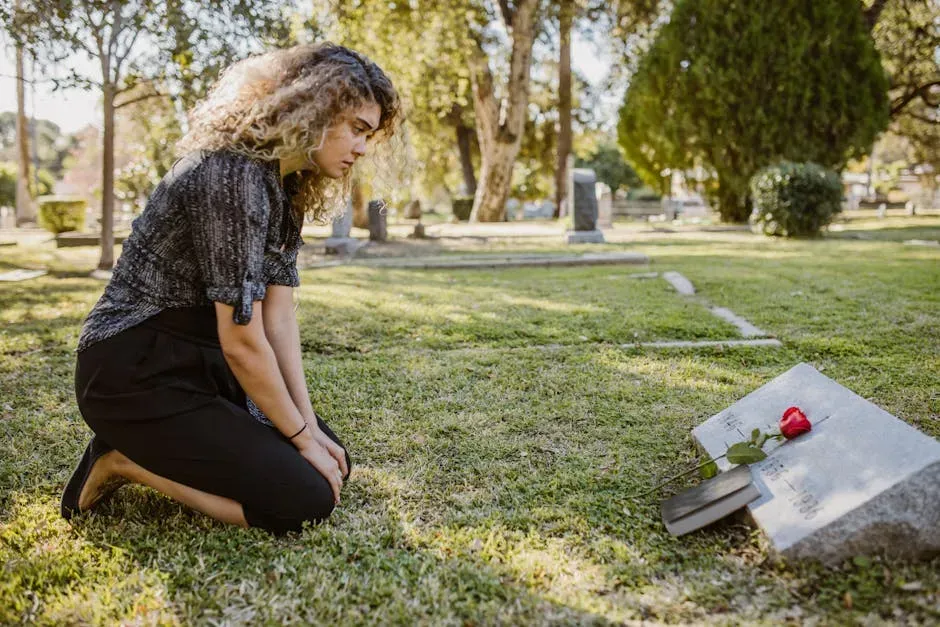
Confronting your own death is not a single moment; it is more like a series of emotional tides that come and go – shock and fear, denial and anger, grief and searching, acceptance and transformation. You do not move through these in a neat, linear order, and you may circle back to the same feelings again and again. But each time you face them, you gain a little more clarity about what you fear, what you love, and what you are not willing to waste your limited time on anymore. In that sense, mortality is not just a threat; it is also a relentless reminder that your life is happening now, not later.
You do not have to wait for a diagnosis or a close call to start asking yourself the questions that death tends to force on you. You can look at your calendar, your habits, your relationships, and quietly ask: If my time were shorter than I think, would I still be living like this? If the honest answer is no, then your awareness of death is not a curse; it is a compass pointing you back toward a life that feels like your own. When you imagine your final days and look back from there, what would you be most grateful you changed today – and what, if anything, are you finally ready to let go of?