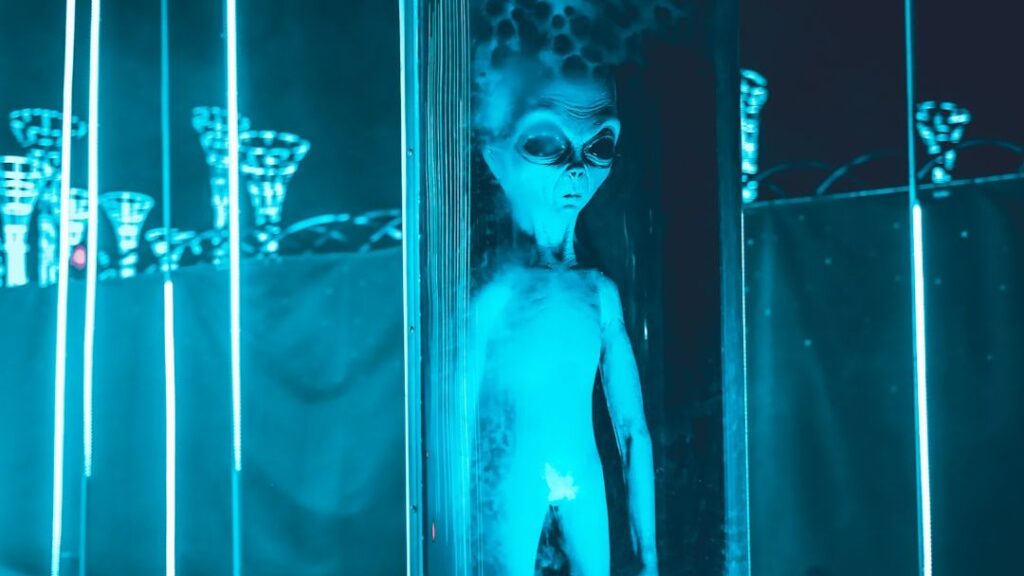

If you have always pictured aliens as just slightly weirder versions of life on Earth, you are not alone. Most science fiction quietly assumes that alien biology will be carbon based, water loving, and more or less familiar. But when you start digging into chemistry and planetary science, you quickly realize something unsettling: carbon might be common, but it is not the only game in town. The universe could be hiding life forms that would pass right through your expectations without you ever recognizing them as alive.
As you explore what truly makes life possible, you have to unhook from your Earth centered bias. Carbon and water work brilliantly here, yet they are simply one solution to the broader problem of organizing matter to store information, harvest energy, and reproduce. Once you ask whether that same trick could be pulled off with different atoms, different solvents, or even different physical rules, the conversation shifts from narrow speculation to a dizzying sense of possibility. You are not just wondering what aliens look like anymore; you are asking what life itself could be.
Why Carbon Is So Good at Building Life (and Why You’re Biased Toward It)
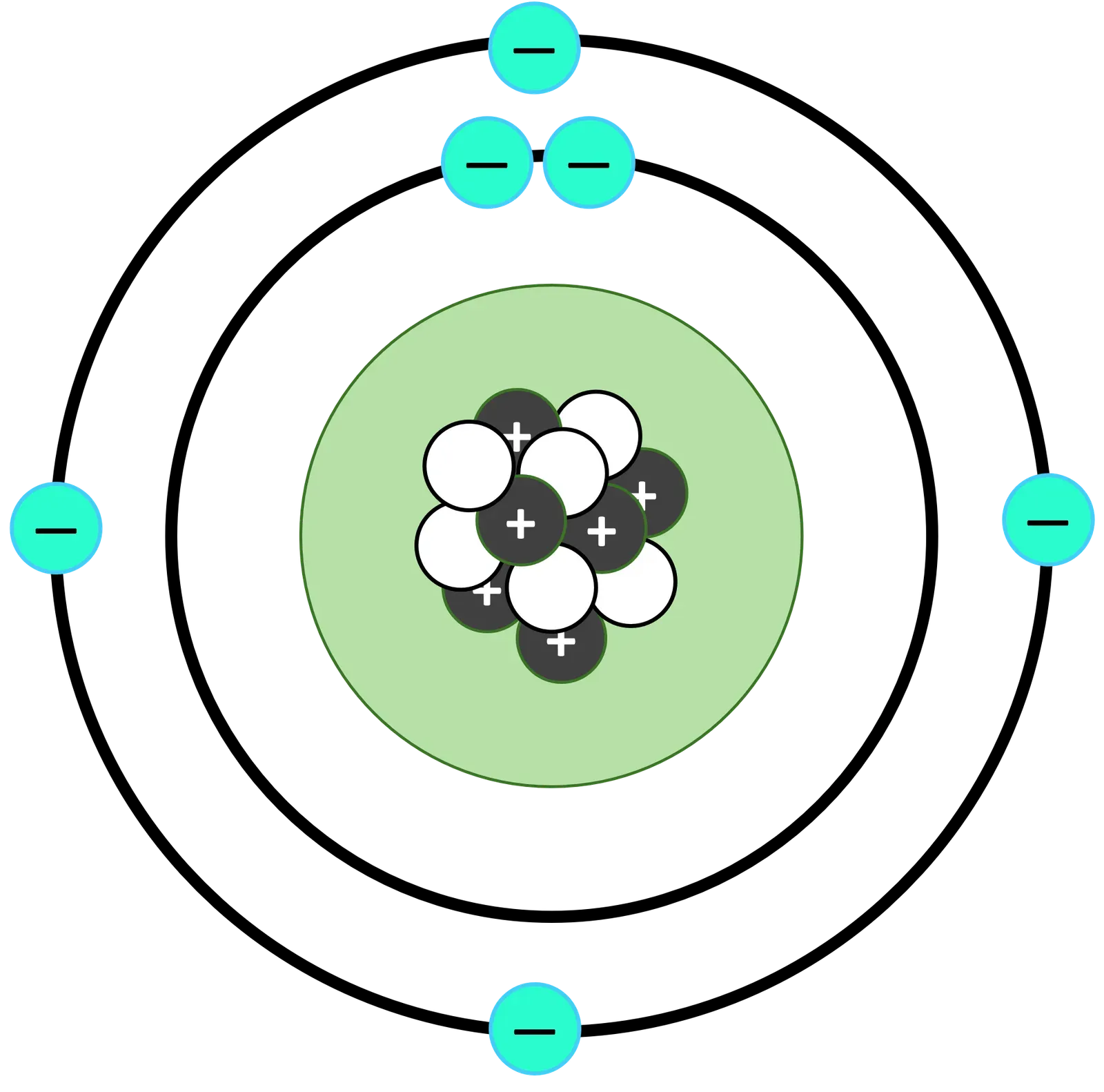
Before you imagine alternatives, you need to understand why carbon seems so dominant in the first place. Carbon atoms can form up to four stable bonds at once, arranging themselves into rings, chains, sheets, and complex three dimensional shapes. That flexibility lets you build everything from simple fuels to vast biological molecules like proteins and DNA, which act like tiny machines and information storage systems inside your cells. Once you see how effortlessly carbon snaps into intricate structures, it is easy to treat it as the default foundation for life anywhere.
You are also swimming in carbon based life, which quietly reinforces your bias. Every plant, animal, and microbe you know is built on carbon chemistry dissolved in water, so your intuition keeps telling you that is what life is. Add to that the fact that space telescopes and meteorite studies reveal a universe rich in carbon containing molecules, and carbon starts to feel almost inevitable for biology. Still, that conclusion is more about what you are used to than about absolute necessity. The universe does not owe you familiarity.
Silicon: The Classic Candidate for Non‑Carbon Life

When you first step away from carbon, silicon tends to be the obvious candidate. It sits right beneath carbon on the periodic table and also forms four bonds, which means it can, in principle, make somewhat similar molecular structures. You might already be surrounded by silicon based technology, from computer chips to glass, so thinking about silicon based life feels strangely plausible. It is easy to picture a rocky world where living things have skeletons and tissues built from silicon networks instead of soft carbon chains.
But once you look closer, silicon shows some serious drawbacks. Silicon bonds are generally less flexible than carbon bonds, and silicon compounds tend to be more brittle and less varied. Silicon also reacts differently with oxygen, often forming simple, stable minerals like silica (essentially sand or quartz), which are great for rocks but terrible for dynamic metabolism. If carbon is like a box of Lego bricks that can snap into almost anything, silicon is more like a set of heavy concrete blocks: you can build with it, but it is harder to make fine, adaptable machinery out of it.
Could Life Swim in Something Other Than Water?
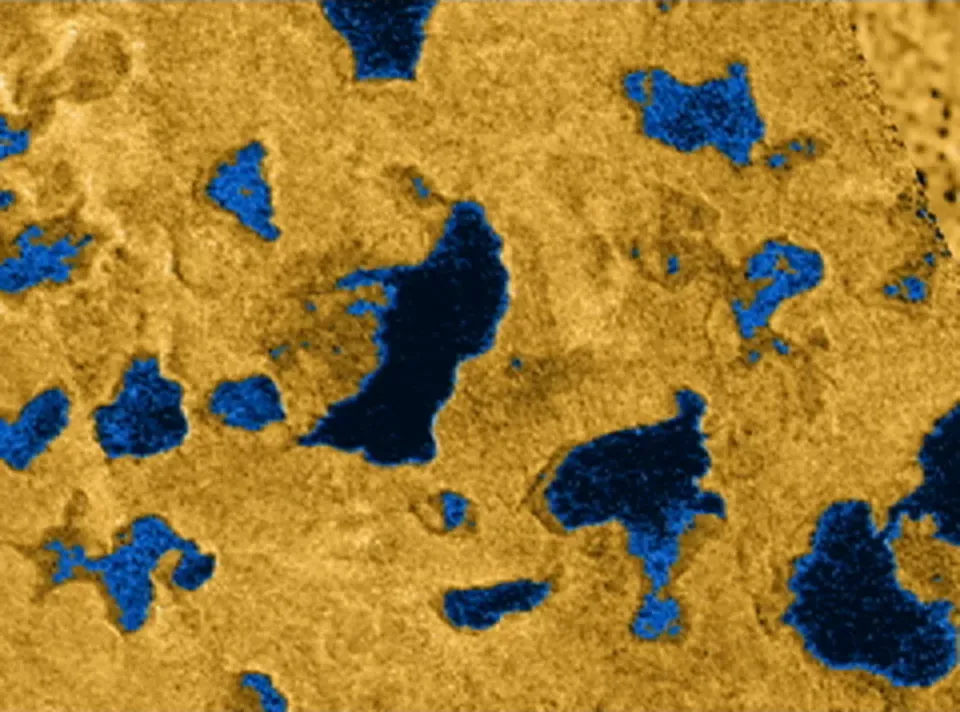
You probably take water for granted as the universal ingredient for life, yet there is no strict law of physics that demands it. Water is fantastic because it dissolves many substances, supports fast chemical reactions, and stays liquid across a comfortable temperature range on Earth. However, other liquids exist on alien worlds that might play a similar role. For example, on Saturn’s moon Titan, rivers and lakes of liquid methane and ethane flow under a thick orange atmosphere, creating an environment utterly unlike anything on Earth yet still chemically active.
In such frigid places, you can imagine life forms whose cell like structures rely on very different membranes and interactions. Instead of water dissolving salts and organic molecules, a methane based liquid could support its own suite of exotic chemistry with hydrocarbons. Reactions would be slower at those low temperatures, and the molecules might look nothing like terrestrial proteins or DNA. Still, as long as you have a medium that lets molecules collide, react, and organize in a stable yet flexible way, the basic requirements for something lifelike could, in principle, be met without a single drop of water.
Exotic Chemistries: Ammonia, Sulfur, and Beyond
Once you let go of the water and carbon template, a whole menu of unusual chemistries opens up. Ammonia, for instance, can act as a solvent in colder environments and has properties that allow it to dissolve many substances and support acid base reactions. On certain icy worlds or in the outer regions of planetary systems, you could imagine life that uses ammonia to shuttle nutrients and waste the way water does for you. In that kind of biochemistry, the core reactions might favor different molecules and energy flows, leading to life that operates at different speeds and temperature ranges.
Other elements like sulfur and phosphorus might play starring roles instead of just supporting ones. On Earth, you already see sulfur loving microbes that breathe sulfur compounds instead of oxygen, living comfortably in volcanic vents or acidic hot springs. These examples hint that, under the right conditions, alien organisms could lean even more heavily on sulfur chains, metal rich compounds, or entirely unfamiliar reaction cycles. You are not limited to a single formula; you are dealing with a toolbox of chemical possibilities where local conditions decide what is viable.
Information Without DNA: Could Life Store Data Differently?

One quiet assumption you carry from Earth is that life must use something like DNA or RNA to store genetic information. Those intertwined molecules are brilliant at encoding instructions, copying themselves with reasonable fidelity, and tweaking their structure over time to allow evolution. But the deeper requirement is not DNA itself; it is a system that can store information in a stable way, be replicated with occasional errors, and influence the behavior of the organism. That means, in theory, alien life could use a totally different molecular script.
You can picture alternative polymers made from different backbones and side groups, still capable of storing digital like sequences but using elements or structures that are rare on Earth. There is even speculation that, under some conditions, information could be stored partly in patterns of minerals, surfaces, or even complex electronic states, though those ideas are much more speculative. The key is that evolution only needs a reliable way to write, copy, and modify instructions over generations. If alien chemistry can meet those conditions with different materials, then recognizable life could exist even while all the details of its information system are unearthly.
How You Might Completely Miss Non‑Carbon Life

One of the most unsettling possibilities is that you could have already looked straight at a form of non carbon life and dismissed it as geology or weird chemistry. When your tools and expectations are tuned to seek carbon based molecules, liquid water, and Earth like atmospheric gases, you naturally ignore or filter out signals that do not fit that template. A slowly shifting crystalline structure or a network of reactive dust particles might never even register as biological in your surveys, even if, in its own way, it is metabolizing and reproducing.
This risk of blind spots is pushing scientists to rethink how they define and search for life. Instead of asking whether alien worlds have oxygen rich atmospheres or familiar organic molecules, you are better off asking whether there are systems that maintain themselves far from equilibrium, process energy, and show signs of adaptation over time. That shift in mindset is uncomfortable, because it forces you to admit that some forms of life might not be obvious or easily classifiable. Still, if you want a real chance of finding truly alien biology, you have to be willing to question your own assumptions about what life is supposed to look like.
So, Could Alien Life Really Be Non‑Carbon?

When you add it all up, you find yourself in a strange middle ground between imagination and restraint. On one hand, nothing in known physics outright forbids life based on silicon, ammonia, methane, or more exotic chemistries, as long as the core requirements of complexity, stability, and information processing are met. The diversity of environments in the universe, from boiling hot exoplanets to freezing moons, strongly suggests that if life does arise elsewhere, some of it might follow very different chemical paths from the one you know. It would be arrogant to assume the cosmos has only copied Earth’s recipe.
On the other hand, you have to admit that carbon remains a remarkably versatile element, and all confirmed life so far uses it, along with water and familiar organic molecules. So while you can reasonably say that non carbon life is possible in principle, you cannot claim it exists until you find direct evidence. That tension between rich possibility and stubborn lack of data is exactly what makes the question so gripping. You are standing at the edge of what you know, looking out into a darkness that could be filled with forms of life your chemistry textbooks never imagined.
In the end, wondering whether alien life could be made of something other than carbon is really a way of asking how open minded you are willing to be about the nature of life itself. If you can loosen your grip on Earth centered assumptions, you can start to see the universe as a vast experiment in different ways of being alive, some familiar, some utterly strange. Maybe future missions will finally catch a hint of chemistry that does not fit the carbon water model, forcing you to redraw the boundaries of biology. Until then, you are left with a mix of solid science and tantalizing possibilities. Which would surprise you more: discovering that every alien out there is carbon based like you, or realizing that you barely recognized life when you first saw it?