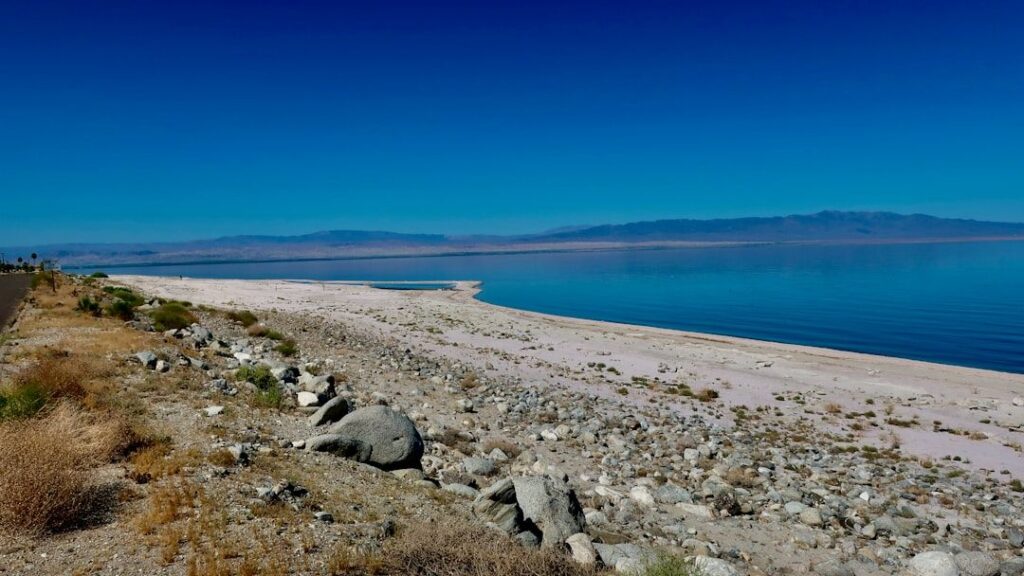
If you stand on the edge of the Salton Sea today, it feels less like a lake and more like a warning. The shoreline is retreating, the water is shrinking, and what is being uncovered where the water used to be is making scientists deeply uneasy. You are not just looking at a vanishing body of water; you are staring at a slow-motion environmental crisis that reaches far beyond this lonely corner of Southern California.
As the lake recedes, it is baring decades of hidden problems you were never meant to see: toxic sediments, dying ecosystems, and a dust threat that could affect the health of hundreds of thousands of people. The story of the Salton Sea is not just about one troubled lake; it is a preview of what can go wrong when water, climate, and human decisions collide. Once you start to understand what is really happening here, it is hard to look away.
How a “Accidental” Sea Turned into a Global Warning Sign
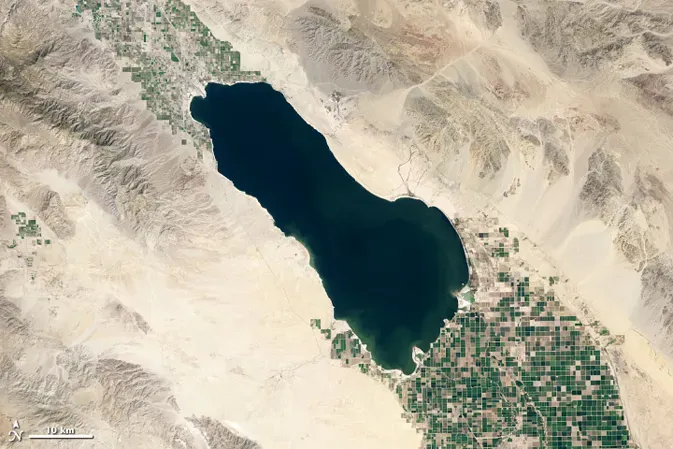
You might assume the Salton Sea is a natural lake that has been peacefully sitting in the desert for ages, but the modern version you see today is basically a mistake that refused to go away. In the early twentieth century, engineers diverted water from the Colorado River to irrigate the Imperial Valley, and for a couple of years that river simply ran out of control, flooding a low-lying desert basin and creating a massive inland sea. What was supposed to be a temporary disaster slowly evolved into a permanent feature, fed mainly by agricultural runoff instead of steady river flows.
For a while, you could have mistaken the Salton Sea for a desert paradise, with flashy marinas, fishing resorts, and celebrities boating on its surface. Underneath the fun, though, the way the sea worked was always unstable: water came in loaded with salts, fertilizers, and pesticides, and there was no natural outlet except evaporation. Over time, this meant the lake was destined to get saltier, more polluted, and more fragile, even if the shoreline still looked full and inviting from a distance.
The Vanishing Shoreline Is Creating a Toxic Dust Bowl
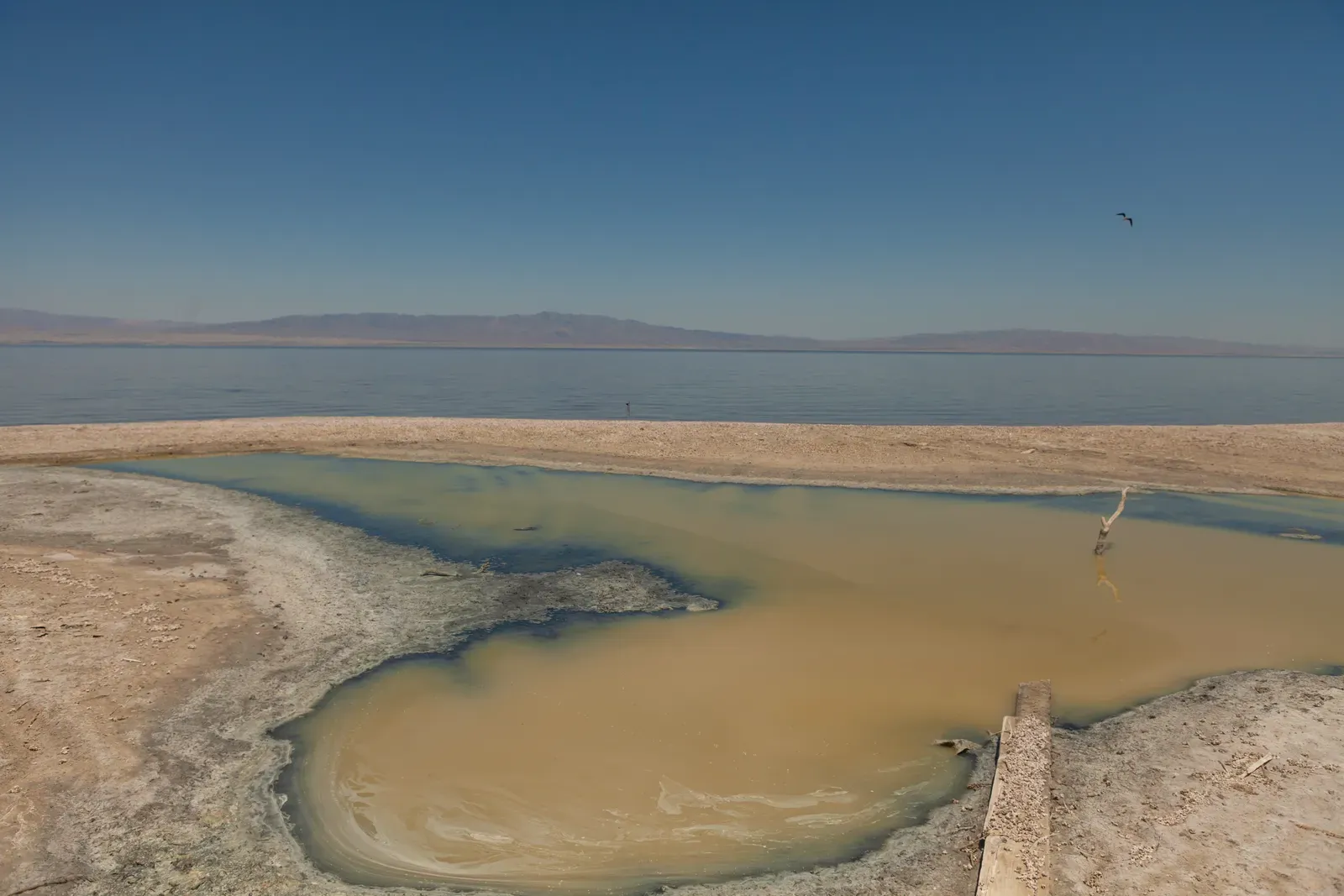
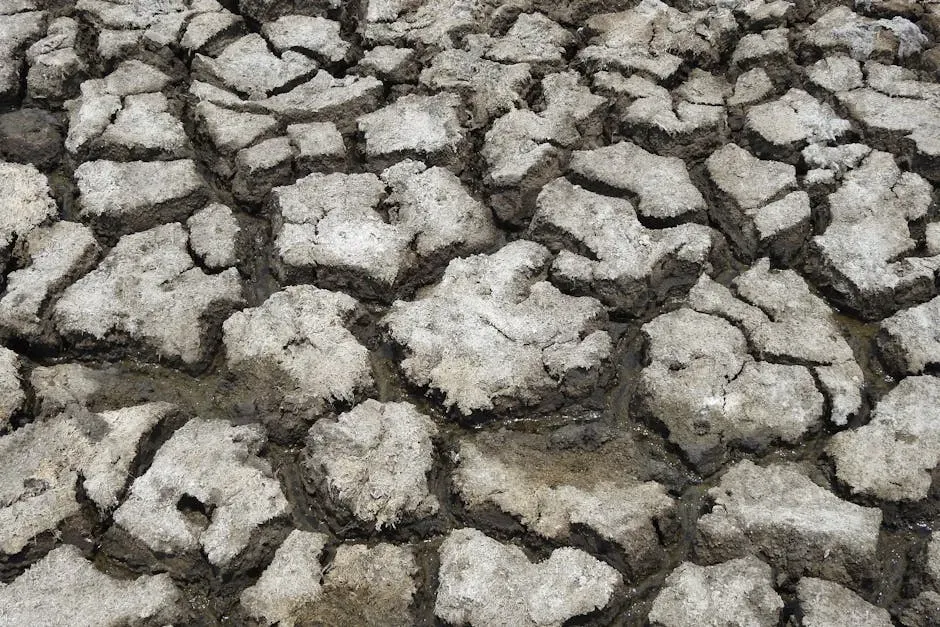
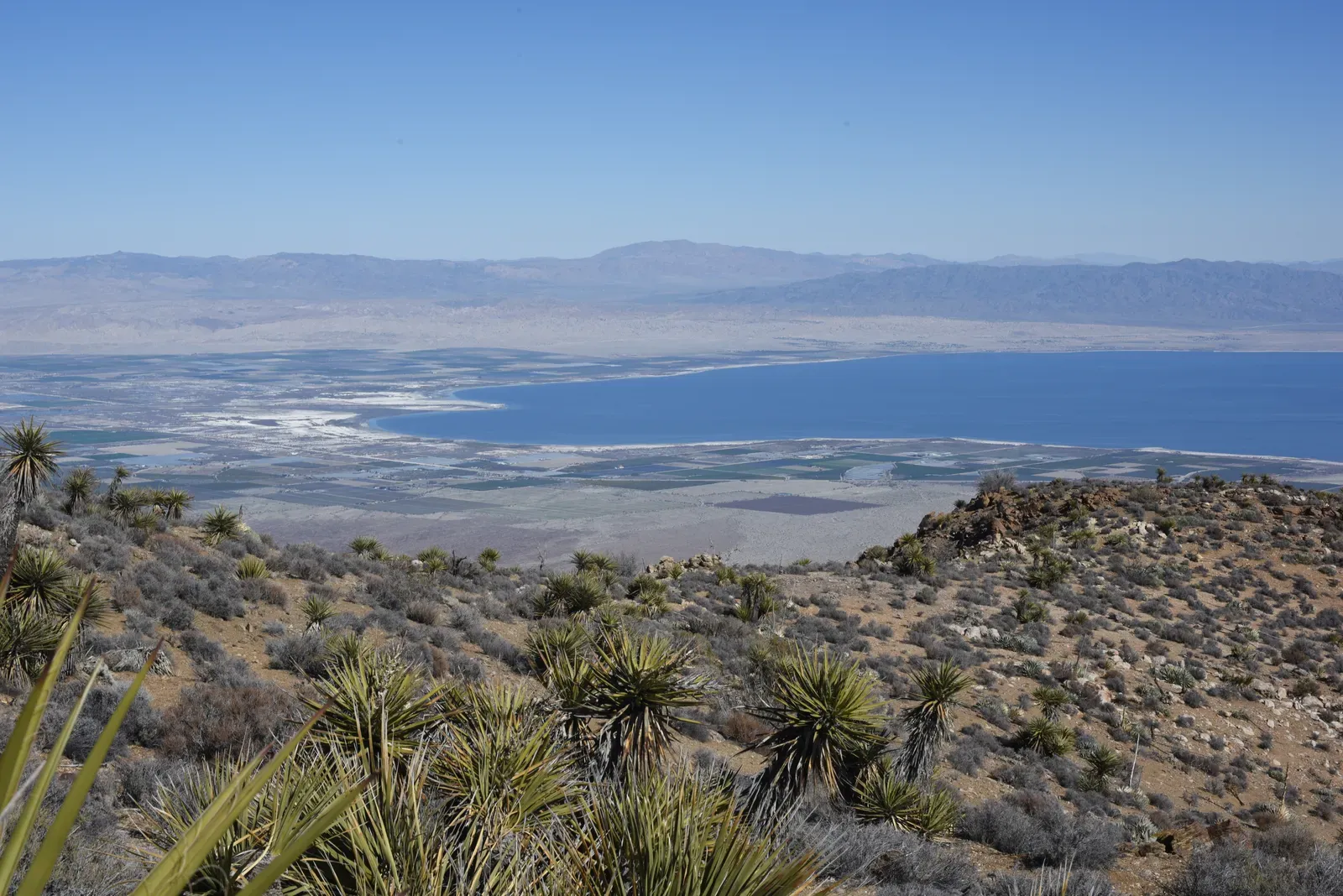
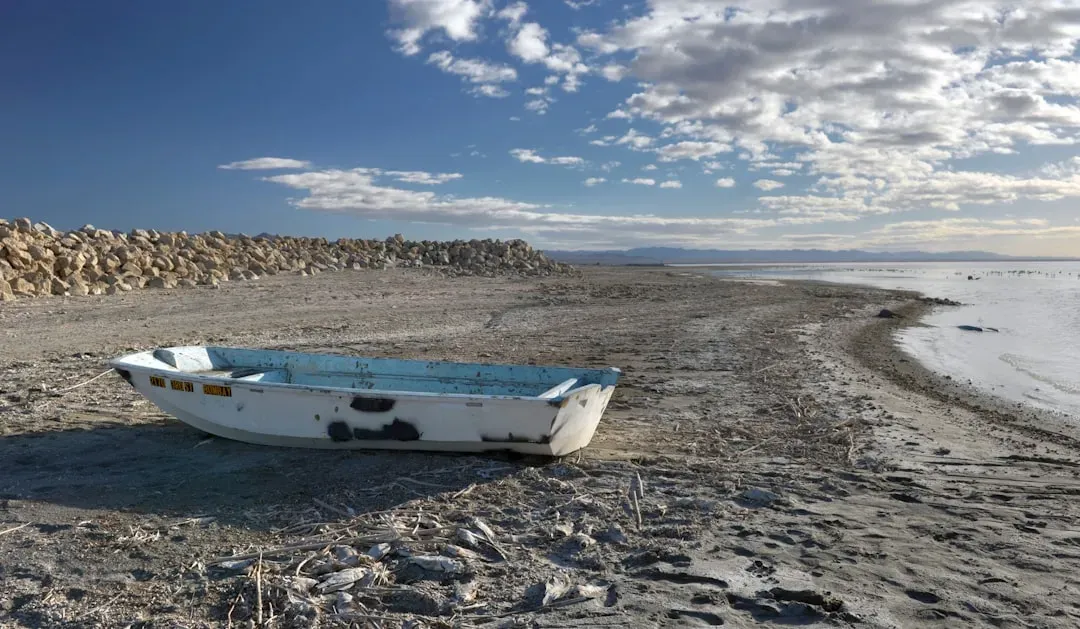
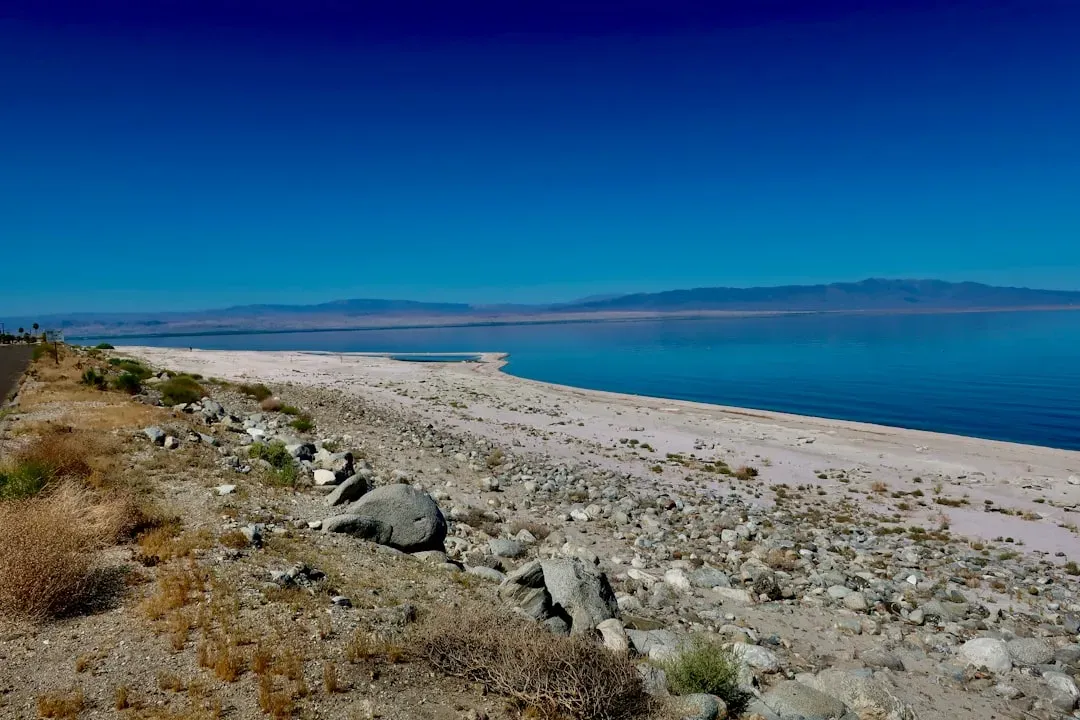
As you walk along the edge of the Salton Sea now, you can see the waterline scars climbing the rocks and pilings, like rings in a bathtub that has been slowly drained. The lake is shrinking because less agricultural runoff is reaching it and because of long-term drought and rising temperatures that speed up evaporation. Every year, more of the lakebed is exposed, turning once-submerged sediment into a dry, cracked plain that the desert wind can easily lift into the air.
This is where things get really alarming for your lungs and your neighbors’ lungs. The newly exposed playa is not just sand; it is a mixture of fine dust laced with salts, agricultural chemicals, and naturally occurring metals that have settled there over decades. When the wind picks up, those particles can travel miles, entering nearby communities and your airways, contributing to respiratory problems like asthma and chronic breathing issues, especially in children and older adults. You are essentially watching a slow conversion from a lake to an expanding dust source, right next to some of the most vulnerable and underserved communities in California.
What Lies in the Mud: Decades of Pollution Now Coming to Light
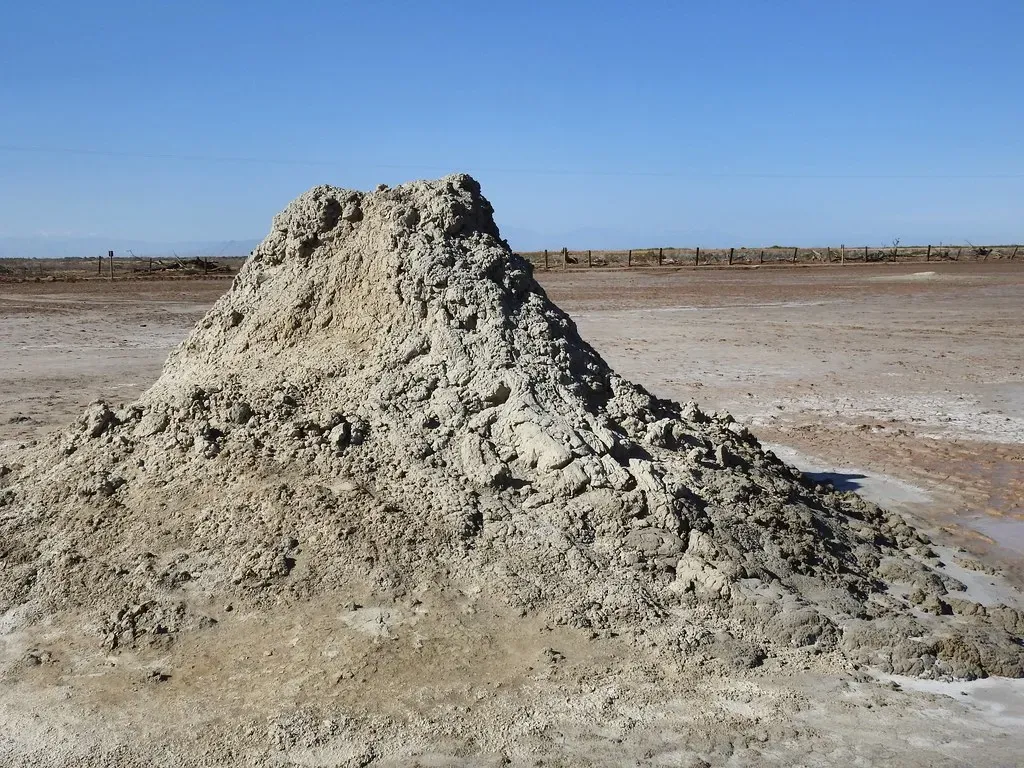
If you could scoop up a handful of the lakebed sediment beneath your feet and see its story, you would be holding decades of agriculture and industry in your hand. Runoff from farms around the Salton Sea has carried in fertilizers, pesticides, and traces of heavy metals that have quietly settled into the mud. While the water level was high, much of this contamination stayed underwater, partly buffered from your direct exposure even if it was already putting stress on wildlife.
Now, as the shoreline retreats, that mud is being exposed to air, sunlight, and wind, and the chemicals in it are becoming more available to move around. You are not just dealing with visible trash or dead fish; you are dealing with microscopic particles that include salts, nitrate residues, and industrial compounds that can be inhaled or blown into homes, schools, and fields. Scientists are worried because once this contamination is airborne, it becomes nearly impossible to confine, and you cannot simply rebuild a wall of water to push it all back under again. The shrinking sea is, in effect, unsealing a long-buried archive of pollution and releasing it into your atmosphere.
Wildlife on the Brink: A Critical Stopover Is Falling Apart
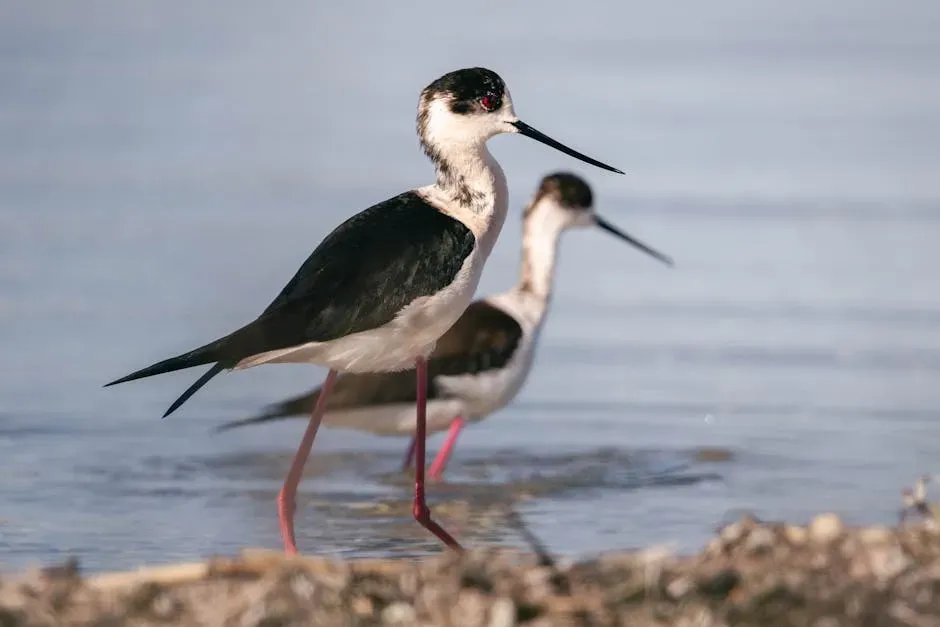
If you are a migrating bird flying along the Pacific Flyway, the Salton Sea has long been one of your life-or-death pit stops. The lake has provided shallow water, food, and resting space for hundreds of bird species, especially as wetlands across California and the West have been drained or converted for other uses. When you stand on the shore and see fewer flocks than older residents remember, you are not imagining it; the ecosystem is unraveling as the water grows saltier and the food web collapses.
Fish that once swarmed the lake in huge numbers are struggling to survive under rising salinity and low oxygen levels, and as the fish decline, fish-eating birds lose their main food source. On top of that, disease outbreaks connected to poor water quality and crowded conditions have killed large numbers of birds in the past, and the stressed ecosystem leaves them more vulnerable. You are watching a place that once looked like a rare oasis for wildlife in the desert slowly shift into a harsh, less habitable zone. For migratory species that depend on specific stopovers, losing a hub like this is not a minor inconvenience; it can ripple through entire populations across continents.
How Climate Change Is Turning up the Heat on an Already Fragile Sea
Even if you somehow froze all human decisions in place, climate change would still be tightening the screws on the Salton Sea. You are dealing with hotter average temperatures that make evaporation faster, which means the lake loses water more quickly and concentrates salts and pollutants. Longer, more intense droughts across the region also reduce the amount of water available for agriculture, which indirectly reduces the runoff that used to keep the lake at least somewhat full.
Warmer water also changes how oxygen is distributed in the lake, making it easier for parts of the water column to lose oxygen and for fish kills to occur during heat waves. You may hear about harmful algal blooms forming more frequently when temperatures rise and nutrients are abundant, and that pattern fits right into what scientists fear here. In that sense, the Salton Sea is acting like a magnifying glass for climate impacts: what you are seeing in this basin is an intensified version of the stress many lakes and reservoirs across the world are beginning to feel. If you want a preview of how fragile water systems can become in a hotter, drier world, you only need to look at this one receding shoreline.
The Human Toll: You Breathe What the Lake Leaves Behind
It is easy to talk about the Salton Sea in terms of wildlife and water levels, but if you live in the communities around it, this is first and foremost a human health story. You are breathing air that carries dust from the exposed lakebed, and that dust does not respect fences or property lines. Residents in nearby towns have already faced high rates of asthma and other respiratory illnesses, and the fear is that as more of the playa dries out, those health burdens will climb even higher.
What makes this especially painful is that the people most exposed often have the fewest resources to protect themselves: farmworkers, low-income families, and children attending schools not far from the shoreline. You can imagine trying to keep your windows closed on a windy day while your kids still have to walk to school, or choosing between staying indoors and going to work in fields that are downwind of the lake. When you see the Salton Sea as just a distant environmental tale, you miss that it is also a story about environmental justice, where the costs of past decisions are landing heavily on communities that had little say in them. In a very real way, the lake’s retreat is invading your lungs and your daily life.
Promises, Delays, and Partial Fixes: Why It Is So Hard to Save the Sea
If you look into the history of plans to “fix” the Salton Sea, you will find a trail of ambitious ideas, complicated politics, and painful delays. You might read about proposals to import seawater, build massive treatment systems, or restore wetlands along the edges, and on paper many of these plans sound bold and hopeful. The reality you see on the ground, though, often feels much slower: small pilot projects, limited habitat ponds, and dust-control measures that lag behind the pace of the retreating shoreline.
Part of the problem is cost; you are talking about projects that require huge investments of money and water in a region that is already fighting over every drop of the Colorado River. Another part is that different agencies, states, and stakeholders are tangled in negotiations, each with their own priorities and constraints. So you end up with a gap between the urgency scientists feel when they look at the data and the gradual, sometimes frustrating pace of actual construction and remediation. From your perspective as a resident or observer, it can feel like watching a house slowly catch fire while the people in charge argue over which kind of hose to buy.
What You Can Learn from the Salton Sea – And Why It Should Matter to You
You might be tempted to shrug and say the Salton Sea is just one troubled lake in the middle of the desert, far from where you live. But when you look closer, you realize it is a compressed lesson in how modern societies handle water, pollution, and long-term responsibility. You are seeing what happens when a system is built on constant inflows of water and chemicals, without a clear, realistic plan for what happens when those inflows change or stop. The lake’s decline is not a sudden accident; it is the visible result of choices that were made over decades, often with short-term benefits in mind.
If you care about other lakes, rivers, or coastal zones near you, the story here should feel uncomfortably familiar. You are likely living downstream of someone’s decisions, whether it is about fertilizer use, industrial discharges, or how much water is left in a river before it reaches your area. The Salton Sea shows you that ignoring early warning signs – fish die-offs, changing salinity, shrinking shorelines – can lead to a point where every option is expensive, contentious, and imperfect. Paying attention now, in your own region and beyond, is a way of not repeating this same pattern in other places you might one day depend on.
Conclusion: A Disappearing Sea That Refuses to Be Ignored
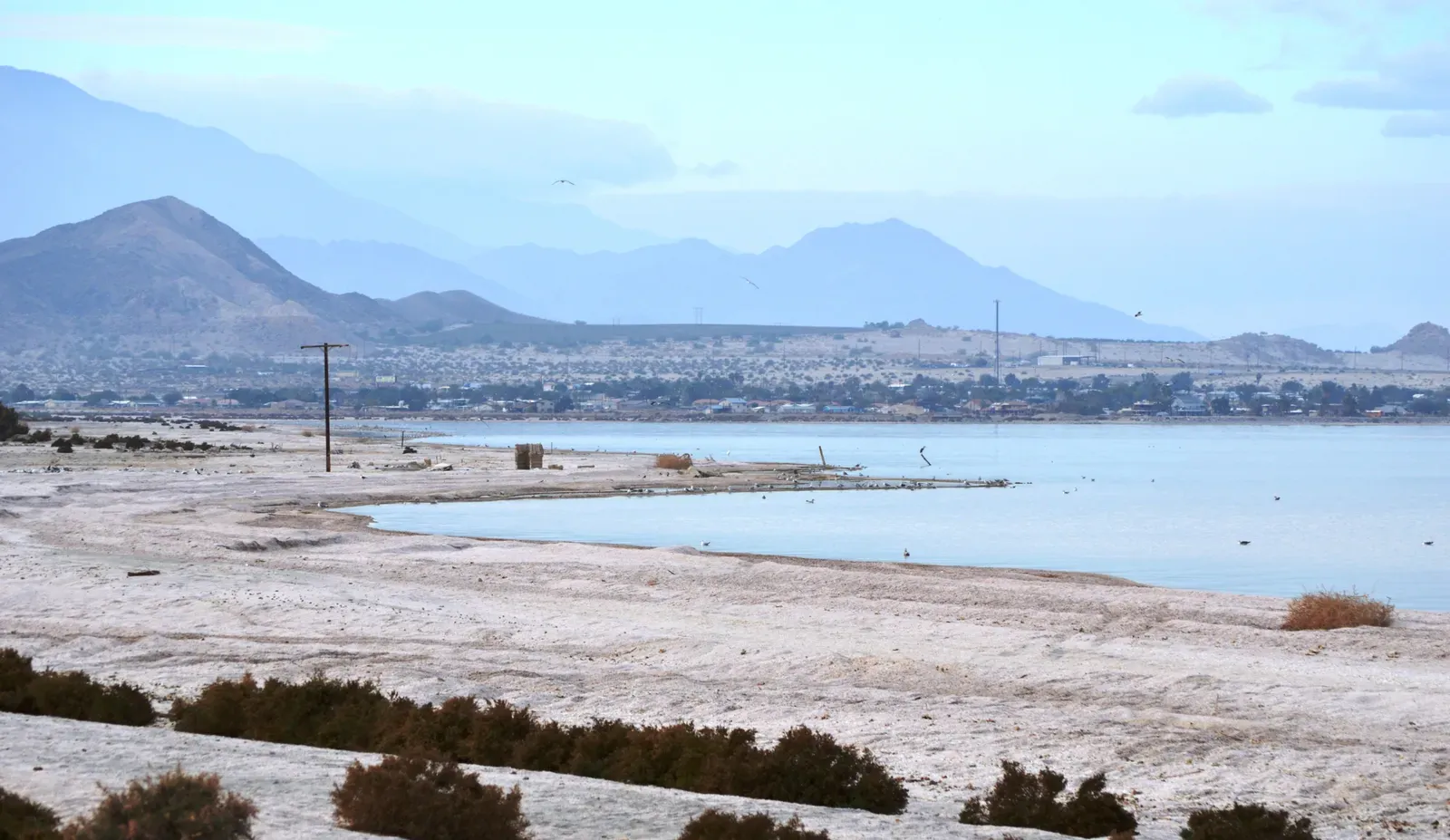
When you pull back and take in the full picture, the Salton Sea feels less like a strange desert curiosity and more like a mirror held up to how we treat water and land. You see a lake that was never truly meant to exist in its modern form, fed by runoff and locked in by human infrastructure, now unraveling in real time. As it disappears, it is laying bare toxic sediments, threatening the health of nearby communities, and pushing a once-vibrant ecosystem toward collapse. You cannot dismiss that as a local oddity when the forces driving it – climate stress, pollution, delayed action – are showing up in water bodies all over the world.
At the same time, you are not entirely powerless in this story. The fate of the Salton Sea is still being written through policy choices, restoration efforts, and public pressure, and it offers you a stark example of why early, sustained action matters. Whether you live near this shrinking shoreline or thousands of miles away, you can use what is happening here as a wake-up call about the cost of waiting too long to fix what you already know is broken. In the end, the real question is not just what will happen to the Salton Sea, but what you are willing to learn from it before the next disappearing waterway comes into view – what would you have guessed this “accidental” lake would reveal when it finally began to vanish?