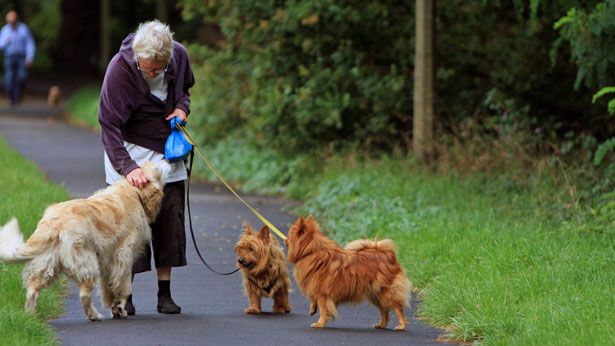
There is something a little magical about watching a grandparent and a dog light up at the exact same moment when the grandkids walk through the door. The right dog can turn an ordinary afternoon into a mini adventure, pulling everyone off the couch and into the backyard, onto the walking trail, or down onto the floor to play. For many retirees, a well-matched canine companion does more than fill the quiet spaces of an empty nest; it adds energy, routine, laughter, and a sense of purpose that feels wonderfully youthful.
I still remember the first time I watched an older neighbor shuffle slowly down the sidewalk one week, then almost power-walk the next after adopting a small, lively dog. It was like someone had quietly turned the dimmer switch back up on his life. Not every dog is ideal for retirees or for families with young grandchildren, but some breeds are especially good at bridging generations. Let’s walk through 10 breeds that can keep you moving, laughing, and feeling surprisingly young again when the grandkids come over.
Labrador Retriever: The Classic Family Co‑Pilot
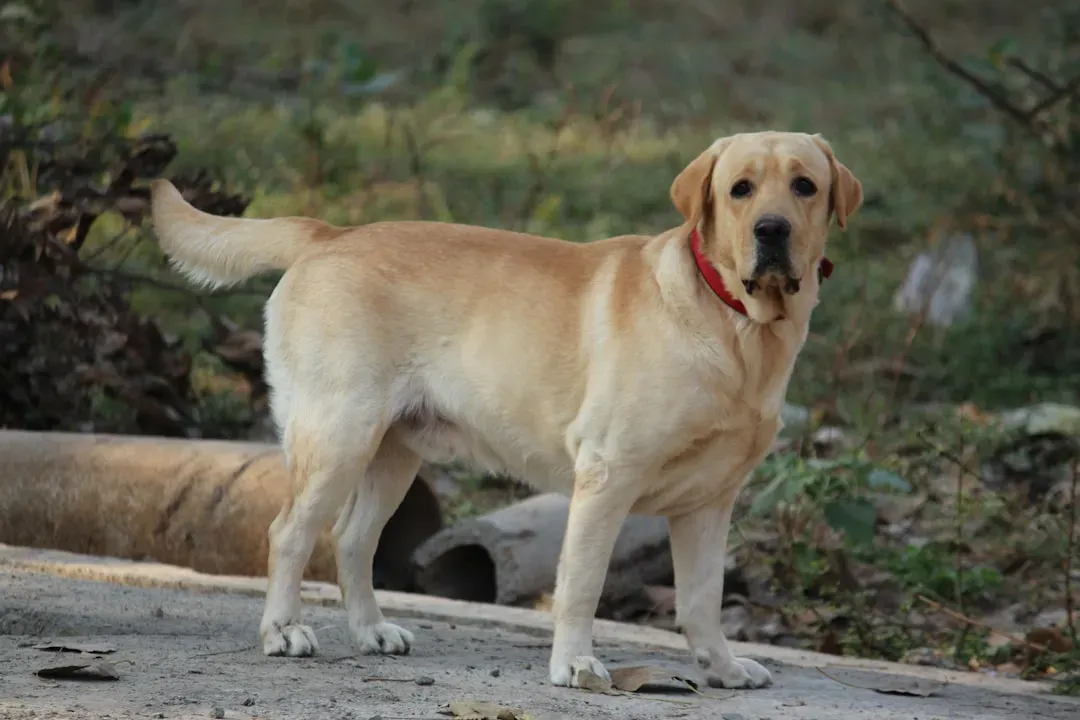
Labrador Retrievers have a reputation as the all-around family dog for a reason: they are typically friendly, patient, and eager to please, which makes them a strong match for retired grandparents who are often hosting energetic children. Labs tend to be very tolerant of the noise and chaos that naturally come with kids, and when properly trained, they are usually gentle with little hands that may not always be perfectly coordinated. Their sociable nature also nudges retirees into more activity, from daily walks to gentle games of fetch in the yard.
From a health perspective, regular walking with a Labrador can encourage older adults to stay active, which supports mobility, cardiovascular health, and mood. The key is to choose an individual dog with a moderate energy level and to be realistic about how much exercise you can provide, because some Labs can be high-octane athletes. Many retirees do very well adopting a slightly older Labrador instead of a hyper puppy, getting all the sweetness and companionship in a more manageable package. When the grandkids visit, the Lab often becomes the shared “project” and playmate, helping them bond across generations through walks, training tricks, and simple play.
Golden Retriever: The Gentle Optimist
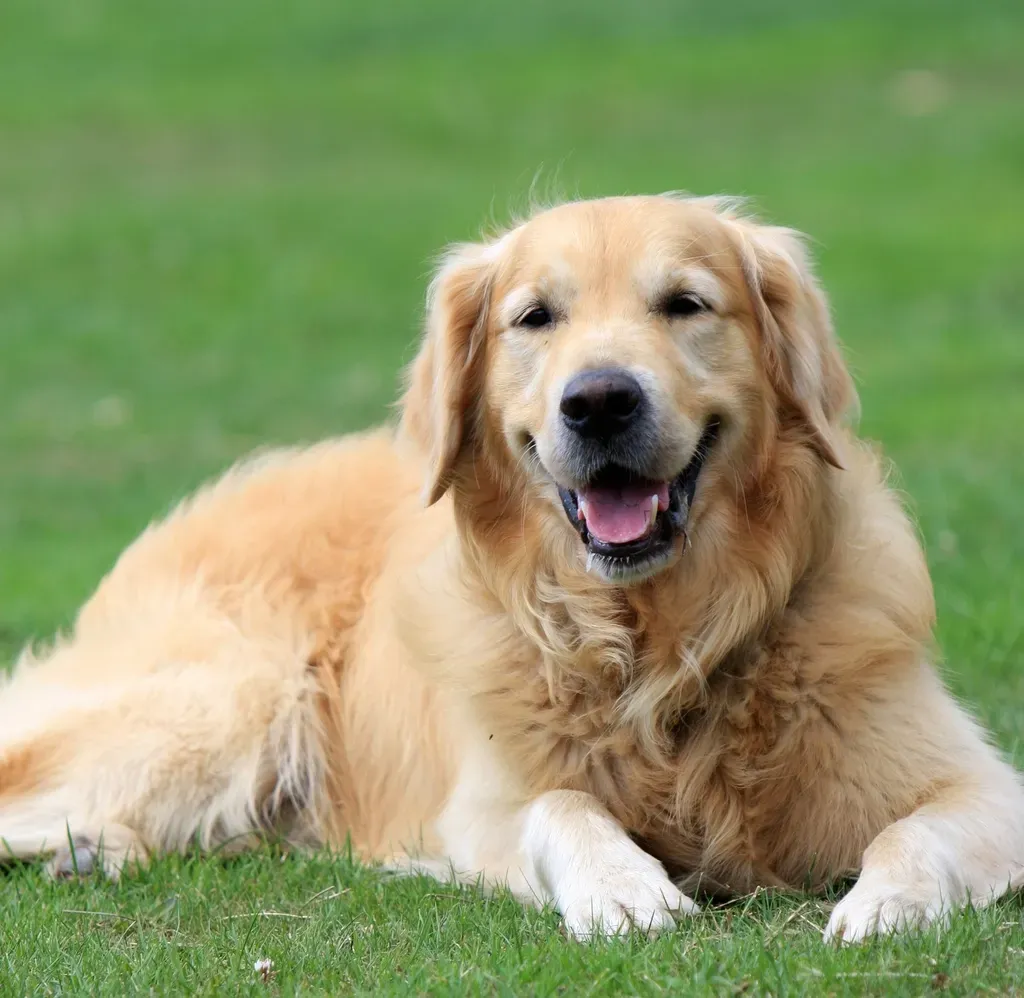
Golden Retrievers are often described as having a sunny personality, and that emotional warmth can be a powerful antidote to loneliness or the slower pace that sometimes comes with retirement. Their soft expression, calm eyes, and generally affectionate behavior make them excellent companions for retirees who want a dog that feels like an emotional anchor but is still playful enough to chase a ball with the grandchildren. Goldens are typically very people-oriented, which means they’re happiest when they can be in the middle of the family action.
They do need consistent grooming and regular exercise, but in exchange they offer reliability: most Goldens are easy to train, gentle with kids, and intuitive about human moods. I have seen older adults who struggled to motivate themselves to leave the house suddenly become daily walkers because their Golden Retriever expected that outing like clockwork. Around grandkids, Goldens often act like patient older siblings, happily accepting dress-up sessions, cuddles, and backyard games, all while giving retirees a structured, joyful routine that makes them feel engaged and youthful rather than sidelined.
Cavalier King Charles Spaniel: The Lapdog With a Big Heart
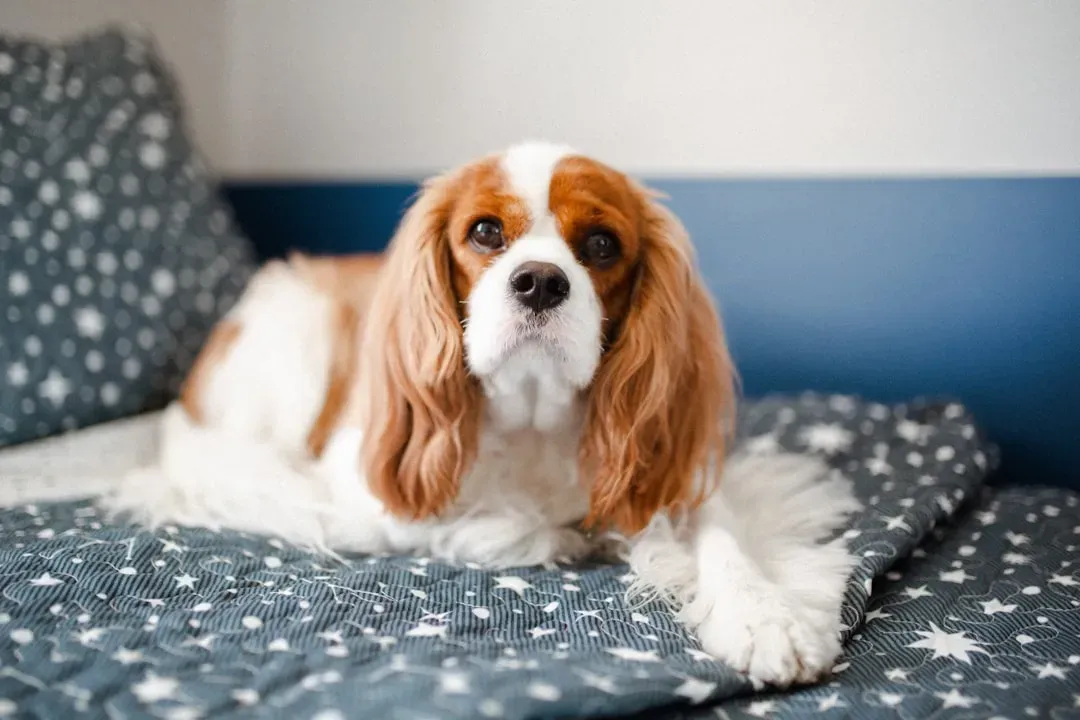
For retirees who love the idea of a softer-paced companion that still enjoys a bit of fun when the grandkids are over, the Cavalier King Charles Spaniel can be a lovely fit. These small dogs tend to be affectionate, people-focused, and relatively adaptable, often content to snuggle on the couch but also willing to trot along for a short walk. Their manageable size makes them easier to lift, groom, and transport, which can be a real plus if you have any mobility limitations or live in a smaller home or apartment.
Cavaliers usually have a naturally gentle demeanor that pairs well with young children, as long as kids are taught to be careful with small bodies and delicate joints. Many retirees appreciate that this breed does not require the intense exercise of larger working dogs, but still brings a sense of play and fun into the house. When grandchildren visit, the Cavalier often becomes the shared lap companion during story time or movie night, adding warmth and connection that make everyone feel a bit more cozy and content. It’s amazing how much youthfulness can come simply from having a living, loving creature snuggled against you.
Poodle (Miniature or Standard): The Smart, Low‑Shedding Sidekick
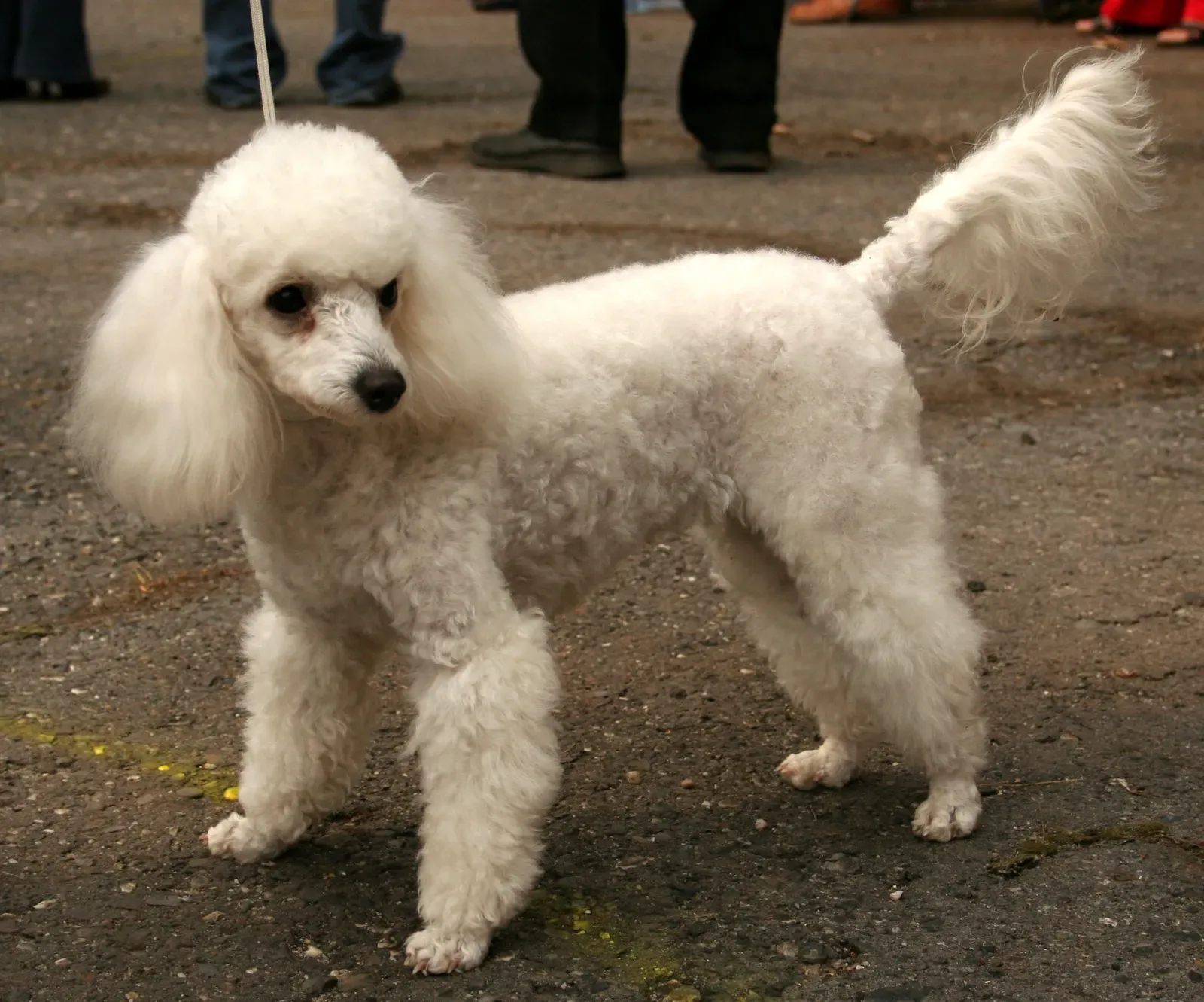
Poodles, especially the Miniature and Standard sizes, are fantastic options for retirees who want a dog that is both clever and relatively low shedding. Their intelligence means they tend to pick up training quickly, which is useful if you plan to teach them polite behavior around grandkids and visitors. Because many people are sensitive to dog hair or dander, the tightly curled coat of the Poodle, which sheds far less than many other breeds, can be a big advantage for multi-generational households.
Poodles usually enjoy mental puzzles and learning tricks, and this is where the fun really begins with grandchildren. Teaching a dog to shake paws, spin, or gently take a treat from a hand becomes a shared activity that engages kids and keeps retirees mentally sharp and physically involved. Miniature Poodles are a good choice if you want something more portable and easier to manage physically, while Standard Poodles offer a bit more outdoor adventure potential. Either way, you get a dog that can help you stay mentally and physically active, which is one of the most reliable ways to feel younger than the date on your birth certificate suggests.
Bichon Frise: The Cheerful Little Cloud
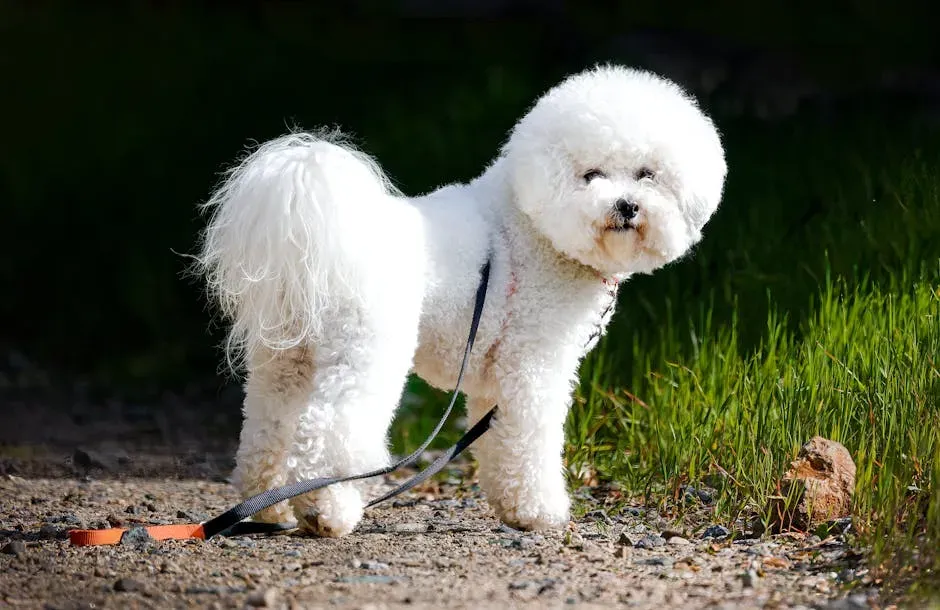
The Bichon Frise looks like a little walking cotton ball, and in many ways, their personality matches that soft, bright appearance. Typically friendly, playful, and quite social, Bichons are often described as having a clownish streak, which can bring a lot of joy and laughter into a retiree’s home. Their small size and generally manageable energy level make them appropriate for older adults who may not want a large, strong dog pulling on a leash.
Because Bichons are usually outgoing and people-loving, they tend to enjoy visitors, including children, provided interactions are supervised and gentle. Their coat does require regular grooming, but many retirees actually enjoy the routine of brushing and caring for the dog, finding it meditative and satisfying. When grandkids are around, a Bichon will often happily chase a soft toy around the living room, then curl up for cuddles. That combination of light exercise, laughter, and physical affection can be surprisingly powerful in helping someone feel emotionally lighter and more youthful.
Cocker Spaniel: The Sweet‑Natured Companion
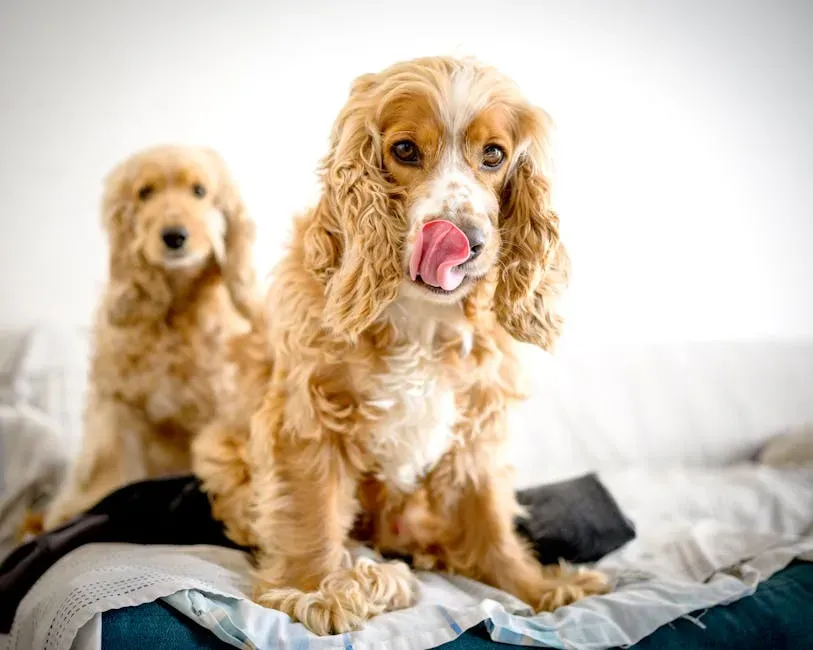
Cocker Spaniels, especially from responsible breeders who prioritize temperament, are known for their soft, expressive eyes and gentle, affectionate behavior. They are often described as sensitive dogs who bond deeply with their families, which can be especially meaningful in retirement when daily social contact may be reduced. A well-adjusted Cocker usually enjoys regular walks and play but does not require extreme levels of exercise, striking a nice balance for many older adults.
With children, Cockers can be excellent companions when raised or trained around them, offering a playful but gentle spirit. Their size is manageable for most retirees, not too large to control yet sturdy enough not to feel fragile. Grooming needs are real, though, so you have to be comfortable with regular brushing or professional grooming appointments. In return, you get a dog that often acts like a quiet emotional barometer in the home, lifting spirits with a wagging tail and joining happily in games with the grandkids, bringing a soft, steady sense of joy that keeps a home feeling lively instead of lonely.
Corgi (Pembroke Welsh): The Short Dog With Big Personality
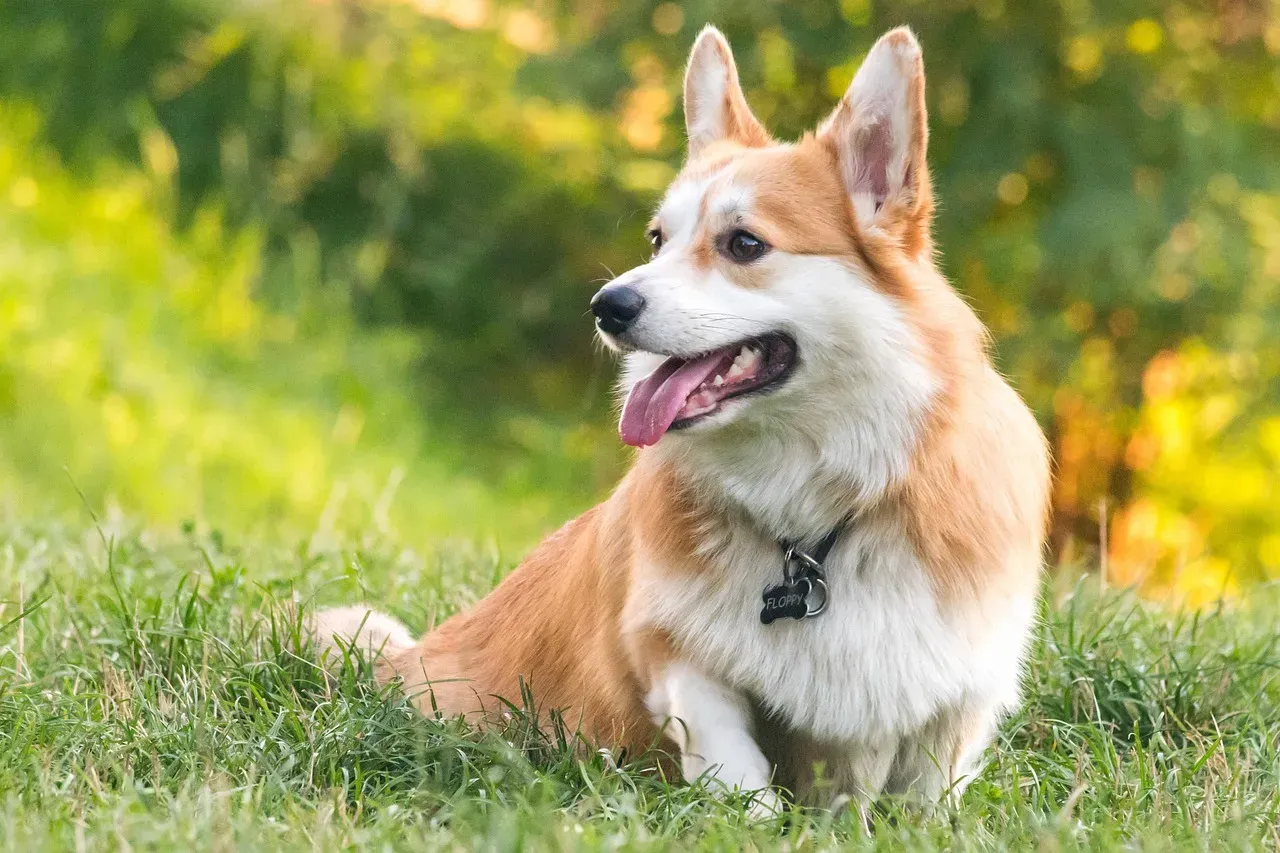
Pembroke Welsh Corgis are small in height but big in personality, and that combination can be invigorating for retirees who want a dog that brings some spark without overwhelming them physically. Originally bred for herding, Corgis are alert, intelligent, and often quite playful, which means they can turn an ordinary backyard into a lively little arena for games with grandchildren. Their low stature makes them easier to handle than many larger herding breeds, but they still have a robust, sturdy build.
Because Corgis are clever and can be a bit independent, consistent training and clear boundaries are important, especially in homes with children. Many retirees actually enjoy the mental engagement that comes with training such a sharp dog, finding it keeps their own minds more agile. A Corgi hustling around the house with the kids, trotting alongside on walks, or gently herding everyone toward the snack table can bring an infectious sense of motion and humor. If you enjoy a dog with character and you can commit to daily walks and some basic training, a Corgi can absolutely help keep you on your toes in the best way.
Beagle: The Curious Adventurer
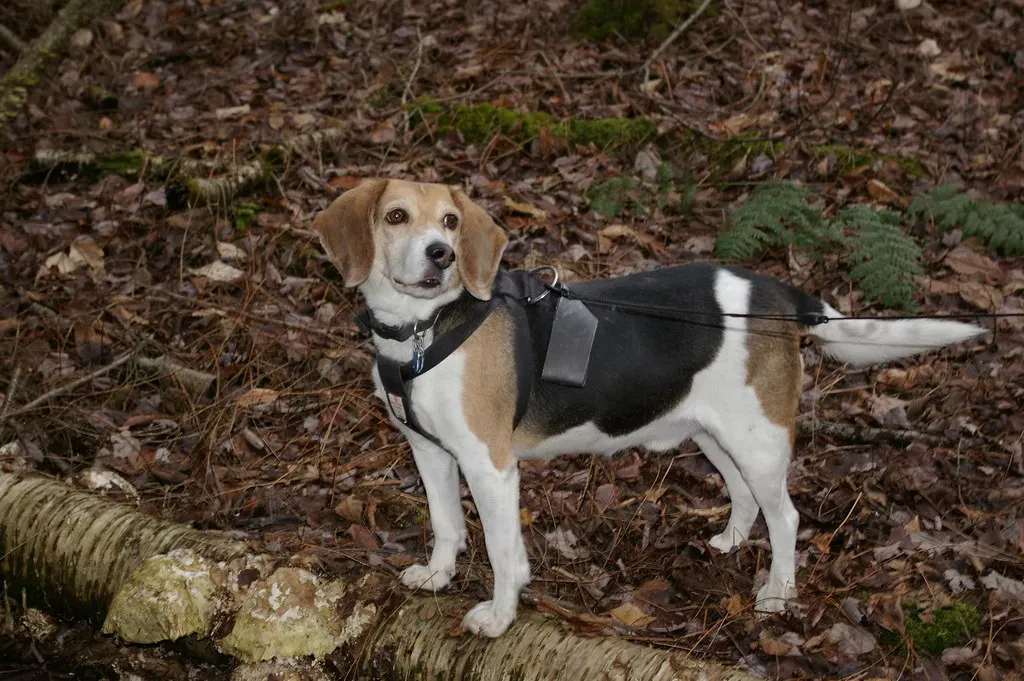
Beagles are known for their incredible noses and their curiosity, traits that naturally pull people outside and into motion. For retirees who sometimes need a nudge to go for that second walk or to explore a local park, a Beagle’s interest in every scent on the breeze can be just the right kind of motivation. They are generally friendly, social dogs, often good with children when properly socialized, and their medium size makes them more manageable than some larger hounds.
However, Beagles can also be vocal and independent, so they are best for retirees who appreciate a bit of personality and are willing to invest in training and enrichment. The upside of that spirited nature is that Beagles often bring a sense of adventure into everyday life: a simple walk around the block can feel like an expedition, which grandkids tend to find hilarious and fascinating. When kids visit, searching the yard together while the Beagle “helps” can turn into a shared ritual. That ongoing sense of exploration and play can make retirement feel less like a slowdown and more like a new kind of journey.
Shih Tzu: The Calm Companion for Cozy Visits
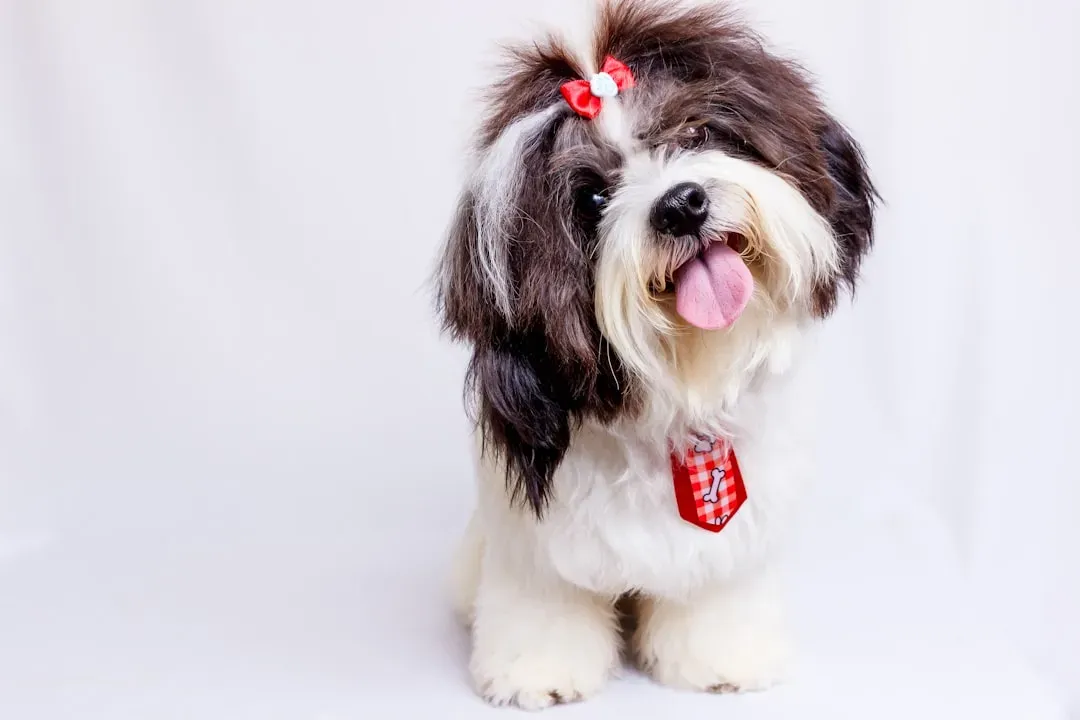
Shih Tzus were historically bred as companion dogs, and you can feel that in how attached they often become to their people. For retirees who want a lower-energy, indoor-friendly dog that is still friendly and playful with visitors, this breed can be an excellent choice. They typically enjoy short walks and play sessions but are just as happy curling up next to you on the couch, making them well suited to less physically demanding lifestyles.
When grandchildren are around, a well-socialized Shih Tzu often acts as the charming little host, greeting them and participating in quieter games or lap time. Their long coats do require regular grooming, but some owners opt for shorter “puppy cuts” that are easier to manage. Many retirees find comfort in the daily routines of feeding, brushing, and short walks, which help structure the day and reduce feelings of aimlessness. That steady companionship, combined with bursts of playful attention when the grandkids visit, can make life feel fuller and far less “retired” in the stereotypical sense.
Mixed‑Breed Rescue Dogs: The Overlooked Gems
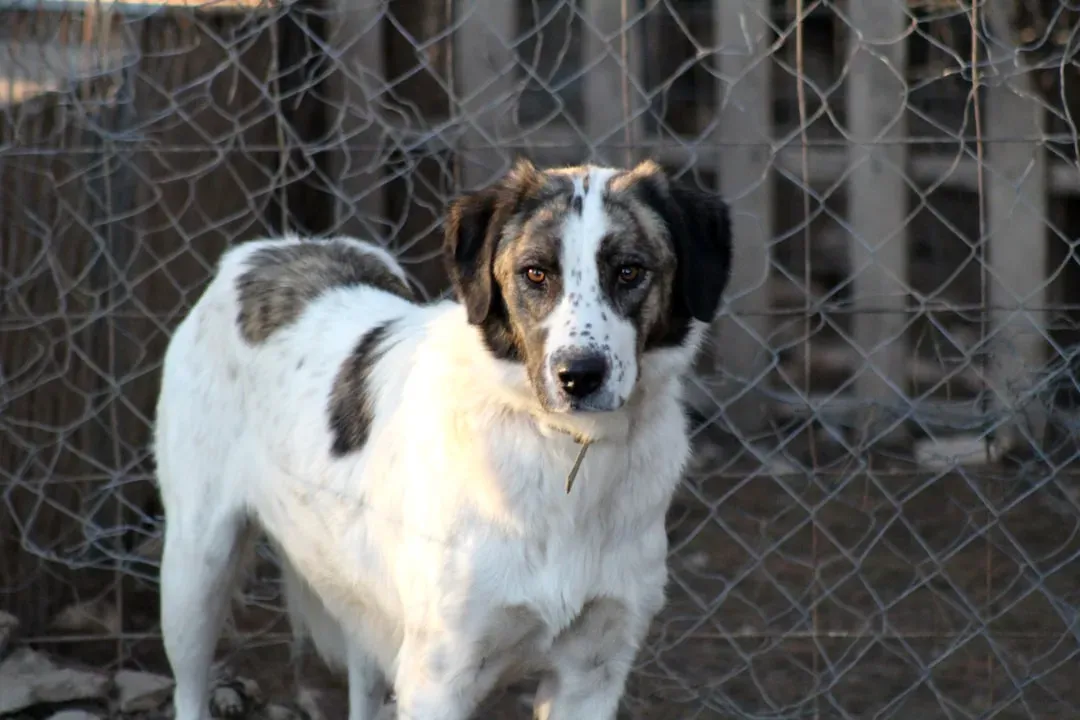
While purebred dogs get a lot of attention, many mixed-breed rescue dogs are truly outstanding companions for retirees and their grandchildren. Shelters and rescue groups often have adult dogs whose personalities are already well understood, making it easier to find one that is calm, gentle with kids, and comfortable with a quieter home. An adult mixed-breed dog usually requires less intense training than a puppy, and their energy levels are more predictable, which is important when you are balancing your own physical needs with the demands of hosting grandchildren.
There is also a deep emotional satisfaction that can come from giving a second chance to a dog in need, a feeling that many retirees describe as grounding and invigorating. Working with a reputable rescue organization that screens for temperament and helps match you to the right dog can reduce uncertainty and set everyone up for success. When your grandkids grow up knowing that their favorite playmate was once a dog waiting for a home, it can turn into a powerful family story about kindness and responsibility. In a very real way, that shared rescue journey can make everyone in the family feel more alive, more connected, and a little younger at heart.
Conclusion: Choosing Youthfulness Over Trendiness
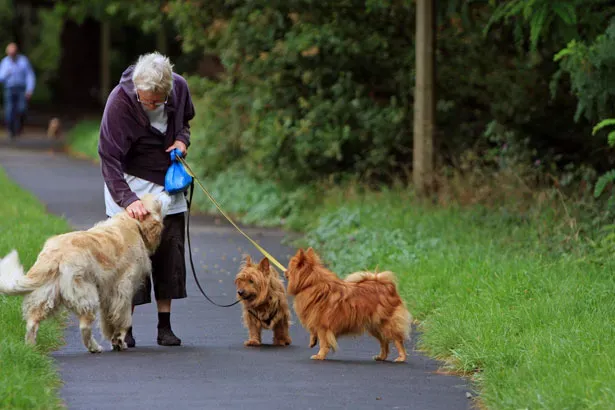
There is no single “perfect” breed for every retiree, and anyone who insists otherwise is oversimplifying something deeply personal. What truly helps older adults feel young again around their grandchildren is not just a famous name like Labrador or Poodle, but the right match between a dog’s temperament, energy, and size and the retiree’s real daily life. In my view, too many people chase trendy breeds instead of honestly asking what will keep them walking, laughing, and relaxed rather than overwhelmed. A calm mixed-breed from a shelter might do more for your heart and your grandkids’ happiness than the most fashionable puppy on social media.
Dogs are not anti-aging magic, but they are incredibly reliable at adding movement, routine, affection, and laughter to a household, and those are precisely the ingredients that make people feel younger than their years. The retirees I see thriving with their grandchildren are the ones who chose dogs they can genuinely care for, train, and enjoy day after day, not just on the good days. If you listen to your body, your schedule, and your heart more than to trends, you are far more likely to end up with a four-legged friend who keeps you and your grandkids smiling for years. So, as you picture those future backyard games and couch cuddles, which dog can you honestly imagine growing young with, together?