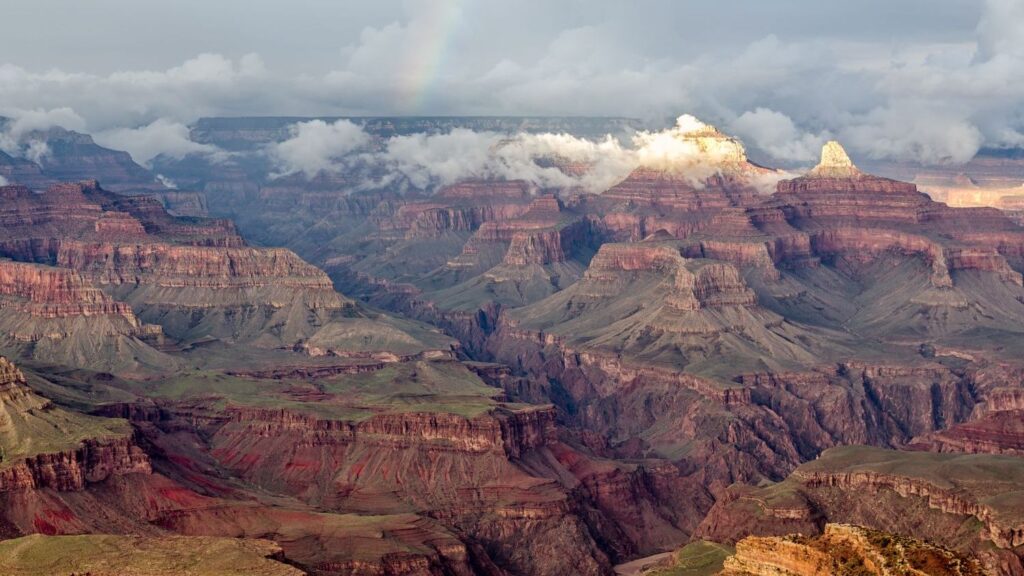
Stand at the rim of the Grand Canyon, and it feels eternal, like a stone cathedral frozen in time. But beneath that postcard view, the rock is quietly shifting, splintering, and in some places, speeding up its slow-motion break apart. The canyon is not a finished masterpiece; it is a work in progress, and the chisel is still moving.
That idea can feel almost unsettling. We like to think of iconic landscapes as permanent backdrops, not active experiments in gravity, water, and time. Yet geologists are finding that many of the fractures, rockfalls, and slope failures in and around the Grand Canyon are not only ongoing, but in some zones becoming more frequent as climate, water use, and natural processes interact. The ground beneath the viewpoints is not collapsing tomorrow, but it also is not standing still.
Is the Grand Canyon Really “Cracking Open” Faster?
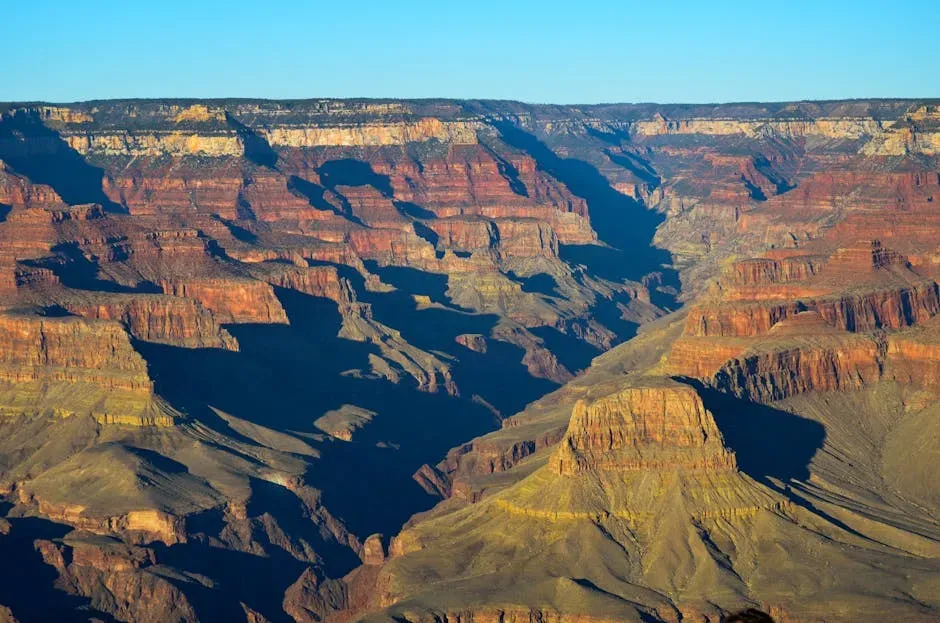
The phrase sounds dramatic, and it should, but it needs unpacking to stay honest. The Grand Canyon is not splitting in half like a movie scene and it is not suddenly racing toward some cliff-edge catastrophe. Instead, what is accelerating is the rate of rockfalls, erosion on steep walls, and the widening and deepening of existing cracks in particular places, not uniformly along all 277 river miles.
Geologists talk about this in terms of geomorphic activity, not headlines, and they see that activity in fresh scarps, talus piles, and newly exposed rock faces that were intact only a few decades ago. Add to that the sensitive instruments that now record tiny shifts, vibrations, and temperature changes in rock, and a story emerges of a canyon still actively adjusting to gravity and water. So yes, parts of the Grand Canyon are cracking and failing more often, but the picture is one of intensification of natural processes, not an apocalyptic tear in the continent.
How a Canyon Keeps Growing: Erosion, Rockfalls, and Time
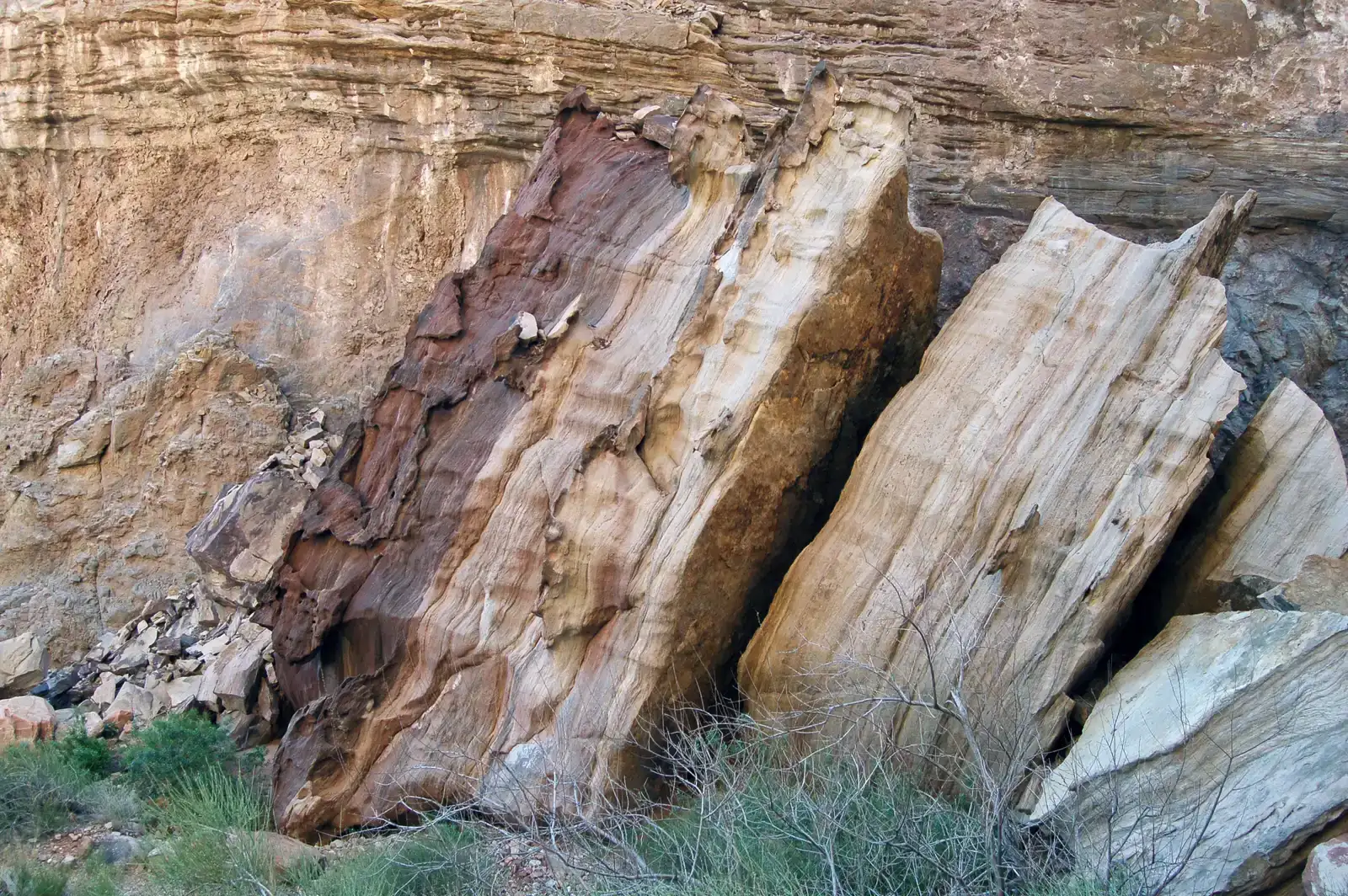
At the simplest level, the Grand Canyon is the result of one giant, long-term tug-of-war between uplift and erosion. The Colorado Plateau rose, the Colorado River cut down, and side canyons, rain, snowmelt, and gravity kept gnawing away at the walls. The “cracks” you see as fractures, joints, and small gullies are not flaws in a finished product; they are the cutting lines of an active sculpting process that has been going on for millions of years.
Rockfalls are one of the main ways the canyon walls retreat and become more vertical and jagged. Every time a slab of sandstone or limestone peels off and crashes to the talus below, the canyon widens just a tiny bit. Individual events can be dramatic and noisy, but the scale of the canyon makes most of them look almost trivial from above. Over thousands of years, though, those small failures stack up, like single grains of sand slowly turning into a dune.
Why Cracks Form – And Why Some Are Speeding Up
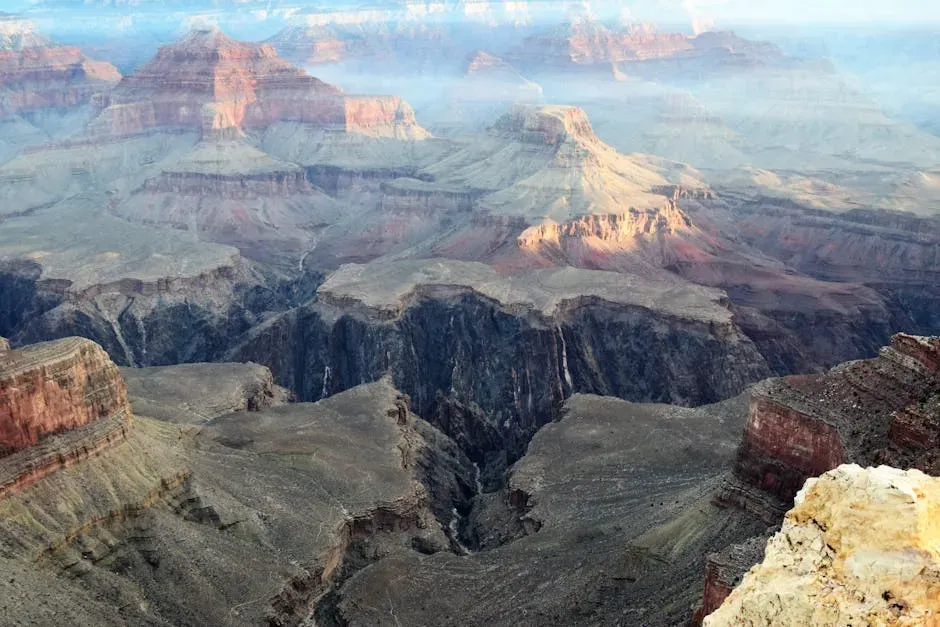
Most canyon visitors never think about the fact that rock behaves a lot more like very stiff plastic than perfect, solid concrete. It swells when heated, shrinks when cooled, and expands slightly when water freezes inside its pores and cracks. Those everyday temperature swings and freeze–thaw cycles are brutal on cliff faces, prying open existing fractures a tiny bit with each season until a rock slab reaches its breaking point.
Geologists have found that in many dry, high-elevation landscapes, including the Grand Canyon region, more frequent freeze–thaw days and stronger temperature contrasts can push this process harder. Add to that occasional intense rainstorms that rapidly soak rock faces and joints, increasing the weight and pore pressure in the rock, and you have perfect conditions for more rockfalls. So when people say the canyon is cracking open faster, what they are often feeling is the combined effect of more frequent triggers operating on rock that was already close to failure.
Climate Change, Heat, and Extreme Storms in the Canyon
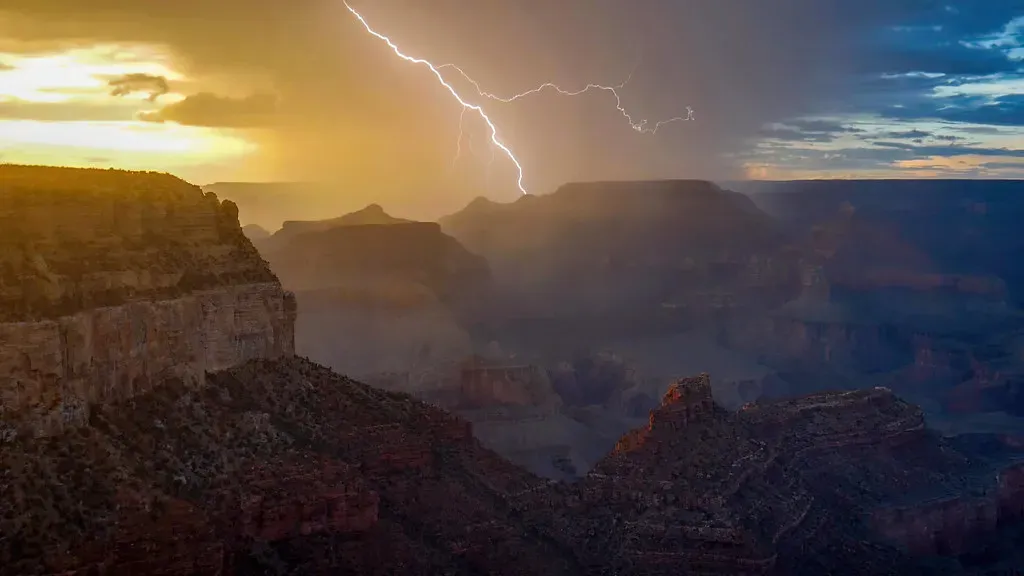
We tend to think of climate change in terms of oceans and glaciers, but it also plays out on the steep cliffs of desert canyons. Warmer average temperatures mean more intense heat waves that bake rock faces during the day and let them cool quickly at night, amplifying thermal stress. Over years and decades, that repeated expansion and contraction works like bending a paper clip back and forth until it snaps.
On top of that, many parts of the American Southwest are experiencing longer dry spells punctuated by intense storms that dump a lot of water in a short window. When those powerful storms hit the Grand Canyon, they can trigger debris flows in side canyons, loosen material on ledges, and flood fractures that normally stay dry. This does not mean every storm is disastrous, but it does mean the odds of triggering rock failures can increase in ways that make the canyon’s slow evolution a little more erratic and punchy.
Human Footprints on a Giant Landscape
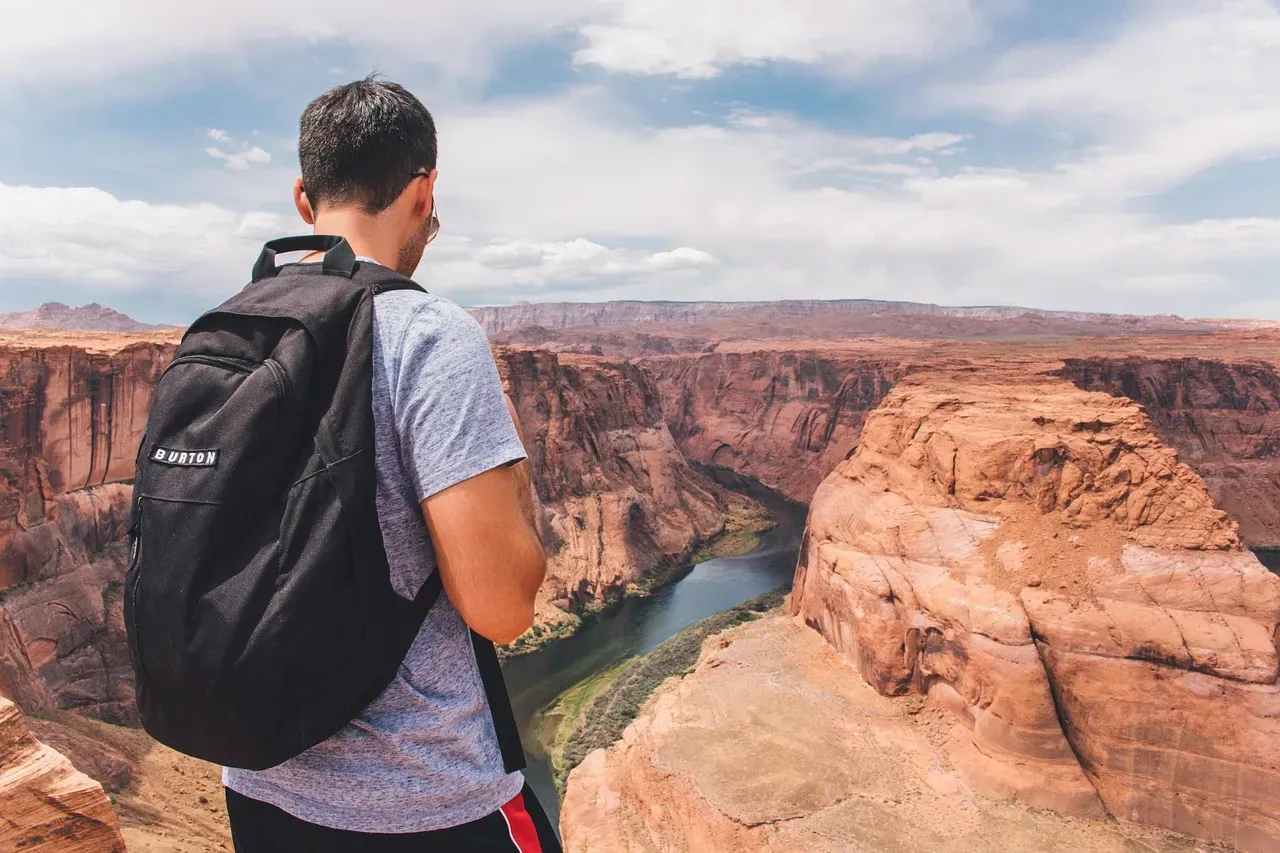
It is easy to assume that humans are too small to matter around something as massive as the Grand Canyon, but our presence shows up in subtle ways. Trail construction, blasting for roads, and building infrastructure like lodges, pipelines, and viewing platforms can locally alter the stability of slopes. Even something as simple as concentrating foot traffic along a narrow path can wear down loose rock and soil that otherwise would have helped hold material in place.
There is also the much larger human fingerprint of river regulation. Big dams upstream have dramatically changed the flow, sediment load, and flood patterns of the Colorado River. By reducing some of the scouring power of natural floods and changing the way sand moves through the system, those dams have altered how quickly some parts of the canyon floor and lower walls erode. The canyon is still deeply wild and geologically driven, but pretending our choices have no effect would be naive.
Monitoring the Cracks: How Geologists Watch the Canyon Move
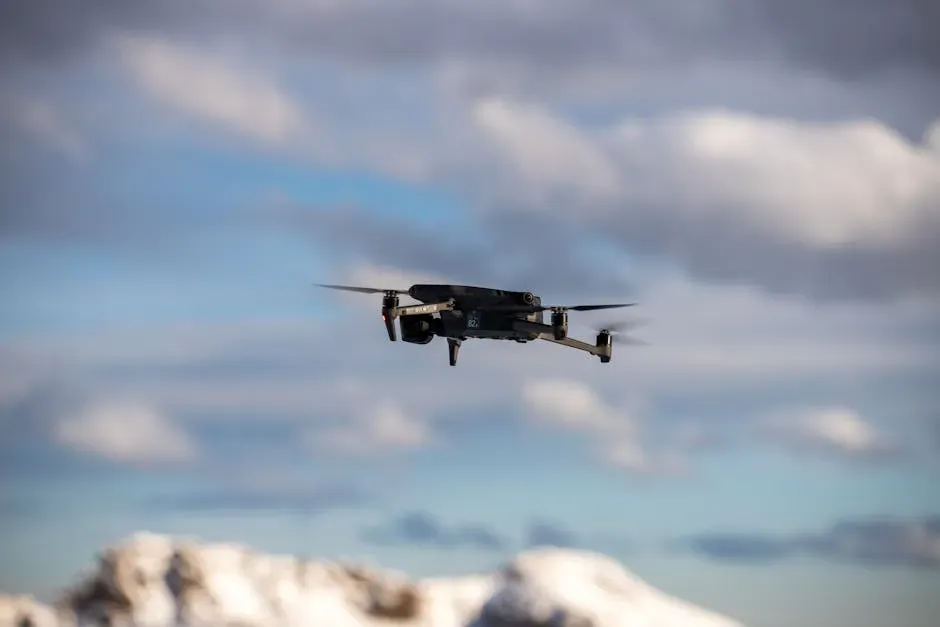
One of the quiet revolutions in earth science is just how closely we can now watch rock move. In places around the Grand Canyon, researchers and park staff use tools like laser scanning, high-resolution photography, drones, and tiny sensors bolted into rock faces to track micro-movements and new fractures. Over time, those measurements show which sections of cliff are bulging outward, sagging, or slowly opening along old joints.
I find this kind of science strangely comforting, like finally having a heart monitor on a patient instead of guessing from their color and breathing. By catching shifts early, geologists can flag especially unstable zones near trails, buildings, or popular viewpoints and help the park service manage access or add warning signs. The canyon is never going to be risk free, but watching it more carefully means we are less surprised when a big rockfall happens near where people like to stand.
Rockfalls, Risk, and What It Means for Visitors
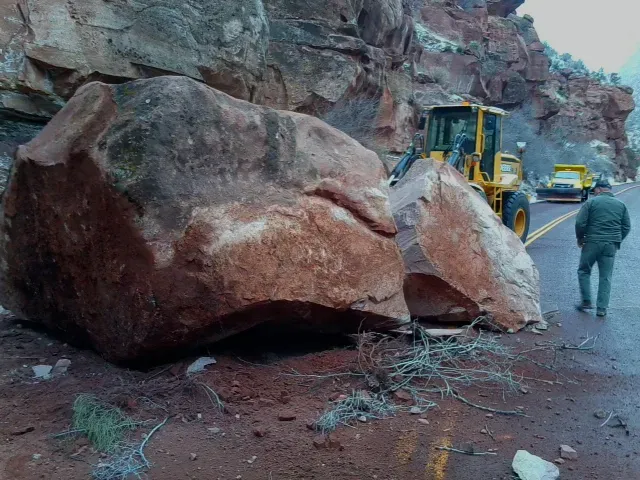
Whenever talk turns to “accelerating cracks,” people understandably jump straight to safety concerns. The truth is, rockfalls in the Grand Canyon are both very common and, for any individual visitor on a short trip, extremely unlikely to hit you. The risk is a little like driving: the system produces accidents regularly, but any given drive is still almost always uneventful, especially if you make reasonable choices.
Most serious hazards come from ignoring closures, standing right below obvious overhangs, or treating loose scree slopes as if they were stairs instead of marbles. From my own hiking trips in desert canyons, I have learned to read the rock a bit: fresh scars, broken trees, and piles of angular blocks are subtle hints that gravity has been busy recently. The accelerating parts of the canyon’s cracking story matter most for planners, scientists, and long-term risk management, while for travelers, the takeaway is simpler: pay attention, respect the landscape, and do not assume a pretty view is automatically a safe one.
The Canyon’s Deep Time Perspective: Millions of Years vs. Our Lifetimes
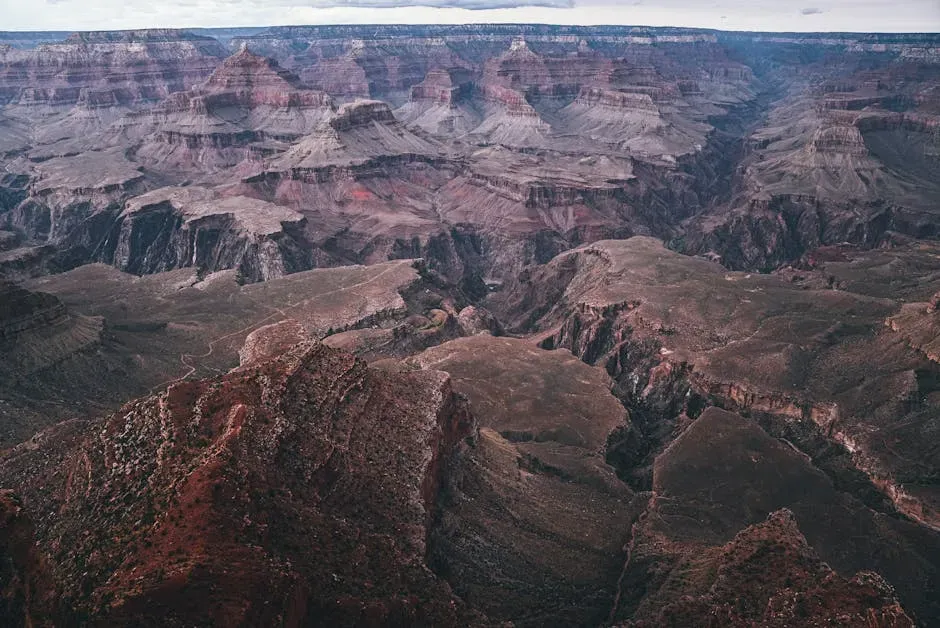
When we talk about changes speeding up, it is crucial to remember the timescales involved. Even if some cliffs fail more often now than they did a century ago, the Grand Canyon is not going to double in size in our lifetimes or even in the lifetime of human civilization. Its history is measured in millions of years, while we count elections, careers, and vacations.
This mismatch in timescales can warp our perception. A single dramatic rockfall might feel like the canyon suddenly “woke up,” when in reality it is one moment in a very long pattern of episodic failures. That is part of why I think it is healthy to visit places like this: they remind us that the planet has a tempo that has nothing to do with our calendars, and we are walking through a story that started long before we arrived and will continue long after we are gone.
What “Accelerating” Really Means – And Why It Should Still Make You Think
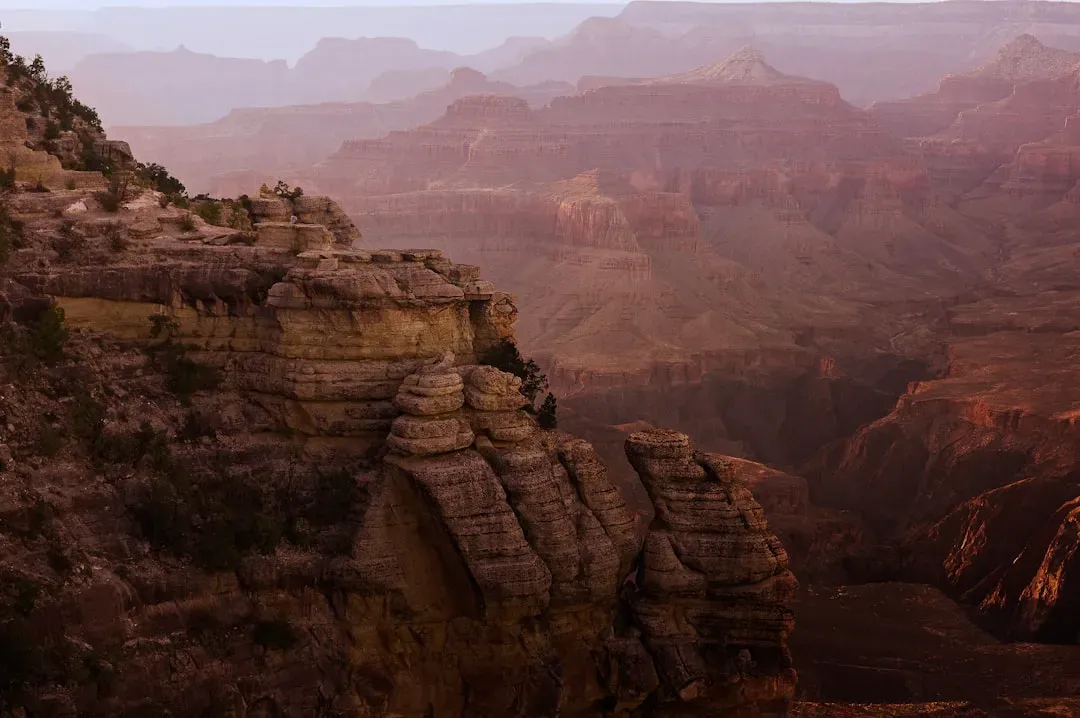
So does the phrase “the Grand Canyon is cracking open faster” oversell the danger? In some ways, yes. It frames a complex, uneven pattern of changes as if the entire canyon were suddenly in crisis, which is not supported by the current evidence. The core processes of erosion, rockfall, and slope failure have always defined this landscape and still operate mostly at a pace that looks glacial on human scales.
But in another sense, the word “accelerating” is a useful wake-up call. It forces us to confront the way our warming climate, altered rivers, and expanding infrastructure are nudging even the most iconic landforms into new behavior patterns. To me, the responsible stance is to respect the canyon’s stability without romanticizing it into something static, and to acknowledge real changes without spiraling into drama. The canyon is not about to crack in half, but it is also not a museum display under glass.
Opinionated Conclusion: A Cracking Canyon in a Cracking Era
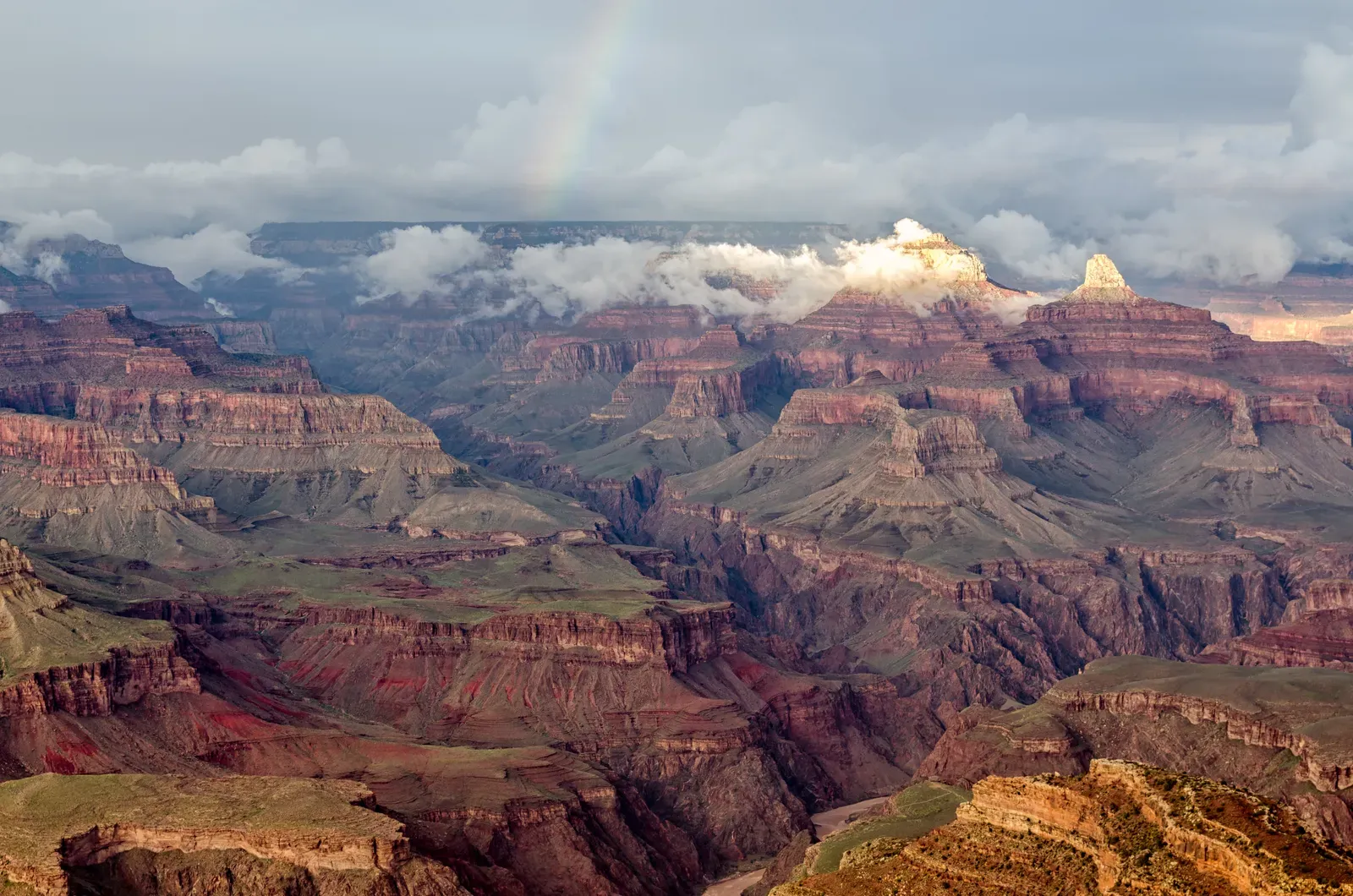
If there is a message in those widening fractures and more frequent rockfalls, it is not that the Grand Canyon is about to vanish; it is that nothing, not even the most monumental landscape we know, is immune to change. I think we are uncomfortable with that because it mirrors what we feel in the rest of our lives right now: systems that once seemed solid are showing their own hairline cracks, and the pace of shift feels like it is picking up everywhere we look. The canyon becomes a kind of stone mirror, reflecting back a world where slow processes are starting to move just fast enough for us to notice.
My own view is that we should let that discomfort sharpen us rather than scare us. Instead of clinging to an illusion of geological stillness, we can learn to see the Grand Canyon more honestly, as a living, shifting structure that demands humility and care. If we can accept that this vast chasm is still in motion and treat it with the respect a moving giant deserves, maybe we can extend that mindset to the rest of the planet we are reshaping. The canyon is cracking open, but the bigger question is whether we are willing to crack open our certainty and pay attention; are we?