
You spend your working years watching the clock; retirement is your chance to watch a wagging tail instead. The catch, of course, is that a dog can quietly become a big expense if you are not careful about the breed you choose. Food, vet bills, grooming, and everyday supplies all add up, and when you are living on a fixed income, surprise costs can feel stressful instead of joyful.
The good news is that there are several breeds that tend to be affordable to keep, gentle to live with, and wonderfully in tune with a calmer, retired lifestyle. You will still have responsibilities and occasional vet bills with any dog, but if you choose wisely, you can enjoy companionship without constantly worrying about money. Below are twelve breeds that often while still filling your days with warmth, routine, and a lot of goofy moments.
1. Beagle: Small Size, Big Personality

If you want a dog that makes you laugh every day without draining your wallet, a Beagle is worth a serious look. Because Beagles are small to medium in size, they do not eat like a large-breed dog, which helps keep your monthly food bill very manageable. Their short coat is easy to care for at home with a simple brush and occasional bath, so you are not stuck paying for frequent professional grooming.
As a retiree, you will probably appreciate that a Beagle is sturdy and active enough to enjoy slow walks or gentle hikes, but not so intense that you need to be out running for miles. Health-wise, you do want to watch for weight gain and ear infections, yet many Beagles live long, healthy lives with basic preventive care and a sensible diet. If you enjoy a slightly mischievous, curious companion who will remind you to get outside every day, this breed can give you a lot of joy for relatively low ongoing cost.
2. Chihuahua: Tiny Dog, Tiny Bills

If your retirement budget is tight or you are living in a small apartment or condo, a Chihuahua can be surprisingly practical. Their size alone keeps expenses low: you buy small bags of food that last a long time, and most medications, flea preventatives, and routine treatments cost less because the doses are based on weight. You also will not need a big bed, giant crate, or heavy-duty leash; most of the gear for a Chihuahua is on the cheaper end simply because it is smaller.
On the care side, you can trim their nails yourself, give them quick baths in the sink, and usually skip professional grooming altogether if you choose a smooth-coated type. Long-haired Chihuahuas may need a little more brushing, but it is still something you can do while watching TV. You should be aware that some Chihuahuas can have dental problems, so you will want to keep up with tooth brushing and budget for cleanings here and there. Still, compared to many larger dogs, you are looking at a pet whose overall cost of living tends to be modest, especially if you adopt an adult instead of buying a fashionable puppy.
3. Dachshund: Low to the Ground, Manageable Costs

Dachshunds, with their long backs and short legs, are instantly recognizable and often a great match for retirees who want a fun companion without huge monthly bills. In terms of food, they fall into the small-dog category, so feeding them high-quality kibble is still fairly inexpensive. Their grooming needs depend on coat type: smooth Dachshunds are especially low-maintenance, while long-haired and wire-haired types just need regular brushing you can easily handle at home.
Where you do need to be careful is their back health, because that famous long spine is prone to problems if you are not sensible. You can protect your budget and your dog by using ramps, discouraging jumping from furniture, and keeping your Dachshund lean rather than overfed. Many live long, lively lives with basic, steady care, and they tend to enjoy short walks and plenty of couch time. If you like a little bit of stubborn charm and do not mind being followed from room to room, this breed can give you companionable years without requiring a steep financial commitment.
4. Bichon Frise: Cheerful and Allergy-Friendly
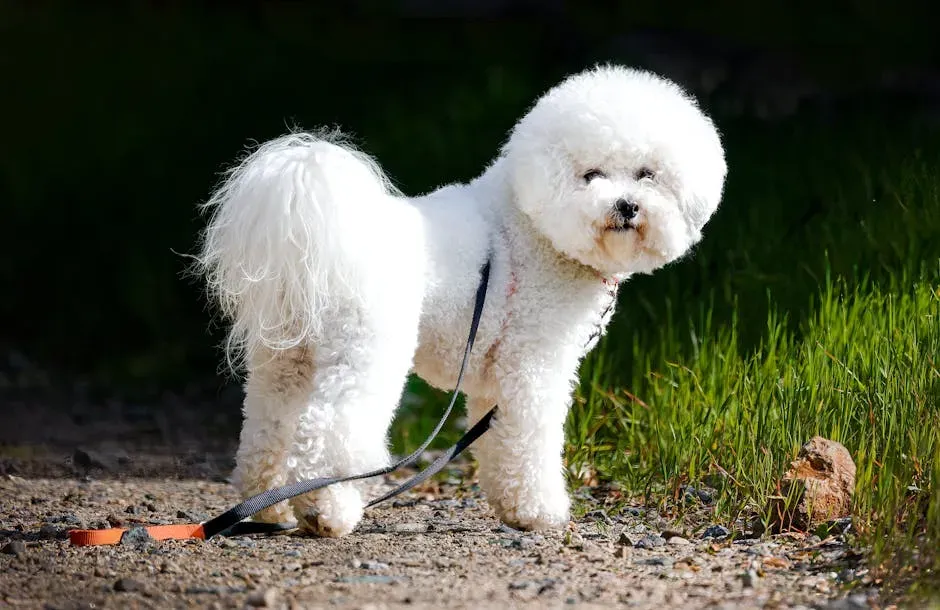
If you have allergies or simply do not want a house full of shed fur, a Bichon Frise might fit your life nicely. These small, cheerful dogs are known for their fluffy white coats that shed very little, which helps keep your cleaning time down. They do typically need regular grooming, and that is the main recurring cost to keep in mind, but you can reduce expenses by learning some basic at-home maintenance between professional visits, like brushing and small trims around the eyes.
Beyond grooming, Bichons generally eat modest portions, and they are usually happy with moderate daily exercise like neighborhood walks and a bit of play inside. Many owners find them to be sturdy yet light enough to pick up easily, which can be a real plus if you have mobility issues. As with any purebred dog, there are potential health issues to watch for, but many Bichons enjoy relatively long, healthy lives with routine checkups. If you value a dog that looks like a little cotton ball and acts like a sunbeam, you may find the overall cost very reasonable for the joy they bring.
5. Boston Terrier: Compact and Easygoing

Boston Terriers have a certain charm that makes them feel like little gentlemen in tuxedos, and they can be excellent companions when you are retired. Their compact size means you are not buying massive quantities of food, and many routine medications are lower in cost than they would be for a larger dog. Their short coat is simple to care for with a quick weekly brushing and the occasional bath, so you can generally skip expensive grooming appointments.
They are often happy with a few short walks a day and some indoor play, which fits nicely if you are not looking for a high-energy jogging partner. You should be aware that, as a short-nosed breed, some Boston Terriers can have breathing or eye issues, so it is wise to choose a reputable source and keep an emergency fund if possible. That said, plenty of Bostons live active, comfortable lives with routine veterinary care, and they typically love being close to their people. If you want a dog that is playful, affectionate, and still fairly easy on the wallet, this breed deserves a spot on your list.
6. Pug: Big Heart in a Small, Budget-Friendly Body

Pugs are famous for their expressive faces and funny little snorts, and while they are not the lowest-maintenance dogs on this list, they can still fit a retirement budget if you go in with open eyes. Their small size helps you right away: they eat modest portions, and everything from harnesses to beds can be bought in the smaller, cheaper ranges. Their short coat does shed, but you do not need to pay for complex haircuts; a regular brushing routine at home is usually enough.
The main concern with Pugs is health, since their short noses can be linked with breathing problems, and they can be prone to eye and skin issues. To protect your wallet, you will want to keep them slim, avoid overheating, and schedule routine vet visits to catch small issues before they become big ones. Many Pugs are couch-loving companions who are thrilled with gentle strolls and lots of lap time, so you are not paying for intense training or heavy activity gear. If you are drawn to their clownish charm and are willing to put a little effort into preventive care, you may find their day-to-day costs surprisingly manageable.
7. Mixed-Breed Shelter Dog: The Hidden Budget Champion

If you want to stretch your retirement dollars as far as possible, a mixed-breed dog from a shelter is often the smartest financial choice. Adoption fees usually cover initial veterinary work like vaccinations, spaying or neutering, and sometimes even microchipping, which can save you a lot compared to buying a puppy and paying for everything separately. Mixed-breed dogs can also have fewer inherited health problems than some purebreds, which may mean fewer surprise vet bills over the long term, though nothing is guaranteed.
From a practical standpoint, you can choose a dog whose adult size and energy level already match your lifestyle, instead of guessing how a puppy will turn out. That means you can pick a dog that will not eat you out of house and home or drag you down the street. Shelters are often very honest about a dog’s habits, which helps you avoid expensive surprises like severe anxiety or destructive behavior. If you enjoy the idea of giving a second chance while also keeping your budget under control, a mixed-breed shelter dog may be the perfect retirement partner.
8. French Bulldog: Low Exercise, Predictable Day-to-Day Costs
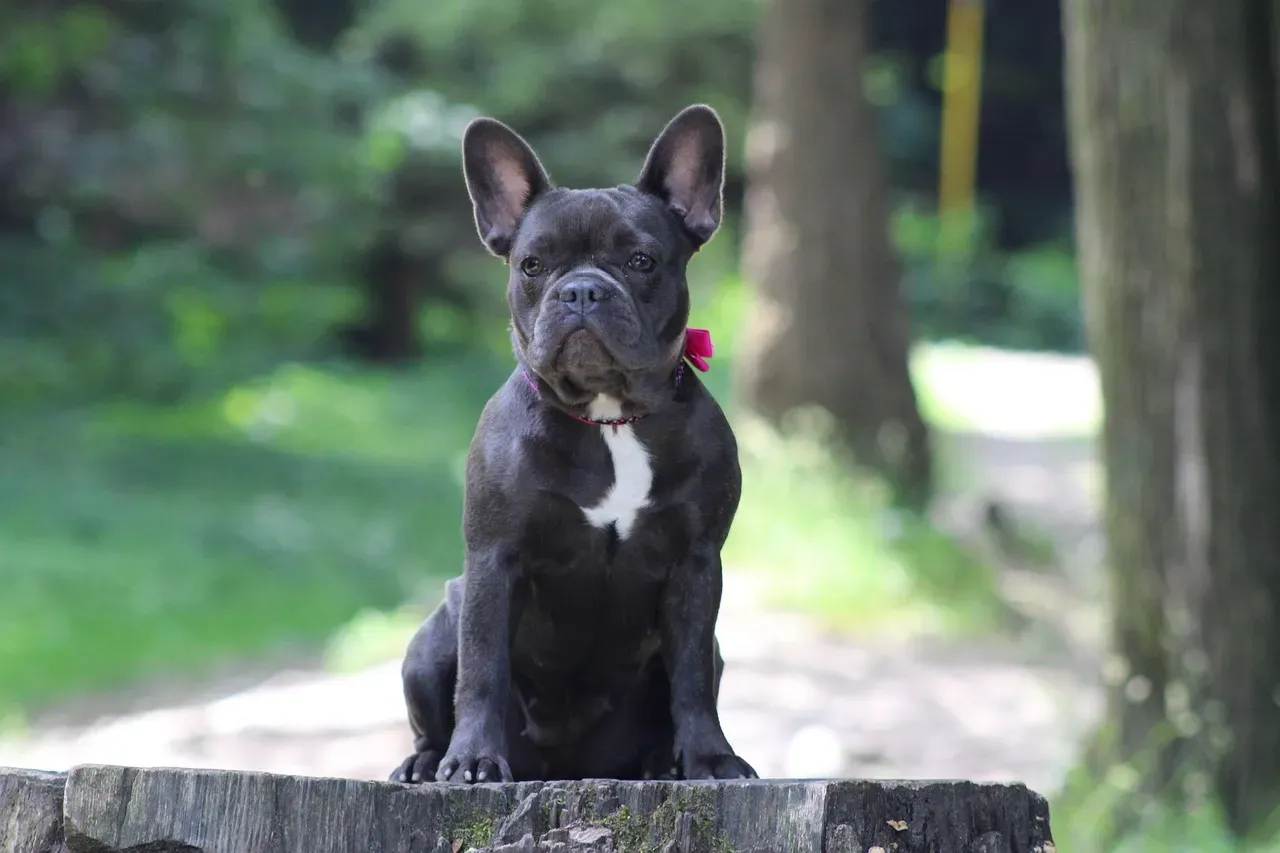
French Bulldogs have become incredibly popular, and while the purchase price for a puppy can be high, the day-to-day upkeep is often manageable if you already have your dog. They are small and muscular, so their food intake is not large, and routine items like collars, beds, and treats stay in the more affordable range. Their coat is very short and low-maintenance, meaning you can keep grooming costs extremely low with basic brushing and baths at home.
The main reason some retirees choose a French Bulldog is that they do not require long, energy-intensive walks; a few short outings and some indoor play usually keep them content. You will need to be cautious with heat and overexertion, because their short noses make them sensitive, so you may actually save money on outdoor gear you never end up needing. There can be health risks in this breed, particularly if the dog comes from irresponsible breeding, so you want to be careful and realistic about that. Still, for someone who already has a French Bulldog or adopts one thoughtfully, the everyday costs often fit comfortably within a fixed retirement budget.
9. Greyhound: Surprisingly Low-Maintenance Gentle Giant

At first glance, a Greyhound might look too big and athletic to fit into a tight budget, but they are one of the best-kept secrets in the dog world for retirees. Many retired racing Greyhounds are available through adoption groups for reasonable fees, and these usually include spaying or neutering, basic medical care, and sometimes even dental work. Despite their size, Greyhounds tend to be naturally lean and do not eat as much as you might expect, especially compared to other large breeds that are heavier and bulkier.
You also save money on grooming because their coat is extremely short and low-shedding, needing only basic brushing and quick baths. Exercise needs are often misunderstood: most Greyhounds are happy with a couple of short walks a day and some time to stretch their legs in a secure area, then they lounge around the rest of the time like professional nappers. As with any bigger dog, certain medications or procedures can cost more because of their weight, so it is smart to keep a small emergency fund. But if you want a calm, affectionate companion who behaves like an oversized cat indoors, a Greyhound can be a surprisingly budget-friendly choice.
10. Yorkshire Terrier: Little Dog, Manageable Long-Term Costs

Yorkshire Terriers, or Yorkies, are tiny dogs with big attitudes, and they can slot nicely into a retirement budget if you plan ahead. Because of their toy size, almost everything you buy for them is on the smaller side: food, harnesses, beds, and even boarding fees if you travel. You will notice savings on medications as well, since doses for a small dog are often much cheaper than for a large one.
The main ongoing cost for a Yorkie is grooming, because their silky hair can grow long and tangle if it is not cared for. You can reduce salon visits by keeping their coat in a shorter, practical trim and learning some basic maintenance, like brushing and cleaning around the eyes. Yorkies generally need moderate exercise – short walks and some playtime indoors can keep them happy – so you will not be investing in intense training or long-distance gear. If you like the idea of a portable, alert companion who still respects an afternoon nap, this breed can give you a lot of personality without a constant financial strain.
11. Jack Russell Terrier (or Parson Russell): Energetic but Economical
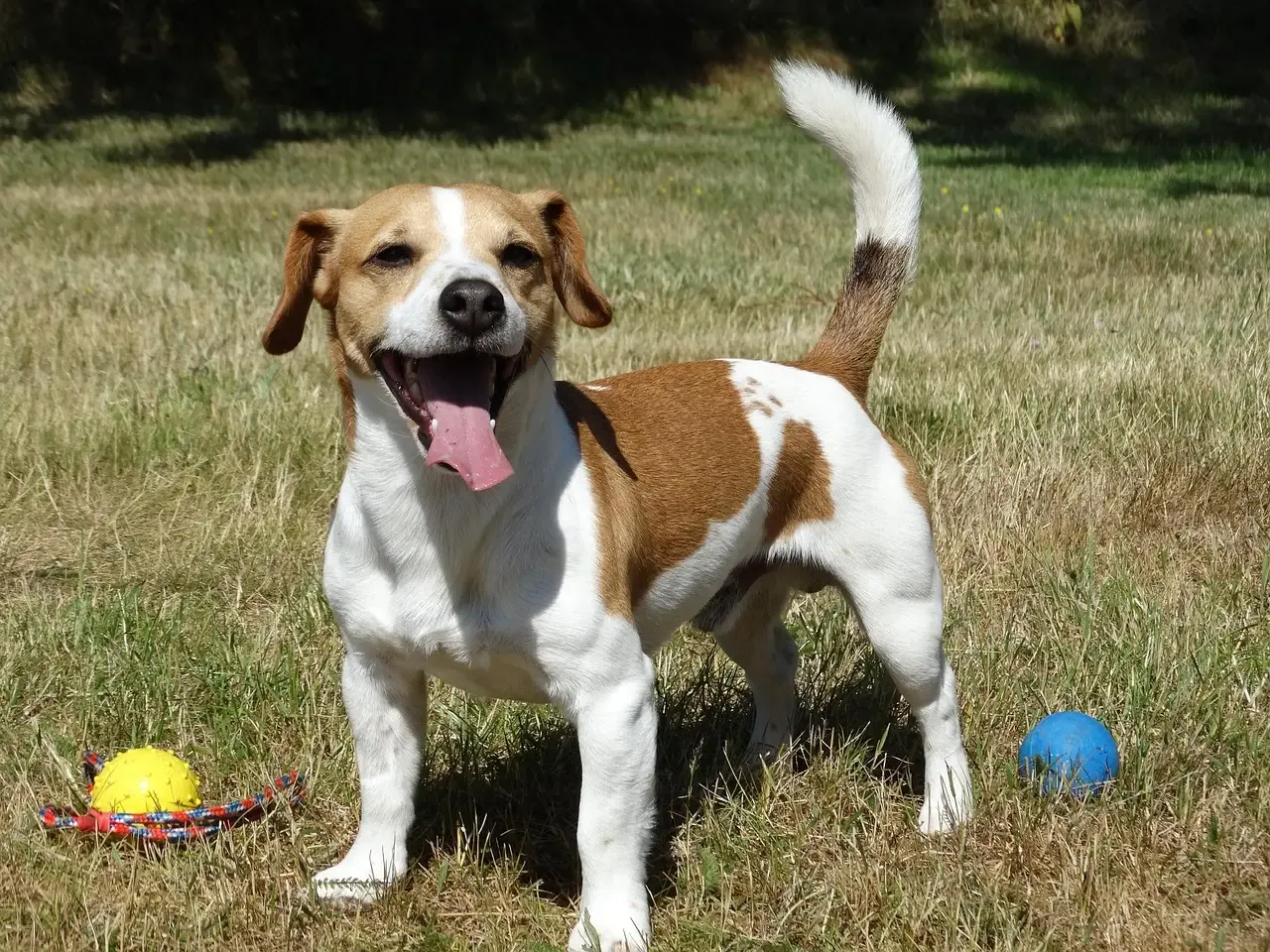
If your health allows for a bit more activity, a Jack Russell Terrier (often now called a Parson Russell) can be a fun, budget-conscious choice. These dogs are small and athletic, which means they eat modest portions compared to larger, equally energetic breeds. Their short coat needs very little in terms of professional grooming, so you can handle most of the care yourself with a brush and occasional baths.
What you really pay with this breed is more in time and attention than in cash. They thrive on mental stimulation and regular exercise, which, fortunately, does not cost you anything beyond a good leash and your own walking shoes. If you enjoy being outdoors, gardening, or taking frequent walks, a Jack Russell can slot right into that lifestyle. As long as you set clear boundaries and provide structure, you can enjoy a lively, clever companion whose financial costs remain fairly modest over the years.
12. Shih Tzu: Calm Companion with Controllable Grooming Costs

Shih Tzus were bred to be lapdogs, and that history shows in how well they adapt to a quieter routine, making them a natural fit for many retirees. In terms of finances, their small size keeps food and medication costs on the lower side, and they usually do not demand intense physical exercise. A few gentle walks and some indoor play or training games are typically enough to keep them content and healthy.
The main budget consideration with a Shih Tzu is grooming, since their long coat can mat if it is not cared for. You can manage this by choosing a shorter “puppy cut” that is easier and cheaper to maintain, then brushing at home between salon visits. Many owners find grooming time to be relaxing, almost like brushing a doll’s hair, and it becomes a pleasant part of the daily routine. If you want a friendly, affectionate dog who enjoys being close by while you read, watch TV, or putter around the house, a Shih Tzu can offer all of that without putting overwhelming pressure on your retirement finances.
Conclusion: Choosing Companionship That Respects Your Wallet

Bringing a dog into your retired life is not just about filling time; it is about adding structure, affection, and a reason to get out of bed on days when you might linger a little too long. Every breed in this list offers a slightly different mix of energy, grooming needs, and medical considerations, but they all share one thing: with sensible planning and preventive care, they can fit into a modest retirement budget. When you think about cost, it helps to look beyond the purchase or adoption fee and focus on the regular expenses – food, grooming, vet visits, and occasional surprises – and choose a dog whose needs match what you can comfortably afford.
If you adopt thoughtfully, keep up with basic health care, and maybe learn a few simple grooming skills, you can enjoy years of companionship without constantly watching the numbers. The right dog will not just fit your budget; they will fit the rhythm of your days, your walking pace, and your favorite spot on the couch. As you picture your own retired life, which of these wagging, snoring, couch-hogging companions feels like they would slide most easily into your daily routine?