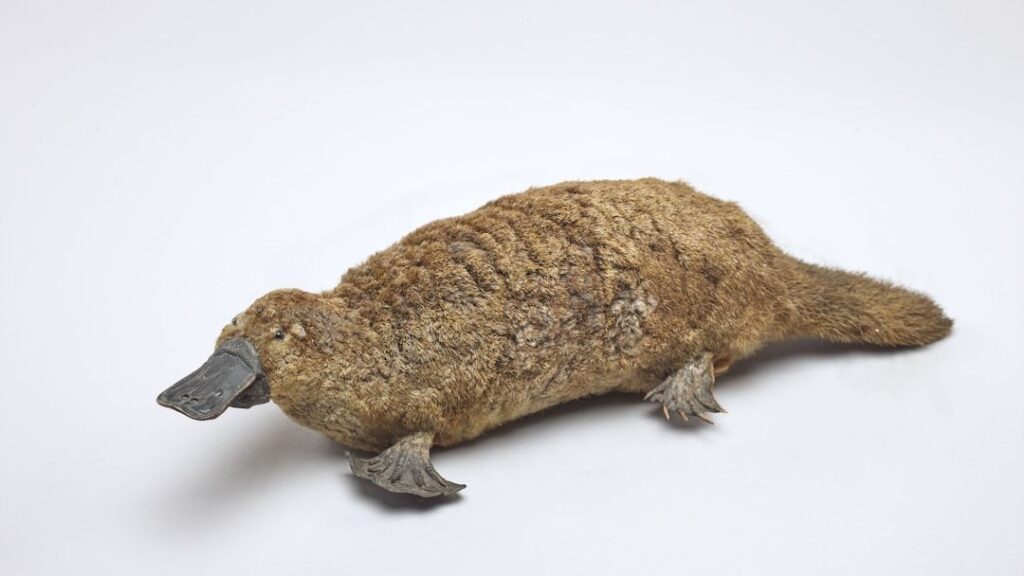

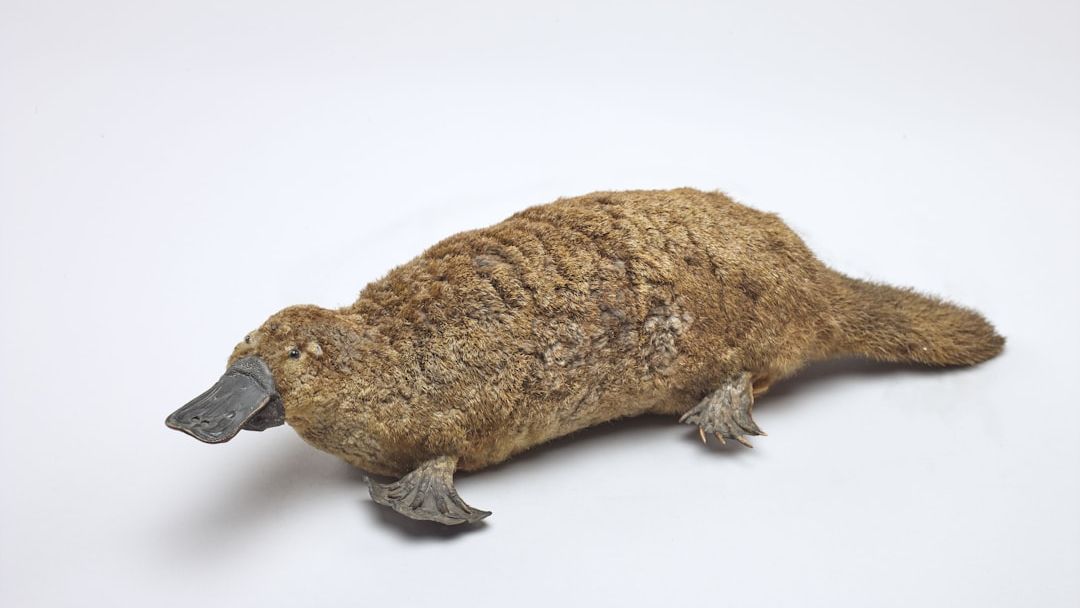
Platypus population expands to 20 in Australia's Royal National Park – Image for illustrative purposes only (Image credits: Unsplash)
Royal National Park, just south of Sydney, holds a network of creeks and rivers that have quietly become home to a growing group of platypuses. Recent monitoring by researchers from UNSW Sydney shows the reintroduced population now includes 20 known individuals. The increase stems from the release of four more animals combined with fresh surveys completed across the park in May 2026.
Tracking a Careful Return
Platypuses disappeared from many parts of their historic range in New South Wales decades ago. Reintroduction programs aim to restore them where habitat remains suitable. The current effort in Royal National Park focuses on animals bred or sourced for release, followed by repeated checks to see how they settle. Survey teams use a mix of methods to locate the elusive creatures without disturbing them. Each new sighting or capture adds to the tally of confirmed residents. The latest round of work brought the total to 20, a modest but encouraging step for a species that faces ongoing pressures from habitat loss and changing water conditions.
What the Latest Count Reveals
The figure of 20 represents only those animals that researchers have been able to identify so far. Platypuses spend much of their time hidden in burrows or underwater, so the true number could be higher or lower. Scientists treat these counts as minimum estimates rather than complete population snapshots. The four newest releases appear to have integrated without immediate signs of conflict or disappearance. Follow-up observations will show whether breeding occurs and whether young survive to join the visible group. Such details matter because small, isolated populations remain vulnerable to random events or gradual environmental shifts.
Looking Ahead for the Species
Conservation teams will continue regular surveys to watch for signs of growth or trouble. Water quality, food availability, and the presence of predators all influence long-term success. Any expansion beyond the current known individuals will depend on these factors remaining favorable over multiple seasons. The project also offers a chance to refine reintroduction techniques for other sites. Lessons from Royal National Park can help guide similar work elsewhere along the east coast. Steady monitoring remains the practical way to turn early gains into lasting recovery for this distinctive Australian mammal.
Hi, I’m Andrew, and I come from India. Experienced content specialist with a passion for writing. My forte includes health and wellness, Travel, Animals, and Nature. A nature nomad, I am obsessed with mountains and love high-altitude trekking. I have been on several Himalayan treks in India including the Everest Base Camp in Nepal, a profound experience.