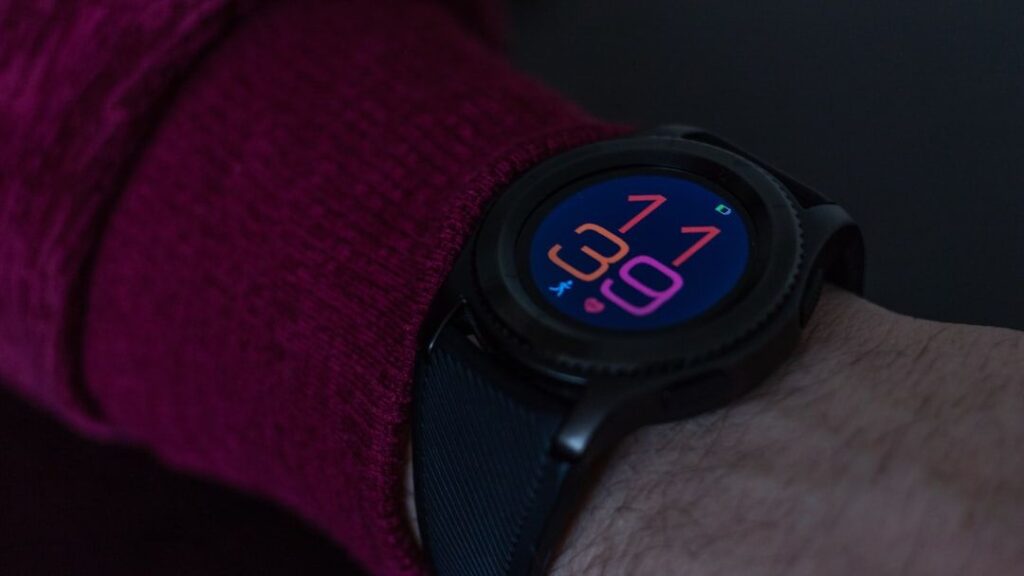
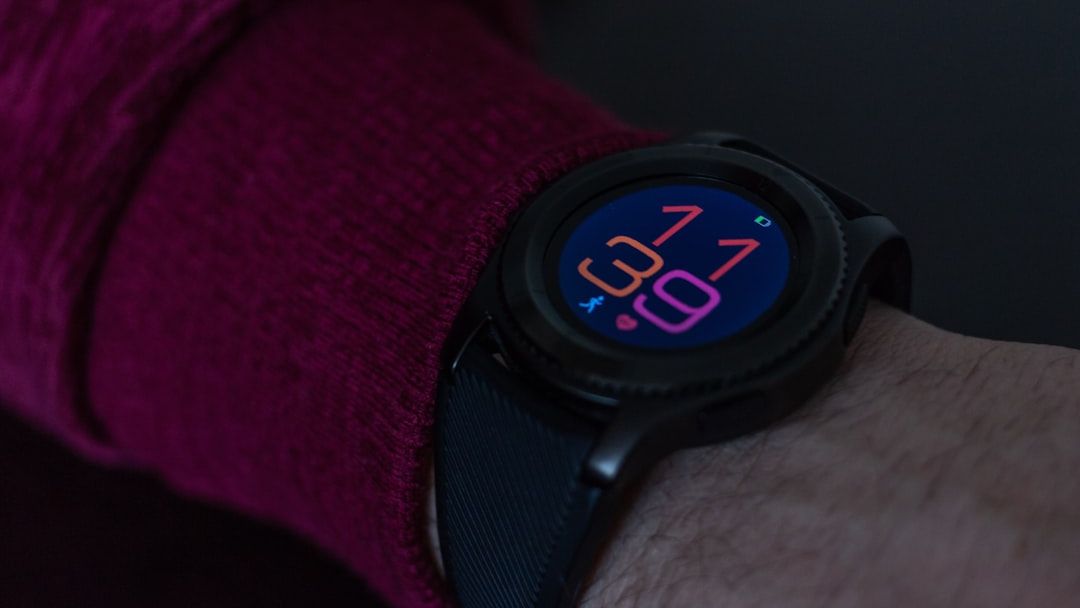
Why Sleep Apps Are Failing Those Who Need Them Most (M) – Image for illustrative purposes only (Image credits: Unsplash)
Sleep apps have grown into a common resource for people seeking better rest at night. Yet for some users the very tools meant to support healthy sleep patterns end up creating new obstacles instead. This outcome points to a mismatch between how the apps are built and how individual sleep needs actually work.
The Core Paradox at Play
Many individuals download sleep apps with clear expectations of improvement. They track bedtime routines, listen to guided audio, or monitor heart rate in hopes of gaining control over restless nights. When the opposite occurs, the disappointment can feel especially sharp because the effort was already invested in finding a solution.
The result leaves users questioning whether technology belongs in the bedroom at all. Some report that the simple act of opening the app shifts their focus away from natural wind-down habits. Others notice that the data displayed each morning adds a layer of self-judgment that lingers into the next evening.
Why the Tools Sometimes Miss the Mark
One frequent observation involves the light emitted by phone screens during evening use. Even brief sessions can delay the body’s natural release of melatonin, making it harder to fall asleep once the device is set aside. Another factor centers on the pressure that comes with constant measurement of sleep stages or total hours.
When an app labels a night as “poor” or “fragmented,” the label itself can heighten worry about the following night. This cycle turns a helpful intention into an added source of tension. Users who already experience occasional insomnia appear especially sensitive to these effects, because the feedback reinforces existing concerns rather than easing them.
Design choices also play a role. Notifications that arrive at fixed times or prompts that encourage checking progress can interrupt the quiet period the body needs before sleep. In these cases the app functions more like an alarm than a calming aid.
Practical Steps That Reduce the Risk
People who want to keep using sleep apps can limit screen time to earlier in the evening and switch to audio-only modes when possible. Reviewing data only once a week instead of daily helps keep the information from becoming a daily source of stress. Some users also combine the app with simple offline habits such as consistent room temperature or a short reading period before lights out.
Testing different apps or features allows individuals to find which elements support their routine and which ones create friction. When an app begins to feel counterproductive, pausing its use for a week or two often clarifies whether the tool or the timing is the real issue.
Key point: Sleep apps work best when they remain one small part of a broader routine rather than the central focus of every night.
Technology continues to evolve, yet the basic need for uninterrupted rest remains unchanged. Users who treat apps as optional supports rather than required solutions tend to maintain more consistent results over time. The experience serves as a reminder that personal biology still sets the pace, even when helpful devices are close at hand.