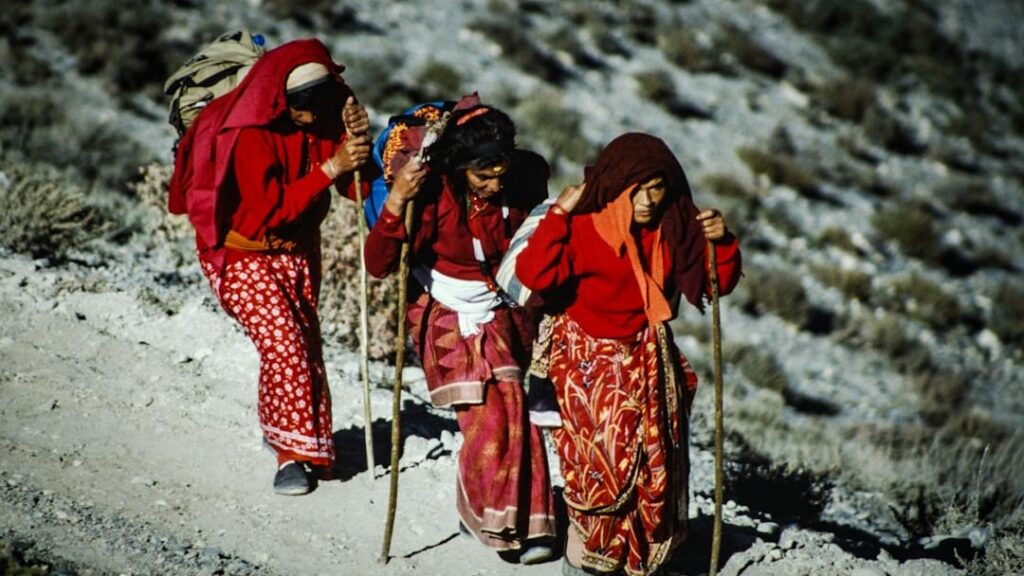
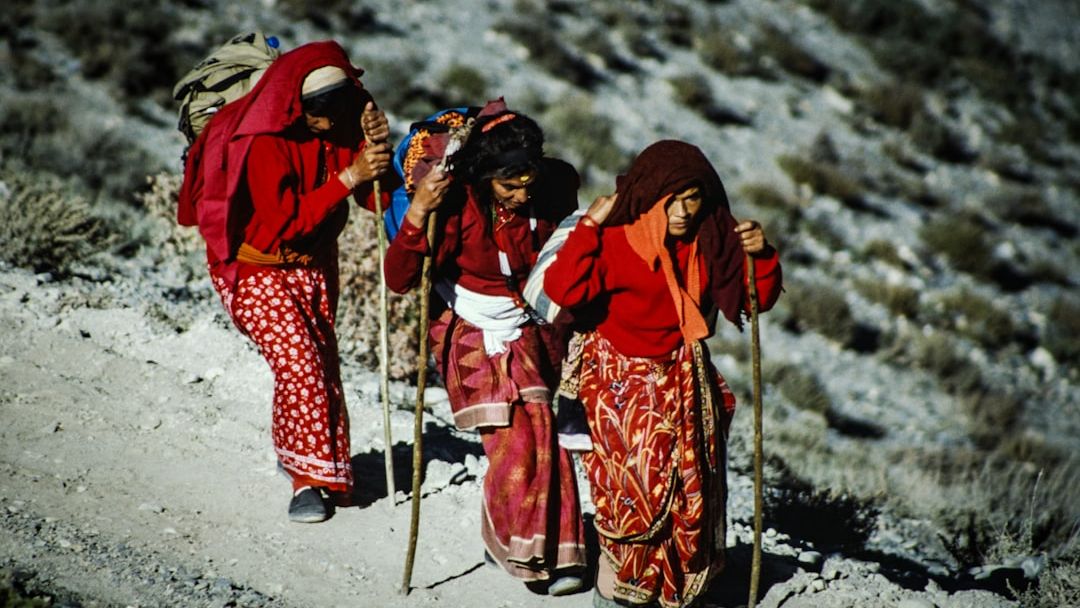
Rural women at increasing risk of human-wildlife conflict in Nepal – Image for illustrative purposes only (Image credits: Unsplash)
Bardiya, Nepal – A 17-year-old girl from a Dalit family was killed by a tiger while cutting grass for livestock in December 2025, one of several deaths that followed in quick succession around Bardiya National Park. The incident came amid Nepal’s widely celebrated growth in tiger numbers, yet it underscored a quieter crisis unfolding in communities along the forest edge. Large-scale migration of men for work abroad has left women managing nearly every aspect of farming and household needs, pushing them into areas where wildlife encounters have become routine and often fatal.
Daily Tasks Turn Deadly
Women now handle the bulk of chores that once involved entire households, including gathering firewood, collecting fodder, and herding cattle near protected forests. These activities place them directly in zones where tigers and other animals move freely, especially at dawn and dusk. Forest department data from 2021 through 2025 show that most people attacked while cutting grass were women, reflecting how the “feminization of agriculture” has reshaped exposure to risk.
Recent records indicate that nearly one-third of fatal attacks occur during cattle herding and another third during grass cutting. The forests involved are officially designated for community use, yet they border core tiger habitat. In Bardiya district alone, 84 percent of recorded attacks in 2024 took place within one kilometer of the forest boundary.
Tragedies Along the Khata Corridor
Five additional deaths occurred within four weeks after the December incident, many of them in or near the Khata Corridor that links Bardiya National Park with India’s Katarniaghat Wildlife Sanctuary. Wildlife movement peaks along trails, water sources, and forest edges during early morning and evening hours, overlapping exactly with the times women perform their daily work. The corridor has become a focal point for both conservation success and human cost.
Local accounts describe how women travel these routes alone or in small groups, often without the support structures that existed before male migration accelerated. The pattern has turned routine subsistence into a high-stakes activity repeated every day.
Key Factors Driving the Increase
Several overlapping changes explain why women now account for the majority of recent victims:
- Male out-migration for overseas jobs has shifted agricultural labor almost entirely to women.
- Community forests designated for fodder and firewood lie directly adjacent to tiger habitat.
- Peak wildlife activity coincides with the early-morning and late-day hours when women collect resources.
- Attacks cluster within one kilometer of forest boundaries, where daily paths are most concentrated.
These elements combine to create repeated exposure rather than isolated incidents. Conservation gains have not been matched by adjustments in how communities manage daily forest use.
Broader Implications for Communities
The deaths have left families without primary caregivers and have strained already limited support systems in marginalized households. Women continue to enter the same forests because alternatives for fodder and fuel remain scarce. Without changes in how conservation areas interface with daily life, the human toll is expected to persist alongside the growing tiger population.
Observers note that the corridor’s role in connecting habitats has boosted wildlife numbers while simultaneously concentrating risk for those living closest to it. The situation highlights an unresolved tension between national conservation milestones and the safety of the people who live beside them.