If your mental image of sharks comes straight from horror movies and clicky headlines, you’re not alone. For decades we’ve been told one story: sharks are mindless monsters lurking in the deep, just waiting for a chance to attack. But when you actually look at what science has uncovered, that story falls apart fast. The reality is way more surprising, way more complex, and honestly, way more beautiful.
Once you strip away the drama and focus on hard data, sharks stop looking like villains and start looking like what they really are: ancient, sophisticated guardians of the oceans. Learning about them feels a bit like finding out the “scary neighbor” down the street is actually a quiet, brilliant engineer who’s been fixing everyone’s plumbing for free. By the time you finish these ten facts, you might not only stop fearing sharks – you might wonder how we ever justified fearing them in the first place.
1. Sharks Almost Never Attack Humans (And Usually By Mistake)
Let’s start with the big one: the fear of being attacked by a shark at the beach. Statistically, this fear is wildly out of proportion to reality. The number of unprovoked shark bites per year worldwide is tiny compared with how many people enter the ocean, and fatal incidents are even rarer. You’re more likely to be injured by fireworks, household tools, or even falling coconuts than by a shark in the water.
When sharks do bite humans, marine biologists believe it’s often a case of mistaken identity or simple curiosity, not a deliberate hunt. Surfers in wetsuits can look like seals from below, and sharks investigate the world with their mouths the way we use our hands. In many cases, the shark bites once and immediately lets go, which fits much more with “What is this?” than “I’m trying to eat you.” That’s not comforting in the moment, of course, but it does destroy the myth of sharks as relentless human hunters.
2. Sharks Are Older Than Trees, Dinosaurs, And Most Things You Can Imagine
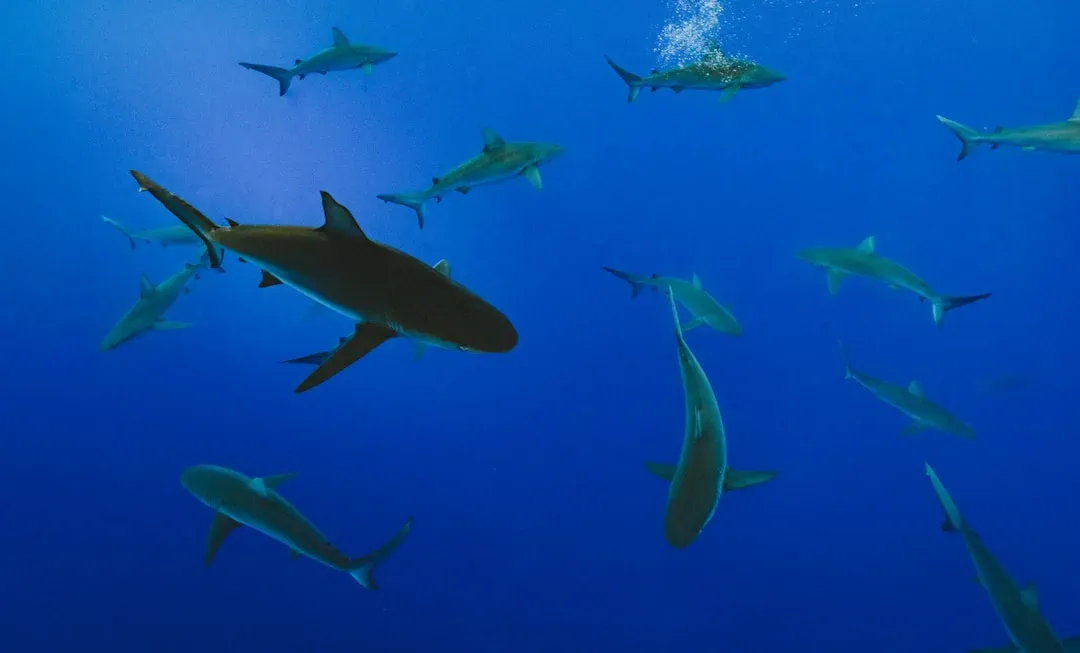
Here’s a fact that feels almost impossible: sharks have been around for more than four hundred million years, which means they existed long before dinosaurs and even before trees covered the land. This makes them one of the most ancient lineages of large predators still alive today. Their basic body plan has been so effective that nature has kept it around through mass extinctions that wiped out entire worlds of other species.
Think about what that actually means for their reputation. It’s easy to label something as a monster when you only see it as a snapshot. But a creature that has survived dramatic climate shifts, changing oceans, and catastrophic extinction events is not mindless; it is refined. Over hundreds of millions of years, natural selection has sanded sharks down into incredibly efficient, well-balanced parts of the marine ecosystem. They’re less like horror-movie villains and more like the original long-term “engineers” of ocean life.
3. Many Sharks Are Shy, Gentle, Or Even Vulnerable Creatures
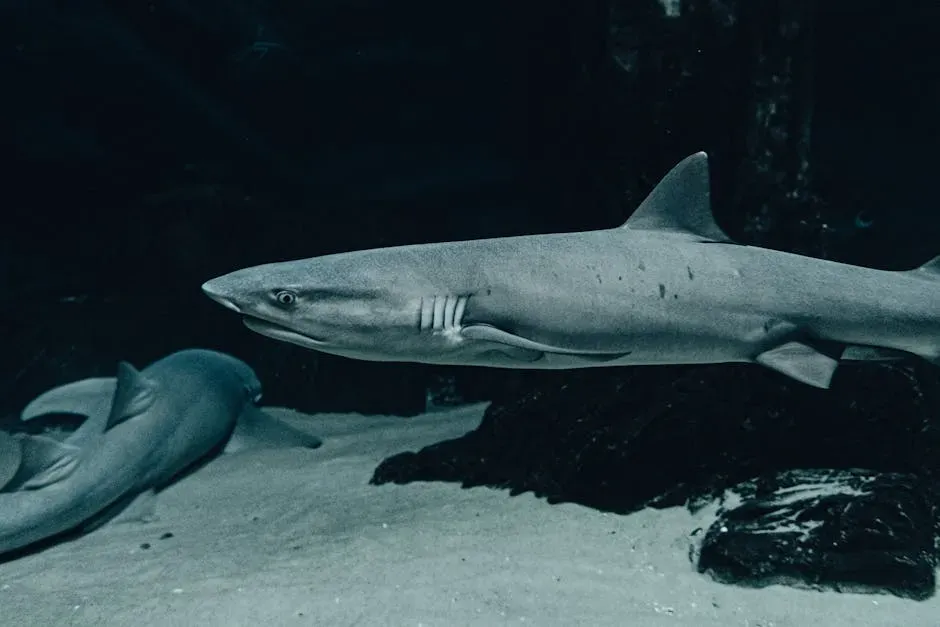
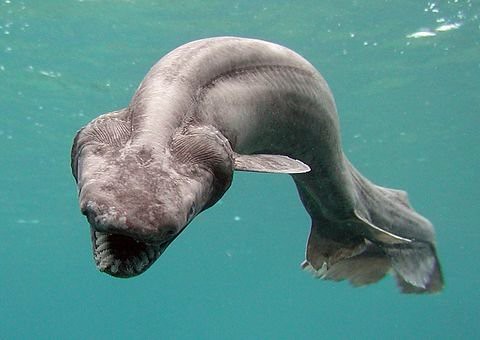
When people say “shark,” they often mean great white, tiger, or bull shark – the big, dramatic species you see on documentaries. But there are more than five hundred known shark species, and a huge number of them are small, elusive, and almost never encountered by people. Many deep-sea sharks drift slowly through the darkness, feeding on fish or invertebrates, not exactly the stuff of nightmare posters. Some species could fit in your hand and would rather flee than fight.
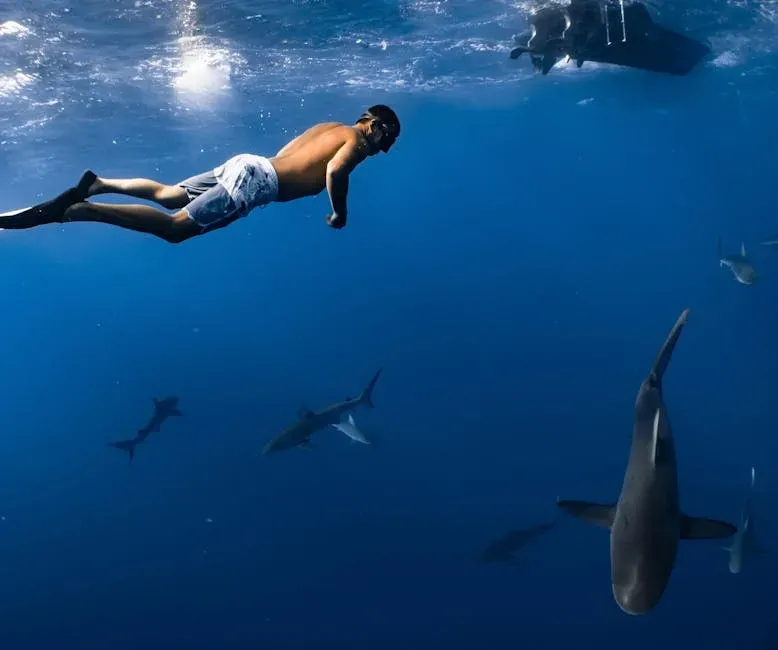
Even the larger sharks we name aggressively are not constantly on the prowl for a fight. Like most wild animals, sharks want to avoid unnecessary risk. A serious injury can mean death for them, so they tend to be cautious and conservative. In some places, divers regularly swim with large sharks that, once they get used to people, behave calmly and predictably. It’s not that they are cuddly pets – they are still wild predators – but their actual behavior is far closer to wary and self-protective than to reckless aggression.
4. Sharks Keep Oceans Healthy By Targeting The Weak And Sick
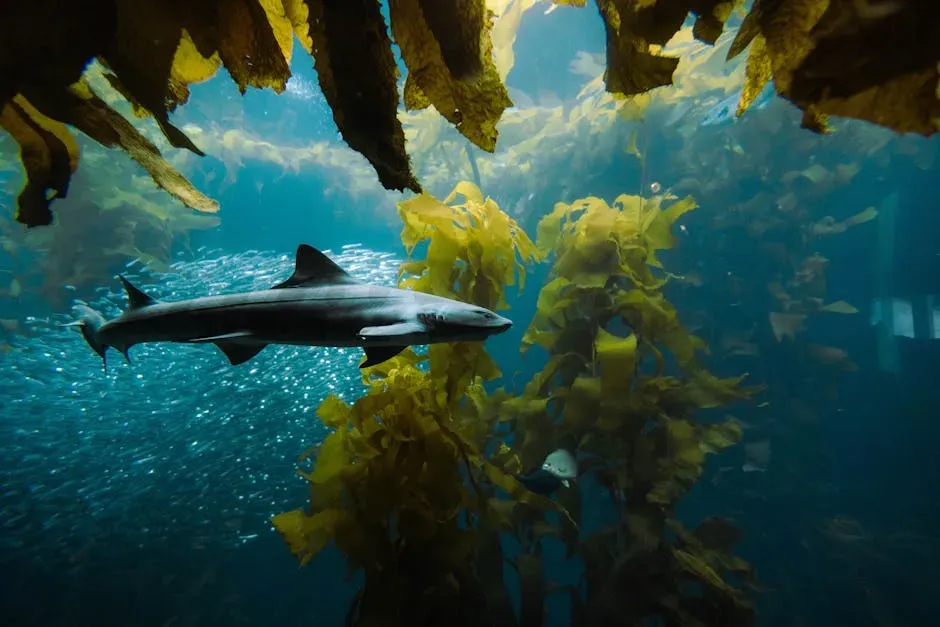
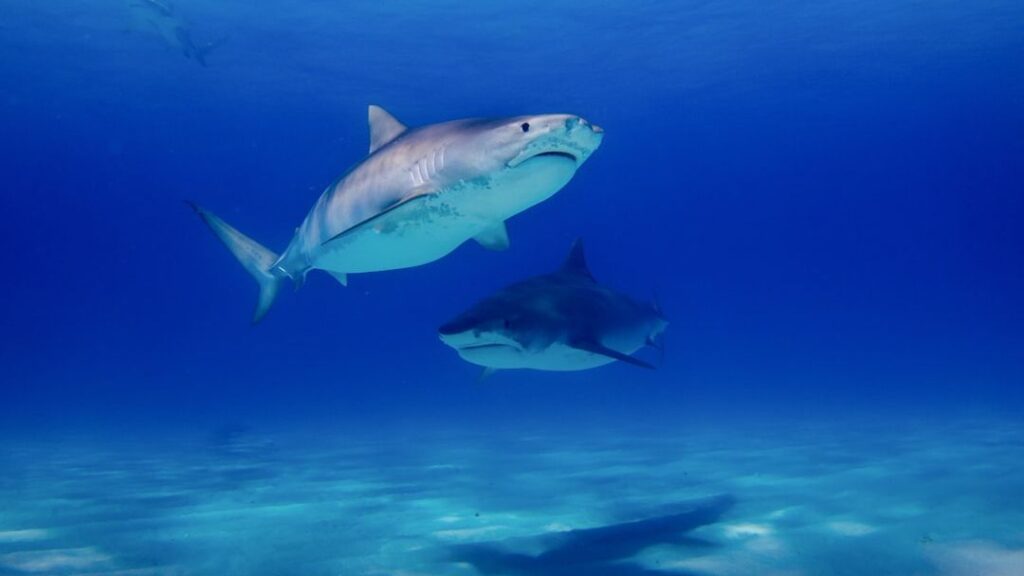
If you remove the emotional charge and just look at the job sharks do in the ocean, their role is a bit like an uncompromising health inspector. Many shark species are apex or near-apex predators, meaning they sit very high on the food chain. Instead of randomly killing everything in sight, they tend to go after animals that are injured, diseased, or otherwise easier to catch. That selective pressure helps keep prey populations strong and resilient over time.
Scientists have seen clear examples of what happens when shark numbers drop. In some regions, the decline of large sharks has allowed mid-level predators to boom, which can wipe out shellfish beds or fragile reef species. By removing the right individuals at the right time, sharks indirectly protect seagrass meadows, coral reefs, and commercially important fisheries. In other words, the animals we’ve been trained to fear are quietly doing quality control on the ocean’s entire life-support system.
5. Their Senses Are So Advanced It Borders On Science Fiction
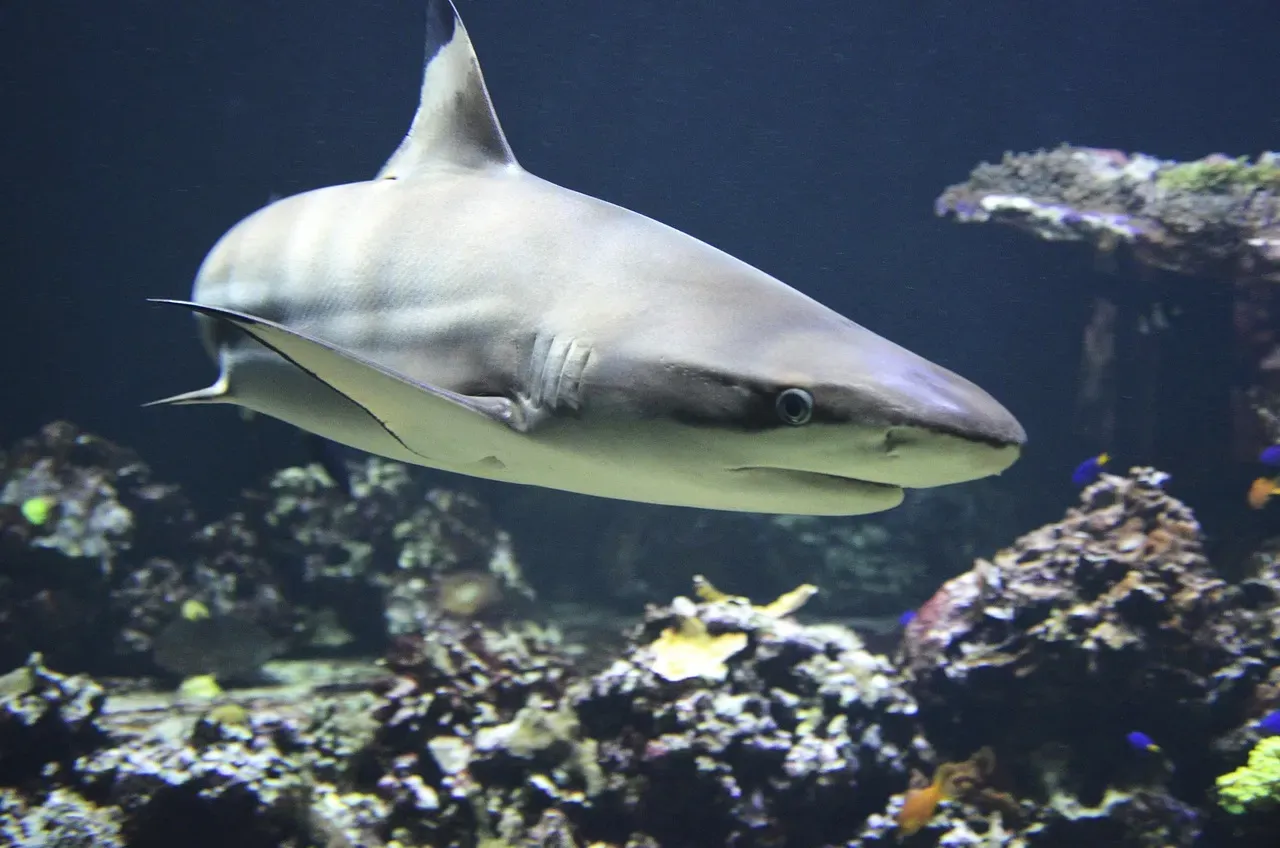
Part of why sharks seem eerie is that they obviously know what is going on around them in ways we don’t fully understand. Their sensory toolkit is legitimately next-level. Many species can detect faint traces of chemicals, like blood, in enormous volumes of water, giving them a finely tuned sense of “smell” that works at serious distances. Their hearing is sensitive to low-frequency vibrations, helping them pick up struggling fish or the movement of other animals beyond visual range.
On top of that, sharks have something we do not: the ability to sense electric fields. Tiny organs around their snout, often called ampullae of Lorenzini, allow them to detect the faint bioelectric signals produced by muscles and nerves in other animals. That means a shark can “feel” the heartbeat of buried prey or sense a fish hiding under the sand. Instead of a blind killing machine, picture an ultra-refined underwater sensor array with fins. It sounds dramatic, but it’s really just highly evolved biology doing exactly what it needs to do to survive.
6. Many Shark Species Are Seriously Threatened – By Us
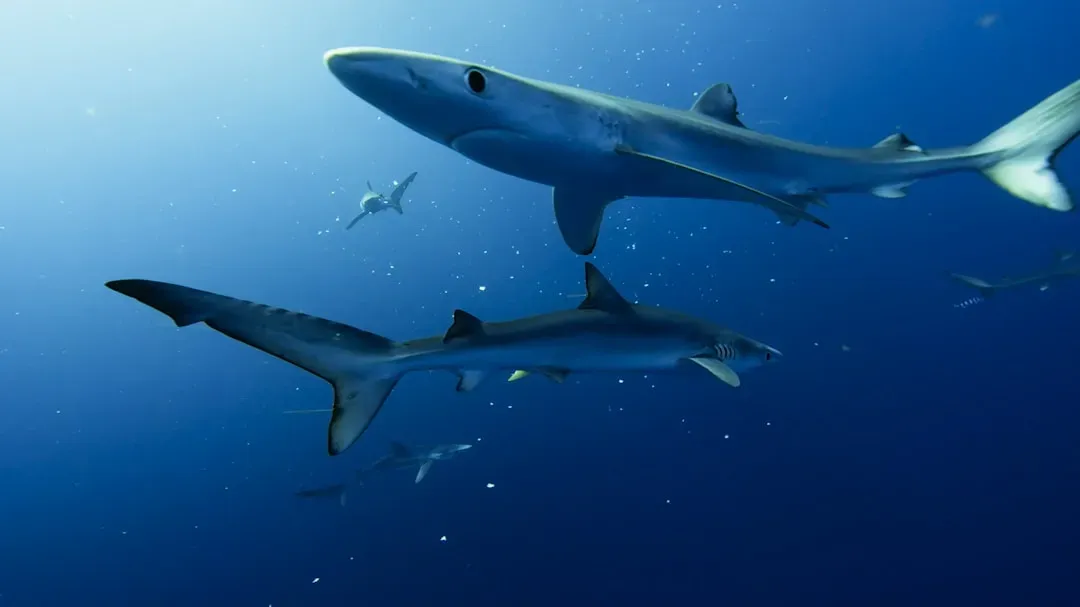
Here’s the twist nobody expects the first time they hear it: in the relationship between humans and sharks, we are overwhelmingly the dangerous ones. Each year, humans kill tens of millions of sharks, whether through targeted fishing, bycatch in nets and longlines, or practices like finning, where the fins are removed and the rest of the animal is discarded. For many species, these losses are happening faster than they can reproduce and recover.
Conservation assessments show that a significant portion of shark and ray species are now considered threatened or near-threatened with extinction. This flips the narrative completely. Instead of sharks being an unstoppable menace, they are increasingly the ones that need protection. And because sharks play such a crucial role in ocean ecosystems, their decline doesn’t just hurt them – it sends ripples through fisheries, coastal communities, and the overall resilience of the seas we depend on.
7. Sharks Reproduce Slowly, Making Them Easy To Overexploit
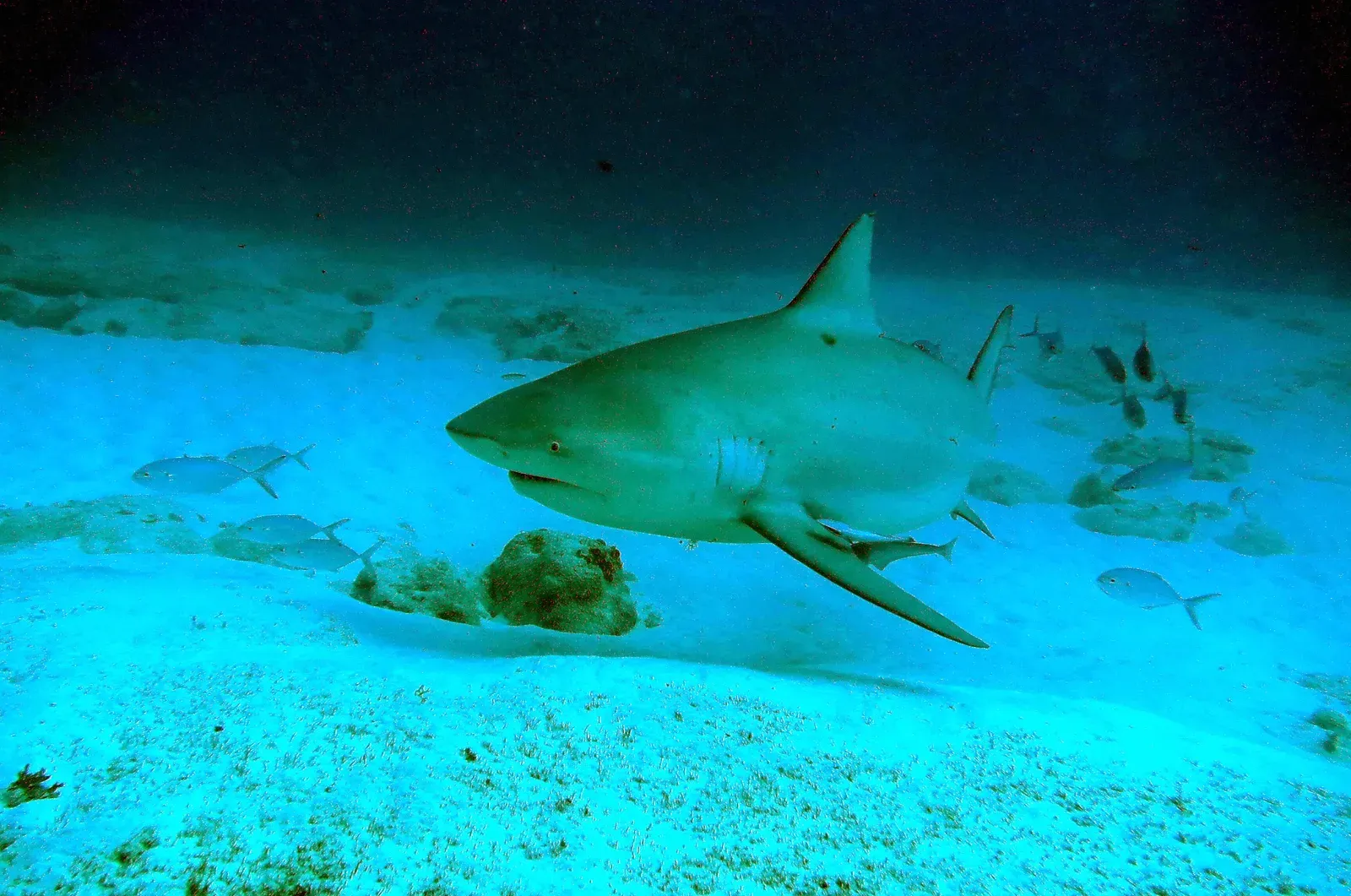
When people imagine “fish,” they often think of animals that spawn thousands of eggs, with populations bouncing back quickly after a bad year. Sharks are different. Many shark species grow slowly, take years or even decades to reach sexual maturity, and have relatively few offspring in each reproductive cycle. Some carry their young inside their bodies in a way that looks surprisingly similar to mammals, giving birth to fully formed, swimming pups.
This slow and careful life strategy works perfectly in a stable ocean where the main pressures are natural. But it is a terrible match for industrial fishing and rapid human exploitation. When you remove large numbers of slow-growing predators, their populations can crash and stay low for decades. That vulnerability is not a sign of weakness or design failure; it is a consequence of a strategy tuned for long, predictable timescales colliding with sudden human pressure. Understanding that makes hunting them carelessly feel much less like a sport and a lot more like vandalism.
8. Some Sharks Show Signs Of Learning, Curiosity, And Individual Personalities
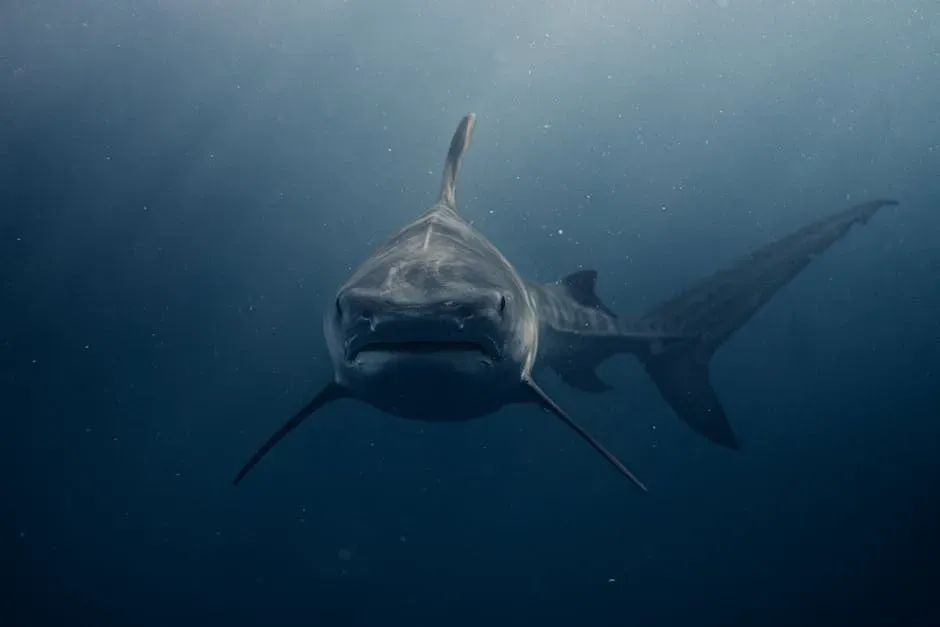
Another crack in the “mindless killer” image comes from how sharks behave when researchers spend serious time with them. In controlled settings and in long-term field studies, sharks have shown the ability to learn patterns, remember locations, and even solve simple problems to access food. They can also become habituated to boats or divers, changing their behavior over time as they figure out what is and isn’t a threat.
Divers who regularly interact with the same animals often report that individual sharks behave in distinct ways – some bolder, some more cautious, some consistently curious. While scientists are careful about using human words like “personality,” there is growing recognition that sharks are not interchangeable robots. They are wild animals with their own tendencies, histories, and reactions. Once you see them that way, it becomes much harder to write them off as one-dimensional villains.
9. Shark Tourism Can Be More Valuable Than Shark Fishing
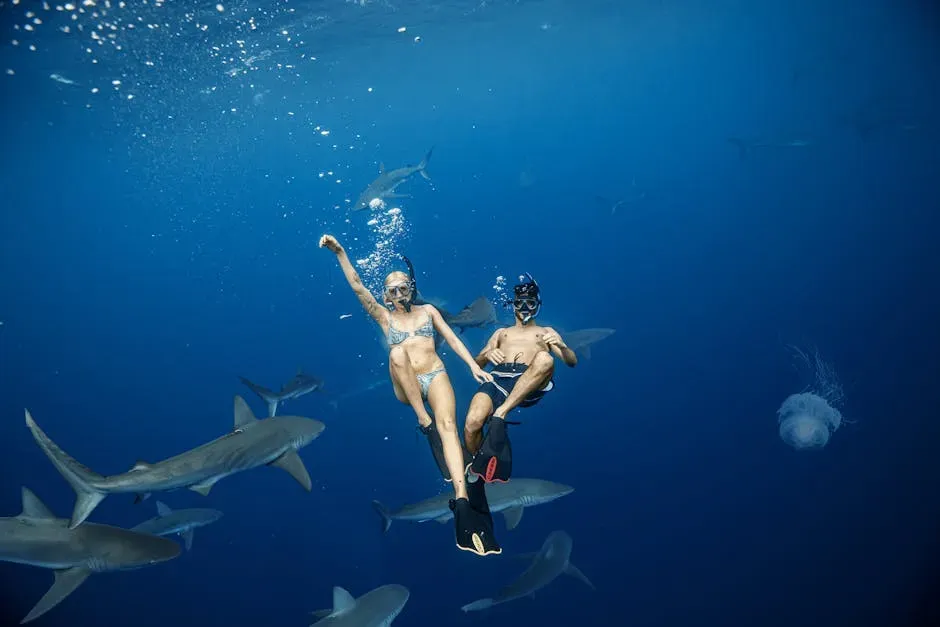
In several coastal regions, live sharks now generate more income through tourism than they ever did as dead products. People travel specifically to see sharks in the wild, whether through cage diving with great whites, snorkeling with whale sharks, or drifting with reef sharks in clear tropical waters. Each shark can attract divers and eco-tourists year after year, creating ongoing revenue for local communities, boat operators, and guides.
From a purely practical standpoint, this flips the economics of fear. A shark pulled from the water for meat or fins is worth money once. A shark that is protected and allowed to roam its home reef or migration route can help support livelihoods for years. When governments and communities realize that a healthy shark population keeps visitors coming and cash flowing, it becomes easier to see these animals as living assets instead of threats. It is one of the clearest examples of how changing our mindset can literally change what is possible for both humans and sharks.
10. Saving Sharks Might Also Mean Saving Ourselves
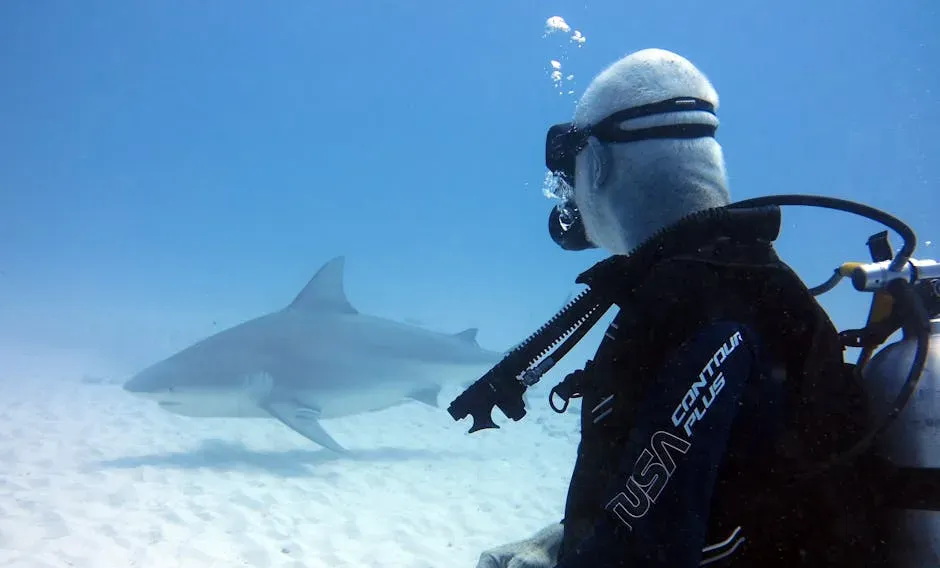
The more scientists understand about sharks, the more obvious it becomes that their fate is tied to ours. Healthy oceans regulate climate, support fisheries, protect coastlines, and feed billions of people. Sharks, as top and mid-level predators, are woven into how those oceans function. Allowing them to vanish would be like ripping out key support beams from a building we all live in, then acting surprised when the structure starts to fail.
On a more personal level, rethinking sharks forces us to question how quickly we accept fear-based stories about nature. For years, I lumped sharks into the same mental box as horror-movie monsters – until I sat down one night and started reading actual research instead of headlines. That shift from “terrifying thing out there” to “complicated neighbor we barely understand” felt strangely humbling. It makes you wonder: if we were so wrong about sharks for so long, what else are we misjudging in the world around us?
Conclusion: From Movie Monsters To Essential Neighbors
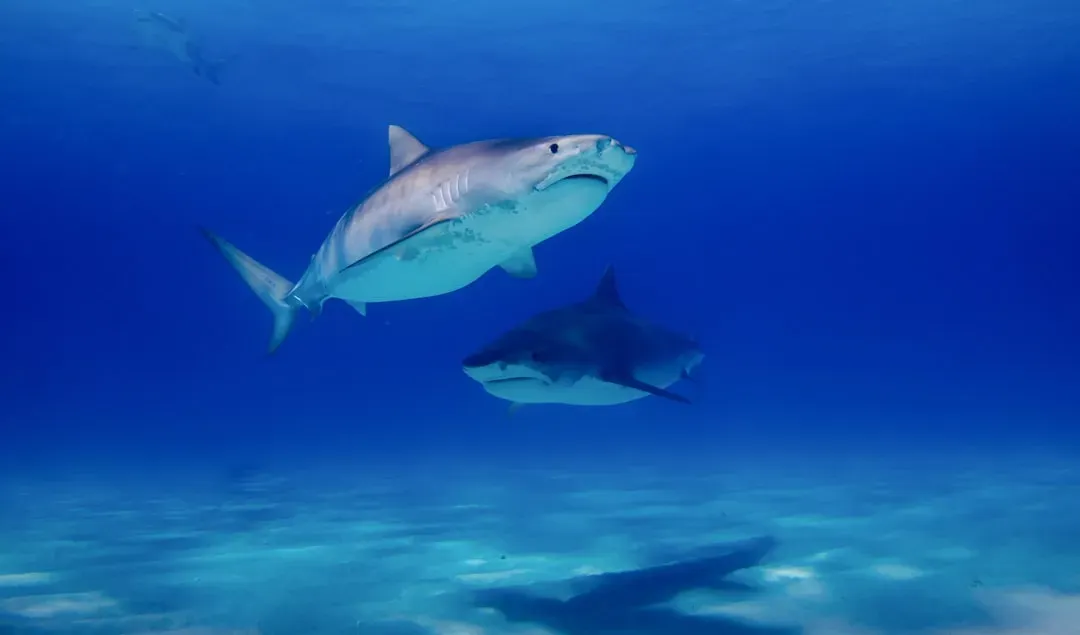
When you stack all these facts together, the old shark narrative starts to look flimsy, almost childish. Sharks are not perfect, gentle saints – they are predators, and the ocean needs them to be. But they are also ancient survivors, careful parents, precise hunters, vulnerable species, and sometimes even cautious, curious individuals trying to make it through a changing world. The idea that they exist just to menace beachgoers is not only wrong; it is embarrassingly small compared with the reality.
If anything, our reputation is the one that should be on trial. We turned a critical pillar of ocean health into a symbol of evil, then nearly wiped it out for soup, sport, and spectacle. Maybe it is time to admit that the real monsters in this story are not the fins slicing through the waves, but the hands pulling them out. The hopeful part is that reputations can change, and so can policies, habits, and stories. Knowing what you know now, does a world with thriving sharks sound scary – or does a world without them sound a lot worse?