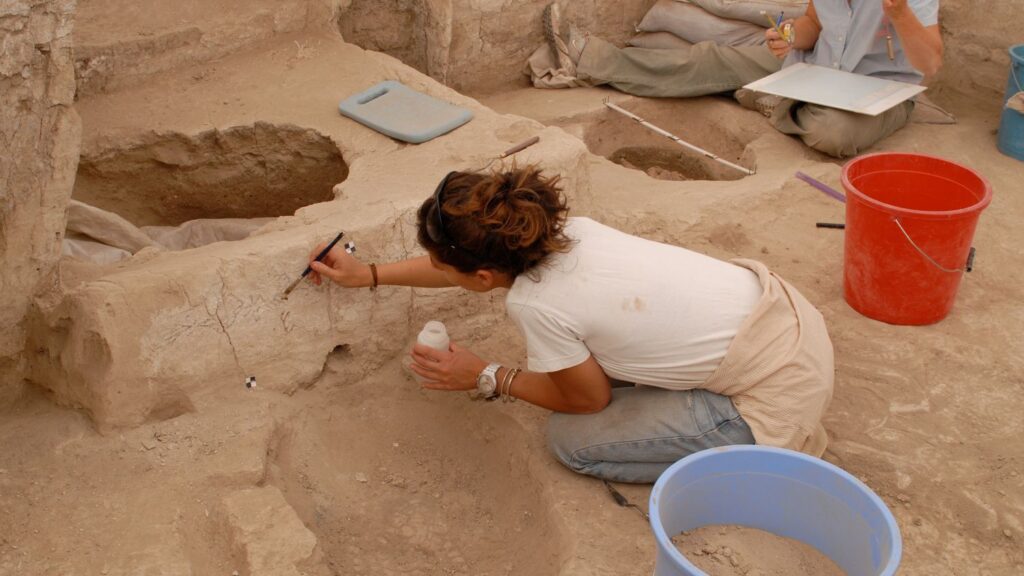

Every so often, a find in the dirt forces historians to sit up a little straighter. Not because it screams for attention, but because it quietly refuses to fit the story we thought we knew. These are the discoveries that do not shout about rewriting history, yet they nudge timelines, unsettle assumptions, and make us admit, yet again, that the past is messier and more creative than our textbooks suggest.
What follows is not a list of wild conspiracy fodder, but of real, peer-reviewed discoveries that raised uncomfortable questions. Some sharpened our understanding of human migrations; others showed that supposedly “primitive” people were doing shockingly sophisticated things. A few still sit in that tantalizing gray zone where the evidence is solid, but the implications are debated. That, to me, is where history is at its best: not as a finished story, but as an argument still in progress.
1. Göbekli Tepe: Monumental Architecture Before Cities
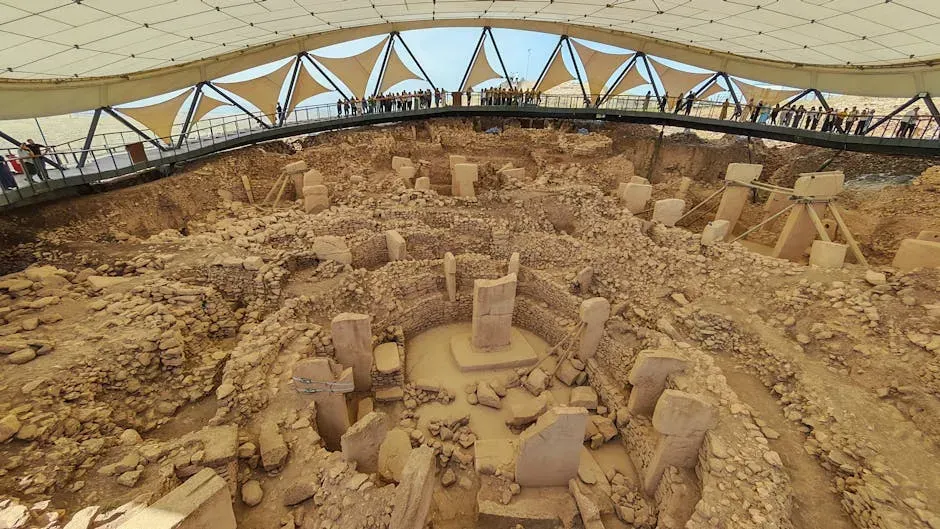
Imagine discovering that the world’s oldest known monumental stone structures were built not by settled farmers, but by hunter-gatherers. That is exactly what Göbekli Tepe in southeastern Türkiye forced archaeologists to grapple with. Dated to roughly eleven and a half thousand years ago, its massive T‑shaped pillars, carved with intricate animal reliefs, predate Stonehenge by several millennia and appear long before the first known cities or full-scale agriculture in the region.
For decades, the comfortable story was that agriculture came first, then villages, then religion and complex ritual spaces. Göbekli Tepe quietly flipped that order: here, it seems large ceremonial gatherings may have helped drive people toward more settled, organized lives, not the other way around. To me, that feels almost subversive. It suggests belief, ritual, and shared symbolic worlds were not by‑products of farming, but possibly catalysts for it, and it forces us to admit that so‑called “stone age” people were capable of project management on a scale that would humble many modern committees.
2. The Antikythera Mechanism: Ancient Greece’s “Impossible” Machine
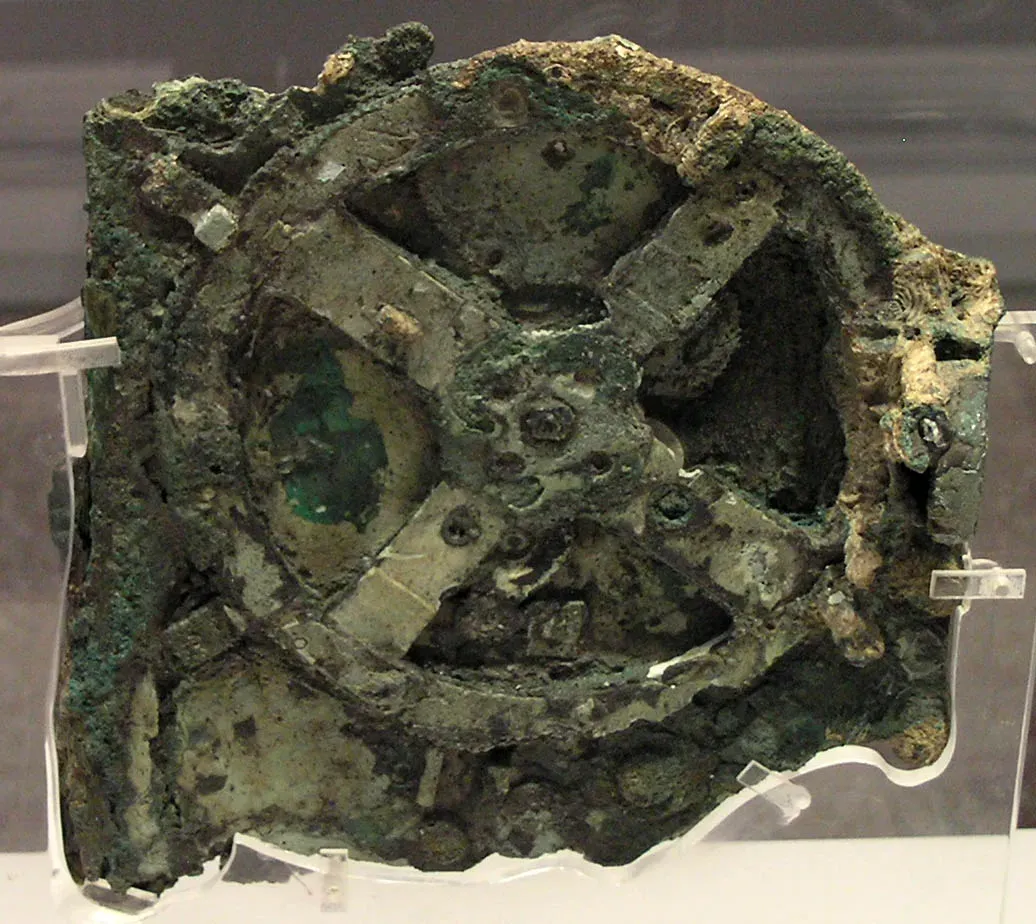
When sponge divers pulled up a corroded lump of bronze from a Roman-era shipwreck off the Greek island of Antikythera in the early 1900s, no one imagined it would turn out to be one of the most sophisticated mechanical devices from antiquity. X‑ray imaging eventually revealed a dense cluster of interlocking gears designed to predict eclipses, track the cycles of the Moon and planets, and model celestial motions according to Greek astronomical theories. In simple terms, it is a kind of ancient analog computer.
The real shock is not that Greek astronomers were clever. That was always clear. The challenge is that nothing else with that level of mechanical complexity is securely dated to the same period. For a long time, historians assumed such intricate gearwork only appeared many centuries later in Europe. The Antikythera Mechanism quietly shredded that timeline. It hints at a whole tradition of high-precision engineering – possibly used for teaching, elite display, or navigation – that has mostly vanished from the archaeological record. We did not know what we were missing until a shipwreck accidentally handed it back.
3. Çatalhöyük: A “City” Without Streets or Palaces
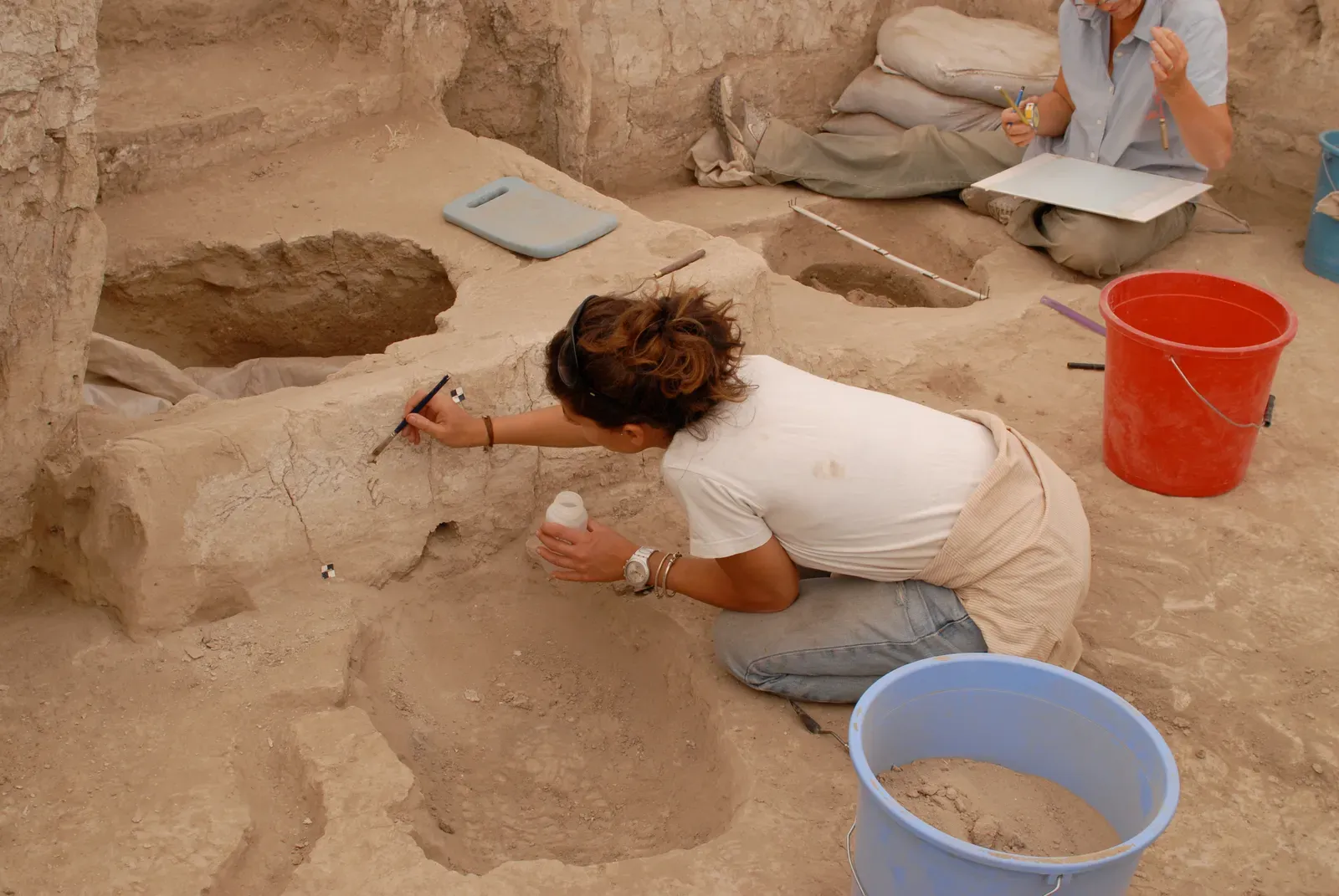
In central Türkiye, the Neolithic settlement of Çatalhöyük looked nothing like the neat evolutionary ladder from village to city that archaeologists once preferred. Peaking around nine thousand years ago, it housed thousands of people in densely packed mudbrick homes with no apparent streets; residents moved across rooftops and climbed down ladders into their houses. There are no obvious palaces, temples, or clear evidence of kings, just a maze of domestic spaces filled with wall paintings, burials beneath floors, and richly decorated shrines within homes.
This layout undermines the old assumption that large, dense communities must naturally produce rigid hierarchies and centralized authority. Çatalhöyük shows you can pack a lot of people into one place and still have something that looks more like a network of households than a top‑down state. It also blurs the line between sacred and everyday life: ritual objects and symbolic art are literally built into the living room. For anyone who grew up on the idea that “civilization” equals big monuments and obvious rulers, this site is a quiet, stubborn counterexample.
4. The Indus Valley Script and Its Urban Mystery
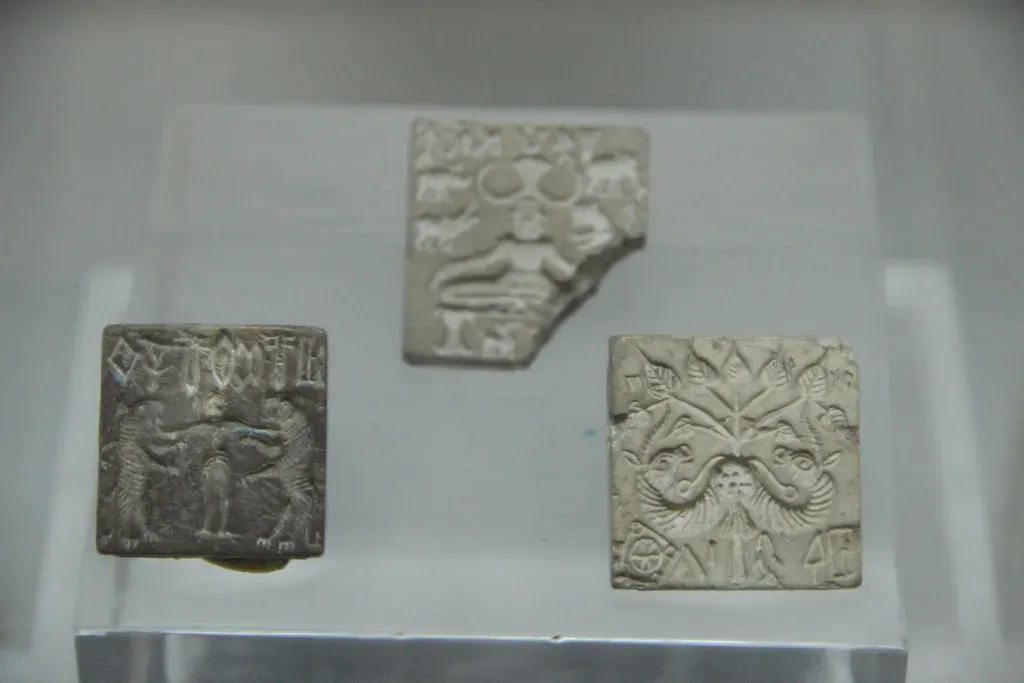
The cities of the Indus Valley Civilization – places like Mohenjo-daro and Harappa, thriving more than four thousand years ago – were planned with almost unnerving precision. They had grid-like streets, standardized brick sizes, sophisticated drainage, and large public baths. But alongside that urban order, they left behind a script on seals and pottery that we still cannot read with confidence. That alone chips away at older narratives that tied literacy, complex states, and monumental kingship into one neat package.
What challenges history here is not just the undeciphered script, but the social structure implied by the archaeology. There are no obvious pyramids, extravagant royal tombs, or large depictions of singular rulers. Instead, we see standardized weights, meticulous infrastructure, and craft specialization. It suggests a complex urban society that somehow functioned at scale without the kind of flashy, centralized kingship we expect from ancient empires. The Indus reminds us that there may be models of large-scale organization that simply do not fit our favorite textbook categories, and until that script yields its secrets, we have to live with that discomfort.
5. Oldest Australian Rock Art and Deep-Time Seafaring
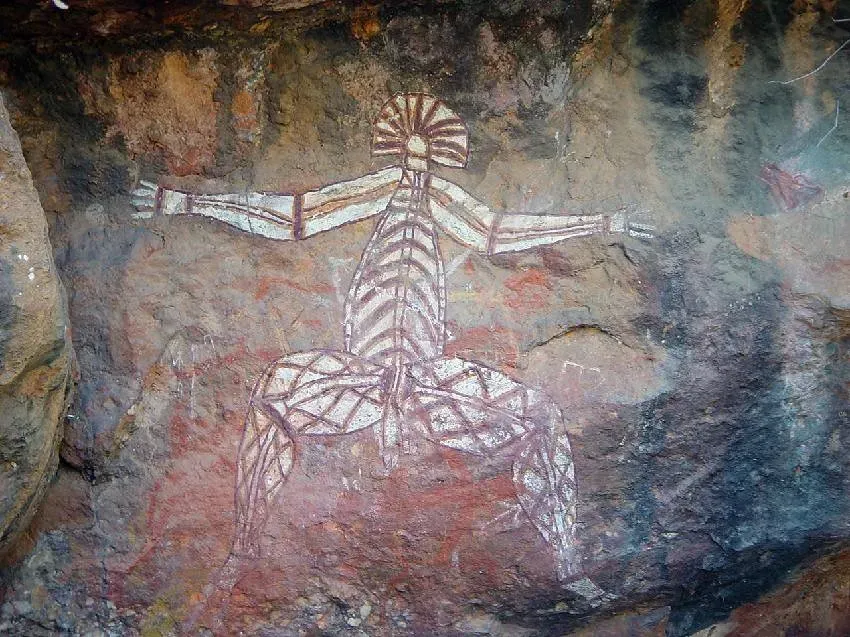
Evidence from Australia has pushed human occupation on that continent back tens of thousands of years, with some sites indicating people were there by at least fifty millennia ago. Rock art traditions, including ancient pigment paintings and engravings, form one of the longest continuous artistic records on Earth. Just the very fact that people reached Australia that early – a continent separated from Asia by open water even at lower Ice Age sea levels – quietly rewrites who we thought early Homo sapiens were.
Older models tended to imagine early modern humans as cautious land‑wanderers creeping out of Africa along coastlines. Yet to get to Australia, people had to organize seafaring ventures, however simple, across substantial stretches of ocean. That implies planning, boatbuilding, and navigation skills that challenge those minimalist images. The rock art, layered over thousands of years, adds another uncomfortable truth: sophisticated symbolic expression and cultural continuity were not late, “civilized” inventions of the Old World’s river valleys, but flourishing on a continent many people once barely mentioned in world history surveys.
6. The Denisovans: A New Kind of Human From a Cave Fragment
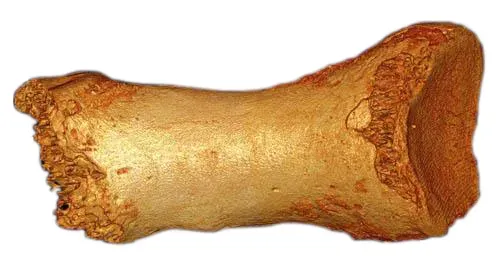
In a Siberian cave called Denisova, a tiny finger bone and a few teeth changed the human family tree. Genetic analysis showed they did not belong to Neanderthals or to us, but to a previously unknown group of archaic humans now called Denisovans. What makes this discovery so disruptive is that, for a while, almost everything we knew about them came from DNA extracted from minute fragments, not from full skeletons or towering fossils in museum halls.
Denisovan genetic traces show up today in some populations in Asia and Oceania, which means our species interbred with them, just as we did with Neanderthals. That alone upends older, overly tidy scenarios where Homo sapiens simply swept aside other hominins. Instead, it looks more like a complicated web of contact, interbreeding, and regional variation. The Denisovans also force archaeologists to admit how incomplete the fossil record is: an entire branch of humanity was essentially invisible to us until a few grams of bone from a cave floor told us we had been missing a major part of the story.
7. The Clovis-First Collapse: Pre-Clovis Sites in the Americas
For much of the twentieth century, North American prehistory was dominated by the “Clovis-first” model: the idea that the first humans to enter the Americas were big-game hunters associated with distinctive Clovis spear points around thirteen thousand years ago. It was clean, elegant, and, as it turns out, wrong. Sites like Monte Verde in Chile, as well as others in both North and South America, provided credible evidence of human occupation well before the Clovis horizon.
Those pre-Clovis finds did not just move the date back a little; they forced a rethinking of migration routes and lifeways. Instead of a single wave of hunters streaming through an ice‑free corridor, we now entertain multiple migrations, including coastal routes where people may have moved along shorelines using boats and exploiting marine resources. The resistance to this shift was intense, which says a lot about how emotionally invested researchers can become in simple, elegant models. The quiet persistence of sites that refused to fit the Clovis story eventually won out, and with them came a more complex, and frankly more interesting, picture of how humans peopled two continents.
8. The Reevaluation of Neanderthals: Not Brutes, but Relatives
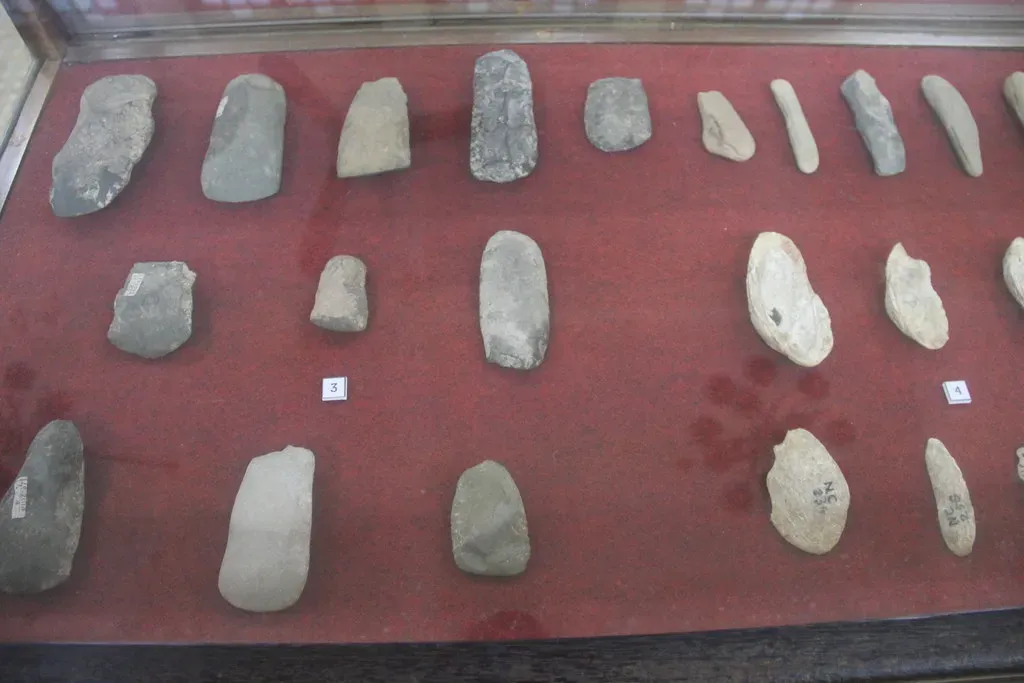
Neanderthals used to be the punchline: hairy, dim, doomed cavemen who lost out to our supposedly superior ancestors. Over the past few decades, that caricature has been systematically dismantled. Archaeological and genetic evidence now shows Neanderthals made sophisticated stone tools, controlled fire, likely wore personal ornaments, and in some contexts may have engaged in symbolic or ritual behavior. They also contributed DNA to modern human populations outside Africa, meaning they are literally part of us.
What changed history here is not one single discovery, but the cumulative weight of many. Pigment use, potential burial practices, complex hunting strategies, and signs of care for injured individuals all pile up to show a species that was not a failed, primitive side branch, but an alternative way of being human. To me, the most unsettling part is how stubborn the old stereotype proved to be. It reminds us that once a simple story lodges in the public imagination, even mountains of careful evidence have to fight to dislodge it.
9. The Varna Necropolis: Golden Wealth Before Pharaohs
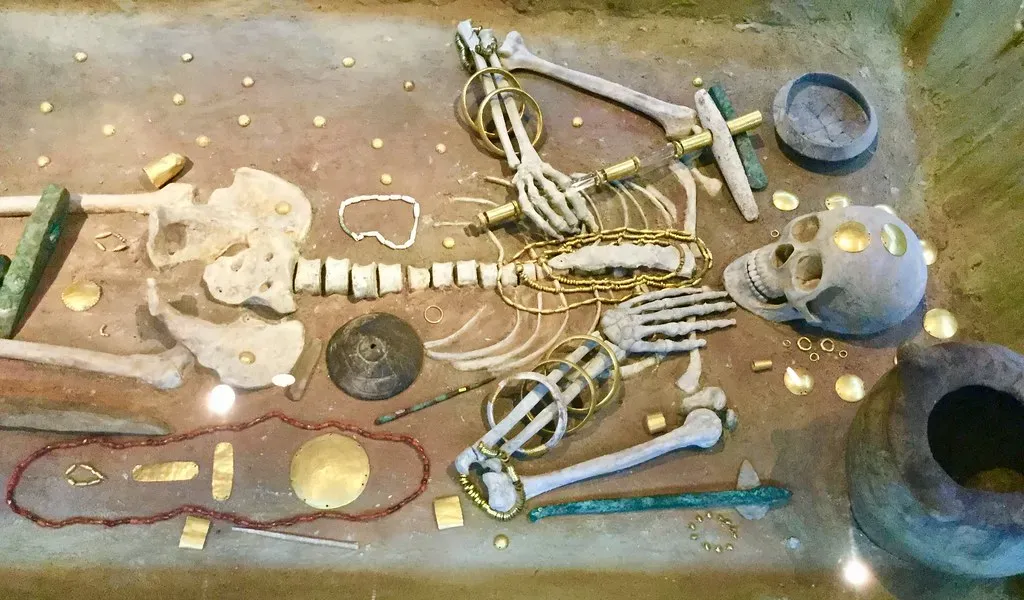
In Bulgaria, near the Black Sea, the Varna necropolis delivered some of the earliest known gold artifacts in the world, dating back more than six and a half thousand years. One grave in particular contained a startling quantity of finely crafted gold objects, copper tools, and prestige items that clearly signaled high status. This was long before the famous pyramids of Egypt or the classic Bronze Age palaces of the eastern Mediterranean, and it forced archaeologists to rethink when and where social inequality and elite display began in Europe.
Before Varna, many scholars framed early European prehistory as relatively simple, with pronounced hierarchy and ostentatious wealth arriving later from influence by Near Eastern civilizations. Varna quietly contradicted that assumption. Here was a complex social landscape, including sharp status differences, emerging independently along the western Black Sea coast. It suggests that early farmers and herders in Europe were experimenting with political and social forms earlier and more energetically than we once gave them credit for, and that the roots of inequality run deeper than just the usual “cradles of civilization.”
10. The Nazca Lines: Giant Desert Figures That Make No Easy Sense
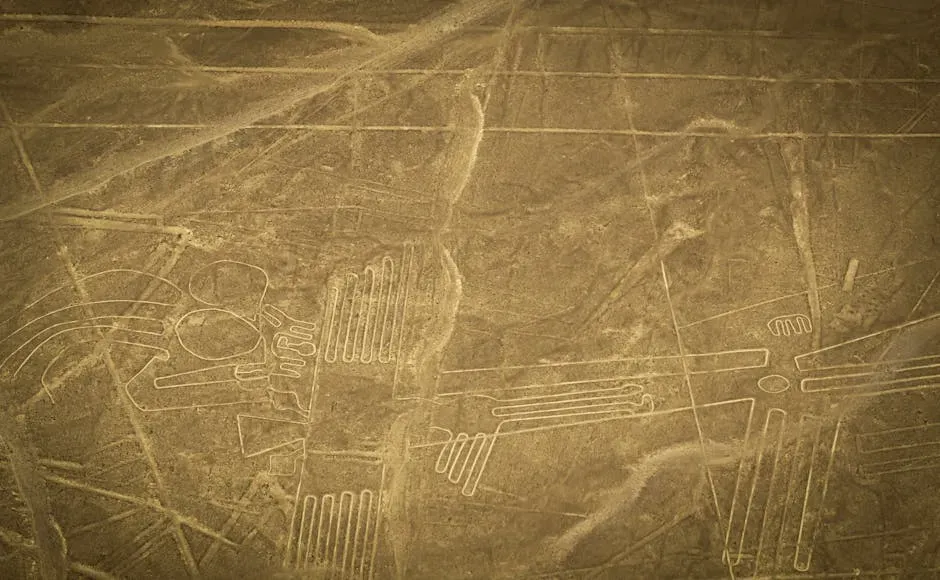
In Peru’s coastal desert, the Nazca Lines stretch across the ground as enormous geoglyphs – straight lines, geometric shapes, and stylized figures of animals and plants created by removing darker surface stones to reveal lighter soil below. From the ground, many of them look like little more than odd clearings. From above, they resolve into carefully planned shapes spanning hundreds of meters. While wildly speculative explanations have grabbed headlines, the real challenge they pose to history is subtler.
We know they were created over centuries by the Nazca culture and related groups, and many researchers see them as linked to ritual pathways, water, and offerings, rather than anything extraterrestrial. Still, the sheer scale of planning, coordination, and symbolic investment involved in drawing on the landscape itself forces us to rethink how non‑state societies organized labor and meaning. They show that you do not need a massive empire to produce sprawling, visually stunning cultural works. You just need communities willing to literally redraw the desert to inscribe their concerns and beliefs into the earth.
11. The “Hobbit” of Flores: Homo floresiensis and Island Evolution
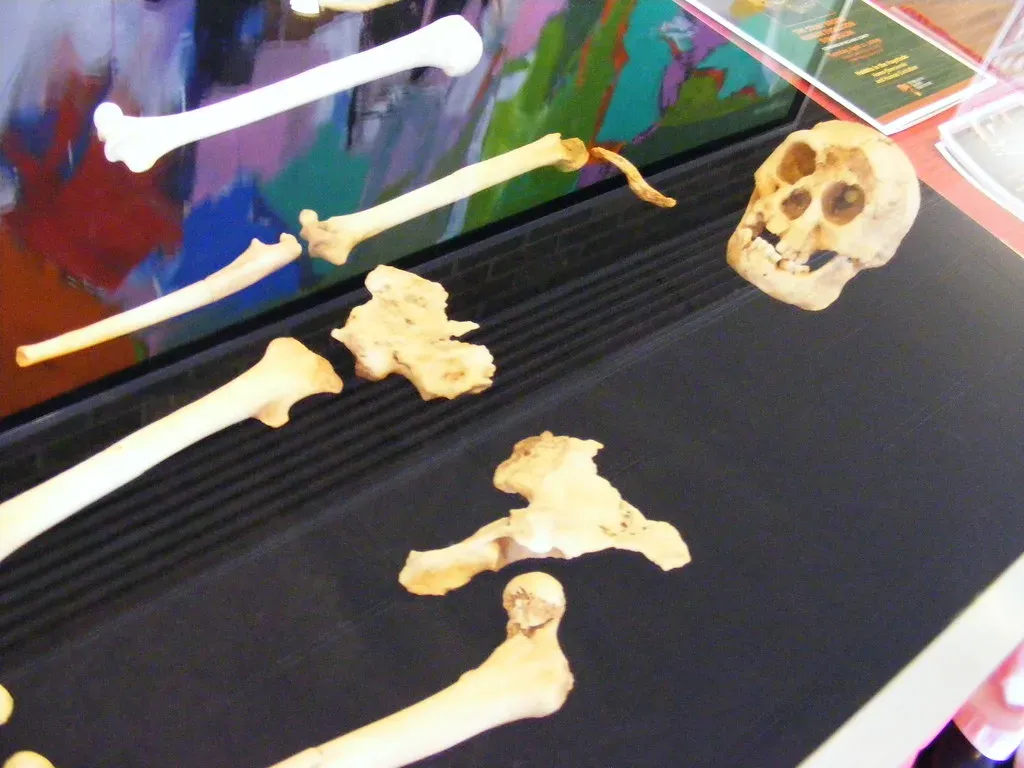
When remains of a tiny hominin, later named Homo floresiensis, were found in Liang Bua cave on the Indonesian island of Flores, the world met the so‑called “hobbit.” Standing around a meter tall, with a small brain but stone tools and evidence of hunting, these beings lived as recently as tens of thousands of years ago – overlapping with modern humans in the region. At first, some argued the bones were just a diseased modern human, but further finds and analyses supported the interpretation of a distinct human species.
The implications are deeply unsettling to any linear view of evolution. Here is a branch of humanity, isolated on an island, possibly shaped by “island dwarfism,” surviving far longer than many had imagined any non‑modern human could. It suggests that until very recently, our planet hosted a patchwork of human types, not just a single, inevitable winner. The Flores discovery nudged archaeologists and paleoanthropologists to take island archaeology, and the role of geographic isolation in human evolution, far more seriously than before.
12. The Bronze Age “Sea Peoples” and Mediterranean Upheaval
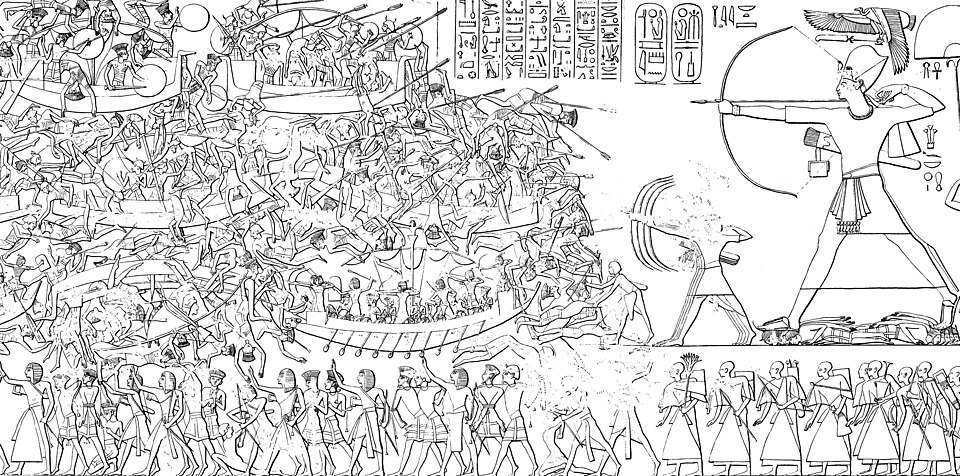
Inscriptions from ancient Egypt and destruction layers across the eastern Mediterranean point to waves of upheaval around the late second millennium BCE, often associated with mysterious groups labeled in Egyptian records as “Sea Peoples.” For a long time, collapse narratives were tidy: strong Bronze Age states fell due to internal weakness or natural disasters. The accumulating evidence for widespread, near-simultaneous disruptions, migrations, and shifting alliances complicates that comfortable picture.
Archaeology now suggests that climate stress, changing trade networks, technological transitions, and movements of people all tangled together in this period. Rather than a simple story of barbarians toppling civilizations, we see fragile interconnected systems unraveling under multiple pressures. This re-framing challenges the old habit of drawing a sharp line between stable “civilizations” and chaotic “invaders.” Instead, it portrays late Bronze Age societies as deeply interdependent and therefore vulnerable to cascading failures – an interpretation that feels uncomfortably familiar in our globally linked world.
13. Ancient DNA and the Surprise of Massive Population Movements

The rise of ancient DNA studies over the last decade changed archaeology more than any single excavation could. By sequencing genomes from ancient skeletons, researchers have uncovered episodes of large-scale population movement that were invisible or hotly debated before. In Eurasia, for instance, genetic evidence points to major migrations of steppe herders into parts of Europe and South Asia during the third and second millennia BCE, mixing with existing populations and likely spreading languages and cultural traits.
For historians and archaeologists who once favored slow, mostly local cultural change, these findings can feel like a slap. They revive unfashionable ideas about migration and even conquest, but with data that cannot be easily wished away. At the same time, ancient DNA has revealed more continuity in some places than skeptics expected, and it has exposed how complex the interplay of genes, language, and culture really is. The uncomfortable lesson is that our ancestral past is far more dynamic, crisscrossed, and mobile than many mid‑twentieth‑century models ever allowed.
14. Early Complex Societies in Sub-Saharan Africa
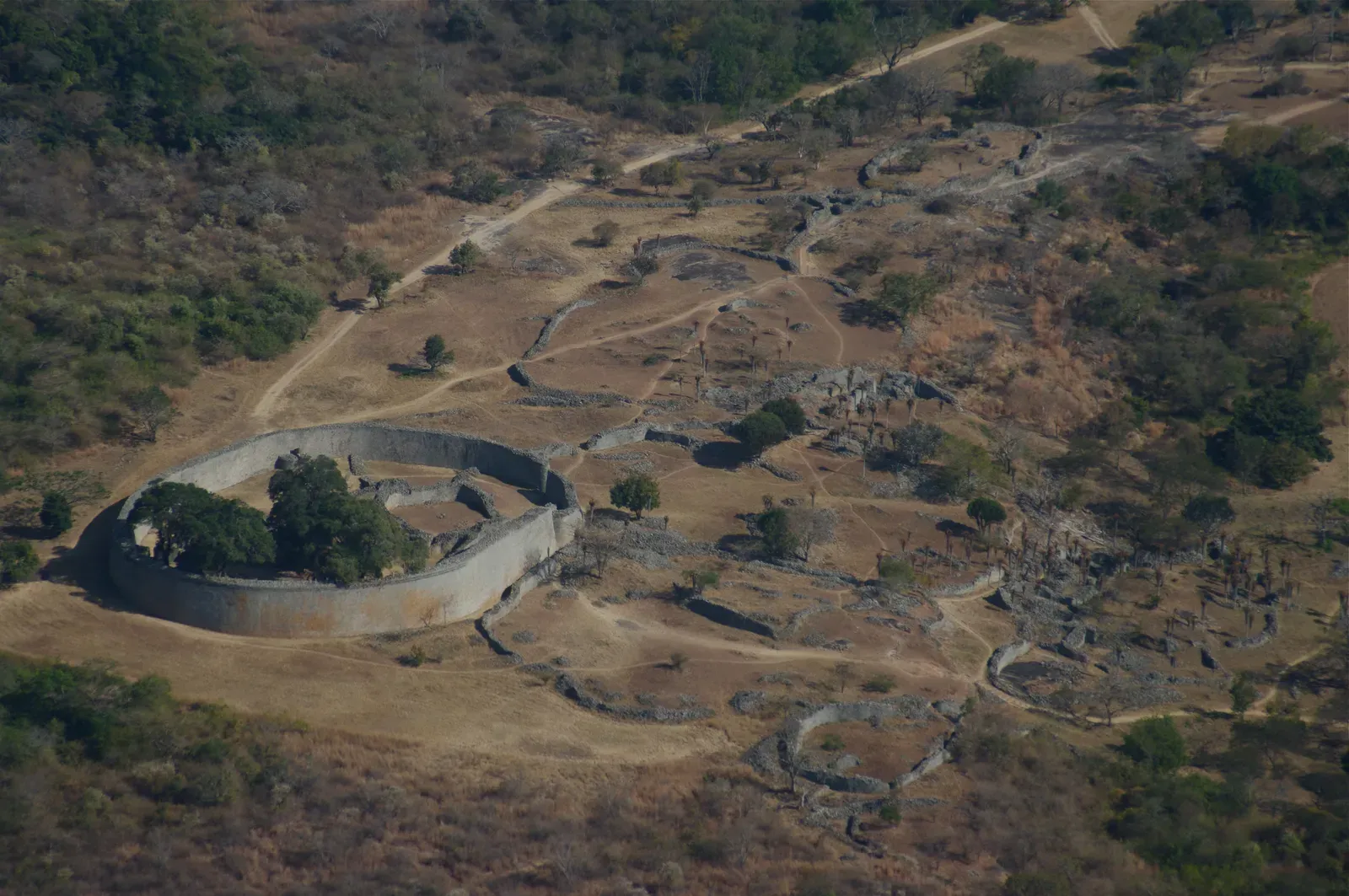
For far too long, general histories treated sub‑Saharan Africa as a latecomer to complexity, only stepping onto the stage once external influences arrived from the Mediterranean or the Islamic world. Archaeology has been dismantling this bias steadily. Sites like the ancient city of Jenne‑jenno in the Niger Inland Delta, with occupational layers going back many centuries before external contact, and the sophisticated urban center of Great Zimbabwe, reveal indigenous experiments in urbanism, trade, and social hierarchy.
Iron-working traditions, elaborate trade networks linking interior regions to distant coasts, and unique architectural forms show that African societies were innovating on their own terms. The challenge these discoveries pose is not so much to a specific date or event, but to a deeply ingrained hierarchy of whose past is considered central. They force a rewrite of global history narratives that once put Africa mostly at the margins. In my view, that is one of archaeology’s most quietly radical achievements: not just adding new sites, but forcing us to admit that our map of “important” pasts was distorted from the start.
15. The Richness of “Dark Ages” and So‑Called Collapse Periods
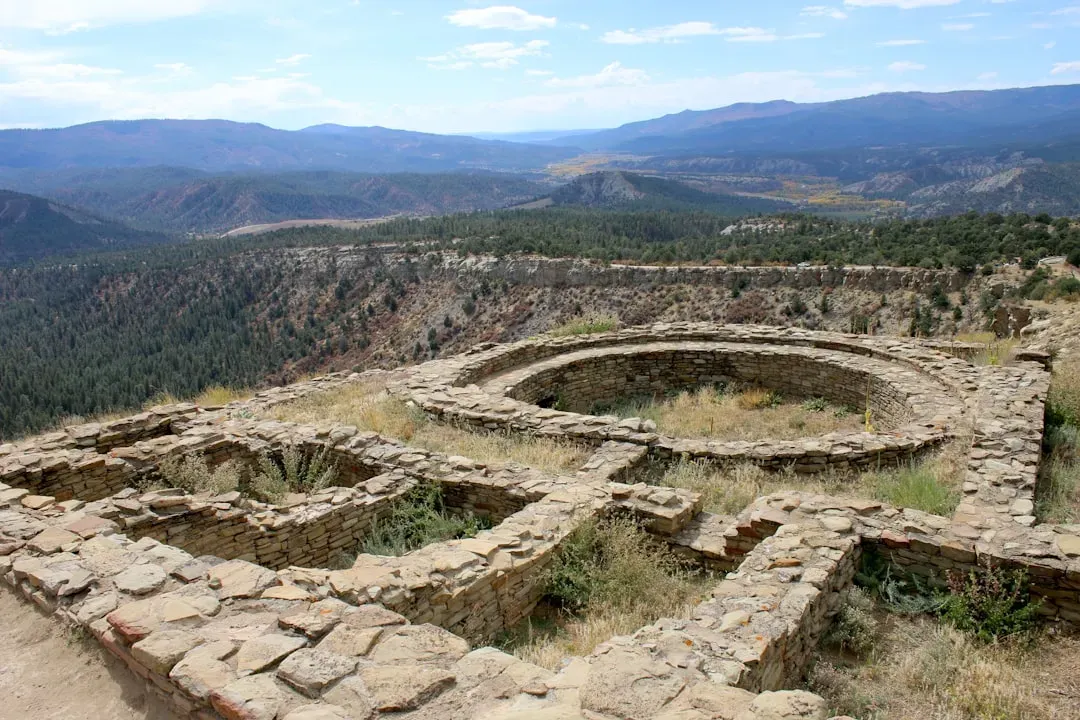
Archaeology has also chipped away at the idea of historical “dark ages,” those supposed blank stretches between empires when nothing much happened. In many regions, what used to be written off as decline turns out, under the trowel, to be a period of reorganization and experimentation. Post‑Roman Britain, post‑Maya lowlands, and other “after the collapse” zones show continuity of local traditions, new trade patterns, and sometimes surprising resilience at smaller scales.
This does not mean there was no hardship or loss; there clearly was. But the blanket label of darkness hid stories of adaptation and creativity. As archaeologists fill in these periods with settlement surveys, environmental data, and household archaeology, they quietly challenge a history that only tracks big states and monumental stone. I think this might be the most important challenge of all: the realization that the end of one grand narrative is often just the beginning of many smaller, equally human ones.
Conclusion: The Past Is Less Certain Than We Like to Admit
Looking across these discoveries, a pattern emerges: the past is always more complicated, more crowded, and more inventive than our favorite stories allow. Hunter-gatherers build massive temples, “primitive” engineers craft mechanical marvels, forgotten hominins leave their DNA in our veins, and supposedly marginal regions turn out to be early laboratories of inequality, urban life, and technological skill. None of these finds single‑handedly blows up history, but together they erode the comfort of straight lines and simple progress.
What unsettles me most, in a good way, is the realization that there are probably other Göbekli Tepes and Antikythera Mechanisms still out there, waiting to make fools of our current certainties. I think we should embrace that discomfort instead of resisting it: a past that keeps surprising us is a sign that our curiosity is alive and our narratives are still open to revision. The real question is not whether history will be rewritten again – it will – but whether we are willing to let the evidence, however quiet, actually change our minds. Did you expect so many of the “sure things” about our past to be this fragile?