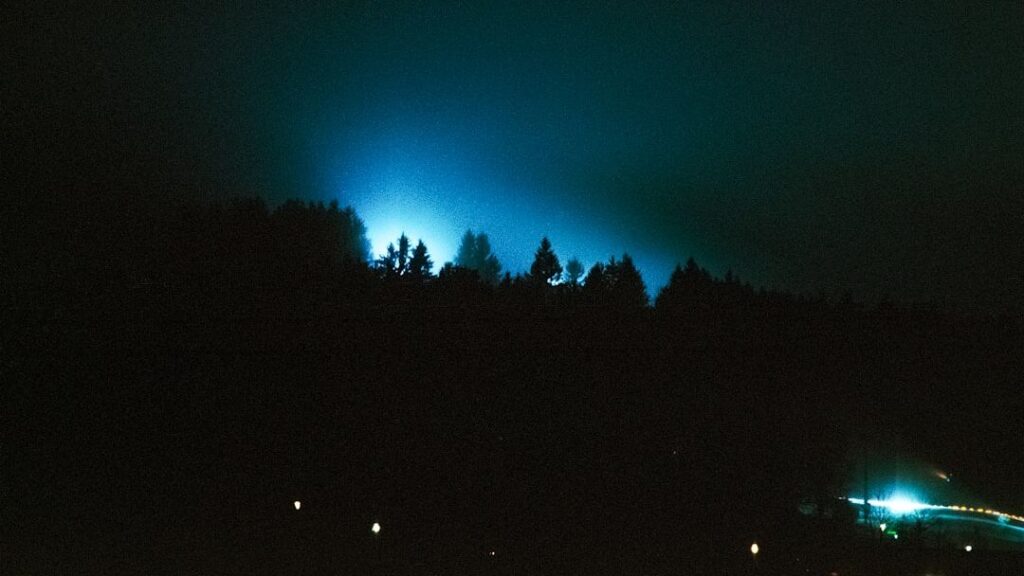
Every so often, a shaky video pops up online: a dark sky over a city, then sudden flashes of eerie blue, white, or green light. Hours later, the news breaks that a major earthquake has struck in that same region. It feels like something out of a disaster movie, but it is rooted in a phenomenon scientists actually study: so‑called earthquake lights. The idea that the sky might briefly glow before the ground tears itself apart is unsettling, but also strangely mesmerizing, and it raises a powerful question: are these lights a warning from the Earth, or just a trick of our eyes and cameras?
For decades, people who talked about mysterious lights before earthquakes were brushed aside or lumped in with UFO hunters and conspiracy theorists. Yet in the last twenty or so years, as cameras have become almost everywhere and scientific tools more precise, researchers have started taking these reports seriously. There is still plenty of debate, and more unknowns than answers, but we are no longer in the realm of pure rumor. We are watching a real puzzle unfold at the edge of geophysics, where rock mechanics, electricity, and human perception crash into each other like tectonic plates.
What Are Earthquake Lights, Really?
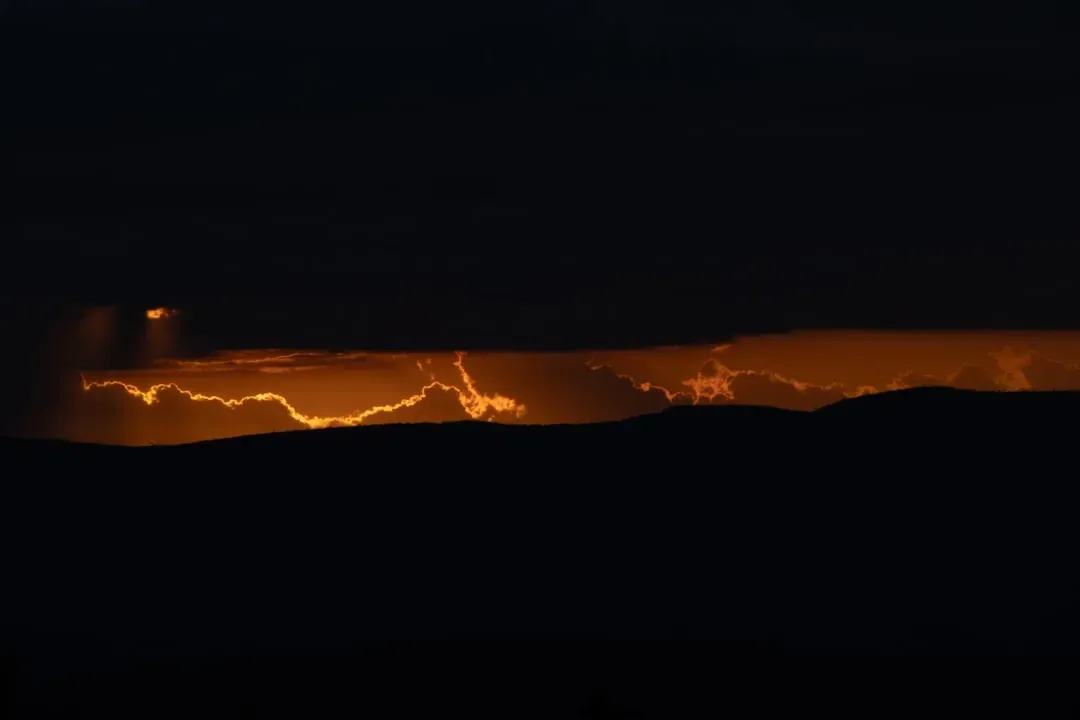
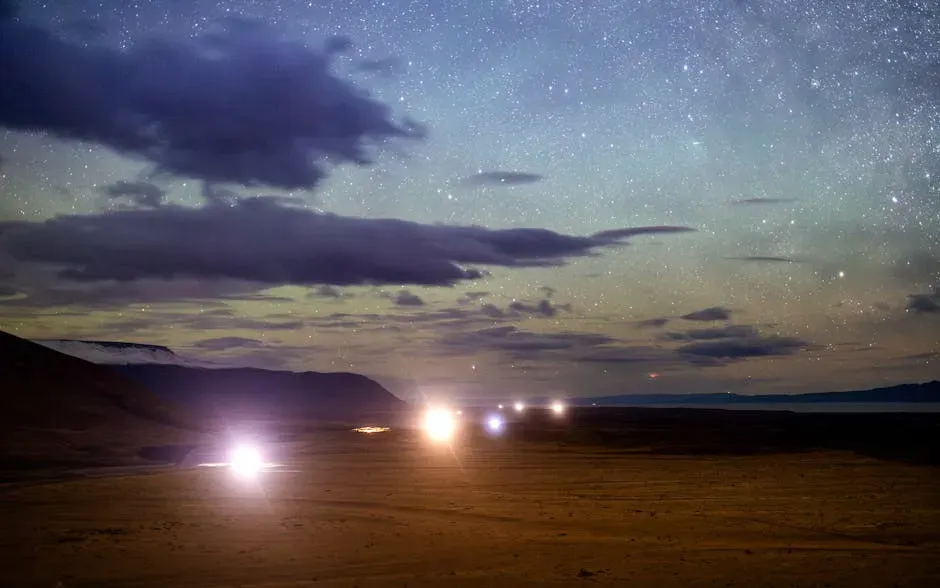
Earthquake lights is the name given to strange luminous phenomena that some people report in the sky or near the ground around the time of strong earthquakes. They are usually described as glowing or flickering patches of light, sometimes like silent lightning, sometimes like hovering orbs, sometimes like pillars or sheets that seem to shimmer for a few seconds. Many witnesses talk about colors tending toward white, blue, or green, rather than the orange glow you would expect from fires or city lights. The key point is timing: these lights are often reported right before, during, or shortly after major tremors in active seismic zones.
Importantly, earthquake lights are not a single, cleanly defined thing the way, say, a rainbow is. They are a messy category for a family of observations that might actually include several different phenomena. Some could be natural electrical effects in stressed rocks; others might be reflections, power surges, or atmospheric glows that just happen to line up with quakes. That fuzziness is part of what makes them so mysterious – and also why scientists are cautious. When the same label is used for everything from faint sky glows to bright flashes on the horizon, it is easy for confusion and exaggeration to creep in.
From Folklore to Phone Cameras: A Short History of Reports
Stories about mysterious lights linked to earthquakes go back long before anyone had a smartphone to record them. Historical accounts from Europe, Asia, and the Americas mention sky glows, fireballs, or strange flames appearing around major quakes. For a long time, though, these were buried in the same dusty corner as tales of omens and portents, and geologists often saw them as colorful but unreliable side notes. It did not help that memories after a disaster can blur, and people naturally search for patterns and signs in hindsight.
Things began to shift as video cameras, security systems, and later smartphones started capturing more of daily life. During several large earthquakes over the last few decades, including quakes in Japan, China, Italy, and the Americas, videos surfaced that showed odd flashes or luminous clouds in the sky around the time of shaking. These recordings did not settle the debate – they raised new questions about lens artifacts, power line explosions, and camera sensors – but they pushed scientists to treat the topic less like folklore and more like an observational challenge. Instead of asking whether witnesses were “making it up,” the conversation turned toward teasing out which clips showed genuine geophysical effects and which showed unrelated or man‑made lights.
The Leading Scientific Theories Behind the Glow
So what could actually make the sky light up when the ground is under stress? One of the most discussed ideas involves electrical charges generated inside certain types of rock as they are squeezed and twisted by tectonic forces. In some laboratory experiments, rocks subjected to strong stress produce electric fields and even brief discharges as tiny defects and fractures move. If similar processes happen underground on a massive scale, charges might migrate toward the surface and into the atmosphere, potentially triggering glows, corona discharges, or lightning‑like effects above faults.
Another possibility focuses on how earthquake shaking interacts with existing infrastructure and the environment. Violent motion can cause power lines to arc, transformers to blow, and electrical grids to misbehave, creating bright flashes or halos that might be seen from far away, especially at night. There are also ideas involving disturbances to the ionosphere, the charged upper layer of the atmosphere, as seismic waves propagate and interact with the Earth’s electromagnetic fields. The honest truth is that no single theory fully explains all reported cases, and it is likely that more than one mechanism is at play. When rocks, electricity, and a turbulent atmosphere mix, you can expect a complicated light show, not a neatly labeled lab experiment.
Can Earthquake Lights Really Predict Quakes?
This is the question that gets everyone’s attention: if mysterious lights appear before major tremors, could they be used as a warning sign? The cautious scientific answer right now is: no, not in any reliable, operational way. While there are credible reports of lights occurring seconds to minutes before some quakes, they are far from consistent, and many large earthquakes happen with no visible lights at all. Even when lights do appear, they may be too brief, too localized, or too easily confused with other sources to serve as a dependable alarm system.
The deeper issue is that earthquake prediction itself remains one of the hardest problems in Earth science. Seismologists can estimate where quakes are likely over years or decades and sometimes issue short‑term alerts based on foreshocks or real‑time seismic waves, but predicting a specific large quake hours or days in advance has repeatedly failed. Earthquake lights, if they are real physical signals tied to fault stress, might eventually add one more piece to the puzzle. Yet turning that into a trustworthy tool is a huge leap, and there is a real risk of causing panic or complacency if people treat every strange flash in the sky as a countdown to disaster.
The Role of Cameras, Social Media, and Misinterpretation
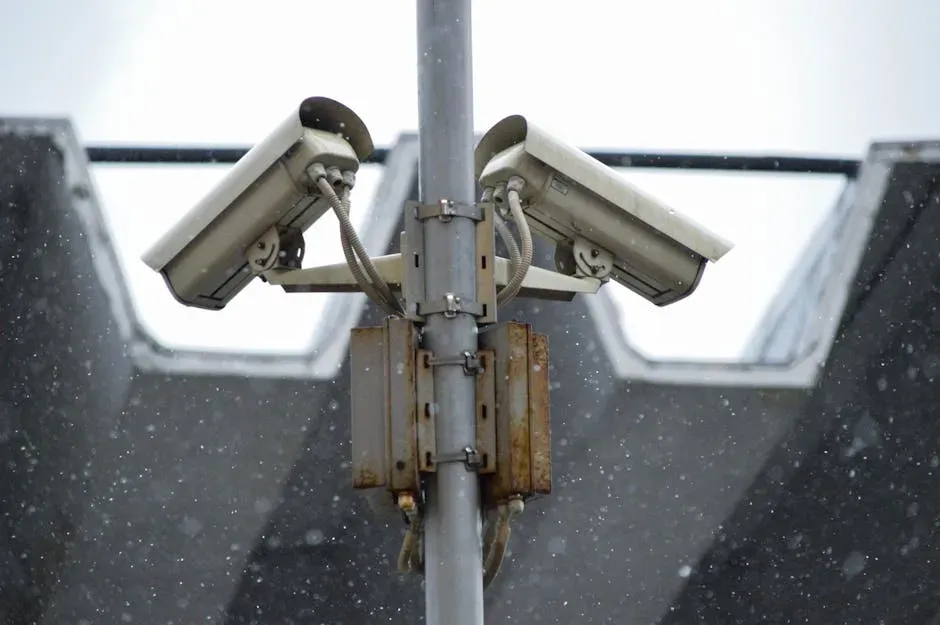
One of the strangest twists in the story of earthquake lights is how the rise of constant recording has both clarified and muddied the waters. On the one hand, security cameras, dashboard cams, and smartphones have captured sequences that were simply impossible to document in the past, showing weird flashes synchronized in time with strong shaking. On the other hand, the same technology has flooded the internet with videos that are misattributed, edited, or completely unrelated, from transformer explosions to fireworks to reflections on glass. Once a dramatic clip gains a caption linking it to an earthquake, that label tends to stick, whether it is accurate or not.
Social media amplifies this effect. When you scroll through a timeline full of shaky footage and big claims, it is incredibly hard to separate genuine geophysical curiosities from everyday electrical faults and visual glitches. Overexposed sensors can turn bright city lights into eerie blobs; camera shake can make ordinary flashes look uncanny; power grid failures during quakes can mimic natural sky glows. This does not mean all videos are fake or meaningless, but it does mean you have to treat each new clip with a healthy dose of skepticism. The irony is that we finally have the tools to study these lights in detail, but we also have more ways than ever for noise and hype to drown out the signal.
Why the Mystery Matters – And What I Personally Think
At first glance, earthquake lights might seem like a niche curiosity, something you only think about when a viral video shows a glowing sky. But the mystery touches on deeper questions about how our planet works and how we humans respond to rare, frightening events. If even a small fraction of these lights are genuine signs of extreme stress in the Earth’s crust, understanding them could sharpen our broader picture of how faults load, fail, and interact with the atmosphere. Even if they never become a practical early warning tool, they might still reveal hidden pieces of the physics that drive quakes and shape the surface we live on.
Speaking personally, I think the most reasonable view is that earthquake lights are both real and overrated. Real, in the sense that there is enough converging evidence to say something interesting happens in the sky around some big quakes. Overrated, in the sense that they have been wrapped in a lot of mythology and wishful thinking about prediction and signs from the Earth. The story that feels most honest to me is this: our planet occasionally throws out strange, electrified hints of the violence below, but they are cryptic, inconsistent, and stubbornly hard to turn into a forecast. Maybe that is why they fascinate us so much. In a world where we are used to having answers on demand, there is something haunting about a light in the sky that says, simply: something deep is happening – but not exactly what, or when. Did you expect the mystery to survive this much science?