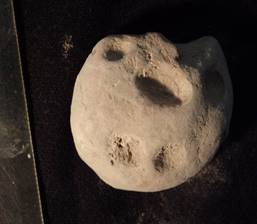
Stare at a power outlet, a car’s front bumper, or the pattern on your bathroom tiles long enough, and something weird happens: a face stares back. Two “eyes,” a “nose,” maybe even a crooked little “mouth” seem to pop out of nowhere. You know it is not really a face, but you still feel that tiny jolt of recognition, like bumping into someone you know in a crowd. That split-second sense that something is looking back at you is unsettling, funny, and weirdly universal.
What you are experiencing has a name: pareidolia, the brain’s tendency to see meaningful images – especially faces – where none actually exist. It is not a glitch for the few; it is a feature shared by almost everyone. From religious visions in toast to “faces” on the surface of Mars, our brains are constantly over-reading the world. The real mystery is not that we do this, but why we do it so quickly, so often, and so confidently. To understand that, we have to look inside a brain that is less like a camera and more like a highly opinionated storyteller.
The Brain Is a Prediction Machine, Not a Camera

The popular idea that the brain simply “records” reality, like a phone camera, is quietly wrong. Your brain is closer to a prediction engine that is always guessing what is out there and then checking those guesses against incoming signals from your eyes, ears, and skin. This approach is faster and more efficient than processing every detail from scratch. By the time you think you are “seeing” something, your brain has already bet on what it probably is. Visual perception, in this view, is more like autocomplete for the senses than a live feed of reality.
This predictive style of processing makes pareidolia almost inevitable. Faces are so important to social life that your brain carries an especially strong “prior” for them – it is biased to expect faces and social agents. When your brain gets vague or noisy information, like shadows or random patterns, it leans hard on that prior and fills in a face where there is none. It is like walking into a dim room and your brain deciding, “It is probably a chair,” before the lights fully come on. With faces, that guess is just dialed up to maximum, so even three dots in roughly the right arrangement can become a watcher in the wall.
Why Faces Matter So Much to the Brain’s Survival
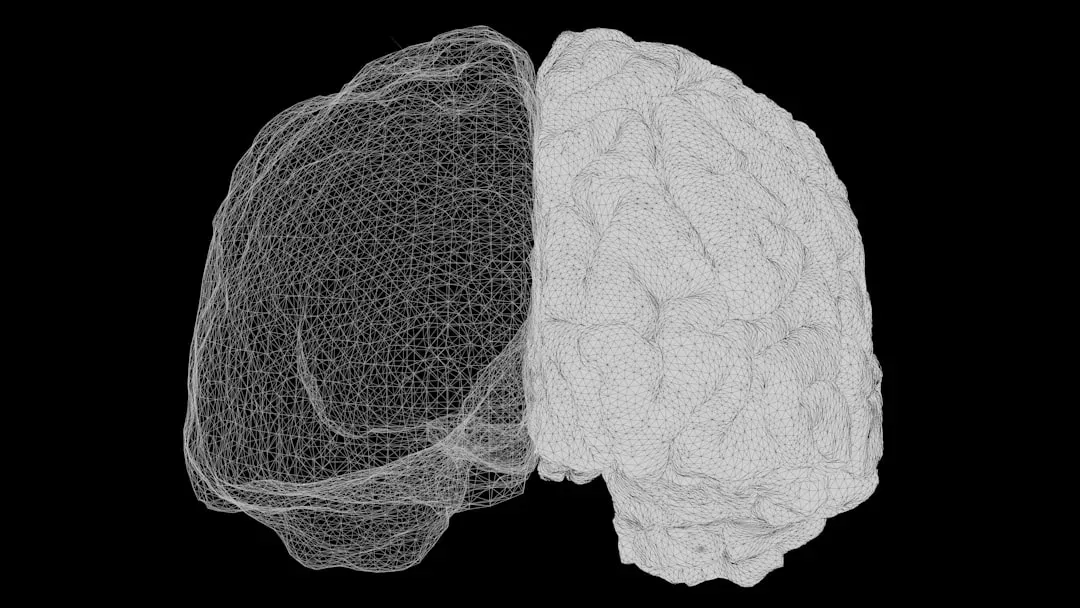
If there is one thing the human brain is obsessively tuned for, it is other humans. Recognizing who is friend or foe, reading their mood, noticing where they are looking – these abilities shape survival, cooperation, and trust. In evolutionary terms, failing to notice a real person can be far more costly than mistakenly seeing one that is not there. A rustle in the bushes that turns out to be nothing is embarrassing; missing the person hiding there could have been deadly. That imbalance nudges the system toward being jumpy and over-detecting faces and agents in the environment.
This survival bias shows up in how early and easily we see faces. Infants are drawn to face-like patterns long before they understand what a face really is. Adults can recognize a face in a fraction of a second, often faster than they can name a simple object. In that context, hallucinating a face in a tree trunk is not a bug. It is a by-product of a deeply conservative strategy: always assume a face might be there, just in case. Our brains overpay in false positives to avoid the one false negative that might really matter.
The Specialized “Face Network” That Fires Too Eagerly
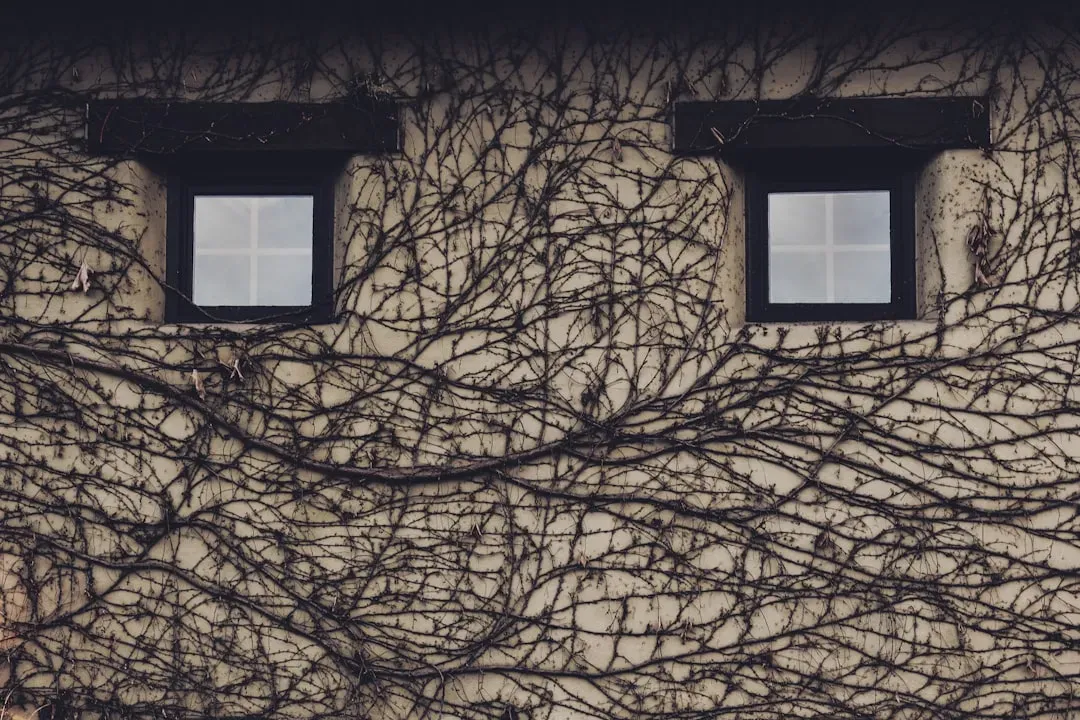
Buried in the temporal lobe of the brain is a region often called the fusiform face area, part of a broader “face network” that responds strongly to faces and face-like patterns. When you see an actual human face, this network lights up in brain scans far more than it does for most objects. Interestingly, research has shown that this circuitry still activates when people see illusory faces, like a face in a cloud or a house facade with two windows and a door arranged just right. In other words, the brain is treating these illusions as face-like enough to recruit its most specialized machinery.
Once that network fires, your experience tips from “random arrangement” into “someone is there.” The system is tuned for speed over precision, and once it crosses a certain threshold of “face-likeness,” it basically commits. That is why it can be so hard to unsee a face once you have spotted it. It is also why pareidolia can feel oddly vivid or even personal, like the pattern is not just face-shaped but somehow expressive, watching, or judging. The brain is not simply recognizing a structure; it is slipping into its usual social-processing mode, with all the emotional weight that carries.
The Minimal Recipe: Two Eyes, One Suggestion of a Mouth
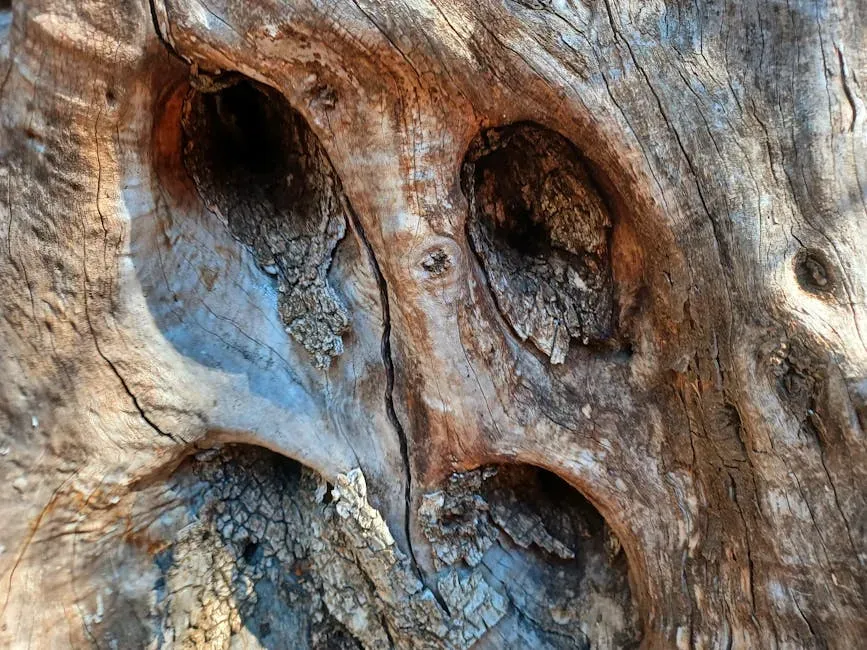
One of the strangest parts of this phenomenon is how little it takes to trigger it. Put two dark spots above a line, and suddenly you have a crude but unmistakable face. Cartoons, emojis, and simple doodles all exploit this minimal recipe. Your brain does not demand realistic skin texture, accurate shading, or perfect proportions before granting “face” status. As long as the basic layout resembles two eyes arranged horizontally above a nose or mouth area, your visual system is ready to lock in that interpretation.
This hunger for minimal features is also why we see faces on car fronts, electrical sockets, building facades, and even frying pans. Anything that offers symmetry, two “eyes,” and some hint of a lower feature can tip the balance. The brain is filling in the missing details, rounding out an almost-face into a complete one. It is like hearing a song you know played on a cheap speaker; your mind supplies the missing richness. Pareidolia is that same mental completion process acting on sight instead of sound, fleshing out a barely-there pattern into an almost-person.
Emotions and Mood Turn the Volume Up or Down
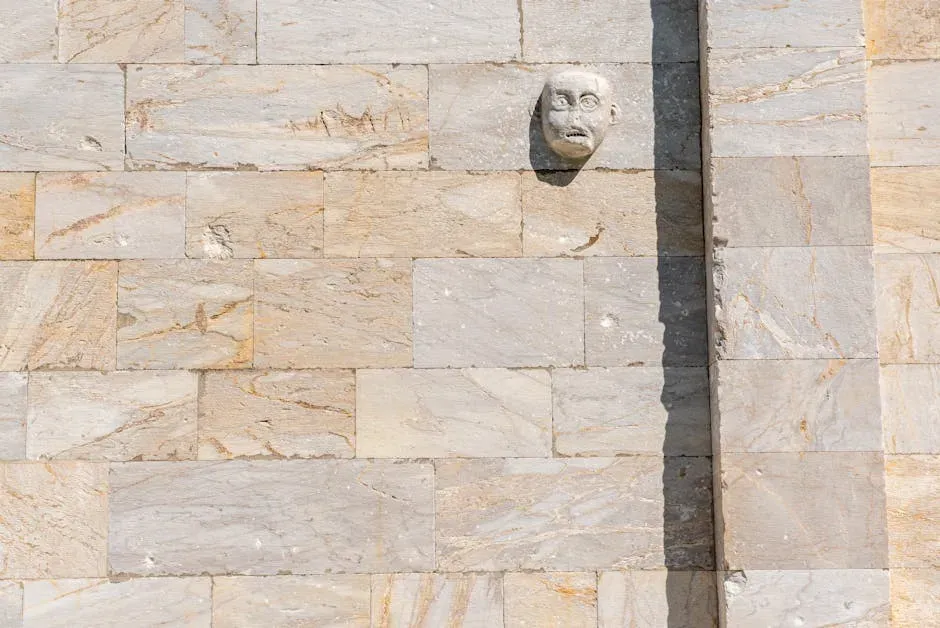
Pareidolia does not happen in a vacuum; your emotional state can amplify or dampen it. When people are anxious, lonely, or on edge, they are more likely to see agents and faces in ambiguous scenes. A dark room after a horror movie feels full of presences partly because your threat system is on high alert, nudging your perception toward “better safe than sorry.” The brain’s bias toward over-detecting faces becomes stronger when it is primed to look for danger or company, even if logically you know you are alone.
On the flip side, a playful or curious mood can make pareidolia feel delightful rather than scary. Seeing a happy “face” in your morning toast or in the foam of your coffee can brighten your day because your brain is in a more exploratory, less threatened mode. The same ghostly smudge in a window might feel charming at noon and ominous at midnight. Your brain is not just passively detecting patterns; it is evaluating them through the lens of your current feelings, memories, and expectations, and that emotional filter colors how intense and meaningful those illusory faces feel.
Culture, Belief, and the Stories We Tell About What We See
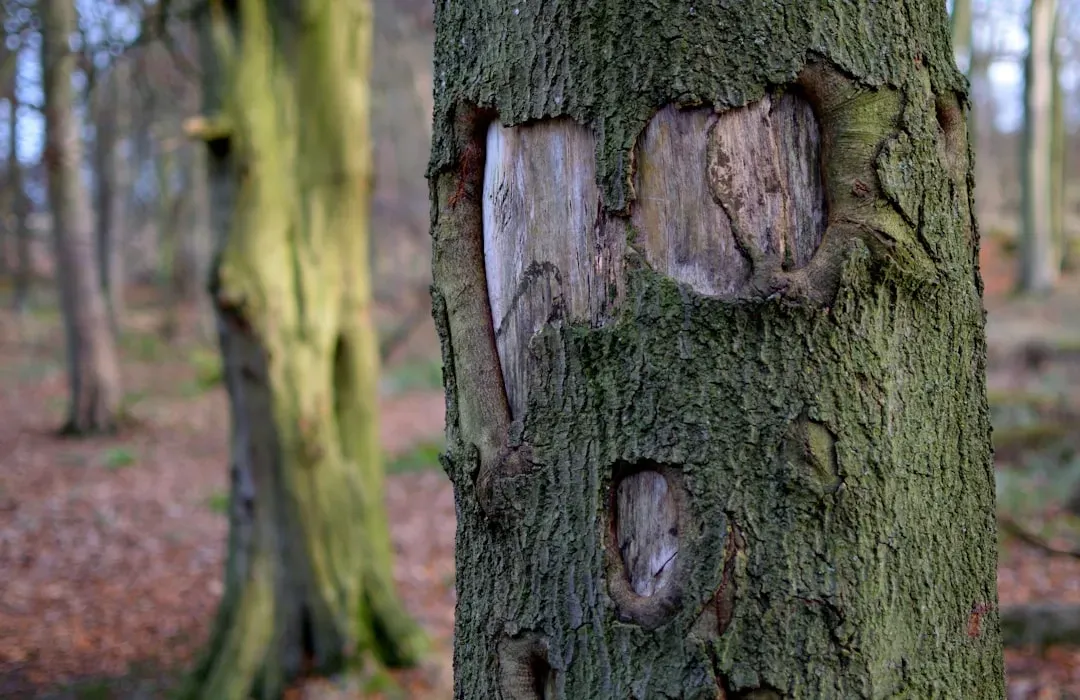
The raw perception of a face is only the first step; what that face means depends heavily on culture and belief. In some contexts, a face-like stain on a wall might be seen as a spiritual sign, a message, or a visitation. In others, it is treated as a quirky coincidence or a design opportunity. The same underlying brain mechanism can feed into very different interpretations depending on whether you grew up in a religious, mystical, skeptical, or highly scientific environment. Perception provides the outline; culture supplies the story that fills it in.
Even outside of formal belief systems, social media has turned pareidolia into a shared game. People post pictures of “angry” buildings or “surprised” furniture, and others instantly see what they mean. Once the story is pointed out – “This looks like a sad dog” or “This cloud is clearly a dragon” – your own brain is primed to agree. I have caught myself scrolling, laughing at a “disgusted” backpack or a “sleepy” plug socket, knowing full well it is just design and chance. But that is the point: we do not just see faces; we project feelings and intentions onto them, turning bare geometry into tiny characters in the ongoing story of our day.
When Seeing Faces Becomes More Than a Quirk
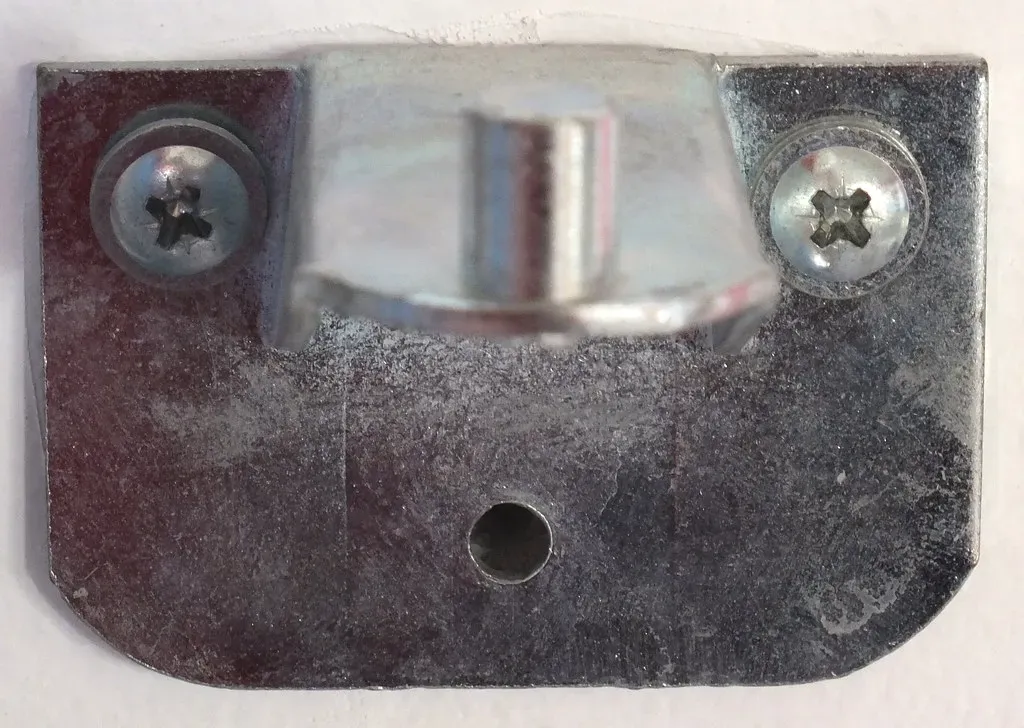
For most people, pareidolia is harmless and even fun, but in some situations it can be part of a more intense pattern of perception. When the brain’s prediction systems become overly confident or distorted, they may produce experiences that feel less like playful illusions and more like persistent, intrusive presences. In certain mental health conditions, the line between “my brain is over-interpreting this pattern” and “there really is someone there” can blur in a way that feels frightening and out of control. The same machinery that gently mislabels a wall stain as a face can, in extreme cases, contribute to far more distressing misperceptions.
Even then, it is crucial to recognize that the underlying principle is the same: the brain is doing what it always does, just with the volume turned too high or the filters misaligned. That perspective can be grounding. It reframes hallucinations not as total breaks from normal functioning, but as exaggerated versions of everyday phenomena like pareidolia. In my view, this makes the whole topic even more human. We all live in brains that constantly infer, embellish, and occasionally overstep. Seeing is not the weird exception; it is a low-key, everyday glimpse of how our minds are always reaching beyond the raw data to build a reality that feels inhabited, meaningful, and alive.
Conclusion: Our Haunted, Helpful, Overeager Brains

The fact that we hallucinate says less about our gullibility and more about our priorities. The brain is unapologetically biased toward seeing life, intention, and connection wherever it possibly can. It would rather risk a thousand false alarms than miss a single real person, real threat, or real chance for contact. Personally, I find that oddly comforting. The same system that makes me see a shocked face in my car’s headlights is the one that lets me instantly recognize a loved one in a crowd or read the flicker of doubt in a friend’s eyes.
At the same time, I think we should admit that we do not see the world as it is; we see the world as a collaboration between reality and a brain that never stops guessing. Those “faces” in clouds and tiles are tiny reminders that our perception is stitched together from expectation, emotion, culture, and ancient survival strategies. Instead of treating pareidolia as a silly mistake, we might see it as a friendly glitch – proof that our minds are always on the lookout for someone, not something. The next time a power outlet looks back at you, maybe ask yourself: is it really nonsense, or is it a quiet sign of how deeply wired we are to look for other minds in the emptiest of places?