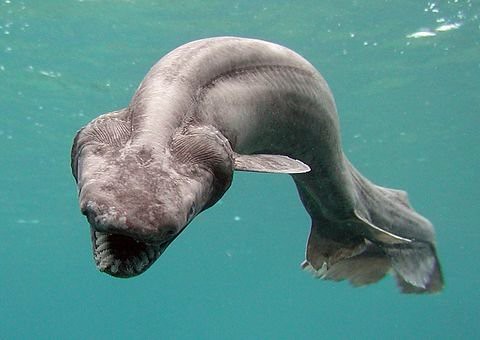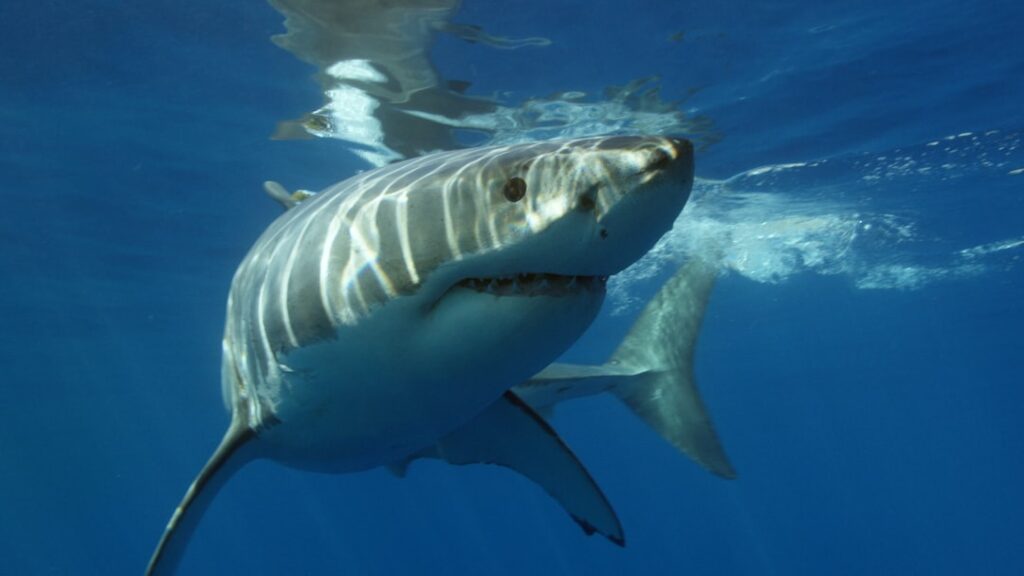
If you think sharks are picky eaters, you’re in for a shock. Off the coast of California, when researchers and fishers cut open shark stomachs for science, they sometimes find scenes that look less like nature and more like a chaotic thrift store. Mixed in with fish and seals, you’ll sometimes see license plates, bird beaks, and twisted piles of plastic that have no business being inside a living animal.
As you walk along a California beach and spot dorsal fins offshore, it’s easy to picture sharks as sleek, perfect predators that always know exactly what they’re doing. The truth is far messier and, honestly, a little heartbreaking. When you look closely at what turns up inside them, you’re not just seeing shark behavior; you’re seeing a mirror of your own world, your trash, your coastline, and your impact on the Pacific.
1. License Plates: When Sharks Eat Your Car’s ID

You’ve probably heard the classic shark-urban-legend about license plates in shark stomachs, and it’s not just movie fiction. In real life, large sharks like tiger sharks and great whites have been documented with mangled metal plates in their guts, and similar finds can and do happen in the waters off California where both species occasionally roam. You can almost picture a plate ripped loose in a flood or storm, tumbling into the surf and shining like a curious object worth one experimental bite.
When you think about it from the shark’s point of view, a license plate is just a flat, reflective thing that moves in the current like a fish or a ray. Sharks investigate the world with their mouths, and a test bite can turn into a swallowed hazard before they realize it is indigestible metal. If you ever needed a blunt reminder of how much human junk ends up in the ocean, picturing a powerful predator cruising around with a car tag in its stomach should do it.
2. Whole Seabirds, Feathers and All
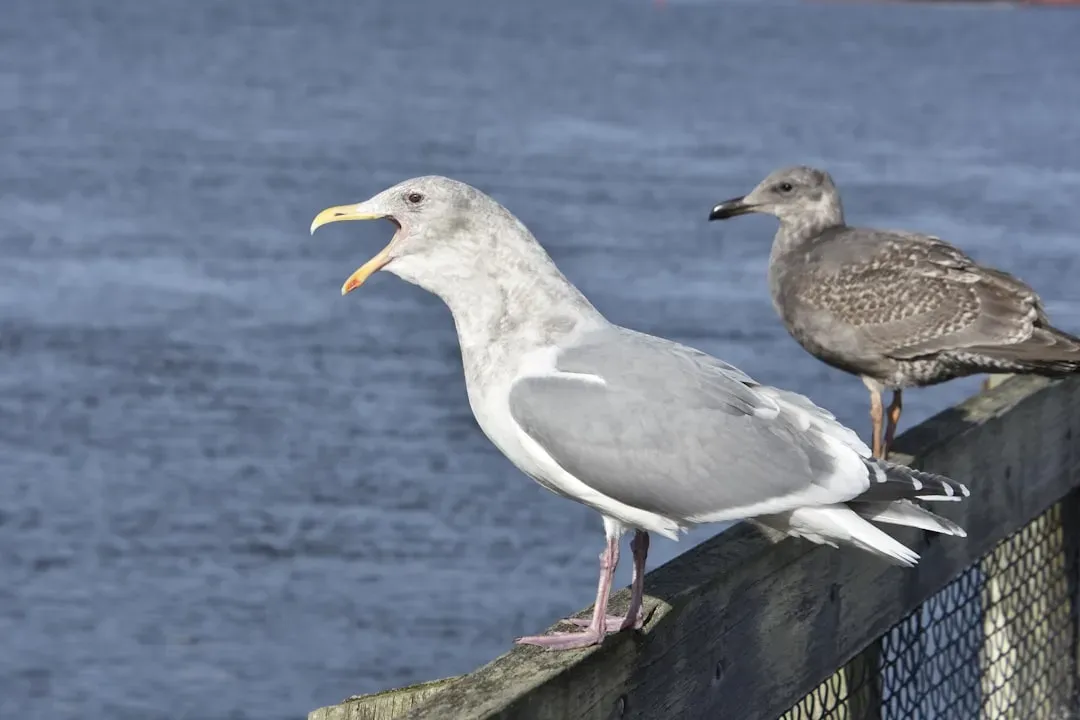
Off California, you share the coastline with squawking gulls, cormorants, and pelicans – and so do sharks. When researchers examine shark stomachs from this region, they sometimes find entire seabirds or big chunks of them, feathers still clinging stubbornly to the meat. To you, a seagull might just be a noisy beach thief; to a young white shark learning to hunt nearshore, it’s a floating snack that made one wrong move.
It sounds bizarre until you imagine a stormy day, waves slamming into the pier, and exhausted birds sitting low on the water. A shark coming in close to the beach to hunt rays or fish will not ignore a struggling bird at the surface. If you ever watch gulls dive on bait schools while something bigger churns the water beneath, you’re seeing the exact chaotic overlap that leads to feathers ending up inside a shark’s gut.
3. Sea Lion Flippers and Partial Marine Mammals
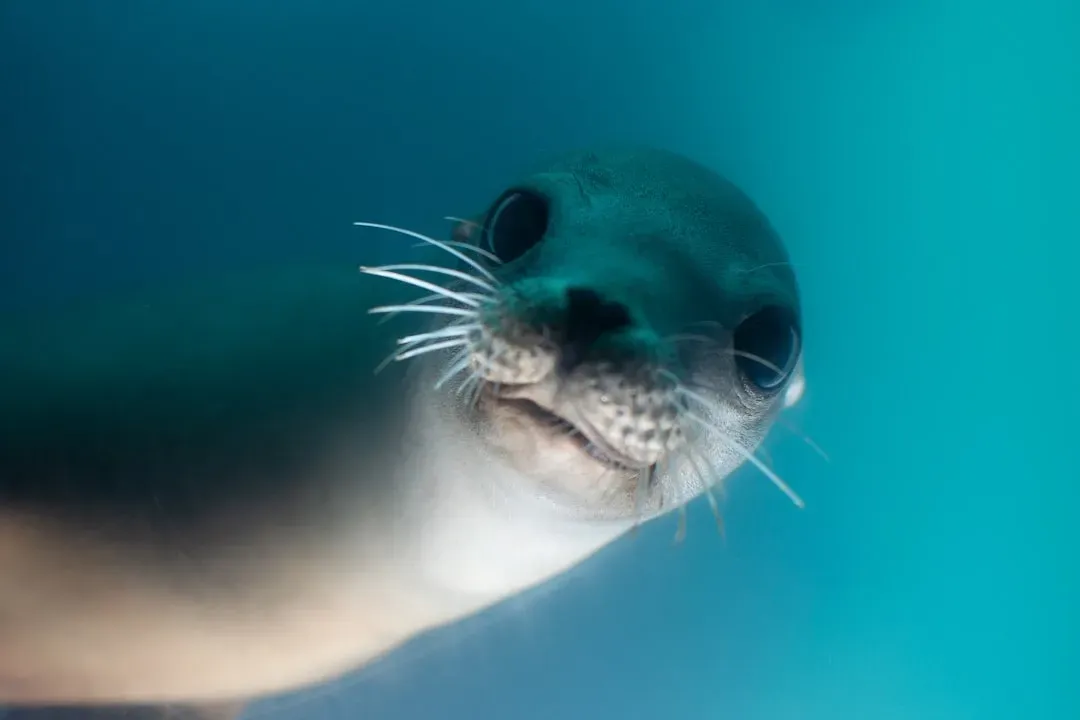
If you spend time along the Central and Northern California coast, you see sea lions everywhere: hauled out on buoys, barking on docks, surfing waves near the shore. What you don’t usually see is what happens after a white shark ambushes one just past the breakers. When biologists inspect stomachs of California white sharks, they often find only parts of marine mammals – flippers, chunks of blubber, pieces of spine – because sharks bite, tear, and swallow in sections rather than taking an animal whole.
To you, a severed flipper inside a shark might sound like something from a horror film, but in ecological terms, it’s completely normal. White sharks off California specialize in marine mammals as they grow, and the scattered remains inside their stomachs read like a logbook of ambushes near elephant seal rookeries and sea lion haul-outs. It’s gruesome, but it’s also a sign that the food web along the California coast is still doing what it evolved to do.
4. Plastic Bags That Look Like Jellyfish
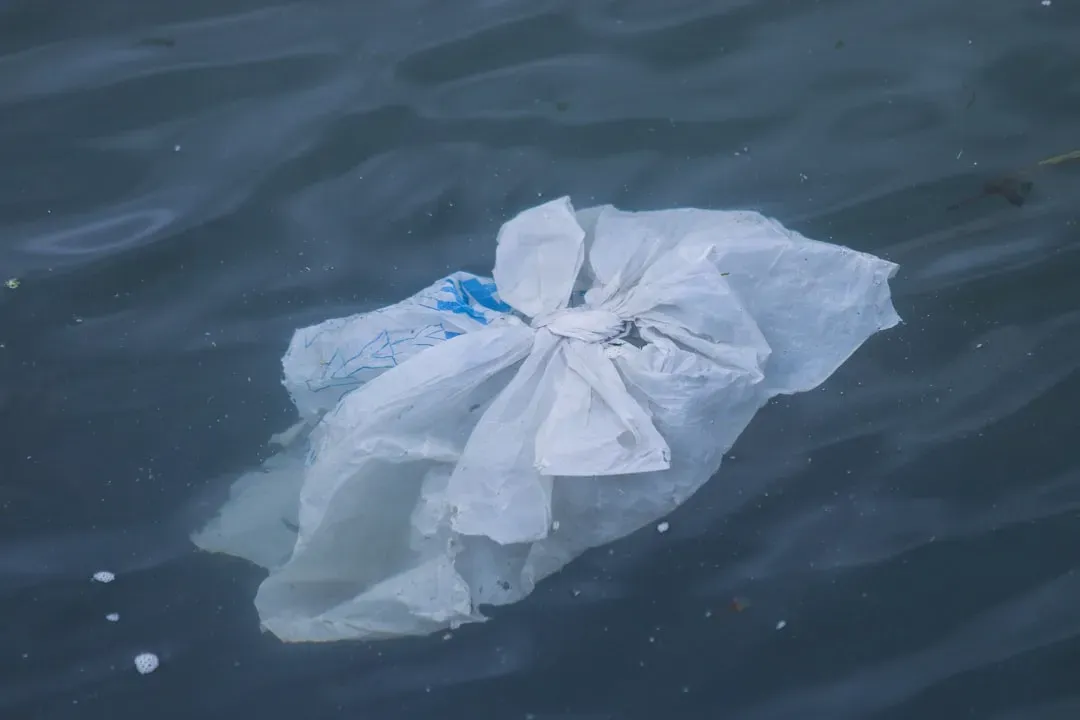
When you see a floating grocery bag curling and twisting in the surf, it probably feels like an eyesore. To a shark, especially a curious one cruising under the surface, that same object can look disturbingly like a drifting jellyfish or a chunk of flesh. Stomach content studies along the Pacific coast, including California, keep turning up plastic bags and other soft plastics inside sharks, showing you just how easy it is for them to mistake trash for prey.
Once swallowed, that plastic does nothing useful for the shark. It can clog the digestive system, reduce appetite, and take up valuable space where real, energy-rich food should be. If you’ve ever let a bag slip from your hand in a parking lot on a windy day, you might not think much of it – but downstream, that single moment can end up as a translucent ghost inside a shark’s spiraled intestine, staying there long after any real meal has been digested.
5. Fishing Hooks, Leaders, and Lures Still Attached
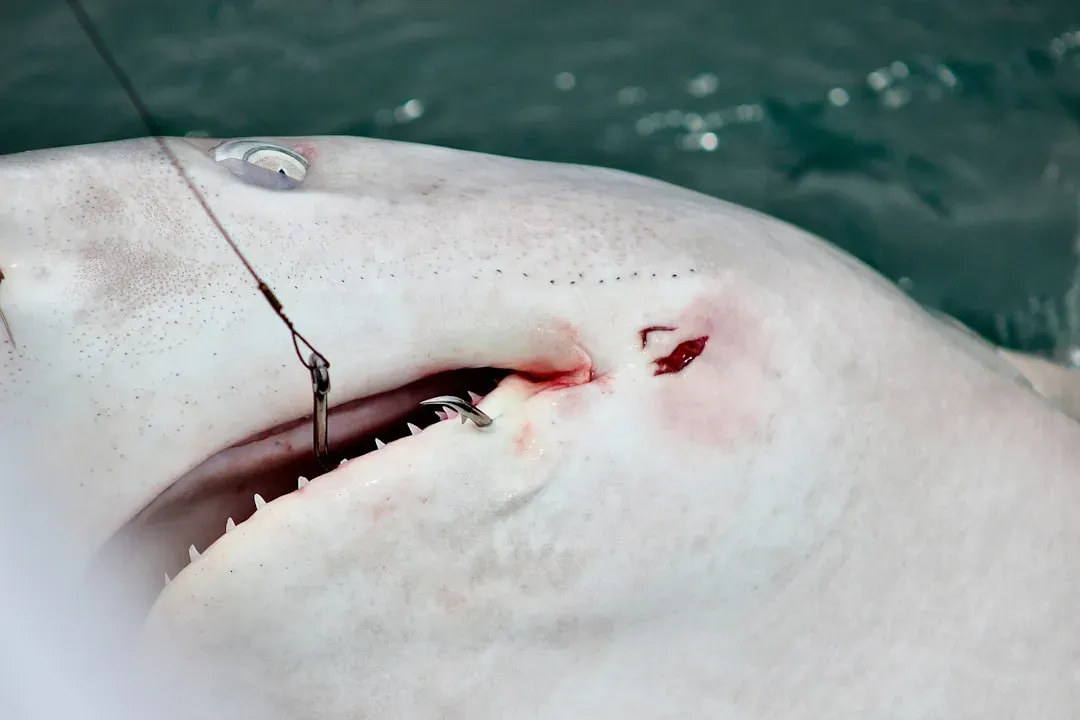
If you fish off a California pier or from a kayak, you know how easy it is to lose gear to a strong fish or a snagged rock. Sharks pay the price for that lost tackle more often than you might realize. When scientists and fishers open sharks caught off California, they sometimes find steel hooks embedded in the stomach wall, leaders trailing behind them, or even entire lures lodged like splinters in living tissue.
Imagine trying to eat with a jagged piece of metal stuck in your throat; that’s the kind of chronic damage a shark can carry for months or longer. Some individuals survive with gear partially dissolved or encapsulated by scar tissue, but others may stop feeding efficiently or succumb to internal infections. Every time you cut your line rather than carefully removing a hook, you’re making a bet that the animal on the other end can deal with the consequences – and sharks often end up proving that bet wrong.
6. Bird Beaks, Bones, and Random Feathers
Even when a shark does not swallow a whole bird, you still see evidence of avian snacks inside. Stomach inspections sometimes turn up sharp bird beaks, hollow bones, and clumps of feathers that have resisted digestion longer than soft tissue. To you, those fragments might look like trash, but to a researcher they are clues that your local sharks are snapping up more than just fish and seals.
This kind of find usually reflects opportunism more than targeted hunting. A gull stealing bait from a hook, a cormorant diving into a bait ball, or a storm-tossed bird sitting helpless at the surface can all end up as part of a shark’s very mixed menu. When you realize that your Californian sharks are eating everything from anchovies to airborne thieves, you start to see them less as simple villains and more as flexible survivors taking advantage of every mistake around them.
7. Seal Whiskers and Tough Patches of Hide
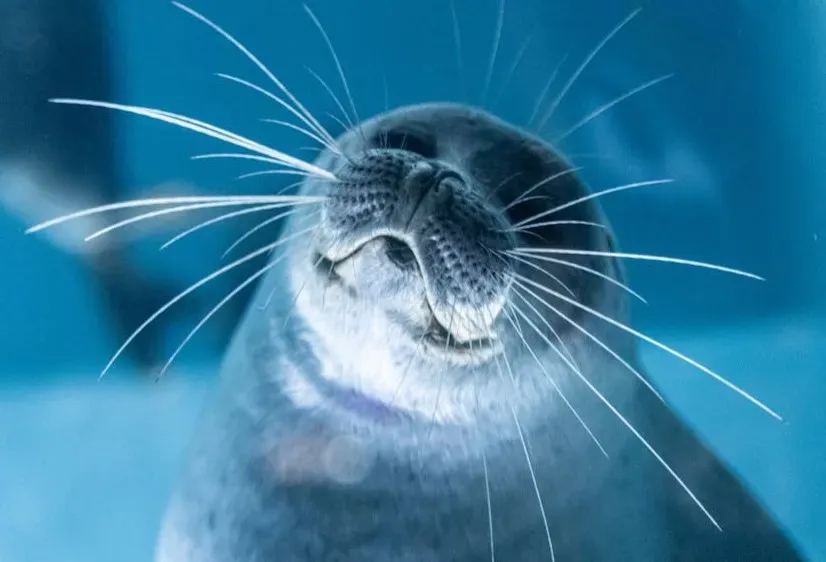
One of the strangest details researchers sometimes notice inside white sharks off California is not big dramatic body parts, but tiny, tough things like seal whiskers and thick bits of hide. Whiskers are made of resilient material, and they can sit in the stomach long after the rest of the seal has been digested. When you find a handful of them, it is like reading a fingerprint of past hunts in one small corner of the shark’s gut.
For you, it might feel unsettling to imagine a shark’s internal organs lined with the last traces of a seal pup from an offshore rookery. Yet it also tells you that these predators are doing exactly what their evolution set them up to do along the California coast: targeting high-calorie mammal prey, storing that energy in fat-rich livers, and surviving long stretches between kills. Those stubborn whiskers are leftovers from a brutally efficient system built on energy math, not malice.
8. Sea Turtle Shell Fragments and Tough Scutes
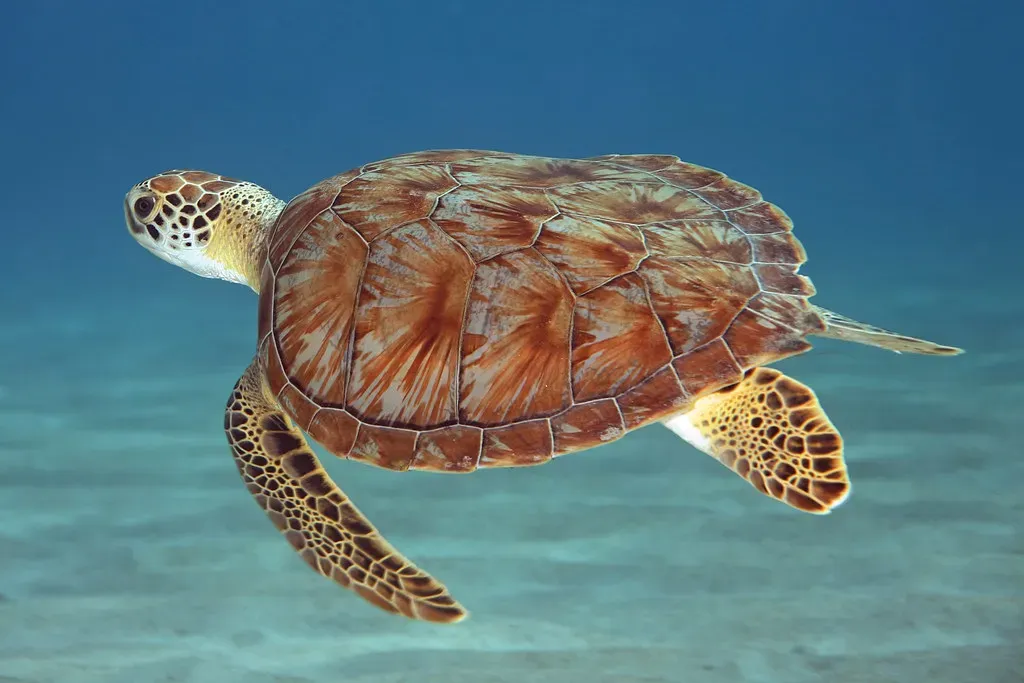
California’s waters host several sea turtle species, and while they are protected, they are not immune to hungry sharks. Occasionally, investigators find pieces of turtle shell, called scutes, and fragments of bone inside large sharks caught offshore or along migration routes. To you, a turtle might symbolize peaceful ocean life; to a big predator, it is a slow-moving package of meat wrapped in armor that can still be cracked with the right bite.
Shell pieces can linger in a shark’s stomach because they are hard to grind down and pass, especially given the unique spiral structure of a shark’s intestine. When you picture a shark swallowing those jagged plates, you realize how much force and commitment go into each attack. It also reminds you that every turtle tangled in fishing gear or weakened by pollution is easier prey, making human impact and natural predation tightly linked in a way you cannot ignore.
9. Entire Rays and Skates Folded Like Carpets
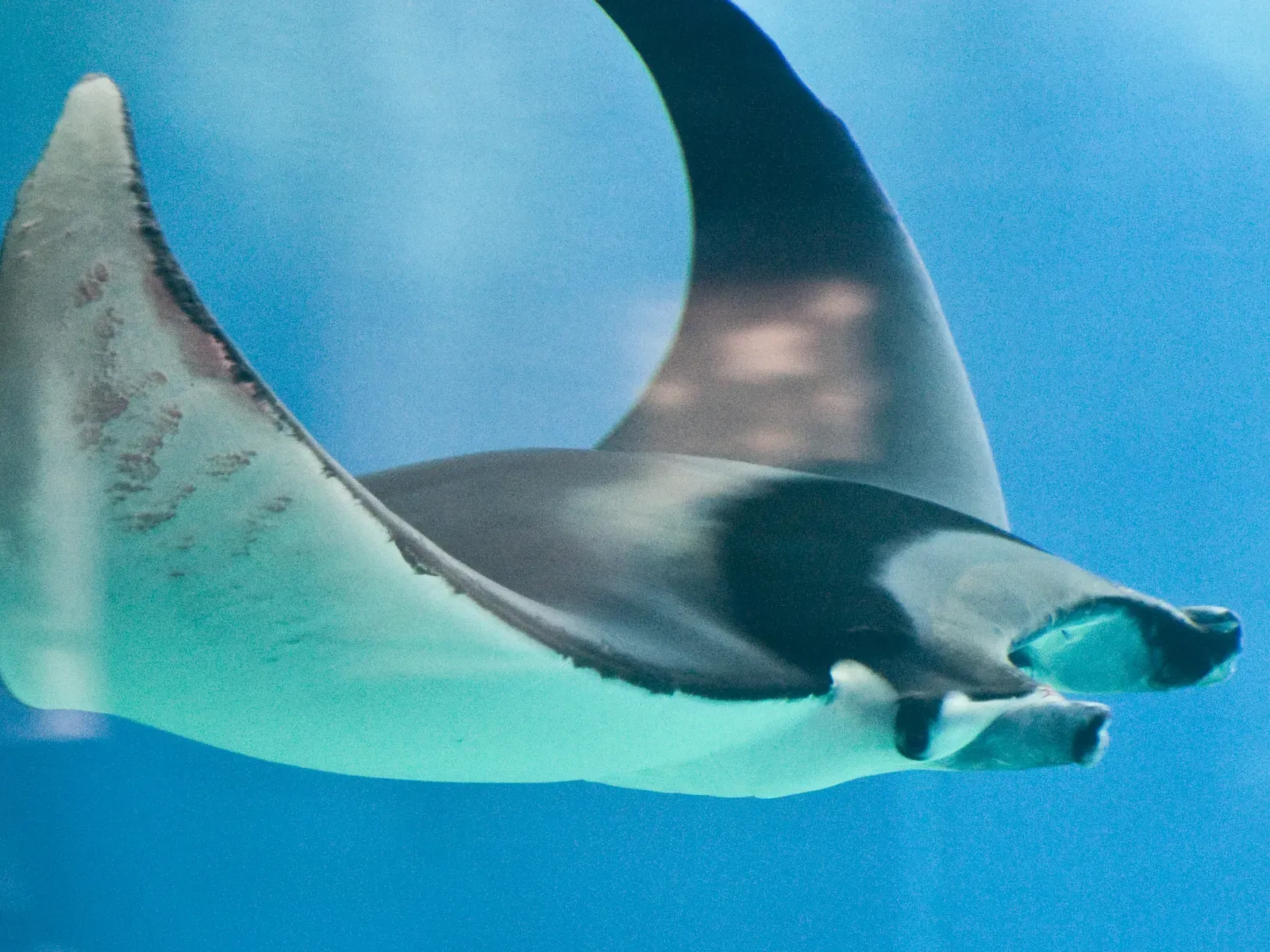
Sharks off California do not just eat sleek, torpedo-shaped fish; they also devour rays and skates that glide along the sandy bottom like flying rugs. When one of those ends up in a shark’s stomach, you sometimes find it folded or crumpled in surprising ways, wings bent over themselves like a rolled-up yoga mat jammed into too-small luggage. Seeing that inside a shark drives home how shockingly expandable their stomachs really are.
If you have ever seen a bat ray cruising just offshore in the shallows, you might not imagine that it could fit inside a predator’s gut in one piece. Yet larger sharks can engulf them, shake them apart, and gulp big sections whole. From your perspective, that sounds almost absurd, but inside the shark it is just physics: soft cartilage, flexible tissue, and a body cavity designed to stretch far beyond what looks possible from the outside.
10. Crustaceans, Clams, and Shells That Refuse to Break Down
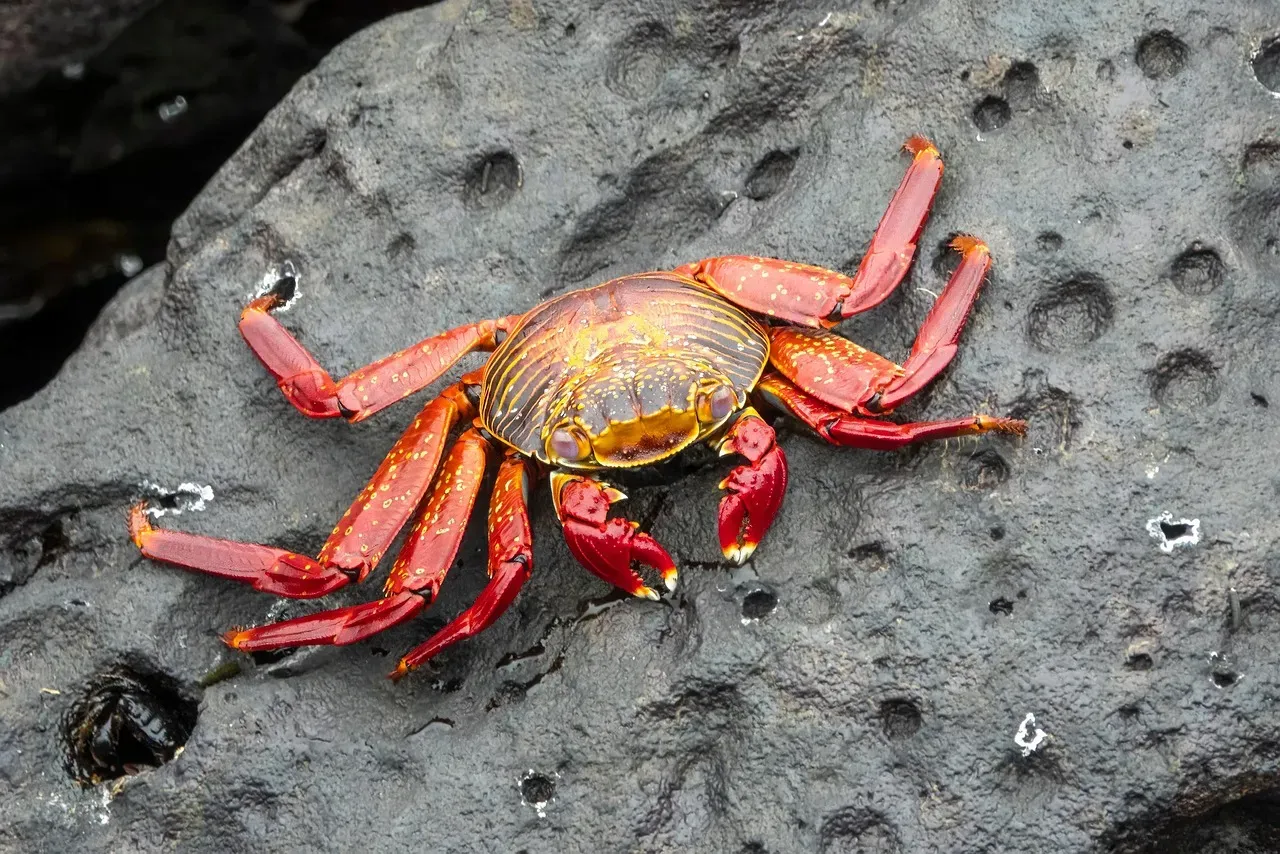
Not every shark meal in California is dramatic; some are surprisingly small and crunchy. When researchers sift through stomach contents from smaller coastal sharks and juveniles, they often find pieces of crabs, shrimps, and even bits of clam shells that never fully broke down. You might overlook those details, but they tell you that many sharks are not just apex hunters; they are also bottom pickers raiding the seafloor buffet.
Those hard shells can scratch and linger, especially in species without massive crushing teeth. Still, from the shark’s point of view, the trade-off is worth it because each crab or clam adds up in the energy budget. The next time you flip over a rock in a tide pool and see tiny crabs scatter, imagine a young shark doing the same thing with its snout and sense of smell, hoovering up whatever crunchy snack it can find.
11. Random Metal Junk: Nails, Wire, and Scraps
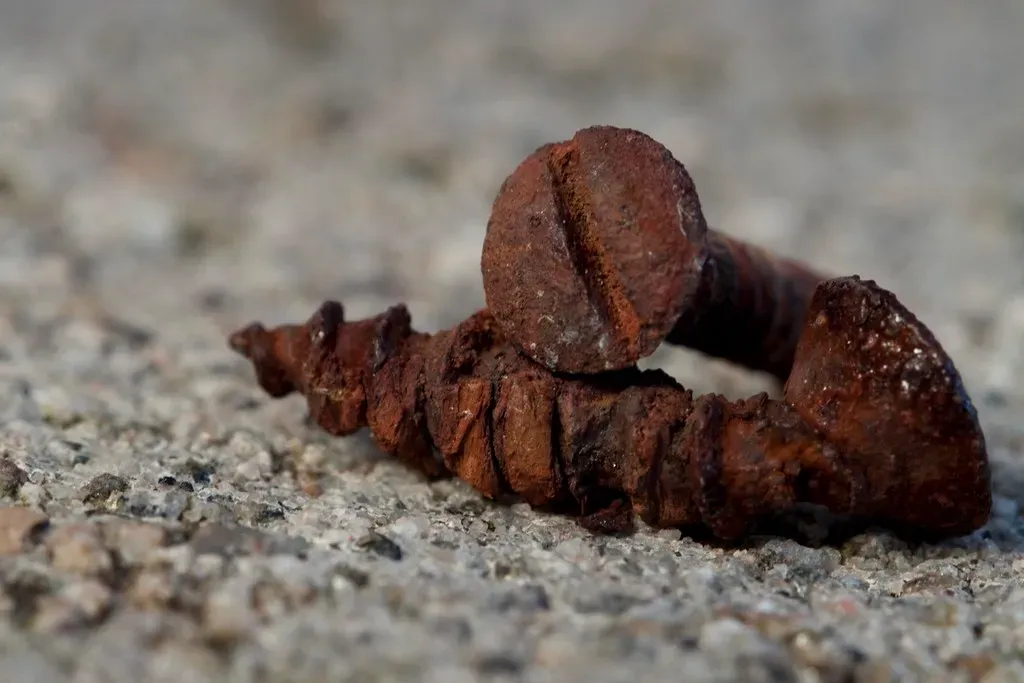
One of the saddest categories of bizarre shark-stomach finds is the nondescript metal junk: rusting nails, twisted bits of wire, and corroded scraps that do not even look like anything familiar anymore. In heavily used coastal regions like California, waves, storms, and runoff carry all that debris into nearshore waters where sharks hunt. To you, a bent piece of wire on a dock is an annoyance; to a shark, it can be a deadly curiosity.
Sharks do not have hands to pick things up and inspect them, so they grab with their mouths. A test bite on a drifting metal shard can turn into accidental swallowing in seconds, especially during a feeding frenzy around a school of fish. When you realize that these animals are carrying our forgotten hardware inside their bodies, it becomes hard to pretend that the line between your backyard and the ocean is as distant as it feels on a calm, sunny day.
12. Other Sharks: Fins, Heads, and Half-Digested Rivals
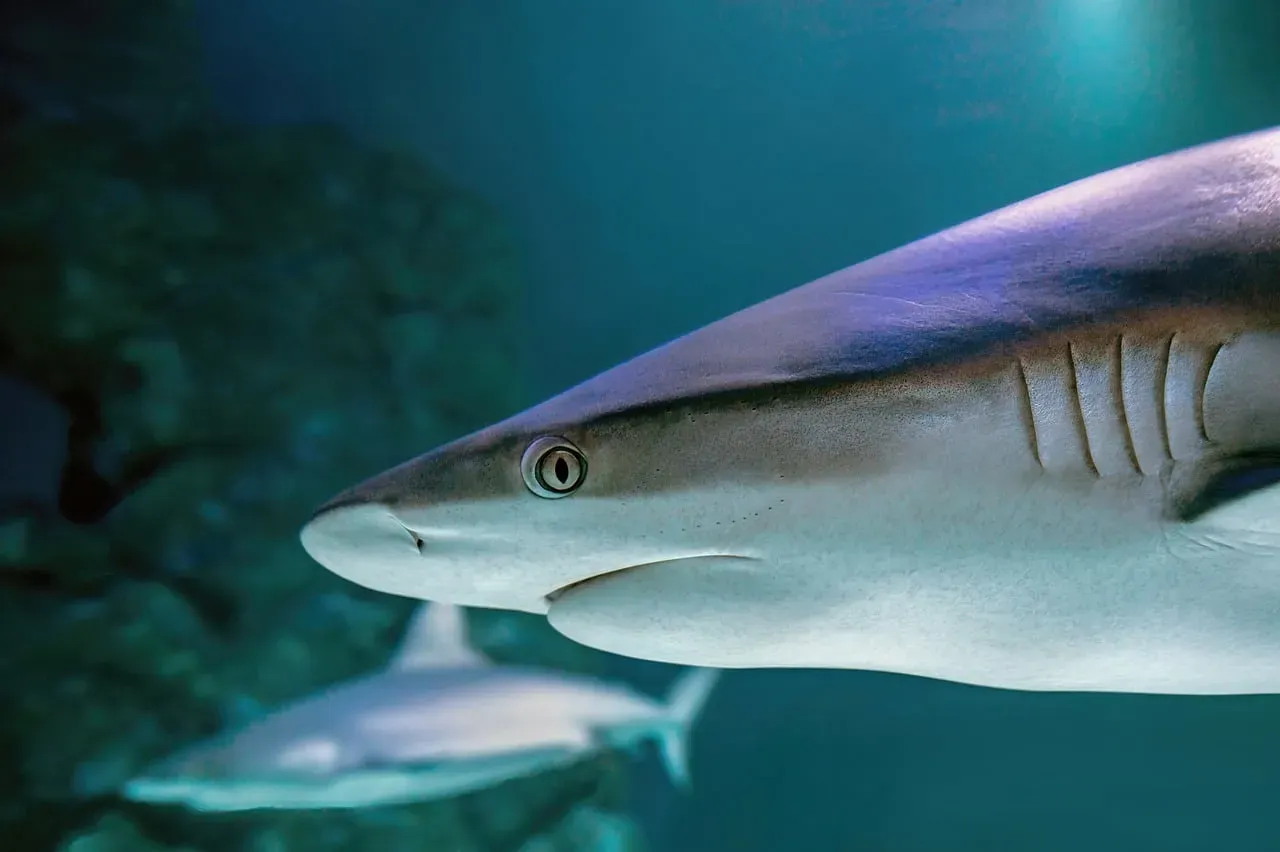
Off California, sharks do not just compete with each other; sometimes they eat each other. Researchers dissecting larger sharks occasionally find the remains of smaller sharks inside – fins, jaws, and other recognizable pieces, softened by acid but still clearly belonging to the same tribe. To you, that might sound cannibalistic and brutal, but in the ocean, a smaller predator is still just meat when a larger one gets hungry.
You see this especially where multiple shark species share feeding grounds, such as near pinniped colonies or along deep canyons where fish aggregate. A hooked smaller shark thrashing near the surface can quickly become a target for a bigger one, ending up as another strange, half-digested surprise in a stomach exam. When you think of sharks as ruthless enough to eat their own kind, you gain a sobering respect for just how unforgiving their world really is.
13. Clumps of Kelp and Tangled Marine Plants
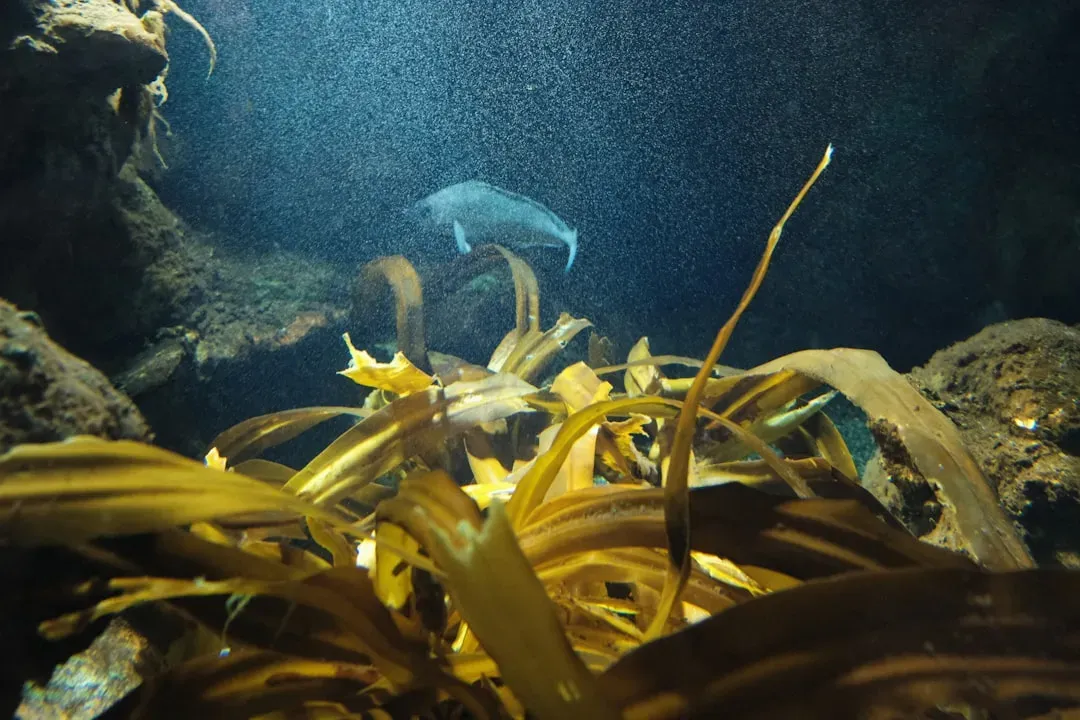
It might surprise you to learn that shark stomachs sometimes hold plant matter – stringy kelp, seagrass, and miscellaneous algae. Sharks are carnivores, but when they attack prey near kelp forests or along rocky reefs, they can easily gulp mouthfuls of vegetation along with the main course. If you have ever taken a bite of a burrito and gotten the wrapper, you already understand how that happens.
In most cases, those plant clumps pass through or break down without major harm, but they still tell you something important about where and how these sharks are feeding. California’s giant kelp forests are incredibly productive ecosystems, and sharks weaving through them leave a record of that habitat in their guts. When you imagine a white shark ghosting through shafts of golden kelp light, it suddenly makes sense that a few fronds might end up along for the ride.
14. Bones of Land Animals Swept Out to Sea
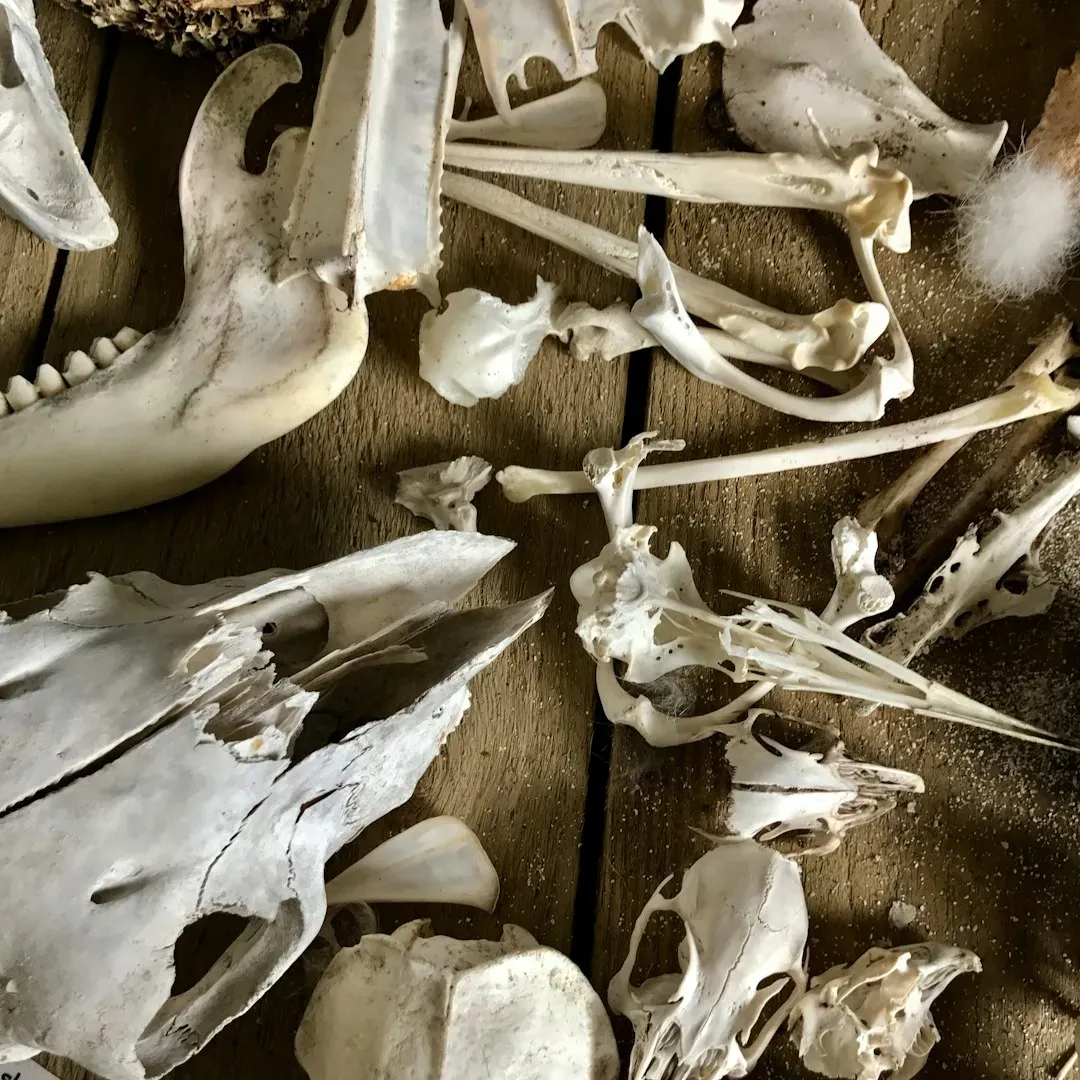
Every once in a while, stomach contents reveal something truly unexpected: bones from land animals like deer, pigs, or livestock that found their way into the ocean. Heavy rains, floods, and river runoff in California can carry carcasses downstream, where currents deliver them to the coast. A scavenging shark that encounters a bloated body drifting nearshore is not going to ask whether it came from land or sea; it simply bites.
From your vantage point on a cliffside trail, that whole process is invisible. You just see muddy water after a storm and maybe a few logs. Yet under the surface, sharks are turning disaster and decay into calories, recycling whatever nature and humans send their way. Finding those unfamiliar bones inside them is a weird, sobering reminder that your terrestrial world and their marine world are constantly mixing at the edges.
15. Parasitic Creatures Living Inside the Shark Itself
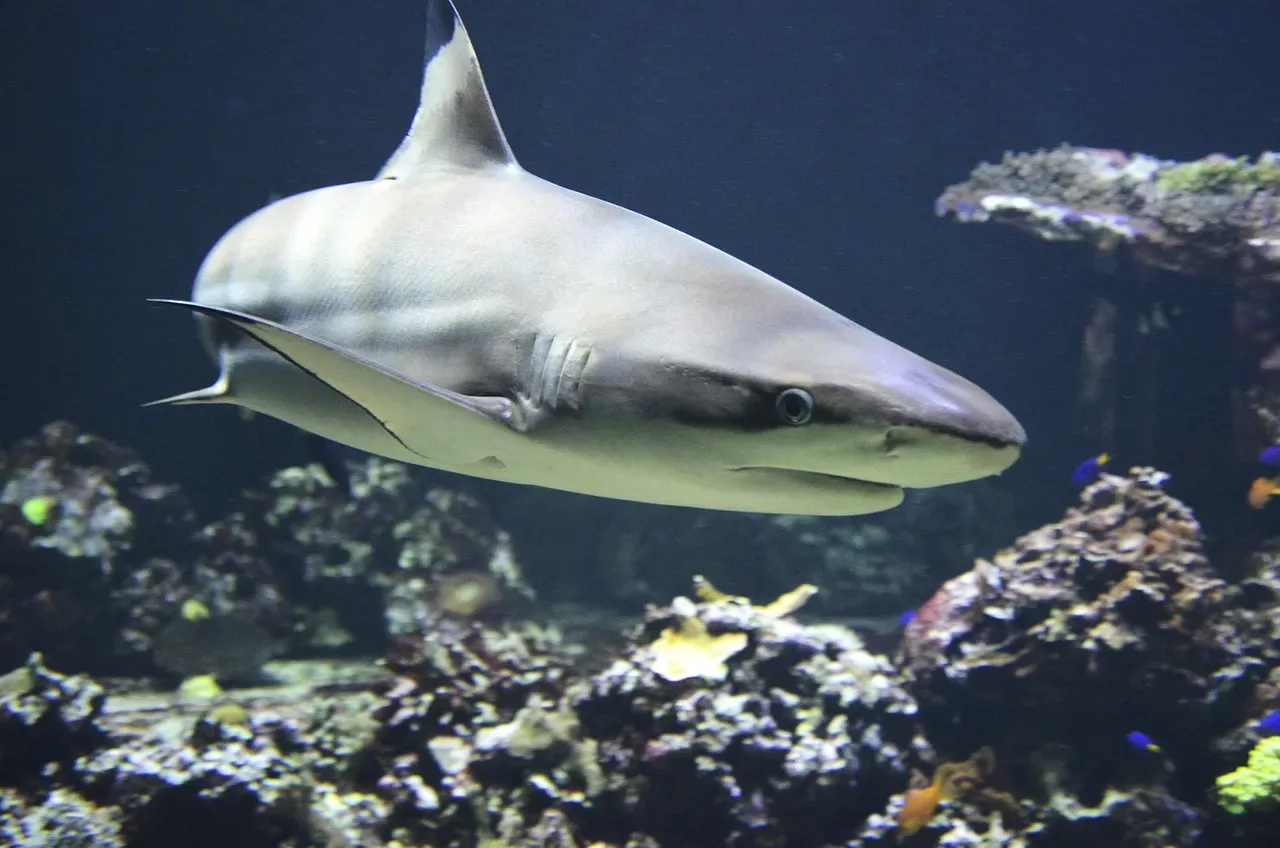
Not everything bizarre found “inside” a shark is something it chose to swallow. Sometimes, researchers studying sharks off the Pacific coast discover parasitic worms, copepods, or other hitchhikers embedded in the stomach lining, clinging to the gills, or burrowed into internal organs. To you, that might be the most unsettling image of all: a predator that terrifies you still playing unwilling host to smaller creatures feeding on it from within.
These parasites can weaken a shark over time, stealing nutrients and damaging sensitive tissues. In extreme cases documented in related shark species, entire clusters of parasites have been found deep in organs like the heart, a level of invasion that seems almost alien when you first hear about it. When you picture a massive California shark cruising offshore with tiny invaders tucked away inside, you suddenly realize that even top predators never get a complete escape from being on someone else’s menu.
Conclusion: What Shark Stomachs Really Tell You About the California Coast
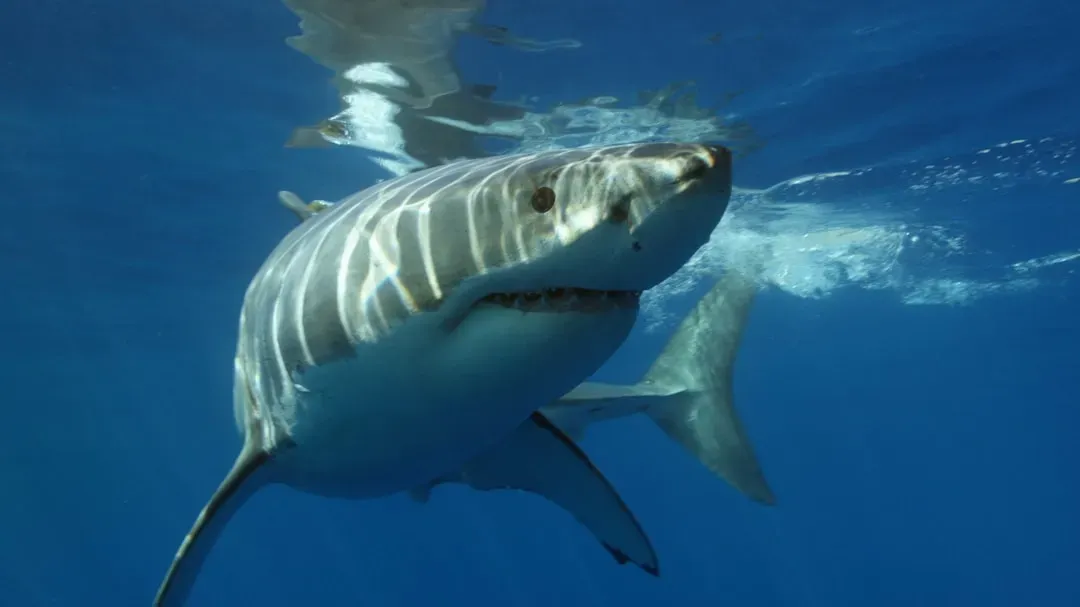
When you step back and look at this strange inventory – license plates, seabirds, hooks, mammals, plastic, and parasites – you are not just learning quirky trivia about sharks. You are reading a messy, unfiltered record of life off the California coast, written in bone, metal, and trash. Each bizarre object reminds you that sharks are curious, opportunistic animals trying to survive in a world you relentlessly clutter with your gear, your waste, and your mistakes.
If you care about these animals, the takeaway is simple but powerful: every bit of trash you secure, every piece of fishing gear you recover, and every small choice you make on land ripples outward into their world. The next time you watch waves rolling in at sunset and imagine what might be out there beyond the surf line, ask yourself this: if someone opened up a shark from those waters tomorrow, how much of what they found inside would quietly trace back to you?