If you grew up thinking that freezing to death is, well, the end of the story, some frogs are here to prove you wrong. In a few small, unassuming species, winter is not something they escape so much as something they literally turn into. Their bodies shut down, ice forms inside them, their hearts stop, and yet when spring arrives, they thaw out and hop away as if nothing happened.
Once you realize this is real and not science fiction, it changes how you think about the limits of life. You are looking at animals that bend the usual rules of biology, and they do it with a toolkit of natural antifreeze, controlled ice formation, and extreme slow-motion metabolism. When you dig into how it works, it makes your own winter complaints about cold toes and high heating bills feel pretty small.
The Frost-Defying Frogs You Actually Share the Planet With
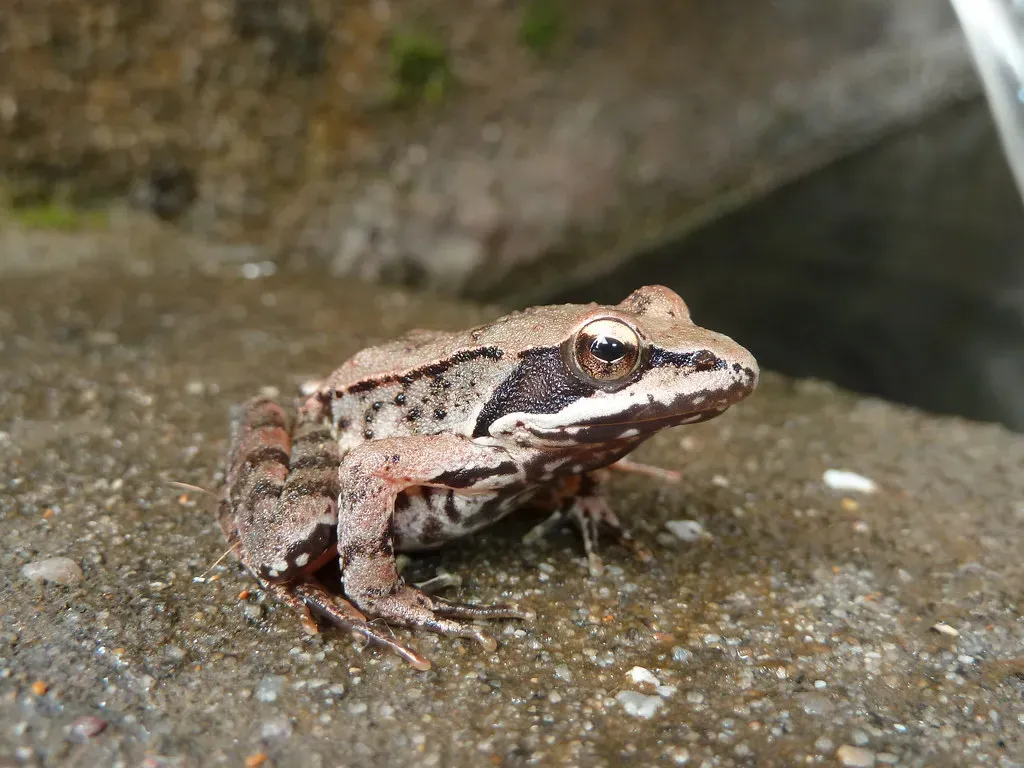
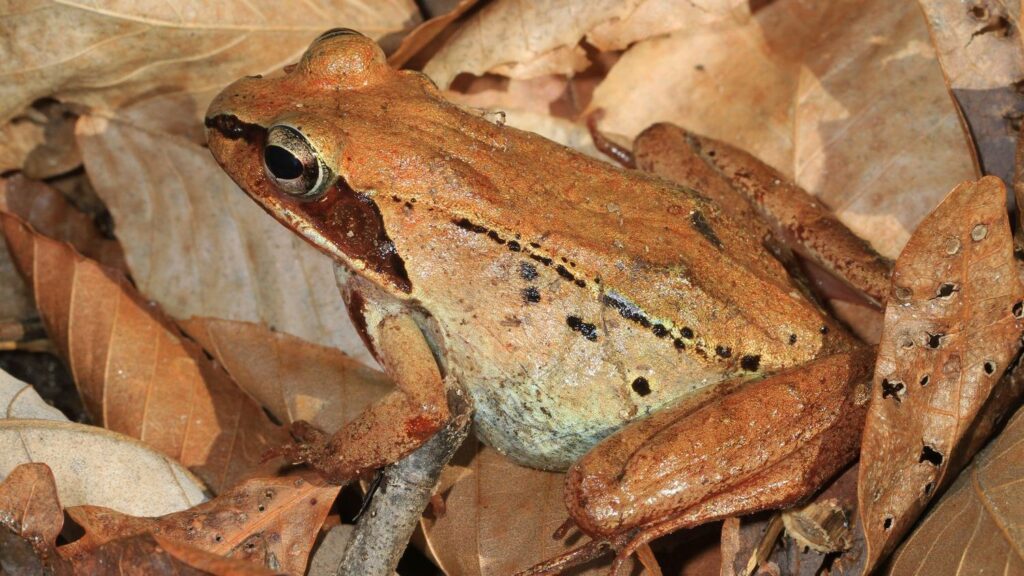
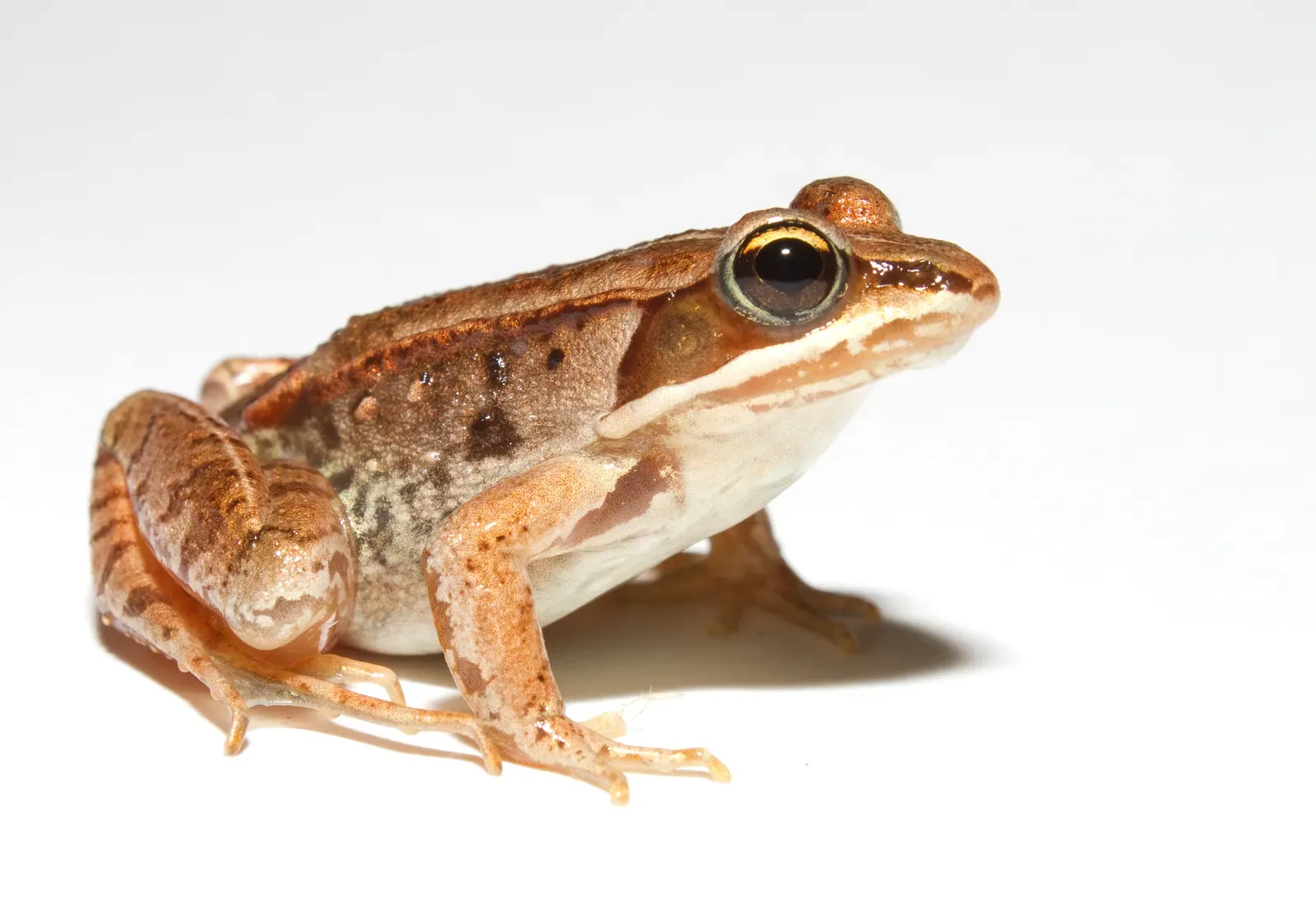
When you hear that a frog can freeze solid, you might picture some rare tropical fantasy species, but the reality is much more ordinary and closer to home. In North America, for example, the wood frog and a few close relatives pull off this trick every winter in forests, backyards, and even roadside ditches. You could easily walk past one under a thin layer of leaves, not realizing it is literally a popsicle with legs waiting for spring.
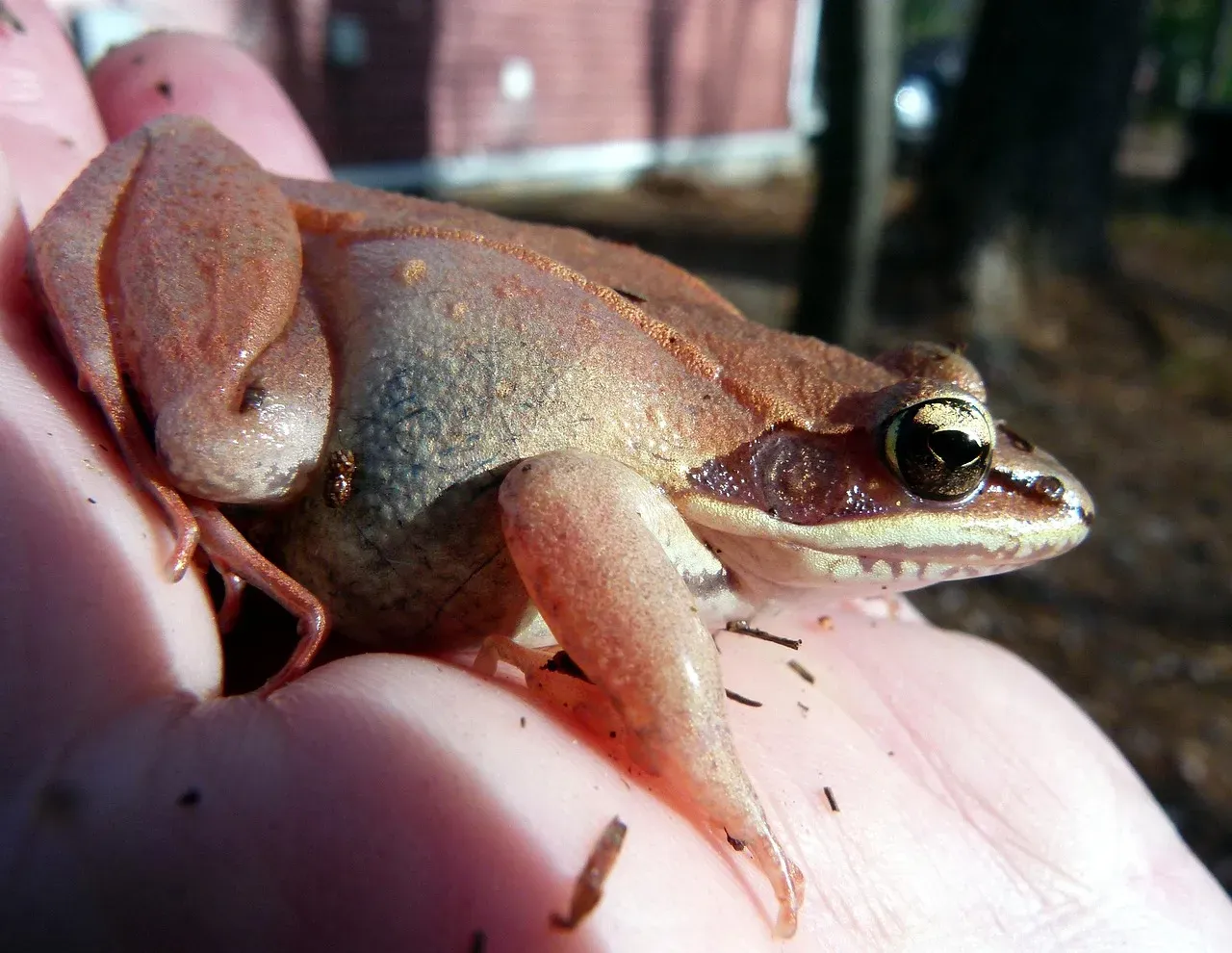
What makes this even more striking for you is that these frogs are not huge, colorful, or outwardly extreme in any way. They look like small brownish amphibians you would barely notice on a wet trail. Yet, beneath that ordinary appearance, their bodies are wired to tolerate a level of internal ice that would kill almost any other vertebrate. You are looking at an everyday animal that quietly does something your own body would never survive even once.
How Freezing Usually Kills Animals (And Why You Would Not Survive)
To understand why these frogs are special, you first have to look at why freezing is normally so destructive. If your own tissues froze, sharp ice crystals would start forming in and around your cells, puncturing delicate membranes like tiny glass shards. At the same time, water would shift and concentrate salts in dangerous ways, disrupting the chemistry that keeps your cells alive and balanced. Within a short time, the structural damage and chemical chaos would be irreversible.
On top of that, once ice blocks liquid water, your blood cannot flow, your heart cannot pump, and oxygen cannot reach vital organs. Your brain would run out of energy within minutes because it depends on a constant fuel supply and steady temperature. So when you read that a frog lets its heart stop and most of its body freeze, you are looking at an animal that somehow avoids all this usual mechanical and chemical carnage. It is not that freezing becomes safe; it is that the frog has evolved a way to freeze in a highly controlled, almost choreographed way.
The Moment Winter Hits: From Active Frog to Living Ice Sculpture
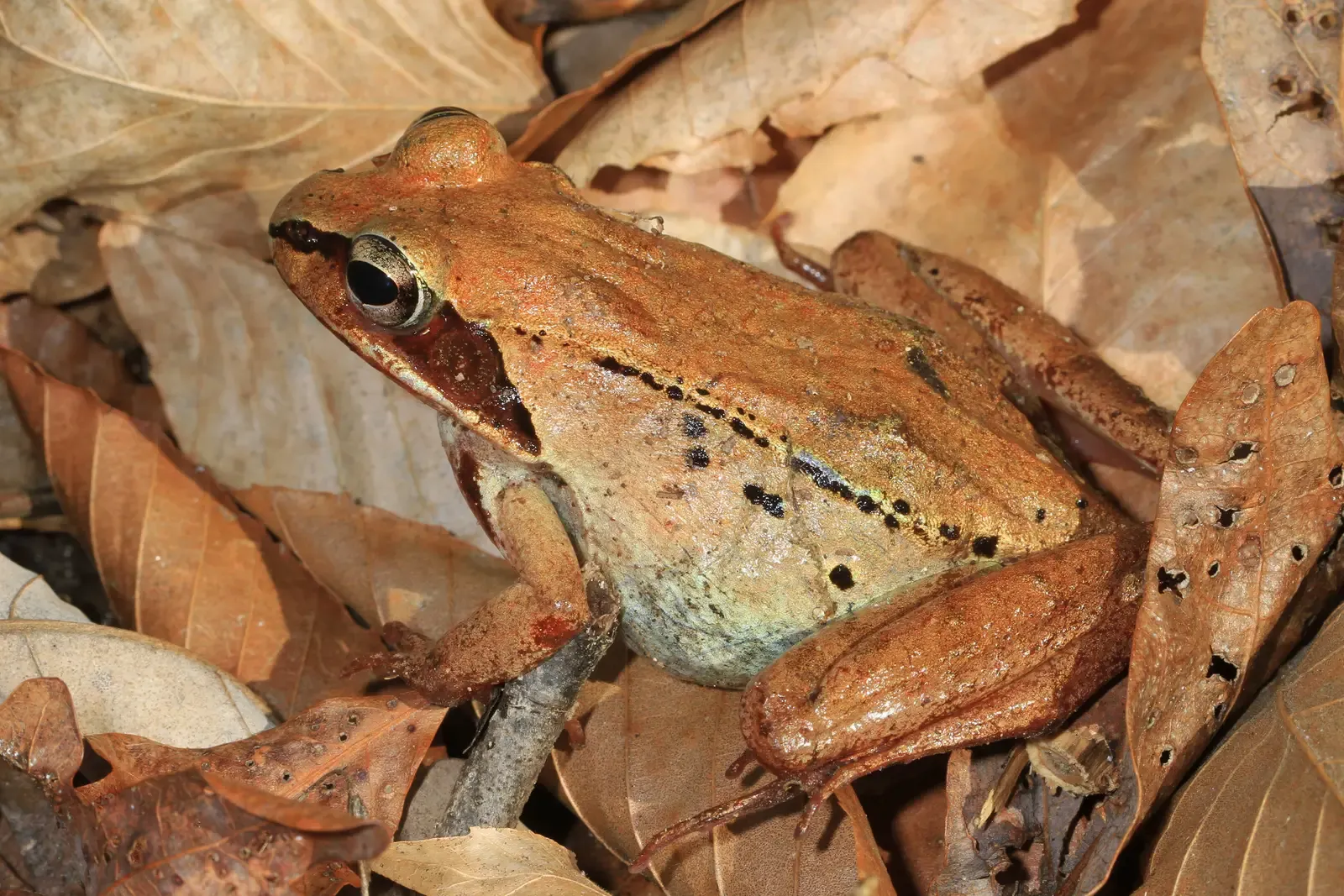
As autumn cools and you start reaching for a heavier jacket, these frogs start preparing for a very different kind of winter routine. Instead of migrating, hibernating deep underground, or staying active, they settle under leaf litter or shallow soil where they will still be exposed to freezing temperatures. When the first hard frost arrives, ice begins forming on their skin and in the spaces between their cells, spreading gradually inward.
From your perspective, it sounds like a horror scene: the frog’s body stiffens, its eyes go dull, its chest no longer rises, and there is no detectable heartbeat or breathing. For most animals, this would be the precise moment of death. For these frogs, it is more like pressing pause on a movie. Their systems are not destroyed; they are suspended. The key is that ice does not form randomly inside every cell but is tightly controlled so the core machinery remains intact despite the cold.
Natural Antifreeze: Sugars and Alcohols That Save Their Cells
Here is where the chemistry gets wild for you: as the frog begins to freeze, its liver dumps huge amounts of glucose into the bloodstream, and in some species, other compounds like glycerol or related alcohols build up too. These substances act like natural antifreeze, not by keeping the frog totally ice-free, but by protecting the insides of its cells from freezing solid. The water around the cells can freeze, but the high concentration of these solutes inside the cells helps them stay unfrozen and structurally safe.
If you have ever added salt to icy roads or sugar to a homemade sorbet, you have seen a small version of this principle at work. The frog is doing something similar on a whole-body scale, using these dissolved molecules to control where ice can form and how much water remains liquid. To you, they might just sound like everyday nutrients, but in these doses and in this timing, they become life-preserving tools. Without this sudden flood of internal antifreeze, the freezing process would shred the frog from the inside out.
Letting the Heart Stop: Metabolism on Near-Zero Power
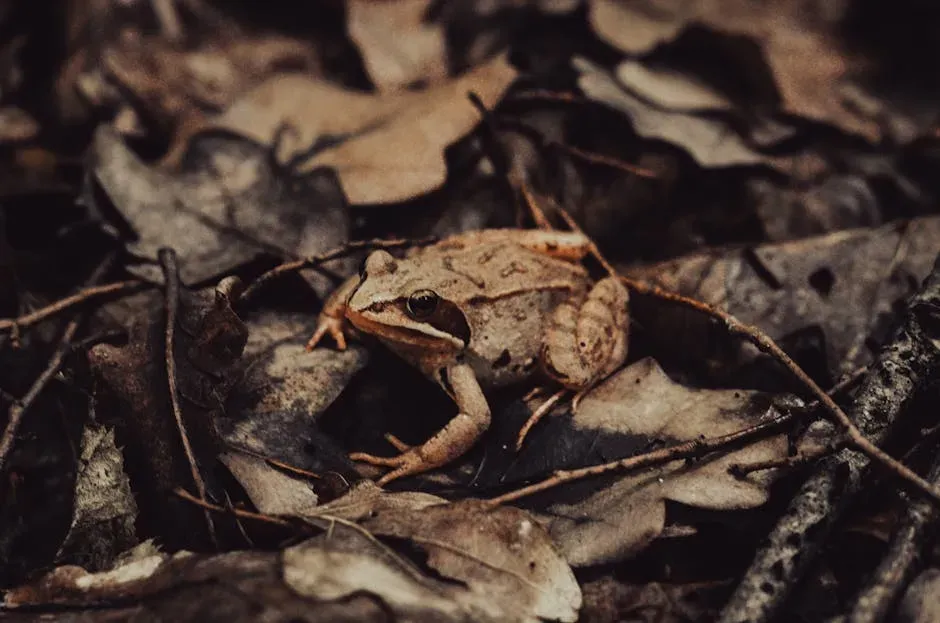
Another thing that will probably challenge your instincts is that these frogs allow most vital signs to shut down completely. As they freeze, the heart stops beating, circulation halts, and muscle activity disappears. If you were to touch a frozen frog in this state, you would feel a rigid, icy body that seems utterly lifeless. Yet, deep inside, the cells are not dead; they are running on the lowest possible level of metabolism, using just enough chemistry to avoid irreversible damage.
For you, this is like imagining your entire body going into airplane mode, then sleep mode, then something even more extreme, where almost everything is off but the bare minimum remains ready to restart. The cold helps here because low temperature naturally slows chemical reactions and reduces energy demand. By embracing the freeze instead of fighting it, the frog avoids burning through fuel it does not have during the long months when insects are gone and ponds are locked in ice.
Thawing Out in Spring: Coming Back From the Frozen Edge
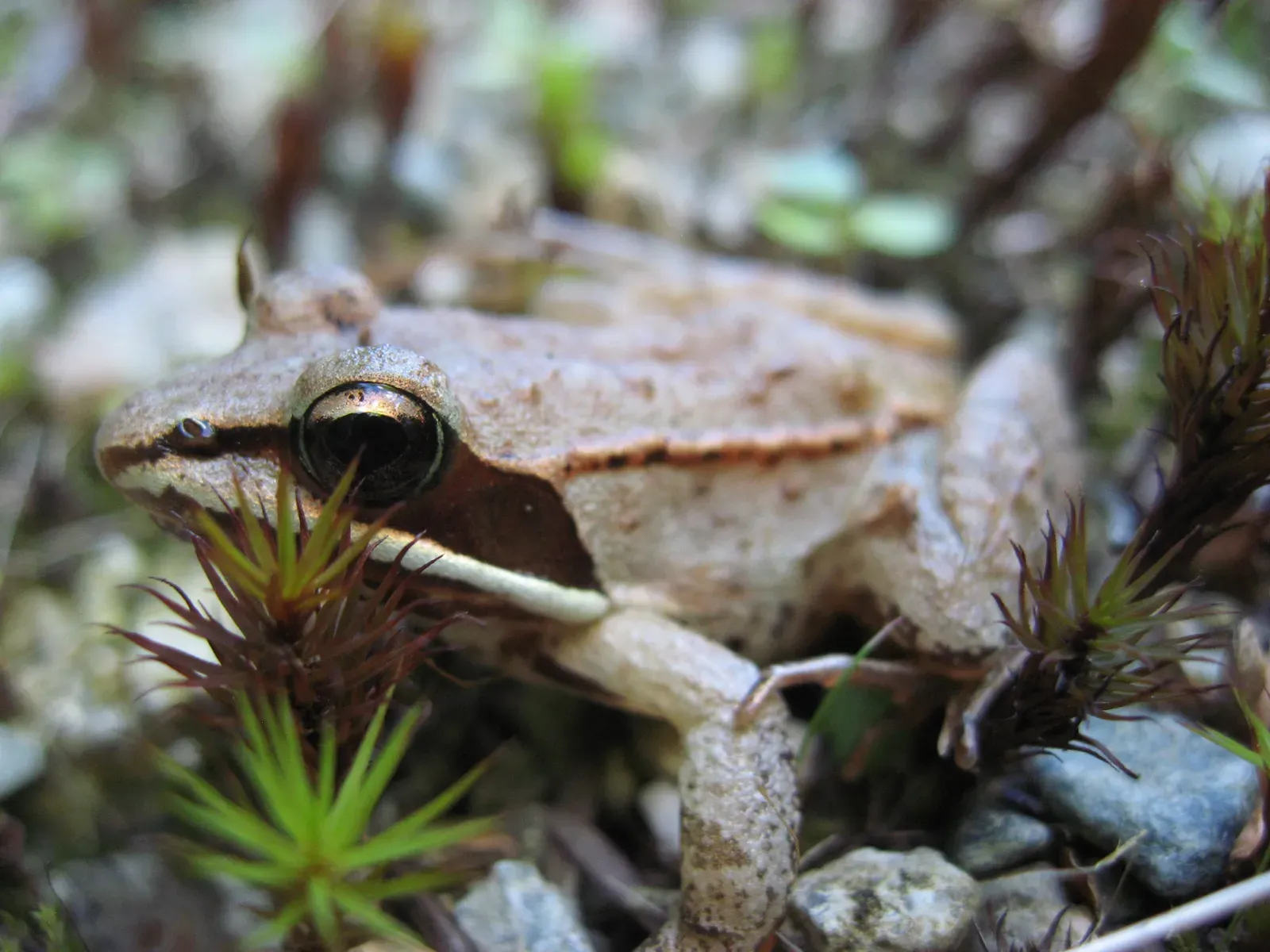
When temperatures finally rise and snow starts to melt, the same frog that looked like a rigid chunk of ice begins to wake up. Ice within the body thaws from the outside inward, and fluids start to move again. The heart kicks back into action, circulation returns, and the frog slowly regains movement. From your perspective, it almost looks like time-lapse footage of a machine powering back on after a long shutdown.
What impresses you most is how little long-term damage there seems to be. The tissues that spent days or weeks partly frozen can still function well enough for the frog to hop, feed, and, crucially, breed. Often, these frogs are among the first amphibians you would hear in early spring pools, calling and laying eggs while ice still lingers around the edges. In a way, their entire winter ordeal is in service of showing up early to the breeding season, taking advantage of water filled with fewer predators and competitors.
Why This Matters to You: Medicine, Space, and the Limits of Life
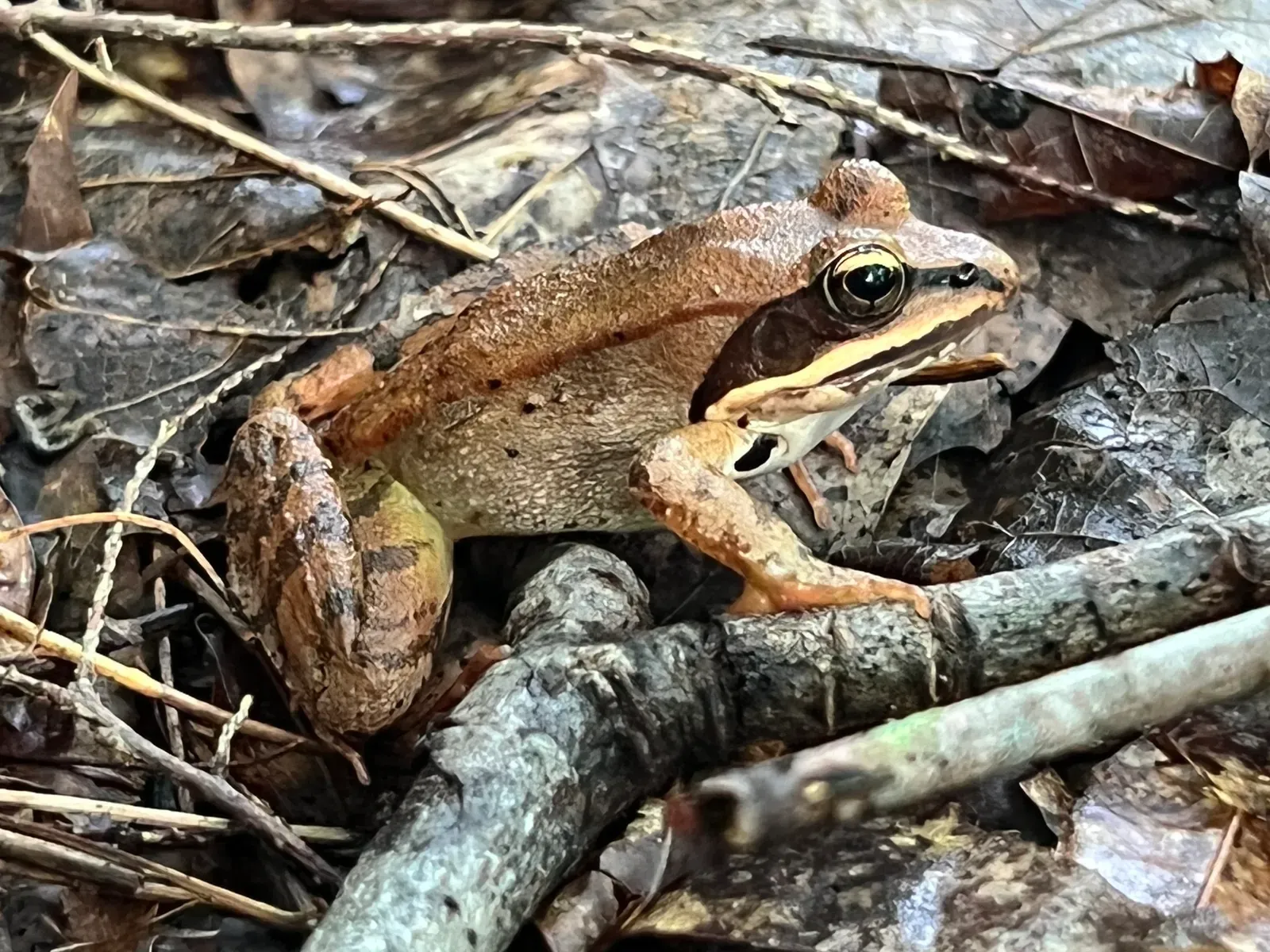
It might feel like this is just a neat frog party trick, but the implications spill over into your world in surprising ways. Scientists study these freeze-tolerant frogs to understand how organs and tissues can survive cold storage without catastrophic damage. If you could borrow even part of their strategy, you might one day see safer organ preservation for transplants or new ways to store cells and tissues for medical treatments. The way these frogs manage ice, blood flow, and metabolic shutdown gives you a real-world model of suspended animation.
Beyond medicine, their abilities push you to rethink where life is possible and what conditions it can tolerate. When you imagine long space voyages, extreme environments on other planets, or survival after accidents involving cold exposure, these frogs offer a hint that biology is more flexible than you would assume. You are looking at a living example that the line between life and death is not always as sharp as it feels in your own fragile body. Their winter freeze is a reminder that nature has already solved problems you are only beginning to ask.
Conclusion: A Winter Trick That Redefines What Survival Means
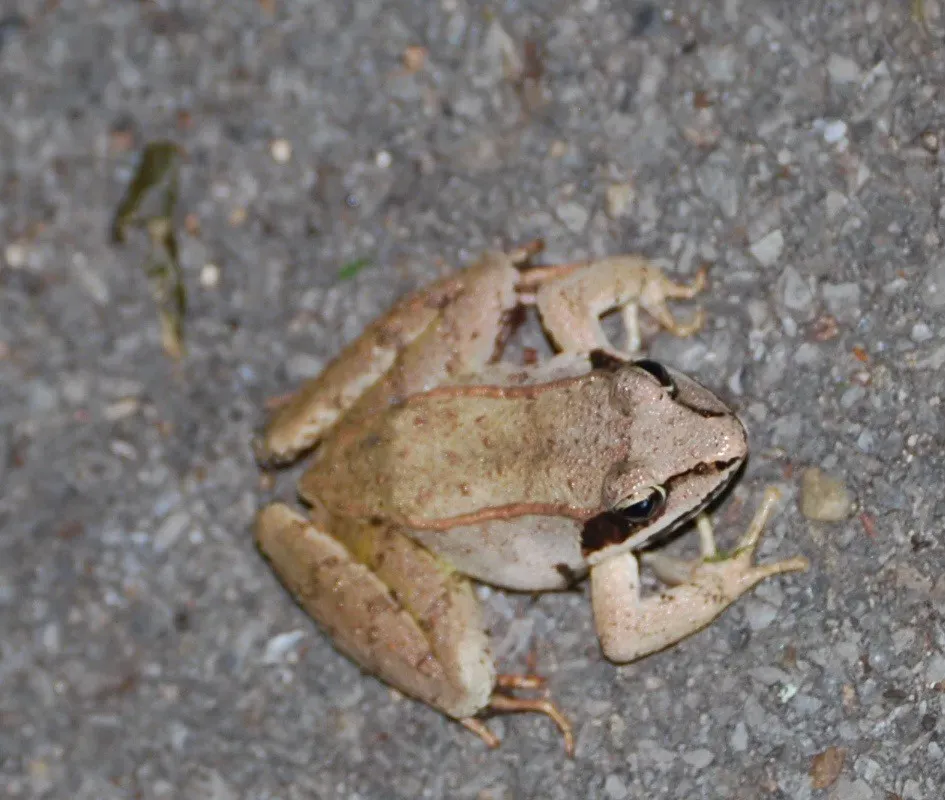
Once you really sit with the idea that a small frog can freeze solid, stop its heart, and then walk away months later, your old picture of winter survival starts to look pretty limited. Instead of retreating or escaping, these animals lean into the cold and let it reshape their bodies in ways that would instantly kill you. With carefully timed antifreeze molecules, controlled ice growth, and a metabolism dialed down to almost nothing, they turn a lethal season into a solvable problem.
The next time you feel the first cold snap of the year, you might still shiver, but now you know there are creatures under your feet taking a much more radical approach. Their quiet resilience is not just a curiosity; it is a window into what life can do when evolution is given time to experiment. So when you think about your own limits, it is worth asking yourself: if a thumb-sized frog can come back from being frozen, what other boundaries of survival might still be waiting to be rewritten?