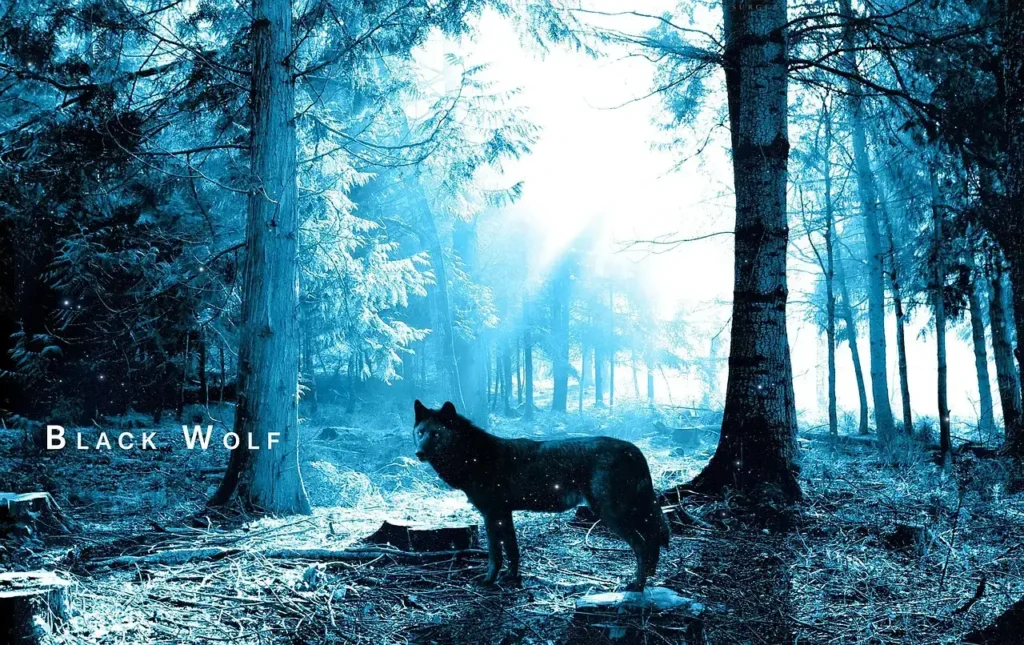
There’s something almost electric about the image of a black wolf: eyes glowing in the dark, fur disappearing into the shadows, presence felt more than seen. People have feared wolves for centuries, yet they’ve also seen them as guides, guardians, and mirrors of our wild inner self. When the wolf appears as a spirit animal, and especially as a black wolf, it tends to show up at times of emotional intensity, big decisions, or deep transformation.
In spiritual and psychological symbolism, the color black carries layers of meaning: mystery, the unknown, depth, and even the fertile darkness where new life begins. Combine that with the wolf’s well‑known traits – loyalty, intelligence, social bonds, and fierce independence – and you get a powerful archetype. This isn’t just a pretty metaphor; it often reflects very real patterns in your personality, your relationships, and how you move through crisis. Let’s break down what the black wolf as a spirit animal can actually mean in a grounded, relatable way.
The Black Wolf And The Power Of The Shadow
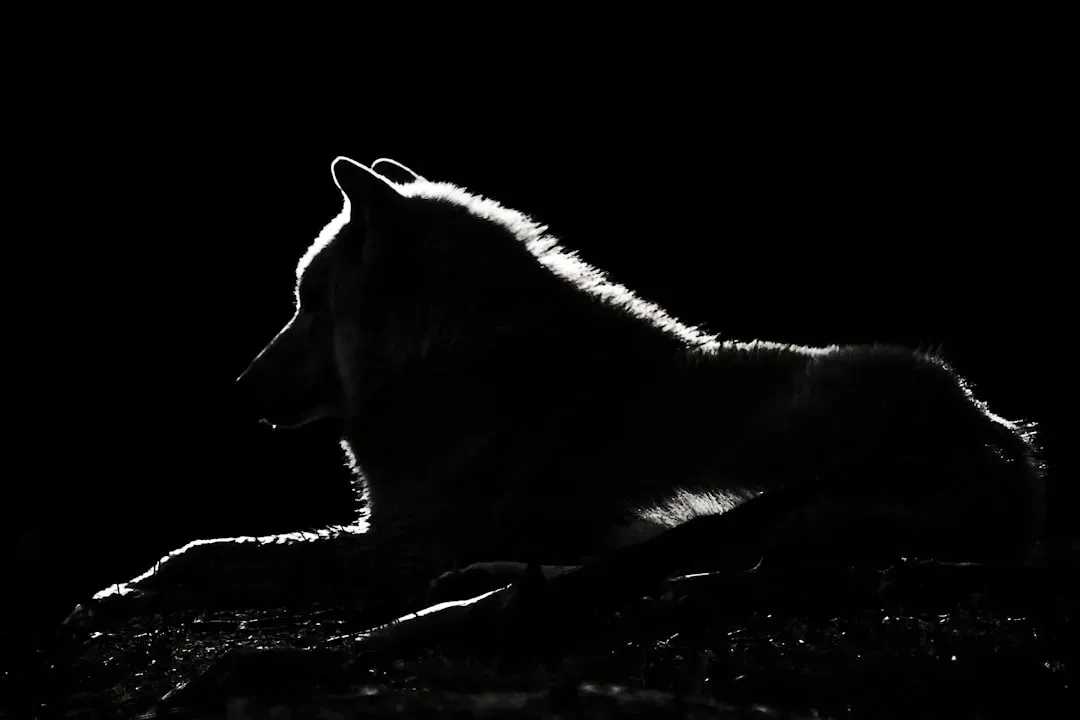
Think about the last time you felt something so intense you almost wanted to hide it – rage, jealousy, grief, obsession. Psychologists sometimes call this the “shadow”: the parts of yourself you push away, deny, or feel ashamed of, but that are still very much alive. The black wolf often symbolizes this inner shadow, not as a villain, but as a force of raw, untamed energy that wants to be integrated rather than suppressed. When people repeatedly dream of dark wolves or feel deeply drawn to them, it often coincides with periods when that hidden side of their psyche is trying very hard to be heard.
From a more down‑to‑earth angle, the black wolf can represent your capacity to handle uncomfortable truths about yourself. You might be the person who senses what others are avoiding, or who is weirdly good at naming the “elephant in the room.” Instead of seeing the shadow as something to fear, the black wolf invites you to treat it like a misunderstood ally – like a wild dog that’s been living at the edge of your property, watching you, waiting for you to stop pretending it isn’t there.
Intuition, Night Vision, And Navigating The Unknown
Wolves are mostly crepuscular or nocturnal, meaning they’re most active in low light or at night. Symbolically, that links them to intuition, subtle sensing, and navigating when things aren’t clear. The black wolf doubles down on that image: it’s almost invisible in darkness, moving easily in spaces where other beings are blind. If this animal resonates with you, chances are you often “just know” things without being able to logically explain why. You might read a room quickly, pick up on other people’s moods, or sense when something is off long before it becomes obvious.
In spiritual language, the black wolf is like your inner night‑vision goggles. It encourages you to trust signals that are soft, indirect, and nonverbal: a feeling in your gut, a subtle tension in your shoulders, the tiny shift in someone’s tone. This isn’t about magical thinking; your brain is wired to collect a staggering amount of micro‑information, even if you’re not consciously tracking it. The black wolf as spirit animal is a reminder that your intuition is not “just in your head” – it’s often your nervous system processing data faster than your rational mind can keep up with.
Lone Wolf Or Fiercely Loyal Pack Member?
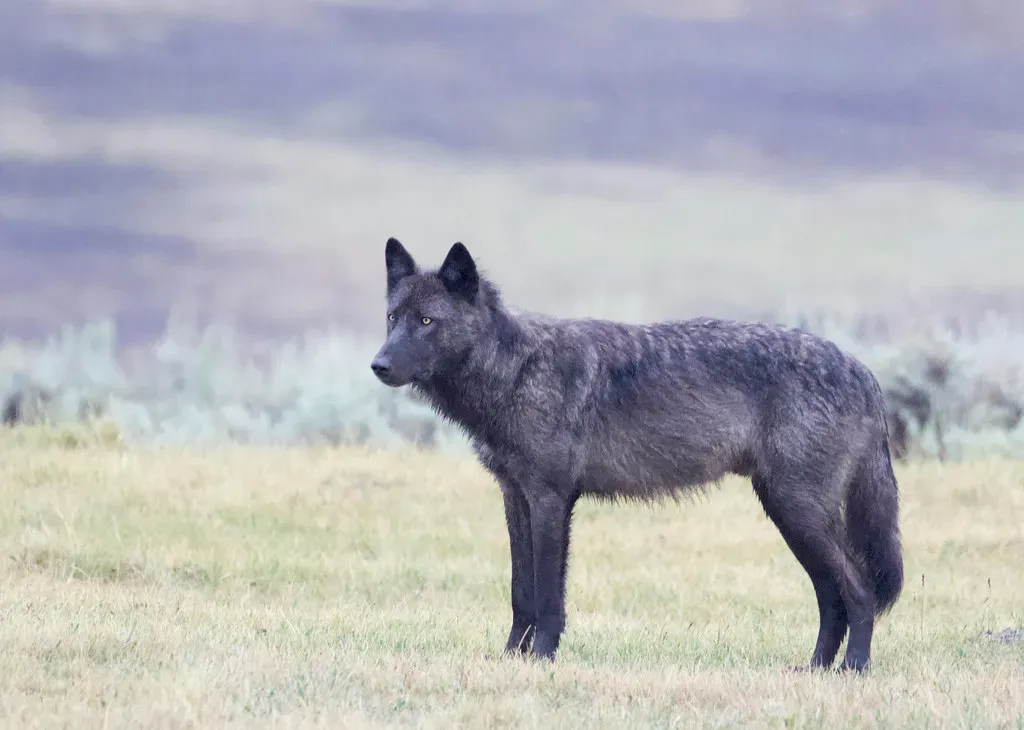
One of the biggest misconceptions about wolves is the “lone wolf” idea. In nature, wolves are incredibly social and organized in packs with complex hierarchies and cooperative hunting strategies. That said, young wolves do sometimes disperse and travel alone to find a new territory or mate, and that has fed the lone‑wolf archetype. The black wolf as a spirit animal tends to land right in the tension between needing solitude and craving connection. If it follows you, you might feel like the outsider in your own family or friend group – close to people, but still somehow apart.
On the other hand, you might be the person who is quietly, almost obsessively loyal to the few people you truly trust. When a black wolf appears in your dreams or meditations, it can reflect that deep inner debate: Do you stay with the “pack” you know, even if it doesn’t fully fit, or do you risk going solo to find a place where you are actually seen and respected? Spiritually, the black wolf encourages you to choose quality over quantity in relationships and to accept that you may never feel fully satisfied with shallow or performative social circles.
Courage In Crisis And Moving Through Fear
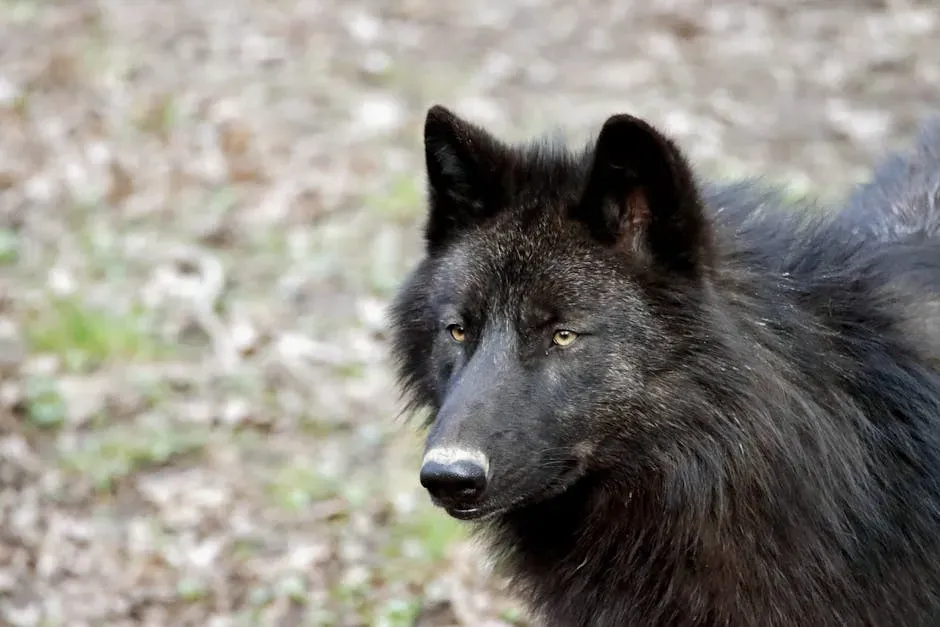
Wolves in the wild survive harsh winters, food scarcity, territorial fights, and constant environmental changes. Symbolically, they’re built for resilience under pressure. A black wolf, in particular, tends to show up when life feels like a storm with no visibility – breakups, job loss, identity shifts, major illness, or deep internal conflict. Instead of representing fear itself, the black wolf is more like the part of you that can walk straight through fear, teeth bared, heart pounding, but still moving.
If you feel drawn to this energy, you might notice that you do your clearest thinking under pressure, or become strangely calm in emergencies. It doesn’t mean you enjoy chaos, but that something within you activates when there’s no room left for pretending. On a spiritual level, the black wolf asks you to stop waiting to feel “ready” or “unafraid” before taking a step forward. It reminds you that courage is not the absence of fear; it’s the ability to keep moving while your fear howls in the background.
Protection, Boundaries, And Guarding Your Energy
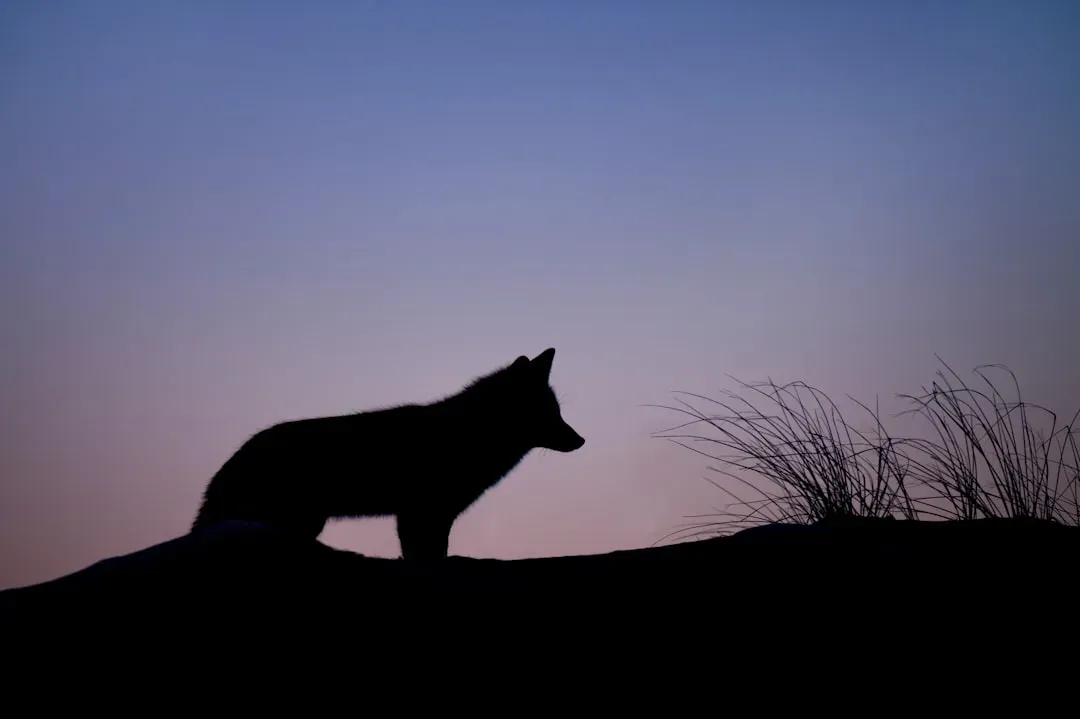
In many cultures, dogs and wolves are natural symbols of guardianship: they alert the pack to danger, patrol territory, and defend against threats. The black wolf adds an extra dimension of psychic or emotional protection. People who resonate with this spirit animal often report being hyper‑aware of other people’s motives or feeling exhausted after being around large crowds. It can be a sign that you’re naturally sensitive, and that your inner “wolf” has been working overtime watching doors, scanning for threats, and filtering outside energy.
From this perspective, the black wolf doesn’t just guard you from obvious danger; it teaches you how to guard yourself. That might look like finally saying no to draining obligations, stepping away from one‑sided friendships, or limiting your exposure to constant news and social media noise. Healthy boundaries are not walls; they’re more like the invisible perimeter of a wolf’s territory. The black wolf as a spirit animal encourages you to mark that territory clearly, not out of cruelty, but because your peace of mind is worth protecting.
Leadership, Authority, And Quiet Strength
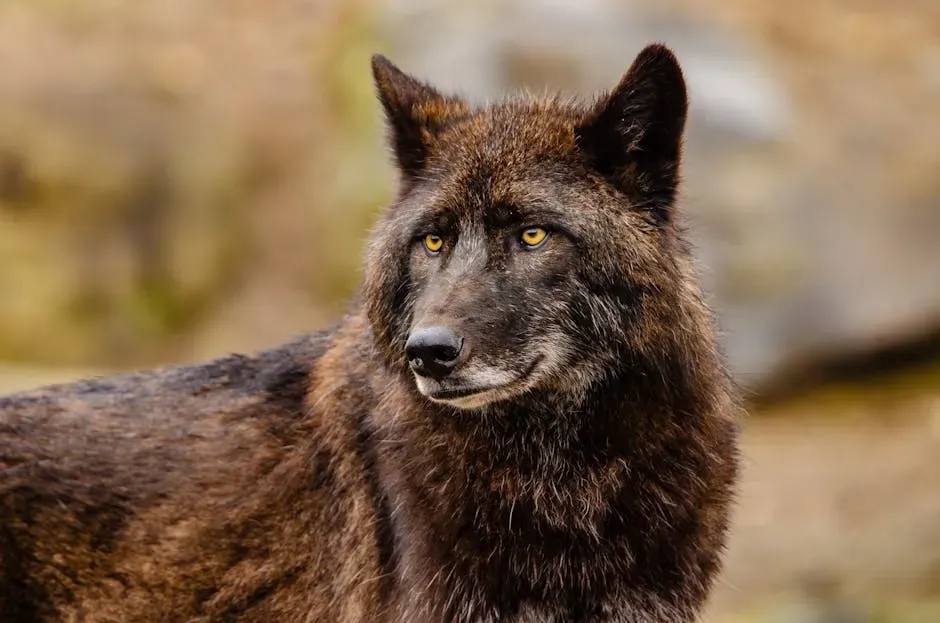
In a wolf pack, leadership is less about brute force and more about experience, competence, and calm authority. Good leaders protect, coordinate, and ensure the group’s survival. The black wolf can symbolize a leadership style that doesn’t always look like the loudest person in the room. It’s the quiet strength of someone who observes before speaking, who acts decisively once a choice is made, and who commands respect rather than demanding it. If this archetype fits you, you may have spent years feeling like a “background” person, not realizing others see you as a stabilizing force.
Spiritually, the black wolf challenges the idea that leadership is about ego or spotlight. Instead, it hints at a more grounded form of authority: knowing what you stand for and living it consistently. You might guide others without even noticing – friends asking your advice, coworkers looking to you when things fall apart, younger people treating you like a reference point. The black wolf encourages you to own that role consciously, not to inflate your ego, but so you can wield your influence in a way that is ethical, firm, and deeply rooted.
Independence, Authenticity, And Refusing To Conform
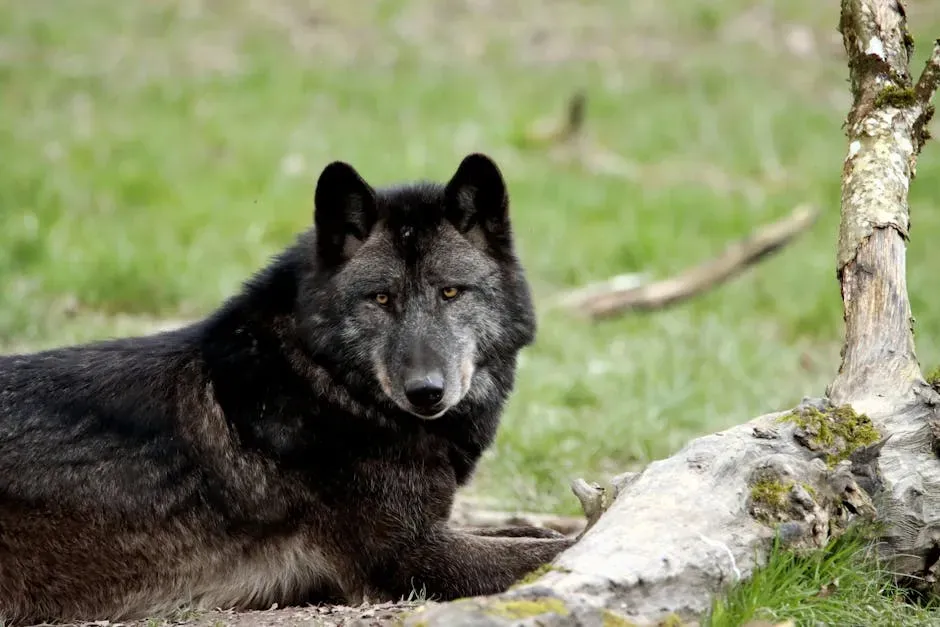
Wolves don’t ask for human approval, and that alone is part of why they can feel threatening to us. A black wolf, especially, can symbolize radical authenticity: the part of you that refuses to shrink, soften, or fake it just to fit into social expectations. Maybe you’ve tried to live the “normal” script – standard career, acceptable opinions, tidy self‑presentation – and something in you just couldn’t keep doing it without feeling like you were slowly disappearing. That restless, untamed feeling inside often resonates strongly with this spirit animal.
From this angle, the black wolf is not about being rebellious for the sake of drama. It’s about being honest enough to admit when a path just isn’t yours, even if it looks safe on paper. Perhaps you choose a nontraditional job, spiritual path, or relationship structure, or you simply stop pretending to agree with people around you. The black wolf reminds you that authenticity can be lonely at times, but that there is a deeper relief in finally being who you are than in endlessly playing a role that suffocates you.
Death, Rebirth, And The Dark Night Of The Soul
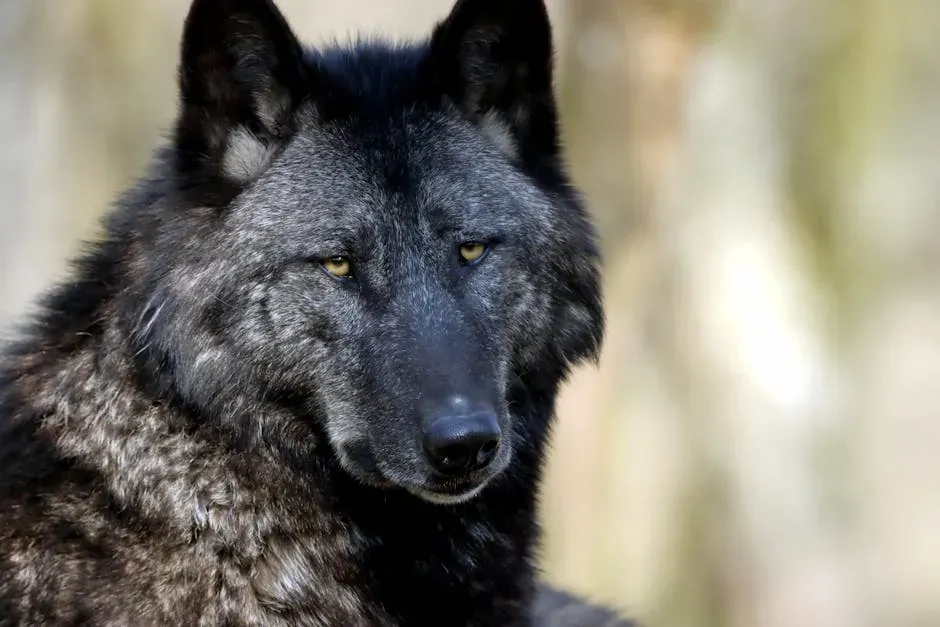
The color black is often linked to endings, death, or loss, but in many spiritual traditions, it also represents the fertile darkness where seeds sprout. In that sense, the black wolf is closely tied to cycles of death and rebirth in your life – not necessarily physical death, but the symbolic death of old identities, beliefs, or relationships. When this spirit animal appears during an emotionally heavy period, it may be a reflection of your psyche reshaping itself, shedding what no longer works, even if it hurts in the moment.
Some people describe this phase as a kind of “dark night of the soul,” where the usual sources of comfort stop working and you’re forced to look at your life with unfiltered eyes. The black wolf’s presence during such times suggests that the darkness you’re walking through isn’t empty; it’s a passageway. Instead of promising easy light or instant positivity, it offers companionship in the dark and a reminder that who you become on the other side could be more honest, more aligned, and strangely freer than ever before.
Dreams, Omens, And Synchronicities In Everyday Life
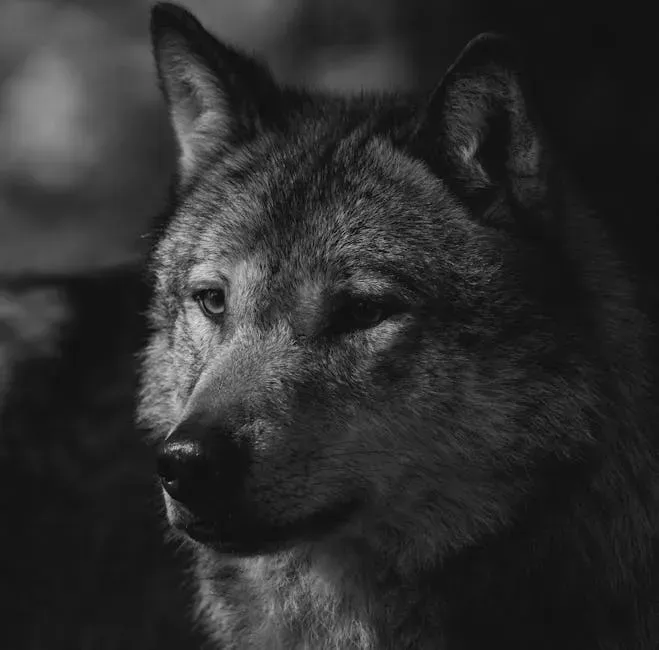
Not everyone will consciously choose a spirit animal, but many people notice certain animals repeatedly showing up in dreams, art, media, or even real‑life encounters. When the black wolf keeps appearing, especially in emotionally charged dreams, it often coincides with themes like fear, power struggles, protection, or the need to trust your instincts. You might dream of being chased by a black wolf when you’re running from a hard truth, or walking alongside one when you finally start facing something honestly. The key is not to force a meaning, but to notice patterns in how you feel during and after these encounters.
In waking life, you may suddenly start seeing wolves everywhere – on book covers, clothing, social media, random conversations – right when you’re wrestling with big decisions or questions about identity. While it’s easy to dismiss this as simple coincidence, humans are natural pattern‑seekers, and your mind will naturally link external images with inner experiences. Seeing the black wolf repeatedly can serve as a mirror, highlighting where you need more courage, clearer boundaries, or deeper self‑trust. Rather than treating it as a rigid omen, you can use it as a symbolic language your psyche is speaking through.
Working With The Black Wolf Spirit In A Grounded Way
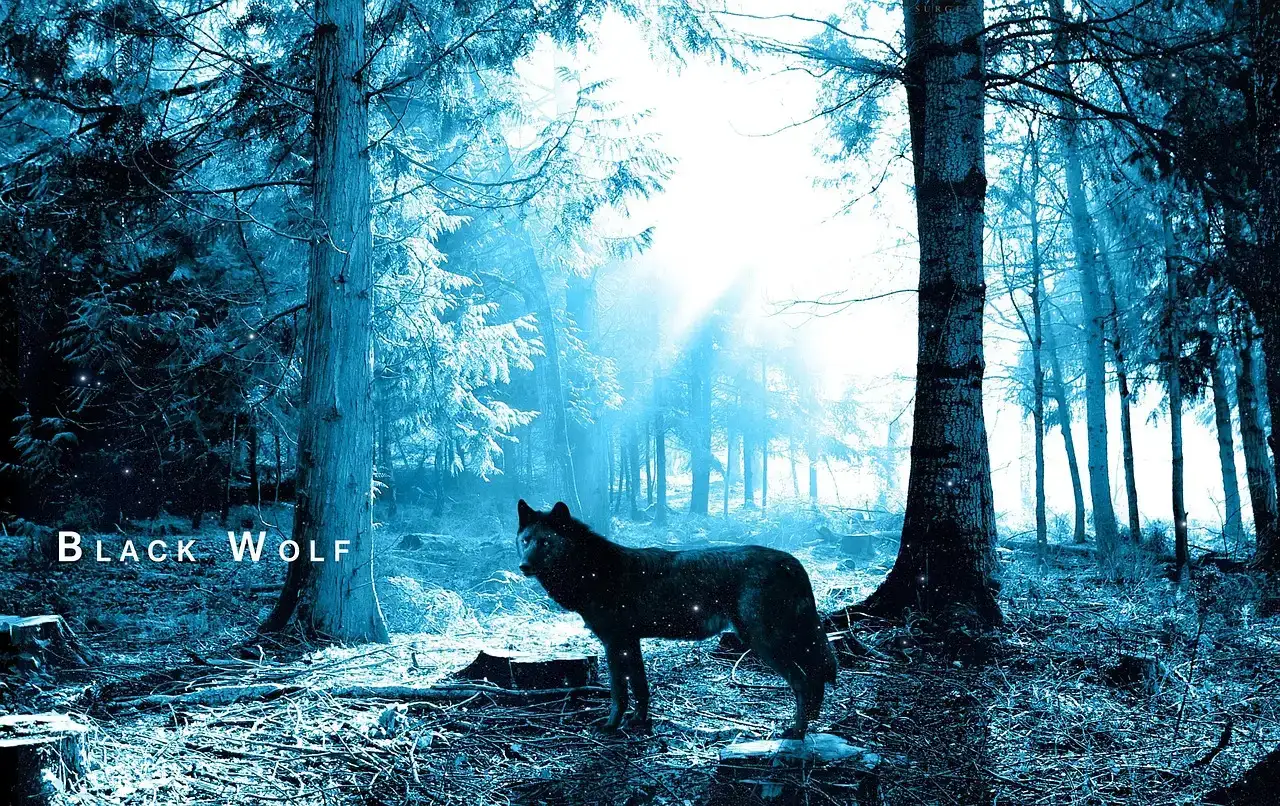
If you feel a strong connection to the black wolf, you don’t need elaborate rituals to interact with that energy, unless that genuinely resonates with you. A more grounded approach starts with self‑observation: notice when you feel most “wolf‑like” – protective, intuitive, restless, or fiercely loyal – and what triggers those states. You might journal about recurring wolf dreams, or reflect on times when your instincts were right even if you ignored them. This turns the symbol from a vague aesthetic into a practical map of your own emotional and psychological patterns.
You can also consciously invoke the black wolf as a sort of mental image when you need it: before a hard conversation, during a period of grief, or when you’re about to take a risk that scares you but feels necessary. Imagine how a wolf would move – alert, grounded, aware of its surroundings, unashamed of its presence. For many people, this kind of visualization strengthens a sense of inner backbone. It’s less about believing in literal spirit animals and more about letting a powerful archetype help you access qualities that already exist inside you.
A Personal Take: Why The Black Wolf Matters Now
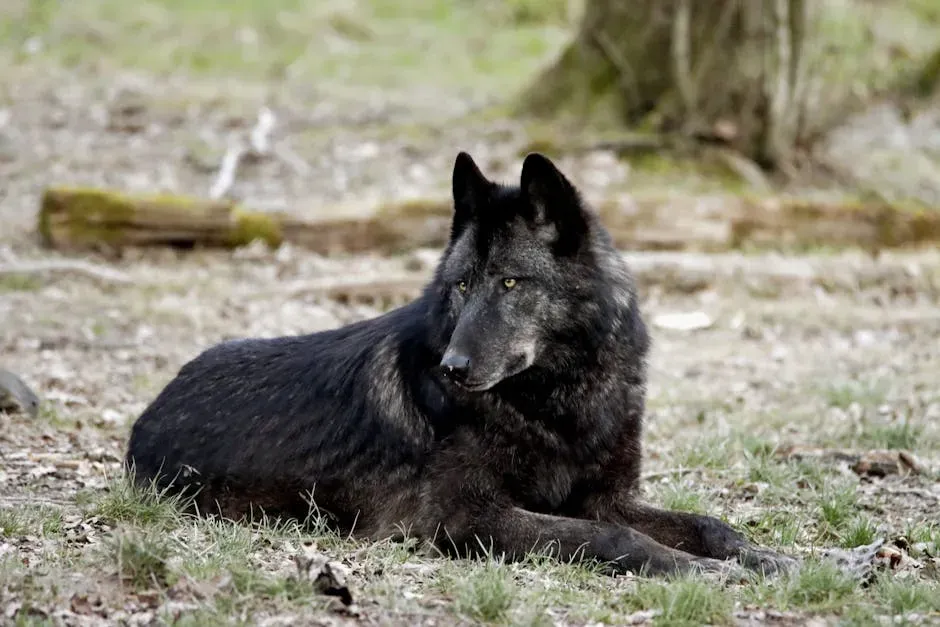
Speaking honestly, I think the black wolf resonates so much these days because modern life constantly pressures us to be polished, predictable, and publicly agreeable. We’re encouraged to share curated versions of ourselves while hiding the messy, contradictory, and intense parts. The black wolf spirit animal is like a quiet rebellion against that pressure. It says your shadow, your grief, your anger, your sharp intuition – they are not malfunctions; they are part of your full intelligence. In a world that rewards surface‑level harmony, the wolf reminds you that real integrity sometimes means being willing to disrupt the peace.
My opinion is that working with the black wolf isn’t about romanticizing darkness or pretending to be some edgy lone warrior. It’s about learning to walk into your own inner forest without flinching, to know when to bare your teeth and when to rest with your pack, and to accept that you may always feel a bit different from those around you. That difference can be your strength, not your flaw. If the black wolf keeps showing up in your life, maybe the real question is not “What does it mean?” but “What part of me is finally ready to stop hiding?” Did you expect that answer, or did you think it would be something tamer?