Death is the one experience every human will share, yet none of us can rehearse for it, slow it down, or fully understand it. For thousands of years, cultures have thrown everything at this mystery: poetry and philosophy, scary myths and tender rituals, elaborate afterlives and blunt declarations that this is simply the end. What we believe about death shapes how we love, fight, build, and even how we say goodbye at the dinner table.
I still remember the first funeral I went to as a kid and thinking, almost angrily, that the adults must be hiding the real explanation somewhere. As I got older and read more about how other cultures see death, I realized nobody has a final answer, but every society has tried to give death some kind of story, so it doesn’t feel like pure chaos. Let’s walk through some of the most influential ways humans have tried to make sense of the end, from ancient tombs and fiery hells to reincarnation and clinical brain scans.
Ancient Egypt: Death as a Dangerous Journey You Could Prepare For
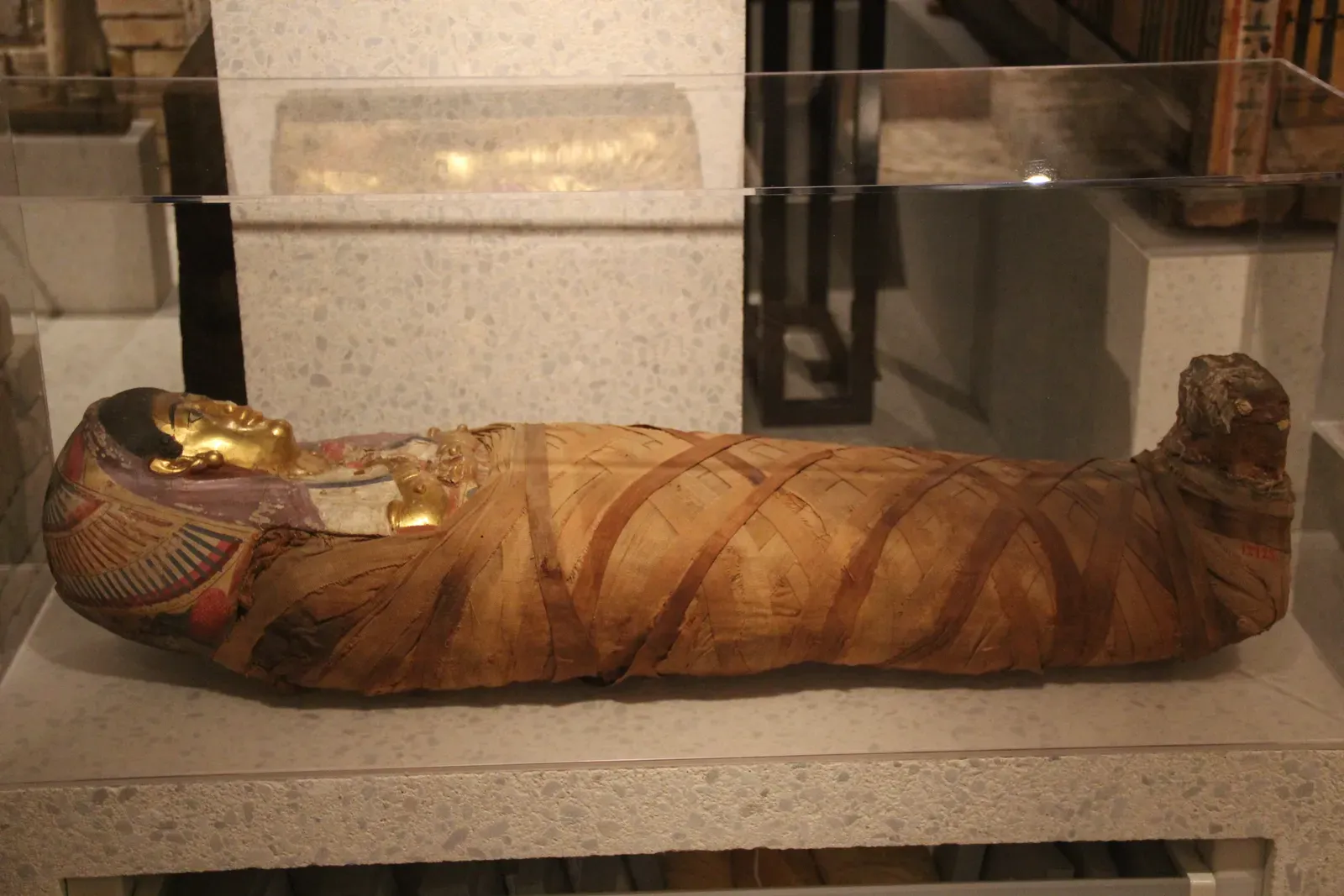
Imagine believing that dying is like checking into the most serious airport of your existence: your heart is weighed, your paperwork is inspected, and if things go badly, a monstrous hybrid creature devours your soul. That was roughly how ancient Egyptians saw death – a hazardous journey through the underworld, with a real risk of spiritual annihilation. The famous practice of mummification, far from being a weird obsession with corpses, was their way of protecting the traveler for what came next, preserving the body as a kind of anchor for the person’s identity.
They pictured the afterlife, often called the Field of Reeds, as a perfected version of earthly life – fields, food, family, work without misery – assuming you passed judgment. The dead were buried with food, tools, jewelry, and sometimes even servants or pets, because these were not just keepsakes; they were practical gear for the next stage. Even their funerary texts, like the so‑called Book of the Dead, worked like a spiritual guidebook full of spells and instructions on how to handle challenges in the underworld. In a way, Egypt turned death into a massive logistics project: plan well, live morally, secure the right rituals, and your soul could navigate danger and arrive safely at a better world.
Ancient Mesopotamia and Greece: Shadows, Ghosts, and Grim Underworlds
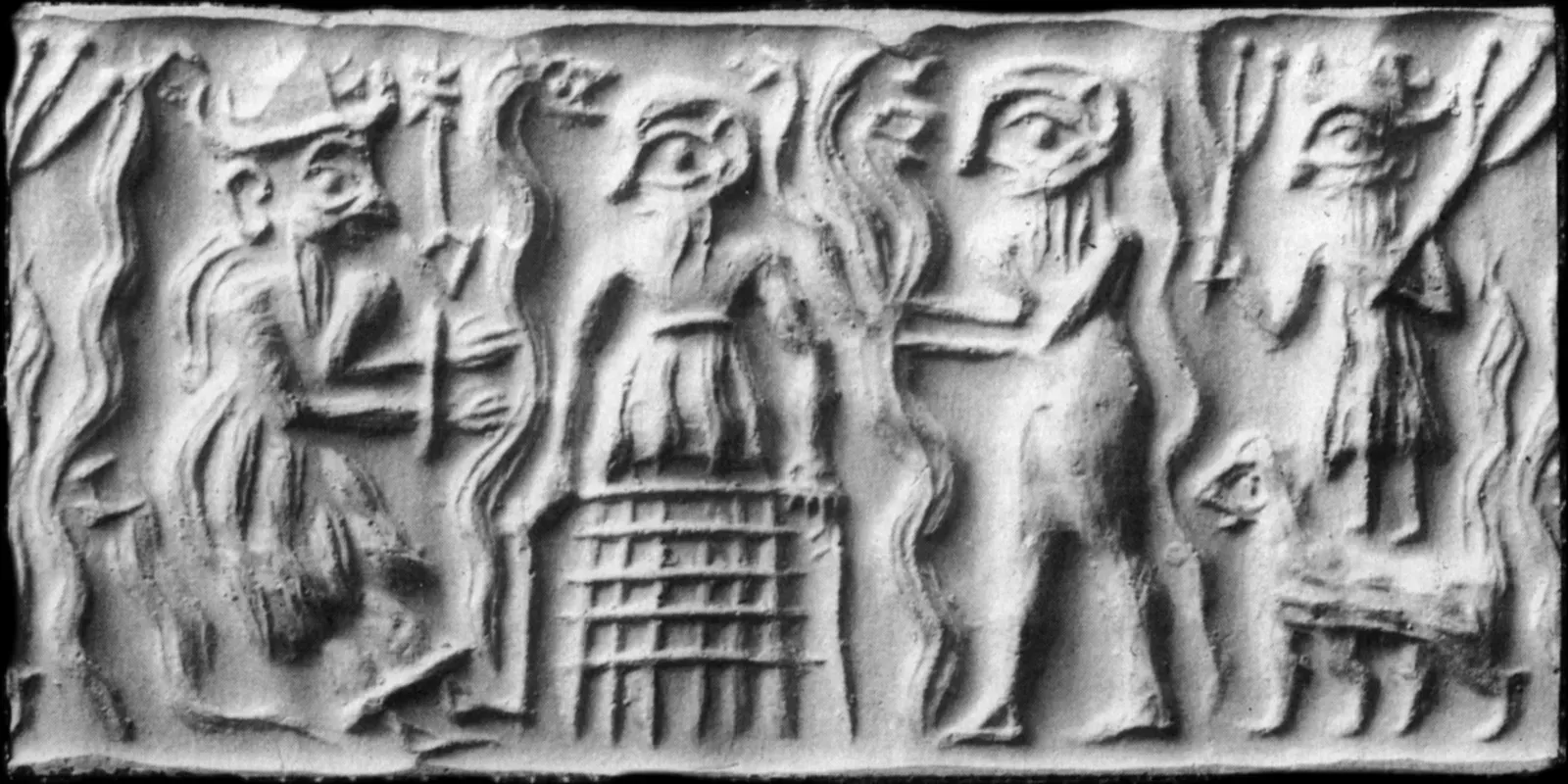
Not every ancient culture viewed death as a hopeful puzzle you could solve. In Mesopotamia, one of humanity’s earliest urban civilizations, the afterlife was often pictured as a gloomy, dusty underworld where everyone, good or bad, ended up. The dead were thought to live on as weak, hungry spirits, and the living performed offerings partly to keep those spirits from becoming restless or vengeful. Here, death explanation was less about cosmic justice and more about grim continuity: you would still exist, but in a faded, diminished way.
Ancient Greece, for its part, had a surprisingly layered view of death. Ordinary souls drifted to Hades, a shadowy realm, while heroes and especially good people might be granted life in the Elysian Fields, a kind of heroic paradise. Wrongdoers could be punished in Tartarus, a deep, terrifying abyss. This spectrum of outcomes suggested that death was partly a moral sorting system and partly just the next inevitable phase of being human. Mythic stories of people visiting the underworld and coming back – like Orpheus trying to rescue Eurydice – also revealed something else: a persistent, painful wish to reverse death, even if the stories usually ended by reminding us that the boundary is almost never crossed for good.
South Asian Traditions: Rebirth, Karma, and the Endless Cycle
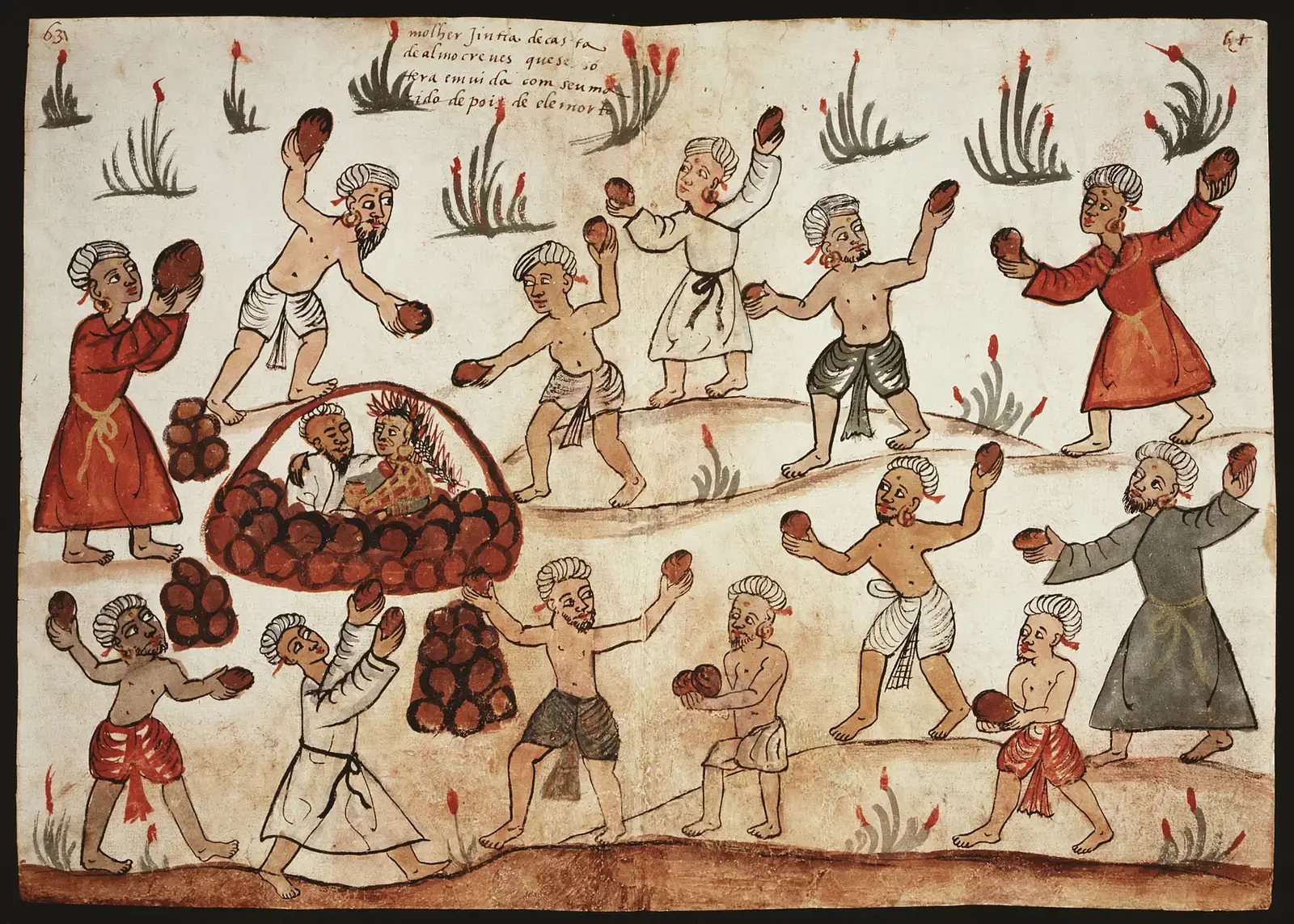
Across Hinduism, Buddhism, Jainism, and other South Asian traditions, death is less a final door and more a revolving one. The central idea is that of samsara, a repeating cycle of birth, death, and rebirth, where your actions (karma) shape what kind of life you return to next. In this view, explaining death means explaining why suffering exists and why some lives seem charmed while others are full of pain. Your current situation is not random; it is deeply entangled with past choices, possibly from lives you cannot remember.
This framework flips the fear of death into something more complex. On the one hand, there is comfort in believing you are not erased when you die, that some thread of continuity moves forward. On the other hand, the real goal in many of these traditions is to stop being reborn at all, to escape the cycle and achieve liberation – moksha in Hinduism, nirvana in Buddhism. Death, then, is a checkpoint, not a finish line. I find something brutally honest in this: life is not a simple test with one grade at the end, but a long, multi‑life learning curve where patterns, habits, and ethical choices echo across ages.
Abrahamic Faiths: One Life, One Judgment, Eternal Consequences
Judaism, Christianity, and Islam all took a very different route from the idea of endless rebirth. In these faiths, each person has one earthly life followed by some form of judgment and an enduring afterlife – whether that is described as heaven and hell, paradise and punishment, or more nuanced spiritual states. Death, therefore, is the decisive handover point from temporary time to permanent reality. How you lived, what you believed, and how you treated others suddenly matters in an ultimate way, not just for a future reincarnation but for eternity.
Historically, this view has done powerful cultural work: it gave empires, villages, and families a shared moral horizon that stretched far beyond their current circumstances. Suffering and injustice might not be resolved here, but would be answered in a world to come. Of course, this explanation of death has also been used to comfort the grieving, to inspire courage in the face of martyrdom or persecution, and sometimes, to justify violence in the name of faith. Whether you see that as inspiring or troubling, the basic message is starkly clear: you get one story, one chance, and death is the moment when that story is read out and judged.
Indigenous and Animist Views: Death as Transformation, Not Disappearance
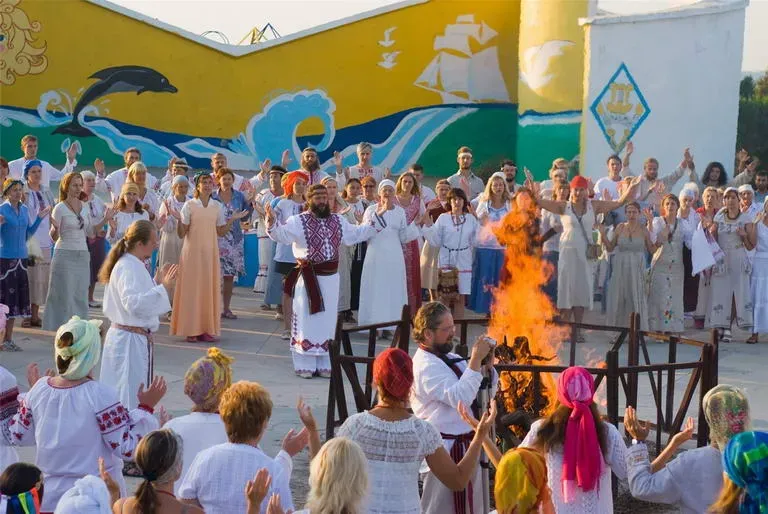
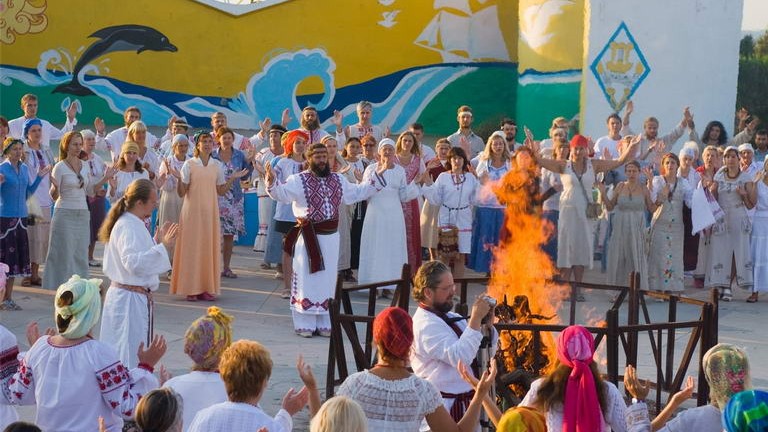
Many Indigenous and animist traditions have tended to see the line between life and death as thinner and more porous than in the major world religions. Instead of a far‑away heaven or a clinical cessation of brain activity, death often meant shifting into another form of presence: ancestors living in the land, spirits dwelling in animals, mountains, or rivers, or guidance arriving through dreams and rituals. The world is alive with layers of being, and the dead are not gone but relocated. This can make grief feel different, less like a door slamming shut and more like a relationship changing its language.
In a lot of these cultures, funerary rituals are as much about keeping community ties strong as they are about sending off the dead. Storytelling, dance, and seasonal ceremonies keep ancestors involved in daily life, not as spooky ghosts but as ongoing members of the moral community. Personally, I think this view captures something a lot of people quietly feel, even in secular societies: that those we lose continue to shape our choices and inner lives in ways that are hard to dismiss as mere memory. Death, through this lens, is not a vanishing act but a transformation of role and location within a living, breathing universe.
Modern Science: Death as a Biological Event and a Psychological Earthquake

Fast‑forward to the last couple of centuries, and the dominant explanation in many parts of the world has shifted dramatically. In hospitals and laboratories, death is no longer framed primarily as a spiritual journey but as a biological process: organs fail, cells stop dividing, electrical patterns in the brain go flat. Researchers map what happens during cardiac arrest, study what people report after near‑death experiences, and debate the exact moment when a person should legally be considered dead. This view has brought huge advances in medicine, life support, organ transplants, and end‑of‑life care, but it also strips death of some of its mythic drama.
At the same time, psychology and psychiatry have taken death seriously as a psychological earthquake. The way we cope with loss, the fears we carry about our own mortality, and the rituals we choose around dying are recognized as central to mental health. Therapies for grief, palliative care that prioritizes comfort and dignity, and growing interest in death education all emerge from this more grounded, research‑based approach. Still, even in the most technologically advanced settings, people whisper prayers, hold hands, and talk to the dying as if some part of them is listening beyond what machines can measure. Science can explain the mechanics of dying with incredible precision, but it has not fully replaced the older human urge to wrap death in meaning.
Secular, Philosophical, and “Death Positive” Movements: Owning the End
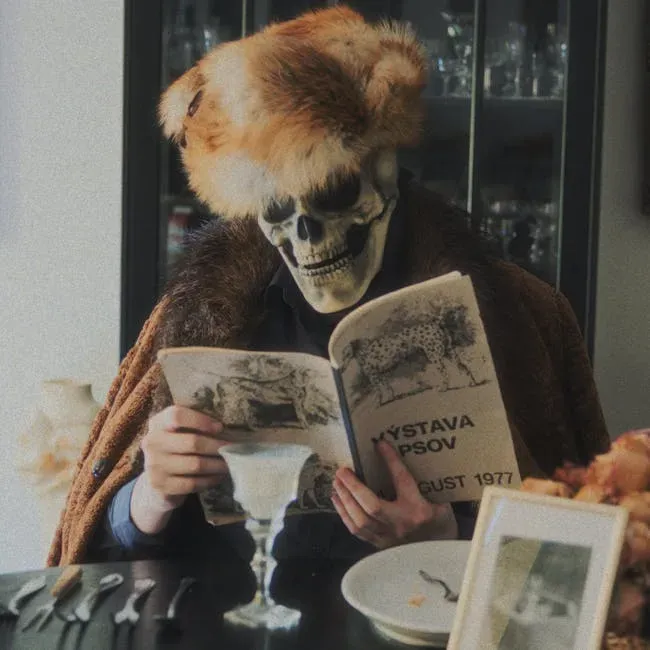
In the last century or so, a lot more people – especially in Western societies – have stepped away from traditional religions without losing the need to explain death. Secular philosophies often frame death as the absolute end of individual consciousness, which can sound bleak, but many find it liberating. If this is the only life you get, then every friendship, every ordinary Tuesday, and every late‑night conversation suddenly becomes outrageously precious. Modern existentialist thinkers leaned into this idea, arguing that our awareness of death is what forces us to live authentically instead of drifting through life on autopilot.
More recently, “death positive” movements have pushed back against the tendency to hide death in hospitals and funeral homes. People host informal death cafés to talk openly about dying, choose eco‑friendly burials or cremations, and write detailed plans for their last days to avoid leaving their families overwhelmed. It’s a kind of cultural rebellion against pretending we’re immortal, mixed with a desire for honesty and control. I think this approach is refreshingly adult: it admits that we do not know what, if anything, happens after death, but insists we can still face it with clarity, humor, and compassion, instead of denial and silence.
Conclusion: Why Our Stories About Death Matter More Than Ever
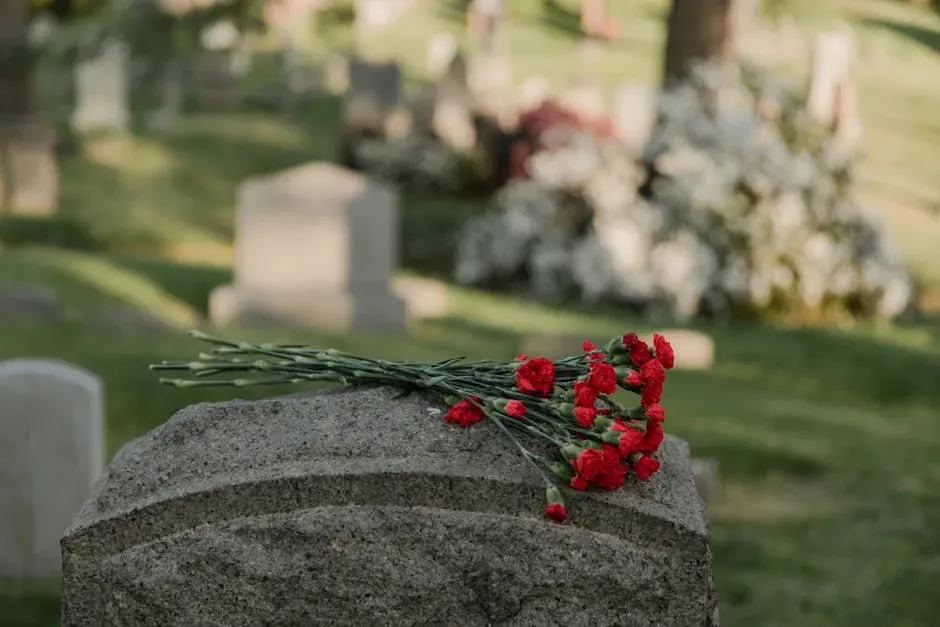
Looking across these different cultures and eras, one thing jumps out: nobody has been able to leave death as a blank space. Whether people imagined elaborate underworlds, endless rebirth, final judgment, or simple biological shutdown, they kept reaching for a story big enough to hold their fear and love. I do not think all explanations are equally convincing – some feel like power systems disguised as theology, others like wishful thinking – but I also don’t buy the idea that a purely technical description of dying is enough. If death is the last chapter of every life, then the story we tell about that chapter changes how seriously we take all the ones before it.
My own view is blunt: we should stop pretending there is a single, universal answer and instead admit that our explanations are tools, not truths carved in stone. Some tools help us live more kindly, face grief more honestly, and treat dying people with dignity; others fuel cruelty, fear, or denial. In a world that is more interconnected and fragile than ever, it feels urgent to choose our death stories carefully, not just inherit them by default. So here is the real question: given everything humans have imagined about death so far, which story helps you live the most fully while you are still here?