If you have ever stood on a geyser boardwalk in Yellowstone and felt the ground tremble slightly under your feet, you have been standing on the skin of a giant. Hidden beneath the hot springs, forests, and bison herds lies one of the most powerful volcanic systems on Earth: the Yellowstone supervolcano. You do not see a classic cone-shaped mountain because the real story is underground, written in magma, gases, and fractures in the crust.
When you hear the word “supervolcano,” your imagination probably jumps straight to apocalyptic skies and global catastrophe. The truth is more nuanced and, in many ways, more fascinating. You are walking on a system that has changed landscapes on a continental scale, yet today it behaves more like an immense, leaky pressure cooker than a ticking doomsday clock. To really understand what that means for you, you need to dig into what Yellowstone is, how it works, and what scientists actually know about its future.
A Volcano Without a Mountain: What Makes Yellowstone a Supervolcano?
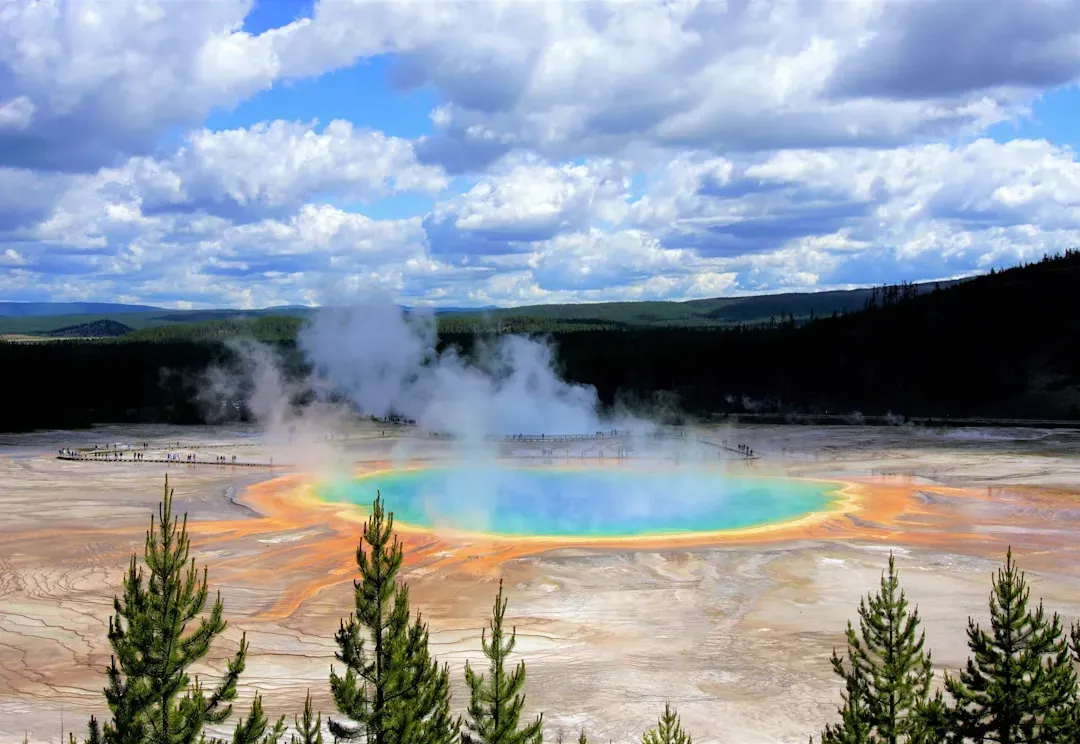
When you first arrive at Yellowstone, nothing screams “volcano” to you. There is no massive cone like Mount Fuji or Mount St. Helens. Instead, you are driving and hiking on the remains of an enormous collapsed volcanic structure called a caldera, roughly the size of a small U.S. state. The last time this system had a truly massive eruption, the ground caved in over a huge area, leaving a broad, subtle depression that your eyes do not easily recognize as a volcano.
Yellowstone earns the term “supervolcano” because it has produced eruptions in the distant past that were many times larger than typical volcanic events. Instead of a single vent blowing its top, you are dealing with a complex volcanic field powered by a hot plume of material rising from deep in the Earth. The heat from that plume feeds the magma reservoirs under your feet, drives Yellowstone’s famous geysers, and slowly deforms the ground in ways you can only detect with sensitive instruments.
Fire Beneath Your Feet: The Giant Magma System Below Yellowstone
When you hear “magma chamber,” you might picture a single, neat pool of molten rock. Under Yellowstone, things are messier and more layered. Scientists have identified at least two major magma reservoirs: an upper one in the crust and a deeper one below that, connected to a hot mantle plume. Much of this magma is not pure liquid; it is a slushy, crystal-rich mixture, more like a half-melted ice cream tub than a lake of lava.
Seismic waves from earthquakes act like a medical scan for this underground system, letting you “see” what you can never visit. As those waves slow down or bend, they tell you that hot, partially molten rock is present. Right now, only a fraction of the rock in these reservoirs is actually melted, which is one key reason scientists do not consider a super-eruption “due” or imminent. You are walking above a hot, complex plumbing system, not a single, pressurized balloon about to pop.
A Violent Past: Yellowstone’s Three Giant Eruptions and What They Mean
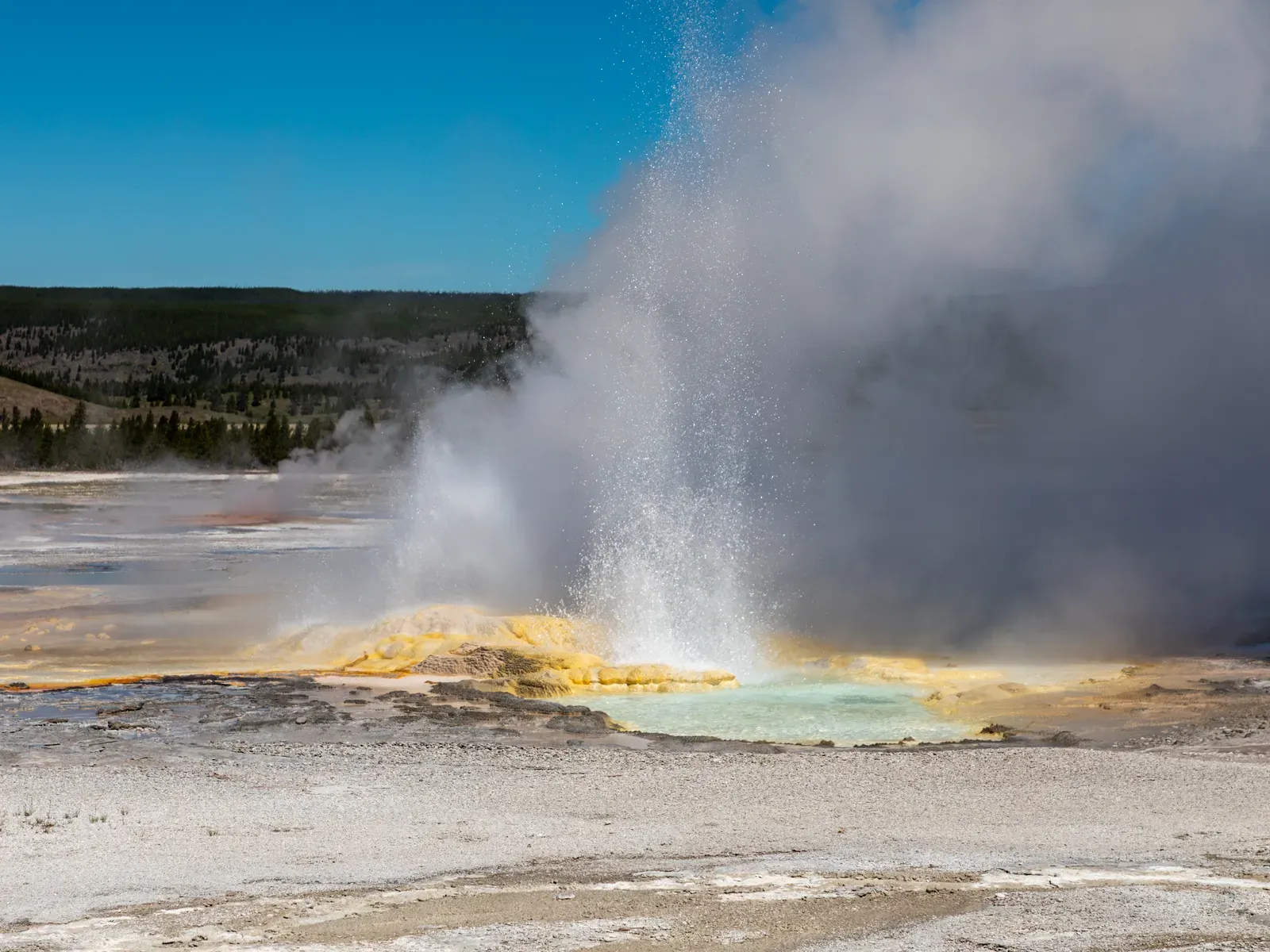
If you zoom out in time, Yellowstone’s story becomes far more dramatic. Over the past roughly two million years, the system has produced at least three huge explosive eruptions that reshaped large portions of North America. Each one spread volcanic ash over vast distances, leaving layers you can still study in rocks and sediments today. When you hear about Yellowstone “going off,” it is usually these ancient super-eruptions that people have in mind.
However, you should be careful not to treat those three eruptions like the ticking of a clock. They did not occur at perfectly regular intervals, and the time between them varies by hundreds of thousands of years. Since the last one, the volcano has mostly released energy through dozens of smaller lava flows and countless hydrothermal eruptions. The pattern you see is not a system that erupts catastrophically on a strict schedule, but a restless, evolving volcano that finds many different ways to vent its heat.
Steam, Geysers, and Mud Pots: Everyday Clues the Giant Is Alive
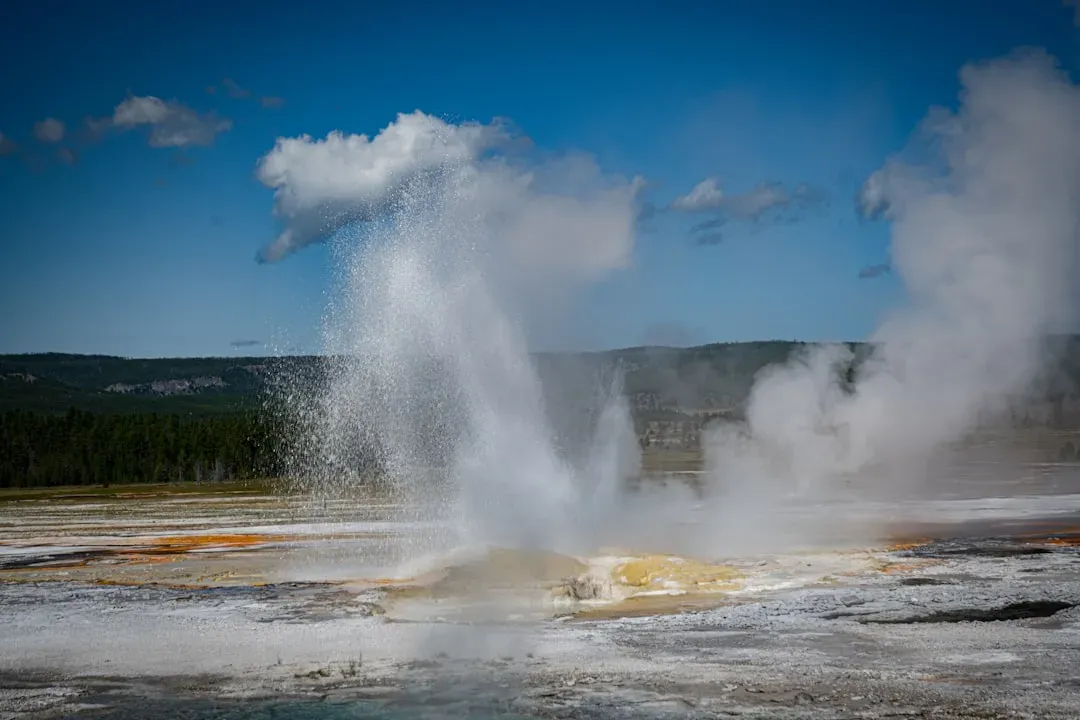
You do not have to imagine a hidden magma reservoir to know Yellowstone is active; you can see it breathing every time a geyser erupts. When you watch hot water shoot into the air or hear a mud pot bubbling like a cauldron, you are seeing heat from below interacting with groundwater near the surface. These hydrothermal features are Yellowstone’s day-to-day voice, constantly reminding you that the ground is warm and the system is alive.
In a way, this constant activity is good news for you. The hot water, gas release, and small hydrothermal explosions act like tiny safety valves that help the system bleed off heat and pressure. Of course, they also come with their own hazards. If you step off the boardwalk in the wrong place, you can find out very quickly how thin the crust is in some areas. The same forces that make Yellowstone beautiful also make it one of the most dangerous places in the world to ignore warning signs and safety rules.
How Scientists Keep Watch: Monitoring the Sleeping Giant in Real Time
You might assume that if Yellowstone were truly dangerous, someone would be watching it closely. In reality, an entire network of scientists and instruments keeps tabs on the volcano every single day. Seismometers track earthquakes, GPS stations measure tiny movements of the ground, and satellite data helps you see changes in land elevation over time. If the magma system started to shift in a meaningful way, you would expect these tools to pick up unusual patterns.
What you see instead, year after year, is a volcano that breathes but does not scream. The ground might slowly rise or sink by a few centimeters, and swarms of tiny quakes may rattle part of the park. Those signals matter, but they do not automatically point to a big eruption. Scientists look for combinations of changes – like rapid uplift, intense earthquake swarms, and gas shifts – to flag real concern. Right now, the data tells you that Yellowstone is active and dynamic, but not on the edge of a super-eruption.
Risk vs. Hype: How Likely Is a Yellowstone Super-Eruption in Your Lifetime?
When you scroll through sensational headlines, it is easy to feel like you are living on borrowed time. Stories love to pair the word “overdue” with Yellowstone, as if the volcano follows a train timetable. The geological record does not back that up. Past eruptions are spaced irregularly, and the system has many ways to relieve pressure without going into full-scale catastrophe mode. From what you know today, the probability of a super-eruption happening in your lifetime is considered extremely low.
That does not mean Yellowstone is harmless, but it does mean you should keep the risk in perspective. Smaller eruptions of lava or explosive hydrothermal events are far more plausible on human timescales. Those could still disrupt parts of the park or nearby communities, but they are nowhere near the civilization-altering disasters that headlines love. When you weigh the evidence, you see a volcano that deserves respect and monitoring, not constant fear that everything will end tomorrow.
What a Real Eruption Could Look Like: From Local Trouble to Global Impacts
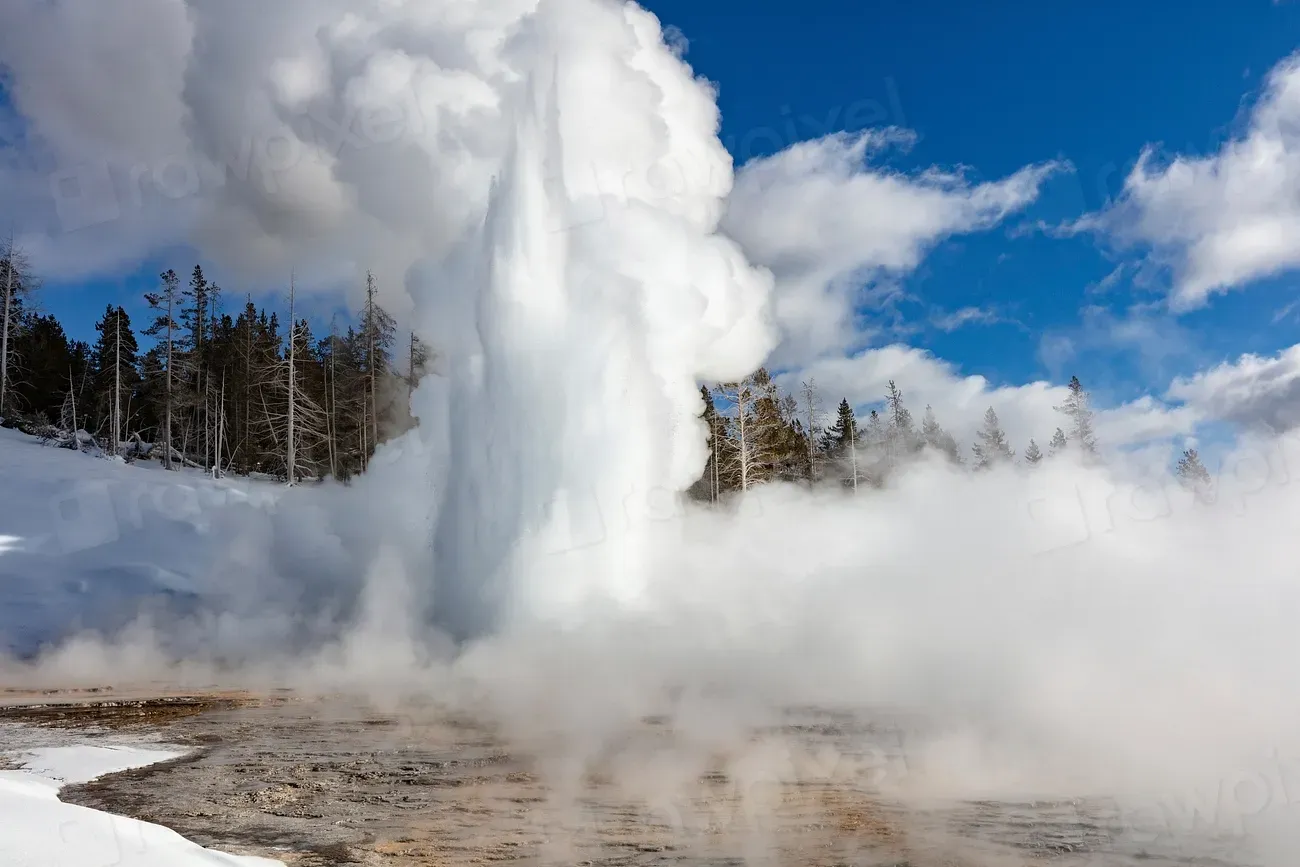
If Yellowstone were to erupt again, it would almost certainly be on a much smaller scale than its ancient super-eruptions. You might see a localized lava flow filling a valley, or a moderate explosive eruption affecting an area around the park. In that scenario, the biggest problems for you would be regional ash fall, road closures, contaminated water, and economic disruption for tourism. It would be serious, but it would look more like other historic volcanic events than a planet-wide crisis.
The nightmare scenario of a full super-eruption would involve ash spreading across much of the continent, major climate cooling, and severe impacts on agriculture and infrastructure. However, everything you know about the current state of the magma system and the monitoring data points to that being incredibly unlikely anytime soon. The key for you is to separate what is geologically possible from what is realistically probable on human timescales. That distinction lets you stay informed without living in constant dread.
Visiting the Beast: How to Explore Yellowstone Safely and Respectfully
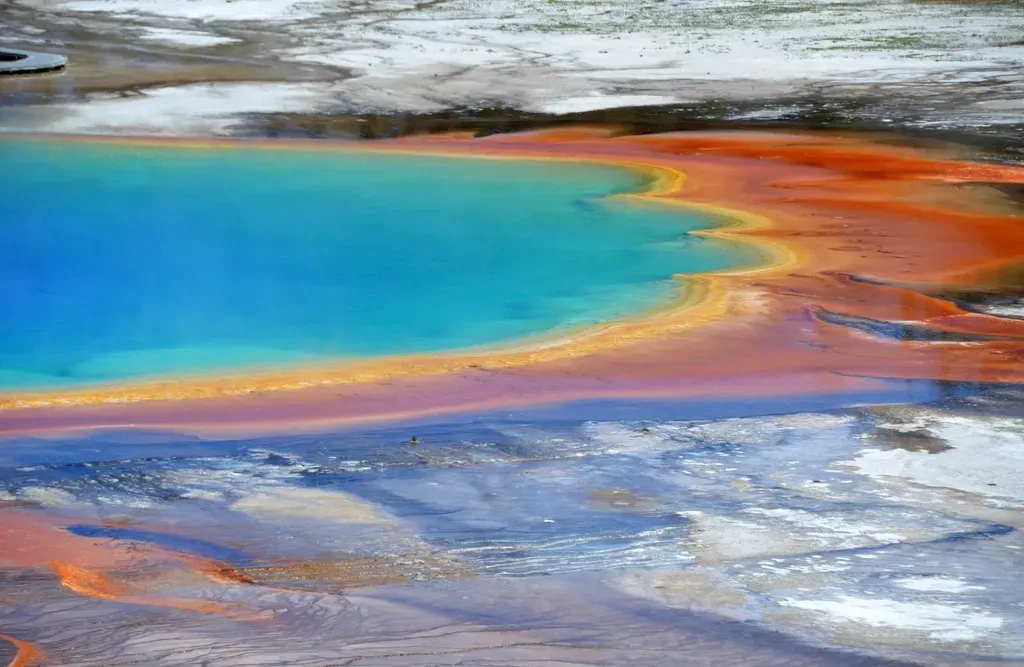
When you visit Yellowstone today, you are not walking into a disaster movie; you are stepping into one of the most intensively studied volcanic landscapes on Earth. To stay safe, you only need to take the posted rules seriously. Stay on boardwalks around geysers, avoid touching or stepping into thermal features, and respect closures when rangers block off an area. Those simple steps keep you from becoming a cautionary tale about how thin and fragile the ground can be.
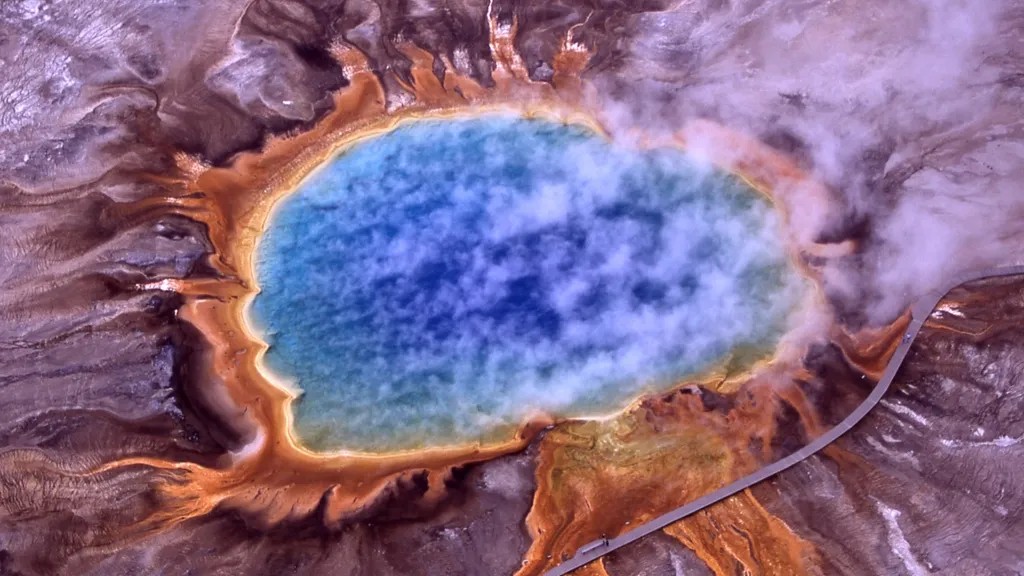
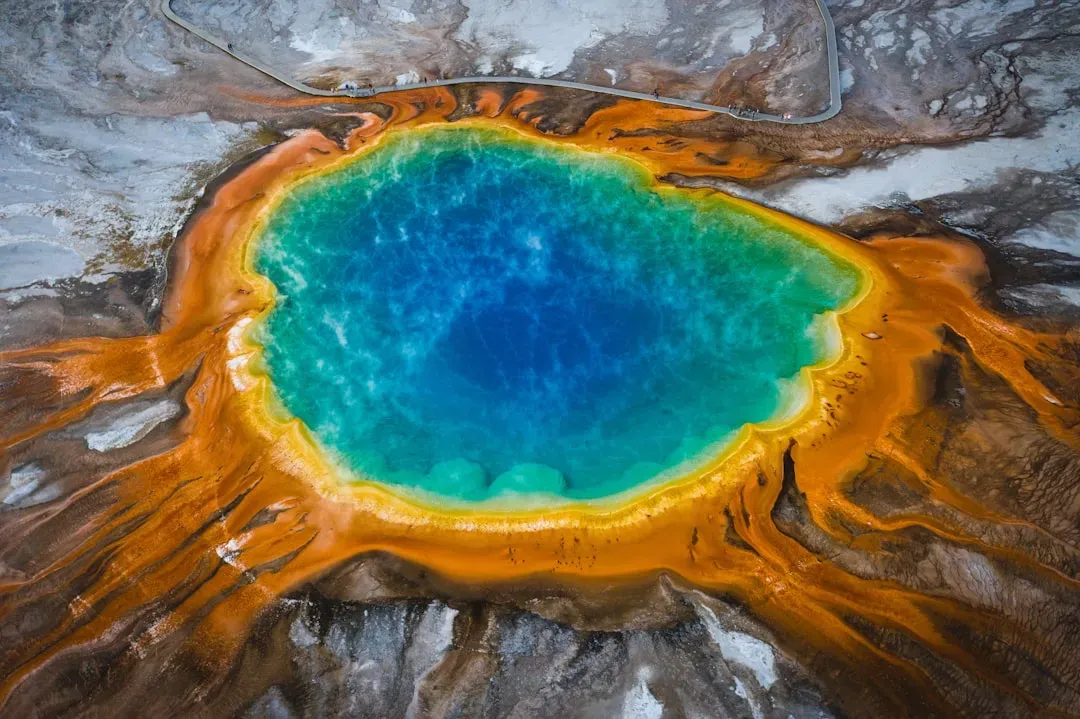
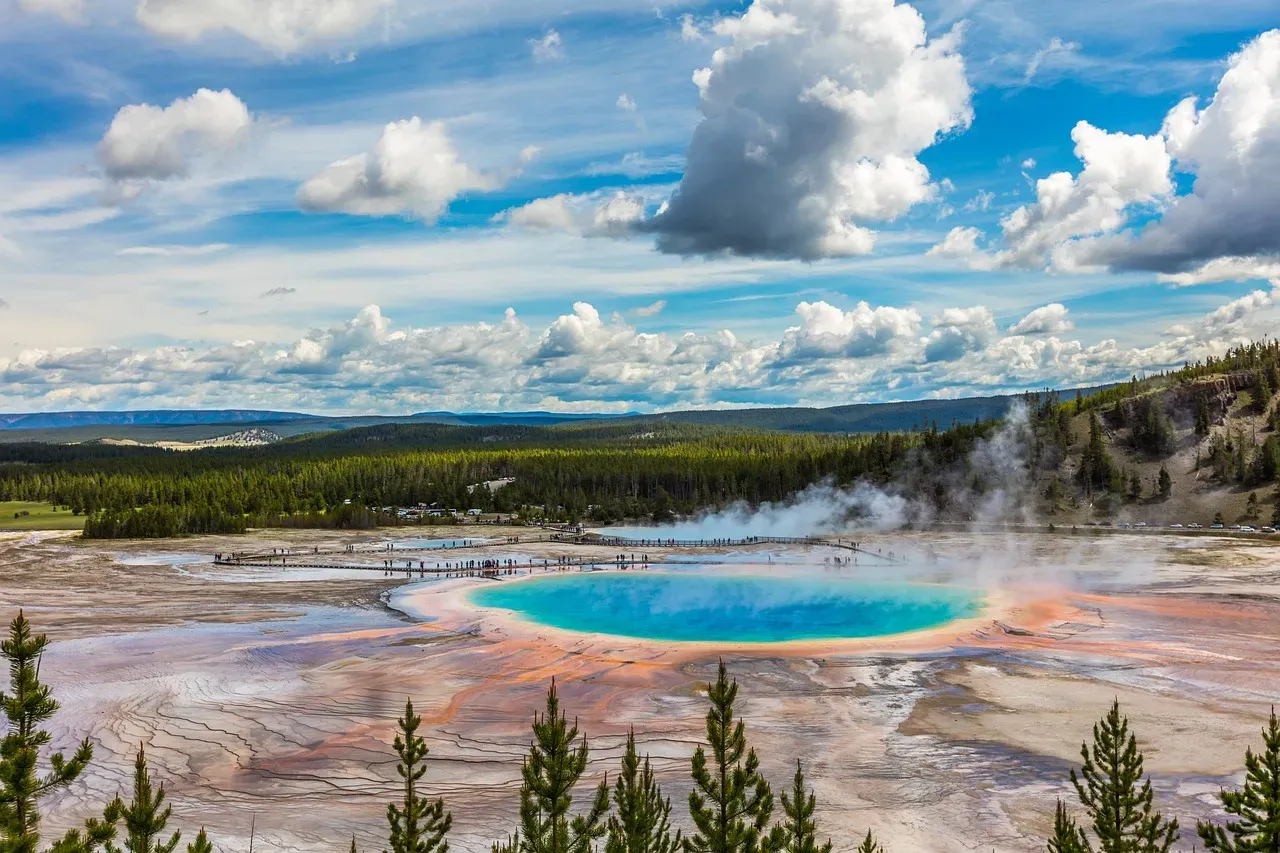
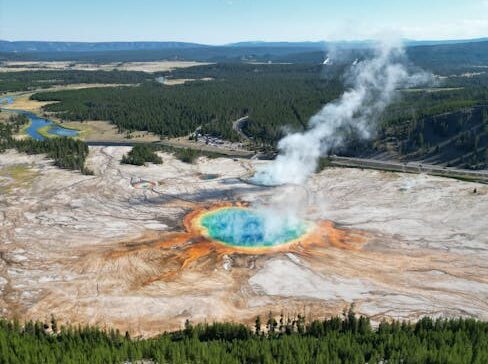
Respect is not just about safety; it is also about attitude. When you stand at the edge of the Grand Prismatic Spring or watch Old Faithful erupt, you are seeing the living surface of a far deeper system. Taking a moment to imagine the magma, faults, and hot water beneath you turns a routine sightseeing stop into something more like a conversation with the planet. You walk away not just with photos but with a deeper sense of how alive and powerful the Earth really is under your feet.
From Fear to Awe: What Yellowstone’s Supervolcano Really Teaches You
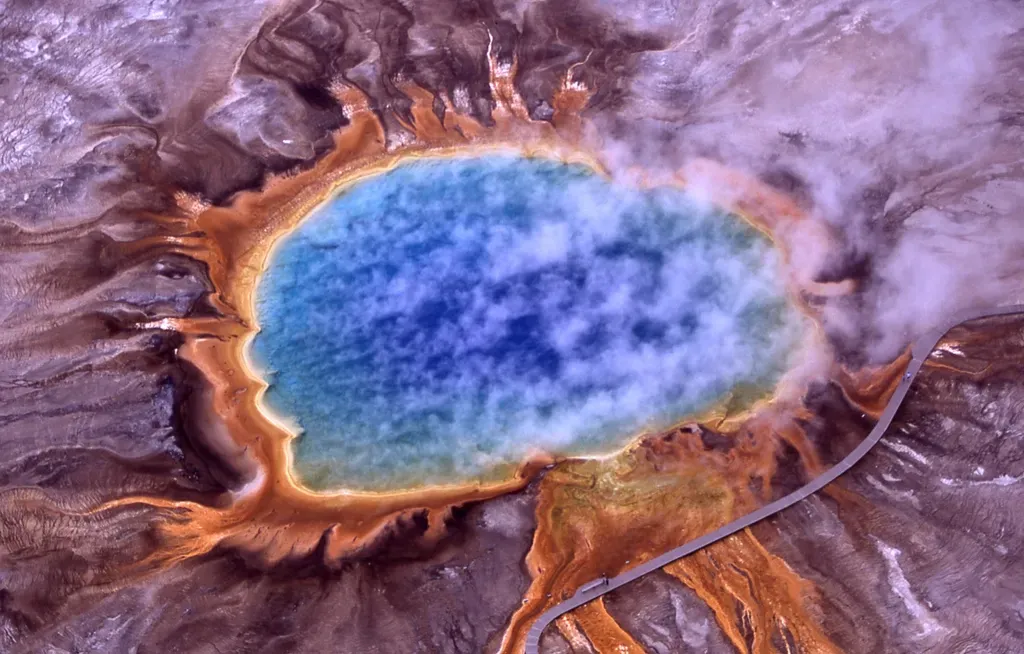
If you came to Yellowstone’s story expecting pure fear, you might be surprised by how much awe it inspires instead. Yes, you are dealing with a volcano that has reshaped continents, but you are also living in a time when your tools for understanding it have never been better. You can monitor tiny ground movements from space, track every micro-earthquake, and model how magma behaves with incredible detail. Instead of feeling helpless, you can see yourself as part of a species that is finally learning how to listen to the Earth.
In the end, Yellowstone’s supervolcano reminds you that your planet is not static or safe in any absolute sense, but it is also not an enemy waiting to strike. It is a restless system that creates beauty and danger in the same breath. When you stand on a boardwalk and feel the warm air from a hot spring on your face, you are sharing a moment with a sleeping giant that has been here long before you and will outlast your entire civilization. The real question is not whether Yellowstone will erupt someday, but how you choose to live and learn while it rests beneath your feet. Did you expect the story to feel this balanced between terror and wonder?