At some point, usually in a quiet moment, you probably ask yourself a question most people try to dodge: why do you die at all? If your body is made to repair cuts, fight infections, and even grow stronger after exercise, why can’t it just keep going forever? Modern science does not have every answer, but it can tell you a surprising amount about how and why your body eventually wears out.
When you look at death through a scientific lens, it stops being just a mysterious, scary event and becomes part of a larger biological story. You see how your cells, your DNA, your environment, and even your own choices slowly shape the length and quality of your life. You cannot hack your way to immortality (at least not yet), but you can understand the forces at work and use them to live better, longer, and with a bit more peace about the fact that one day, your body will let go.
The Big Picture: Why Living Things Are Built To Die
If you zoom out and see yourself as biology rather than as a name and a story, death starts to look less personal and more like a built‑in feature of life. Every living thing you know, from fruit flies to oak trees, has a lifespan. You are not failing when you age; you are following a pattern that evolution shaped over millions of years. Your body invests heavily in getting you to reproductive age, helping you survive long enough to pass on your genes and care for the next generation, and then the pressure from natural selection fades.
From an evolutionary point of view, endless maintenance would be incredibly expensive in terms of energy. Your body has to decide where to spend its resources: growth, reproduction, repair, or storage. Over time, it “chooses” to prioritize survival and reproduction in your early and middle years rather than perfect upkeep forever. This trade‑off helps explain why you can be so resilient when you’re young and yet so fragile later on, even if you feel like the same person inside.
Your Cells Are Not Immortal: Damage, Repair, And Wear‑And‑Tear
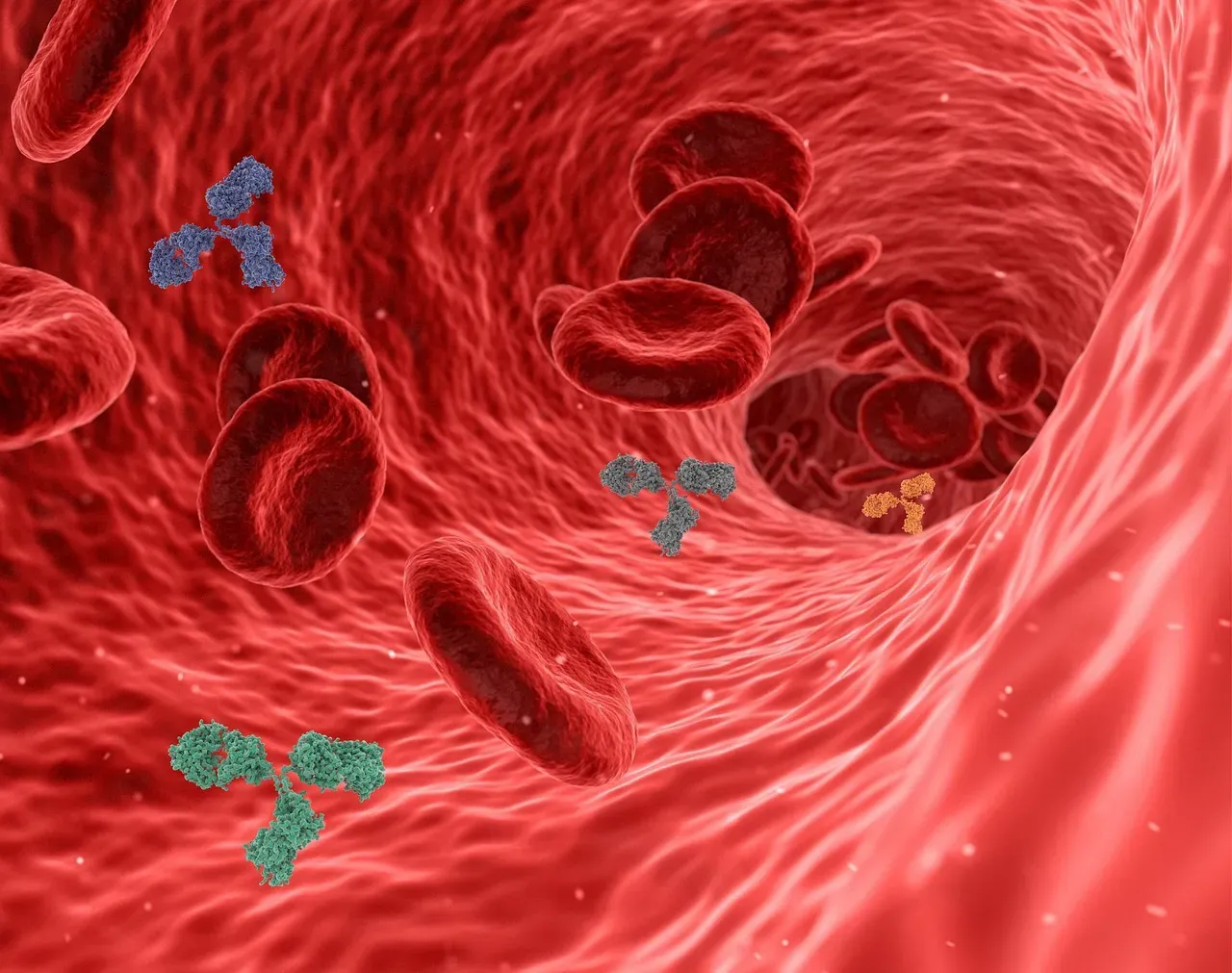
Your body is a constant construction site: cells divide, die, and get replaced every second. This nonstop turnover lets you heal from a scraped knee or a mild infection that would otherwise be deadly. But every time your cells copy DNA and divide, there’s a chance for small errors, a bit like making photocopies of photocopies. Your repair systems catch a lot of those mistakes, but they’re not perfect, and a tiny fraction slips by and accumulates over decades.
On top of that, everyday life quietly batters your cells. You expose your body to UV light from the sun, toxins in air and food, and by‑products of your own metabolism that act like microscopic shrapnel. Early in life, your repair and cleanup systems handle most of the mess, but as you age, the balance shifts. Damage slowly outpaces repair, your tissues lose their youthful flexibility, and the risk of things going badly wrong, like cancer or organ failure, starts to climb.
The Aging Clock In Your DNA: Telomeres And Cellular Senescence
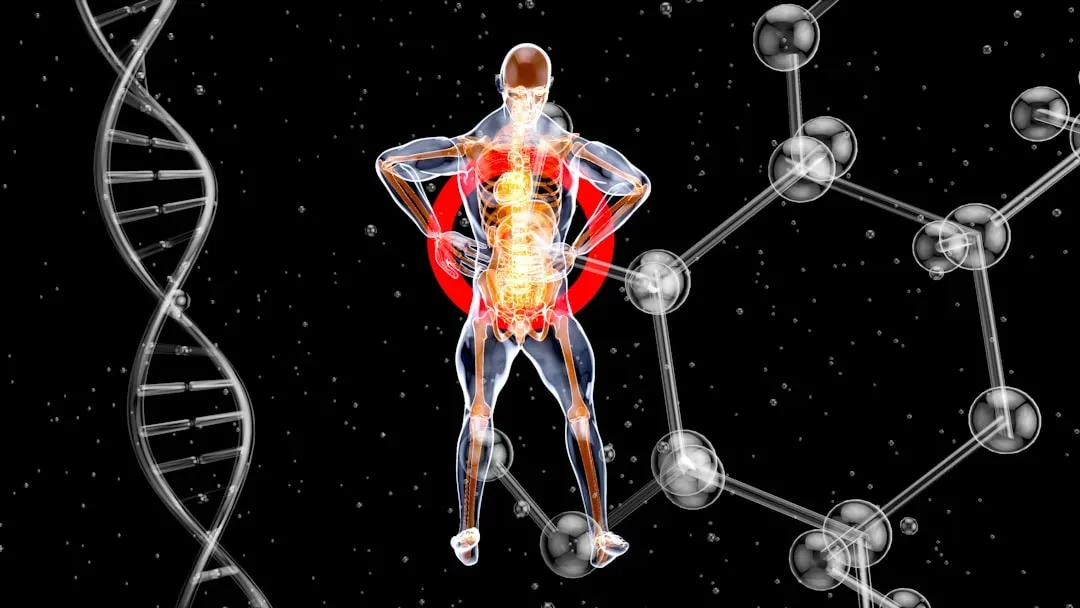
Inside almost every one of your cells, your chromosomes have little caps at the ends called telomeres. You can think of them like the plastic tips on your shoelaces that keep the laces from fraying. Each time a cell divides, its telomeres get a bit shorter, and over time, they become too short for the cell to safely keep dividing. At that point, the cell either self‑destructs or slips into a kind of permanent retirement called senescence.
Senescent cells do not just sit there quietly; they can become troublemakers. They pump out inflammatory signals and enzymes that affect neighboring cells and tissues, kind of like cranky neighbors who constantly stir up drama on the street. As you accumulate more of these retired cells with age, your tissues function less smoothly, inflammation rises, and your risk of age‑related diseases rises with it. Your telomeres and senescent cells are not the whole story of aging, but they are a major part of why your body cannot renew itself indefinitely.
When Systems Fail: How Organs And Networks Break Down
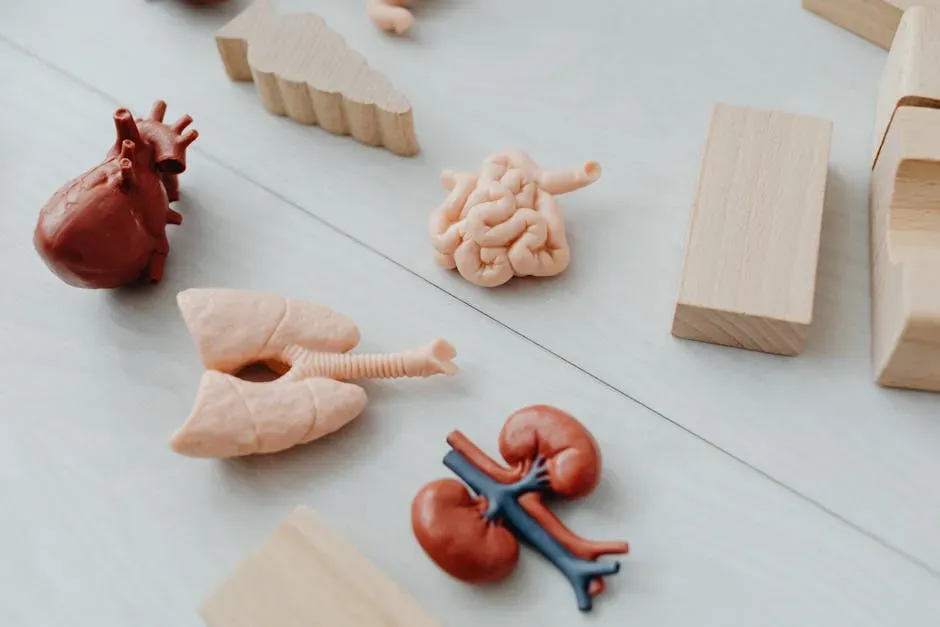
Your life depends on several critical systems working together: your heart and blood vessels, your lungs, your kidneys, your liver, your immune system, and your brain. As long as they stay within a healthy range, you feel alive and more or less fine. Death usually comes when one of these systems fails beyond repair, or when several weaken at once and your body can no longer keep its internal balance. Heart attacks, strokes, severe infections, and respiratory failures are common final tipping points.
What you notice as “getting older” is often the slow weakening of these systems. Your arteries stiffen, your heart has to work harder, your lungs lose elasticity, and your kidneys filter less efficiently. Most of the time, you can still function day to day, but a big stress, like a serious infection, surgery, or trauma, can push your already tired systems past their limit. When that happens, the body that once recovered from all sorts of insults finally faces one it cannot pull back from.
The Role Of Chance: Risk, Randomness, And Bad Luck
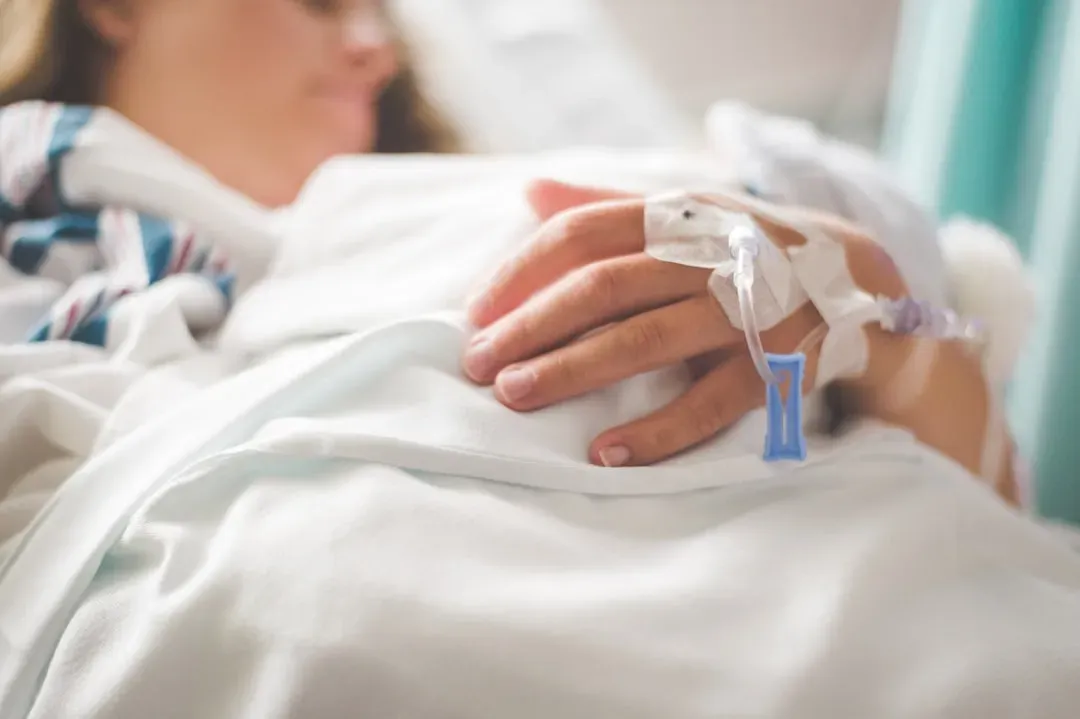
You like to think you are fully in charge of your fate, but chance has a bigger seat at the table than you might want to admit. You can live carefully, eat well, exercise, and still develop a disease that kills you early, simply because of a random mutation in a critical gene or being in the wrong place at the wrong time. On the flip side, you probably know someone who breaks every health rule and still reaches old age. Biology is full of probabilities, not guarantees.
Many deadly events, like certain cancers or sudden heart problems, begin with tiny, random missteps in your cells or tissues. Your body has layers of safeguards, but sometimes a harmful change slips through. Over years, that small error can grow into something dangerous. Knowing that luck plays a role can feel unfair, but it can also be oddly freeing: you focus on what you can control while accepting that not every outcome is in your hands.
How Your Choices Shape How (And Often When) You Die

Even though randomness matters, your daily choices still hugely influence how long and how well you live. Habits like smoking, heavy drinking, eating ultra‑processed foods most of the time, staying sedentary, and sleeping poorly all chip away at your body’s resilience. They accelerate the natural aging processes in your blood vessels, your metabolism, and even your DNA. You may not feel the cost in your twenties, but decades later, it tends to show up as heart disease, diabetes, cancer, or dementia.
The flip side is that you have more power than you might think to tilt the odds in your favor. Moving your body regularly, eating mostly whole foods, managing stress, staying socially connected, and getting decent sleep are not magic, but they slow down a lot of the damage that drives aging. You cannot switch off mortality, but you can often delay many of the pathways that lead there, making the years you have more comfortable, clearer, and more independent.
Could Science One Day Stop Death? What Longevity Research Is Trying To Do
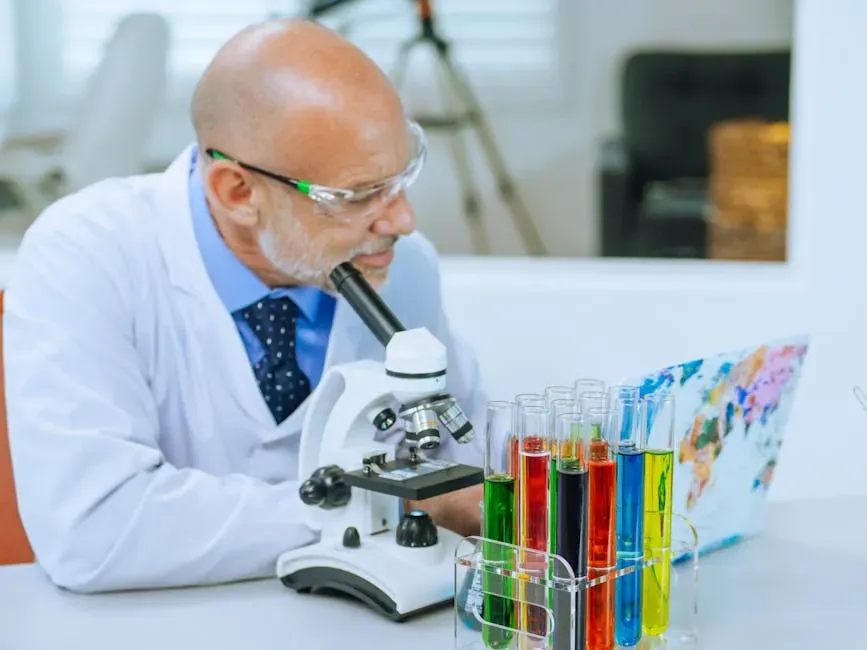
You live in a time when scientists are seriously exploring how to slow aging and extend healthy life, not just treat individual diseases one by one. Researchers are studying drugs that might clear senescent cells, tweak how your cells handle energy, or even repair some forms of age‑related damage. There are experiments in animals where lifespan has been meaningfully extended by changing specific genes or metabolic pathways, hinting that the aging process is more flexible than it once seemed.
That said, you should be skeptical of anyone promising immortality or miracle anti‑aging cures right now. Most of the more dramatic results come from lab animals, not humans, and what works in a mouse does not automatically translate to you. For now, the most reliable tools you have are boring but powerful: lifestyle, early detection of disease, and good medical care. The dream of radically extended life might come closer in your lifetime, but even if it does, biology suggests that some form of death will probably still be part of the deal.
Why Understanding Death Can Change How You Live
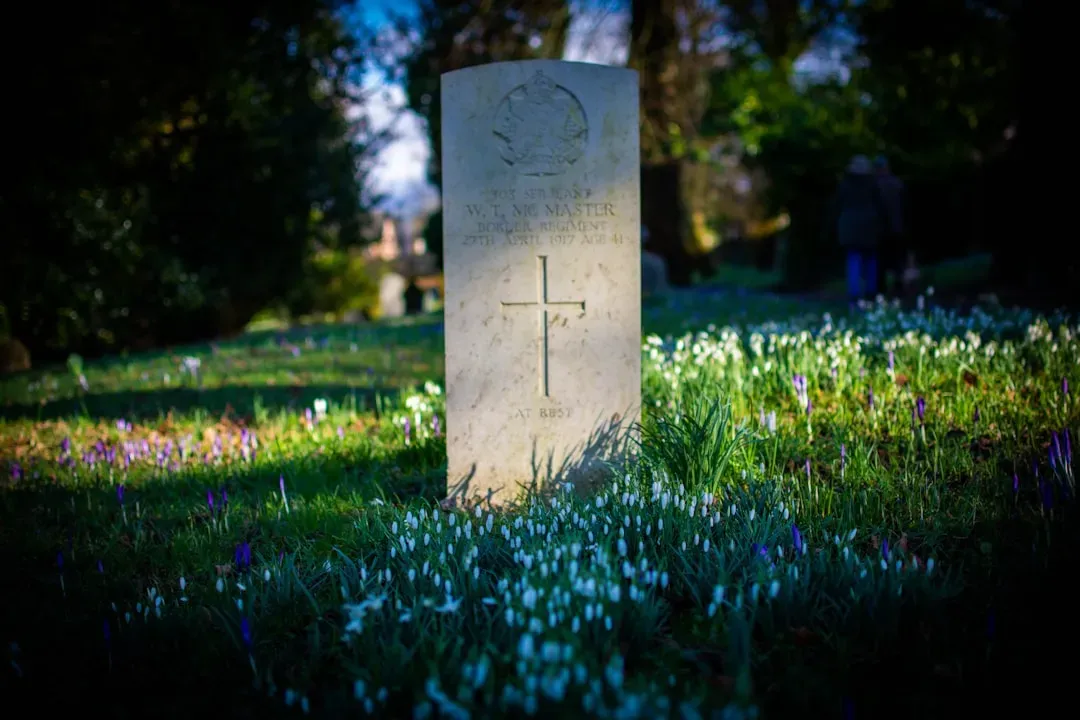
When you really let it sink in that your body is finite, built with trade‑offs and limits, something important shifts. Instead of seeing death only as a terrifying enemy, you can see it as the natural conclusion of a long, complicated biological journey. Knowing the basic science helps you cut through the myths and half‑truths, so you do not waste energy chasing impossible promises. You realize that aging is not a personal failure; it is baked into how life works.
Ironically, facing death in a clear, scientific way can make your life feel richer. You might care more about how you treat your body now, because you see how the small decisions add up. You may also care more about how you spend your time and who you spend it with, knowing there is a real limit somewhere ahead. When you understand why you die, you are nudged to ask a deeper question: given that your time is limited, how do you actually want to use it?
In the end, death is not a glitch in the system; it is part of how the system works. Your cells, your DNA, your environment, and your choices all weave together to create both your life and its eventual end. You cannot bargain your way out of that, but you can respond to it with curiosity, responsibility, and even a bit of courage. If your body will one day stop, what do you want to make sure you have lived for before it does?