Every few years, a story pops up about a billionaire funding a secretive longevity lab or a startup claiming it can rewind your biological age. It all sounds a bit like science fiction, the kind of thing you’d expect in a cyberpunk novel rather than a medical journal. Yet here we are in 2026, with serious scientists talking openly about age reversal, cellular reprogramming, and people potentially living well past a hundred in good health. The question is no longer just whether we can add a couple more years to our lives, but whether we can fundamentally change what it means to grow old.
When I first started reading about this field, I assumed it was all hype and wishful thinking. But the more I dug into the data, the more I realized there is a real, measurable shift happening in how biology understands aging. At the same time, the boldest promises often outrun the evidence, and there’s a big gap between extending healthy lifespan by a decade and achieving anything close to “forever.” Let’s unpack what the science actually says, where progress is genuinely thrilling, and where we still hit very hard limits.
The Biology Of Aging: Why Our Bodies Break Down
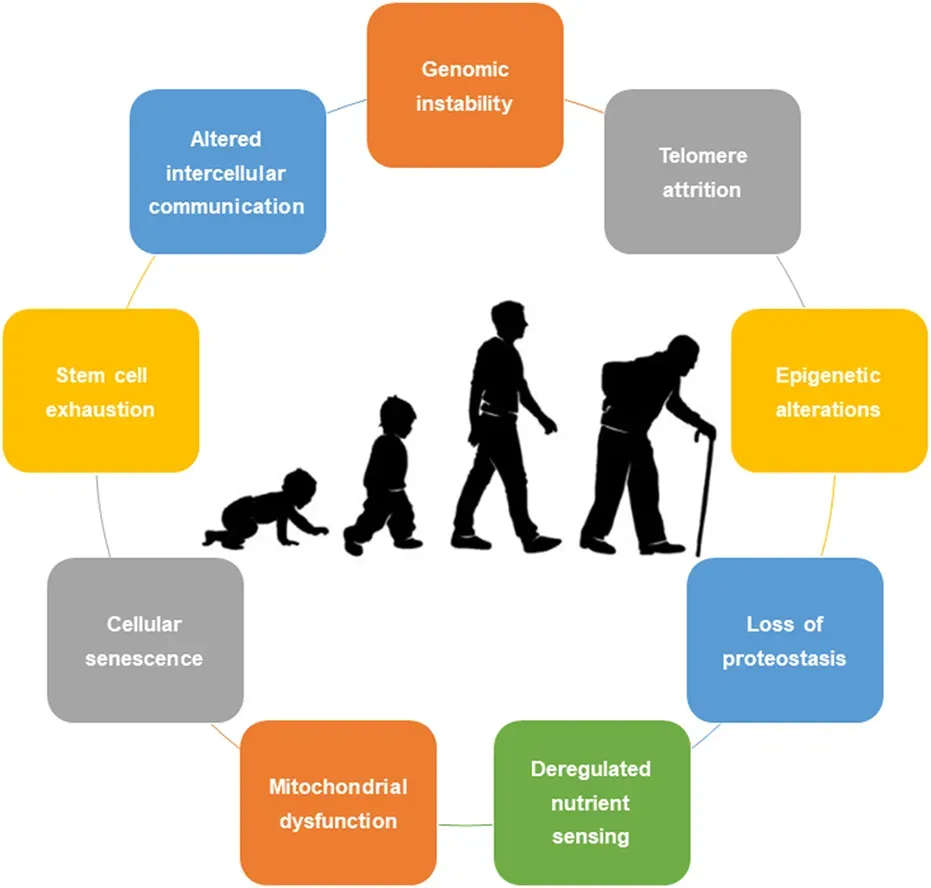
If you want to know whether we can live forever, you have to start with why we age at all. For most of human history, aging was treated as an inevitable, mysterious decline – just nature’s way of winding down the clock. Modern biology has blown that idea open, showing that aging is driven by specific processes: DNA damage building up over time, cells entering a “senescent” zombie-like state, mitochondria losing efficiency, and systems that control protein quality getting overwhelmed. Think of it like a city whose roads never get properly repaired, whose trash collection slows, and whose power grid starts to flicker; eventually, things fail not because of one single disaster, but because too many small problems pile up.
Researchers often talk about distinct “hallmarks” of aging, such as genomic instability, telomere shortening, epigenetic changes, and loss of stem cell function. These are not philosophical ideas – they’re measurable changes in cells and tissues. What makes this exciting is that each hallmark is potentially a lever we can pull, a process we might be able to slow, repair, or even reverse. At the same time, they’re deeply interconnected. Fixing one pathway can sometimes help others, but it can also uncover new vulnerabilities. The dream of extreme longevity is not just about one magic bullet; it’s about managing a complex web of biological trade-offs over many decades.
Genes, Epigenetics, And The Idea Of “Reprogramming” Age
A decade or two ago, many people thought lifespan was mostly about luck and lifestyle, but genetics clearly plays a big role. We now know that certain rare gene variants are more common in people who reach very old ages with relatively good health, influencing things like cholesterol handling, inflammation, and DNA repair. However, genes alone don’t explain why some people look and function much younger than their peers. That’s where epigenetics comes in – the chemical tags on DNA and histones that control which genes are active, like software running on the same hardware. As we age, those epigenetic patterns drift, and the “youthful” settings get scrambled.
Some of the boldest longevity research tries to reset those epigenetic patterns. In animal studies, scientists have used specific factors, originally discovered in stem cell research, to partially “reprogram” cells so they behave as if they are younger. In mice, this has led to improvements in tissue function and even partial reversal of some age-related changes, though doing it safely in whole animals is still extremely tricky. The idea that you might one day reset your biological age like you reset a phone is wildly appealing but, right now, still experimental and risky. It’s a promising direction, but anyone claiming this is ready for routine human use is jumping far ahead of the evidence.
Cellular Senescence: Zombie Cells And How We Might Clear Them
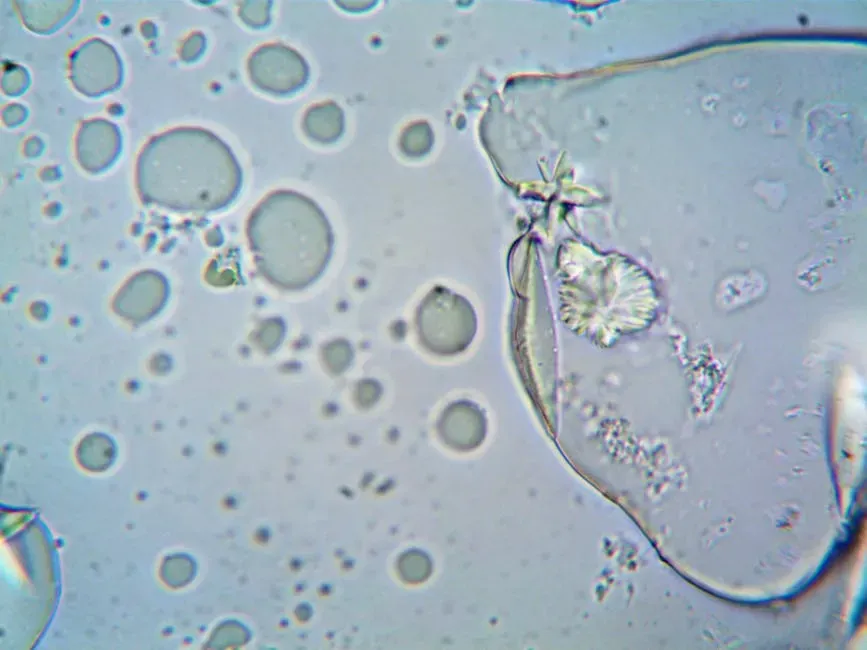
One of the most dramatic shifts in aging research has been the focus on senescent cells. These are cells that stop dividing after stress or damage but refuse to die. Instead, they hang around and secrete a nasty mix of inflammatory molecules that can harm nearby healthy cells. Over time, the number of these “zombie cells” builds up in tissues like fat, joints, and blood vessels. It’s like leaving broken appliances plugged into your house; they’re not doing their job, but they’re still drawing power and heating up the room.
In animal experiments, drugs called senolytics that selectively kill senescent cells have led to improvements in healthspan – better physical function, less frailty, and delayed onset of some age-related diseases. Early human trials are small but suggest potential benefits for specific conditions, such as certain lung diseases and aspects of frailty, though the data is far from definitive. This is one of the areas where I’m cautiously optimistic: the concept makes sense, and the early signals are intriguing. But there are big questions about safety, dosing, and long-term effects, and it’s a long leap from “helps some late-life conditions” to “lets you live indefinitely.”
Metformin, Rapamycin, And The Hunt For A Longevity Pill
Whenever the topic of living longer comes up, people almost immediately ask about a pill. Two of the most talked-about candidates are metformin and rapamycin, both originally developed for very different reasons. Metformin is a widely used diabetes drug that appears, in some studies, to be linked to lower rates of various age-related conditions among people who take it. Rapamycin and related “rapalogs” target a key nutrient-sensing pathway in cells, and in multiple species, adjusting this pathway has extended lifespan and healthspan under experimental conditions. The idea is that by mimicking aspects of calorie restriction or dialing down growth signals, we can slow down the biological clock.
But here is where hype easily overshoots what we actually know. While these drugs have shown lifespan benefits in animals, we do not yet have long, clean, randomized trials proving that healthy humans will live significantly longer by taking them. There are ongoing and planned studies, and the next decade will likely give us much clearer answers. In my view, rushing to self-medicate with powerful drugs in the hope of living forever is closer to biohacking gambling than science-based medicine. These compounds may well play a role in future longevity strategies, but using them wisely will require rigorous data and probably individualized risk-benefit calculations, not wishful thinking.
Regenerative Medicine, Organs On Demand, And Repairing The Body

Even if we manage to slow aging, things will still break. That is where regenerative medicine comes in, trying to replace or repair damaged tissues rather than just managing symptoms. Stem cell therapies, for example, are being tested for conditions ranging from heart failure to joint degeneration, aiming to regenerate or support the body’s own repair mechanisms. At the same time, researchers are growing organoids – mini-organs – from cells in the lab and pushing toward bioengineered tissues that could one day replace failing organs. Think of it as upgrading from patching an old car to swapping in new parts built to spec.
We are already seeing early wins, like lab-grown skin used for burns and more sophisticated prosthetics that can interface with nerves. Experimental work on 3D bioprinting and organ scaffolds offers a glimpse of a future where waiting lists for transplants shrink dramatically. Still, this is a high-tech, high-cost frontier, and most of it is not yet ready for routine clinical care. Even if we become excellent at replacing parts, the underlying aging processes in the rest of the body remain. Regenerative medicine could dramatically boost healthy years and rescue people from specific failures, but it does not magically erase the deep, system-wide effects of time.
Lifestyle And Environment: The Boring Stuff That Still Matters Most

Here’s the part nobody finds sexy but everybody needs to hear: right now, the biggest, most reliable gains in lifespan and healthspan come from very ordinary choices. Patterns of eating, movement, sleep, stress, and social connection have enormous influence on how long and how well we live. Populations in so-called “blue zones,” where many people reach old age in remarkable health, tend to eat mostly unprocessed plant-heavy diets, move frequently but not obsessively, and maintain strong social ties and a sense of purpose. You can argue about the details, but the broad picture is consistent: our daily environment either accelerates aging or gives our biology room to do repair work.
In a way, lifestyle choices are like adjusting the background temperature in which the machinery of aging operates. High stress, chronic sleep deprivation, ultra-processed food, air pollution, and social isolation act like constant low-level toxins, making every biological system work harder and wear out sooner. On the flip side, even moderate improvements – walking more, improving diet quality, getting regular sleep, avoiding smoking – can buy many additional healthy years, especially if started earlier in life. I sometimes think of futuristic longevity tech as building a more advanced car, while lifestyle is whether you are driving on smooth roads or ramming into potholes every day. No matter how fancy the engine, it still suffers if the road is terrible.
Ethics, Inequality, And The Social Shock Of Longer Lives

Let’s imagine, just for a moment, that we crack a few of these problems wide open and can reliably help people live to, say, a hundred and twenty in good health. That sounds amazing on an individual level, but it raises some uncomfortable questions. Who gets access to these interventions first – those who can pay, or everyone? What happens to already strained pension systems, job markets, and housing when multiple generations all live longer and healthier lives? And how do we think about fairness between countries, when some regions still struggle with basic infectious diseases while others chase ultra-long lifespans?
There’s also a more personal ethical dimension: if we push death further away, do we actually get more meaningful life, or do we just stretch out the middle part? Will people feel locked into careers, relationships, or cities for longer than they’d like because life just keeps going? My honest opinion is that many of these questions are still under-explored, and the public conversation is lagging behind the technology. It would be a mistake to let purely market forces decide who steps into the new era of longevity; if we are going to extend life, we need to talk just as seriously about how to extend dignity, opportunity, and purpose along with it.
So, Could We Live Forever? A Cautious, Opinionated Answer

After sifting through the data and following this field for years, my blunt view is this: true immortality is not on the horizon, but significant extension of healthy human lifespan probably is. We are inching toward a world where living into your nineties or beyond in reasonable health becomes more common, and where targeted therapies can delay or soften once-inevitable declines. Some of today’s most hyped interventions will fizzle, others will quietly become standard care, and a few unexpected breakthroughs will likely surprise everyone. The big mistake, in my mind, is to think of “living forever” as a switch that flips on one day, rather than a long series of incremental, sometimes messy, improvements.
If you forced me to take a stance, I’d say that chasing literal immortality is a distraction, but working to extend healthy, meaningful years is one of the most worthwhile scientific projects of our time. We should be ambitious but not gullible, excited but not blinded by promises that outrun the evidence. For now, the smartest move is to combine what we already know works – sane lifestyle choices, good medical care, and social connection – with a watchful, critical eye on the most promising longevity research as it matures. Maybe the real question is not whether we could live forever, but what kind of life we actually want to be living if science hands us extra decades. What would you choose to do with that kind of time?