Every generation likes to believe it has the universe mostly figured out, and then reality does something humbling. A strange signal appears in a telescope, a weird fossil turns up in the dirt, or some amateur with a home lab spots something the textbooks never mentioned. At first, the experts roll their eyes. It sounds like a hoax or a misunderstanding. And yet, piece by piece, the evidence piles up until denial starts to look more absurd than the discovery itself.
What makes these stories so gripping is not just the science, but the very human drama around them: reputations on the line, careers at risk, stubborn skepticism giving way to reluctant acceptance. In a way, these discoveries are less about being right and more about learning how to admit we were wrong. Let’s walk through twelve cases where the scientific world went from “this has to be fake” to “we can’t ignore this anymore,” and see what they tell us about how knowledge actually changes.
#1 The Giant Squid: From Sailors’ Tall Tale to Real-Life Sea Monster
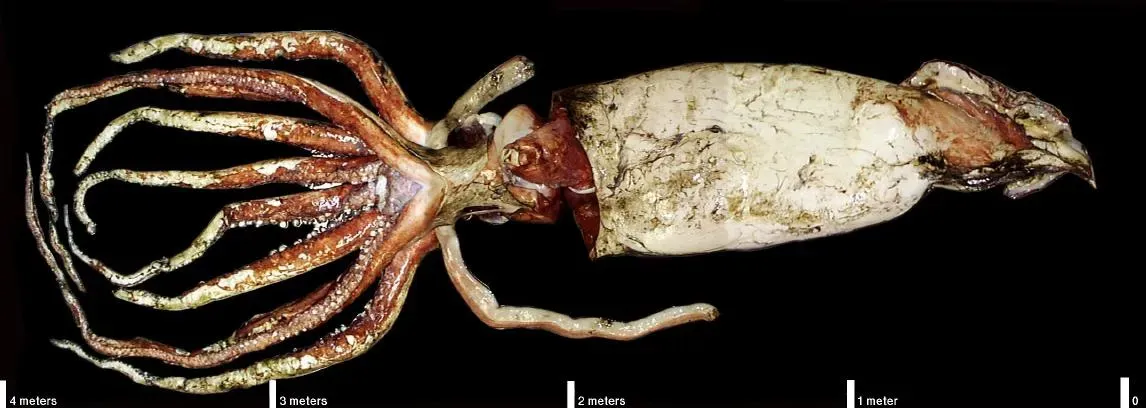
For centuries, the giant squid was the stuff of sea legends and scary drawings on old maps. Sailors talked about tentacled monsters dragging ships under the waves, and most educated people put it in the same category as dragons. Early “evidence” was mostly washed-up carcasses or bits of tissue that looked too mangled to be trustworthy, so many experts dismissed it as misidentified whales or overactive imaginations.
That attitude started to crack in the late nineteenth and twentieth centuries as more consistent remains turned up: huge eyes, beaks, and intact tentacles that clearly came from something massive. Eventually, deep-sea expeditions and underwater cameras finally captured live giant squid in their natural habitat, forcing everyone to accept that these creatures were very real and incredibly impressive. It is a great example of how folklore can sometimes point to a kernel of biological truth, even if the early stories are wildly exaggerated.
#2 Helicobacter pylori and Stomach Ulcers: The Bacteria No One Wanted to Believe

For decades, medical textbooks insisted that stress, spicy food, and excess acid were the main causes of peptic ulcers. The idea that a bacterium could survive in the harsh, acidic environment of the stomach sounded ridiculous to many experts. When two researchers proposed that a microbe called Helicobacter pylori was not only surviving but actually causing chronic inflammation and ulcers, the reaction from much of the medical community was dismissive.
That skepticism slowly eroded as study after study showed the same pattern: patients with ulcers consistently had H. pylori infections, and when the bacteria were treated with antibiotics, the ulcers often healed and stopped coming back. Over time, treatment guidelines changed around the world, and what was once a career-risking claim became a standard part of medical care. The shift proved that even deeply entrenched beliefs in medicine can crumble when the data become overwhelming.
#3 Plate Tectonics: The “Crackpot” Theory That Rebuilt Earth Science
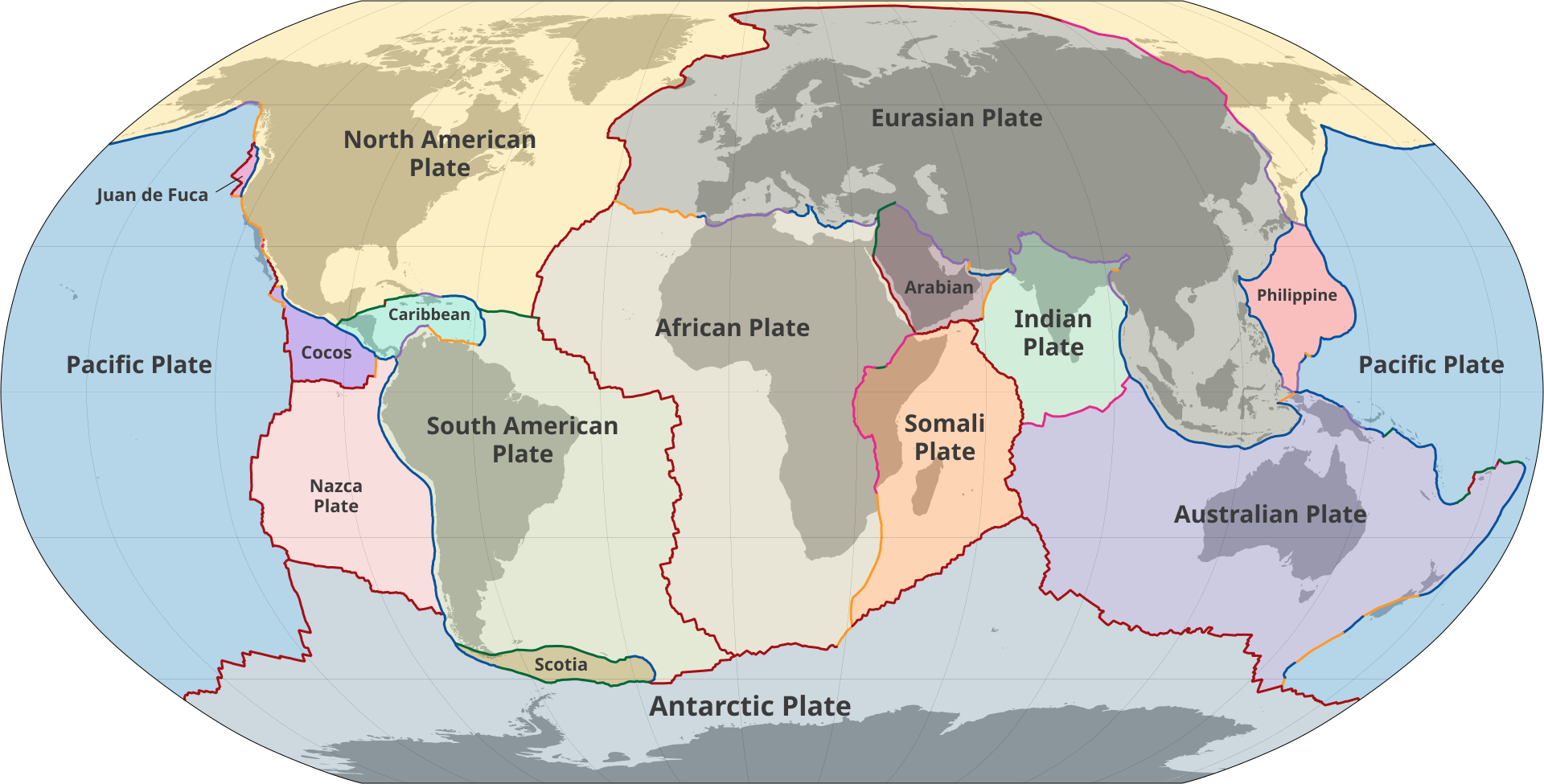
When Alfred Wegener first suggested that continents drift across the planet’s surface, many geologists saw him as an outsider peddling a half-baked idea. The continents fitting together like puzzle pieces seemed more like a visual coincidence than serious science, and Wegener struggled to provide a plausible mechanism. For years, the mainstream view was that the Earth’s crust was largely static and that talk of drifting continents was fringe speculation.
That all changed in the mid twentieth century, when ocean floor mapping, paleomagnetism studies, and seismic data revealed mid-ocean ridges, subduction zones, and clear evidence that crust was being created and destroyed. The evidence turned what had been a ridiculed hypothesis into the central framework of modern geology. Today, plate tectonics explains earthquakes, volcanoes, mountain building, and even patterns of life and evolution, a reminder that today’s “crackpot” idea can become tomorrow’s basic chapter one.
#4 The Coelacanth: A “Fossil” Fish That Refused to Stay Extinct
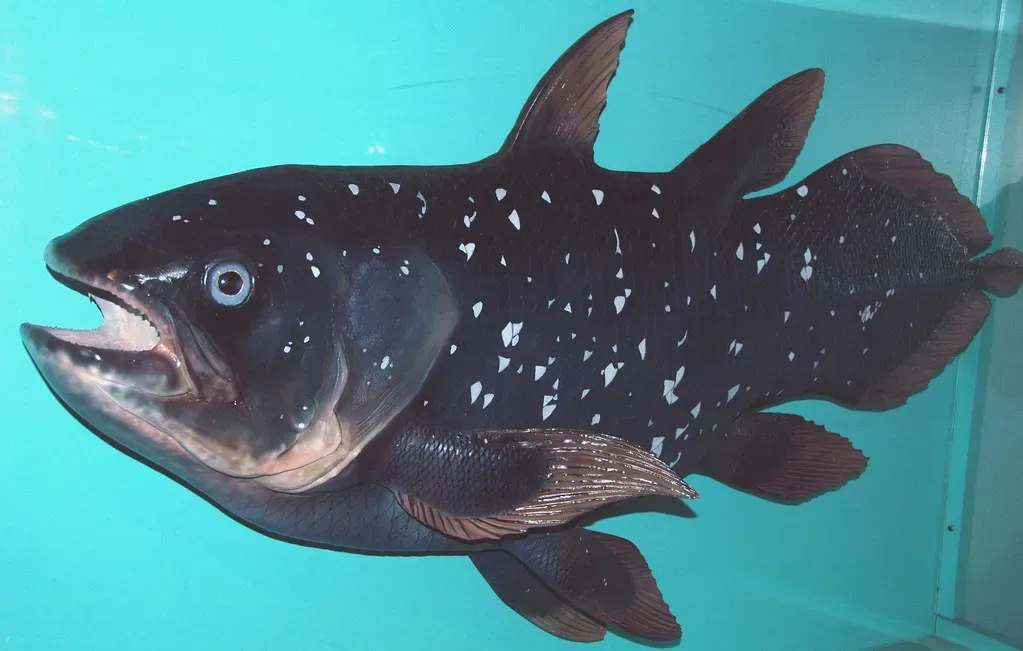
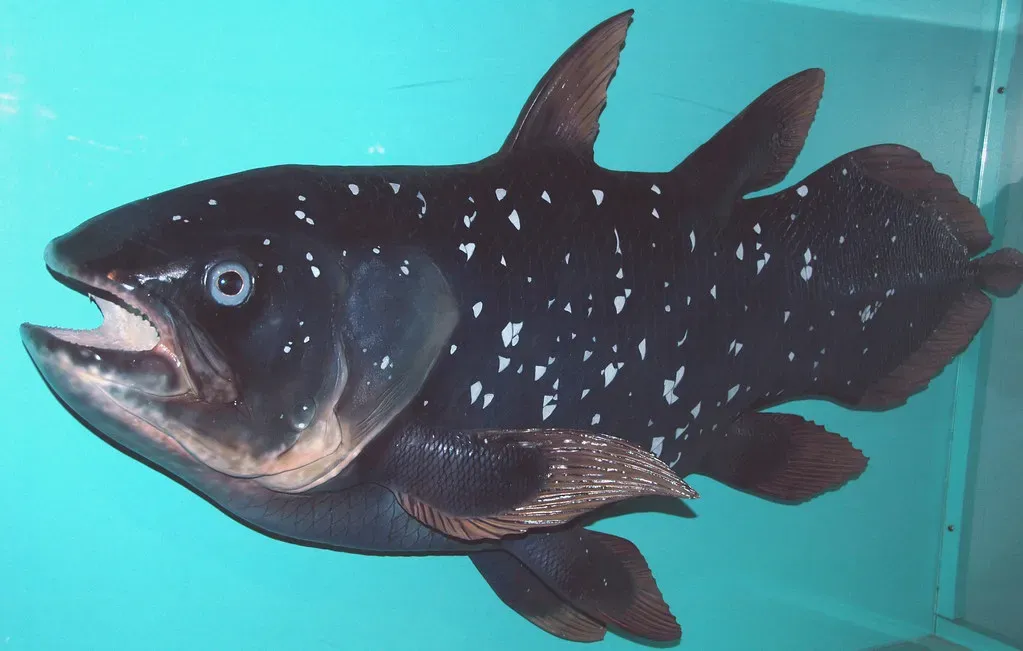
The coelacanth was long known only from fossils and thought to have disappeared around the time of the dinosaurs. It became a textbook example of an extinct lineage, a symbol of a vanished world. So when a living coelacanth turned up in a fish market in the twentieth century, many scientists initially suspected an error in identification or a strange hoax. The idea that a so-called “living fossil” had survived unnoticed in the deep ocean sounded more like fantasy than fact.
But as more specimens were documented and filmed, it became undeniable that coelacanths were alive and well in deep waters off the coasts of Africa and later Indonesia. Detailed anatomical studies confirmed that these fish closely matched the ancient fossils, offering a rare window into a body plan that had persisted for millions of years. The coelacanth story reshaped assumptions about extinction, survival, and how much of Earth’s biodiversity still hides in places we barely explore.
#5 Prions: Infectious Proteins That Broke the Rules of Biology
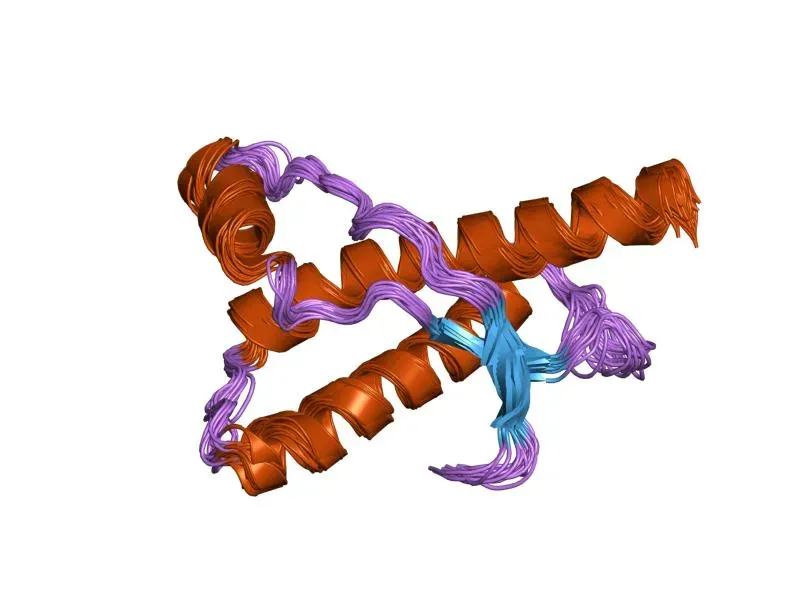
For a long time, the central dogma in biology was simple: infectious agents needed genetic material, like DNA or RNA, to replicate and spread. When researchers proposed that certain brain diseases were caused by misfolded proteins with no nucleic acids at all, many experts balked. A protein acting as an infectious agent sounded like a misunderstanding at best and scientific heresy at worst.
Over the years, evidence from animal and human diseases, including conditions like Creutzfeldt–Jakob disease and those linked to contaminated food, showed that misfolded prion proteins could indeed propagate by triggering normal proteins to misfold in a chain reaction. Laboratory experiments reproduced the effect under controlled conditions, and gradually the prion concept moved from fringe to accepted biology. The discovery forced a rewrite of core assumptions about what counts as an infectious agent and how information can be carried in biological systems.
#6 Dark Matter: Invisible Mass That Refused to Be Explained Away
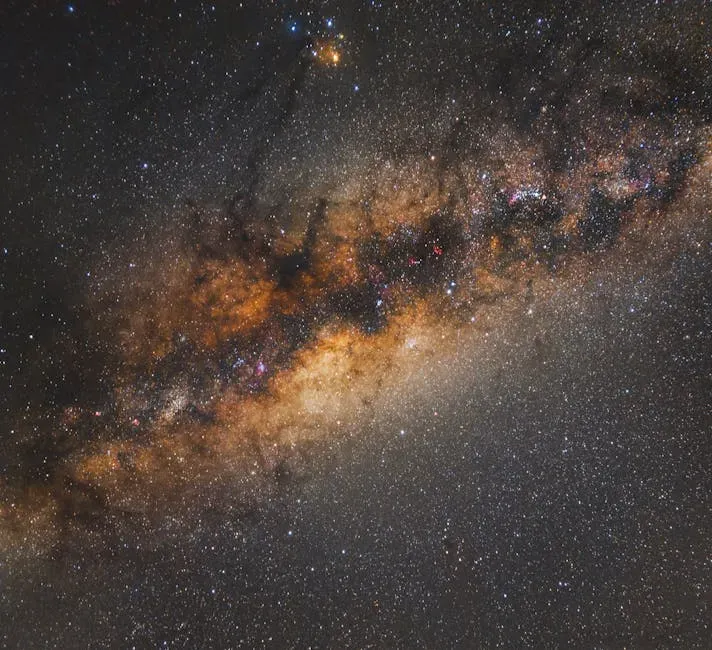
When astronomers first noticed that galaxies were rotating as if they contained far more mass than could be seen in stars and gas, many thought there had to be a simpler explanation. Measurement errors, unusual star distributions, or unknown quirks in gravity were all proposed to avoid the strange idea of invisible matter. Early proponents of dark matter often found their claims met with raised eyebrows and heavy skepticism.
But over time, multiple independent lines of evidence converged: galaxy rotation curves, gravitational lensing, the patterns in the cosmic microwave background, and the way galaxy clusters move all pointed toward large amounts of unseen mass. While researchers still do not know exactly what dark matter is made of, the gravitational effects are now so consistently observed that it would be harder to explain the data without it than with it. Dark matter stands as a case where the universe forced physicists to admit that most of its contents are literally out of sight.
#7 Meteorites and Mass Extinctions: Rocks from Space and the Fall of the Dinosaurs
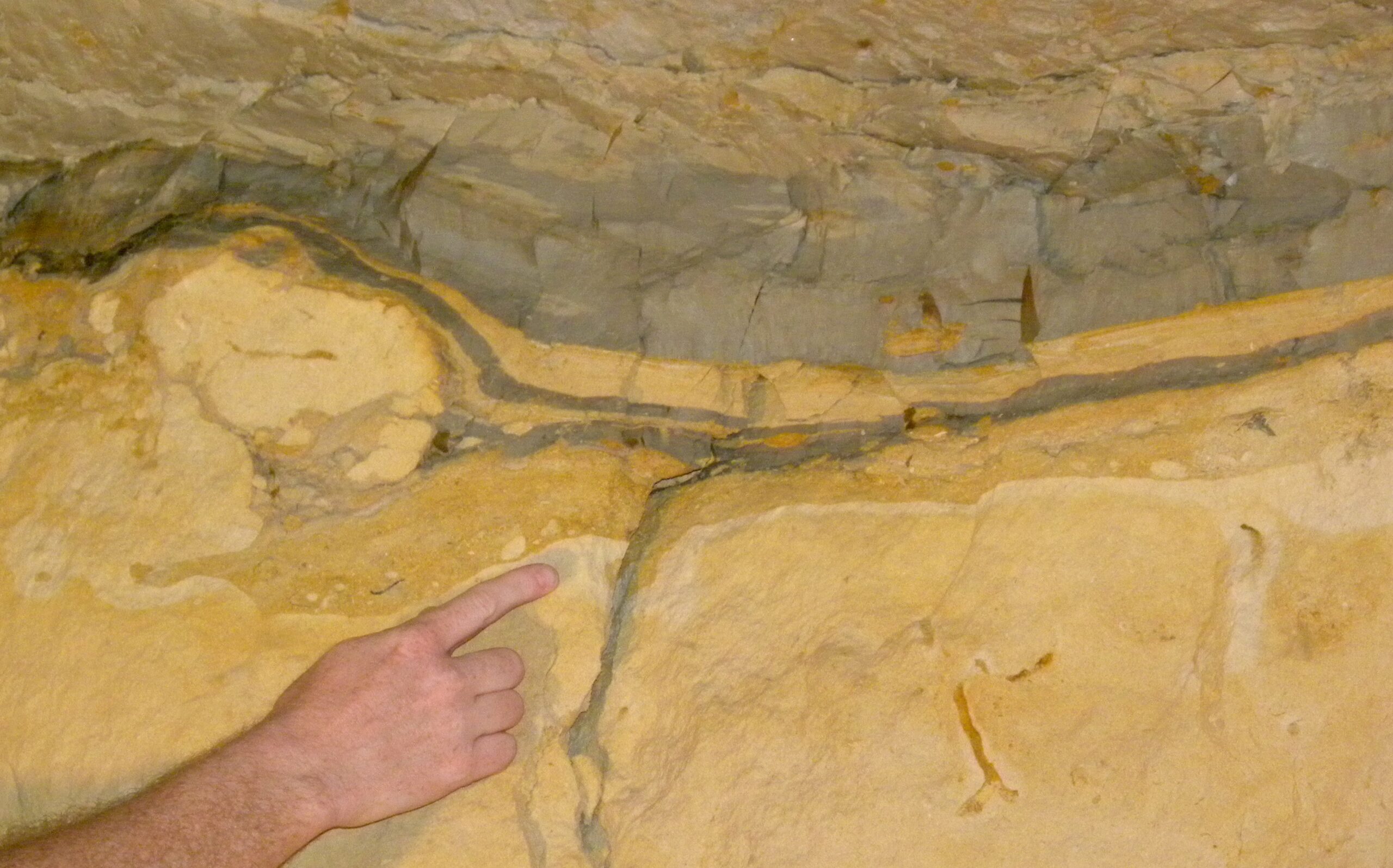
There was a time when the idea that rocks from space could dramatically reshape life on Earth sounded melodramatic. Many scientists assumed that changes in climate and slow geological processes were enough to explain mass extinctions. Suggesting that a giant impact wiped out the dinosaurs seemed more like science fiction than serious paleontology, and early claims linking craters and extinction events were often brushed aside as speculation.
That skepticism began to crumble with the discovery of a global layer rich in iridium, a metal more common in asteroids than in Earth’s crust, dating to the end of the Cretaceous period. The identification of a massive impact crater buried under the Yucatán Peninsula and further evidence from shocked minerals and tsunami deposits built a compelling case. While details are still debated, the broad conclusion that a large impact played a central role in the dinosaurs’ demise is now widely accepted. It turned a once-dismissed idea into one of the most famous stories in Earth’s history.
#8 Deep-Sea Hydrothermal Vent Ecosystems: Life Without Sunlight
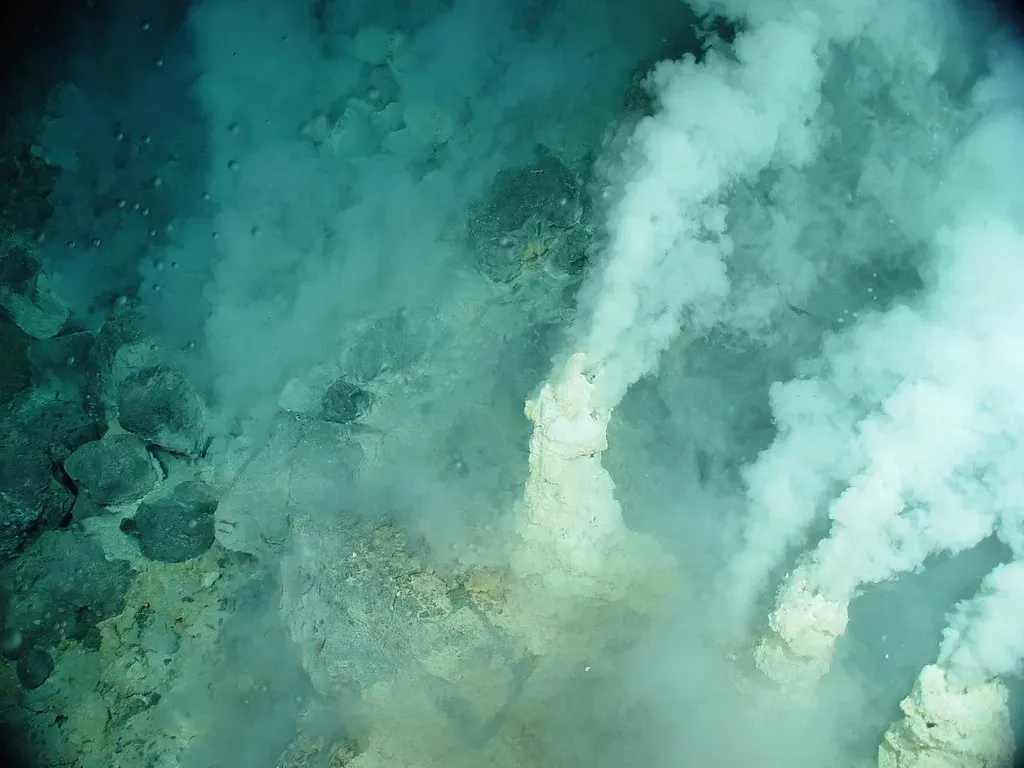
For a long time, biologists assumed that all complex ecosystems on Earth ultimately depended on sunlight. Photosynthesis powered food chains on land and in the ocean’s surface waters, and deep-sea life was thought to rely mostly on scraps drifting down from above. The notion that rich communities of organisms could thrive in total darkness, fed by chemicals coming from the Earth’s interior, sounded implausible to many experts.
When explorers first found hydrothermal vents on the seafloor, surrounded by dense clusters of tube worms, clams, crabs, and strange microbes, it looked almost alien. Careful study showed that these ecosystems were powered by chemosynthesis, with bacteria using energy from chemicals like hydrogen sulfide instead of sunlight. The discovery expanded the known limits of life and even shifted how scientists think about where life might exist beyond Earth, from icy moons to subsurface oceans on distant worlds.
#9 Neanderthal DNA in Modern Humans: The Interbreeding No One Wanted to Admit
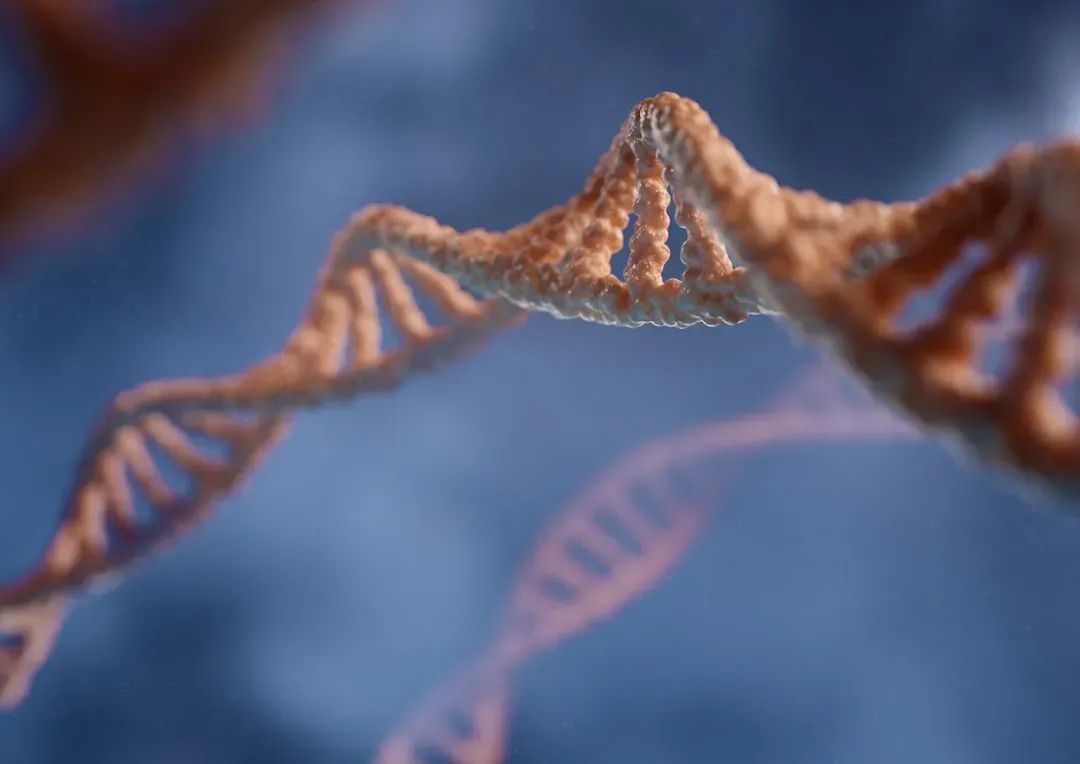
For much of the twentieth century, Neanderthals were portrayed as a separate, doomed side branch of humanity that died out without leaving descendants. The idea that people alive today might carry Neanderthal DNA seemed unlikely and, to some researchers, even unappealing. When early genetic hints suggested that interbreeding had occurred, many experts were cautious, suspecting contamination or flawed methods.
As genome sequencing improved and more ancient DNA samples were compared with modern populations, a clear pattern emerged: people of non-African ancestry carry a small but significant portion of their DNA from Neanderthals, and other ancient hominins contributed to different groups as well. This evidence turned a once-controversial idea into a key part of the story of human origins. It also helped humanize Neanderthals, shifting them from cartoonish cave dwellers to close relatives who shared more with us than earlier stereotypes allowed.
#10 The Ozone Hole: A Man-Made Problem Scientists First Struggled to Believe
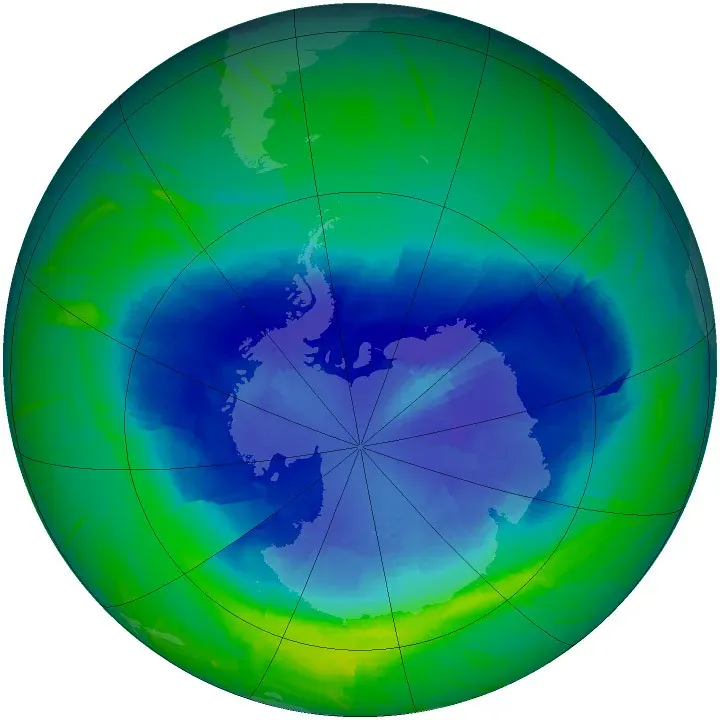
When researchers first reported a massive seasonal thinning of the ozone layer over Antarctica, the data were so extreme that some automated systems initially rejected them as errors. Many experts found it hard to accept that human-made chemicals used in aerosols and refrigerators could be stripping away a protective atmospheric layer on a global scale. The numbers looked almost too bad to be true, so there was a natural instinct to double-check everything before sounding the alarm.
But repeated measurements, satellite observations, and atmospheric chemistry studies all converged on the same sobering conclusion: chlorofluorocarbons were breaking down ozone and creating a hole that let more ultraviolet radiation reach the surface. The evidence eventually pushed governments to sign international agreements to phase out the offending chemicals, one of the most striking examples of global environmental policy responding to scientific findings. The ozone story shows how initially unbelievable data, when carefully verified, can drive real-world change.
#11 Fast Radio Bursts: Mysterious Cosmic Signals That Sounded Like Glitches
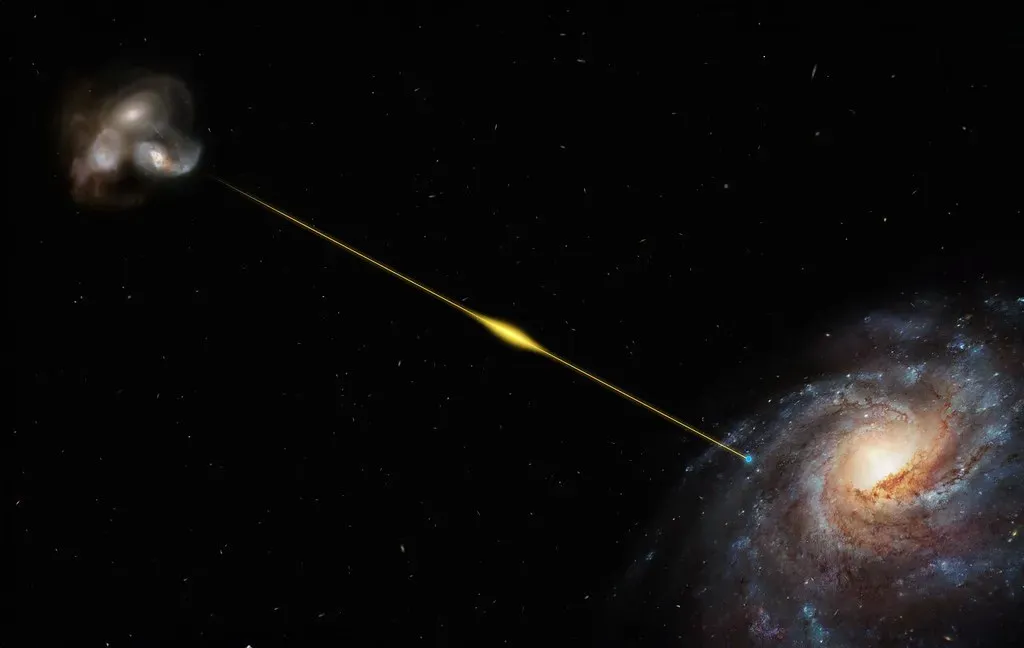
Fast radio bursts are incredibly brief, powerful flashes of radio waves from deep space, lasting only milliseconds. When the first ones were noticed in archival data, many astronomers suspected instrument glitches, interference from Earth, or analysis errors. The idea that the universe was sending out intense, one-off radio signals from distant galaxies felt too strange to accept without overwhelming proof.
As more observatories began detecting similar bursts, often from far beyond our own galaxy, the pattern became impossible to write off as noise. Repeating sources were identified, host galaxies were pinpointed, and the community moved from doubting the signals’ reality to debating their causes. While scientists still do not fully agree on the exact engines behind every fast radio burst, people no longer argue that they are fake. They stand as a modern reminder that sometimes the weirdest signals in the data are exactly the ones worth taking seriously.
#12 Ball Lightning: From Eyewitness “Nonsense” to a Real Atmospheric Puzzle
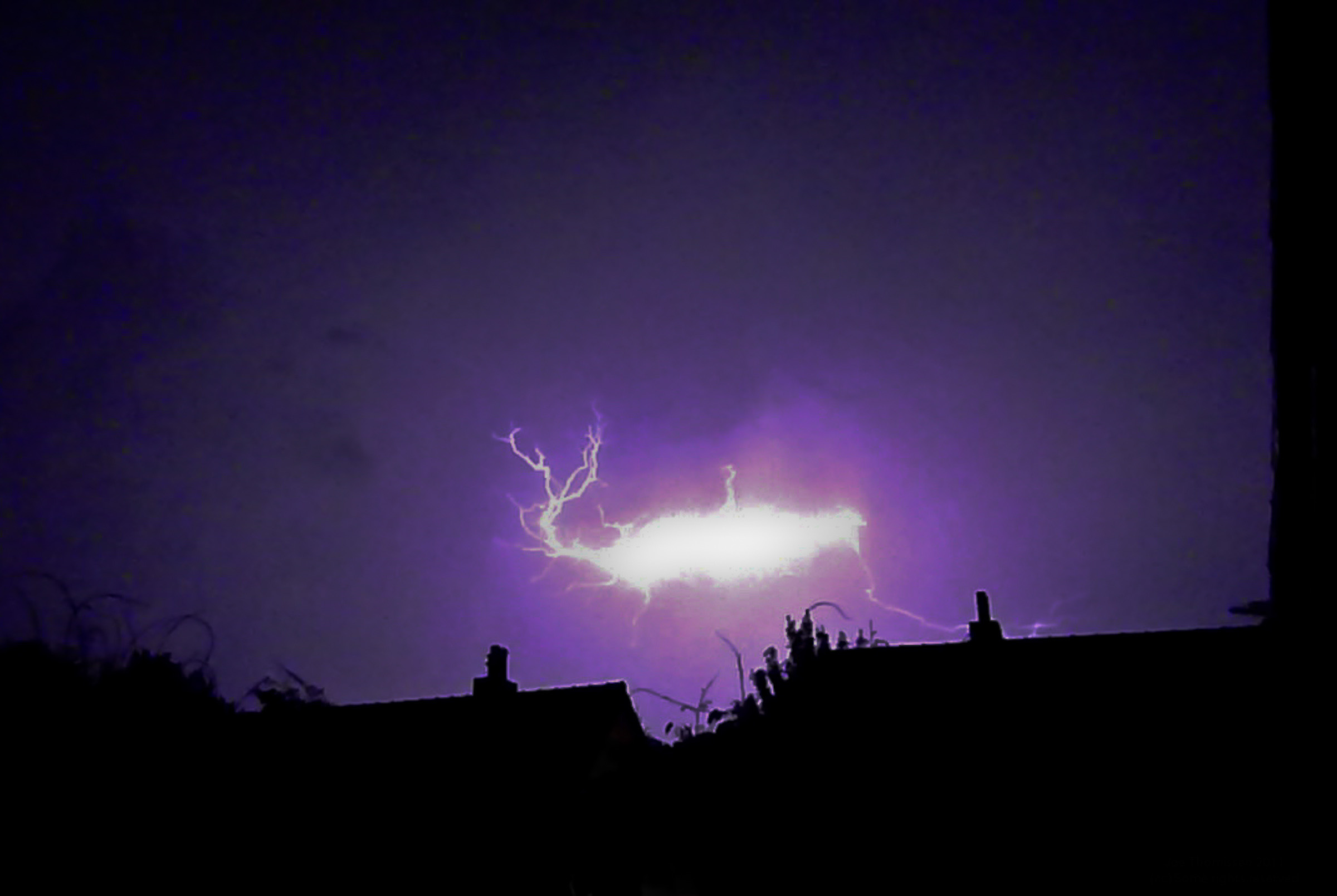
Stories of glowing orbs of lightning drifting through the air sounded, for a long time, like classic tall tales. Pilots, farmers, and ordinary witnesses described luminous spheres appearing during storms, moving oddly, and then disappearing with a bang or a quiet fade. Many scientists dismissed these accounts as misinterpretations of conventional lightning, afterimages in the eye, or simple exaggerations fueled by fear and bad weather.
Over time, however, more carefully documented observations, including some recorded on cameras and scientific instruments, suggested that ball lightning is a real but rare atmospheric phenomenon. Various models have been proposed, from plasma structures to chemical reactions in air pockets, and while there is still no single universally accepted explanation, very few experts now argue that all observed cases are imaginary. Ball lightning sits in that fascinating space where the phenomenon is real, the physics is still being debated, and once-dismissed witnesses turned out to be noticing something genuinely worth studying.
Conclusion: Why Being Wrong Is the Most Underrated Part of Science

Looking across these discoveries, a pattern jumps out: the facts did not change, but our willingness to see them did. What started as fringe ideas, weird anecdotes, or supposed mistakes slowly turned into accepted reality as the evidence kept stacking up. Personally, I find that both humbling and oddly comforting, because it means science is not about pretending to be infallible, it is about being brave enough to update the story when the data demand it. In my own life, the moments when I have had to admit I was flat-out wrong have usually been the ones that changed me the most.
There is a temptation, especially in an age of instant opinions and hot takes, to treat skepticism as a kind of armor and to dismiss whatever sounds strange as fake. But these cases show that healthy skepticism is not the same as stubborn denial; real skepticism is curious, patient, and willing to be surprised. The discoveries that once seemed ridiculous now sit comfortably in textbooks and documentaries, shaping how we see Earth, life, and the universe. The real question is: which “impossible” findings today will we look back on in a few decades and wonder why we ever doubted them so hard in the first place?