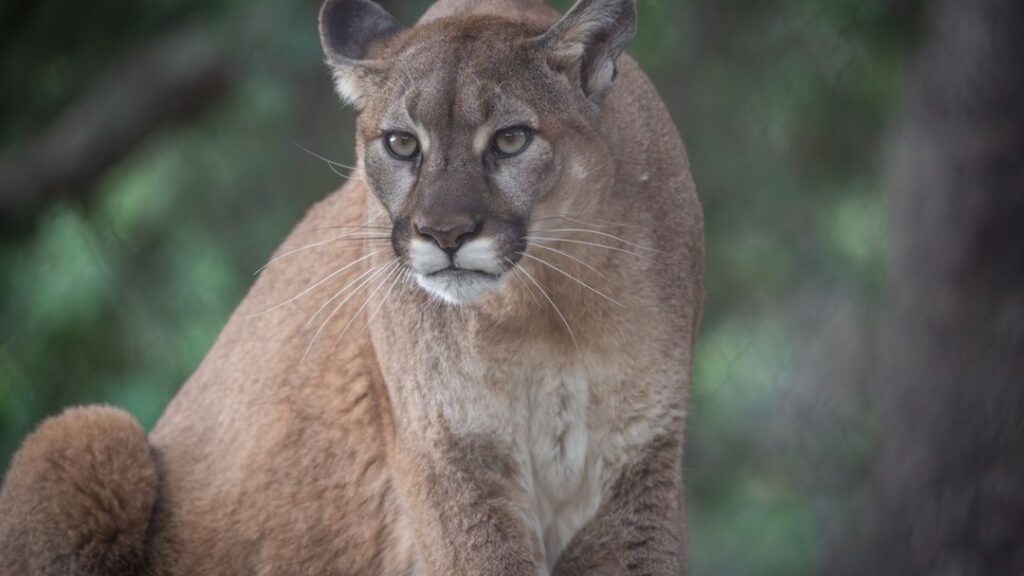
You can hike for years in California and never see a mountain lion, which is exactly why the idea of suddenly locking eyes with one on a narrow trail feels so shocking. Your heart would probably slam into overdrive, your thoughts would scatter, and all the calm advice you once read online might vanish in a second. That’s exactly when your instincts can betray you, pushing you toward the wrong move at the worst possible time.
The good news is that actual mountain lion encounters are rare, and serious attacks are even rarer. Still, if you love hiking in places like the Santa Monica Mountains, the Sierra foothills, or the coastal ranges, it’s smart to know what not to do before you ever lace up your boots. When you understand which common reactions are dangerous, you give yourself a better chance of staying safe if that big tawny “cat” appears on the trail ahead.
1. Never Run Away, Even If Every Cell in Your Body Wants To
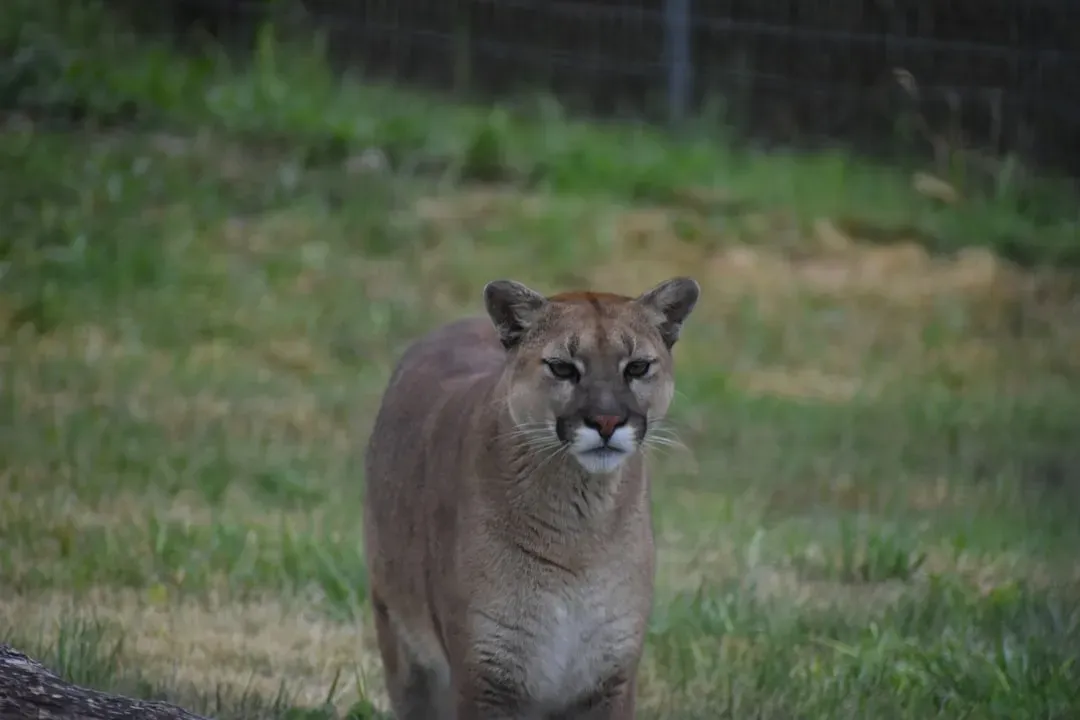
If you round a bend and suddenly see a mountain lion watching you, your first impulse will almost certainly be to run. You’re human, your brain screams danger, and running feels like the obvious way out. But to a mountain lion, that sudden movement can flip a deep, hardwired switch that says you are prey, and prey is supposed to be chased. When you sprint, you not only move faster, you also turn your back and make yourself look more like something vulnerable trying to escape.
Instead, you want to fight that urge and stay put on your feet. You keep your eyes on the lion but avoid staring it down like you are picking a fight. You plant yourself and breathe, even if your breathing is shaky, and focus on projecting the opposite of prey behavior: slow, controlled, and deliberate. It might feel like you’re doing nothing, but in that moment, not running is one of the most powerful safety decisions you can make.
2. Never Turn Your Back or Crouch Down
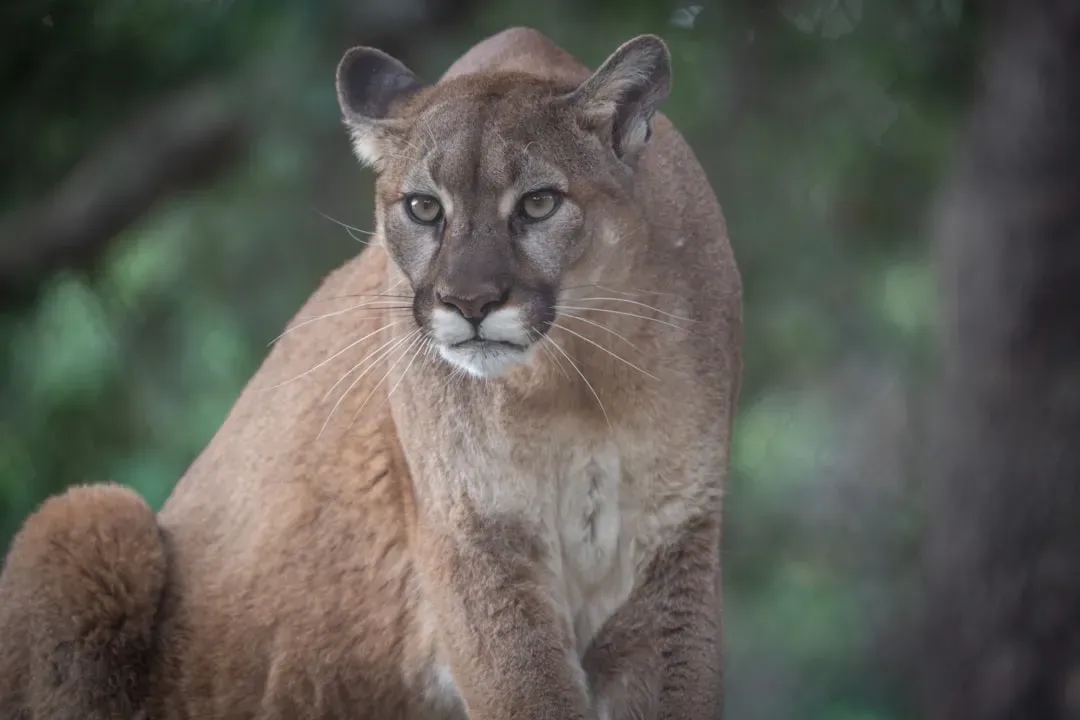
When you get scared, you might instinctively want to make yourself smaller, duck behind a rock, or turn away so you do not have to see the animal that’s terrifying you. With a mountain lion, that’s exactly what you should avoid. If you bend, squat, or crouch, you make yourself look more like typical prey: smaller, on all fours, and easier to pounce on. Turning your back also means you can’t see what the lion is doing, which robs you of precious information about its body language and movements.
Instead, you stay tall, square your shoulders, and keep your chest facing the lion. If you have to move, you step back slowly while still facing it, as if you’re backing out of a tense conversation without breaking eye contact. You resist the urge to rummage in your pack down by your feet or kneel to grab something, because the moment you drop your upper body low, you give up the visual advantage of height. Think of it like standing your ground in a standoff, not hiding from it.
3. Never Approach, Corner, or Try to Get Closer for a Better View
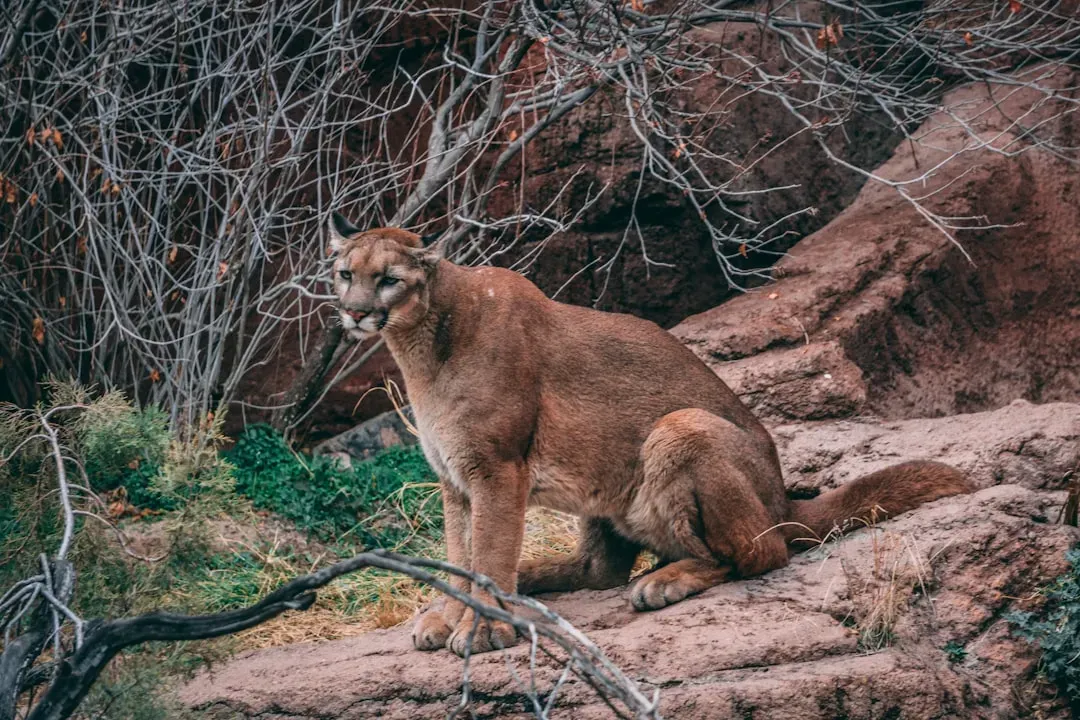
Curiosity can be surprisingly dangerous on the trail. You might think you’re just easing a bit closer to get a clearer photo, to see if it really is a mountain lion, or to show your hiking buddy how “close” you got. The problem is, every step you take toward a wild predator can feel like pressure, and a lion that was content to watch you from a distance might react very differently if it feels boxed in or threatened. You never truly know if there are cubs hidden nearby or if the animal has a carcass it’s guarding just off the trail.
Your safest choice is to respect distance as your invisible force field. You treat a mountain lion sighting the way you would treat a fast-moving fire front: something you want more space from, not less. Instead of advancing, you slowly create room between you and the animal while staying upright and calm. You give it a clear escape route and let it decide when to leave, because you’re not there to test its boundaries; you’re there to get home in one piece.
4. Never Stay Silent or “Disappear” Into the Background
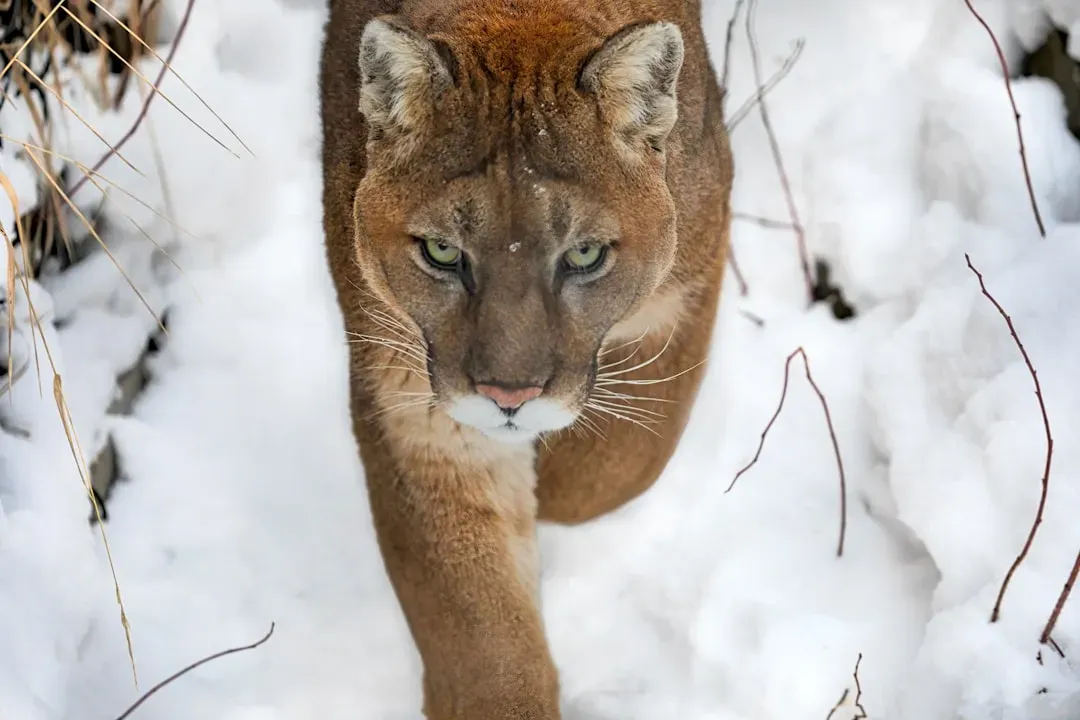
In a scary moment, you might be tempted to freeze completely and go quiet, hoping the mountain lion will lose interest if you just blend into the scenery. While you do not want to scream in raw panic, going totally silent and shrinking your presence can make you look more like something the lion might size up as easy to test. Mountain lions are used to hunting animals that try to hide, and doing the exact same thing does not send the message you want.
Instead, you use your voice to project that you’re a confident, aware, difficult target. You speak in a firm, loud tone, saying anything that comes to mind, as long as it’s steady and strong. You can wave your arms slowly, open up a jacket, or hold your backpack over your head to appear larger and more imposing. You’re basically saying with your body and your voice that you’re not prey, you see the lion, and you’re prepared to defend yourself if it comes closer.
5. Never Ignore a Charge or Fail to Fight Back If Attacked
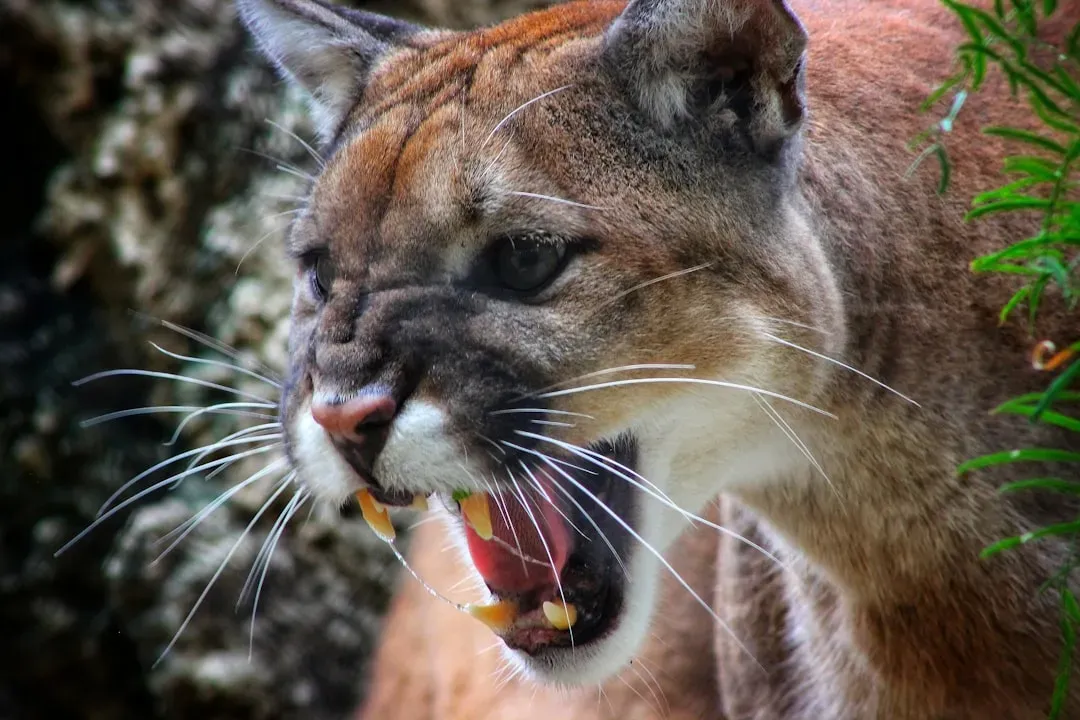
Most mountain lions that you see will not attack; many will eventually slip away if you hold your ground and act assertively. But you cannot afford to shrug off more intense behavior if it happens. If a lion moves closer in a focused, direct way, you should treat that as serious. This is not the time to freeze in disbelief or tell yourself you’re overreacting. If it does charge and make contact, playing dead is absolutely the wrong response; you are not dealing with a bear, and you’re not trying to convince it you’re no longer a threat.
If a lion actually attacks, you fight back with everything you have. You aim for the face and especially the eyes, using sticks, rocks, trekking poles, your backpack, or your fists. You stay on your feet if possible, or try to get back up, because being underneath a large predator is the worst position you can be in. You make noise, you keep struggling, and you remind yourself that people have successfully fought off mountain lions before. Your goal is to convince the animal, as fast as you can, that you are more trouble than you’re worth.
Stepping back from the fear and adrenaline, the pattern in all these “never do this” rules is simple: you never want to act like prey. When you refuse to run, refuse to crouch, give the animal space, stay loud and present, and fight back if needed, you’re aligning your behavior with what mountain lions are least interested in dealing with. That does not guarantee anything, but it dramatically tips the odds in your favor.
So as you head out on those California trails, you keep this knowledge tucked in the back of your mind, not as something to obsess over, but as a quiet layer of confidence. Mountain lion encounters are rare, and your hikes should be mostly about wildflowers, sweeping views, and dusty boots at the end of a long day. But if that powerful cat ever steps into your path, you’ll know what not to do – and that might just make all the difference. If you ever imagined this scenario before, did you think your instincts might lead you the wrong way?