You probably learned in school that mammals use lungs to breathe and mouths to drink, end of story. Then someone casually drops the fact that frogs can breathe and even “drink” through their skin, and suddenly everything you thought you knew about bodies feels a bit too simple. When you look closer, frogs start to feel almost alien: thin, moist skin acting like a living filter, swapping gases and water with the world around them every second.
In this article, you’re going to walk through how that actually works in real life, not just in a textbook diagram. You’ll see why a frog’s skin is both its greatest superpower and its biggest vulnerability, how it lets the animal sit quietly underwater for long stretches, and why a dry, polluted environment is basically a slow disaster for these animals. By the end, you’ll understand not just how skin, but also what that tells you about the invisible exchanges happening around you all the time.
Your first surprise: a frog’s skin is a breathing organ
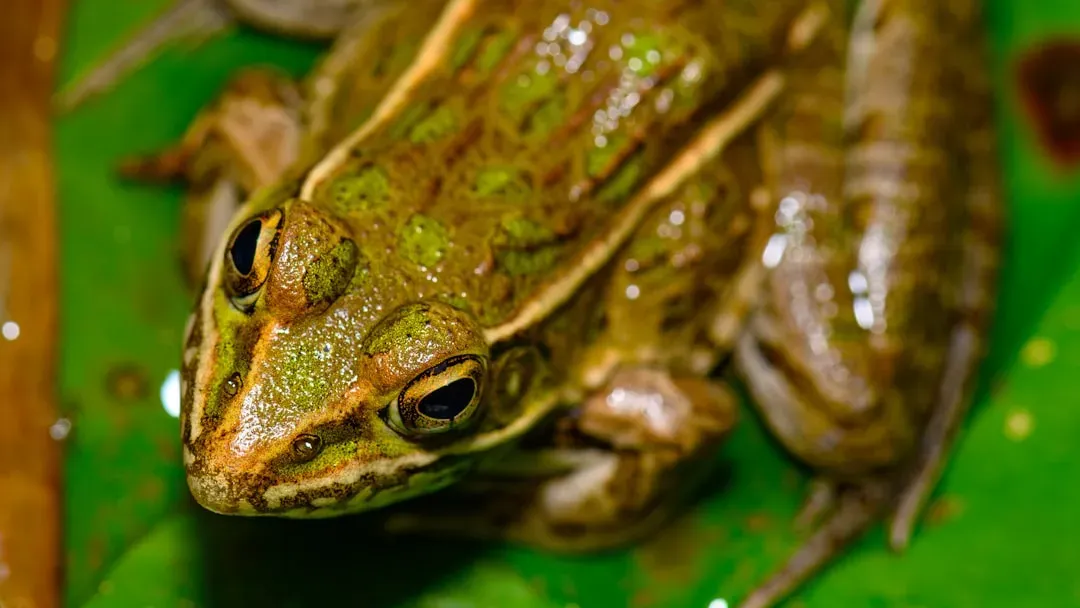
If you could shrink down and stand on a frog’s back, its skin wouldn’t seem like a smooth, simple surface at all. You’d see a thin, delicate layer packed with tiny blood vessels running just beneath it, close enough that oxygen and carbon dioxide can slip across. You’re used to thinking of skin as armor, but for a frog, it’s more like a flexible, living lung wrapped all around the body.
This kind of gas exchange through the skin is called cutaneous respiration, and it’s not a backup system for frogs – it’s a core part of how they stay alive. Even when a frog is using its lungs, its skin is constantly trading gases with the air or water. You can think of it like having a second breathing system running quietly in the background, always on, especially helpful when the frog is still or resting.
How cutaneous respiration actually moves oxygen into the body
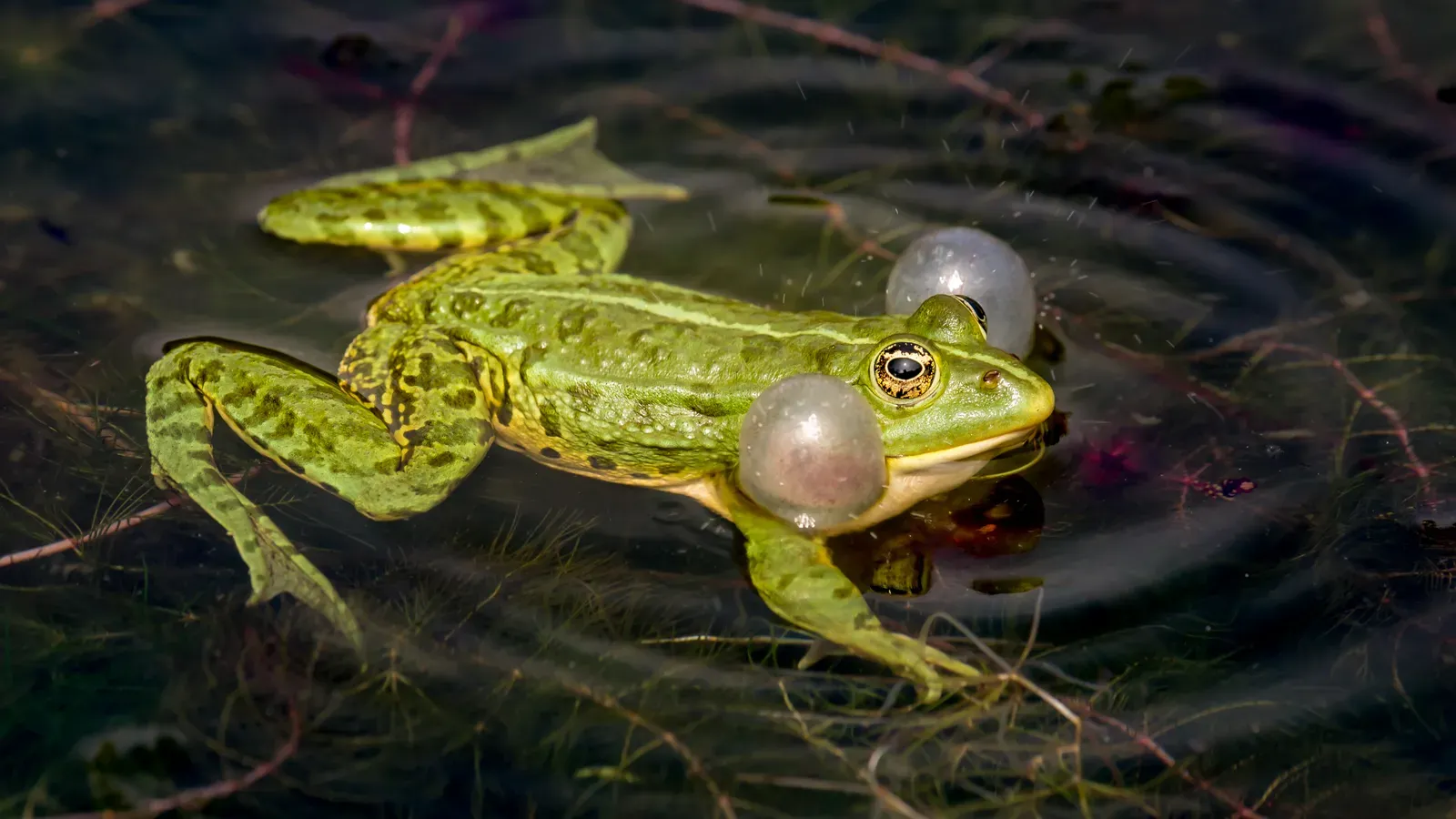
To understand how a frog breathes through its skin, imagine a very thin, wet cloth stretched over a network of tiny tubes. On one side of that cloth, you’ve got oxygen from air or water; on the other side, you’ve got blood low in oxygen and high in carbon dioxide. Because gases naturally spread from where they’re more concentrated to where they’re less concentrated, oxygen seeps in and carbon dioxide seeps out across that thin barrier.
Inside the frog, that freshly oxygenated blood is carried to the heart and pumped around the body, just like in you. The key difference is that the gas exchange didn’t happen in a pair of lungs – it happened directly at the skin. This works so well because the skin is very thin, very moist, and has a rich supply of capillaries just under the surface. If you were to thicken or dry out that layer, you’d choke off the gas flow, and the frog would struggle to survive.
Why staying moist is literally a matter of life and death
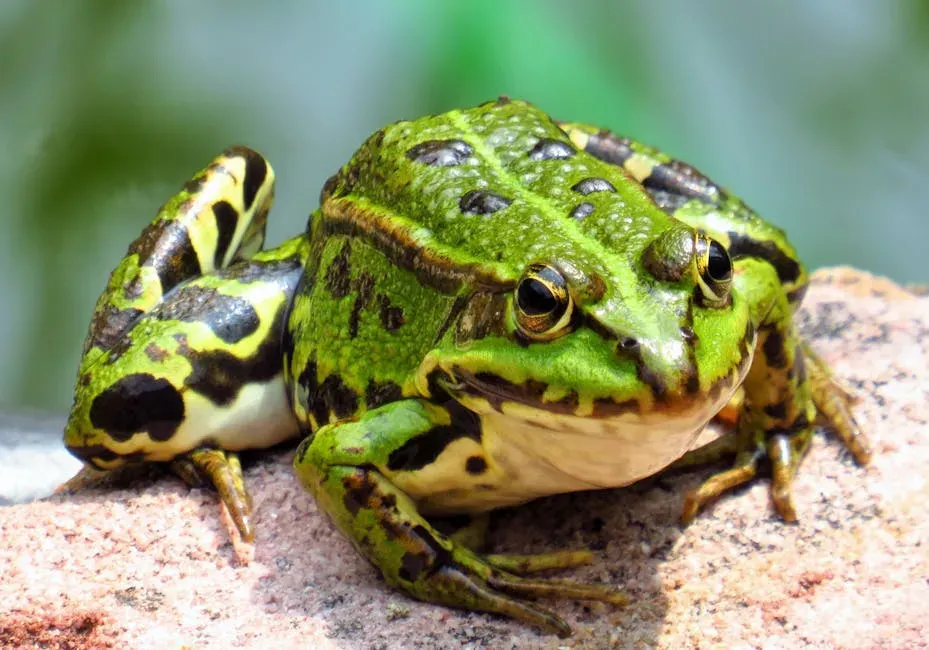
You might find frog skin a little slimy or strange to the touch, but that slipperiness is exactly what makes cutaneous breathing possible. A frog’s skin is coated in mucus produced by special glands, and that mucus keeps the outer layer nice and moist. Oxygen dissolves more easily in a thin film of water on the skin, which makes it easier for gases to pass through and into the blood beneath.
When humidity drops and the environment gets dry, that moisture layer can quickly disappear, and the frog’s breathing through the skin starts to fail. That’s why many frogs stick to damp forests, ponds, and shaded areas, and why they’re so vulnerable to changes in climate or habitat. If you’ve ever watched a frog hug the edge of a pond or hide under a wet rock, you’re not just seeing a preference – you’re seeing a desperate effort to keep its breathing surface working.
Underwater life: how frogs sit and breathe without coming up for air
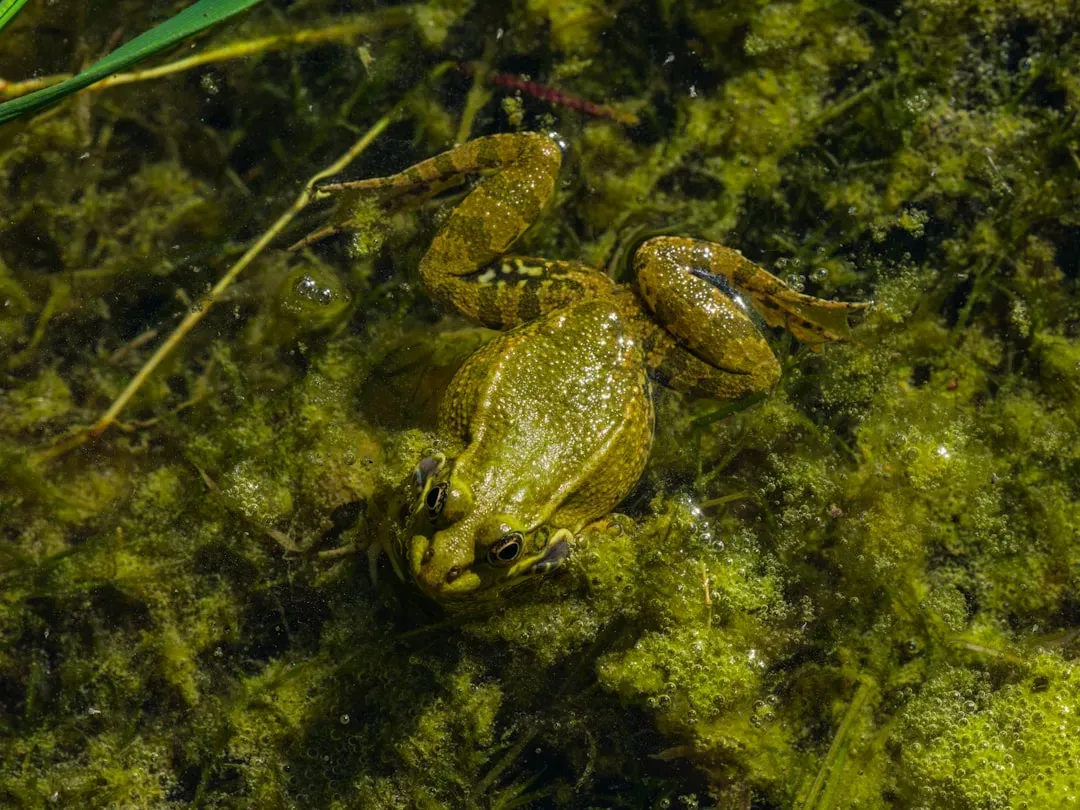
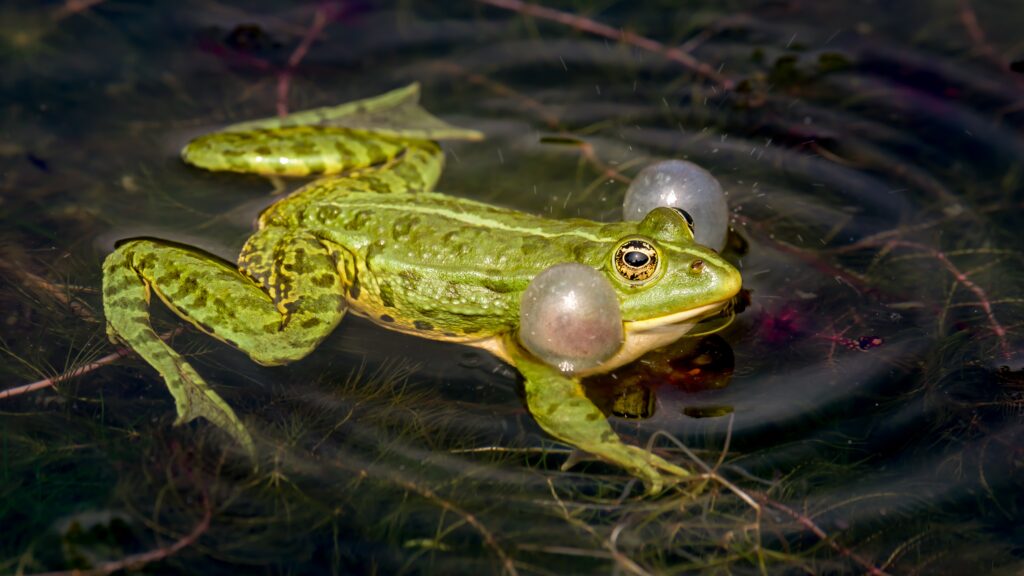
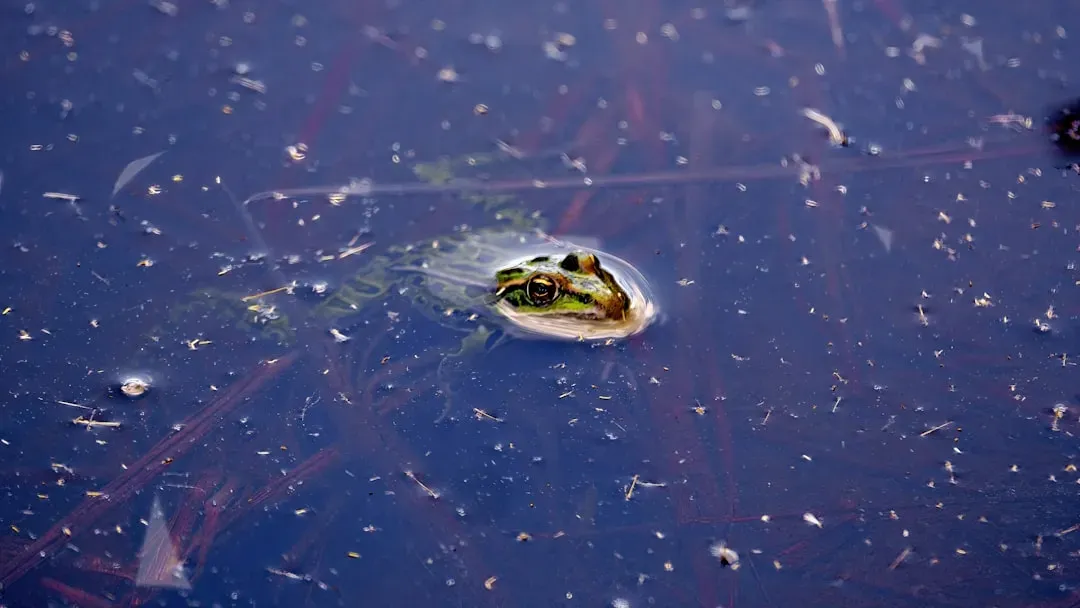
If you’ve ever seen a frog sitting motionless at the bottom of a pond, it can be a little eerie, like it’s forgotten to come up for air. In reality, if the water has enough dissolved oxygen and stays cool, the frog can rely heavily, or sometimes almost entirely, on its skin for breathing. Oxygen enters directly from the water into the blood through that same thin, moist skin layer, and carbon dioxide leaves the same way.
This is especially useful in winter for species that overwinter at the bottom of ponds and lakes. Instead of surfacing constantly like a mammal would have to, the frog can slow its metabolism, lie still, and let its skin quietly handle gas exchange. You can think of it as the animal plugging directly into the oxygen supply around it, turning the whole pond into a kind of gentle, all-encompassing lung.
Frogs do have lungs – but they share the job with their skin
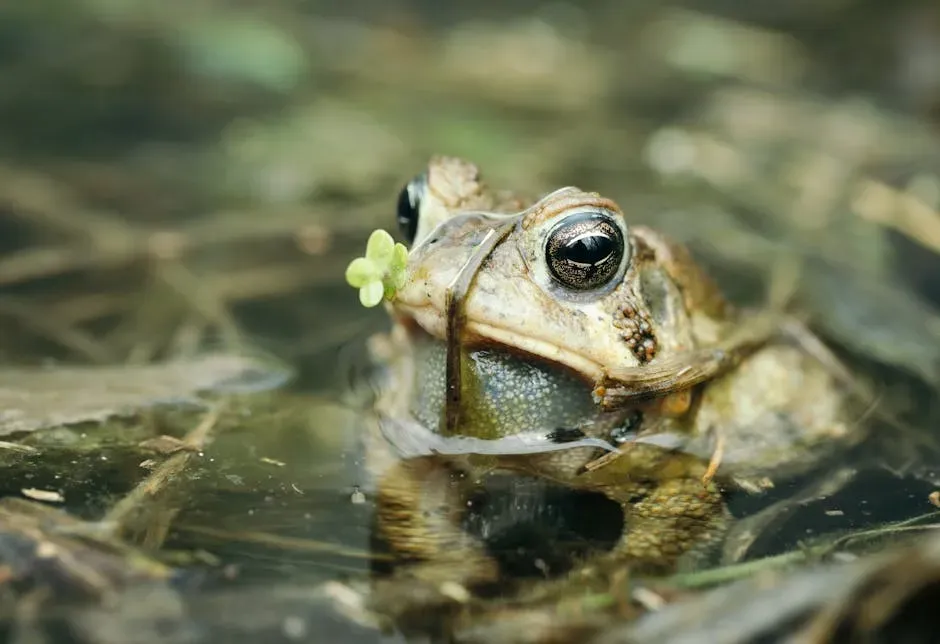
It’s easy to assume that if frogs breathe through their skin, they must not really need lungs, but that’s not true. Adult frogs do have lungs, and they use them, especially when they’re more active or moving on land. Their breathing looks different from yours, though: instead of using a diaphragm like you do, they pump air into their lungs by moving the floor of their mouth, almost like a little bellows.
What makes frogs fascinating is the flexible partnership between lungs and skin. When a frog is hopping around, hunting, or escaping a predator, lungs handle the heavier workload. When it is resting, submerged, or in cold conditions, the skin takes on more of the breathing duty. You can think of it like switching between two energy sources depending on what the moment demands – never all-or-nothing, but a shifting balance.
“Drinking” through the skin: the secret of the pelvic patch
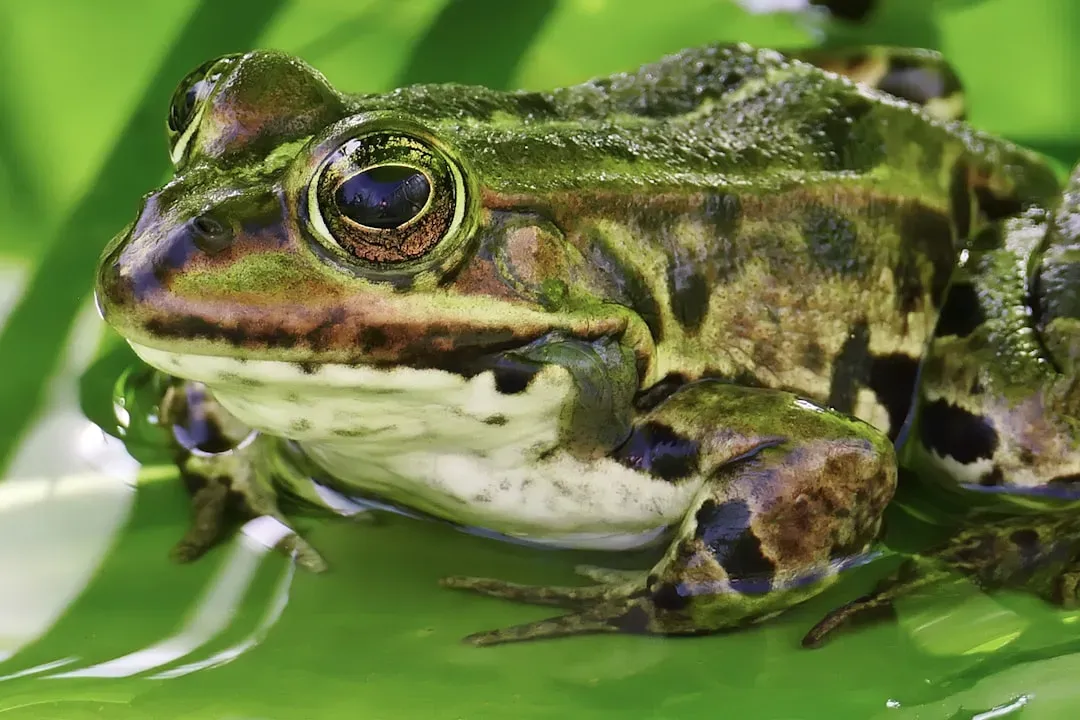
When you picture an animal drinking, you probably imagine a tongue, a mouth, maybe a lap at the water’s surface. Frogs barely do this at all. Instead, they rely on a specialized area of skin on the underside of the body and around the hind legs, often called the pelvic patch. This region is especially thin and loaded with blood vessels, making it perfect for soaking up water from the environment.
Rather than sucking water down their throat, frogs press this pelvic area against damp soil, moss, or shallow water, and water moves across the skin by osmosis. The frog is essentially pulling water straight into its bloodstream through its skin, without needing to drink in the way you do. Next time you see a frog just sitting very low to the ground after rain, you can think of it as refilling a hidden internal reservoir using a built-in sponge.
How your frog’s skin manages both breathing and hydration at once
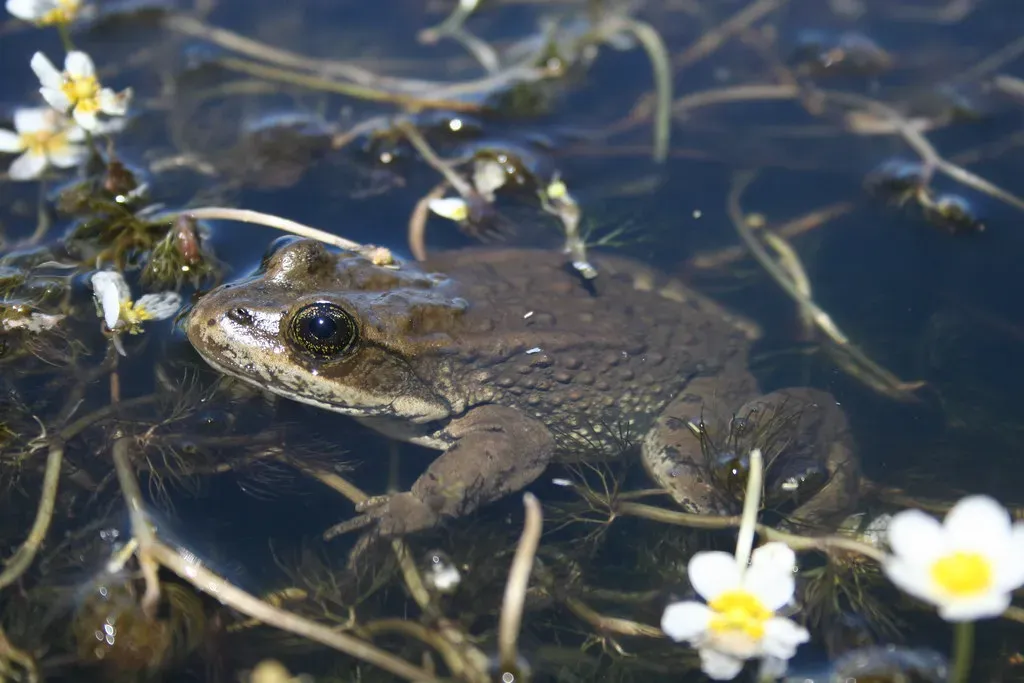
It might sound risky for one surface to handle both gas exchange and water uptake, but your frog’s skin manages it with a mix of structure and chemistry. The outer layer stays moist enough to allow gases and water to cross, while deeper tissues and blood vessels help move oxygen and water where they need to go. Meanwhile, the frog’s kidneys and other organs quietly balance salts and water levels to keep things from swinging too far in one direction.
This balancing act means frogs are highly sensitive to their surroundings. If the water is very salty, contaminated, or loaded with chemicals, that same absorbent skin that usually keeps them alive can start to harm them. You’re looking at an animal that trades the safety of a thick, dry barrier for the incredible efficiency of a thin, open one – and that trade-off works only as long as the environment is kind enough not to punish it.
Why pollution and disease hit frogs’ skin so hard
Once you understand that a frog literally breathes and drinks through its skin, it becomes painfully obvious why pollution is such a big problem for them. Any pesticides, heavy metals, or other chemicals in the water or soil can move across the skin along with oxygen and water. What feels like a harmless lawn treatment or a bit of runoff to you can become a constant, low-level poisoning to a frog living nearby.
On top of that, certain fungal diseases target the skin itself, thickening or damaging it and interfering with gas exchange and water balance. When that living barrier stops working properly, the frog can suffocate or lose control of its internal chemistry even while surrounded by water. You can think of it as every breath and every sip passing through the most vulnerable part of its body – a reminder that when frogs start disappearing, it’s often a warning sign that the environment you share with them is in trouble too.
What frogs teach you about hidden exchanges with your environment
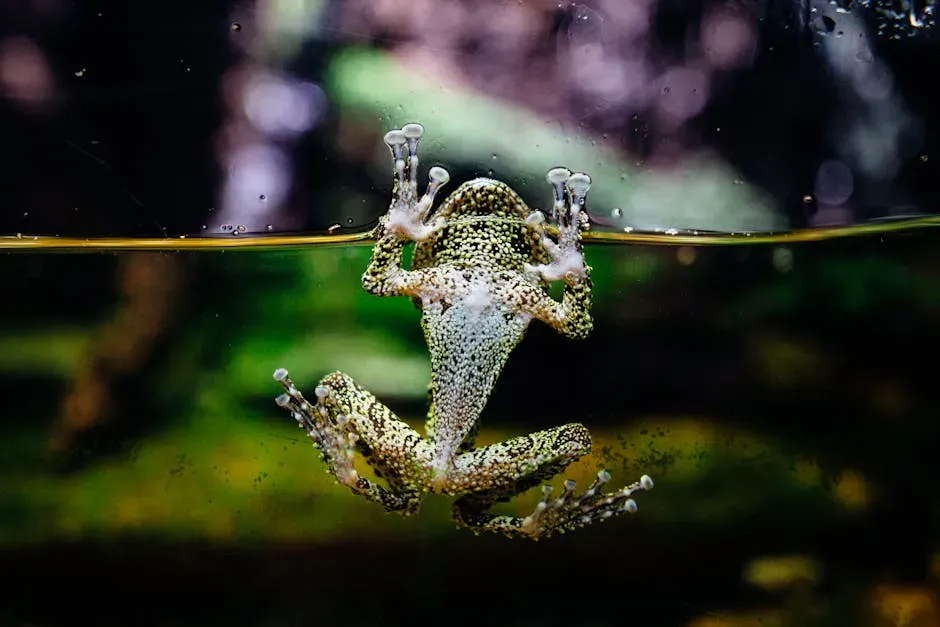
When you step back and think about it, the way frogs use their skin blurs the line between where an animal ends and its environment begins. Your own skin is fairly closed off, but a frog’s skin acts more like a two-way door, constantly trading oxygen, carbon dioxide, water, and sometimes harmful substances with the outside world. It lives in a state of permanent negotiation with its surroundings, changing position and behavior just to keep that door working in its favor.
That makes frogs powerful indicators of environmental health and also oddly relatable. You do not breathe or drink through your skin, but you’re still shaped by invisible flows of air, water, and chemicals every day. When you understand how delicately a frog’s survival rides on clean, moist conditions, it becomes harder to ignore what’s in your own water and air. In the end, these small amphibians quietly show you that staying alive is always about exchange – so what, exactly, are you trading with the world around you?
So the next time you see a frog sitting still by a pond, you’ll know it is not just resting – it is breathing, drinking, and negotiating with its environment through every inch of skin. Did you ever imagine something that small could be living proof of how closely life and environment are woven together?