
You probably feel, at least on some level, that you’re part of something bigger. Maybe it hits you when you’re standing in a forest, or watching waves roll in, or just noticing how your mood changes with the weather. That quiet sense that everything is somehow linked is not just poetic thinking anymore; it’s increasingly how science describes the real world you live in. From the microbes in your gut to the dust blowing across oceans, Earth is held together by networks so intricate that researchers are only now starting to map them out.
When you look closely, the idea of separate, isolated life forms starts to fall apart. You begin to see a living web: trees talking through fungal threads, whales fertilizing plankton, bats shaping the fruit you eat, and invisible viruses steering the direction of evolution. As you explore these connections, you’re not just learning random trivia about nature; you’re seeing your own place in a system that literally keeps you breathing, thinking, eating, and feeling. Once you see that, it becomes very hard to shrug off the idea that what happens to “the environment” is somehow separate from what happens to you.
The Thin Film That Connects You to Everything: Earth’s Biosphere
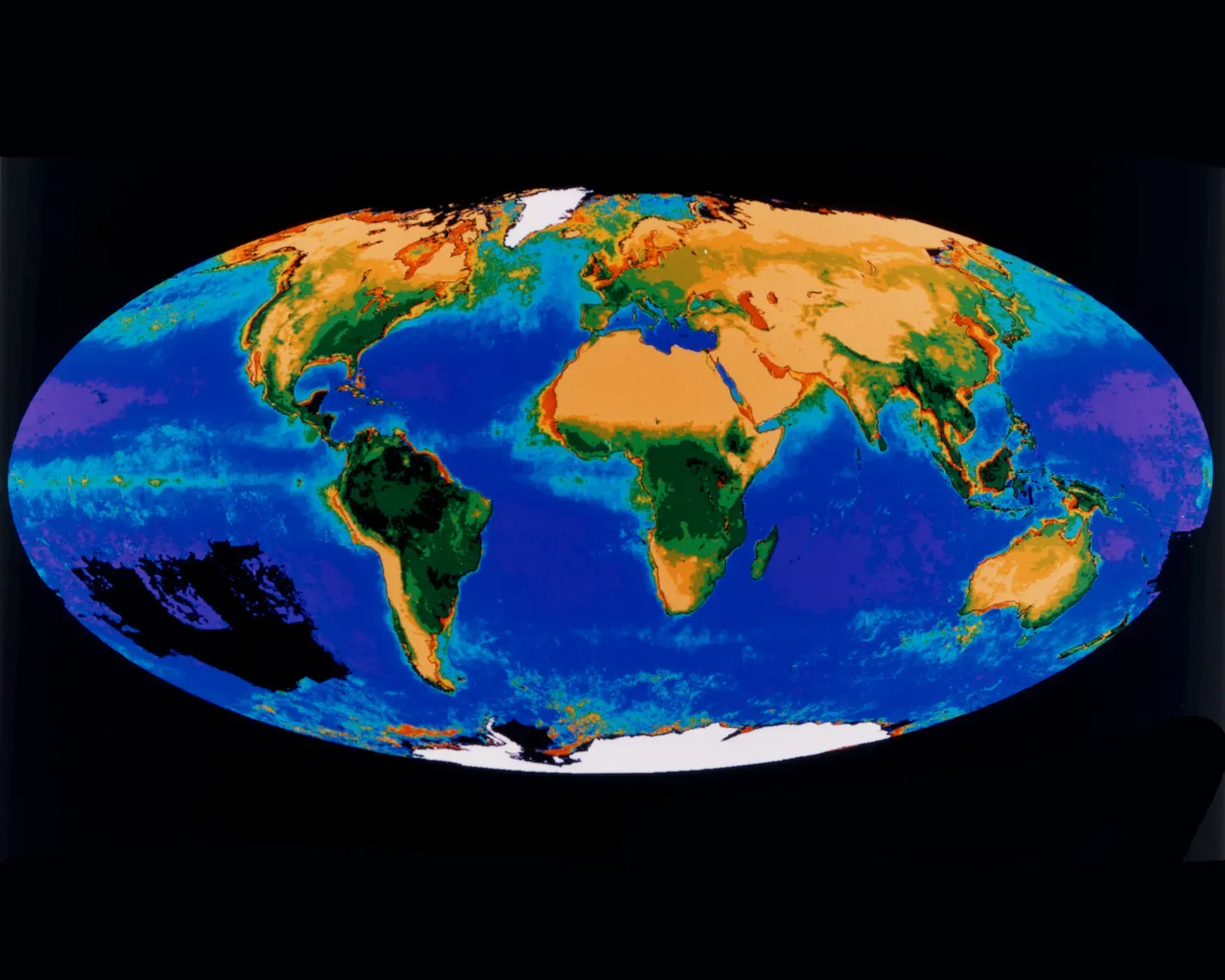
You live inside a fragile, paper-thin layer of life that wraps around the planet like a skin. This biosphere stretches from deep ocean vents to mountaintop snows, but compared with Earth’s size, it’s only like a coat of paint on a giant ball. Within this narrow zone, air, water, soil, and living things constantly trade energy and matter, and you’re breathing, drinking, and eating that shared mix every single day. The oxygen in your lungs was likely released by plankton or plants not long ago, and the carbon in your body has circulated through countless other organisms before it got to you.
If you zoom out in your mind, you can almost watch this exchange happening. Water evaporates from forests, forms clouds, falls as rain, and ends up in your tap. Nutrients wash off fields into rivers, flow to the sea, then return in fish that land on someone’s plate. Even the nitrogen in your DNA depends on microbes in the soil and ocean that “fix” it from the air into forms you can use. You’re not a visitor to this system; you’re a constantly changing bundle of atoms that moves through it, shaped by a planet-wide circulation that has been running for billions of years.
You Are an Ecosystem: The Invisible Life Inside You
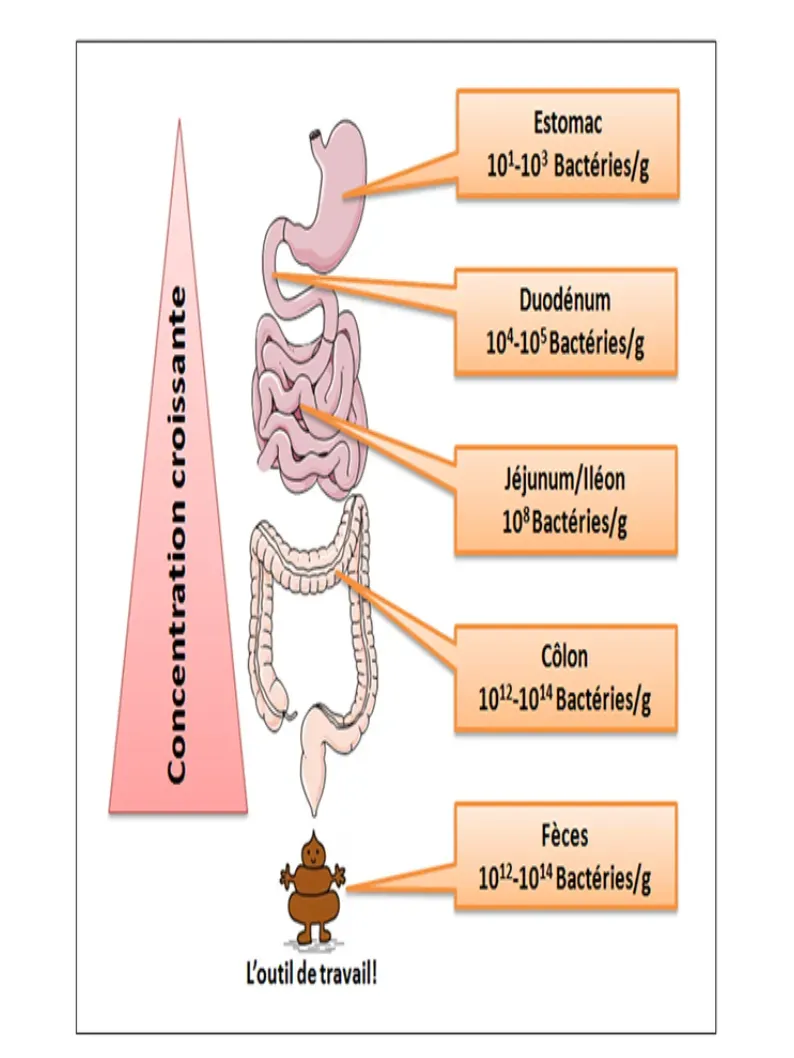
Right now, you’re carrying around a teeming community of microbes that outnumber your own human cells. In your gut alone, you host trillions of bacteria, plus viruses, fungi, and other microscopic life, all working together and competing in a dense urban landscape made of you. These organisms help you digest food, produce vitamins, train your immune system, and even influence your mood and behavior through chemical signals that reach your brain. When you say “I,” you’re really talking about a partnership that involves far more than your own DNA.
Those inner ecosystems also link you back to the wider world. The microbes in your body are shaped by what you eat, where you live, who you live with, and even whether you spend time outdoors or mostly inside sealed buildings. When you touch soil, play with a dog, swim in a lake, or share a kitchen, you’re exchanging microscopic life in ways you don’t notice. Antibiotics, processed food, and ultra-clean environments can reshape that inner community too, sometimes with side effects you only discover years later. Your health is not just about you; it’s about the relationships between your body and a hidden world of fellow passengers you carry everywhere.
The Wood Wide Web: Forests That Think in Networks
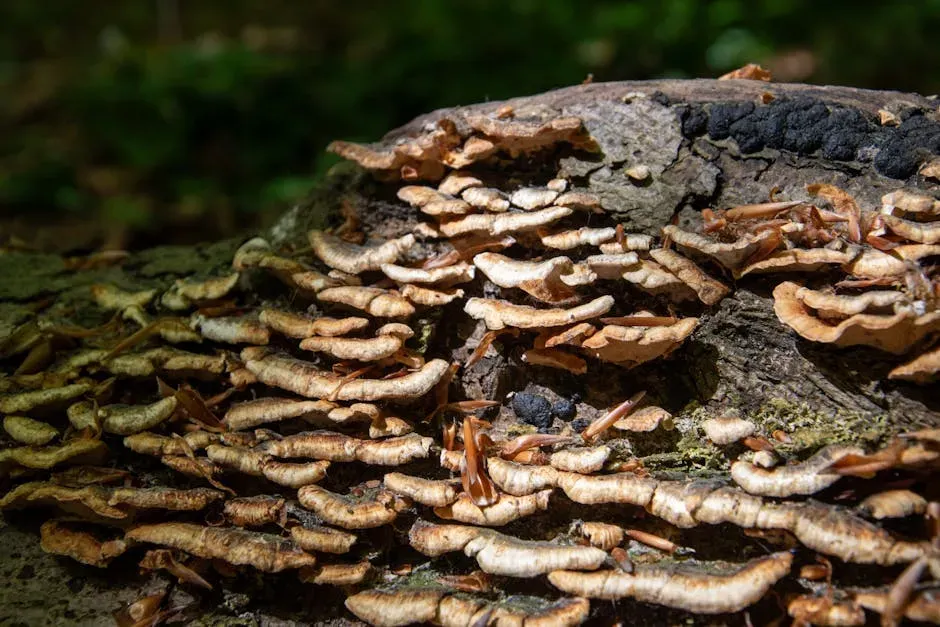
When you walk into a forest, you might see individual trees, but underground you’re stepping on a dense communication network. Tree roots are intertwined with fungal filaments, forming partnerships where fungi trade nutrients for sugars made by the tree. Through these fungal “wires,” trees can share resources, pass chemical messages, and sometimes even send extra carbon to shaded or younger neighbors. In some studies, older “hub” trees seem to support others, almost like elders holding up a community when times are tough.
What happens in one corner of a forest can ripple through this web. When insects attack a tree, it can release signals that travel through the air and, in some cases, through the shared fungal network, preparing nearby trees to boost their defenses. When soil is damaged or repeatedly disturbed, the network frays, and you start to lose not just individual species but the connections that help the whole system recover from shocks. By seeing a forest as a living internet of roots and fungi, you start to understand why cutting it into isolated patches is not just removing trees; it’s breaking a communication system that took centuries to build.
The Planet’s Breath: How Tiny Organisms Shape Your Climate
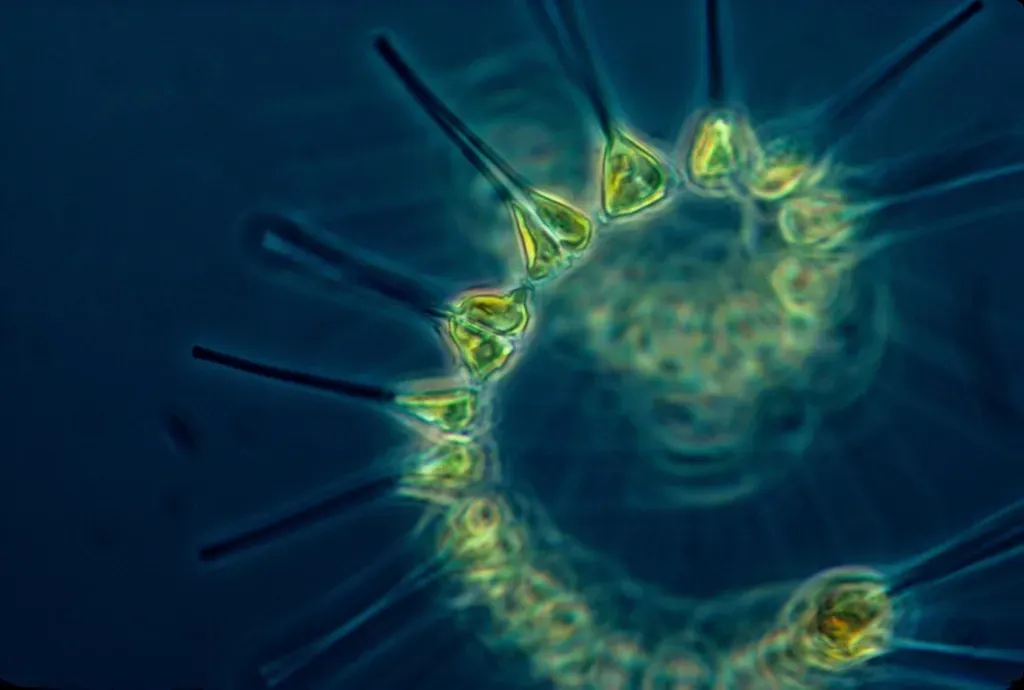
It’s easy to imagine that climate is mainly about big things you can see: smokestacks, cars, melting glaciers. But the gases that control your climate are also managed by tiny organisms you’ll never meet. Ocean plankton absorb carbon dioxide as they grow, turning parts of the sea into a massive carbon sponge. When these microscopic plants and animals die, some of that carbon sinks toward the deep ocean, where it can stay for centuries. On land, soil microbes decide how much carbon stays locked underground and how much returns to the air, acting like unseen gatekeepers of the global thermostat.
Even the air’s makeup depends on delicate living processes. The oxygen you need is a long-term product of photosynthetic life, and shifts in ecosystems can slowly transform how much of that oxygen and carbon dioxide circulates. Forests, wetlands, and grasslands do not just sit there; they soak up, store, and release greenhouse gases in complex rhythms that scientists are still working to understand. When you change land use, drain wetlands, or warm the oceans, you’re not just altering scenery; you’re nudging millions of tiny climate managers to behave differently, with consequences that can echo across the entire planet’s weather patterns.
Food Webs and Feedback Loops: You Eat the Whole World
![Food Webs and Feedback Loops: You Eat the Whole World (NOAA → [1], Public domain)](https://nvmwebsites-budwg5g9avh3epea.z03.azurefd.net/dws/8f7bcc922b004b15ca7609242f7ee2e8.webp)
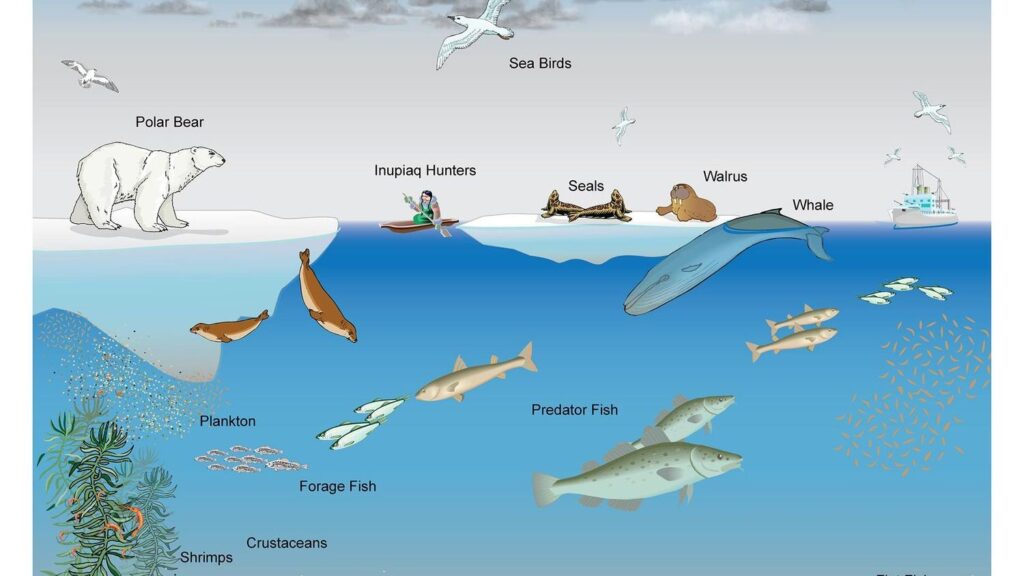
Every time you eat, you’re tapping into a global web of relationships that began long before your meal hit the plate. A simple piece of bread connects you to the farmers who grew the grain, the insects that pollinated nearby plants, the microbes that enriched the soil, and the fossil fuels burned to transport and process it. If you eat fish, you’re plugging into ocean food chains that depend on plankton, water temperature, and even distant currents shaped by wind patterns far from where you live. You may think of a meal as the end of a process, but it’s really just one snapshot in a chain that never stops moving.
These food webs are full of feedback loops that can surprise you. Remove predators, and prey populations can explode, stripping vegetation and degrading land or coastal waters. Deplete the big fish, and smaller species may boom, sometimes upsetting delicate balances and changing which algae grow, how clear the water is, and what other species can survive. Your choices as a consumer might feel small, but multiplied over millions of people, they steer entire agricultural and fishing systems, which in turn shape landscapes, rivers, and oceans. Through what you buy and eat, you silently vote for patterns of connection that either strengthen or strain the living web that feeds you.
Crossing Borders: How Air, Water, and Wildlife Ignore Human Lines
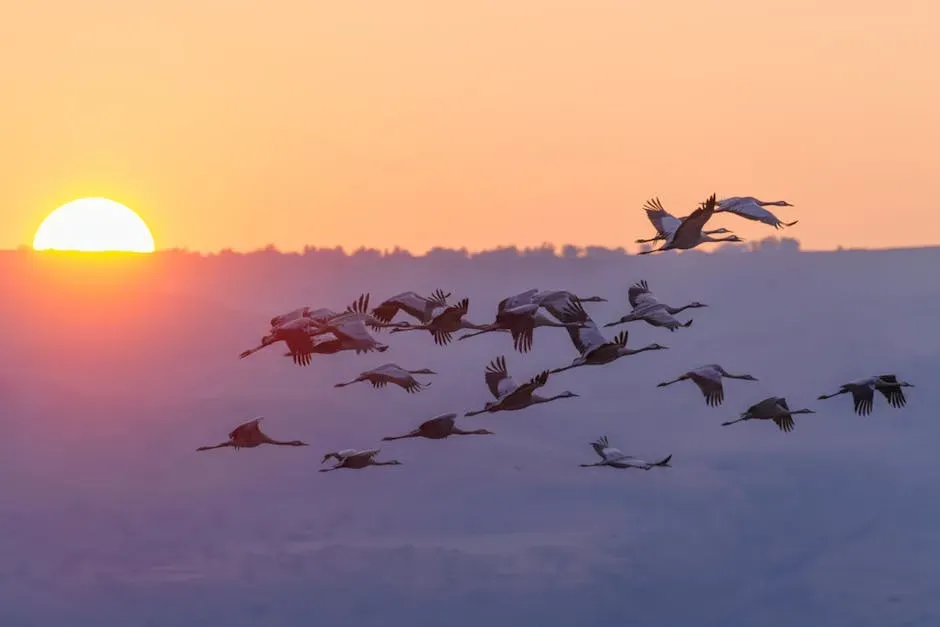
On maps, the world is sliced into countries, but life does not respect those lines. Birds travel across continents following ancient migration routes, carrying seeds, nutrients, and sometimes diseases. Winds lift dust from deserts and blow it across oceans, fertilizing distant forests and marine ecosystems. Ocean currents move warmth, salt, and life in great swirling highways that ignore political borders entirely. You might think of your region as separate, but the air you breathe today can contain particles that started their journey on another continent.
Wildlife, too, connects places you might never pair together in your mind. Sea turtles hatch on one shore, mature in far-off feeding grounds, and then return to the same beaches, linking habitats that seem completely unrelated on a map. Large animals like elephants, caribou, or whales shape entire ecosystems as they move, transporting nutrients in their bodies and waste products and changing how plants grow or water flows. When fences, roads, and urban sprawl slice through their routes, it’s not only the animals that suffer; the ecological services they provide, often quietly and for free, start to unravel in ways that eventually circle back to you.
Viruses, Evolution, and the Deep History Written in Your Cells
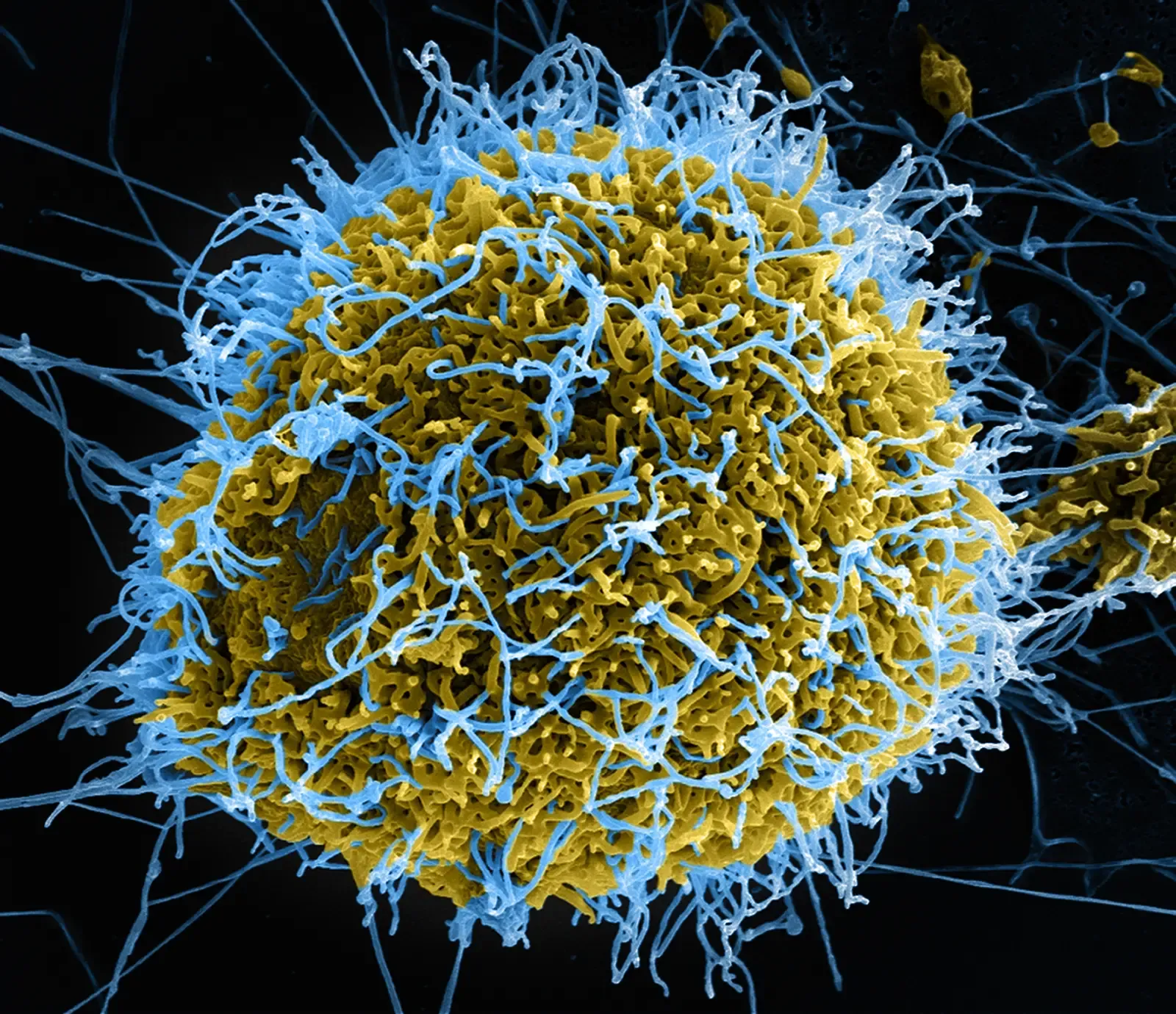
It’s tempting to think of viruses only as enemies, especially after global outbreaks, but they are also one of the most surprising bridges connecting different forms of life. Viruses move genetic material between species, sometimes accidentally sowing the seeds of future adaptations. A portion of your own DNA appears to be ancient viral material, leftovers from infections that became woven into your ancestors’ genomes and passed down through generations. In a strange twist, some of those viral remnants now play roles in processes your body depends on, such as development and immune responses.
When you look at evolution through this lens, you stop seeing species as perfectly sealed containers and start seeing them as ongoing experiments in genetic mixing. Bacteria trade genes that help them resist antibiotics, plants and microbes exchange DNA through viruses, and even humans have picked up genetic tweaks from distant hominin cousins in the deep past. You’re the product of a long chain of encounters, infections, and mutations, filtered by survival. Instead of a clean family tree, you’re part of a tangled, ancient network where information has been crossing boundaries for as long as life has existed.
From Awareness to Responsibility: What These Connections Ask of You
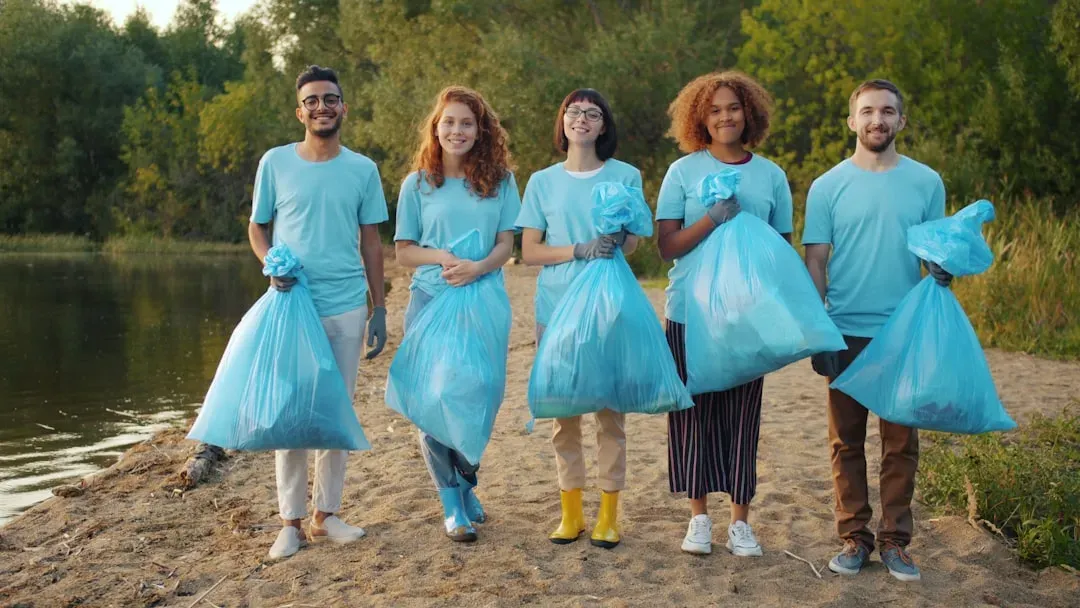
Once you recognize how deeply you’re woven into Earth’s systems, it becomes hard to see environmental issues as distant, optional concerns. Polluted air is not just a statistic; it’s something you inhale, carrying particles into your lungs and bloodstream. A damaged river eventually touches your life through food prices, drinking water, or the stability of communities downstream. When coral reefs bleach or forests burn, the loss stretches beyond beauty and species counts into altered climate, weakened coasts, and disrupted livelihoods that can spark migration and conflict.
The flip side is that your actions are more powerful than you might think. You can support farming that rebuilds soil instead of stripping it, cities that welcome green spaces and clean transit, and policies that protect the networks life depends on, rather than the short-term gains of tearing them apart. Even small choices – what you eat, how you move around, where you invest your time and money – are like tugging on threads in a very real web that loops back to you. You’ll never control everything, but you can decide whether you’re nudging the system toward resilience and renewal or toward fragility and collapse.
In the end, seeing every living thing on Earth as connected is not just a poetic idea; it’s a practical way to understand your own survival. You’re not standing outside nature looking in – you’re a node in the network, as dependent on microbes and forests and ocean plankton as they are, in some ways, on you. The more clearly you see those relationships, the more your everyday decisions start to feel like chances to either damage or strengthen the web that holds you up. The question that lingers is simple but unsettling: now that you know how deeply you’re entangled with the rest of life, what will you choose to do with that knowledge?