You have probably watched a cat walk away from a fall, a near miss with a car, or some ridiculous daredevil stunt and thought, there’s no way that should have ended well. Yet the cat just shakes it off, flicks its tail, and acts like nothing happened. That uncanny knack for survival is exactly why people started saying cats have “nine lives” in the first place.
When you dig into the story behind this idea, you find a mix of ancient religion, symbolic numbers, real feline biology, and a lot of human imagination. The truth is, no one culture can claim sole ownership of the nine lives myth, and there’s no single clean origin story. Instead, you get overlapping threads from Egypt, Europe, and beyond that all point to the same thing: you keep seeing cats survive what should be game over, so you reach for something a little magical to explain it.
How Ancient Egypt Helped Create the Legend
If you want to trace the myth back as far as you reasonably can, you almost always end up in ancient Egypt. There, you would have seen cats not just as cute house companions, but as sacred animals tied to gods. One key story links the sun god Atum-Ra to the nine lives idea: in some versions, he takes the form of a cat and creates or embodies eight other gods, making nine divine beings altogether. When you worship cats and associate them with a god who has this kind of multi-part existence, it becomes very easy for people to say that cats themselves somehow carry multiple lives inside them. ([betterpet.com](https://www.betterpet.com/learn/how-many-lives-do-cats-have?utm_source=openai))
You also have the goddess Bastet, often shown as a lioness or domestic cat, who protects homes, families, and fertility. When you live in a world where a cat can be both your mousetrap and a living symbol of divine protection, you do not see it as fragile. Instead, you see something that slips between worlds, that seems to appear and disappear, that survives things other animals do not. Over generations, if you keep telling stories about sacred cats who endure and protect, the line between religious symbolism and everyday superstition starts to blur, and the idea of extra lives feels almost obvious.
Why the Number Nine Matters So Much
You might wonder why cats supposedly have nine lives and not five or eleven. In many traditions, nine shows up as a number of completeness, magic, or finality. In some European folklore and religious symbolism, nine can represent a full cycle or a kind of spiritual wholeness, so when people needed a number to match the idea of “more than one life” and “almost unkillable,” nine was a natural fit. You can think of it as the highest single-digit number, the last stop before the number system rolls over, which makes it feel like the most lives you could reasonably imagine any creature having. ([petmate.com](https://www.petmate.com/blogs/petmate-academy/the-origin-of-cats-nine-lives?utm_source=openai))
There is also an old English proverb that breaks those nine “lives” into phases: three for play, three for wandering, three for staying. Even if you never heard the actual rhyme, you probably absorbed the idea that nine stands for a whole lifetime broken into chapters. Some cultures, though, never signed on to nine at all. In parts of Spain, Italy, Germany, Greece, and Brazil, you might hear that cats have seven lives, while some Arabic and Turkish traditions say six. The lives change number, but the core belief stays the same: you are dealing with an animal too resilient to fit neatly into the one-and-done model. ([hillspet.com](https://www.hillspet.com/cat-care/resources/do-cats-really-have-nine-lives?utm_source=openai))
Falling, Twisting, Surviving: The Real Biology Behind the Myth
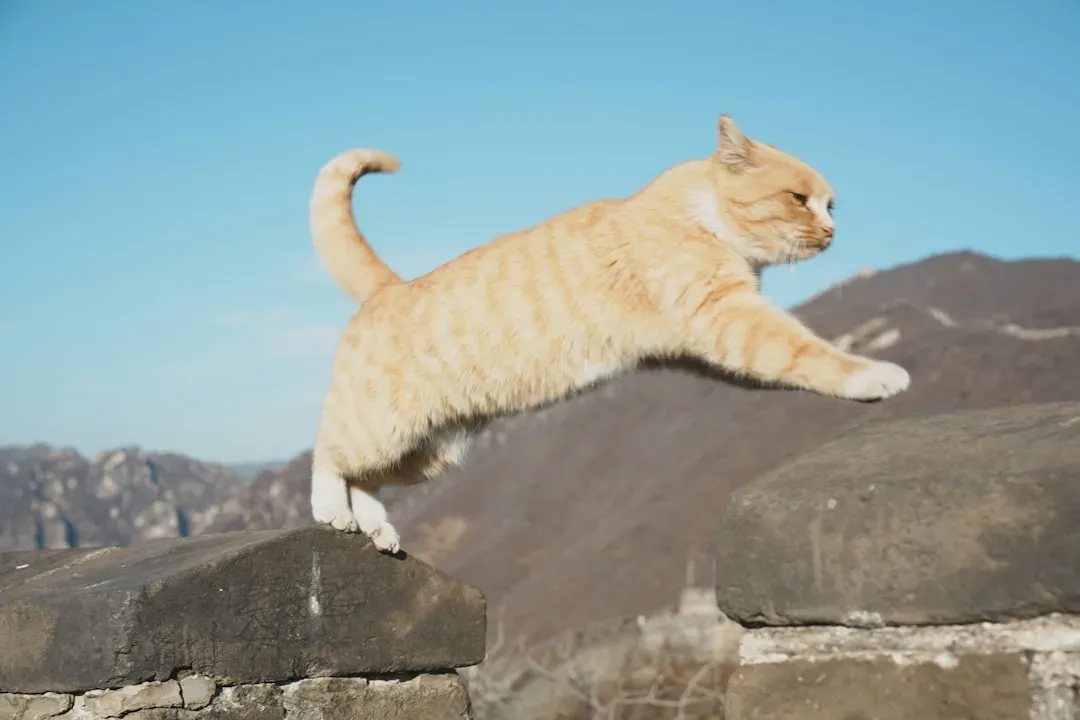
Even if you never read a word of ancient myth, you can understand where the legend comes from just by watching how a cat’s body works. When a cat falls, it has a built-in righting reflex that lets it twist midair and land on its feet most of the time. Its flexible spine, powerful back legs, and low body weight all help it manage impacts that would seriously injure heavier or more rigid animals. So when a cat drops from a surprising height, you naturally tell yourself that it just somehow cheated death. ([britannica.com](https://www.britannica.com/topic/Why-Do-They-Say-Cats-Have-Nine-Lives?utm_source=openai))
Cats also tend to hide pain, recover quickly from some injuries, and squeeze into spaces you would assume no living body could survive. You might see a cat come home after disappearing for days, thin and scratched up but still moving with that eerie grace. You do not get a detailed veterinary report, you just see the before and after and fill in the gaps with the idea of extra lives. When you stack enough of those stories together – falls from balconies, close calls with cars, narrow escapes from dogs – it feels less like luck and more like a built-in surplus of chances.
How Old English Proverbs Locked in the Phrase
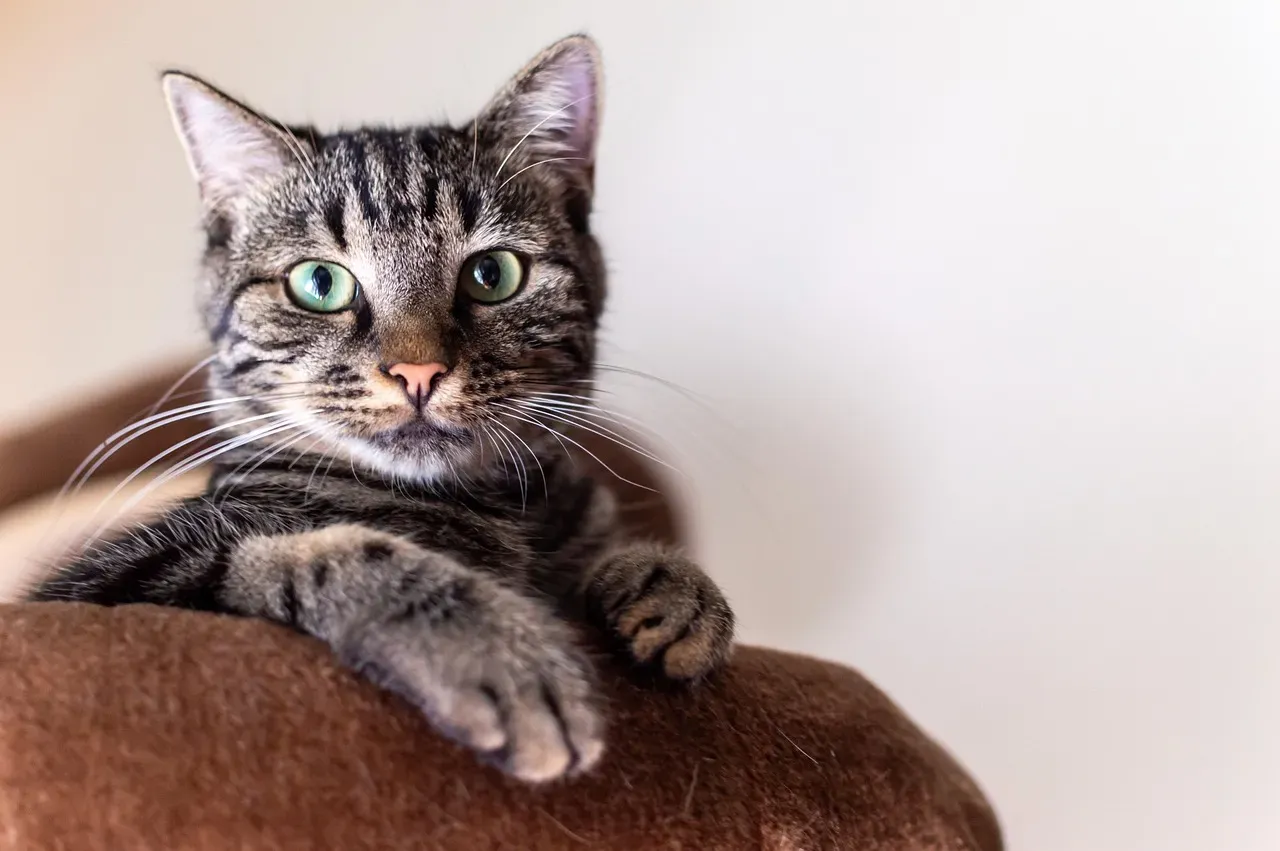
If you look for the phrase in actual written records, you find it clearly in English by the sixteenth century. An old proverb from that time flatly states that a cat has nine lives and then spins that idea into the three-play, three-stray, three-stay breakdown. By the time a saying reaches proverb status, it means people like you have been tossing it around in everyday speech for quite a while. So even though scholars cannot prove exactly when someone first used the phrase, you can safely say that by the mid-1500s, English speakers were already treating nine lives as common wisdom. ([hillspet.com](https://www.hillspet.com/cat-care/resources/do-cats-really-have-nine-lives?utm_source=openai))
Once a phrase becomes a proverb, it takes on a life of its own. You repeat it without thinking, parents say it to kids, sailors joke about it when ship cats survive storms, and storytellers weave it into tales. There may even have been real seafaring stories about cats falling overboard and somehow reappearing on deck later, dry enough that it seemed as if they had magically respawned. Whether those tales are exaggerated or not, they feed right into a proverb that was already circulating, reinforcing the idea that a cat’s life is not a straight line but a series of improbable continuations. ([petsradar.com](https://www.petsradar.com/features/do-cats-actually-have-9-lives-the-truth-behind-the-myth?utm_source=openai))
Why Other Cultures Say Seven or Six Lives Instead
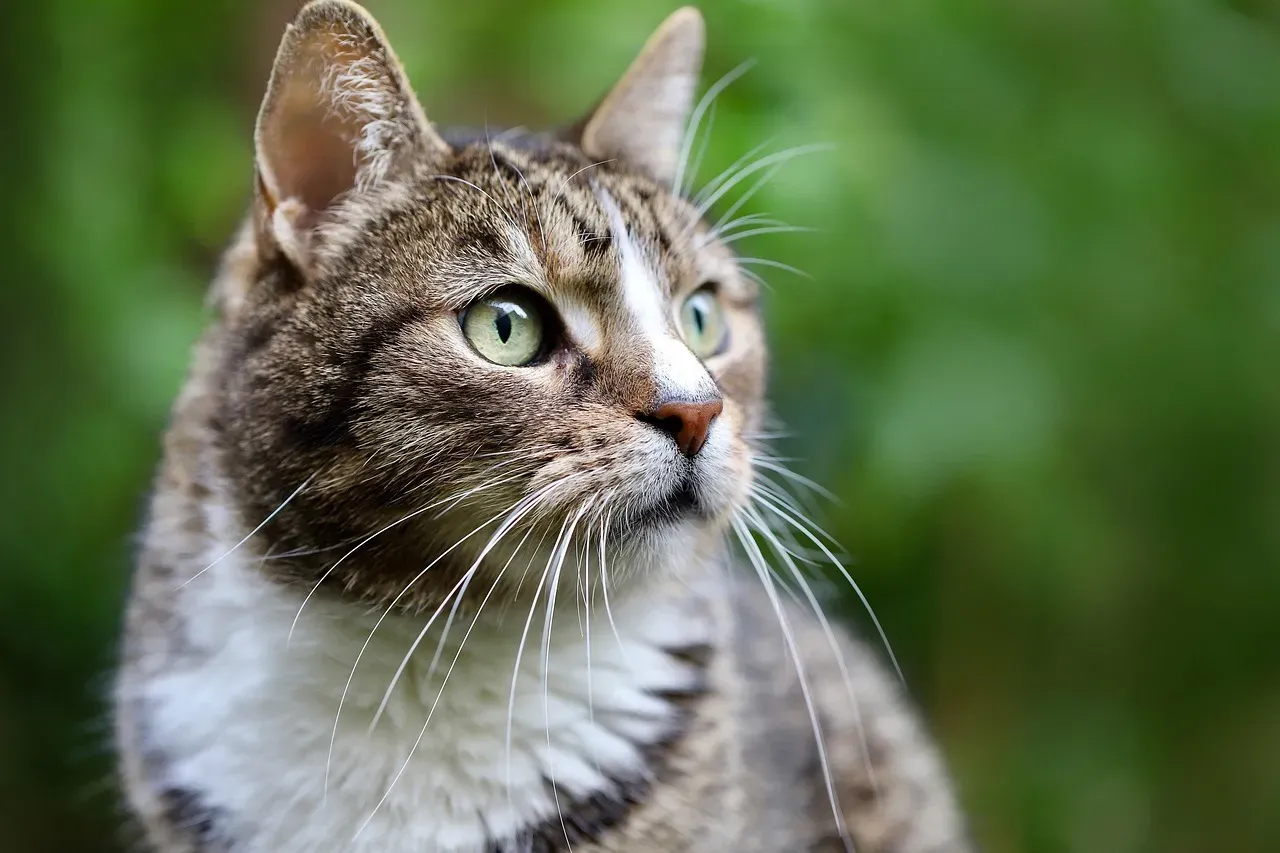
If you grew up hearing that cats have nine lives, you might be surprised when someone from another country casually says they only have seven. Yet if you travel or talk to people from different backgrounds, you soon learn that the core belief is global, but the number is not. In places like Italy, Germany, Greece, Brazil, and some Spanish-speaking regions, seven is the more common figure, and in some Arabic and Turkish traditions you hear six. The shared idea is that cats somehow outlast danger, but each culture plugs in a number that already feels mystical or symbolically rich in its own stories and religions. ([hillspet.com](https://www.hillspet.com/cat-care/resources/do-cats-really-have-nine-lives?utm_source=openai))
You can think of it like a familiar story being translated, not word for word, but idea for idea. Where nine signals completeness or magic in one system, seven carries that role in another, and six can stand for a special kind of fate elsewhere. What stays stable is your sense that a cat occupies the edge between life and death, luck and disaster. When you hear all these versions together, it becomes clear that people around the world watched the same animal and reacted with the same awe, then dressed that awe in numbers that felt right in their own cultural language.
Shape-Shifters, Witches, and Supernatural Cats
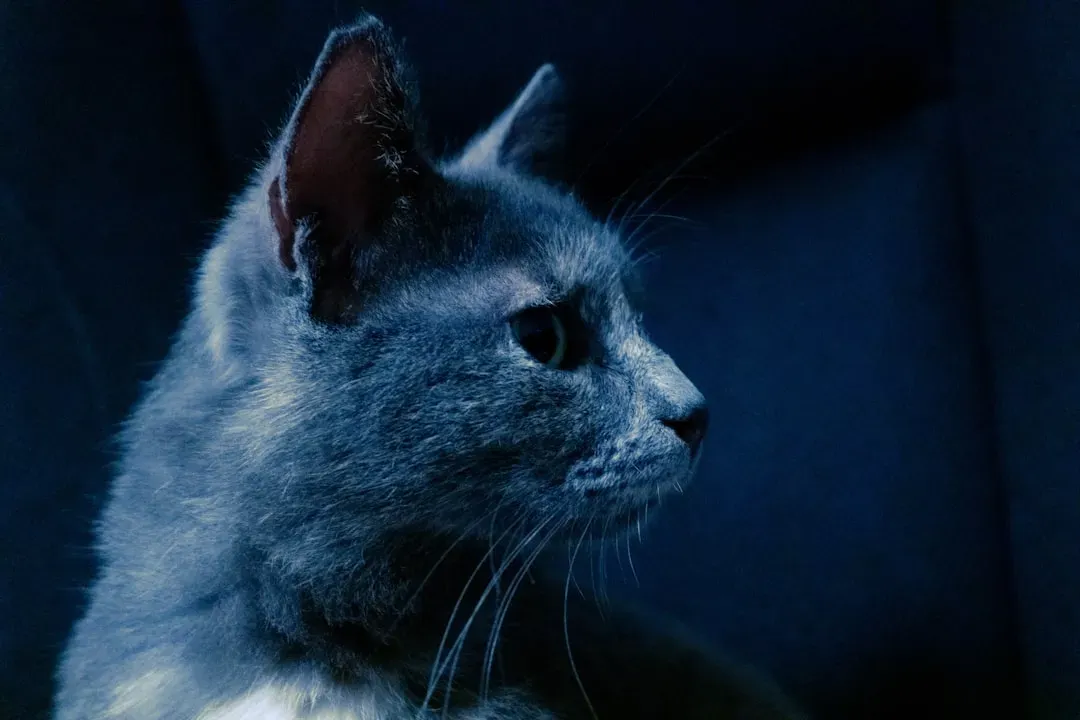
Beyond Egypt and proverbs, you also see cats pop up over and over in folklore as shape-shifters, omens, or companions to witches. If you picture medieval Europe, you might imagine black cats being treated with suspicion, sometimes even blamed for bad luck or tied to sorcery. At the same time, those same stories often hint that the cat can slip between worlds, vanish, or survive things that should have ended it. In Celtic tales, mysterious cats like the Cat Sith are shown as large, uncanny creatures that haunt the edges of human life, which only strengthens the image of a cat as too strange and resilient to be entirely ordinary. ([mythcrafts.com](https://mythcrafts.com/2017/04/06/why-do-cats-have-nine-lives/?utm_source=openai))
When you hear generations of stories where cats guard the underworld, serve as familiar spirits, or show up at liminal moments like births, deaths, and magical rituals, it becomes natural to imagine they do not obey the usual rules. You start to believe that a cat can slip out of danger the way a ghost might slip through a wall. Even if you do not consciously buy into witchcraft or supernatural beings, that emotional association lingers. So when someone says a cat has nine lives, it feels less like an odd claim and more like putting words to a deeper feeling that this animal exists halfway inside the uncanny.
From Shakespeare to Cartoons: The Myth in Popular Culture
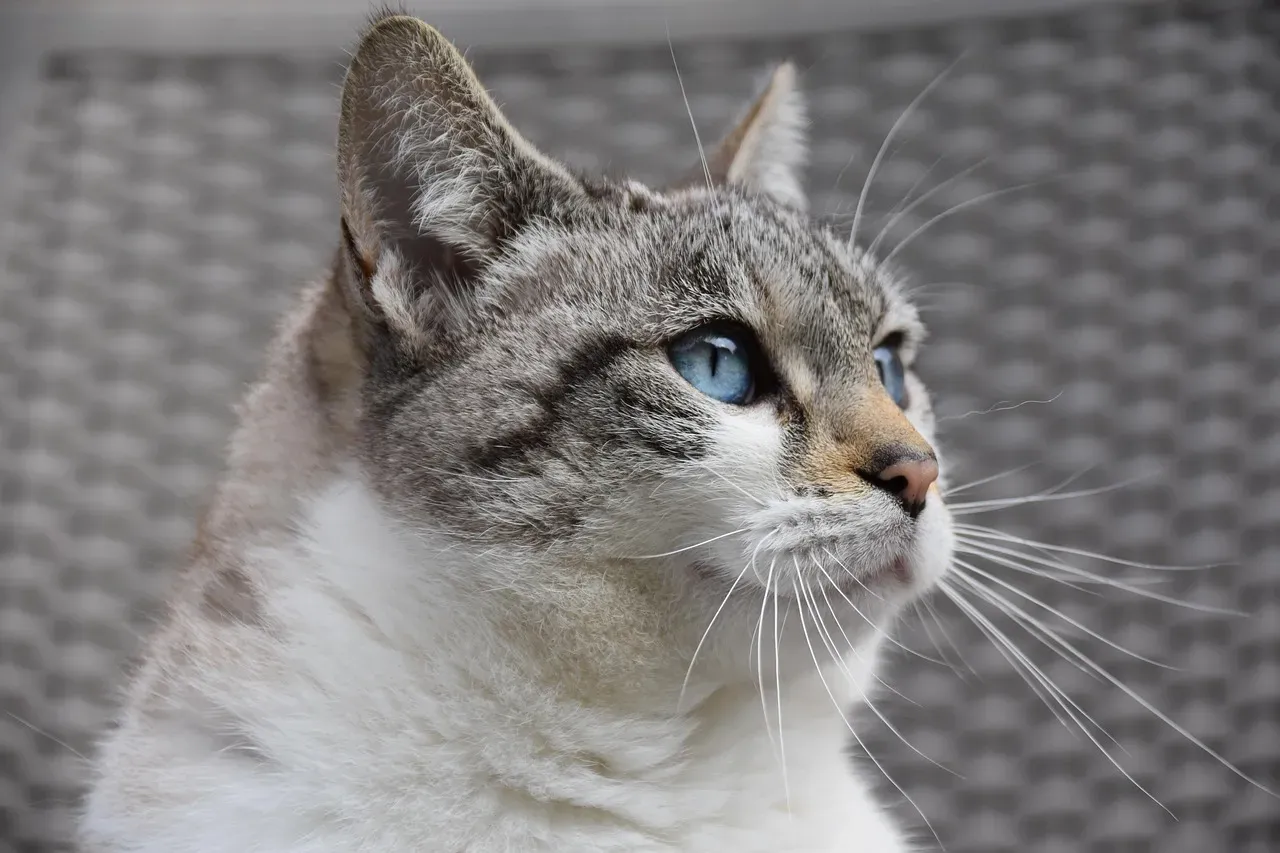
Once print, theatre, and later film and television take hold, the nine lives idea spreads even more. Classic literature, including works from the Renaissance onward, tosses the phrase around like everyone already gets the joke. Modern books, comics, and children’s stories play with the concept by giving fictional cats literal multiple lives or time-traveling adventures that mirror the nine-lives structure. When you see it across genres – from serious novels to goofy cartoons – you internalize it long before you ever question whether it is biologically true. ([chewy.com](https://www.chewy.com/education/cat/general/do-cats-have-nine-lives?utm_source=openai))
Popular culture also leans on the myth whenever a story needs a visual gag or a dramatic near-death scene. Animated cats fall off cliffs, get flattened, electrocuted, or blown up, only to puff back into shape and carry on, as if they just burned through one more life. Even live-action films and TV shows nod to the phrase when a cat narrowly dodges catastrophe and a character cracks a line about lives running out. You absorb these images from childhood, so by the time you are an adult, nine lives feels as natural a trait for a cat as whiskers or claws, even though you know on some level that it is just a metaphor.
The Hard Truth: One Life, With Extraordinary Odds
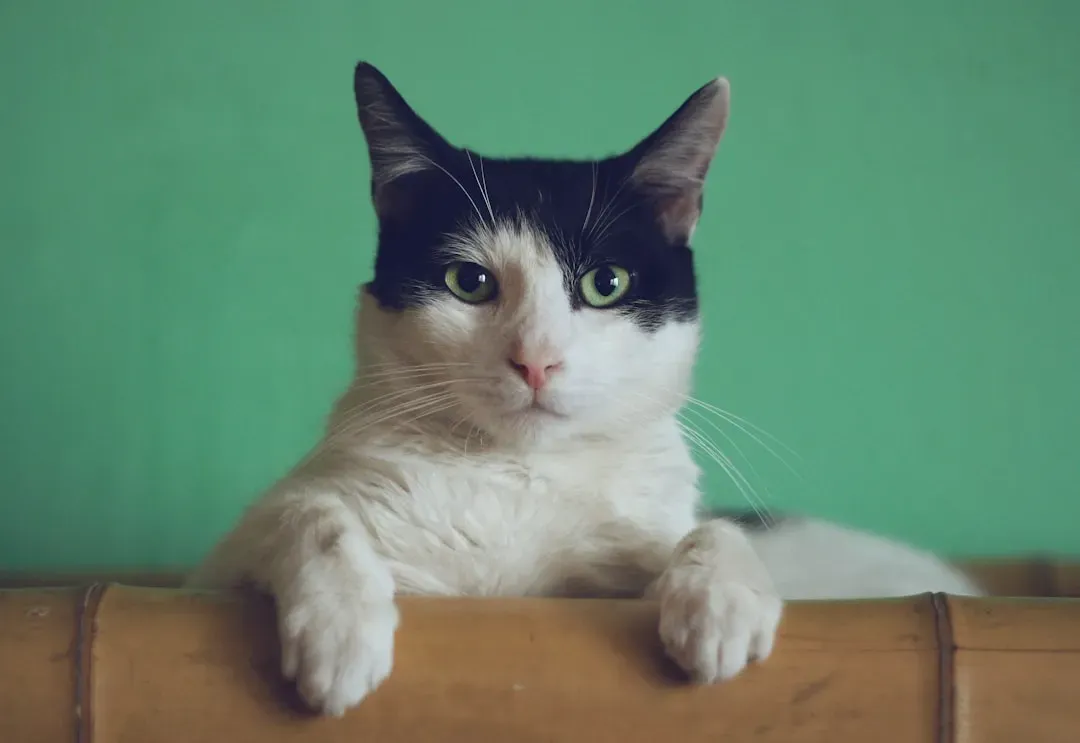
Here is where you have to be honest with yourself: a cat does not literally get extra lives. Once a fatal accident, illness, or old age catches up, that is it, just like with any other animal. Veterinarians and animal welfare groups are quick to point out that the nine lives saying can become dangerous when people take it too casually, assuming a cat will always bounce back instead of recognizing real risk. If you tell yourself a cat will just land on its feet, you might underestimate the danger of open windows, high balconies, busy roads, or untreated injuries. ([betterpet.com](https://www.betterpet.com/learn/how-many-lives-do-cats-have?utm_source=openai))
What you are really seeing when a cat survives something impressive is an animal that happens to be built extremely well for certain kinds of threats: falling, squeezing, dodging, and recovering from some physical trauma. Combine that with an instinct for hiding pain, and you can easily believe the cat is untouchable when, in reality, it is just coping quietly. Treating the nine lives idea as poetic instead of literal lets you appreciate the awe without skipping the responsibility. You can enjoy the myth, smile at the stories, and still remember that your own cat only gets one shot and depends on you to make it a long, safe, rich life.
What the Myth Really Says About You and Your Cat
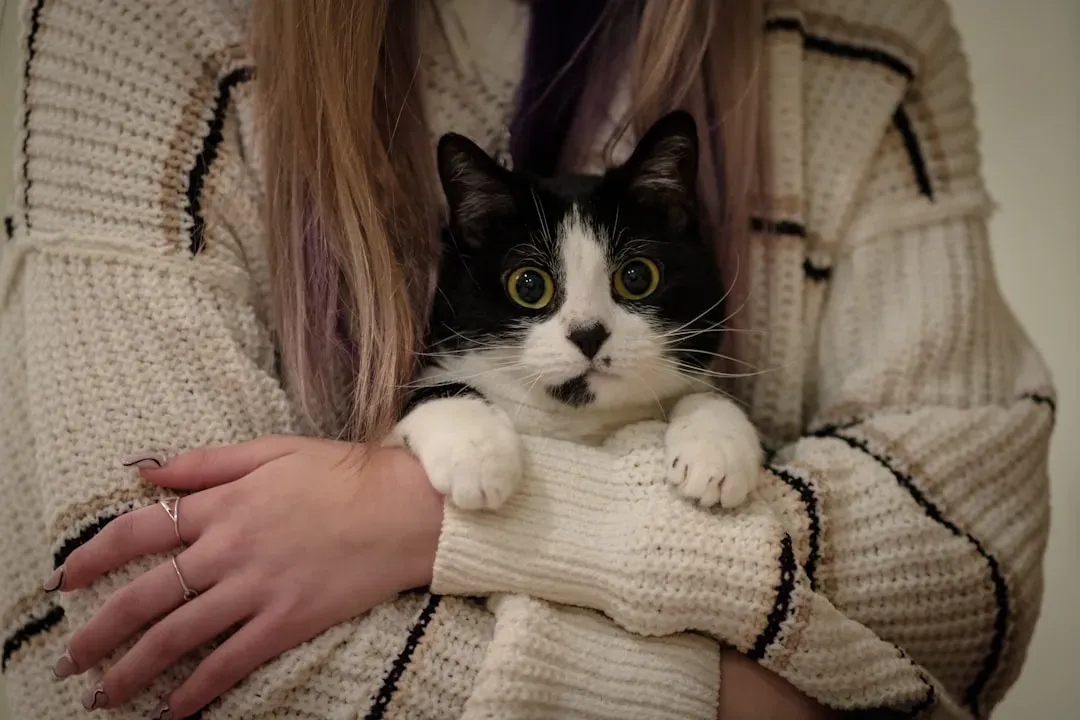
When you strip away the magic numbers and the folklore details, the nine lives legend ends up revealing as much about humans as it does about cats. You want to believe that something in the world can dodge death more often than not, that resilience can almost rewrite the rules. Watching a cat stroll away from a fall or calmly groom itself after chaos gives you a tiny taste of that fantasy. It reassures you that survival is possible even when things look bad, and that grace under pressure is not just a movie trick but something you can witness in your own living room. ([britannica.com](https://www.britannica.com/topic/Why-Do-They-Say-Cats-Have-Nine-Lives?utm_source=openai))
At the same time, the myth shows how quick you are to turn everyday observations into stories that feel bigger than life. Instead of just saying, “That was lucky,” you say, “There goes one of its nine lives,” because it turns randomness into narrative. When you live with a cat, you get to participate in that little bit of storytelling every time it pulls off another impossible escape. Maybe that is the real power of the legend: it invites you to see your cat not only as a pet, but as a tiny, whiskered hero navigating a dangerous world with style.
Conclusion: One Life, Nine Stories
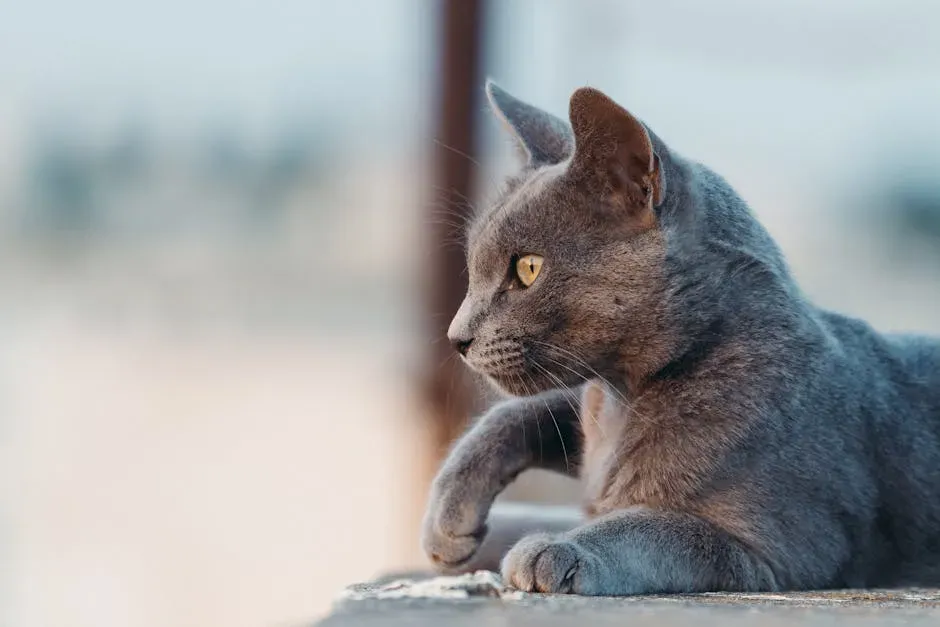
By now, you can see that the idea of cats having nine lives is not one clean myth with a neat starting point. It is a tangle of ancient Egyptian religion, symbolic numbers, Celtic and medieval folklore, old English proverbs, and real feline physics. You inherit all of that every time you casually repeat the phrase, even if you have never cracked a history book. The legend sticks because your own eyes keep confirming the emotional truth behind it: cats really do seem to survive what should have finished them.
But underneath the magic, your cat still only gets one precious life. The righting reflex, the agility, and the survival stories are not licenses for neglect; they are reminders of how remarkable that single life can be if you protect it. So the next time your cat pulls off a wild jump or walks away from a scare, you can smile and tell yourself it just used up another mythical life – then double-check the windows, secure the balcony, and book that vet visit anyway. In the end, maybe the real question is not how many lives your cat has, but how many good stories you will help it live – how many would you like that to be?