If you are thinking about getting your first dog, it is completely normal to feel a mix of excitement and mild panic. You are not just picking a cute face; you are choosing a living, breathing roommate who will share your space, your schedule, and your snacks. The good news is that some dog breeds are genuinely easier to train than others, especially if you are just starting out.
In this guide, you will walk through thirteen dog breeds that are known for being beginner friendly, quick to learn, and generally eager to please. You will see what kind of personality each one has, what they need from you, and whether they match your lifestyle. By the end, you will have a clear picture of which breeds might actually fit your real life, not just your Instagram feed.
Labrador Retriever: The Friendly Overachiever
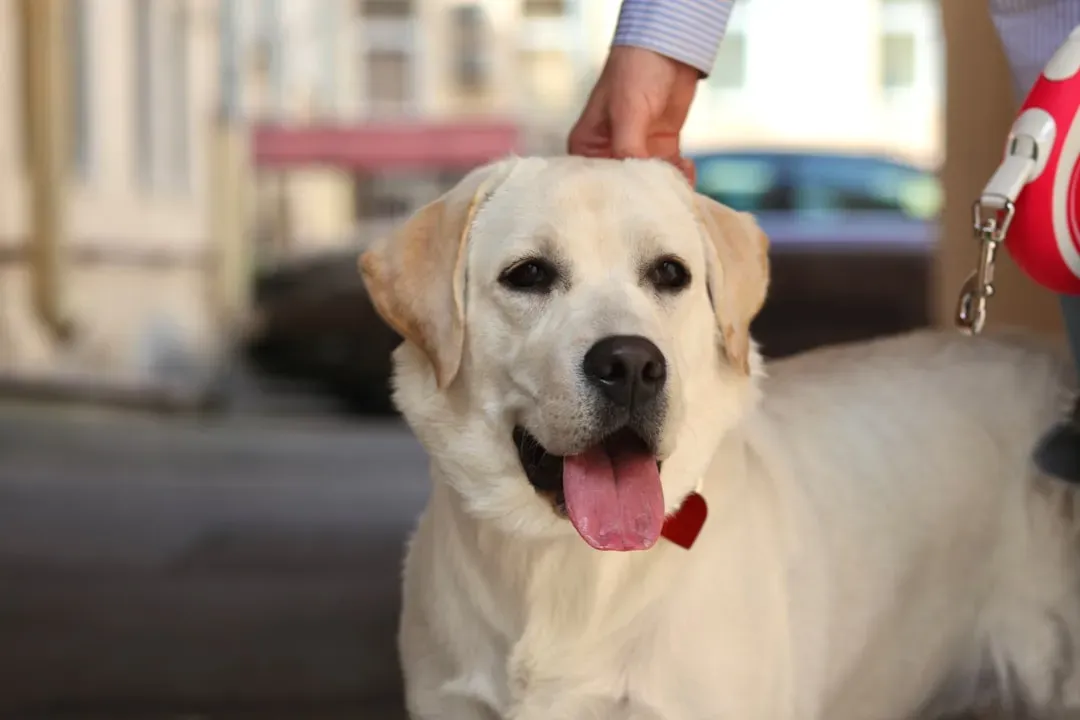
When you think of an easy-to-train dog, the Labrador Retriever is usually at the top of the list, and that is not by accident. As a beginner, you will appreciate how much a Lab wants to work with you, not against you; they are food-motivated, people-oriented, and usually very enthusiastic about learning new things. That combination makes it much easier to teach basic cues like sit, stay, and come, especially if you use treats and praise.
You do need to be ready for their energy, though, because a bored Lab will invent its own hobbies, and you might not like them. If you can commit to daily walks, some playtime, and short training sessions, a Lab will likely reward you by becoming that classic family dog everyone pictures. They tend to be great with kids, tolerant of chaos, and generally adaptable to different living situations, as long as they get enough exercise.
Golden Retriever: The Gentle People-Pleaser
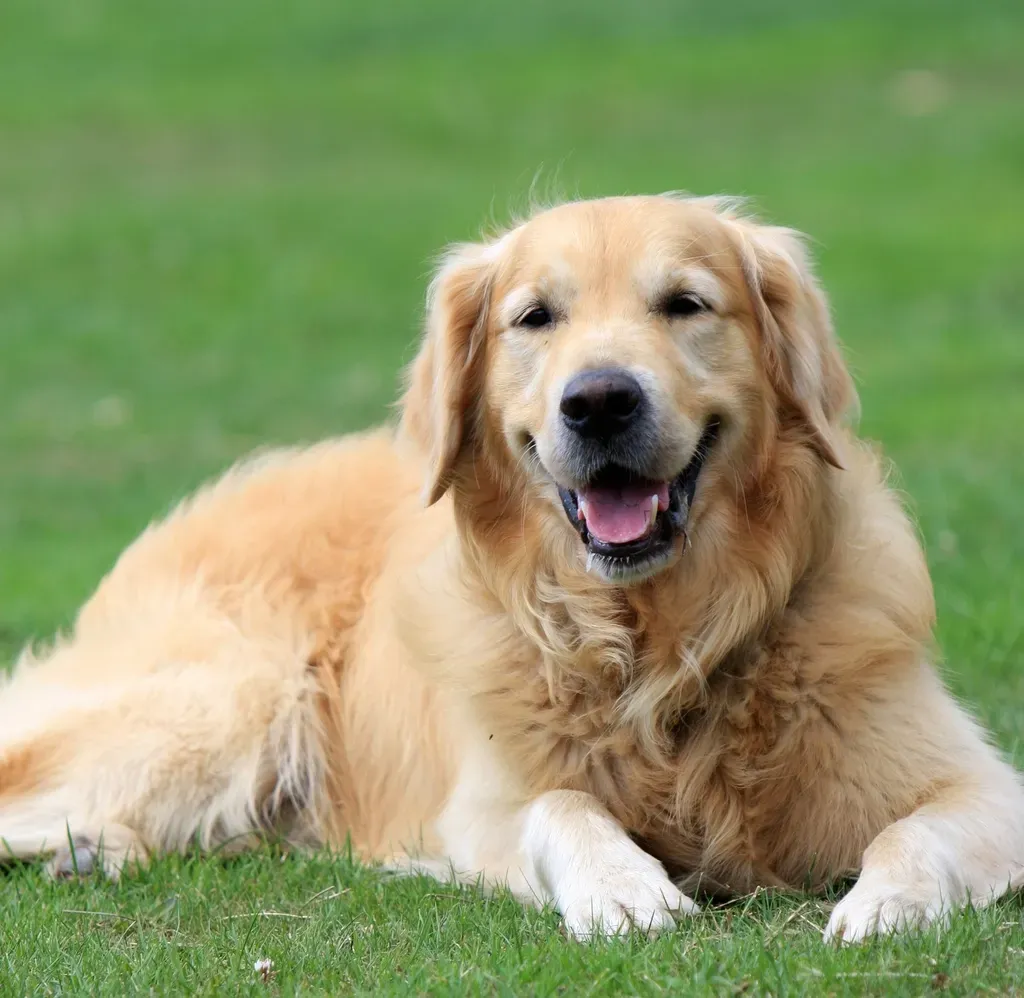
If you want a dog that practically reads your mind and thinks your happiness is a life mission, the Golden Retriever will feel like a dream. Goldens are famous for their soft, gentle nature and their desire to please, which makes training a lot less intimidating when you are new to it. They respond beautifully to calm, positive methods and usually pick up house rules and basic manners quickly.
However, that big golden heart comes attached to a lot of fur and a decent amount of energy. You will need to build a routine that includes brushing, mental games, and regular exercise, or your Golden may become restless or clingy. If you enjoy being active, do not mind hair on your clothes, and want a dog that thrives on family life, a Golden can be one of the easiest and most rewarding breeds for a beginner.
Poodle (Standard, Miniature, or Toy): The Brainy Companion
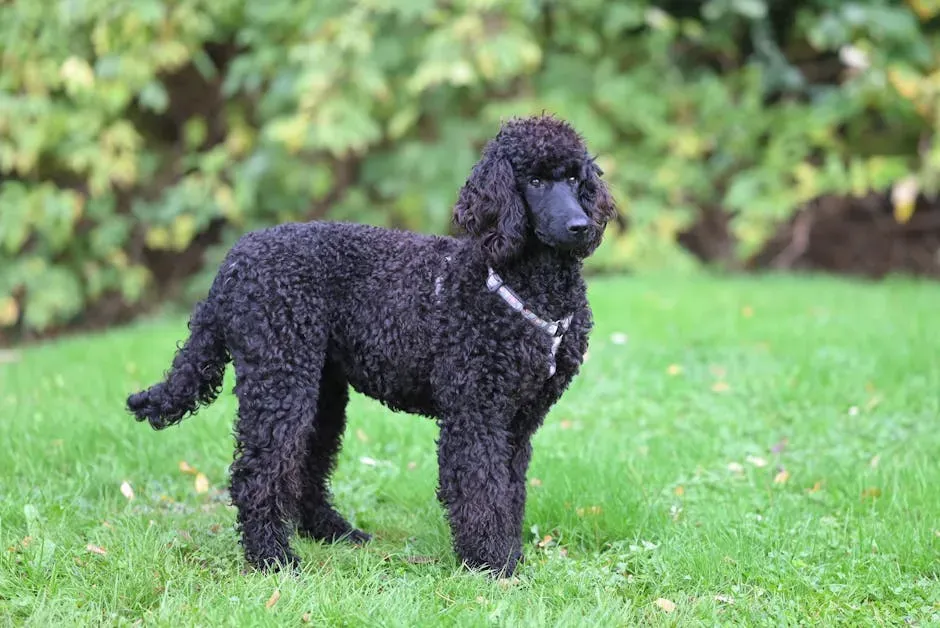
Despite their sometimes fancy reputation, Poodles are surprisingly practical dogs for first-time owners who are ready to engage their dog’s mind. They are one of the most intelligent breeds, which means you will see progress quickly if you stay consistent with training. Whether you choose a Standard, Miniature, or Toy Poodle, you are getting a dog that loves to learn and usually enjoys activities like obedience games, tricks, and puzzle toys.
The trade-off for that intelligence is that a Poodle will absolutely notice if you are letting things slide. You cannot just skip boundaries and hope for the best, because a Poodle may outsmart you without even trying. On the plus side, their coat sheds very little, which is great if you care about allergies or cleanliness, but you do need to stay on top of grooming. If you want a clever, responsive dog and you like the idea of an active partnership, a Poodle can be a fantastic beginner choice.
Border Collie (For Active, Committed Beginners)
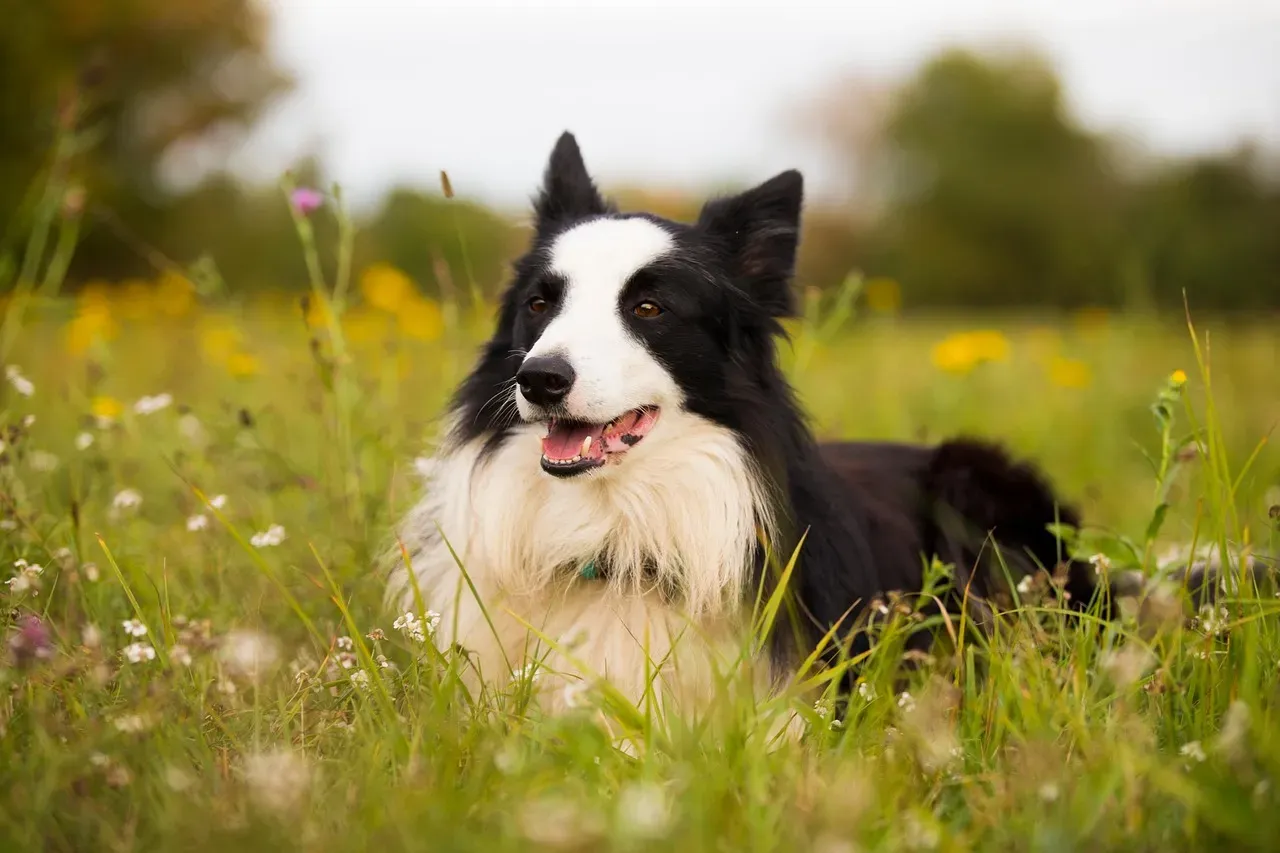
You will often see the Border Collie listed as one of the smartest dogs on the planet, and that is not an exaggeration. They can learn complex tasks, read tiny body cues, and seem to thrive on problem-solving in a way that feels almost uncanny. Because they are so tuned in to you, teaching new skills can feel very natural and satisfying once you get the hang of positive training methods.
However, you should only consider a Border Collie if you genuinely enjoy being active and engaged with your dog almost every day. This is not a breed that is happy with a quick walk and a pat on the head; they need real exercise and real mental work or they will invent “jobs” like herding your kids, chasing cars, or obsessing over shadows. If that level of commitment excites you rather than scares you, a Border Collie can be incredibly trainable and rewarding even for a beginner who is serious about learning.
German Shepherd: The Loyal Student
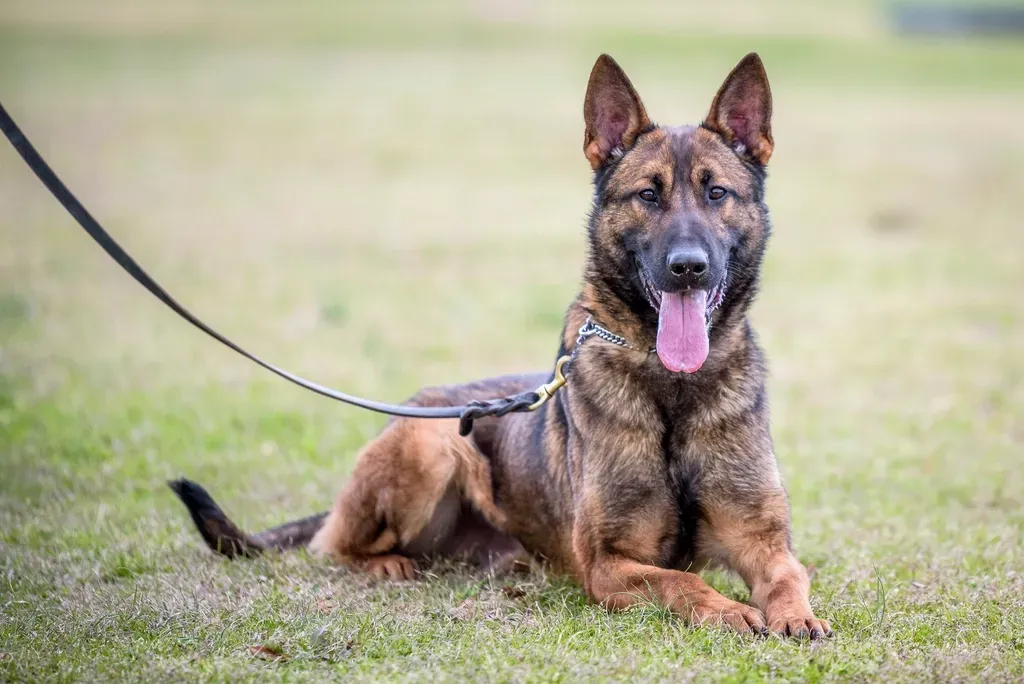
If you want a dog that looks impressive but is still highly trainable for a beginner, a German Shepherd might be on your radar. They are known for working in roles like police, military, and search and rescue because they are intelligent, focused, and highly responsive to training. As a first-time owner who is willing to learn, you will probably find that a German Shepherd picks up commands quickly and bonds deeply with you.
At the same time, this is a breed that needs structure, consistency, and early socialization to reach its best temperament. If you let bad habits slide or skip exposure to different people and environments, you can end up with a dog that is anxious or overly protective. If you like the idea of a loyal partner who takes your guidance seriously and you are open to investing time in training and socialization, a German Shepherd can be a very manageable choice.
Sheltie (Shetland Sheepdog): The Sensitive Quick Learner
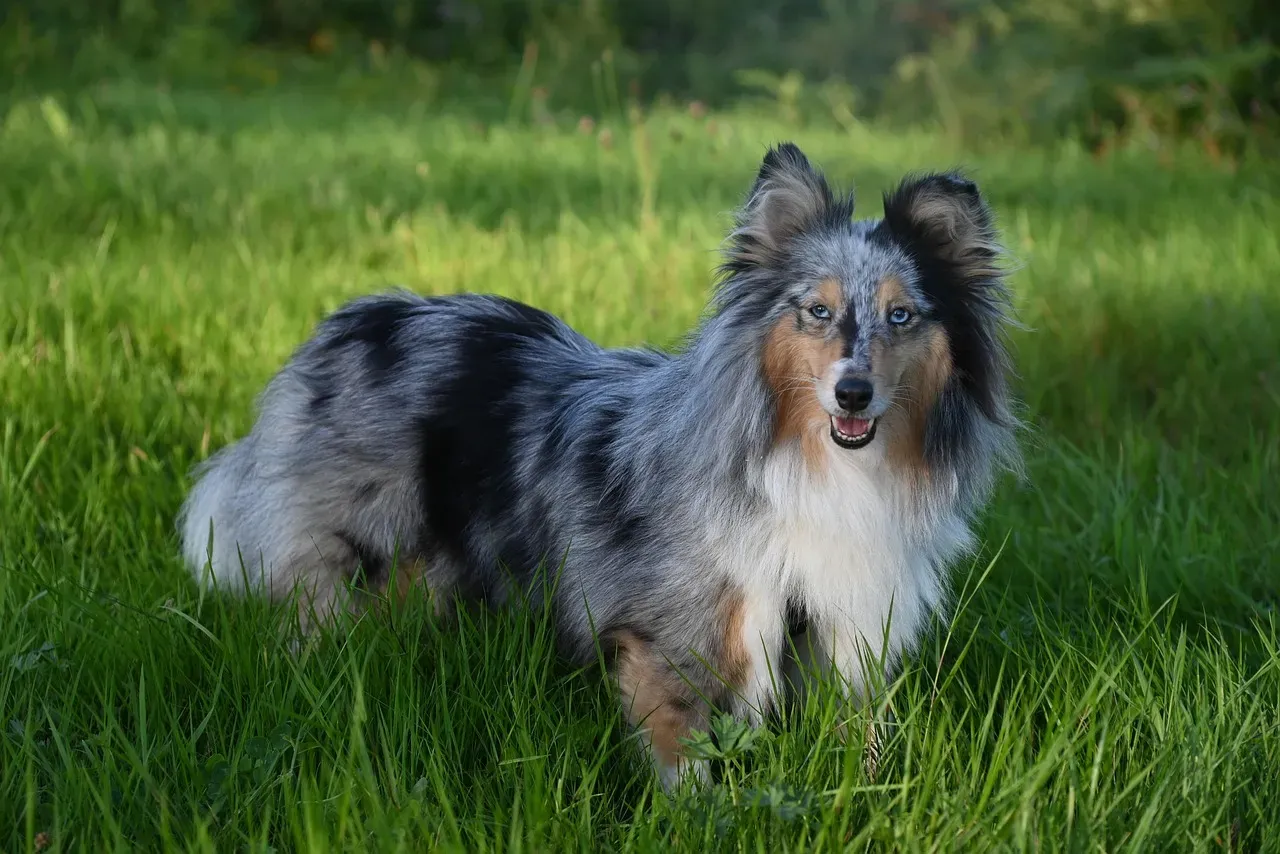
A Shetland Sheepdog, or Sheltie, gives you a lot of brainpower and trainability in a smaller, more manageable body. If you are new to dogs and worried about handling a large breed, a Sheltie can feel like a nice middle ground because they are agile, bright, and often eager to respond to your cues. They were originally bred to herd, so they naturally like having a job and do especially well in training games and interactive play.
Shelties can be sensitive to loud voices or chaotic environments, which can actually help you as a beginner. Harsh corrections are not needed and will backfire; instead, they shine when you use gentle guidance, kind words, and rewards. If you prefer a dog that is responsive, emotionally tuned in, and not too big, a Sheltie can make training feel less like a chore and more like a shared hobby.
Papillon: The Tiny Dog With a Big Brain
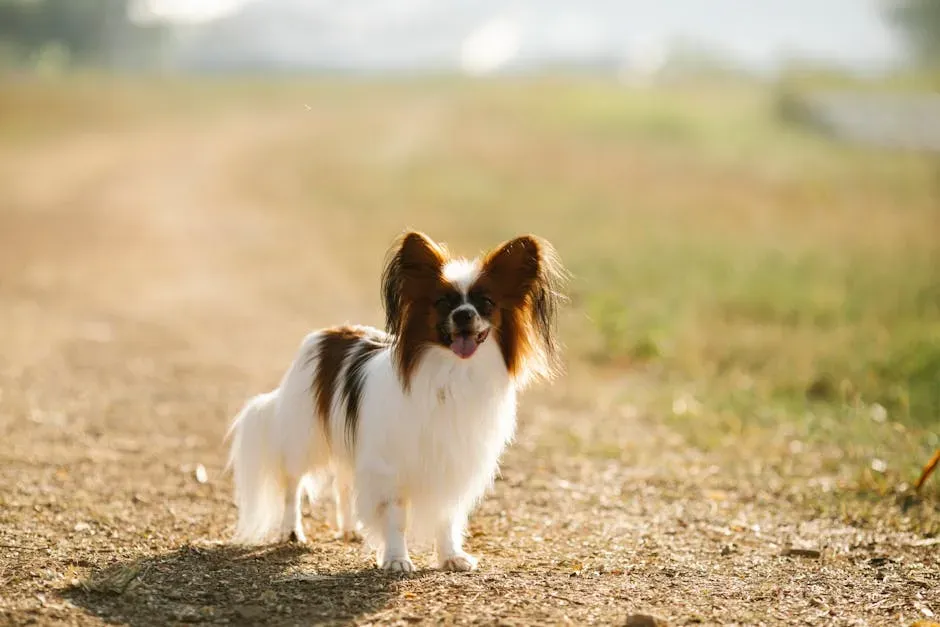
If you think small dogs are difficult to train, the Papillon is ready to prove you wrong. This little breed is known for being alert, bright, and fast to learn, making them surprisingly easy for first-time owners who want a smaller companion. Their size makes them suitable for apartments or smaller homes, and you can do a lot of training indoors with simple games and short sessions.
Despite their delicate appearance, Papillons often have a lively, curious personality and truly enjoy doing things with you. You do need to be careful not to baby them too much or let them get away with behaviors you would never accept from a larger dog. With clear boundaries, positive reinforcement, and mental stimulation, a Papillon can become a well-mannered, confident little partner who feels much bigger than they look.
Pembroke Welsh Corgi: The Bold Little Worker
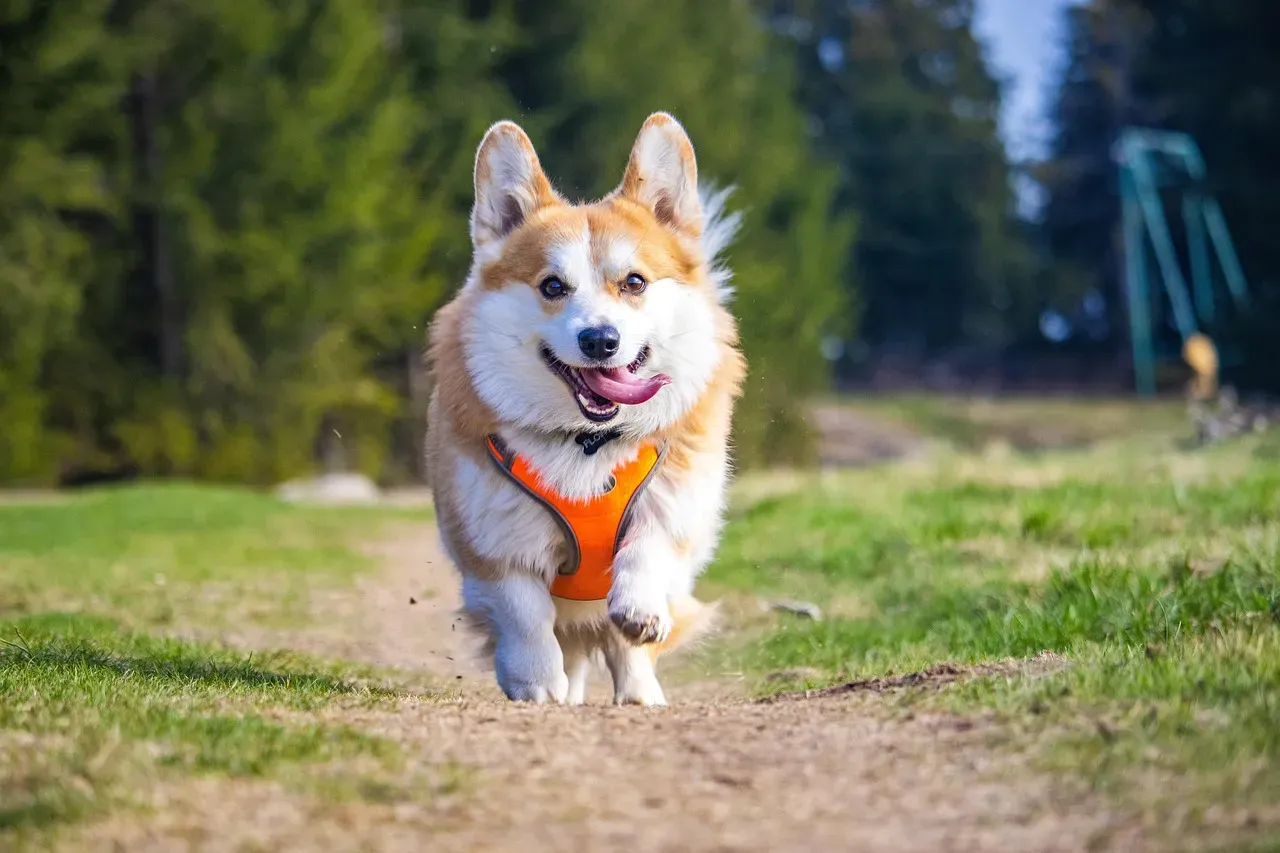
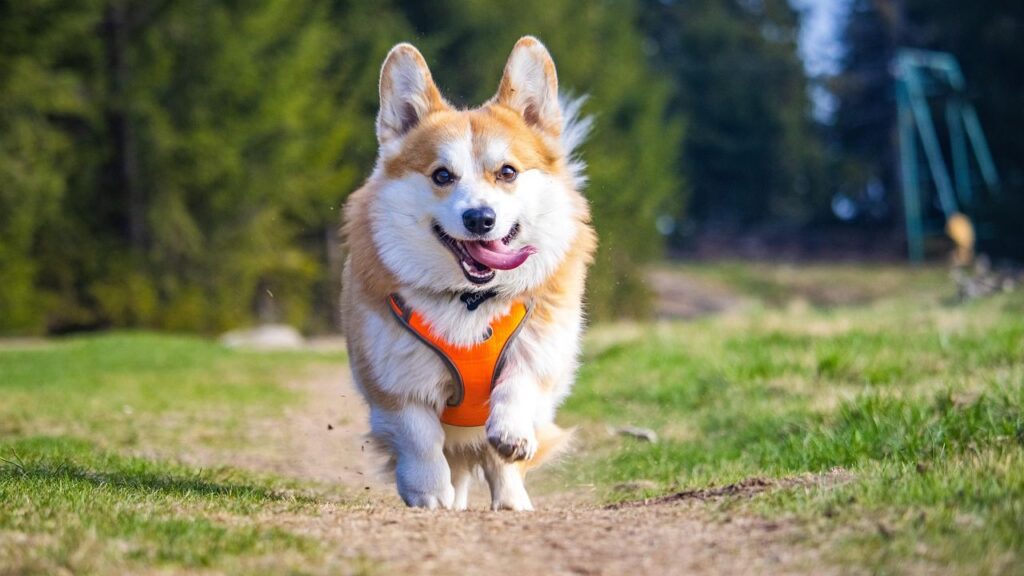
The Pembroke Welsh Corgi looks like a cartoon character with short legs and big ears, but beneath that cute exterior is a serious worker. If you are new to training, you will appreciate how eager Corgis can be when there is food, praise, or a fun game involved. Their herding background means they are used to paying attention and responding to direction, which you can channel into good manners and simple tricks.
However, you should be prepared for a bit of stubbornness and a strong opinion about how things should go. Consistency is your friend here; if you are clear and patient, your Corgi will usually meet you halfway. Their moderate size, outgoing personality, and love of activity can make them a great fit for beginners who enjoy walking, light hiking, or just spending time outdoors.
Pug: The Easygoing Clown
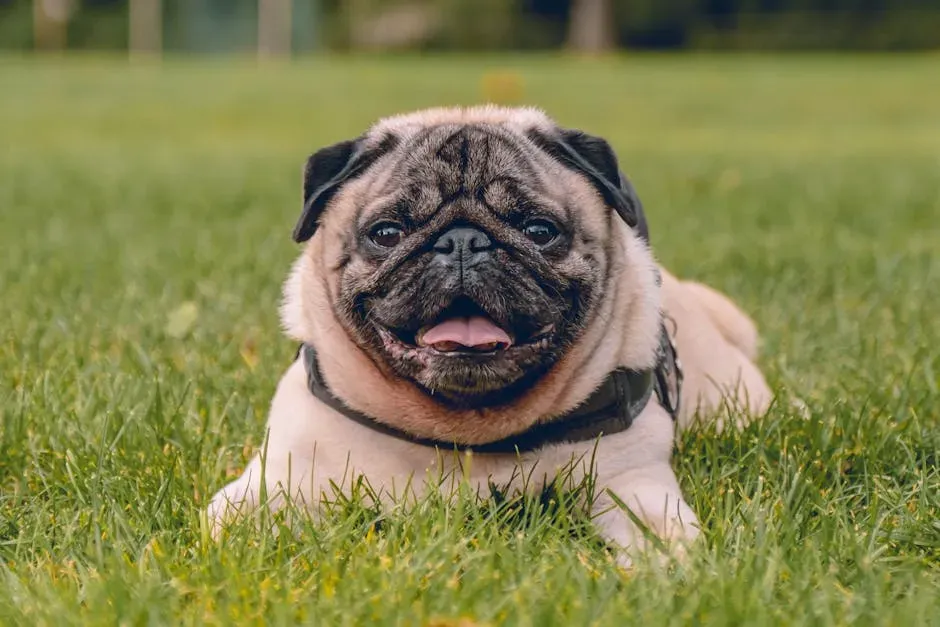
If you want a dog that makes you laugh more than it makes you sweat, a Pug might be exactly your speed. Pugs are generally people loving, laid back, and keen to be near you, which helps a lot when you are trying to teach basics like house training and simple commands. They often respond well to food rewards and gentle guidance, and their moderate energy level is a relief if you are not looking for a running buddy.
You do need to watch their weight and be careful with exercise in hot weather because of their short noses. Training sessions should be short, fun, and positive, with plenty of breaks and affection. If you want an easygoing companion who does not demand hours of daily activity but still needs your attention and structure, a Pug can be a low-pressure introduction to dog ownership.
Cavalier King Charles Spaniel: The Sweet-Tempered Shadow
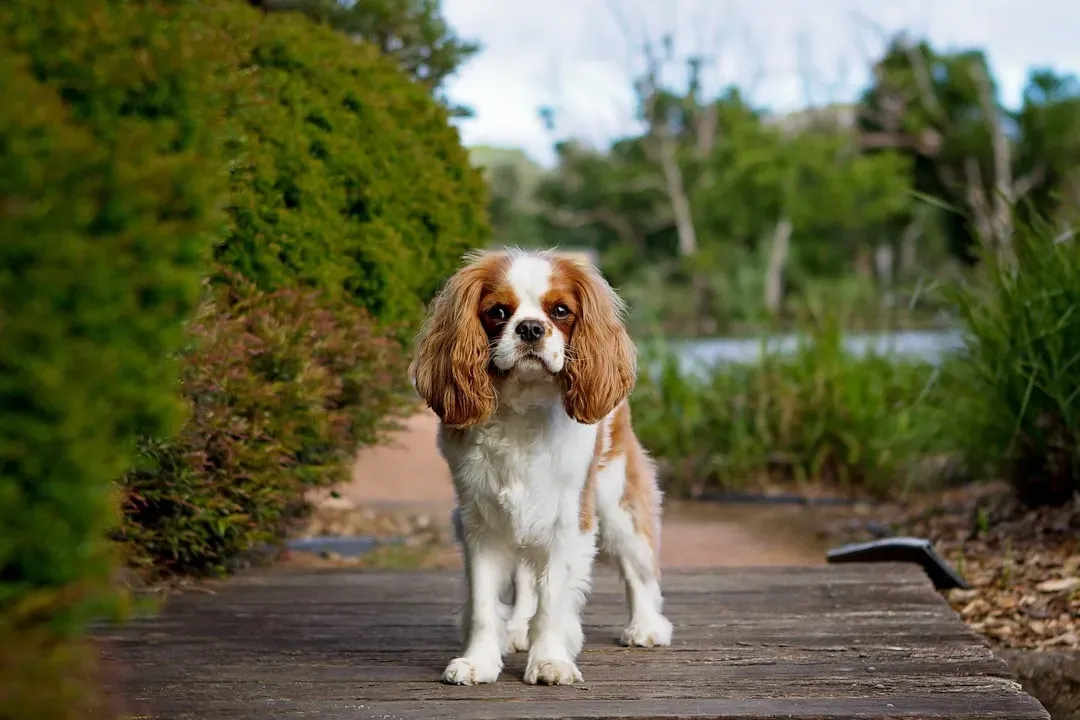
The Cavalier King Charles Spaniel is one of those breeds that often feels like it was designed to be a companion. As a beginner, you will likely find their gentle temperament and eagerness to be close to you extremely reassuring. They tend to be cooperative and responsive in training, especially when you use kind, reward-based methods and keep things light and positive.
Because they bond so strongly with their people, they do best when they are not left alone for long stretches every day. You will want to build a routine that gives them enough time with you, plus some mental stimulation like sniffy walks or simple puzzle toys. If you want a calm, affectionate dog that is still easy to teach, a Cavalier can feel almost like a beginner’s guide to living with a dog.
French Bulldog: The Chill Sidekick

If your lifestyle leans more toward cozy evenings than long hikes, a French Bulldog might match your energy. As a first-time owner, you may appreciate that Frenchies usually do not need hours of physical exercise and are often pretty relaxed at home. Training can go smoothly if you keep sessions short, use high-value treats, and stay patient with their occasionally stubborn streak.
Because of their flat faces, you have to be extra mindful about heat, strenuous exercise, and weight. That means you will probably focus more on short walks, indoor games, and mental enrichment rather than intense outdoor workouts. If you live in a smaller space and want a sociable, relatively low-activity dog that is still trainable with positive methods, a French Bulldog can be a comfortable introduction to dog ownership.
Boxer: The Playful Student
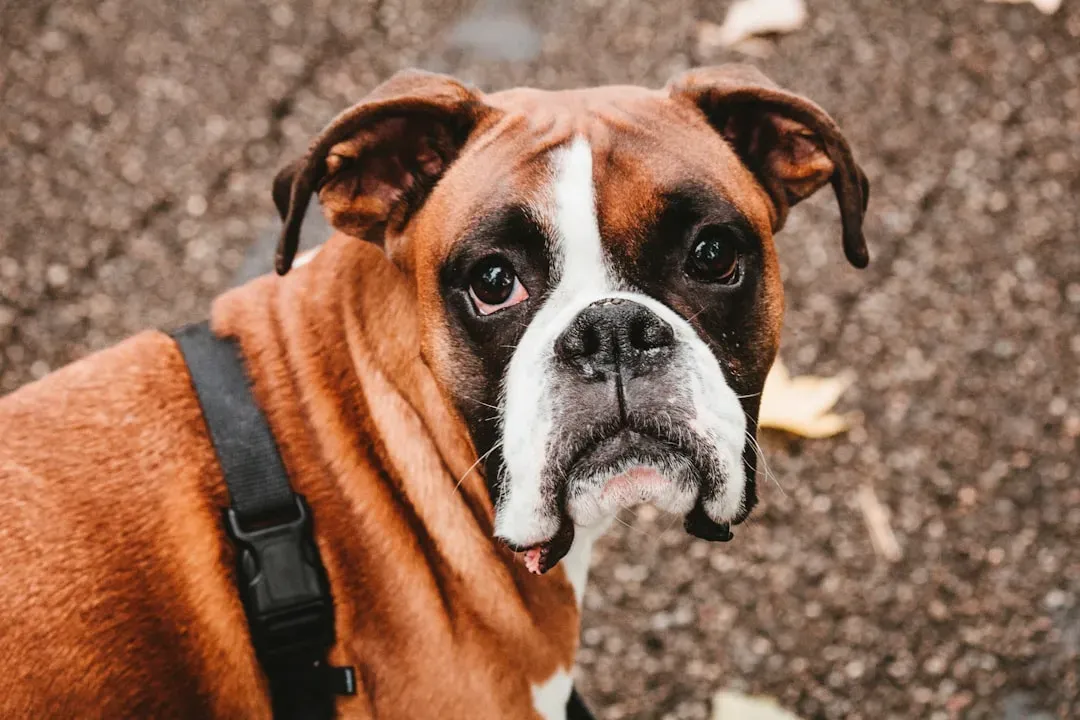
A Boxer can look strong and athletic, but inside there is often a goofy, affectionate personality that loves to play. If you are an active beginner who enjoys being outside and does not mind a bit of silliness, a Boxer can be a great match. They respond well to energetic, fun training sessions where you mix obedience practice with games, toys, and movement.
They do mature slowly, so you should expect a long puppy-like phase where consistency really matters. If you stay patient and keep your expectations realistic, you will see that Boxers are quite trainable and very people-focused. With regular exercise, early socialization, and clear rules, a Boxer can grow into a well-mannered family dog that feels like a big, cheerful friend.
Yorkshire Terrier: The Spunky Little Learner
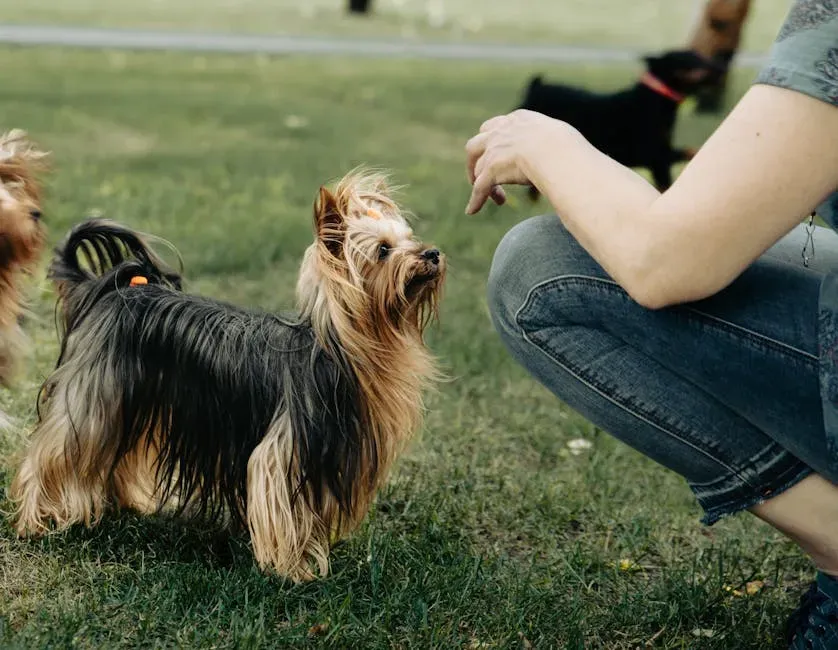
If you want a small dog with a large personality, the Yorkshire Terrier, or Yorkie, might catch your eye. As a beginner, you may find them surprisingly smart and capable of learning routines, tricks, and basic manners when you stay consistent. Their tiny size makes them easy to manage physically, and you can get a lot done with short indoor training sessions using treats and praise.
The main trap with Yorkies is treating them like fragile ornaments instead of real dogs. If you carry them everywhere and never enforce boundaries, they can develop big attitudes and nuisance behaviors like barking or resource guarding. If you instead respect them as a full dog in a small body and give them structure, they can become delightful, trainable companions that fit easily into daily life.
Conclusion: Matching the Dog to Your Real Life
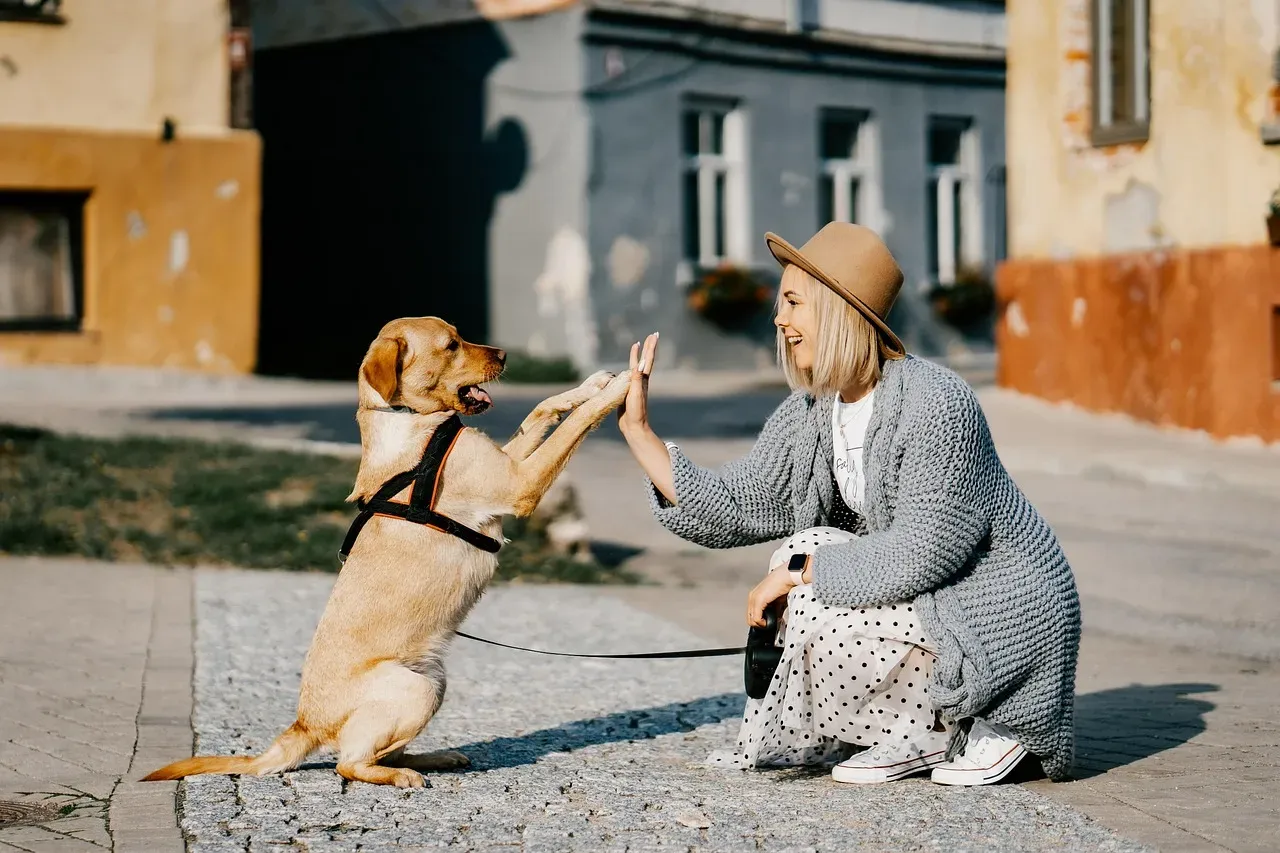
When you look at all these breeds together, you can see that “easy to train” does not mean the same thing for everyone. For you, it might mean a laid-back Pug that happily follows simple rules, or it might mean a high-energy Border Collie that loves structured training and daily challenges. The key is to be honest with yourself about your energy level, your schedule, and what kind of relationship you actually want with your dog.
If you choose a breed whose needs match your reality, training stops feeling like a struggle and starts feeling like teamwork. No matter which dog you bring home, you will need patience, consistency, and a commitment to positive methods. With those basics in place, these thirteen breeds give you a strong head start as a beginner and a real chance at building the kind of bond people dream about. So, looking at your own lifestyle, which of these dogs can you genuinely picture trotting happily by your side?