You like to think of the ancient world as distant and settled, with all its big mysteries neatly wrapped up in textbooks and documentaries. Then you stumble across something so old, so precise, and so out of place that it makes you pause and think: how on earth did they pull this off? That uneasy fascination is exactly what you feel when you look at the greatest ancient wonders that still puzzle experts in 2026.
As you move through these ten sites and artifacts, you’ll notice a pattern: people with no modern machines, no GPS, no lasers, somehow left behind things that still force you to raise your eyebrows. You are not going to find secret aliens or magic in this list, because the honest answer is more interesting: human beings, operating with tools you might dismiss as primitive, somehow reached a level of skill that your own age still struggles to fully explain. As you read, ask yourself not just how they did it, but what it says about what you might be underestimating in your own time.
The Great Pyramid of Giza: Precision in the Desert
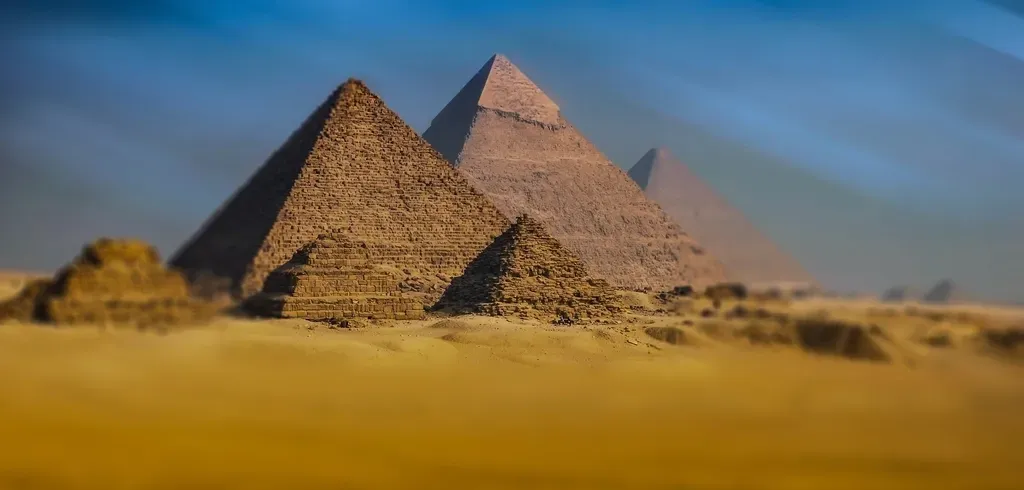
When you picture the Great Pyramid, you probably see a massive triangle in the sand and think, of course, ancient Egypt. But if you dig even a little deeper, the details feel almost unreal: millions of stone blocks, many weighing as much as a small truck, fitted so tightly that you can barely slide a sheet of paper between some joints. You are looking at a structure aligned to the cardinal directions with a precision that rivals modern surveying tools, built around four and a half thousand years ago, long before steel cranes or computer models.
You can read theories about ramps, sledges, levers, and teams of workers, and they’re all plausible in pieces, but you still end up with a nagging feeling that something about the overall logistics is missing. How did they coordinate labor on that scale, keep the alignment so accurate, and maintain such stable foundations on shifting sand without advanced instruments? You are not dealing with magic, but with an engineering culture that clearly understood measurement, organization, and material behavior at a level that still humbles modern architects. The pyramid does not insult your intelligence; it quietly challenges it.
Stonehenge: Architecture Aligned With the Sky
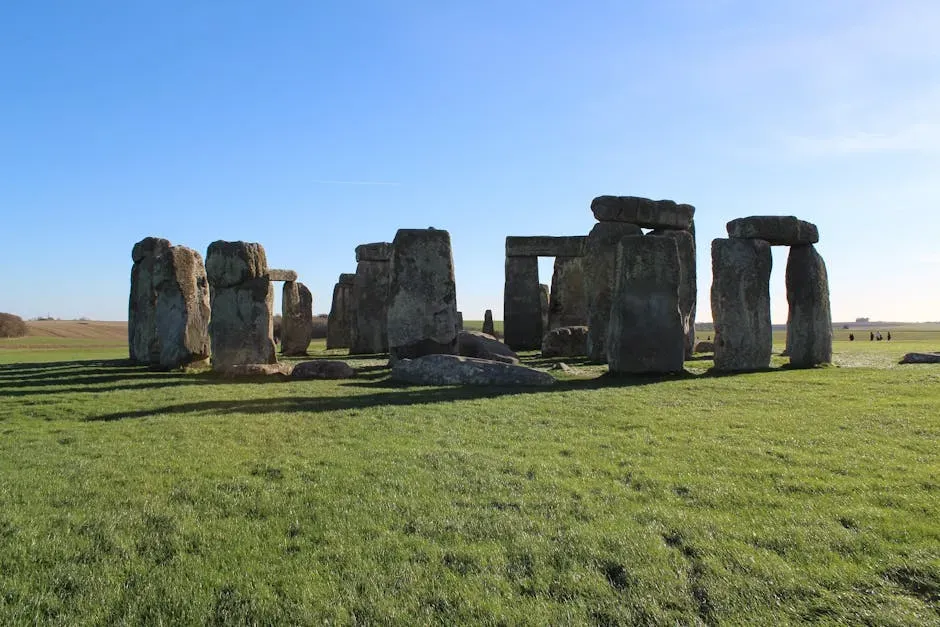
When you stand in front of Stonehenge, your first thought is probably, why would anyone drag twenty–plus ton stones across the landscape for this? You see a rough ring of standing stones, some brought from quarries many kilometers away, arranged not randomly but with clear astronomical connections. The monument lines up with the sunrise at the summer solstice and the sunset at the winter solstice, which means someone not only understood the sky very well, but cared enough to lock that knowledge into stone.
You might be tempted to wave it away as a ritual site and move on, but that does not explain the planning, the logistics, and the cultural willpower behind it. Why did these people invest so much effort in marking specific points in the solar year? Were you looking at a calendar, a ceremonial pathway, a kind of prehistoric observatory, or something that blended all three? No matter how many models and simulations you see, you are still left with a monument that refuses to be pinned down to one neat label, quietly reminding you that prehistoric Europe was far sharper and more organized than many assume.
Machu Picchu: A City Hanging in the Clouds
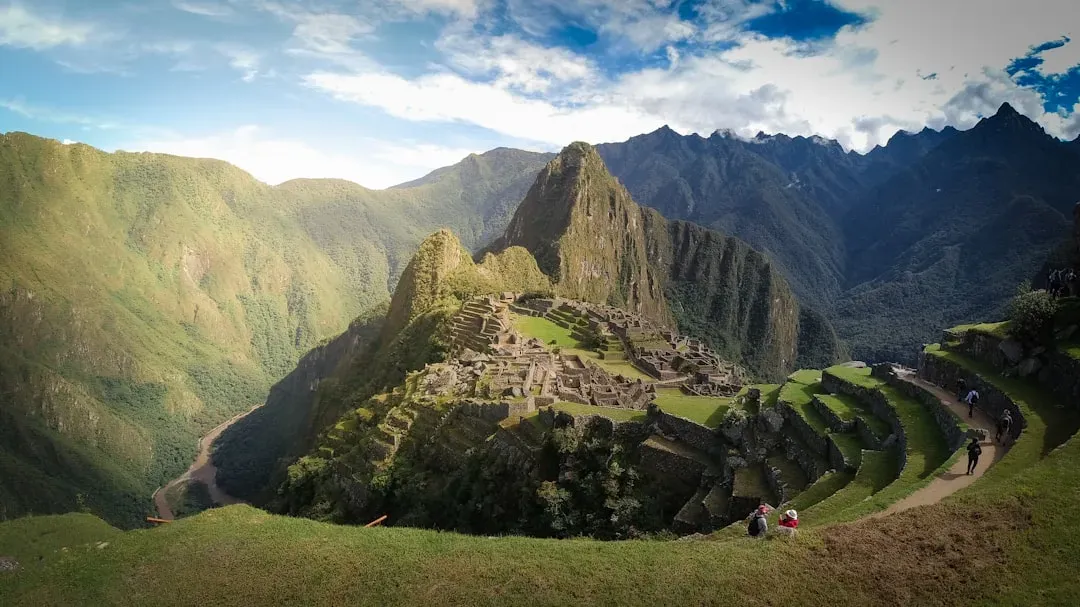
If you have ever seen a photo of Machu Picchu floating in the mist, you probably felt like you were looking at something from a fantasy novel. Then, when you notice how it is built, the awe deepens: terraces carved into steep slopes, stone walls fitted without mortar, and drainage systems that still hold up in punishing mountain rains. You are not just looking at a pretty ruin; you are looking at an engineering project that respects the mountain rather than fighting it.
What really baffles you is how the Inca planned it all without written blueprints or iron tools, thousands of meters above sea level. They somehow balanced agriculture, water management, defense, and sacred spaces in one compact site, with a layout that appears both spiritual and highly practical. You can follow different theories about why it was built – royal estate, ceremonial hub, or political symbol – but none of them fully capture how this city seems perfectly tuned to its environment. When you stand there, you are forced to accept that you may still be underestimating how sophisticated a so‑called preindustrial culture could be.
Göbekli Tepe: Civilization Before Civilization
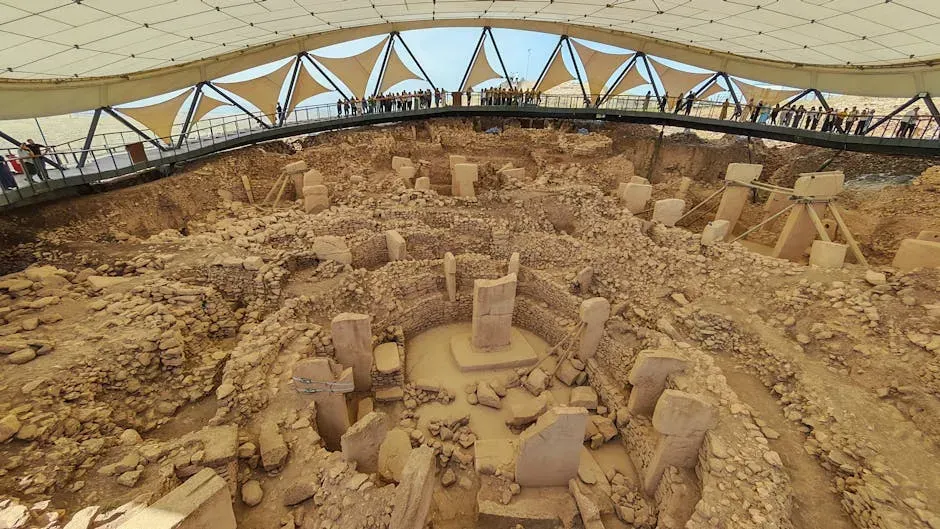
Göbekli Tepe in modern-day Turkey hits you with a different kind of shock: it is far older than most of the monuments you grew up hearing about. You walk through carved T‑shaped stone pillars, some decorated with animals and abstract symbols, and then you realize this place appears to predate pottery, metal tools, and even organized agriculture in that region. It is like discovering a cathedral built by people who were supposedly still living in small, mobile groups.
What really scrambles your sense of history is the implication that large-scale religious or ceremonial architecture may have come before settled farming, not after. You suddenly have to consider that people might have gathered for shared beliefs and only then figured out how to feed those gatherings on a regular basis. You do not yet know exactly what rituals took place there, what the symbols meant, or why the site was eventually buried. But you can see clearly that your old, simple story – first farming, then cities, then temples – no longer holds up so neatly.
The Nazca Lines: Messages Etched Into the Earth
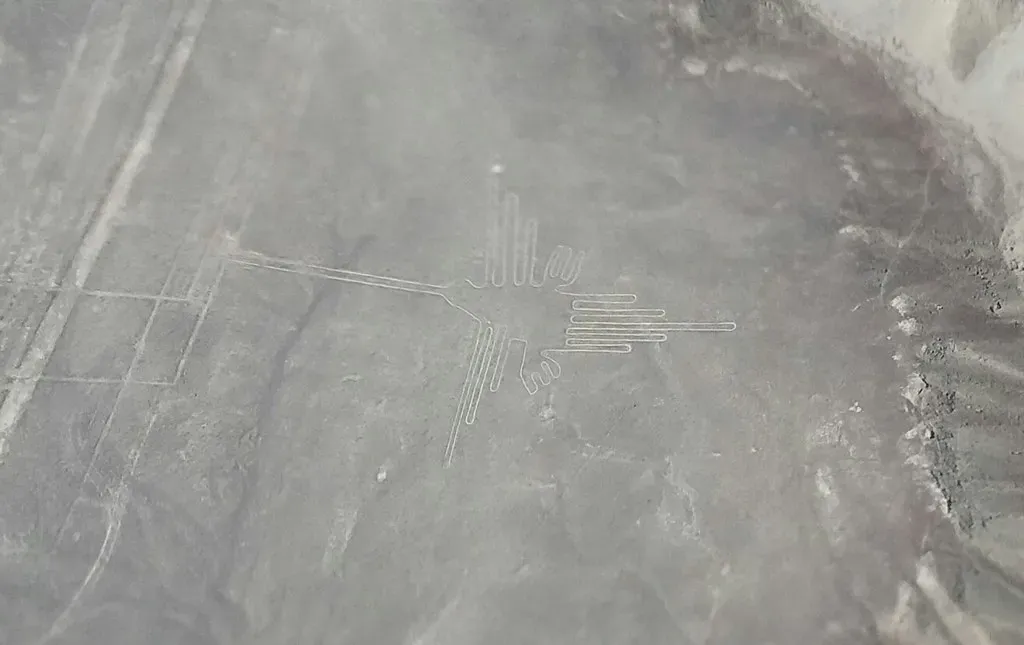
When you look at photos of the Nazca Lines, it almost feels like someone doodled giant figures across a desert just for pilots and satellites. From the ground, many of the shapes do not look like much, but from above, you can see animals, plants, and geometric lines stretched over kilometers. You are left wondering how people without aircraft conceived and executed designs that only truly make sense from the sky.
Researchers have suggested ritual pathways, astronomical markers, or offerings to deities related to water and fertility, and all of those have some evidence behind them. Still, you are left with questions: why these specific shapes, at this gigantic scale, in such a harsh, dry landscape? How did they maintain straight lines over such long distances using only basic tools? You can imagine teams marking out lines with ropes and stakes, but the mental map required to hold the full design in mind is something your modern mapping apps almost make you forget humans can do unaided.
The Antikythera Mechanism: A Computer From Antiquity
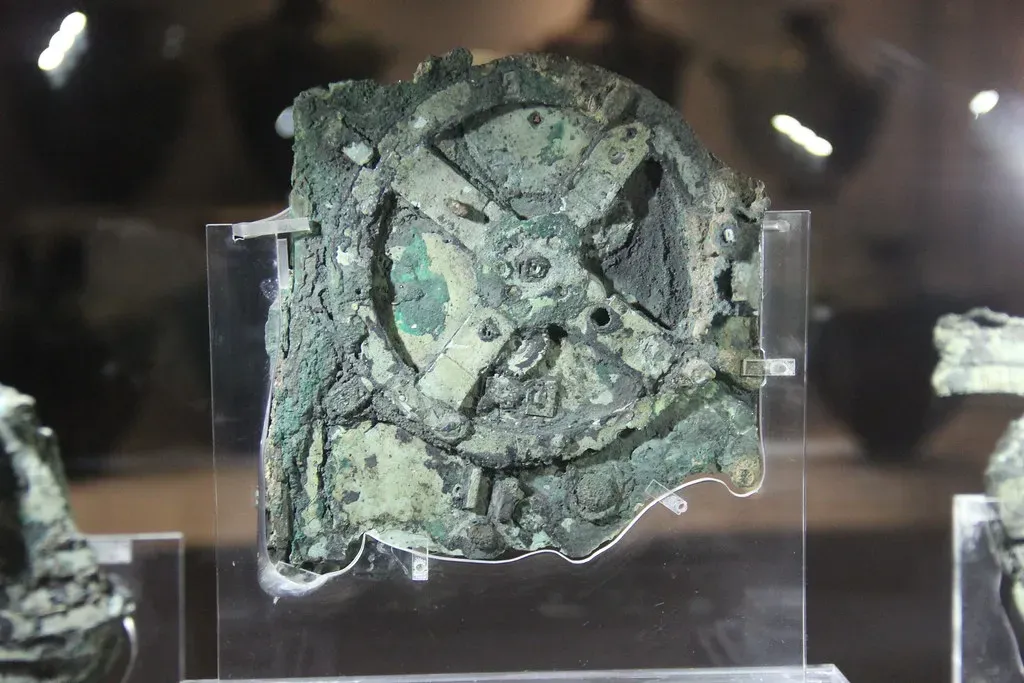
The first time you see a photo of the Antikythera Mechanism, it just looks like a corroded lump of bronze pulled from a shipwreck. Then you see the X‑rays and reconstructions and realize you are staring at a complex system of gears that models the movements of the sun, moon, and possibly planets. You are effectively looking at a mechanical computer built more than two thousand years ago, at a time when you probably imagine people counting on their fingers and using sundials.
The deeper you go, the stranger it feels. You start to see just how precise the gear ratios had to be, how carefully the teeth were cut, and how the dials translated celestial cycles into readable outputs. You now face an uncomfortable question: if people could build this level of intricate technology then, what else has been lost? You know of no earlier full devices like it, only scattered references in ancient texts. So you are forced to consider that your snapshot of ancient technology is incomplete, like finding a single smartphone in a world you thought only had stone tools.
Puma Punku: Stonework That Defies Your Intuition
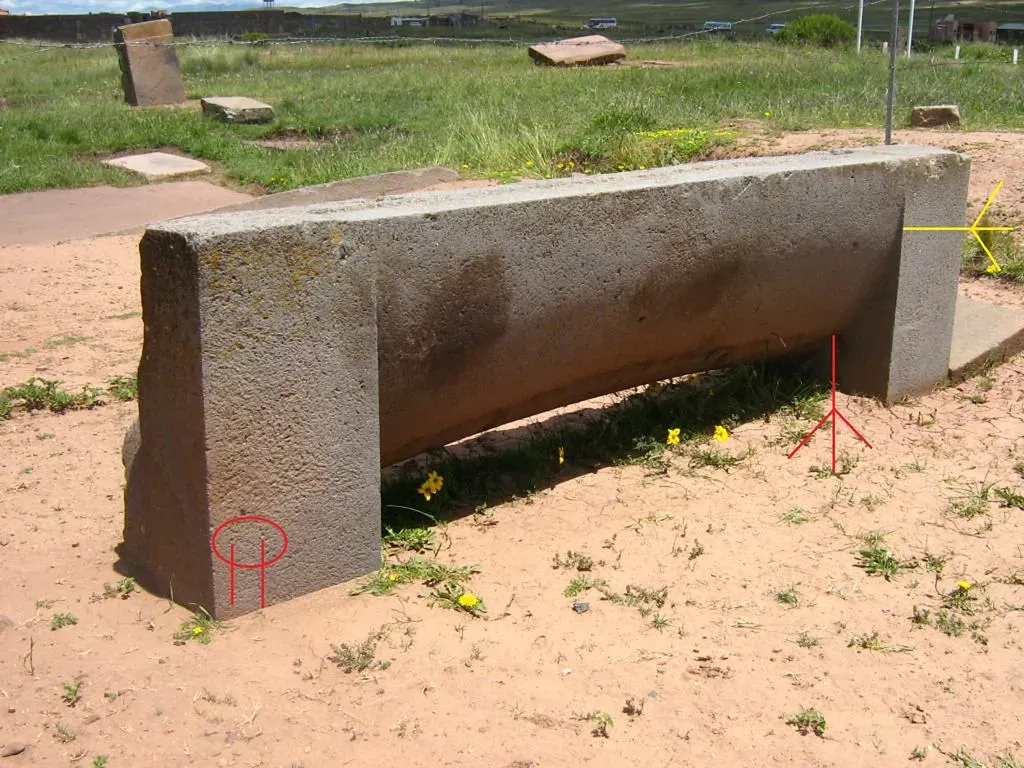
At Puma Punku in the Bolivian highlands, you are not dealing with towering pyramids or intact temples, but with scattered blocks cut with unnerving precision. Some stones have repeating geometric notches and right angles that look almost like machine-made components, yet they were shaped long before the arrival of metal tools in that region. You can run your fingers along edges and grooves that feel so straight and regular that they seem out of place in a prehistoric context.
You will see all sorts of wild claims about this site, from lost advanced civilizations to visitors from the stars, mostly because the real story is less flashy and harder to reconstruct. But you are left with very real, grounded questions about techniques: how did craftspeople transport such heavy stones to that altitude, mark such accurate cuts, and create interlocking shapes with basic technology? You do not need exotic explanations to be impressed; it is enough to realize that you may not yet fully grasp the combination of skill, time, and cultural drive it took to carve a landscape into a kind of stone puzzle.
The Moai of Easter Island: Giants With a Hidden Story
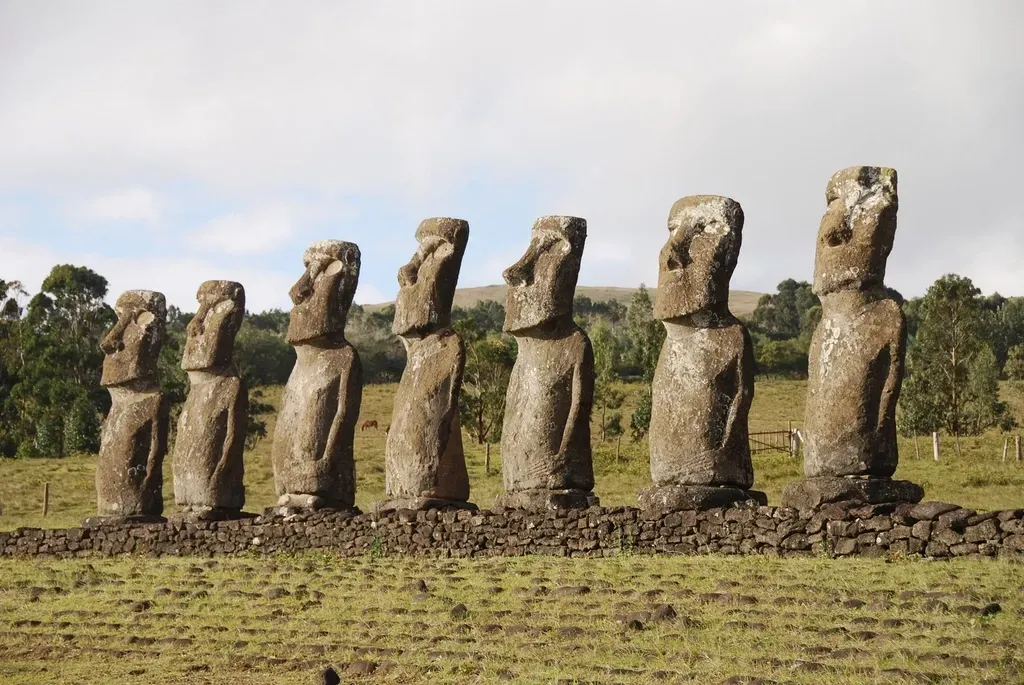
On Easter Island, you come face to face with enormous stone heads and torsos, the moai, staring inland with unreadable expressions. At first, they seem like pure symbols of mystery, but when you learn that many of them have full bodies buried below the surface, your sense of scale changes completely. You are now thinking about a small island society moving, raising, and partly burying statues as tall as a building, using only natural materials and human effort.
Archaeologists have shown you that the statues could be “walked” upright with ropes and coordinated teams, which makes the process more believable but still astonishing. You are still left with unresolved questions: why invest so heavily in these figures, why arrange them the way they did, and how did this intense building program connect to environmental strain and social change on the island? You find yourself looking at the moai as both technical feats and cultural mirrors, hinting that the same human drive that creates greatness can also push an ecosystem dangerously close to the edge.
The Underground Cities of Cappadocia: Hidden Worlds Below Your Feet
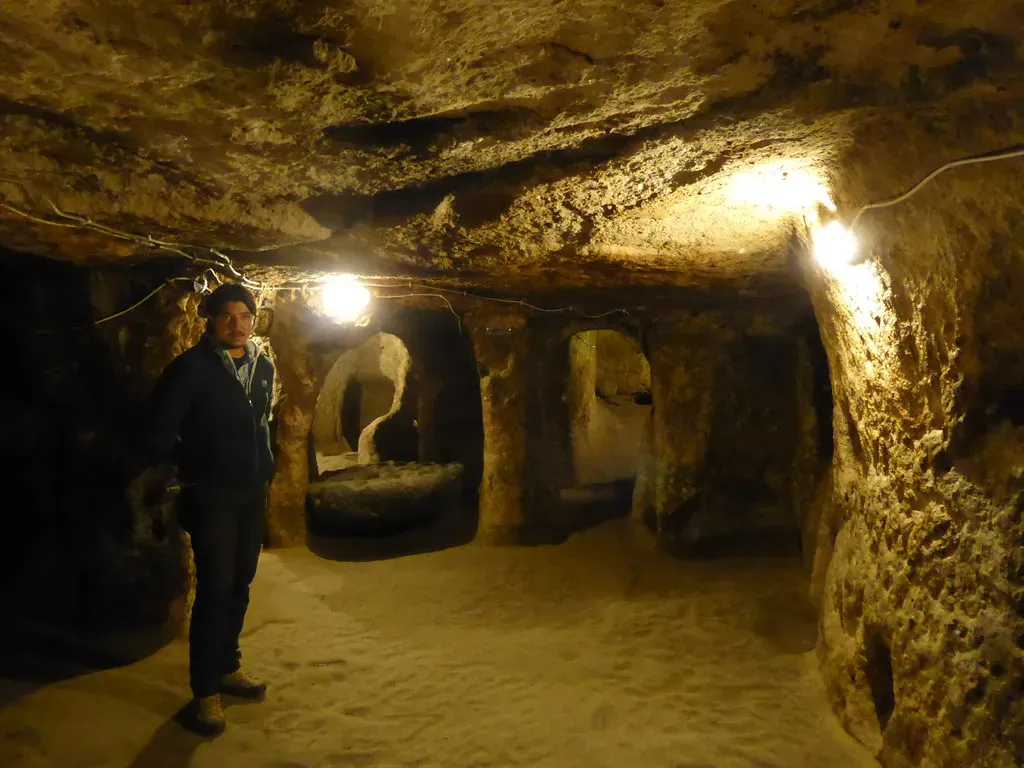
In Cappadocia, in what is now central Turkey, you can walk down stairways into entire underground cities carved into soft rock. You are not just seeing a few caves; you move through multiple levels of rooms, corridors, ventilation shafts, storage spaces, and clever stone doors that can be rolled into place to seal off passages. It feels strangely modern in concept, like an ancient answer to bunkers or fortified apartment blocks.
What keeps baffling you is how coordinated this excavation must have been. Without modern lighting or power tools, people removed enormous volumes of rock, maintained airflow, and kept tunnels stable enough to be used over long periods. You can read theories that these underground complexes were used during times of invasion or persecution, but you still do not fully know how many people lived there at once, how they managed water, or how long such occupations lasted. You are left with the image of entire communities vanishing from the landscape, not because they disappeared, but because they moved beneath your feet.
The Colossi of Memnon: Voices From Silent Stone
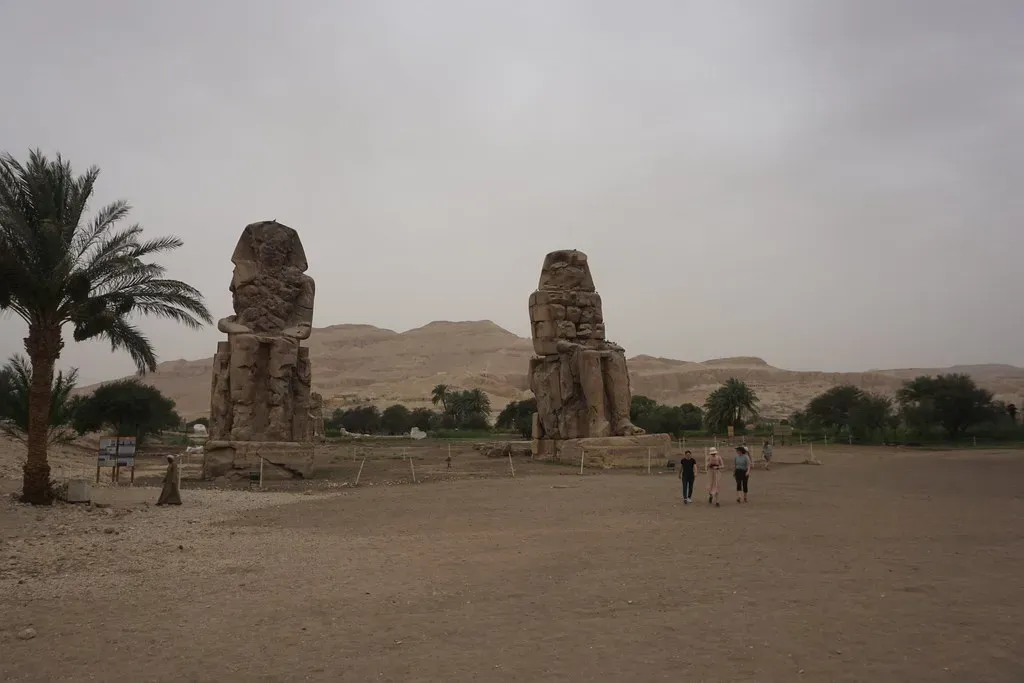
When you visit the Colossi of Memnon in Egypt, you see two gigantic seated statues, weathered but still imposing, guarding what was once a grand temple complex. For centuries in antiquity, travelers reported that at dawn, one of the statues seemed to emit a musical or whistling sound, especially after an earthquake damaged it. You are essentially hearing accounts of stone that appeared to sing when warmed by the rising sun and shifting air.
Modern explanations point you toward natural causes: cracks, changes in temperature, and vibrating stone acting a bit like a primitive instrument. But you cannot ignore how strongly those sounds impressed ancient visitors and how they quickly wrapped them in myth and legend. You find yourself grasping at both sides: the likely physical explanation and the powerful human need to hear meaning in a strange phenomenon. Today, after restorations, the statues are silent, and you are left with stories of a sound no one can fully recreate, an acoustic wonder halfway between geology and imagination.
Conclusion: What These Mysteries Really Say About You
As you step back from these ten wonders, you might be tempted to look for one big answer, some universal missing trick that explains them all. Instead, what you actually see is a pattern of human beings, not so different from you, pushing their tools and knowledge to the absolute limit. You may never know every detail of how the Great Pyramid was organized, how the Nazca planners laid out their figures, or exactly why the builders of Göbekli Tepe buried their own masterpiece, and that uncertainty can feel uncomfortable.
But if you let it, that uncertainty can turn into something healthier: respect. You are reminded that your own era’s technology does not make you automatically wiser, just differently equipped. These monuments are not messages from another world; they are postcards from earlier chapters of your own story as a species, proof that curiosity and determination run very deep in your shared past. The real question you are left with is simple and a little unsettling: if people working with stone, rope, and patience could achieve all this, what excuses do you really have today?